The 8 Most Striking Shade Plants In Minnesota
Minnesota gardens face a unique challenge that many homeowners struggle with daily.
The state’s abundant trees and structures create shady spots where most plants refuse to bloom or grow vigorously.
But shade doesn’t mean you must settle for bare, lifeless soil beneath your oak trees or along your north-facing walls.
Plenty of beautiful plants actually prefer the cooler, dimmer conditions that shade provides.
These special varieties have adapted over thousands of years to flourish under forest canopies and in protected garden corners.
They bring vibrant colors, interesting textures, and eye-catching foliage to areas where sun-lovers would simply wither away.
Minnesota’s climate adds another layer of complexity to shade gardening.
Cold winters and humid summers mean you need plants tough enough to handle temperature swings while still performing well in low light.
The good news is that several stunning options thrive in these exact conditions.
From delicate spring bloomers to bold foliage plants that last all season, shade-loving varieties offer endless possibilities.
You can transform those forgotten dark corners into showstopping garden features that neighbors will admire.
The following plants represent the most visually impressive choices for Minnesota’s shaded spaces, each one bringing its own special magic to your landscape.
1. Hosta ‘Sum and Substance’
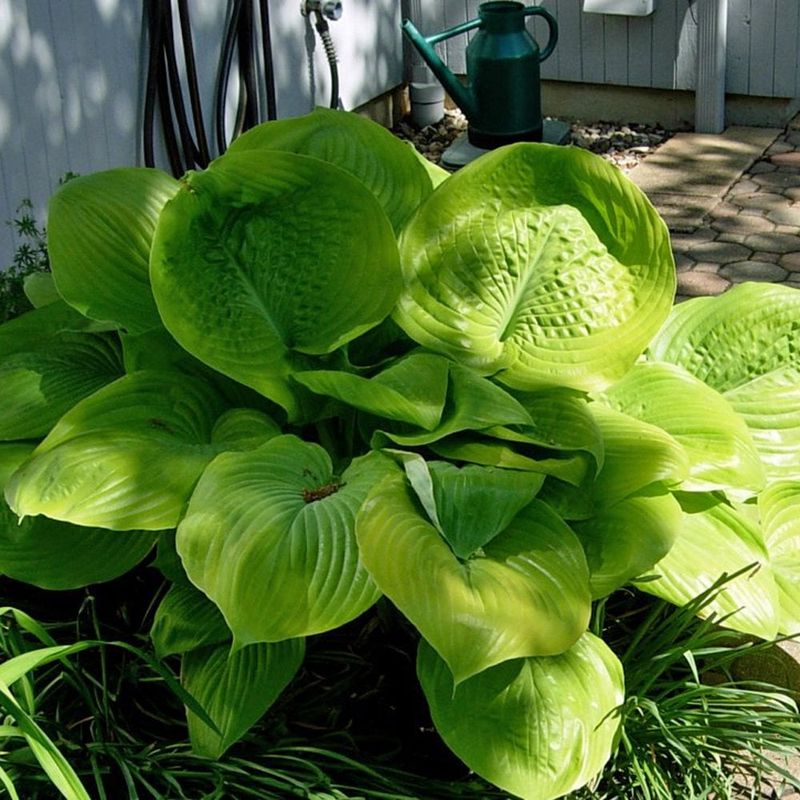
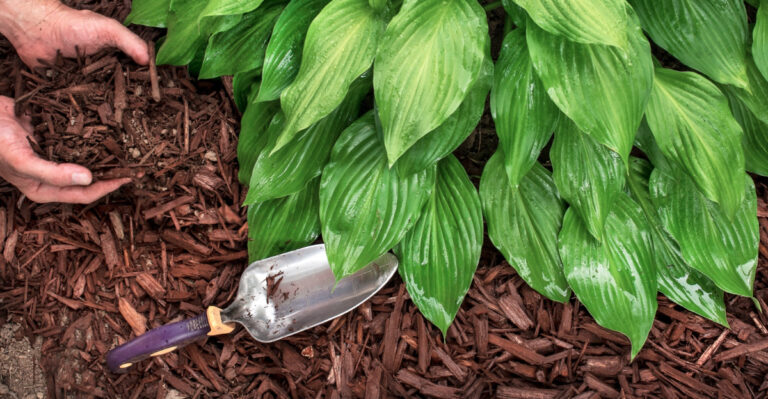
Picture a plant with leaves so massive they could serve as natural umbrellas for garden gnomes.
‘Sum and Substance’ earned its reputation as one of the most dramatic hostas you can grow in Minnesota’s shaded areas.
Each leaf spans nearly two feet across when mature, creating an impressive mound of chartreuse foliage that practically glows even in deep shade.
This powerhouse performer handles Minnesota winters without complaint, returning bigger and bolder each spring.
The golden-green color intensifies in brighter shade, while the thick, slug-resistant leaves maintain their beauty throughout the growing season.
Unlike fussier varieties, this hosta tolerates both dry shade and occasional moisture, making it incredibly forgiving for busy gardeners.
Lavender flowers appear on tall stalks in midsummer, though most people grow this beauty purely for its stunning foliage.
The leaves emerge in late spring and hold their color until frost arrives in fall.
Plant it where you need a bold statement piece, perhaps anchoring a corner bed or framing a shaded walkway.
Combine ‘Sum and Substance’ with darker-leaved companions like ‘Patriot’ hosta or Japanese painted ferns for maximum contrast.
The bright foliage reflects available light back into dim spaces, making your shade garden feel more open and inviting.
One mature clump can easily reach four feet wide, so give it plenty of room to spread and show off its magnificent presence.
2. Astilbe ‘Bridal Veil’
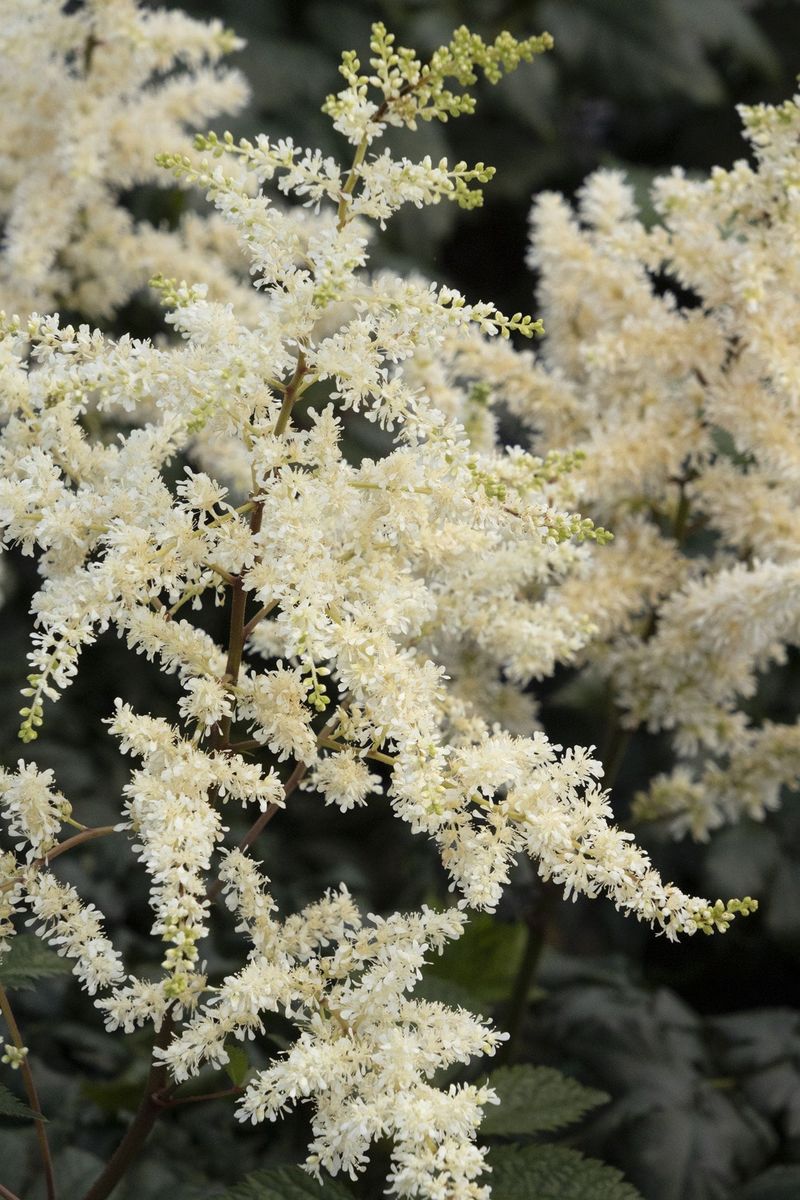
Few sights rival the ethereal beauty of astilbe blooms floating above fernlike foliage in a shaded Minnesota garden.
‘Bridal Veil’ produces clouds of pure white, feathery plumes that seem to dance in the slightest breeze during June and July.
The flowers arch gracefully on strong stems, creating a romantic, airy effect that softens any landscape design.
Minnesota’s naturally acidic soil and reliable spring moisture create perfect conditions for this elegant perennial.
Your Minnesota Garden Changes Every Week. Your Plan Should Too.
Gardening in Minnesota changes quickly throughout the season. Every Friday you’ll receive a simple weekly plan showing exactly what to plant, prune, fertilize, harvest, and protect so you never miss the right timing.
The deeply cut, glossy green leaves remain attractive even after flowers fade, providing texture and interest through fall.
Unlike many shade plants that simply tolerate dim conditions, astilbe actually prefers protection from harsh afternoon sun.
Plant ‘Bridal Veil’ in groups of three or five for the most dramatic impact along shaded borders or near water features.
The white blooms brighten dark corners and pair beautifully with blue or purple companions like lungwort or Jacob’s ladder.
Each plume can reach 18 to 24 inches tall, standing proud above the foliage mound below.
Keep the soil consistently moist but not waterlogged for best performance, especially during Minnesota’s occasional dry spells.
Mulch around the base to retain moisture and protect shallow roots from temperature extremes.
Butterflies and hummingbirds visit the blooms regularly, adding movement and life to your peaceful shade retreat throughout the summer months.
3. Japanese Painted Fern
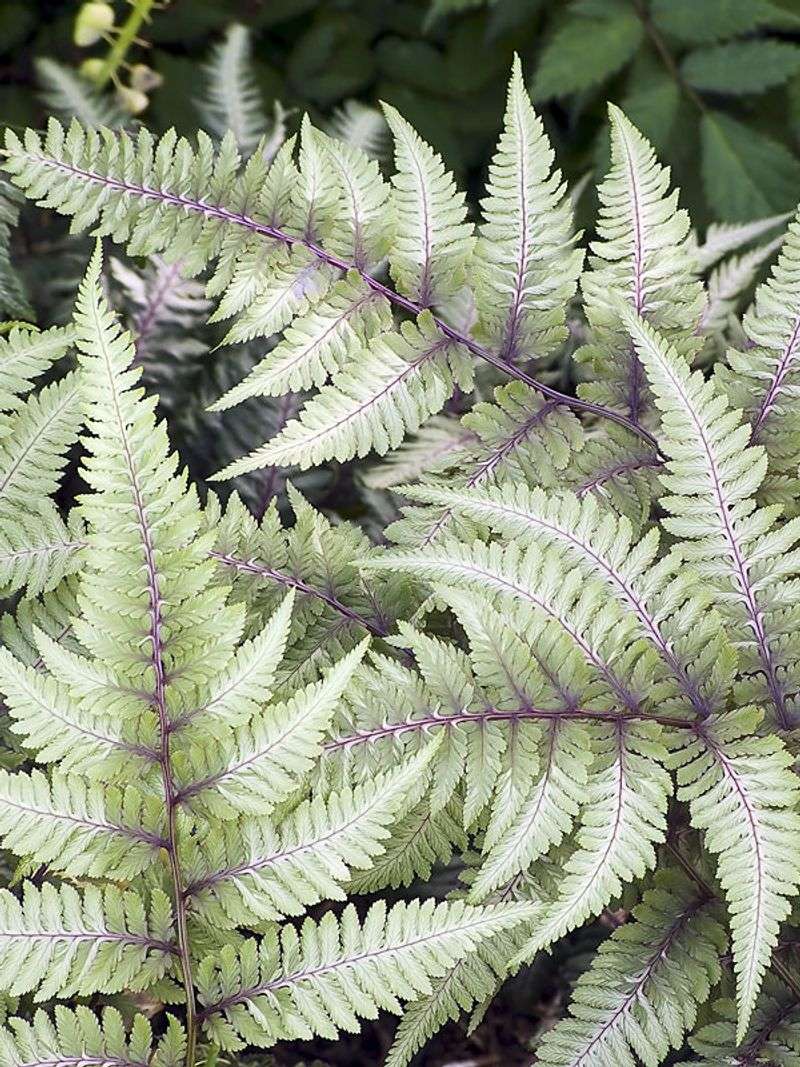
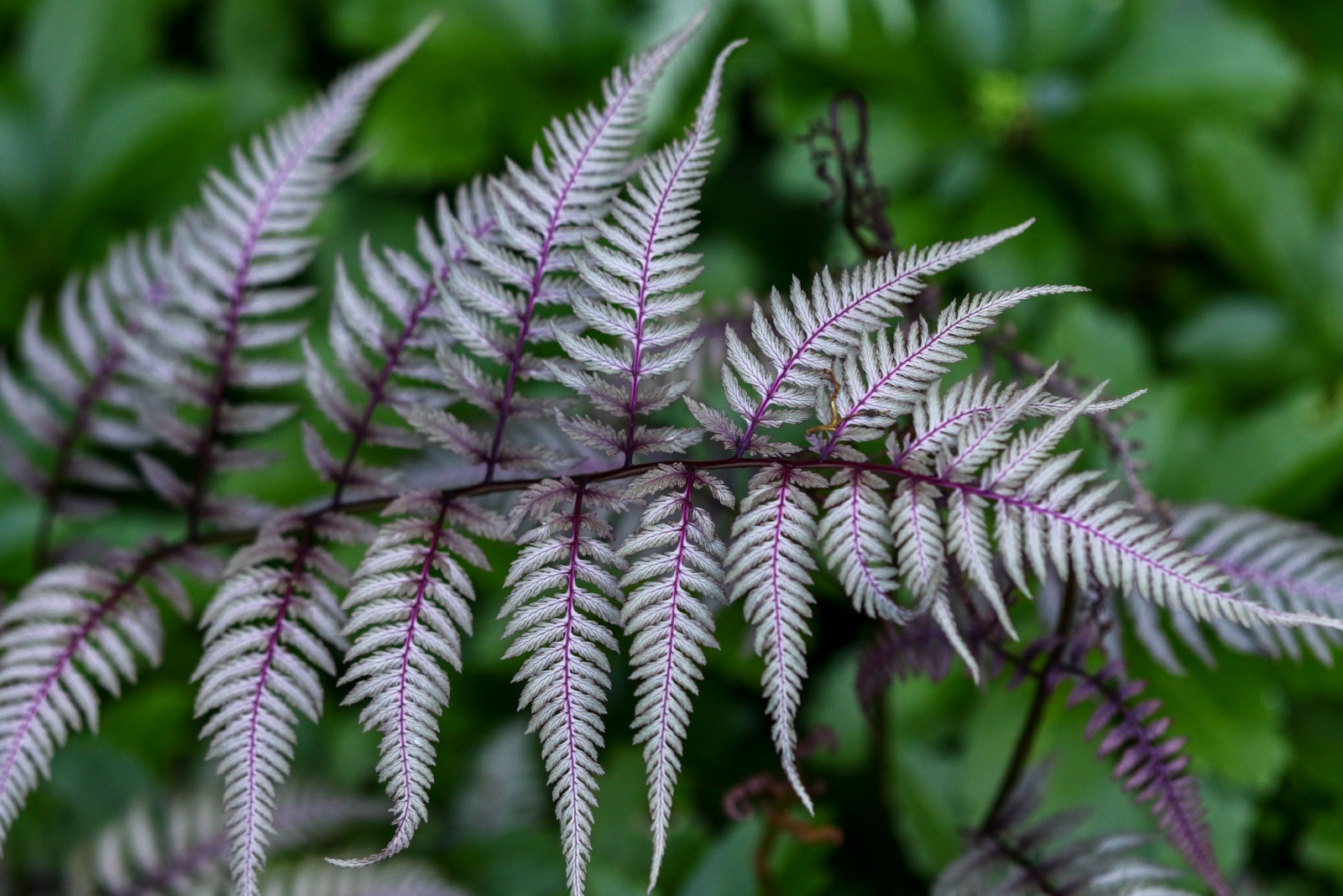
Metallic silver fronds sweep upward from burgundy stems in a display that stops visitors in their tracks.
Japanese Painted Fern brings an almost otherworldly quality to Minnesota shade gardens with its unique coloration that no flower can match.
The silvery-gray leaves catch and reflect whatever light filters through the tree canopy, creating luminous pools of color in the darkest corners.
This perennial fern proves that foliage alone can steal the show in any garden setting.
Burgundy veins trace through each frond, adding depth and complexity to the overall appearance.
The plant forms neat, compact clumps about 12 to 18 inches tall, making it perfect for edging shaded paths or tucking into tight spaces.
Minnesota’s cold winters pose no threat to this hardy fern, which returns reliably each spring with fresh, colorful growth.
New fronds unfurl in late April or early May, gradually expanding into their full metallic glory by June.
The color remains vibrant all season, never fading or browning like some shade plants do in late summer heat.
Pair Japanese Painted Fern with solid green hostas or dark-leaved heucheras to make its silver tones pop even more dramatically.
The fine-textured fronds provide excellent contrast against bold, broad-leaved companions in mixed shade plantings.
Moisture-retentive soil rich in organic matter keeps this beauty thriving, though established plants tolerate brief dry periods surprisingly well once their roots settle in.
4. Bleeding Heart ‘Gold Heart’
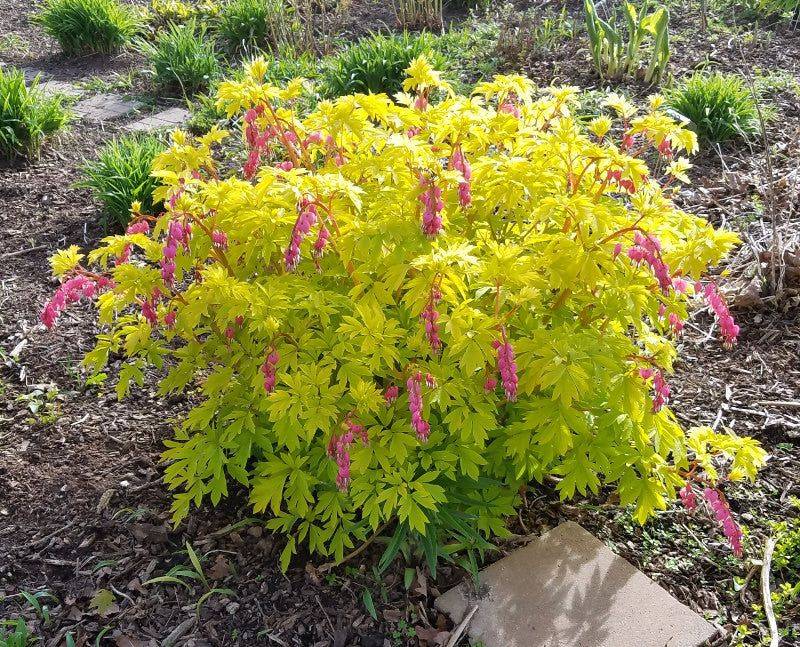
Golden foliage illuminates shaded spaces like captured sunshine, making ‘Gold Heart’ bleeding heart a true showstopper from spring through summer.
The bright chartreuse leaves emerge early in Minnesota’s growing season, followed by classic pink, heart-shaped flowers dangling from gracefully arching stems.
This variety takes the beloved old-fashioned bleeding heart and adds a modern twist that garden designers absolutely adore.
Most bleeding hearts feature blue-green foliage, but ‘Gold Heart’ breaks the mold with its electrifying color that persists all season long.
The golden leaves never scorch or fade, even during Minnesota’s humid July and August weather.
Flowers appear in May and continue sporadically through early summer, each one a perfect pink pendant suspended in midair.
Plant this gem where morning light can kiss the foliage, making it glow like a lantern in your shade garden.
The color combination of gold leaves and rosy-pink blooms creates a cheerful, cottage-garden vibe that feels both nostalgic and fresh.
Mature plants reach about 24 inches tall and wide, forming substantial clumps over time.
Unlike older bleeding heart varieties that often go dormant in summer heat, ‘Gold Heart’ maintains its foliage through fall in shaded locations.
Pair it with blue-flowered companions like brunnera or forget-me-nots for a striking spring color scheme.
The bright foliage also works beautifully with purple-leaved heucheras, creating rich contrasts that make both plants look even more spectacular in your Minnesota landscape.
5. Coral Bells ‘Obsidian’
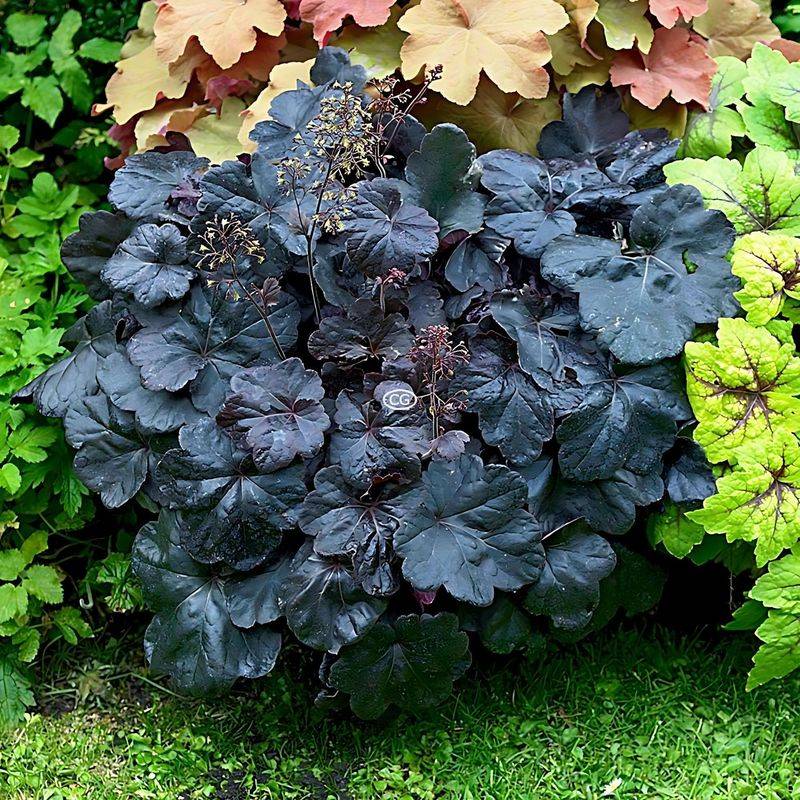
Deep, mysterious, and almost black, ‘Obsidian’ coral bells bring Gothic drama to Minnesota’s shaded gardens.
The glossy, near-black leaves form dense mounds that command attention even from a distance, creating bold focal points wherever you place them.
This isn’t your grandmother’s delicate shade plant—’Obsidian’ makes a powerful, modern statement that anchors contemporary and traditional designs alike.
Minnesota winters test every perennial’s toughness, but this heuchera sails through cold snaps without missing a beat.
The dark foliage emerges in spring and maintains its intense color through fall, never fading to green like some purple-leaved varieties do.
Tiny white flowers appear on wiry stems in early summer, floating above the dark leaves like stars in a night sky.
Use ‘Obsidian’ to create striking contrasts with silver-leaved lamium, golden hostas, or chartreuse ferns in your shade plantings.
The near-black color makes lighter companions absolutely pop, turning ordinary plant combinations into magazine-worthy vignettes.
Each plant grows about 10 inches tall and spreads to 12 inches wide, making it ideal for front-of-border positions.
The glossy leaf surface reflects light differently than matte foliage, adding subtle shimmer and depth to shaded areas.
Deer typically avoid heucheras, making ‘Obsidian’ a smart choice for Minnesota gardens where browsing wildlife causes problems.
Plant in groups of three or more for maximum impact, or use as a repeating element throughout your shade garden to create visual rhythm and cohesion.
6. Siberian Bugloss
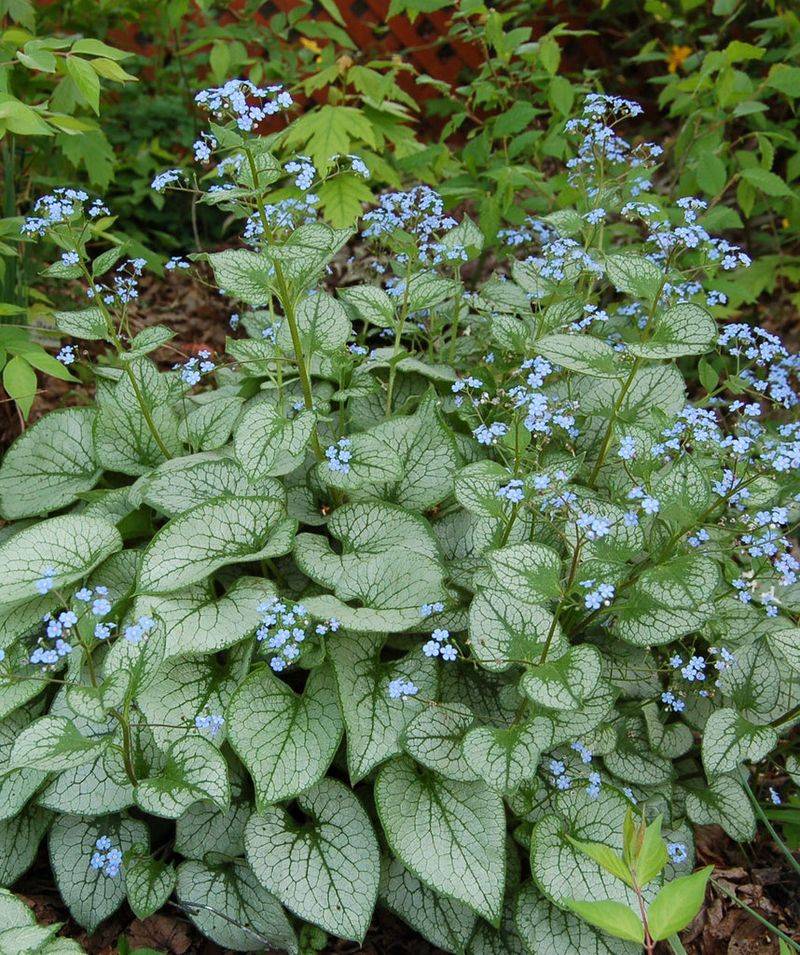
Bright blue flowers carpet the ground each spring, transforming Minnesota’s shaded areas into seas of sky-colored blooms.
Siberian bugloss produces clouds of tiny, forget-me-not-like flowers that seem impossibly cheerful for a shade-loving plant.
The blooms appear in April and May, often before many trees fully leaf out, bringing early-season color when gardens desperately need it.
After the flower show ends, large heart-shaped leaves take center stage, creating attractive groundcover that suppresses weeds throughout summer and fall.
The foliage forms dense clumps about 12 to 18 inches tall, filling space beautifully under trees or along shaded walkways.
Minnesota’s spring moisture suits this plant perfectly, helping it establish quickly and spread into impressive colonies over time.
Variegated selections like ‘Jack Frost’ add silver patterns to the leaves, extending the ornamental interest far beyond the bloom period.
But the straight species with solid green leaves offers its own charm and often proves even tougher in challenging conditions.
The blue flowers pair wonderfully with yellow daffodils, white trilliums, or purple lungwort for spectacular spring combinations.
Once established, Siberian bugloss tolerates dry shade better than many perennials, though it prefers consistent moisture for lush growth.
The plant self-sows gently without becoming aggressive, gradually naturalizing in woodland settings.
Butterflies and early-season pollinators flock to the blooms, making your shade garden an important food source when few other flowers have appeared yet in the spring landscape.
7. Toad Lily
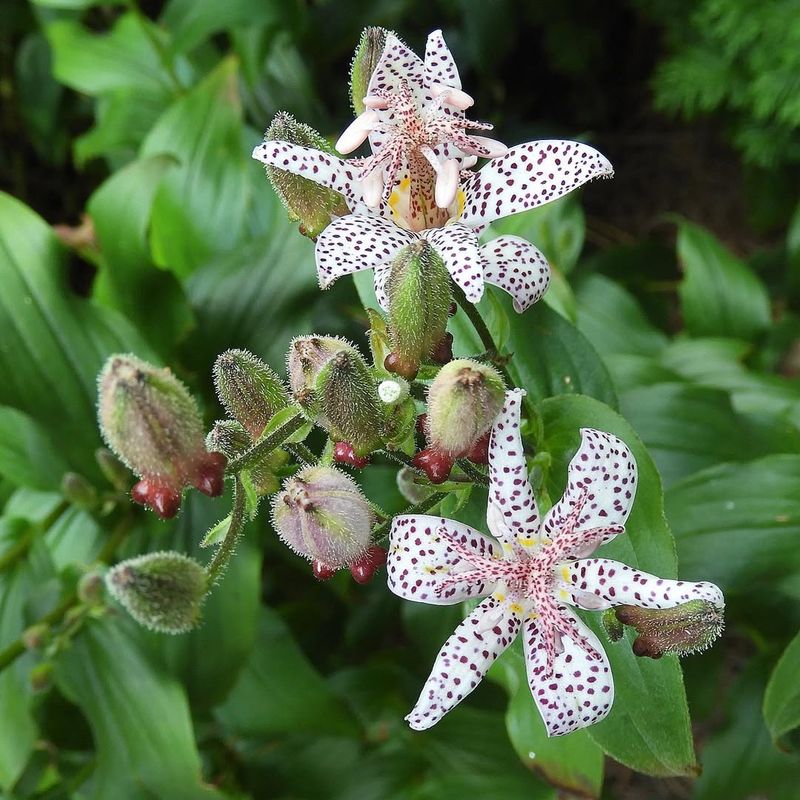
Orchid-like blooms covered in purple spots appear in fall when most shade plants have finished their show for the year.
Toad lily brings exotic beauty to Minnesota gardens with flowers so intricate and unusual that visitors often mistake them for tropical imports.
The spotted, star-shaped blooms cluster along arching stems from September through October, providing late-season interest when gardens need it most.
Minnesota gardeners treasure plants that extend the growing season, and toad lily delivers spectacular performance right up until hard frost arrives.
The flowers feature white or pale purple petals heavily speckled with darker purple spots, creating an almost painted appearance.
Each bloom measures about an inch across, but the plants produce dozens of flowers along every stem for impressive overall impact.
Graceful, arching stems reach 24 to 36 inches tall, creating an elegant fountain effect in shaded borders or woodland gardens.
The glossy green leaves clasp the stems attractively, providing good-looking foliage from spring through fall even before flowers appear.
Plant toad lily where you can appreciate the intricate flower details up close, perhaps along a shaded path or near a garden bench.
This perennial prefers rich, moisture-retentive soil similar to what you’d find on a forest floor in its native Asian habitat.
Add plenty of compost or leaf mold when planting to create ideal conditions for long-term success.
Combine toad lily with fall-blooming sedums, asters, or ornamental grasses for a late-season garden that rivals spring’s colorful displays in Minnesota landscapes.
8. Foamflower
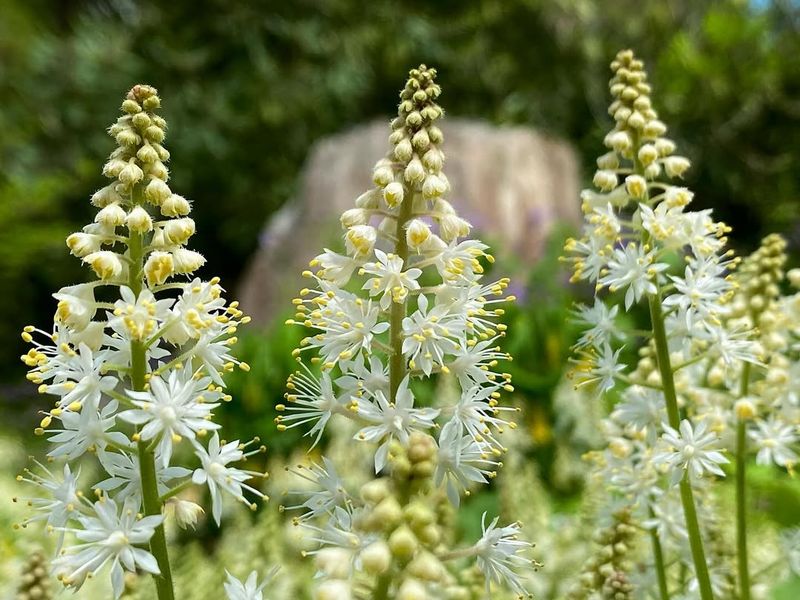
Foamy white flower spikes rise like tiny bottle brushes above maple-shaped leaves each spring, creating a delicate carpet in Minnesota’s shaded gardens.
Foamflower earns its common name from the frothy appearance of its blooms, which seem to float above the foliage in May and June.
This native woodland plant brings both ecological value and ornamental beauty to landscapes, supporting local pollinators while looking absolutely charming.
The leaves alone make foamflower worth growing, with attractive lobed shapes often marked with burgundy or chocolate patterns along the veins.
Some varieties feature evergreen or semi-evergreen foliage that provides winter interest in Minnesota’s milder years.
The plant spreads slowly by runners, forming dense groundcover that chokes out weeds without becoming invasive or troublesome.
Minnesota’s acidic woodland soil and dappled shade create perfect conditions for this easy-care perennial to thrive.
Foamflower tolerates dry shade once established, though it performs best with consistent moisture and rich, organic soil.
Plant it under deciduous trees, along shaded paths, or in woodland gardens where it can naturalize gradually over time.
The white or pale pink flowers attract small bees and beneficial insects, making your shade garden an important habitat for local wildlife.
Combine foamflower with larger hostas, ferns, or Solomon’s seal for layered plantings that mimic natural forest floors.
This low-maintenance native rarely suffers from pest or disease problems, giving you beautiful results without constant attention or intervention in your Minnesota landscape throughout the growing season.