The Minimal Water Garden Trend Taking Over California

California has always been a leader in environmental trends, and now homeowners across the state are embracing a new way to garden that saves water while still looking beautiful.
Minimal-water gardens use plants that thrive with little rainfall and smart design choices that reduce the need for constant watering.
This approach helps families lower their water bills, protect the environment, and create outdoor spaces that are easier to maintain.
With droughts becoming more common in California, these gardens offer a practical solution that benefits everyone.
Whether you live near the coast or inland, switching to a minimal-water garden can transform your yard into a colorful, eco-friendly paradise that requires less work and less worry about water waste.
Native Plants Are Your Best Friends

California native plants have adapted over thousands of years to survive in the state’s unique climate with minimal rainfall.
These plants developed deep root systems and special leaves that help them conserve moisture during dry seasons.
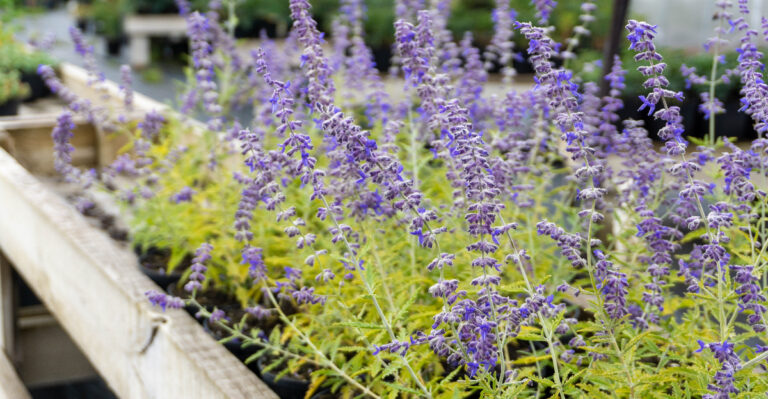
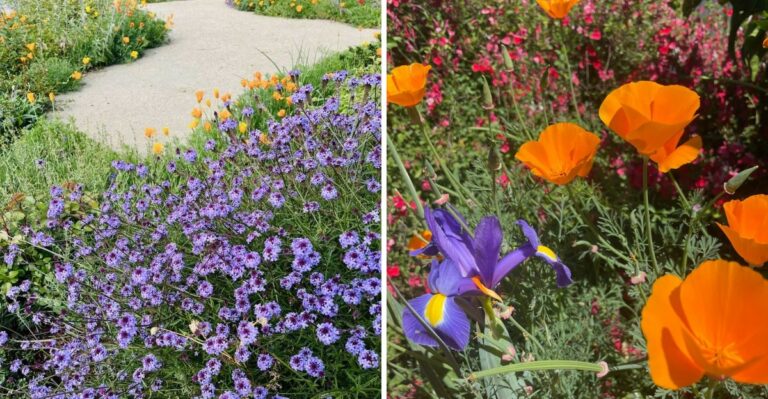
Popular choices include California poppies, manzanita, and sage, which add vibrant colors to your garden while needing very little attention.
Native plants also support local wildlife like butterflies, bees, and hummingbirds, creating a healthier ecosystem right in your backyard.
They resist local pests better than imported plants, so you’ll spend less money on pesticides and treatments.
Many California gardeners report that their native plant gardens require watering only once or twice a month during summer, compared to several times per week for traditional lawns.
Nurseries throughout California now stock a wide variety of native species, making it easier than ever to find plants that match your style.
Choosing natives means you’re working with nature instead of against it, which saves time, money, and precious water resources.
Drip Irrigation Systems Save Water Efficiently
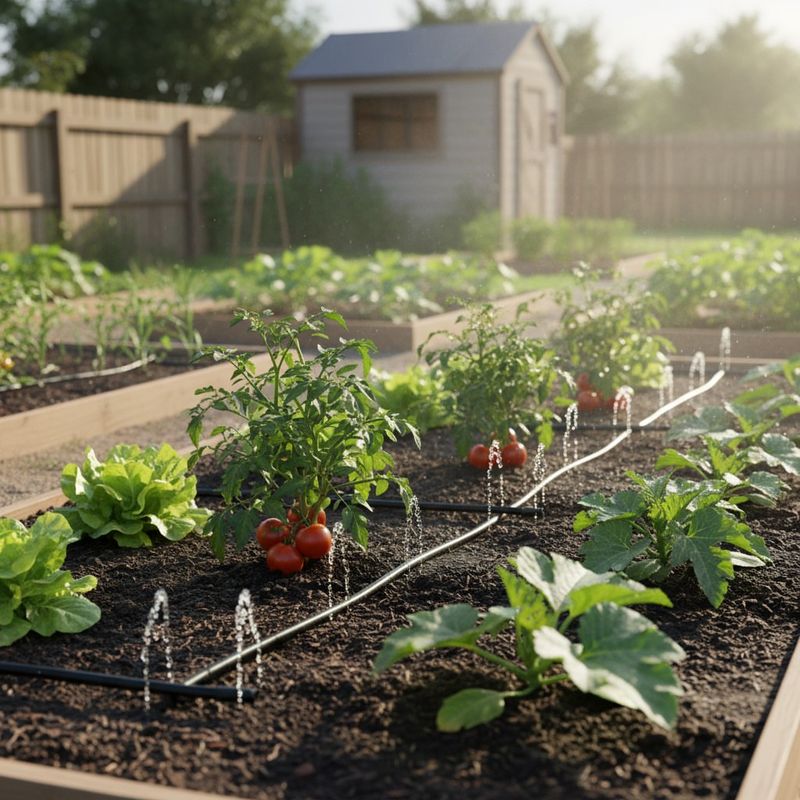
Traditional sprinklers spray water everywhere, with much of it evaporating before plants can absorb it or landing on sidewalks and driveways.
Drip irrigation delivers water directly to plant roots through a network of tubes and small emitters, reducing waste by up to seventy percent.
This method ensures that every drop goes exactly where it’s needed, keeping plants healthy while dramatically lowering your water usage.
Installation is surprisingly simple, and many California hardware stores offer kits with everything you need to get started.
You can customize the system to give different plants different amounts of water based on their specific needs.
Timers can automate the process, so your garden gets watered at the best times of day without you having to remember.
Early morning watering through drip systems minimizes evaporation and helps plants absorb moisture before the California sun gets too intense.
Many cities in California offer rebates for homeowners who install drip irrigation, making this upgrade even more affordable and worthwhile for your wallet.
Mulch Works Like Magic For Moisture Retention
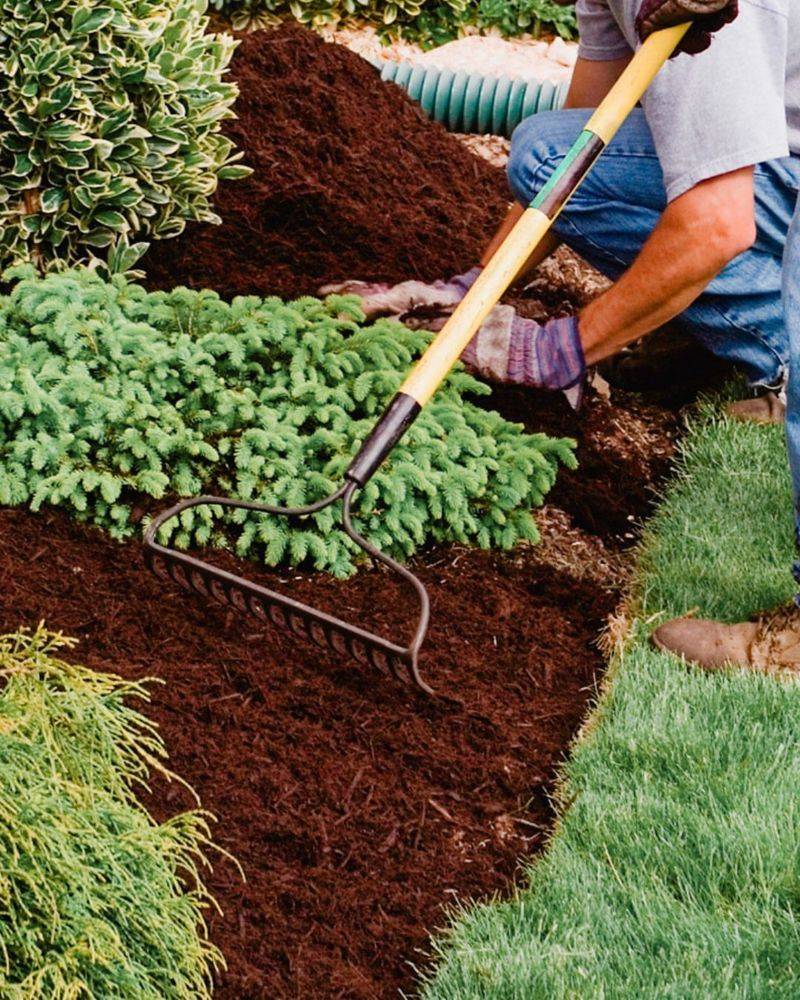
Spreading a thick layer of mulch over your garden soil creates a protective blanket that locks in moisture and keeps plant roots cool during hot California summers.
Organic mulches like wood chips, bark, or compost break down over time, adding nutrients to the soil while continuing to conserve water.
Your California Garden Changes Every Week. Your Plan Should Too.
Gardening in California changes quickly throughout the season. Every Friday you’ll receive a simple weekly plan showing exactly what to plant, prune, fertilize, harvest, and protect so you never miss the right timing.
A three to four inch layer of mulch can reduce evaporation by half, meaning you’ll need to water far less frequently.
Mulch also prevents weeds from sprouting, which means fewer plants competing for the limited water you do provide.
In California gardens, mulch helps regulate soil temperature, protecting roots from extreme heat that can stress plants and increase their water needs.
You can find mulch at garden centers throughout the state, and some cities even offer free mulch made from recycled yard waste.
Refreshing your mulch layer once or twice a year keeps it effective and maintains a neat, attractive appearance in your garden.
This simple addition makes a huge difference in water conservation while improving the overall health of your plants.
Succulents And Cacti Offer Stunning Low-Water Options
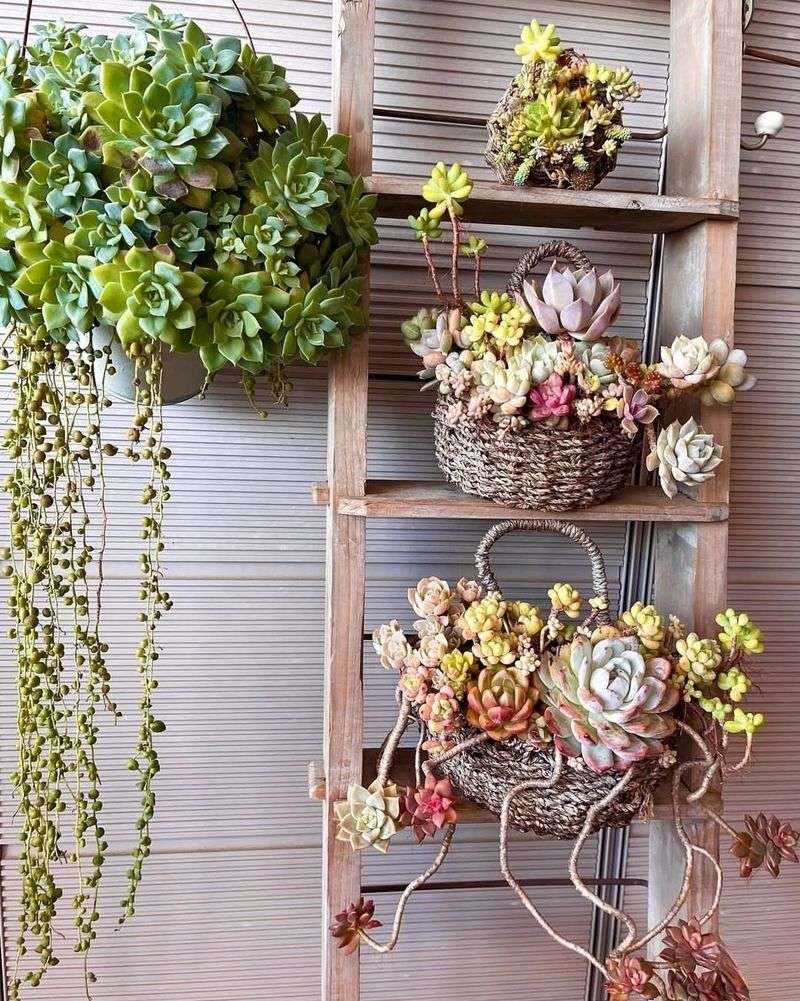
Succulents and cacti store water in their thick leaves and stems, making them perfectly suited for California’s dry climate and minimal-water gardens.
These plants come in an amazing array of shapes, sizes, and colors, from tiny rosettes to tall, architectural specimens that create dramatic focal points.
Many California gardeners create entire succulent gardens that need watering only once every few weeks, even during the hottest months.
Popular varieties include agave, aloe, echeveria, and sedum, all of which thrive in full sun with excellent drainage.
Succulents also work wonderfully in containers, allowing you to create portable displays on patios, balconies, or entryways.
Their low maintenance requirements make them ideal for busy families or people new to gardening who want beautiful results without constant attention.
In California’s mild winters, most succulents stay green and attractive year-round, providing continuous visual interest.
Combining different textures and colors of succulents creates a modern, stylish look that’s become increasingly popular in California landscape design.
Gravel And Rock Gardens Replace Thirsty Lawns
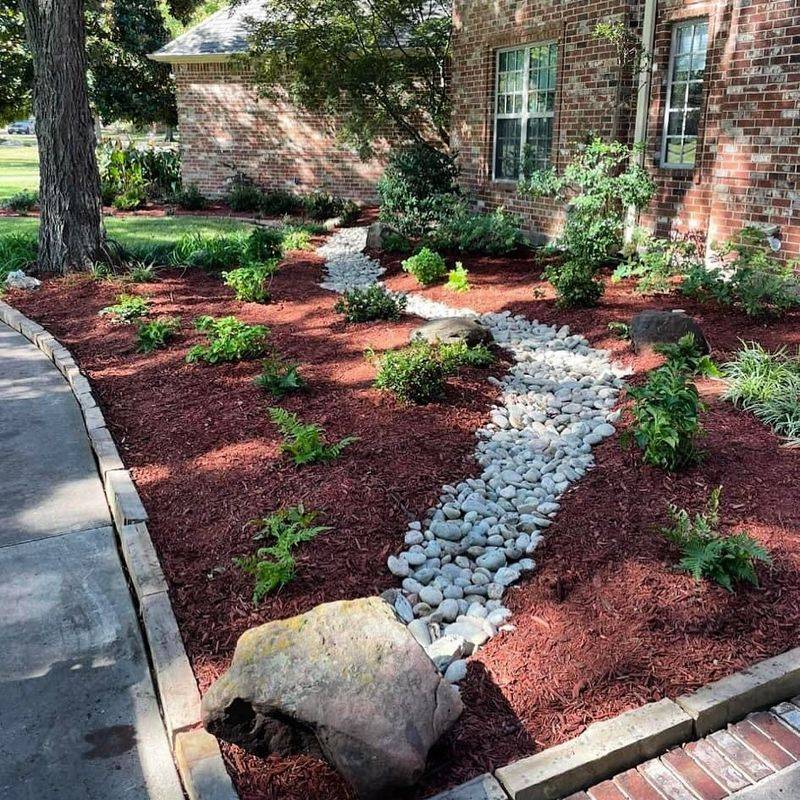
Traditional grass lawns guzzle water like nothing else in California gardens, often requiring daily watering to stay green during summer months.
Replacing all or part of your lawn with gravel, decorative rocks, or decomposed granite dramatically reduces water consumption while creating an attractive, low-maintenance landscape.
Rock gardens can incorporate boulders, pebbles, and stones in various colors and sizes to create interesting textures and patterns.
Strategic placement of drought-tolerant plants among the rocks adds color and softness without sacrificing water efficiency.
Many California municipalities offer cash rebates for homeowners who remove their lawns and install water-wise alternatives like rock gardens.
These gardens never need mowing, fertilizing, or the constant upkeep that traditional lawns demand, freeing up your weekends for more enjoyable activities.
Permeable rock surfaces allow rainwater to soak into the ground rather than running off into storm drains, which benefits the local water table.
With thoughtful design, rock gardens can look elegant and inviting while reflecting California’s natural desert and coastal landscapes beautifully.
Grouping Plants By Water Needs Maximizes Efficiency
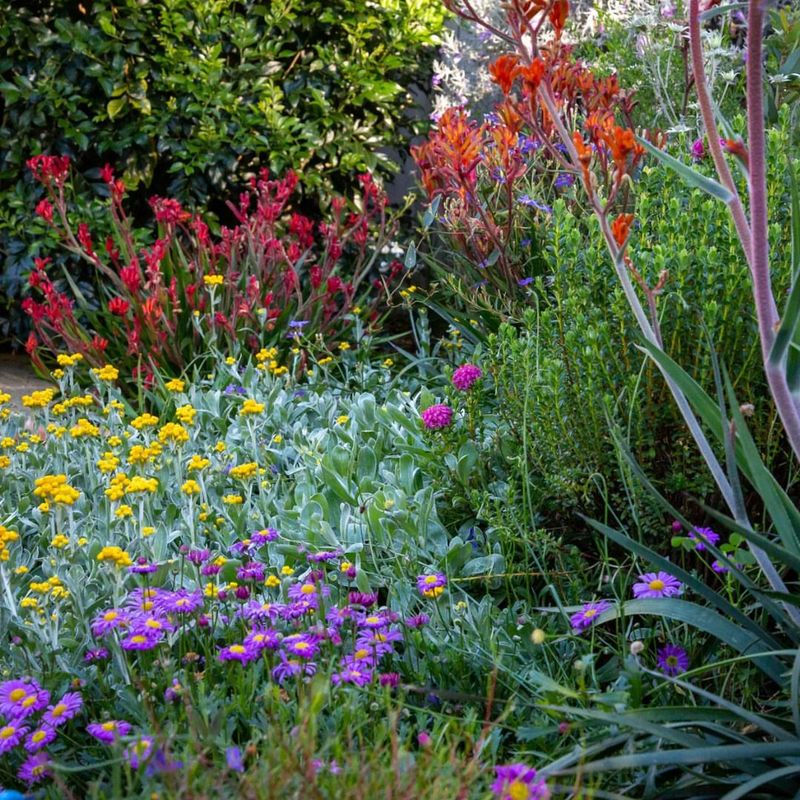
Smart California gardeners organize their plants into zones based on how much water each species requires, a technique called hydrozoning.
Placing plants with similar water needs together prevents overwatering some species while underwatering others.
This strategy allows you to focus your limited watering efforts where they’re most needed, reducing waste and keeping all your plants healthier.
For example, you might group vegetables and herbs that need regular moisture near your water source, while placing succulents and native plants in drier areas farther away.
Hydrozoning works especially well with drip irrigation systems, where you can set different watering schedules for different zones.
Many California landscape designers now plan gardens with this principle in mind from the beginning, creating beautiful spaces that use water wisely.
This approach also makes garden maintenance simpler because you can quickly identify which areas need attention and which can be left alone.
By respecting each plant’s natural water requirements, you create a more sustainable garden that thrives with less effort and fewer resources.
Rainwater Harvesting Captures Free Water Resources
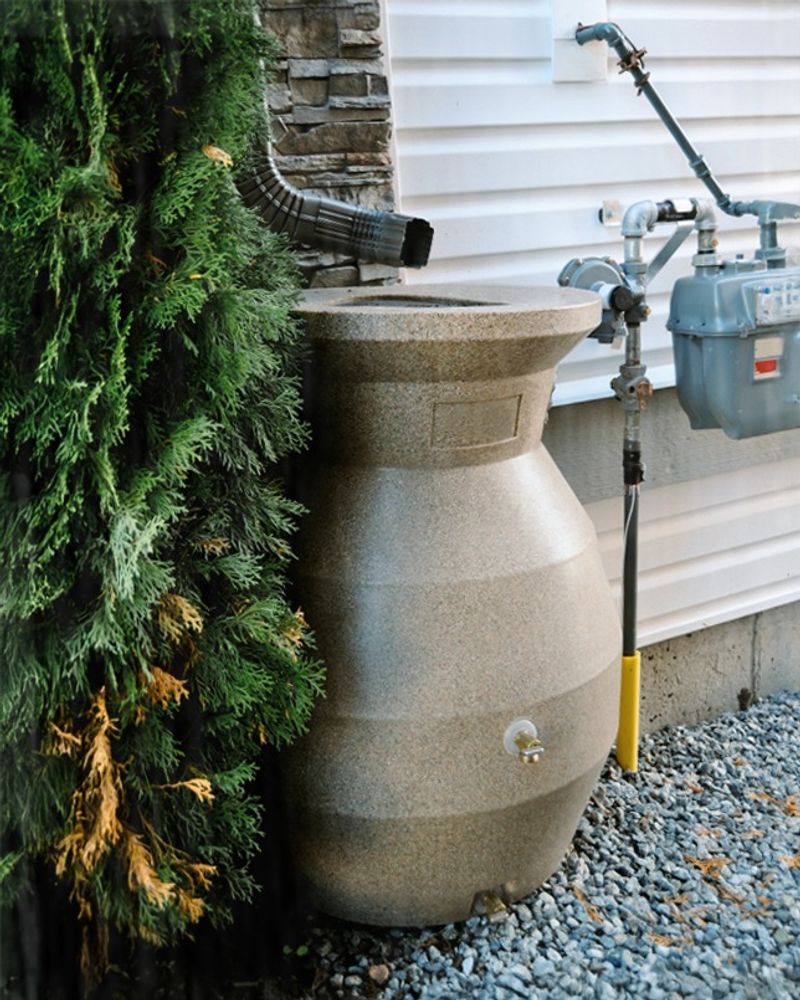
Even though California doesn’t get much rain compared to other states, capturing and storing rainwater when it does fall provides a free source of irrigation water.
Rain barrels connected to your roof gutters collect runoff that would otherwise flow into storm drains, giving you gallons of water for your garden.
A single inch of rain falling on a thousand-square-foot roof can fill over six hundred gallons worth of storage containers.
Using rainwater for your plants is actually better than tap water because it’s free of chlorine and other chemicals that municipal water contains.
California gardeners can use stored rainwater during dry months, reducing their dependence on city water supplies and lowering utility bills.
Rain barrels come in various sizes and styles, from simple plastic drums to attractive decorative containers that enhance your garden’s appearance.
Some California cities offer discounts or free rain barrels to residents as part of water conservation programs.
Setting up a basic rainwater collection system takes just a few hours and requires minimal tools or expertise, making it accessible for most homeowners.
Soil Improvement Helps Plants Thrive With Less Water
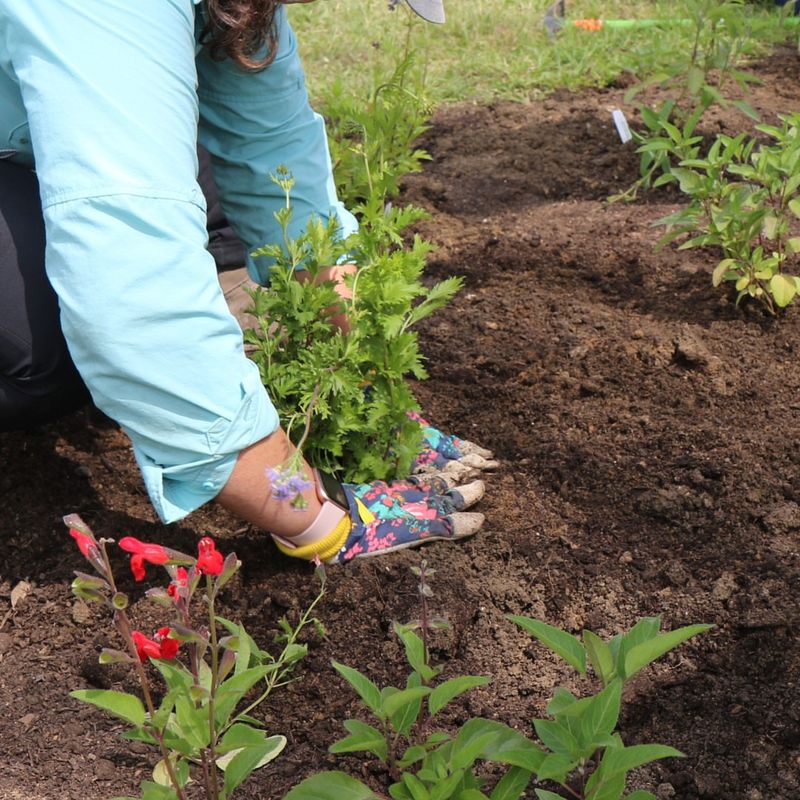
Healthy soil acts like a sponge, holding moisture longer and making water available to plant roots when they need it most.
Adding organic matter like compost or aged manure improves soil structure, creating spaces that retain water while still allowing excess to drain away.
California’s native soil varies widely across the state, from sandy coastal areas to heavy clay inland, but nearly all benefit from organic amendments.
Improved soil also supports beneficial microorganisms and earthworms that help plants absorb nutrients more efficiently, reducing their overall stress and water requirements.
Working compost into your garden beds before planting gives new plants the best possible start in their minimal-water environment.
Many California municipalities offer free or low-cost compost made from collected yard waste, making soil improvement affordable for everyone.
Even a two to three inch layer of compost worked into the top six inches of soil can dramatically improve water retention.
Better soil means healthier plants that can withstand California’s dry periods with less supplemental watering and fewer problems overall.
Timing Your Watering Makes Every Drop Count
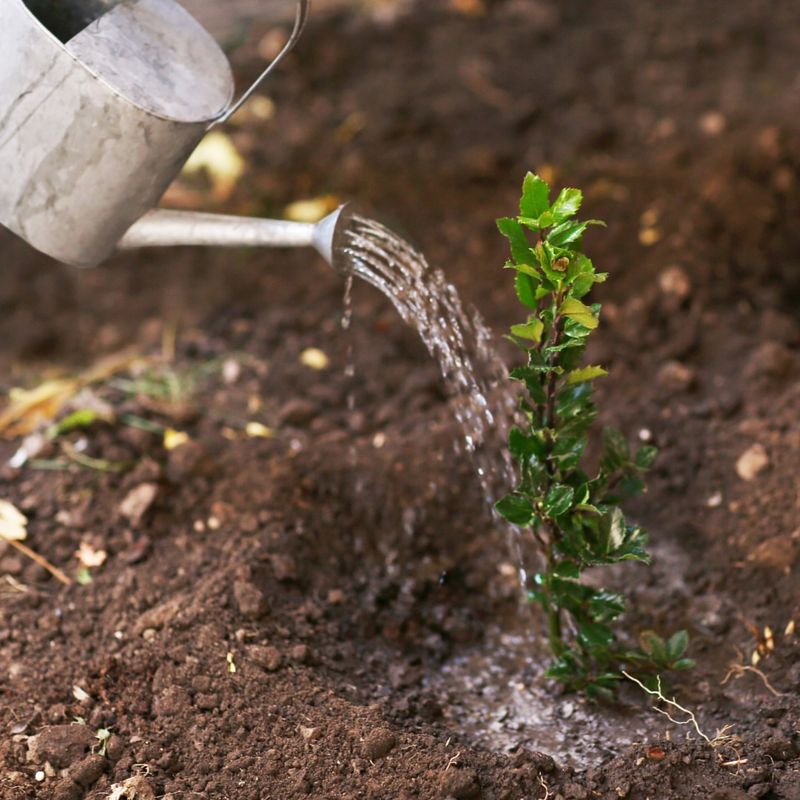
Watering during the coolest parts of the day, typically early morning or late evening, reduces evaporation and ensures more water reaches plant roots.
In California’s hot summers, midday watering can lose up to half its volume to evaporation before plants benefit from it.
Early morning watering gives plants moisture to face the day’s heat, while evening watering allows absorption overnight without the stress of immediate sun exposure.
Avoid watering too late at night, though, as this can leave foliage damp for too long, potentially encouraging fungal problems.
Deep, infrequent watering encourages plants to develop deeper root systems that can access moisture farther below the surface, making them more drought-resistant.
California gardeners should water thoroughly but less often rather than giving plants frequent shallow drinks that promote weak, shallow roots.
Checking soil moisture before watering prevents overwatering, which wastes water and can actually harm plants by drowning their roots.
Simple timers attached to irrigation systems ensure watering happens at optimal times even when you’re away or busy with other responsibilities.
Understanding California’s Microclimates Guides Plant Selection
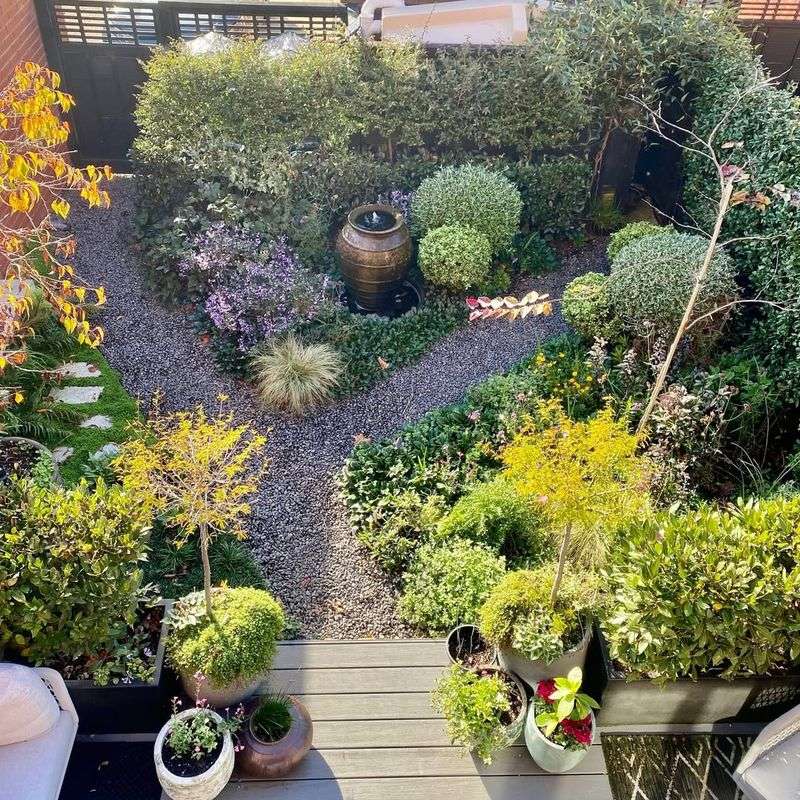
California’s diverse geography creates dramatically different growing conditions from one region to another, even within the same city or neighborhood.
Coastal areas enjoy cool, foggy summers with moderate temperatures, while inland valleys experience scorching heat and much drier air.
Understanding your specific microclimate helps you choose plants that will naturally thrive with minimal water in your exact location.
A plant that needs little water in foggy San Francisco might require regular irrigation in sunny Riverside, even though both are in California.
Local nurseries and university extension offices provide valuable information about which plants perform best in your particular microclimate.
Observing which plants flourish in neighboring yards gives you practical insights into what will succeed in your own minimal-water garden.
Factors like sun exposure, wind patterns, and proximity to the ocean all influence how much water your garden needs.
Matching your plant choices to California’s microclimates ensures success while minimizing water use, creating a garden that looks lush and healthy naturally.