10 Stunning Reasons Garden Lovers Are Visiting The Missouri Botanical Garden This Season
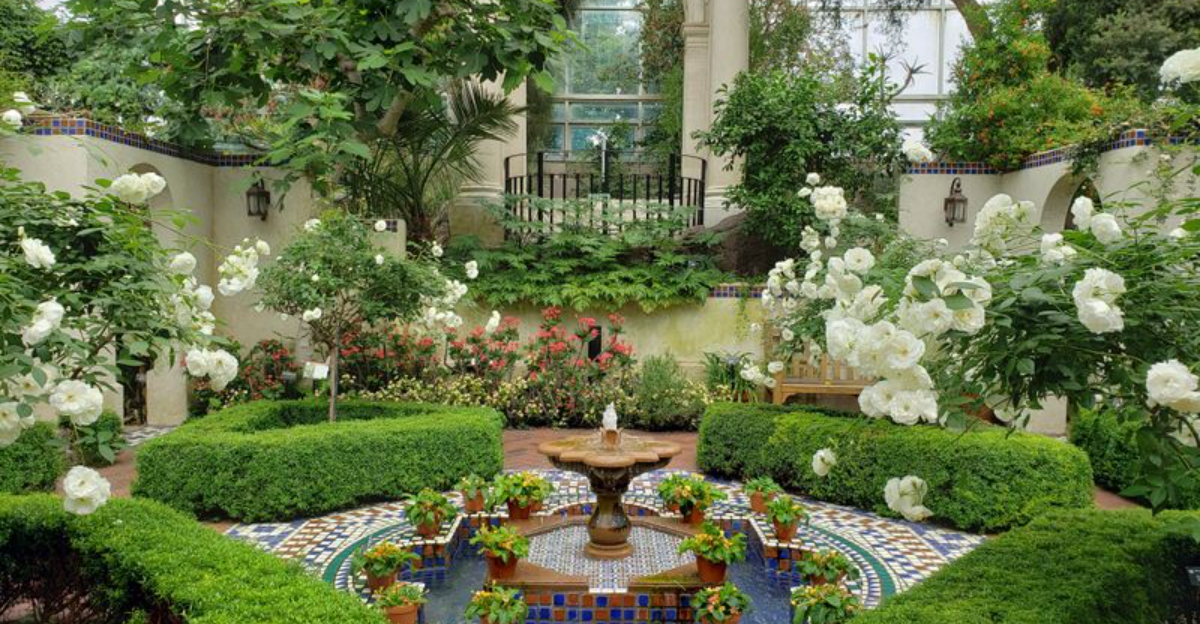
The Missouri Botanical Garden stands as one of the oldest and most celebrated botanical institutions in the United States, drawing visitors from across the globe.
Nestled in the heart of St. Louis, this 79-acre oasis offers an escape into nature’s beauty with world-class collections, innovative exhibits, and seasonal displays that change throughout the year.
Garden enthusiasts flock here to experience everything from exotic tropical plants to meticulously designed landscapes that showcase horticultural excellence.
This season brings fresh reasons to explore the garden’s pathways, discover hidden gems, and understand why this landmark continues to captivate both casual visitors and serious plant lovers alike.
1. The Climatron Conservatory’s Tropical Paradise
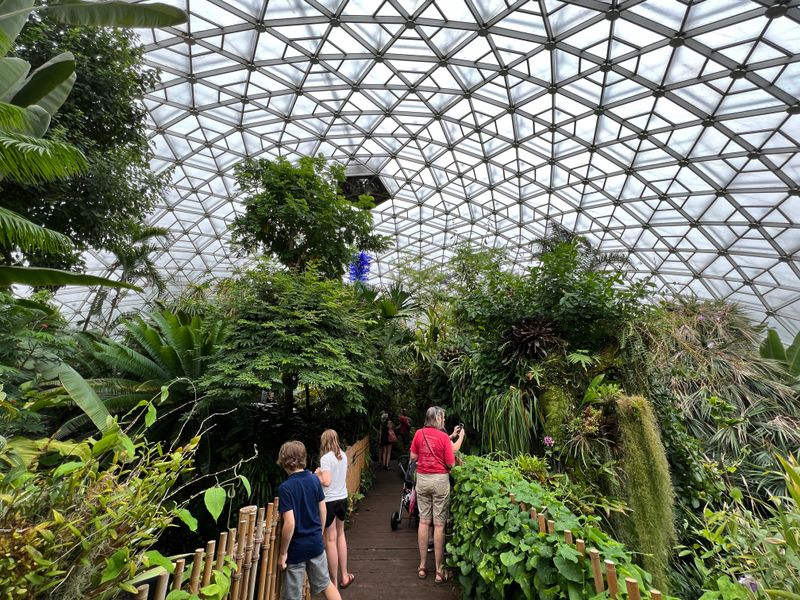
Walking into this geodesic dome feels like stepping into a rainforest wonderland where humidity wraps around you like a warm blanket.
The Climatron houses more than 1,400 plant species from tropical regions around the world, creating an immersive experience that transports visitors far from Missouri’s temperate climate.
Rare orchids dangle from tree branches while massive palms stretch toward the glass ceiling, and a gentle waterfall provides soothing background music to your exploration.
Located at 4344 Shaw Boulevard in St. Louis, Missouri 63110, this architectural marvel was the first geodesic dome greenhouse ever built and remains an engineering wonder today.
Visitors should plan at least 45 minutes to fully appreciate the winding paths that lead through different climate zones, each carefully maintained to support specific plant communities.
The temperature stays warm year-round, so dress in layers you can remove as you explore.
Photographers love capturing the interplay of light filtering through the dome’s panels onto vibrant foliage below.
Children especially enjoy searching for the koi fish in the interior pond and discovering plants that seem straight out of adventure stories.
2. Japanese Garden’s Serene Beauty and Cultural Authenticity
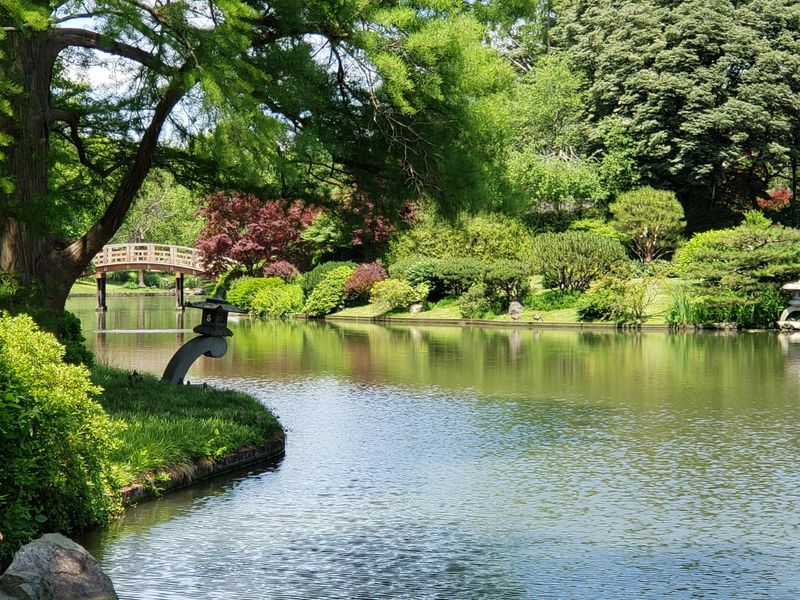
Tranquility washes over you the moment you enter this 14-acre masterpiece that honors traditional Japanese landscape design principles.
Known as Seiwa-en, which translates to “Garden of Pure, Clear Harmony and Peace,” this space represents one of the largest Japanese gardens in North America.
Stone pathways guide visitors past meditation areas, a traditional tea house, and carefully positioned rocks that hold symbolic meaning in Japanese culture.
Seasonal changes bring different moods to the landscape, with cherry blossoms in spring, lush greenery in summer, and stunning foliage transformations in autumn.
Koi fish glide gracefully through ponds while visitors pause on arched bridges to observe their colorful patterns.
The careful pruning of pines and maples demonstrates horticultural artistry passed down through generations of Japanese gardeners.
Benches positioned at strategic viewpoints invite contemplation and photography, making this an ideal spot for anyone seeking mental clarity or artistic inspiration.
3. Victorian District’s Historic Garden Rooms
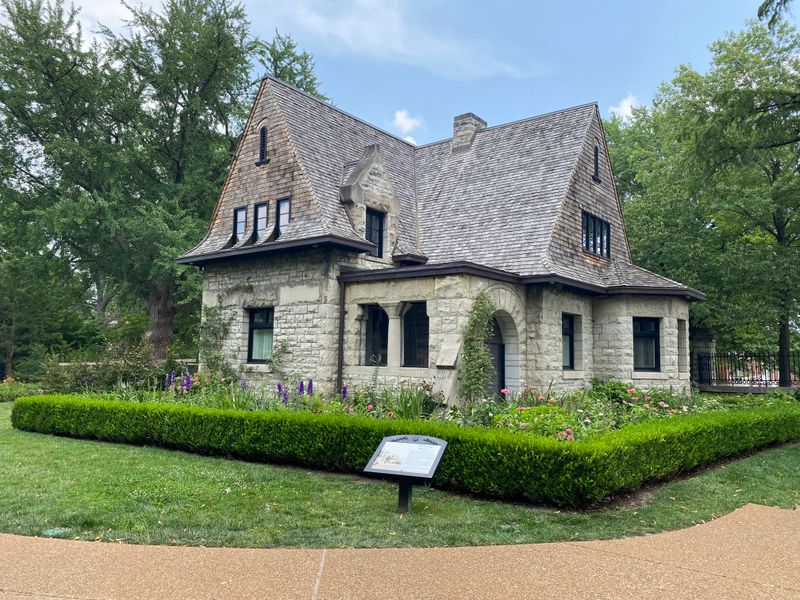
Step back in time to experience gardening styles that captivated the wealthy elite of the 1800s.
The Victorian District showcases elaborate bedding displays that change with the seasons, featuring intricate patterns created with thousands of annual flowers.
Gardeners during the Victorian era competed to create the most impressive displays, and this tradition continues today with modern interpretations of historical designs.
Your Missouri Garden Changes Every Week. Your Plan Should Too.
Gardening in Missouri changes quickly throughout the season. Every Friday you’ll receive a simple weekly plan showing exactly what to plant, prune, fertilize, harvest, and protect so you never miss the right timing.
Formal hedges frame individual garden rooms, each with its own personality and plant palette that reflects different Victorian gardening philosophies.
Ornamental urns and statuary add architectural interest while providing focal points that draw the eye through carefully composed views.
Spring brings tulips and pansies arranged in geometric precision, while summer explodes with vibrant salvias, begonias, and coleus in bold patterns.
The attention to detail in plant selection and maintenance offers valuable lessons for home gardeners interested in creating their own formal flower beds.
4. Kemper Center For Home Gardening’s Practical Demonstrations
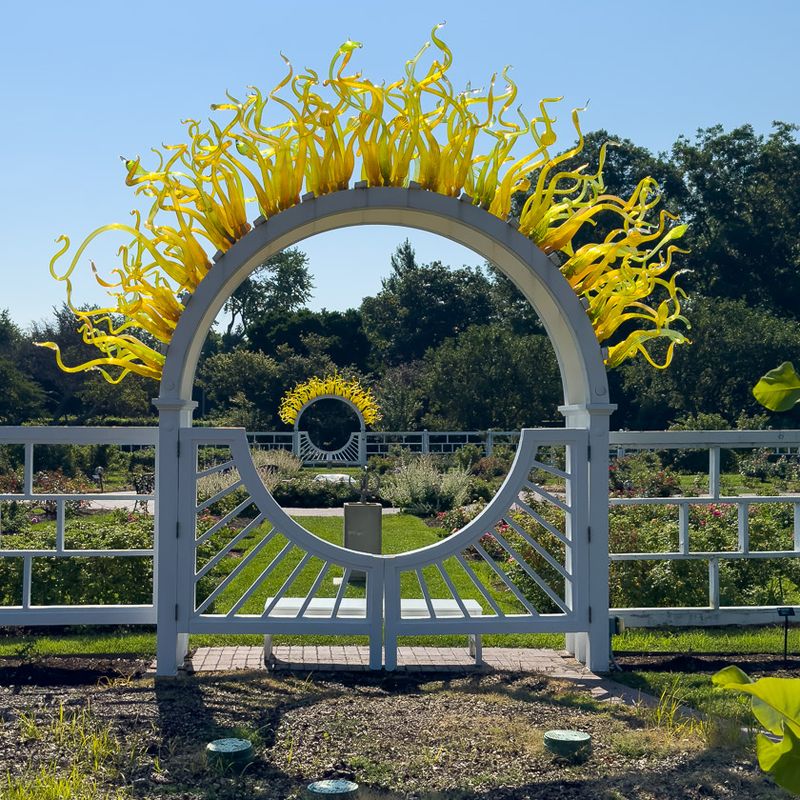
Practical wisdom meets beautiful design in this eight-acre section dedicated entirely to helping everyday gardeners succeed.
Unlike ornamental display gardens, the Kemper Center focuses on realistic techniques that home gardeners can replicate in their own yards.
Demonstration plots show proper vegetable spacing, companion planting strategies, and seasonal succession planting that extends harvest periods.
Raised bed gardens illustrate different construction methods and soil amendments, while composting demonstrations demystify the process of turning kitchen scraps into garden gold.
Herb gardens organized by culinary use provide inspiration for cooks who want fresh seasonings just steps from their kitchen doors.
Seasonal workshops and guided tours offer hands-on learning opportunities where experts share troubleshooting advice for common gardening challenges.
The trial gardens test new plant varieties under Missouri growing conditions, helping gardeners choose reliable performers for their climate zone.
5. Linnean House’s Historic Plant Collection
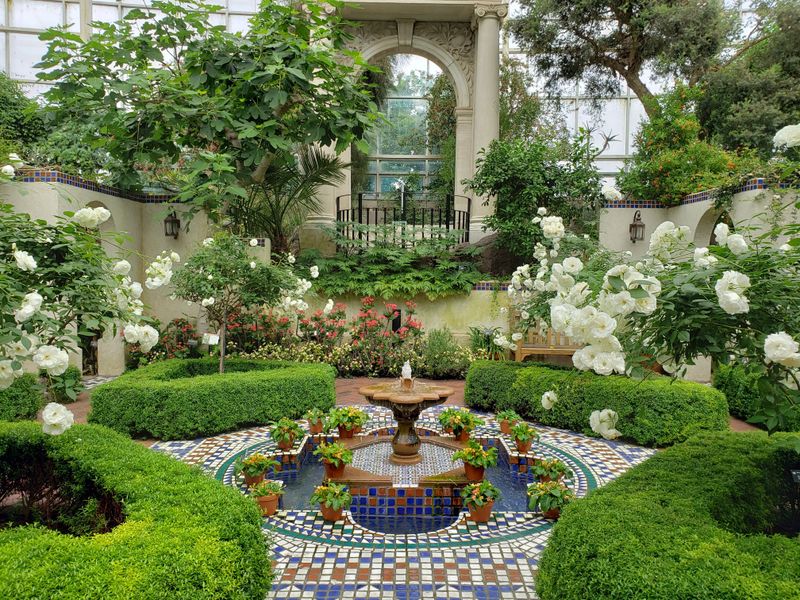
History practically echoes through this 1882 greenhouse, the oldest continuously operating display conservatory west of the Mississippi River.
Named after Carl Linnaeus, the Swedish botanist who developed the modern system for naming plants, this elegant structure houses a remarkable collection of camellias that bloom during winter months.
The original architecture features ornate ironwork and glass panels that create a cathedral-like atmosphere for the plants within.
Fragrant citrus trees perfume the air while rare cycads and palms provide glimpses into plant families that have existed for millions of years.
The camellia collection peaks from January through March, offering colorful blooms when outdoor gardens lie dormant under winter’s grip.
Interpretive signs explain the historical significance of various specimens and their connections to the garden’s founder, Henry Shaw.
The intimate scale of this greenhouse creates a cozy atmosphere that contrasts beautifully with the expansive Climatron nearby.
6. Spink Pavilion’s Seasonal Flower Shows

Spectacular floral displays transform this pavilion throughout the year, creating Instagram-worthy moments that celebrate seasonal beauty.
The spring orchid show dazzles with hundreds of exotic blooms in every imaginable color, while the autumn chrysanthemum festival showcases the incredible diversity of this traditional fall flower.
Each themed show takes months of planning and coordination with growers to ensure peak bloom timing coincides with visitor dates.
Professional designers create immersive environments that go beyond simple plant displays, incorporating water features, artistic sculptures, and carefully orchestrated lighting to enhance the natural beauty of featured plants.
The winter poinsettia show transforms the space into a holiday wonderland with thousands of plants in traditional red, plus newer varieties in pink, white, and speckled patterns.
Photographers should visit during early morning hours when natural light filters through the glass walls without harsh shadows.
Plant enthusiasts can purchase many featured varieties from the garden’s gift shop, bringing home a piece of the spectacular displays.
7. Children’s Garden’s Interactive Learning Spaces
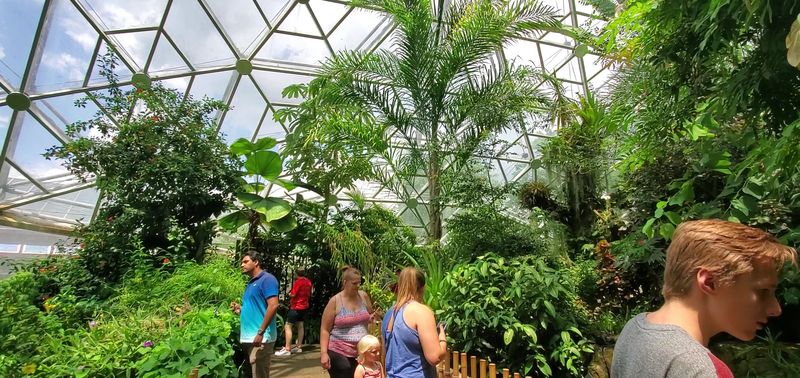
Young explorers discover that gardens can be playgrounds for imagination and learning in this specially designed space.
Unlike traditional gardens with “don’t touch” rules, this area encourages hands-on interaction with nature through climbing structures, water features, and sensory gardens that engage all five senses.
Children can crawl through a hollow log, pump water to create streams, and dig in designated areas to understand how soil supports plant life.
A treehouse village provides elevated perspectives on the garden below while teaching about canopy ecosystems and the animals that live in trees.
Musical instruments made from natural materials let kids create garden symphonies, connecting art with nature in memorable ways.
The pizza garden grows ingredients for this favorite food, helping children understand where their meals originate and why fresh vegetables taste better than processed alternatives.
Parents appreciate the shaded seating areas where they can supervise while kids burn energy in constructive, educational ways.
8. Chinese Garden’s Architectural Elegance
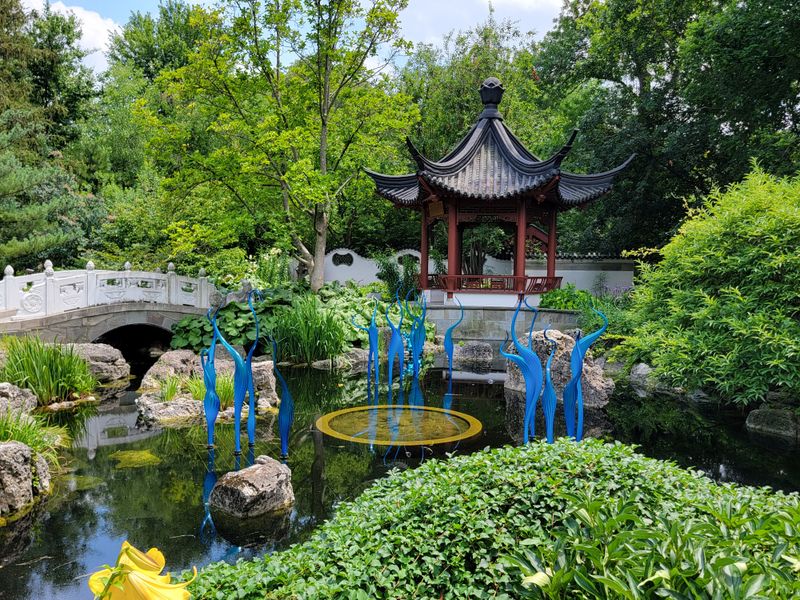
Brilliant red pillars and curved rooflines signal your arrival in a space that celebrates centuries of Chinese landscape traditions.
This garden interprets classical Chinese design principles where architecture and nature exist in harmonious balance, with each element carefully positioned to create symbolic meaning.
Winding pathways encourage slow exploration, revealing new vistas at every turn according to the principle of “borrowed scenery” that frames distant views within garden compositions.
Lotus flowers bloom in summer ponds, their symbolic significance in Buddhist philosophy explained through interpretive materials placed strategically along paths.
Bamboo groves rustle in breezes, creating natural soundscapes that enhance the meditative quality of the space.
Stone lions guard entrances while decorative windows frame specific views like living paintings, demonstrating how Chinese garden designers thought about composition and perspective.
The pavilions provide shelter during rain while offering perfect vantage points for photography when weather cooperates with your visit plans.
9. Native Plant Garden’s Regional Flora Showcase
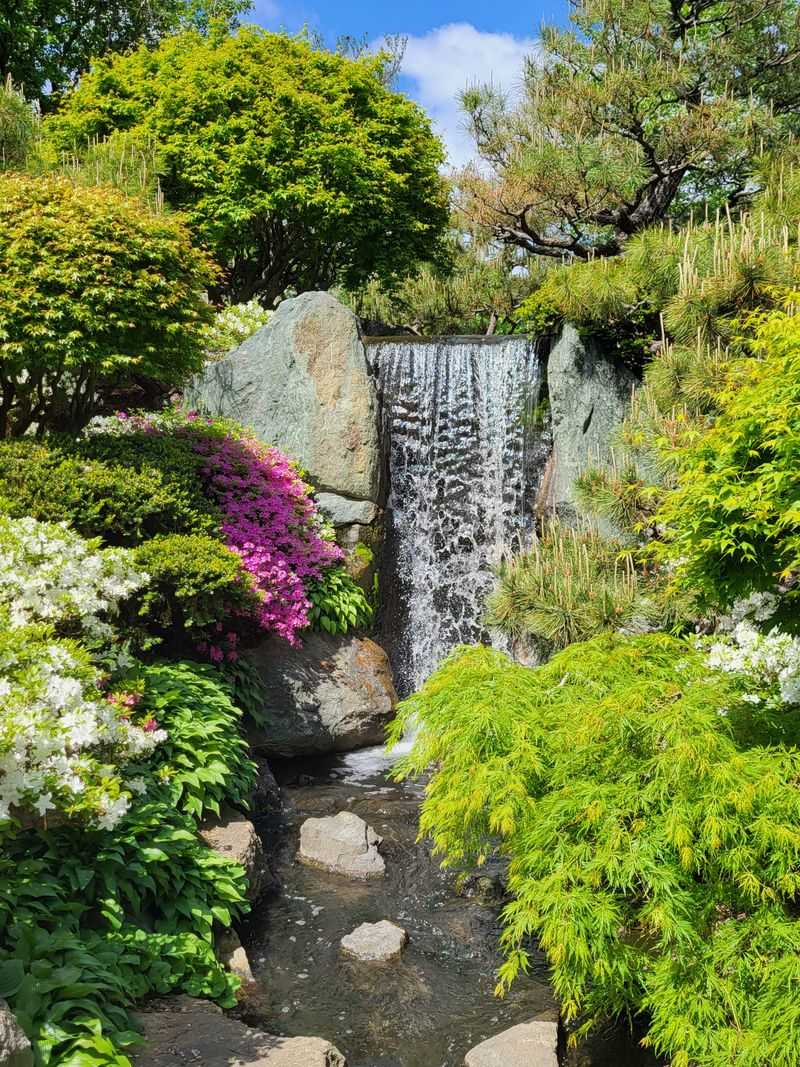
Discover the beauty hiding in plain sight across Missouri’s natural landscapes through this carefully curated collection of regional plants.
Many gardeners overlook native species in favor of exotic imports, but this garden demonstrates how local flora provides superior wildlife habitat while requiring less maintenance than non-native alternatives.
Prairie grasses sway alongside wildflowers that evolved specifically to thrive in Missouri’s climate, creating resilient plant communities that support butterflies, bees, and birds.
Interpretive signs identify plants and explain their ecological roles, helping visitors understand complex relationships between plants, pollinators, and soil organisms.
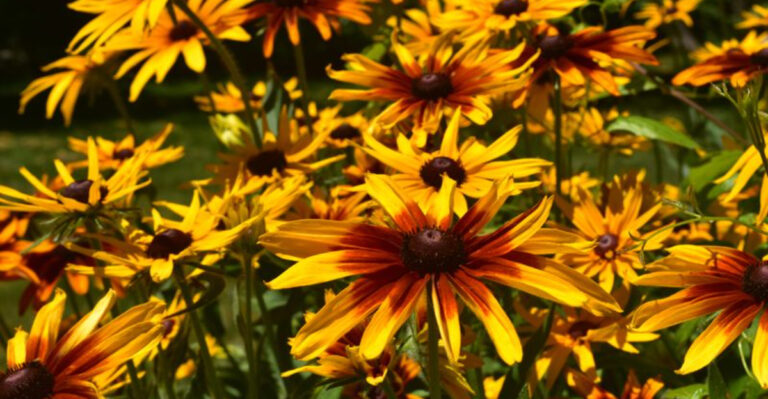
Spring brings woodland wildflowers like bloodroot and trillium, while summer showcases the dramatic blooms of coneflowers and black-eyed Susans that thrive in full sun.
Gardeners seeking low-maintenance landscapes find inspiration here, learning which native species tolerate drought, resist deer browsing, and provide year-round interest without constant fertilization or pest control interventions.
10. Tower Grove House Museum’s Historical Context

Garden founder Henry Shaw’s personal residence offers fascinating glimpses into the Victorian gentleman who created this botanical paradise.
Built in 1849, this Italianate villa served as Shaw’s country home where he entertained distinguished guests and planned the botanical garden that would become his legacy.
Original furnishings, personal belongings, and historical photographs bring the 19th century to life, showing how wealthy St. Louisans lived during the city’s golden age.
Guided tours reveal Shaw’s passion for horticulture and his vision for creating a world-class botanical institution that would educate and inspire future generations.
The surrounding gardens reflect Victorian tastes with formal beds, specimen trees, and ornamental features that Shaw himself would recognize today.
Understanding Shaw’s story deepens appreciation for the entire botanical garden, as visitors realize they walk paths planned by a visionary who understood that green spaces enrich urban life in countless ways.