The Cottagecore Garden Trend Taking Over Kentucky Homes
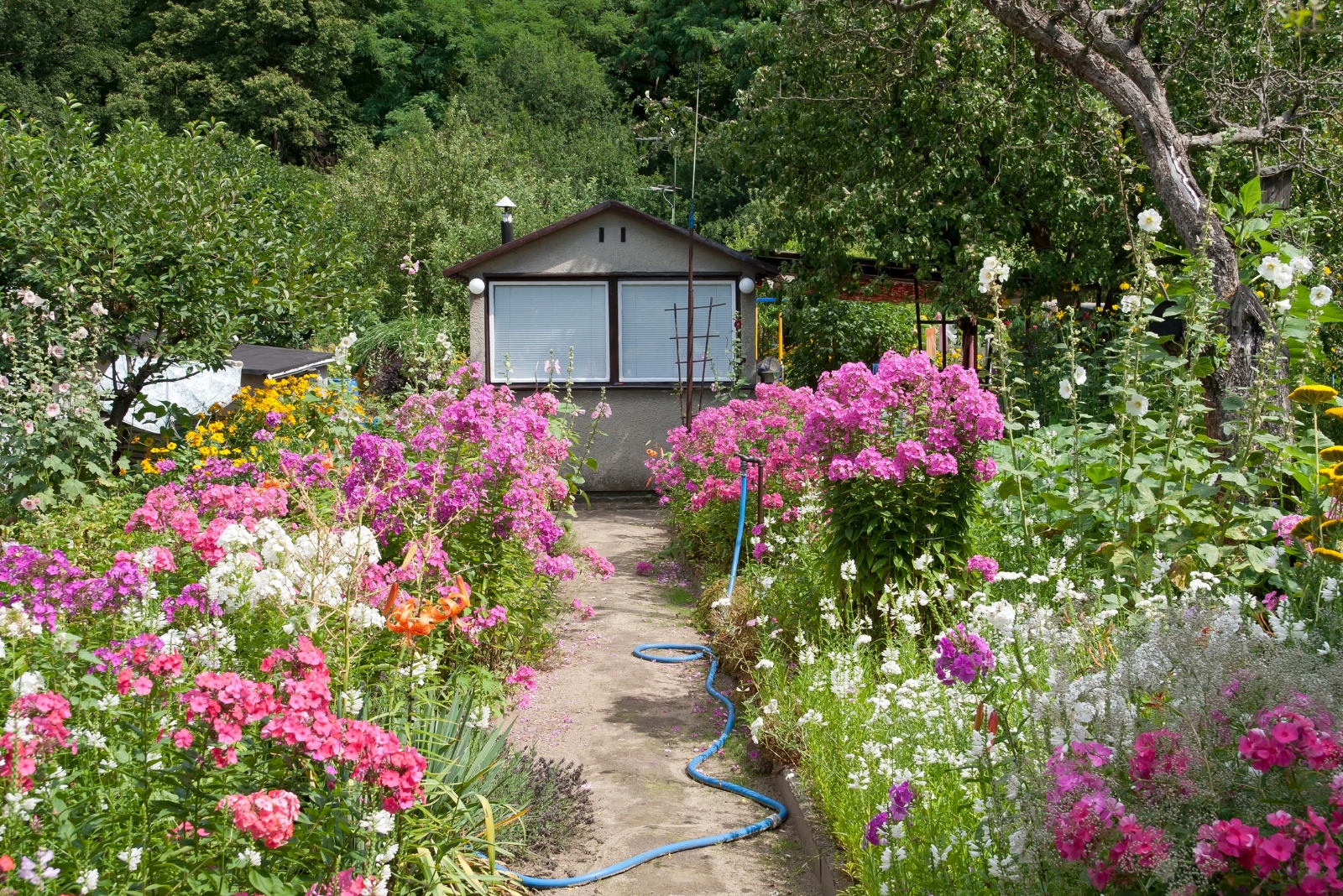
Kentucky homeowners are falling head over heels for a charming new way to transform their outdoor spaces into whimsical retreats.
The cottagecore garden trend brings a touch of old-fashioned countryside magic right to your backyard, mixing wildflowers, vintage touches, and cozy nooks that feel like stepping into a storybook.
Across the Bluegrass State, from Louisville to Lexington, folks are trading perfectly manicured lawns for gardens that look like they’ve been plucked from a fairy tale.
This delightful movement celebrates simplicity, nature, and a slower pace of life that Kentuckians have always treasured.
Whether you have acres of land or just a small patio, cottagecore gardening offers something special for everyone who dreams of creating their own peaceful escape.
Getting started is easier than you might think, and the results are absolutely enchanting.
Ready to bring some storybook charm to your Kentucky home?
Wildflower Meadows Replace Traditional Lawns
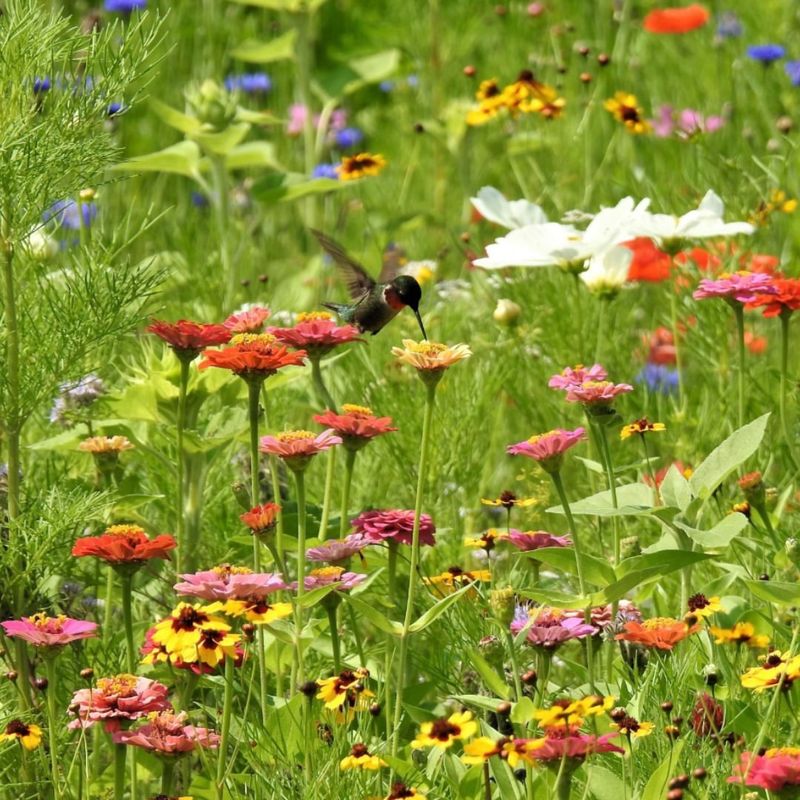
Grass lawns are taking a backseat as Kentucky gardeners embrace the beauty of wildflower meadows that burst with color from spring through fall.
Native blooms like black-eyed Susans, coneflowers, and bee balm create stunning natural carpets that require far less maintenance than traditional turf.
These meadows attract butterflies, bees, and hummingbirds, turning your yard into a buzzing wildlife haven that feels alive and magical.
Kentucky’s climate is perfect for establishing wildflower gardens, with plenty of rainfall and distinct seasons that help different species thrive throughout the year.
You can start small by converting just a corner of your lawn, then expand as you fall in love with the carefree beauty.
Seed mixes designed specifically for Kentucky are available at local nurseries, making it simple to choose varieties that will flourish in your specific region.
The best part is watching your meadow change with each season, offering new surprises and delights as different flowers take their turn in the spotlight.
Many homeowners find that their water bills drop significantly since wildflowers need less irrigation than thirsty grass lawns.
Walking through your own wildflower meadow feels like wandering through a countryside dream right in your Kentucky backyard.
Vintage Garden Furniture Creates Cozy Gathering Spots
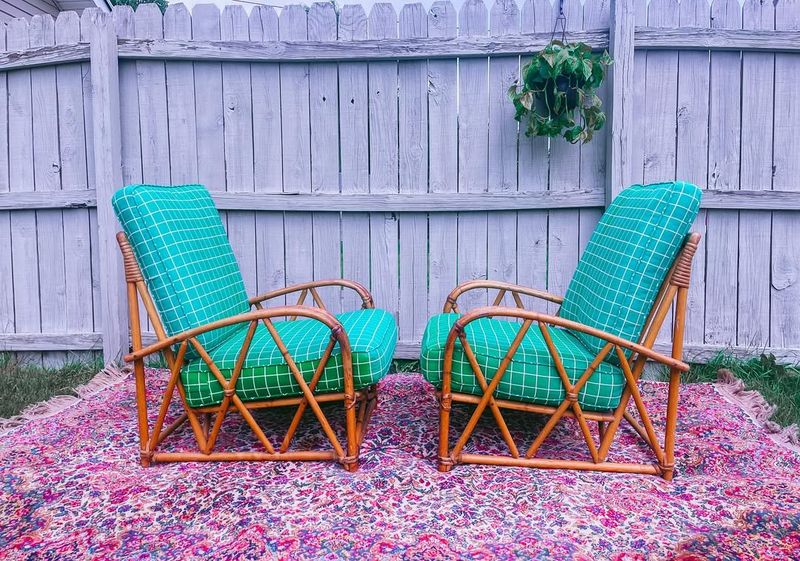
Flea markets and antique shops across Kentucky are being raided for weathered benches, rusty metal chairs, and charming old tables that add instant character to cottagecore gardens.
That chippy paint and worn patina aren’t flaws—they’re features that give your outdoor space an authentic lived-in feel that brand-new furniture simply cannot replicate.
Homeowners are discovering that vintage pieces often hold up better than modern alternatives, with solid construction that has already proven it can withstand decades of weather.
Positioning a rescued iron bench beneath a flowering tree creates the perfect reading nook where you can escape with a good book and a glass of sweet tea.
Small bistro sets tucked among the flowers invite morning coffee rituals or evening conversations as the sun sets over the Kentucky hills.
Many gardeners intentionally let moss and lichen grow on their vintage pieces, enhancing that storybook aesthetic that makes cottagecore gardens so enchanting.
Your Kentucky Garden Changes Every Week. Your Plan Should Too.
Gardening in Kentucky changes quickly throughout the season. Every Friday you’ll receive a simple weekly plan showing exactly what to plant, prune, fertilize, harvest, and protect so you never miss the right timing.
You don’t need to spend a fortune either—garage sales and online marketplaces often have hidden treasures waiting for someone to see their potential.
A simple coat of milk paint in soft pastels can refresh a piece while maintaining that charming vintage vibe.
These furniture pieces become focal points that draw visitors deeper into your garden to discover hidden corners.
Climbing Roses Transform Fences And Arbors
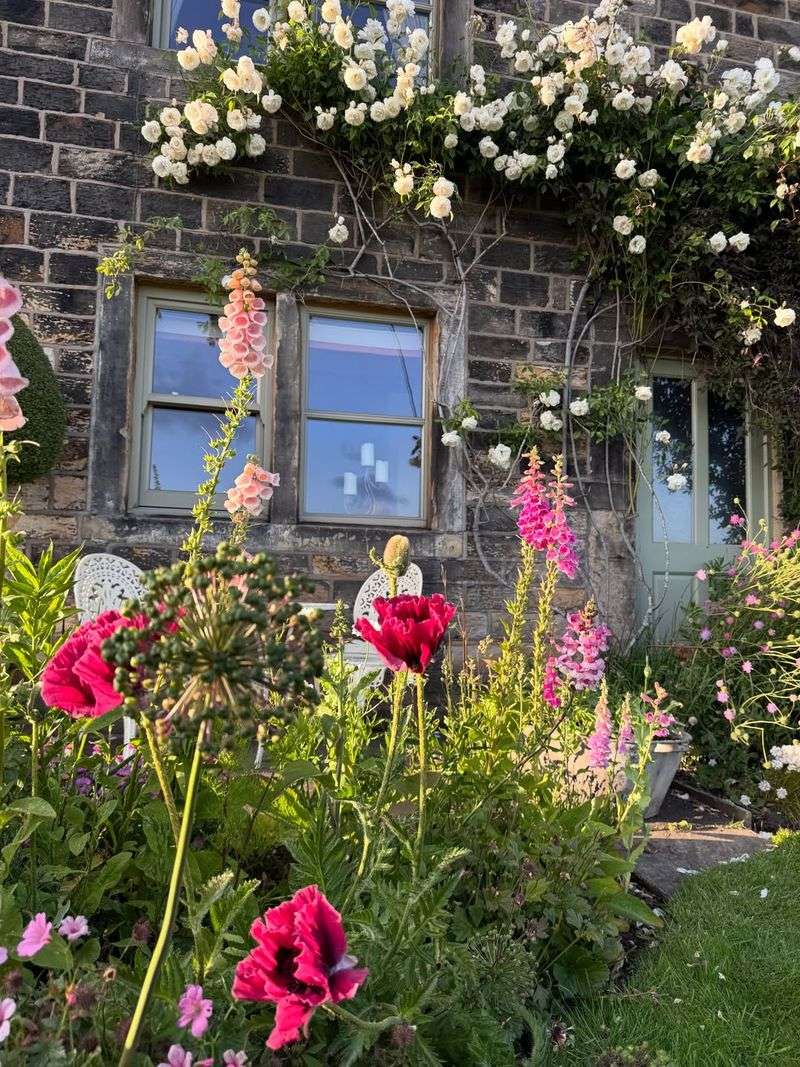
Nothing says cottagecore quite like cascading roses tumbling over arbors, fences, and trellises in romantic profusion.
Kentucky gardeners are rediscovering heirloom rose varieties that their grandmothers grew, with names like ‘New Dawn’ and ‘Zephirine Drouhin’ that evoke a bygone era.
These climbing beauties soften hard edges and create vertical interest that draws the eye upward, making even small gardens feel more expansive and layered.
The fragrance alone is worth the effort—imagine stepping outside on a June morning in Kentucky to the intoxicating scent of hundreds of blooming roses.
Many climbers are surprisingly tough once established, requiring minimal care beyond occasional pruning and some organic fertilizer in spring.
Training roses over a simple wooden arch creates a living doorway that marks the transition from one garden area to another, adding mystery and structure.
Pairing climbing roses with clematis gives you an extended bloom season, with the clematis flowering when the roses take their summer break.
Even a chain-link fence can become a thing of beauty when disguised beneath a blanket of fragrant blossoms throughout the growing season.
Kentucky’s humid summers actually benefit many rose varieties, though choosing disease-resistant cultivars will save you headaches down the road.
Herb Gardens Blend Beauty With Practicality
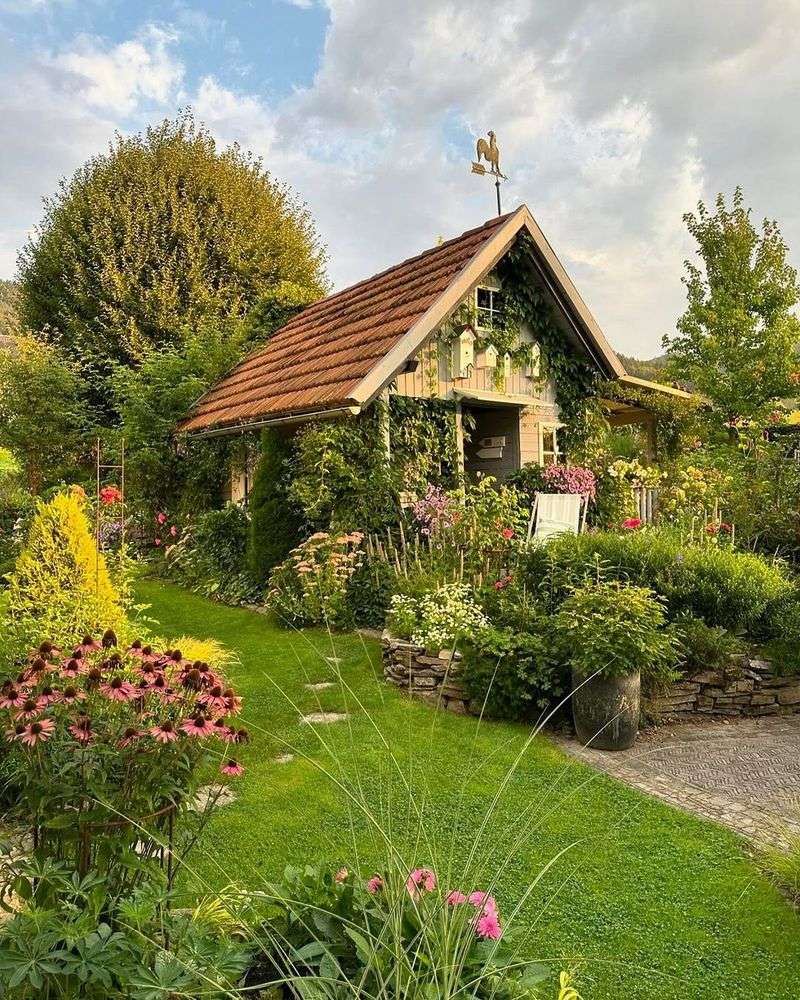
Cottagecore celebrates the practical magic of growing your own herbs, and Kentucky gardeners are planting fragrant patches of basil, thyme, rosemary, and sage right alongside their flowers.
These hardworking plants pull double duty, offering both culinary usefulness and cottage garden charm with their varied textures and subtle blooms.
Lavender has become especially popular across the state, thriving in Kentucky’s climate and filling summer evenings with its soothing scent that seems to slow down time itself.
Many homeowners are creating dedicated herb spirals or planting herbs in vintage containers near their kitchen doors for easy access during meal preparation.
The soft, silvery foliage of artemisia and sage provides beautiful contrast against brighter flowers, while their aromatic leaves release fragrance when brushed against during garden strolls.
Letting herbs flower instead of constantly harvesting them attracts beneficial insects and adds unexpected pops of color—chive blossoms are particularly stunning in spring.
Growing your own herbs connects you to generations of Kentucky gardeners who relied on their plots for both sustenance and beauty.
Fresh mint for juleps, oregano for pizza, and chamomile for evening tea all taste infinitely better when snipped from your own garden moments before use.
Even small spaces can accommodate a charming collection of herbs in mismatched pots clustered on a sunny patio.
Stone Pathways Wind Through Garden Rooms
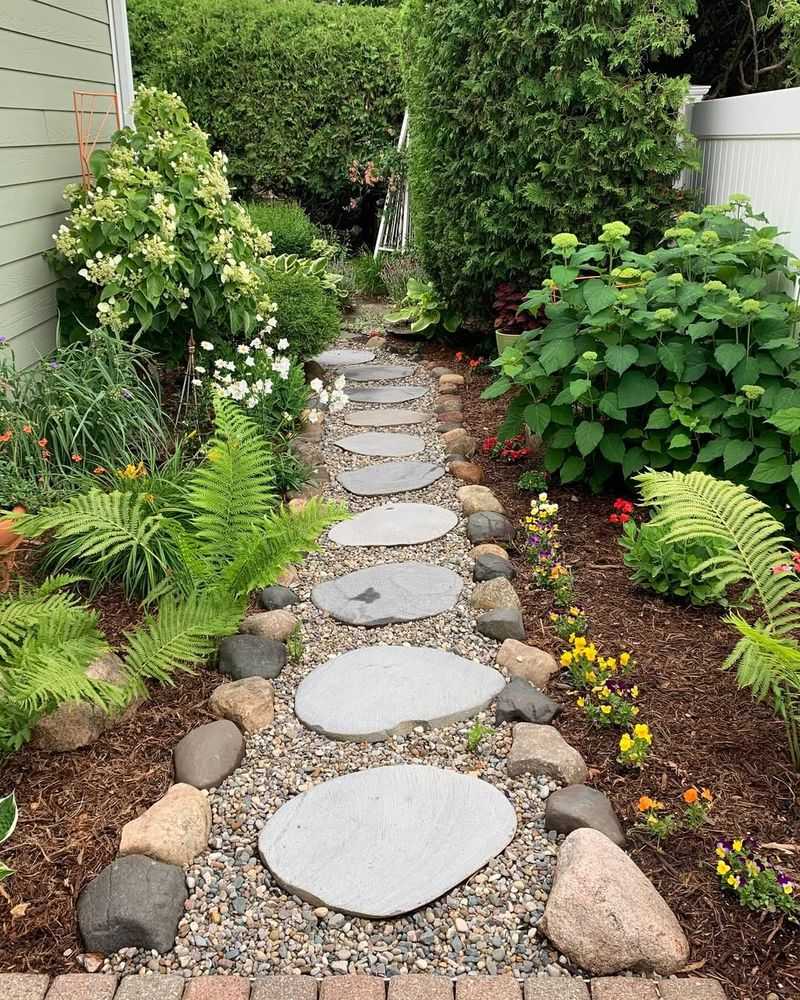
Forget straight concrete walkways—cottagecore gardens in Kentucky feature meandering paths made from irregular flagstones, weathered bricks, or gravel that invite leisurely exploration.
These winding routes create a sense of discovery, leading visitors around corners to find hidden benches, birdbaths, or particularly stunning plant combinations.
Allowing low-growing herbs like creeping thyme or chamomile to fill the cracks between stones adds softness and releases wonderful scents with every footstep.
Kentucky’s abundant limestone makes sourcing natural stone relatively affordable, and many homeowners use reclaimed materials from old buildings to add history and character to their paths.
The informal nature of these pathways perfectly complements the relaxed planting style of cottagecore, where flowers are encouraged to spill over edges and blur boundaries.
Creating distinct garden rooms connected by these pathways makes even modest yards feel much larger and more interesting to explore.
Moss naturally colonizes shady portions of stone paths in Kentucky’s humid climate, enhancing that timeworn, fairy-tale quality that cottagecore gardeners adore.
Laying paths yourself becomes a meditative project, with each stone carefully placed to create a natural flow that feels like it has always been there.
Proper edging keeps gravel paths tidy without looking too formal, maintaining that sweet spot between wild and maintained.
Weathered Wooden Structures Add Rustic Charm
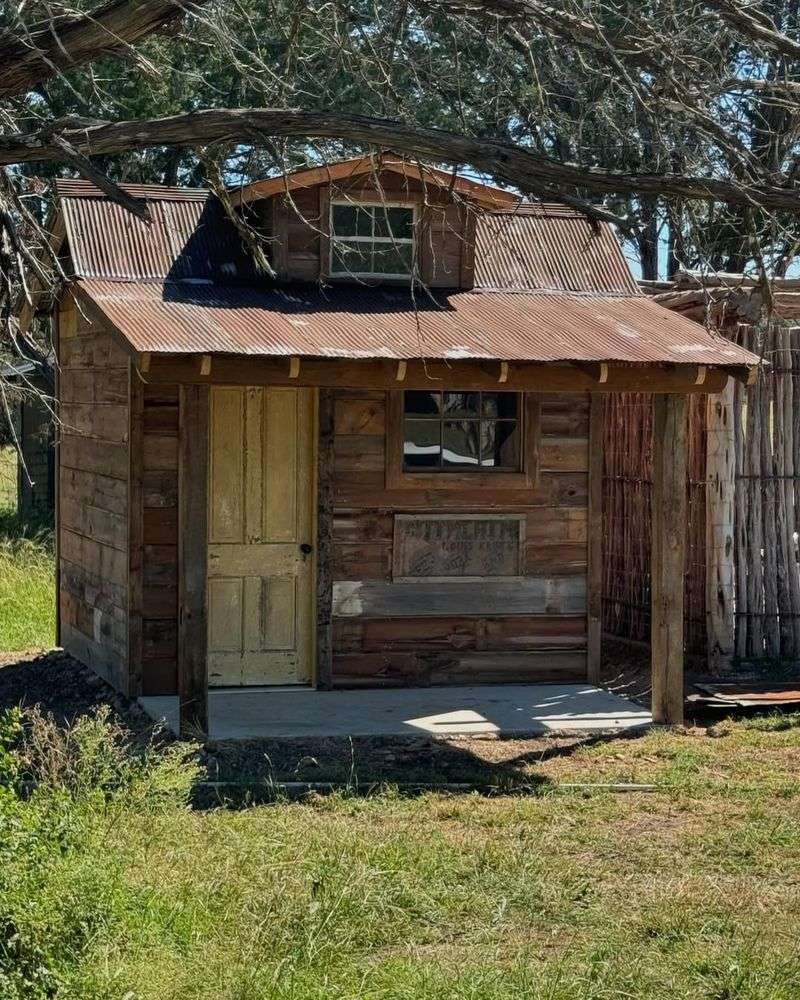
Shiny new sheds and pristine structures have no place in authentic cottagecore gardens—Kentucky homeowners are embracing weathered wood that tells a story.
Reclaimed barn wood, old fence boards, and salvaged windows are being transformed into charming potting sheds, cold frames, and garden structures with character that cannot be faked.
The silvery gray patina that develops on untreated wood exposed to Kentucky weather becomes a beautiful backdrop for climbing plants and hanging baskets.
Many gardeners are building simple lean-to structures against existing fences or garage walls, creating functional spaces for storing tools while adding vertical interest to their gardens.
Window boxes fashioned from weathered wood and mounted on sheds or fences overflow with trailing flowers that soften the lines and blend structures into the landscape.
Kentucky’s rural heritage means that reclaimed materials are often available for free or cheap from farms and old properties being renovated or demolished.
A simple wooden trellis with peeling paint becomes infinitely more charming than a plastic one, especially when covered with morning glories or sweet peas.
These structures don’t need to be perfect—wobbly posts and gaps between boards only add to their authentic, time-worn appeal.
Building with reclaimed materials also feels good environmentally, giving new life to wood that might otherwise end up in landfills.
Heirloom Vegetables Mix With Ornamental Plants
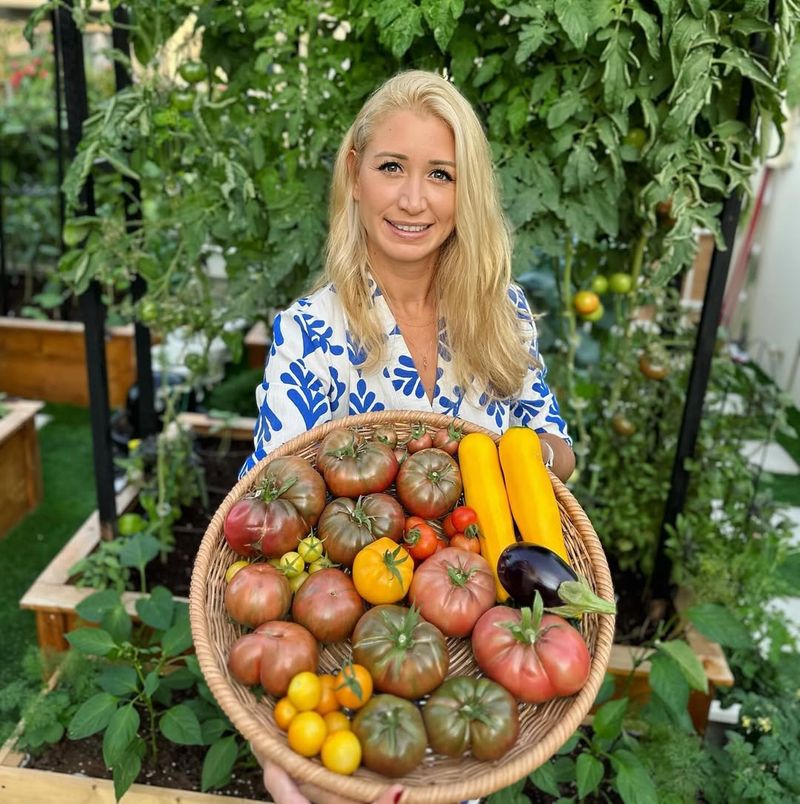
Why separate vegetables from flowers when they can live together in beautiful harmony?
Kentucky cottagecore gardeners are mixing ruby chard, purple beans, and heirloom tomatoes right into their flower beds, creating edible landscapes that are as stunning as they are productive.
This approach mirrors the traditional cottage gardens of England, where every inch of space served multiple purposes and beauty was never sacrificed for utility.
Scarlet runner beans climbing up tripods provide vertical drama and brilliant red flowers before producing delicious pods for your kitchen table.
Colorful lettuces and kale varieties offer gorgeous foliage textures that rival any ornamental plant, especially when interplanted with alyssum or nasturtiums.
Growing food this way feels joyful rather than like work, since you’re tending a beautiful garden that happens to feed you rather than maintaining rows of crops.
Kentucky’s long growing season allows for succession planting, so as spring vegetables finish, you can tuck in summer flowers or fall crops to keep the display going.
Companion planting naturally occurs when vegetables and flowers mingle, with marigolds deterring pests from tomatoes and borage attracting pollinators to squash blossoms.
Children especially love these mixed gardens, where picking dinner becomes a treasure hunt among the flowers.
Bird Baths And Feeders Welcome Wildlife
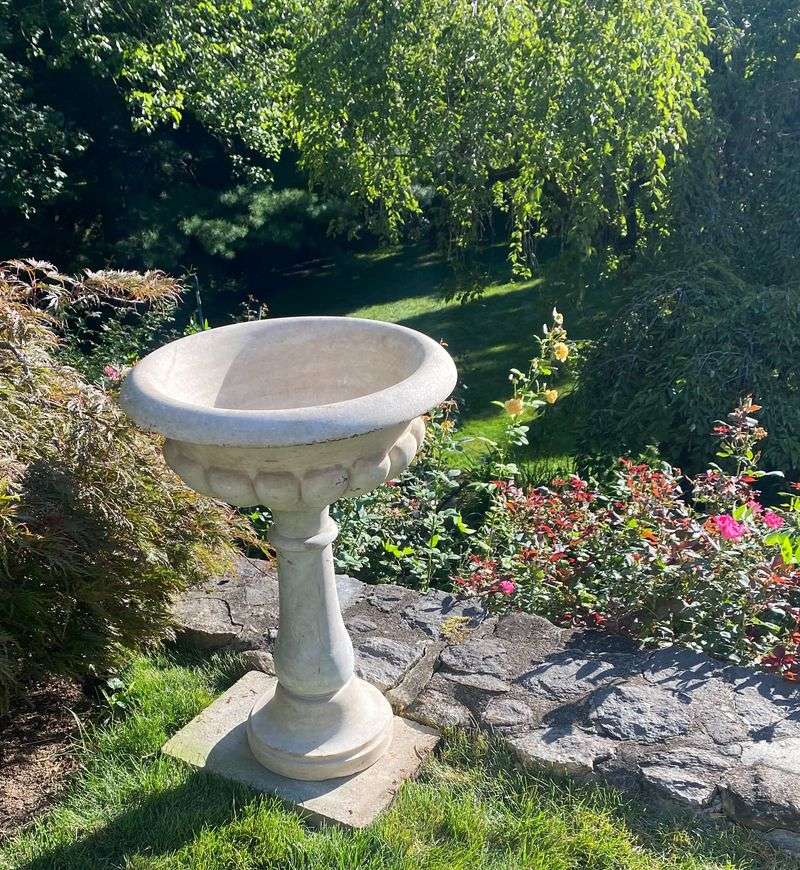
Cottagecore gardens celebrate connection with nature, and Kentucky gardeners are installing bird baths, feeders, and houses that turn their yards into wildlife sanctuaries.
An old ceramic basin perched on a weathered pedestal becomes both a functional water source for feathered visitors and a charming focal point among the flowers.
Watching cardinals, bluebirds, and goldfinches visit your garden adds movement and life that makes spending time outdoors even more delightful.
Positioning bird baths near flower beds serves the dual purpose of providing birds with drinking water while giving you a front-row seat to their antics from your favorite garden bench.
Kentucky’s diverse bird population means you’ll host different species throughout the seasons, from migrating warblers in spring to cheerful chickadees all winter long.
Vintage or antique bird baths found at estate sales fit the cottagecore aesthetic perfectly, especially when moss begins growing on their surfaces.
Native plants in your garden provide natural food sources, but supplemental feeders help birds during harsh weather and bring them close enough for easy observation.
Adding a shallow dish of water at ground level accommodates butterflies and beneficial insects, creating a complete ecosystem right in your backyard.
The sound of splashing water and birdsong transforms your garden into a peaceful retreat from modern life’s constant noise.
Soft Color Palettes Create Dreamy Atmospheres
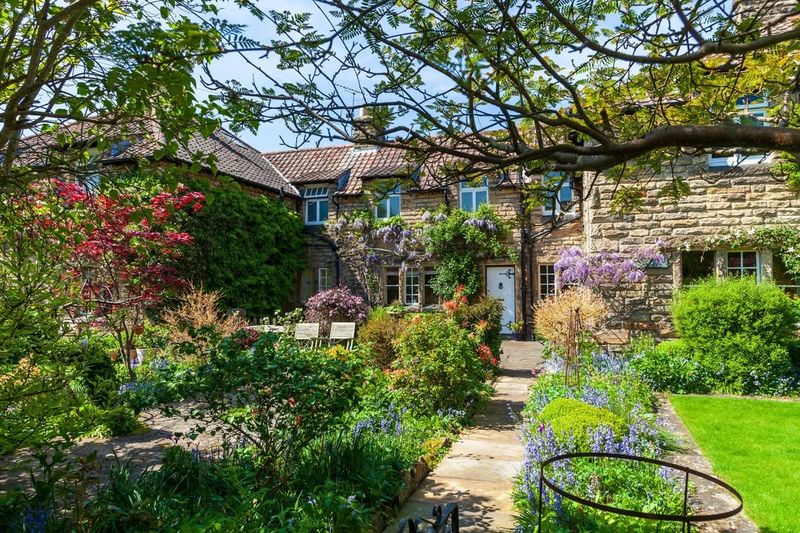
Bold, bright colors take a backseat in cottagecore gardens, where Kentucky homeowners are choosing soft pastels and muted tones that create a dreamy, romantic mood.
Think blush roses, lavender catmint, creamy foxgloves, and pale yellow yarrow blending together in gentle harmony rather than shouting for attention.
These subtle color schemes feel restful and timeless, perfect for creating outdoor spaces that soothe rather than stimulate after a busy day.
White and cream flowers become especially magical in evening gardens, seeming to glow as twilight settles over Kentucky’s rolling hills.
Silver and gray foliage plants like lamb’s ear and dusty miller act as buffers between colors, preventing any clashes and enhancing the soft, cohesive look.
This restrained palette actually makes the garden feel more sophisticated and intentional, even though the planting style remains relaxed and informal.
Occasionally adding deeper shades—a burgundy hollyhock or deep purple salvia—provides just enough contrast to keep things interesting without disrupting the overall serenity.
Kentucky’s natural landscape of soft greens and blues inspires these color choices, helping cottage gardens feel like natural extensions of the surrounding countryside.
Photography of these gardens in morning or evening light produces stunning images that look like they belong in a storybook.
Garden Journaling Captures The Seasonal Journey
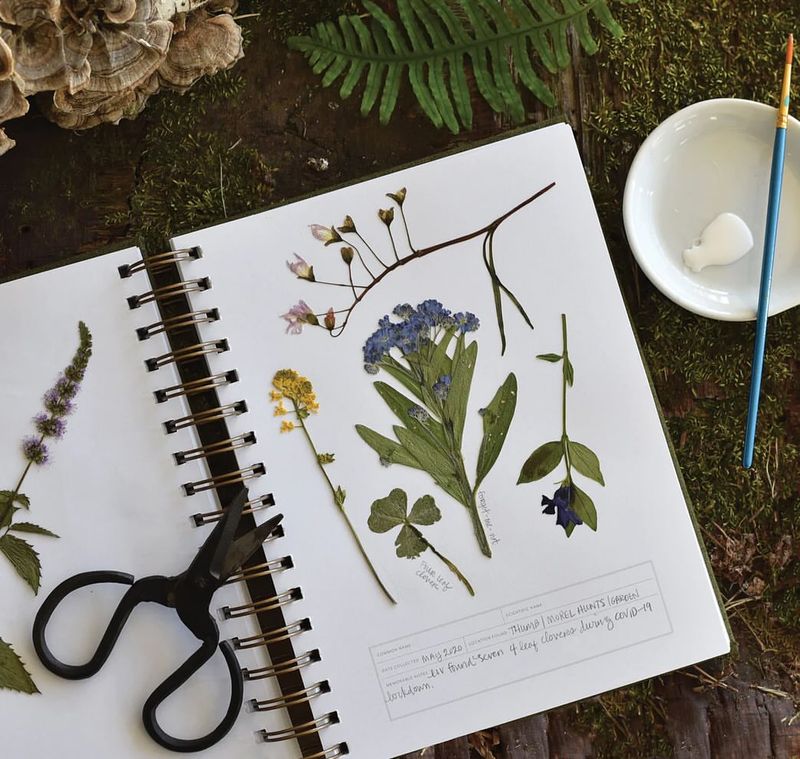
Cottagecore is as much about mindfulness and slowing down as it is about aesthetics, which is why Kentucky gardeners are embracing the practice of keeping garden journals.
Recording what blooms when, sketching favorite plant combinations, and pressing flowers between pages creates a treasured record of your garden’s evolution through the seasons.
These journals become planning tools for future years, helping you remember which plants thrived in specific spots and what combinations you want to repeat or avoid.
The act of sitting quietly in your garden with a notebook encourages you to truly observe details you might otherwise miss—the way morning light hits the dew on rose petals or how bees prefer certain flowers.
Many Kentucky gardeners include weather notes, first frost dates, and planting schedules alongside their observations, creating useful references that improve their gardening success over time.
Decorating journal pages with pressed flowers, seed packets, and watercolor sketches transforms record-keeping into a creative practice that’s enjoyable in itself.
Looking back through previous years’ entries during winter provides comfort and inspiration when the garden lies dormant beneath Kentucky snow.
Children love participating in garden journaling too, drawing pictures of butterflies they spotted or gluing in petals from their favorite flowers.
This simple practice deepens your connection to your garden in ways that purely digital records never quite capture.