Why Minnesota Homeowners Are Embracing Plant Therapy This Winter

Minnesota winters can drag on, with long nights and cold days that test even the most upbeat spirits.
As snow piles up and daylight slips away, many homeowners turn to plant therapy as a natural way to lift the mood and bring life back indoors.
Green leaves, soft textures, and steady growth offer comfort when the world outside feels frozen in place.
Caring for plants creates small moments of purpose, turning routine days into something more rewarding.
A warm room filled with living plants can feel like a breath of fresh air, easing stress and brightening the atmosphere.
Even simple tasks, like watering or trimming, help shift focus away from winter worries.
Plant therapy does more than decorate a space. It brings rhythm, calm, and a sense of progress during the coldest stretch of the year.
For Minnesota homeowners, embracing plants is a simple way to beat the winter blues and keep spirits growing strong until spring finally arrives.
1. Combat Seasonal Affective Disorder Naturally

Shorter days and limited sunlight during Minnesota winters can leave people feeling drained and unmotivated.
Seasonal Affective Disorder affects many residents who struggle with low energy and mood changes when daylight becomes scarce.
Surrounding yourself with living greenery provides a natural remedy that helps counter these feelings without relying solely on medication or light therapy boxes.
Plants create a sense of connection to nature that our brains crave, even when we cannot spend time outdoors.
The simple act of watering, pruning, and observing growth gives homeowners a sense of purpose and accomplishment.
These small daily rituals can significantly improve mental health by providing structure and something positive to focus on during dreary months.
Research shows that being around plants reduces stress hormones and increases feelings of happiness and relaxation.
For Minnesotans dealing with cabin fever, having a mini indoor jungle offers a mental escape from the cold outside.
The vibrant greens and occasional blooms remind us that life continues to thrive, even when everything outside looks frozen and lifeless.
Many homeowners report feeling more optimistic and energized after adding plants to their spaces.
The psychological benefits are real and measurable, making plant therapy an accessible tool for managing winter-related mood challenges throughout Minnesota.
2. Improve Indoor Air Quality During Heating Season
Homes across Minnesota stay sealed tight during winter to keep heating costs down and cold air out.
Unfortunately, this creates a stuffy environment where pollutants, dust, and dry air get trapped inside.
Furnaces running constantly can circulate allergens and reduce overall air quality, making respiratory issues more common during colder months.
Houseplants act as natural air filters by absorbing harmful chemicals and releasing fresh oxygen.
Species like spider plants, peace lilies, and Boston ferns are particularly effective at removing toxins such as formaldehyde and benzene from indoor spaces.
Adding several plants throughout your home creates a cleaner breathing environment without expensive air purification systems.
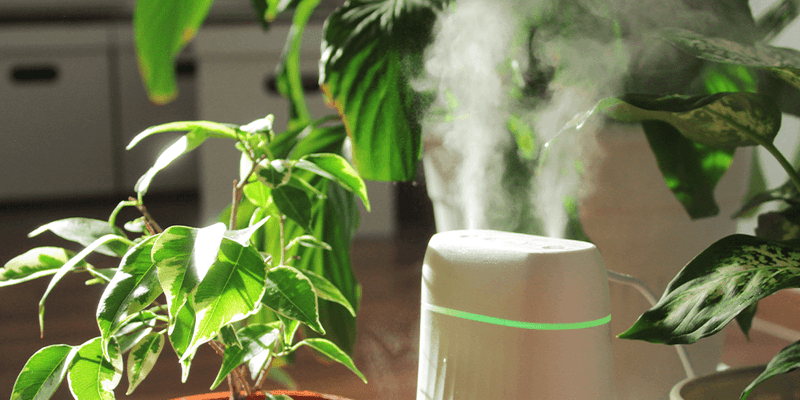
The moisture that plants release through transpiration also helps combat the dry air that heating systems produce.
This added humidity can reduce dry skin, scratchy throats, and static electricity that plague Minnesota households all winter long.
Your Minnesota Garden Changes Every Week. Your Plan Should Too.
Gardening in Minnesota changes quickly throughout the season. Every Friday you’ll receive a simple weekly plan showing exactly what to plant, prune, fertilize, harvest, and protect so you never miss the right timing.
Better air quality means fewer headaches, improved sleep, and overall better health for everyone living in the home.
Homeowners who invest in plant therapy often notice they feel less congested and breathe easier throughout the season.
The combination of cleaner air and natural humidity makes indoor spaces more comfortable and healthier.
For families spending most of their time indoors during Minnesota winters, these benefits become especially valuable and noticeable.
3. Create A Relaxing Sanctuary From Winter Stress
Winter in Minnesota brings unique stressors, from shoveling snow to navigating icy roads and dealing with holiday pressures.
Finding moments of calm becomes essential for maintaining balance and preventing burnout.
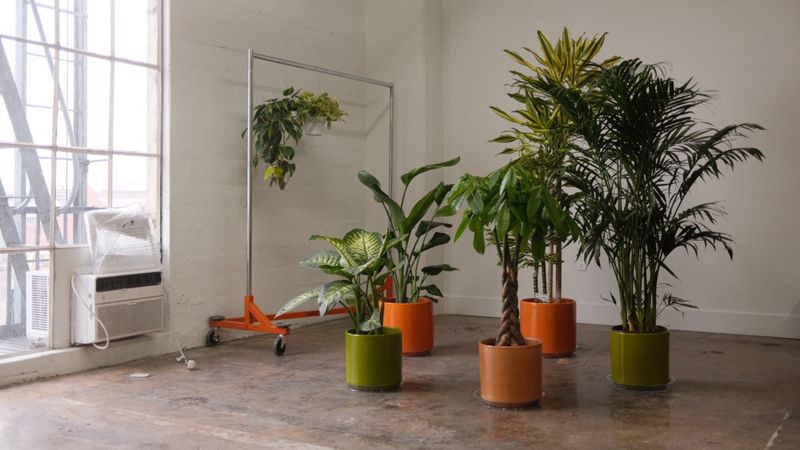
Transforming a corner of your home into a plant-filled retreat offers an instant escape from daily tensions and worries.
The color green has been scientifically proven to promote feelings of tranquility and reduce anxiety levels.
Surrounding yourself with lush foliage creates a spa-like atmosphere that encourages relaxation and mindfulness.
Many homeowners set up reading nooks or meditation spaces among their plants, turning these areas into personal sanctuaries where they can recharge mentally and emotionally.
Caring for plants also provides a form of active meditation that helps quiet racing thoughts.
The repetitive motions of watering and tending to greenery allow your mind to focus on simple, peaceful tasks.
This break from screens and constant stimulation gives your brain the rest it desperately needs during busy winter months.
Minnesota residents who embrace plant therapy often describe their homes as feeling more like peaceful retreats than just living spaces.
The presence of thriving plants creates positive energy and a sense of accomplishment.
When everything outside feels chaotic and cold, having a warm, green sanctuary indoors becomes incredibly grounding and restorative for overall well-being.
4. Add Natural Beauty When Outdoor Gardens Are Dormant
Gardening enthusiasts across Minnesota face months without access to their beloved outdoor spaces.
Flower beds lie buried under snow, and vegetable gardens sit frozen and empty until spring returns.
This forced break from gardening can leave plant lovers feeling disconnected from their favorite hobby and missing the beauty of living color.
Indoor plant therapy fills this void by bringing gardening activities inside where warmth and light allow plants to flourish year-round.
Homeowners can experiment with tropical species, flowering plants, and even herbs that would never survive Minnesota winters outdoors.
This keeps gardening skills sharp and provides the satisfaction of nurturing living things through the coldest months.
The visual appeal of houseplants transforms dull winter interiors into vibrant, inviting spaces filled with texture and life.
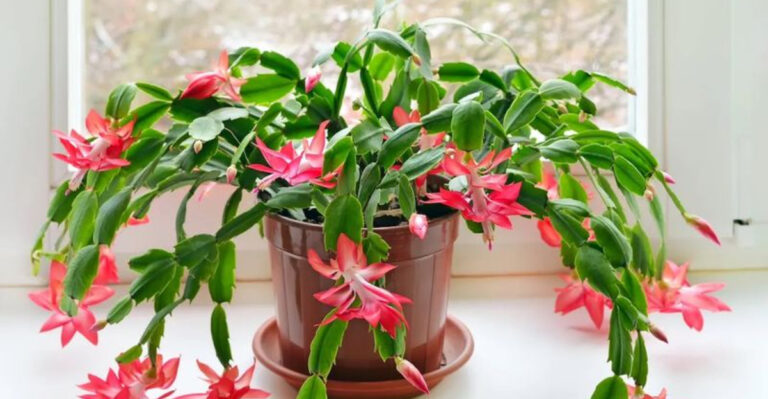
Colorful blooms from African violets, orchids, or Christmas cacti provide pops of brightness that lift spirits.
Even non-flowering plants with interesting foliage patterns add artistic elements that make rooms feel more designed and intentional.
Many Minnesota gardeners discover new plant varieties and growing techniques through their winter indoor gardens.
This experimentation keeps their passion alive and often leads to exciting discoveries they can apply to outdoor gardens come spring.
The continuous cycle of growth and care ensures that the joy of gardening never has to pause, regardless of what the weather looks like outside.
5. Boost Productivity And Focus For Remote Workers
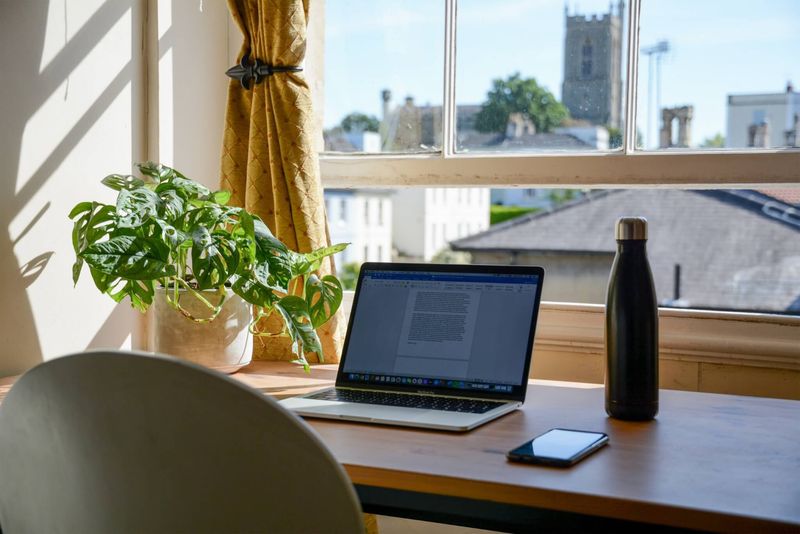
Remote work has become increasingly common for Minnesota professionals, meaning many people now spend entire days inside home offices.
Staring at screens in the same room day after day can lead to mental fatigue and decreased concentration.
Creating a workspace that supports focus and creativity becomes essential for maintaining productivity and job satisfaction.
Studies consistently show that having plants in work environments improves concentration, memory retention, and overall cognitive performance.
The presence of greenery reduces mental fatigue by giving your eyes and brain something natural to rest on between tasks.
Even a small succulent on your desk can make a measurable difference in how well you maintain attention throughout long workdays.
Plants also help define work zones within homes, creating psychological boundaries between professional and personal spaces.
This separation becomes especially important during Minnesota winters when leaving the house feels less appealing.
A well-planted home office signals to your brain that this space is for focused work, helping you shift into productive mode more easily.
Homeowners who add plants to their workspaces often report feeling more motivated and less stressed about their jobs.
The living companions provide visual interest without being distracting, and caring for them offers productive breaks that refresh the mind.
For anyone working from home in Minnesota, plant therapy transforms ordinary home offices into inspiring, energizing environments that support professional success.
6. Foster A Rewarding Hobby During Long Indoor Months
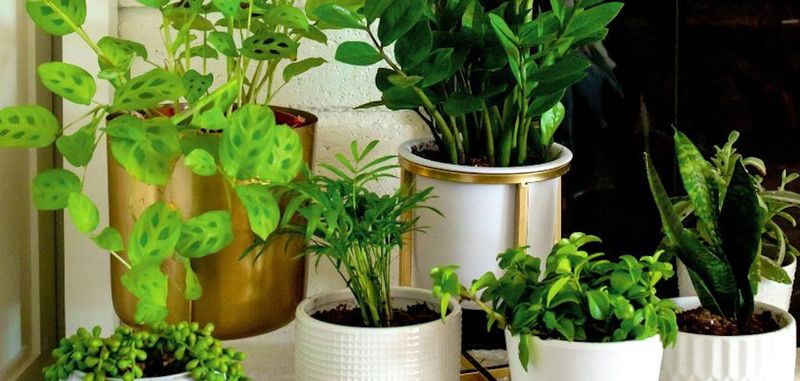
Finding engaging activities during Minnesota winters can be challenging when outdoor recreation becomes limited or uncomfortable.
Many people struggle with boredom and restlessness when confined indoors for extended periods.
Plant therapy offers a fulfilling hobby that provides ongoing learning opportunities and tangible results that build confidence and satisfaction.
Starting a houseplant collection allows homeowners to explore hundreds of species with different care requirements, growth patterns, and aesthetic qualities.
This variety keeps the hobby interesting and prevents it from becoming repetitive or dull.
Whether you focus on rare tropical plants, easy-care succulents, or flowering varieties, there is always something new to discover and master.
The plant community, both online and locally in Minnesota, provides social connection and shared enthusiasm that combat winter isolation.
Swapping cuttings, sharing care tips, and celebrating growth milestones with fellow plant lovers creates meaningful interactions.
This sense of belonging to a community enhances the hobby beyond just the plants themselves.
Watching plants grow and thrive under your care delivers a sense of accomplishment that boosts self-esteem and mood.
Each new leaf or successful propagation feels like a personal victory.
For Minnesotans looking for purpose and engagement during long winters, plant therapy transforms idle time into productive, rewarding experiences that enrich daily life and provide lasting satisfaction.
7. Increase Home Humidity Without Expensive Equipment
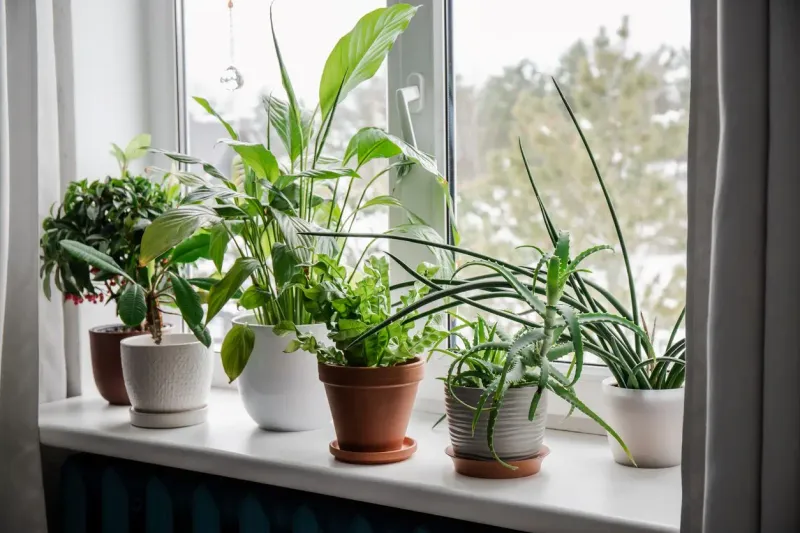
Minnesota heating systems work overtime during winter, creating extremely dry indoor conditions that cause discomfort and health problems.
Cracked lips, dry skin, nosebleeds, and irritated sinuses become common complaints for residents dealing with humidity levels that drop below comfortable ranges.
Traditional humidifiers require maintenance, electricity, and can develop mold or bacteria if not cleaned properly.
Houseplants offer a natural, low-maintenance alternative for adding moisture to indoor air.
Through transpiration, plants release water vapor that increases humidity levels in surrounding spaces.
Grouping several plants together amplifies this effect, creating micro-climates that feel noticeably more comfortable than dry, plant-free rooms.
Species that naturally thrive in humid environments, such as Boston ferns, peace lilies, and spider plants, release more moisture than others.
Placing these plants strategically throughout your Minnesota home helps balance humidity levels without the noise, cost, or hassle of mechanical humidifiers.
The effect is gentle and consistent, maintaining comfortable conditions naturally.
Homeowners who use plants for humidity control often notice improvements in their respiratory health and skin condition.
Better moisture levels also protect wooden furniture and musical instruments from damage caused by excessive dryness.
This practical benefit combines with all the other advantages of plant therapy, making houseplants a smart, multifunctional addition to any Minnesota home during the challenging winter season.
8. Strengthen Family Bonds Through Shared Plant Care

Minnesota winters often mean more time spent together indoors as a family, which can either strengthen relationships or create tension from too much togetherness.
Finding activities that everyone can participate in regardless of age helps maintain harmony and creates positive shared experiences.
Plant therapy provides an accessible project that teaches responsibility while bringing family members together around a common goal.
Children learn valuable lessons about nurturing, patience, and the life cycle by helping care for houseplants.
Assigning each child responsibility for specific plants gives them ownership and pride in their contributions.
These experiences build confidence and teach important skills that extend far beyond plant care into other areas of life.
Parents and children working together to research plant needs, troubleshoot problems, and celebrate growth creates quality bonding time without screens or distractions.
These interactions feel purposeful and productive rather than forced.
Conversations flow naturally while watering or repotting plants, creating opportunities for connection that might not happen otherwise.
Many Minnesota families discover that their shared plant hobby becomes a lasting tradition that continues year after year.
Taking photos of favorite plants, naming them, and tracking their growth creates memories and inside jokes that strengthen family identity.
The living nature of plants means there is always something new happening, keeping the activity fresh and engaging for everyone involved throughout the long winter months.