10 Brilliant Upcycled Garden Ideas Taking Over New York Apartments
New York apartments are known for their tight spaces and limited outdoor access, but that does not mean you have to give up on your gardening dreams.
Upcycling everyday items into planters and garden containers has become a creative trend sweeping across the city, transforming balconies, windowsills, and fire escapes into lush green retreats.
Instead of tossing out old household goods, resourceful New Yorkers are breathing new life into them by turning bottles, cans, furniture, and even kitchen scraps into thriving urban gardens.
This movement is not just about saving money or reducing waste—it is about bringing nature back into concrete jungles and proving that anyone can grow something beautiful, no matter how small their living space might be.
1. Wine Bottle Herb Planters Hanging From Fire Escapes
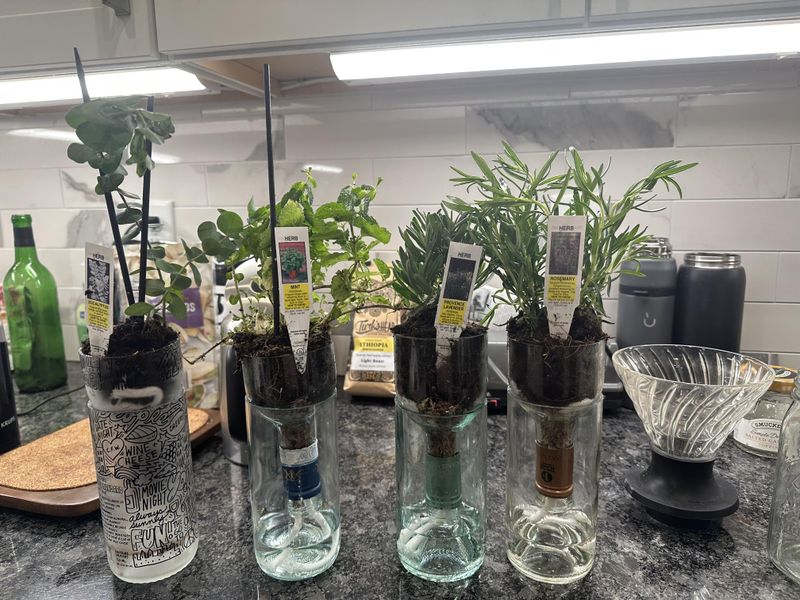
Empty wine bottles are getting a second chance at life on New York fire escapes and balconies as stylish herb gardens.
By cutting the bottles carefully and hanging them horizontally with rope or wire, apartment dwellers create unique planters that catch sunlight beautifully.
Basil, cilantro, mint, and parsley thrive in these glass containers, and the transparent material lets you monitor root growth and soil moisture easily.
Many New York gardeners love how these upcycled planters add a touch of elegance while keeping fresh herbs within arm’s reach of the kitchen.
The bottles protect delicate seedlings from strong winds common on high-rise balconies, and their narrow shape fits perfectly on cramped fire escape landings.
Painting the bottom half of the bottle or leaving the labels on adds personality and prevents roots from getting too much direct sun.
This idea works especially well in studio apartments where counter space is precious but windowsill real estate is available.
Best of all, collecting bottles from dinners with friends becomes part of the fun, turning social gatherings into future gardening projects.
The combination of sustainability and style makes this one of the most popular upcycling trends across New York neighborhoods.
2. Wooden Pallet Vertical Gardens For Balcony Walls
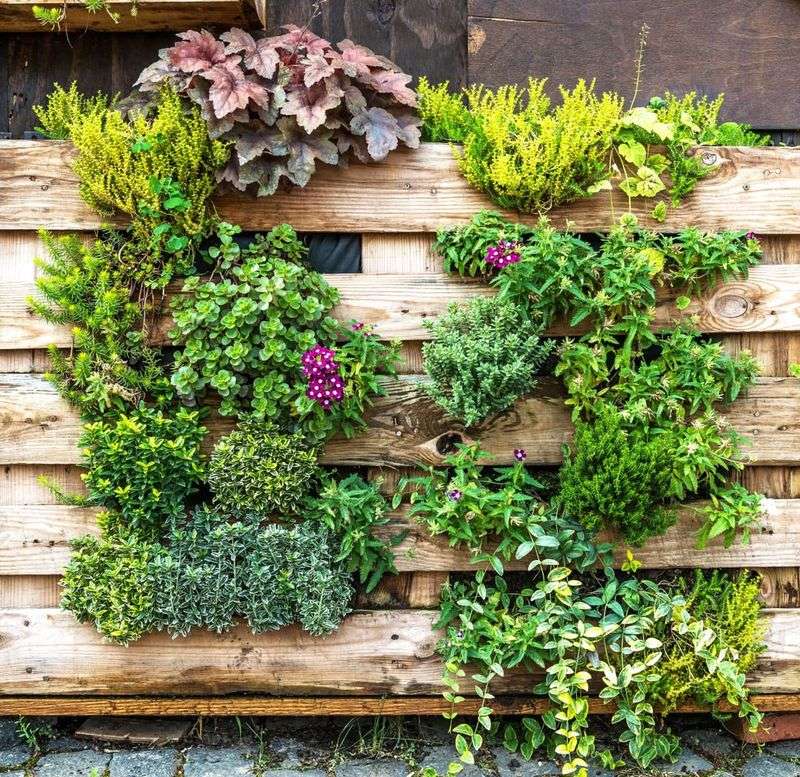
Shipping pallets that once carried goods across the country are now standing tall as vertical gardens on New York balconies.
These sturdy wooden structures provide multiple levels for planting, making them perfect for maximizing limited square footage in cramped outdoor spaces.
Securing a pallet to a balcony wall creates instant shelving for small pots, mason jars, or even fabric pouches filled with soil and seeds.
Succulents, strawberries, lettuce, and flowering plants all adapt well to this vertical arrangement, and the rustic wood aesthetic fits beautifully with industrial New York architecture.
Residents can sand down the pallet and apply weatherproof sealant to extend its lifespan, or leave it natural for a more organic look.
The gaps between slats allow for excellent drainage and air circulation, which helps prevent root rot in the humid summer months.
Many New Yorkers paint their pallets in bold colors or stencil designs to match their apartment décor and add a personal artistic touch.
This setup works wonderfully for renters because it is easy to disassemble and move when lease terms end.
Your New York Garden Changes Every Week. Your Plan Should Too.
Gardening in New York changes quickly throughout the season. Every Friday you’ll receive a simple weekly plan showing exactly what to plant, prune, fertilize, harvest, and protect so you never miss the right timing.
Pallet gardens bring the countryside charm into the heart of the city without requiring any permanent installations or expensive materials.
3. Tin Can Tower Gardens On Windowsills
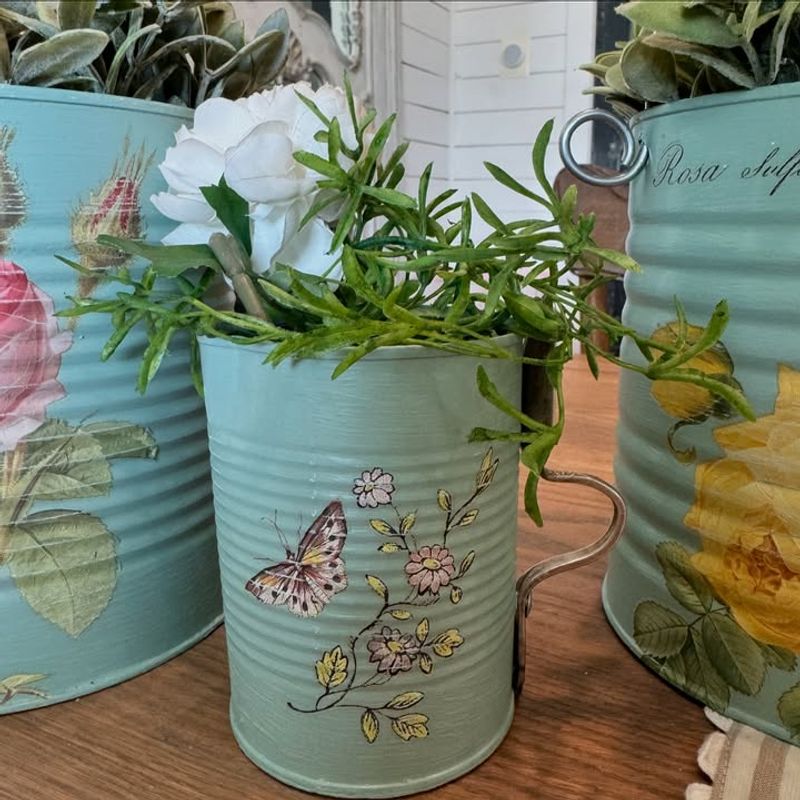
Soup cans, coffee tins, and vegetable containers are being stacked into charming tower gardens that brighten up New York windowsills.
After thoroughly cleaning and removing sharp edges, these everyday items become surprisingly attractive planters when painted in vibrant colors or wrapped in decorative fabric.
Stacking them in pyramid formations or attaching them to wooden boards creates a tiered garden that maximizes vertical space while looking intentionally designed.
Small flowers like pansies, petunias, and marigolds thrive in these compact containers, as do kitchen herbs that need regular trimming for cooking.
Drilling drainage holes in the bottom prevents water from pooling and causing rust or root problems over time.
The metallic material heats up quickly in direct sunlight, which can benefit heat-loving plants like peppers and tomatoes during New York summers.
Many apartment gardeners coordinate their tin can colors with their interior design, creating a cohesive look that flows from indoors to outdoors.
This project costs almost nothing since most households accumulate cans regularly, making it ideal for budget-conscious New Yorkers.
Children especially enjoy decorating the cans and watching their plants grow, turning windowsill gardening into a fun family activity that teaches responsibility and environmental awareness.
4. Old Dresser Drawer Planter Boxes
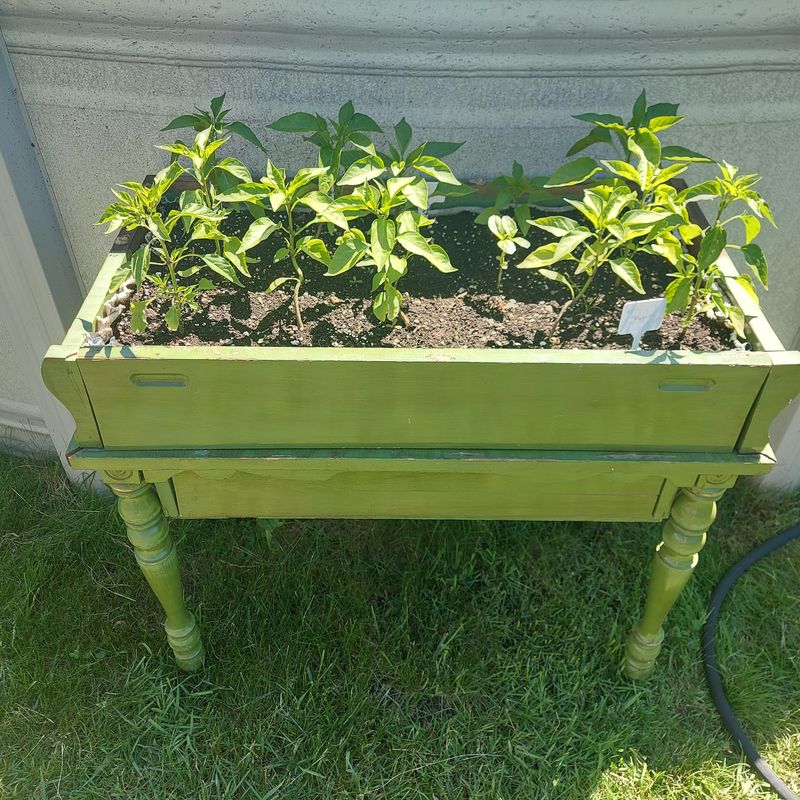
Broken dressers headed for the dumpster are finding new purpose as charming planter boxes across New York rooftops and patios.
The drawers provide generous depth for root systems and come in various sizes to accommodate everything from shallow-rooted lettuce to deeper carrot varieties.
Their built-in rectangular shape fits neatly along balcony railings or can be arranged in rows to create organized garden beds.
Many New Yorkers appreciate the vintage aesthetic these wooden drawers bring, especially when the original hardware and weathered finish are preserved.
Adding a waterproof liner or drilling drainage holes protects the wood from rotting while ensuring plants receive proper moisture without becoming waterlogged.
Drawer gardens work exceptionally well for salad greens, radishes, and compact bush beans that do not require extensive space to flourish.
Painting or staining the exterior allows gardeners to match their outdoor furniture or create eye-catching focal points on otherwise plain concrete surfaces.
Because drawers are naturally portable, they can be moved to follow sunlight throughout the day or brought indoors during harsh weather conditions.
This upcycling idea turns furniture destined for landfills into functional garden space while adding character and conversation-starting charm to any New York apartment outdoor area.
5. Plastic Bottle Self-Watering Planters
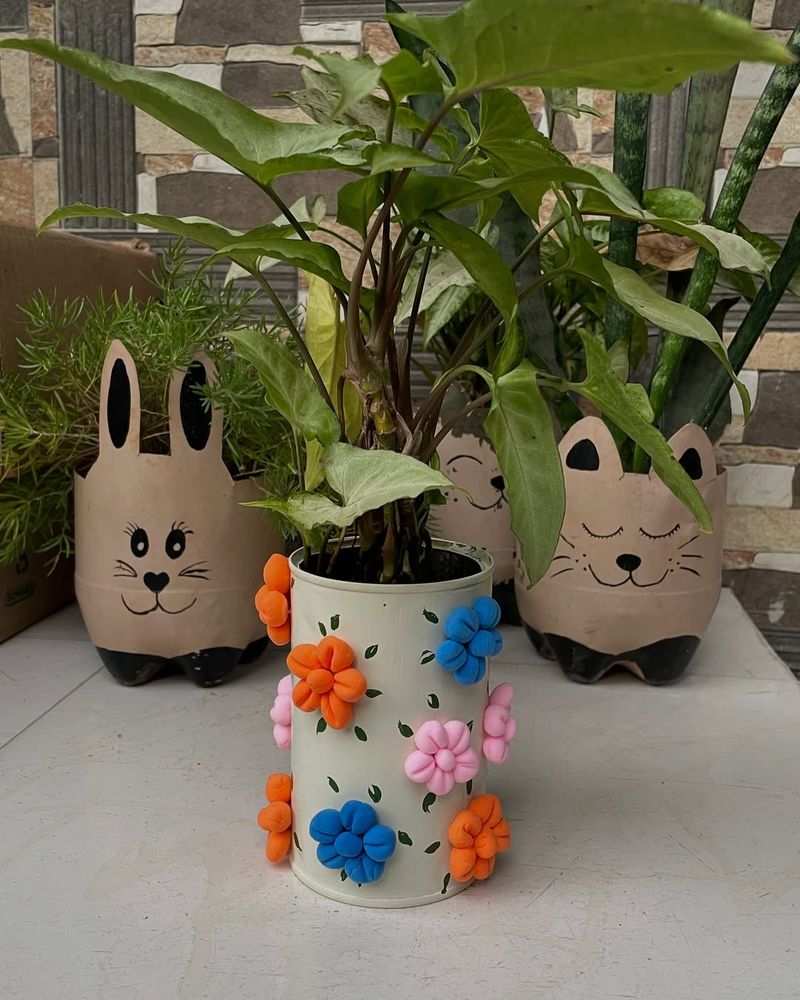
Two-liter soda bottles are being transformed into ingenious self-watering systems that make apartment gardening almost foolproof for busy New Yorkers.
By cutting the bottle in half and inverting the top portion into the bottom, gardeners create a reservoir that slowly feeds water to plant roots through capillary action.
This design is perfect for forgetful waterers or those who travel frequently, as plants can sustain themselves for several days without attention.
Tomatoes, peppers, and herbs respond particularly well to this consistent moisture supply, producing healthier growth than traditional watering methods sometimes allow.
The clear plastic lets you monitor water levels at a glance, so you know exactly when to refill the reservoir without guessing or overwatering.
Many New York apartment dwellers line their windowsills with these bottle planters, creating a uniform look that is both practical and surprisingly attractive.
Wrapping the bottles in decorative paper or painting them hides the plastic appearance while still allowing light to reach the soil and roots.
This method reduces water waste significantly, which appeals to environmentally conscious city residents who want to minimize their ecological footprint.
Best of all, every household generates plastic bottles regularly, making this a zero-cost solution that diverts waste from landfills while producing fresh food right in your New York kitchen.
6. Broken Teapot And Mug Succulent Gardens
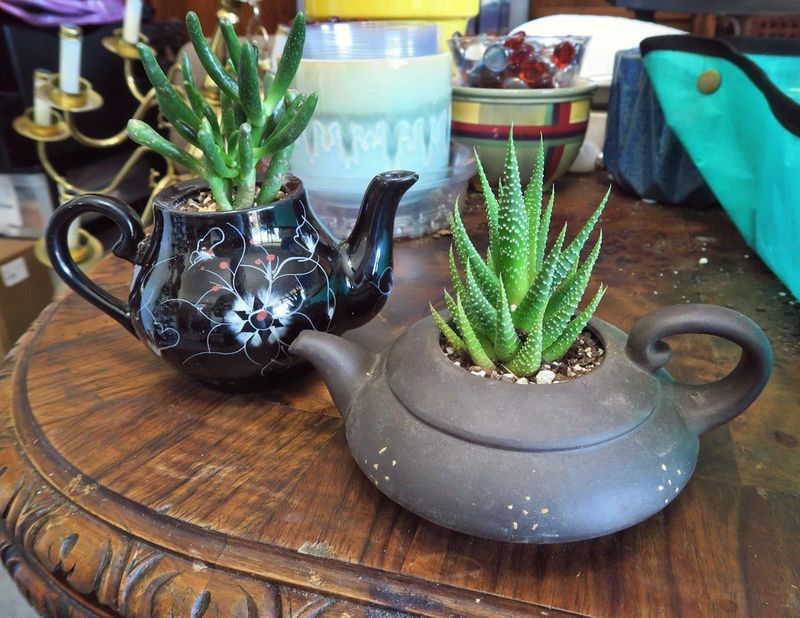
Chipped teapots and cracked coffee mugs are getting rescued from donation boxes and transformed into adorable succulent gardens throughout New York apartments.
These small ceramic containers provide perfect drainage and size for low-maintenance plants like echeveria, jade, and string-of-pearls varieties.
The built-in spouts on teapots serve as natural drainage holes, eliminating the need for drilling and preserving the item’s original charm and functionality.
Arranging a collection of mismatched mugs and teapots creates an eclectic display that adds personality to balconies, kitchen counters, or bathroom windowsills.
Succulents require minimal watering and thrive in the bright indirect light common in New York apartments, making them ideal for beginners or those with unpredictable schedules.
Many gardeners hunt thrift stores and flea markets specifically for unique vintage pieces, turning plant shopping into a treasure hunt adventure.
The small scale of these containers makes them perfect for studio apartments where every inch of space counts but greenery is still desired.
Grouping several teapot planters together on a decorative tray creates an instant garden vignette that looks professionally designed without any real effort.
This upcycling approach celebrates imperfection by giving damaged household items a beautiful second life, which resonates deeply with New York’s creative and resourceful spirit.
7. Shoe Organizer Pocket Gardens
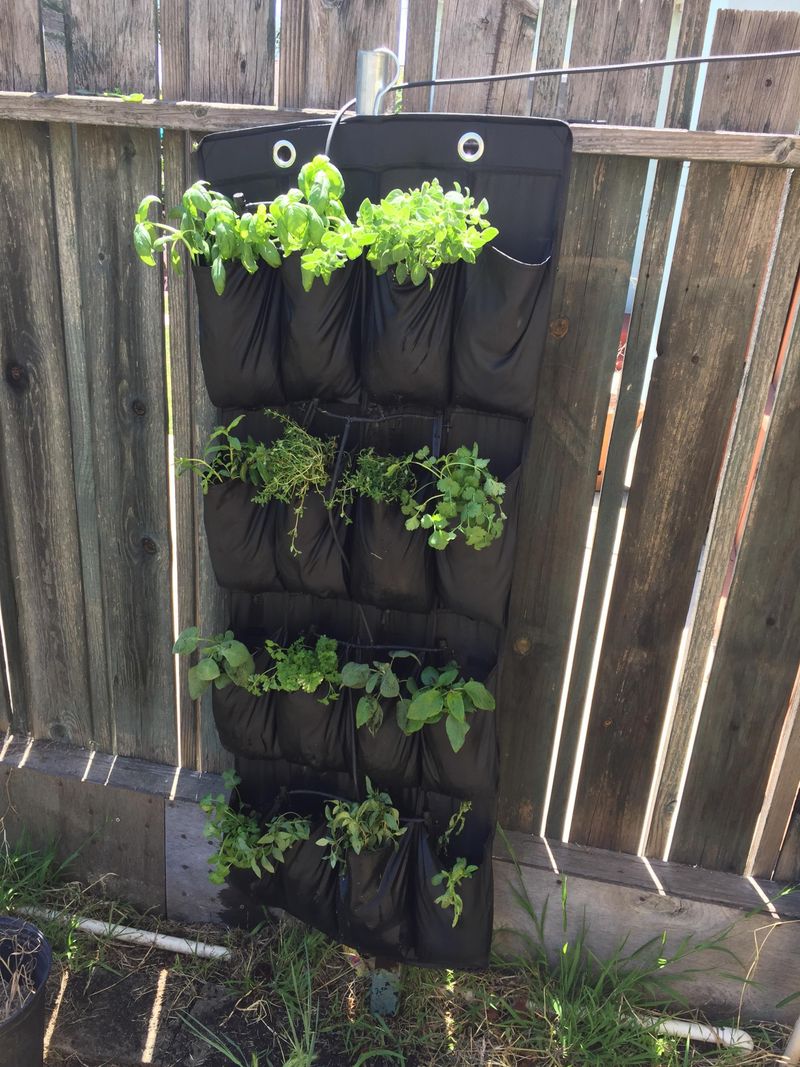
Over-the-door shoe organizers are being repurposed as vertical pocket gardens that turn blank walls and balcony railings into productive growing spaces.
Each fabric pocket becomes a mini planter, perfect for shallow-rooted herbs, strawberries, or annual flowers that add color to drab apartment exteriors.
This system is incredibly space-efficient, allowing New Yorkers to grow dozens of plants in the footprint that would normally hold just one or two traditional pots.
The pockets naturally drain excess water through the fabric, which prevents root rot while keeping plants adequately moist in hot weather.
Hanging the organizer on a sunny balcony railing or fire escape creates an instant garden that requires no floor space whatsoever.
Many apartment gardeners appreciate how easy it is to customize their pocket garden by moving plants around or replacing spent annuals with new varieties throughout the season.
Labeling each pocket with plant names turns the organizer into an educational display, especially helpful when growing multiple herb varieties that look similar.
The lightweight nature of shoe organizers makes them renter-friendly since they can be removed without leaving any permanent marks or damage.
This clever upcycling idea proves that even the most unexpected household items can be transformed into functional gardens that bring fresh flavors and natural beauty into cramped New York living spaces.
8. Mason Jar Sprouting Stations
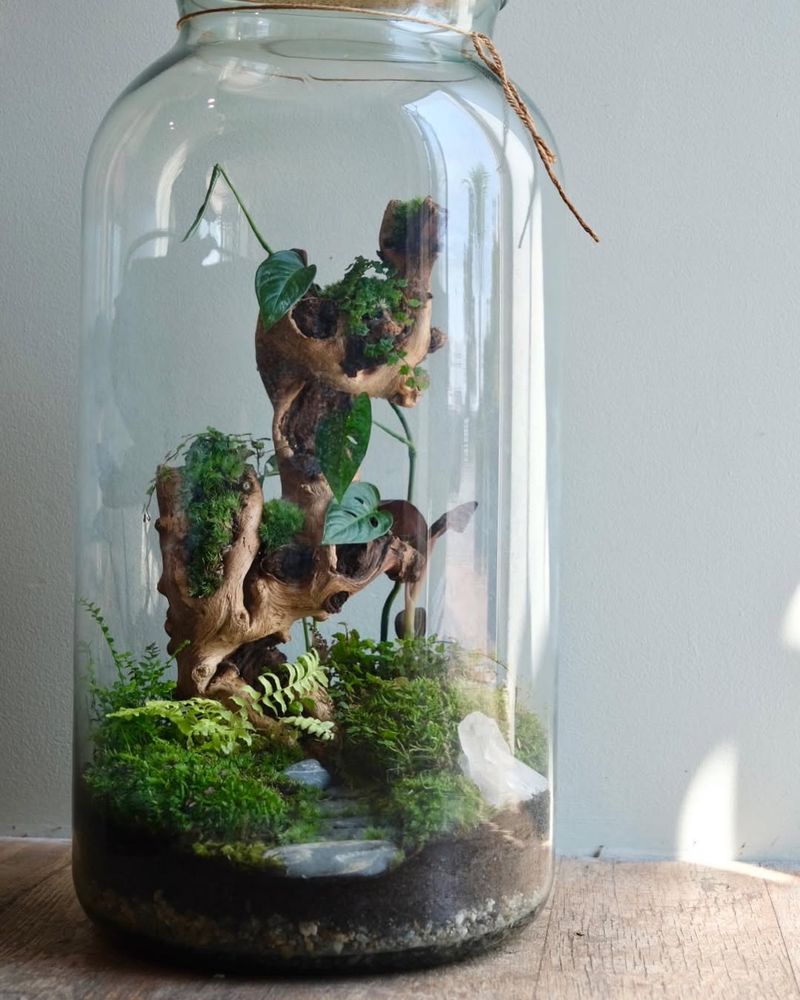
Empty mason jars are becoming miniature sprouting stations that provide fresh, nutritious greens year-round in New York kitchens.
By attaching mesh lids or cheesecloth secured with rubber bands, these jars transform into perfect environments for growing alfalfa, broccoli, mung bean, and radish sprouts.
The process requires no soil, minimal space, and just a few minutes of rinsing each day, making it ideal for time-strapped city residents.
Watching seeds transform into edible sprouts within three to five days provides instant gratification that traditional gardening cannot match.
Arranging multiple jars on a kitchen counter or windowsill creates a living food source that adds crunch and nutrition to sandwiches, salads, and smoothies.
The clear glass allows you to observe the entire sprouting process, which fascinates children and adults alike while teaching valuable lessons about plant growth.
Many New Yorkers keep a rotation of jars at different stages, ensuring they always have fresh sprouts ready for meals without any grocery store trips.
This method eliminates packaging waste associated with store-bought sprouts while guaranteeing freshness and eliminating concerns about contamination or recalls.
Mason jar sprouting requires virtually no investment beyond seeds and jars most households already own, making it the most accessible form of urban gardening for New York apartment dwellers with absolutely no outdoor space available.
9. Colander Strawberry Planters
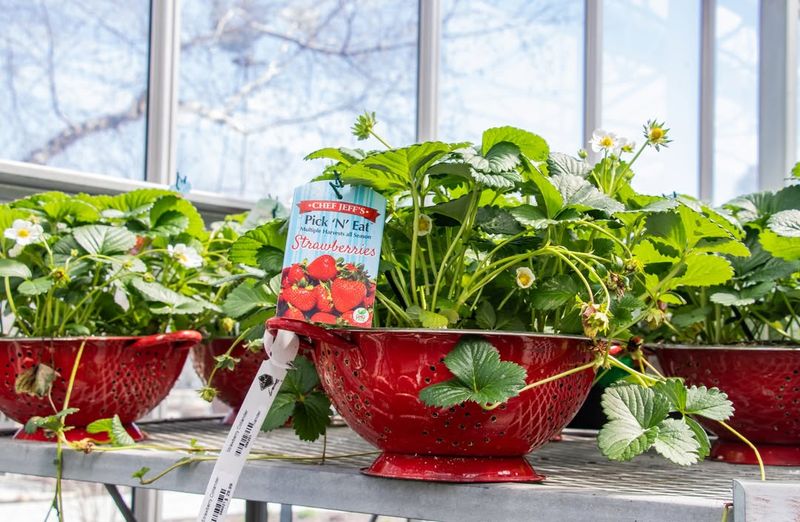
Kitchen colanders with worn-out handles or chipped enamel are being given new life as strawberry planters that hang beautifully from balcony hooks and ceiling mounts.
The built-in drainage holes make colanders naturally perfect for preventing overwatering, which is the most common mistake among beginner gardeners.
Strawberry plants send out runners that cascade over the sides, creating a living fountain of greenery and fruit that looks stunning against brick apartment walls.
The bowl shape provides adequate depth for strawberry root systems while the perforated design ensures excellent air circulation around the soil.
Hanging colanders at eye level makes it easy to spot ripe berries and harvest them before birds or insects can claim them first.
Many New York gardeners paint their colanders in cheerful colors or leave vintage enamelware in its original state for nostalgic appeal.
This setup works particularly well on small balconies where floor space is nonexistent but overhead areas remain underutilized and available for creative solutions.
Strawberries grown in colanders tend to stay cleaner than ground-planted varieties since the fruit never touches soil and benefits from improved air flow.
Combining several colanders at different heights creates a tiered strawberry garden that maximizes production while serving as an attractive focal point that neighbors will definitely ask about and admire.
10. Egg Carton Seedling Starters
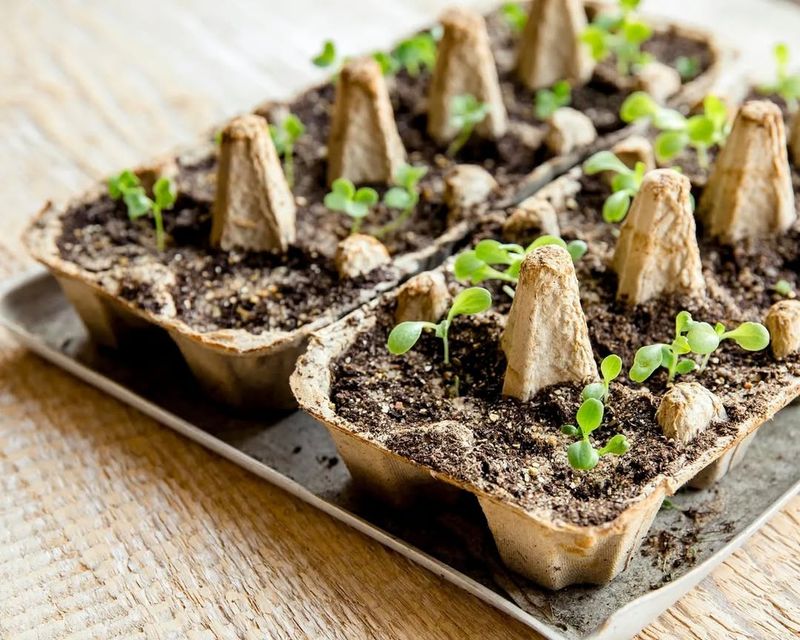
Cardboard egg cartons are being saved from recycling bins and repurposed as biodegradable seedling trays that make starting a garden incredibly simple and affordable.
Each cup-shaped compartment holds just enough soil for a single seed, creating perfectly portioned growing spaces for tomatoes, peppers, herbs, and flower seedlings.
Once seedlings develop strong roots, the entire carton section can be planted directly into larger containers or garden beds, where the cardboard naturally decomposes and enriches the soil.
This eliminates transplant shock that often occurs when moving delicate seedlings from plastic trays to permanent homes.
New York apartment gardeners love how egg cartons stack neatly on windowsills, allowing them to start dozens of plants without cluttering limited counter space.
Labeling each compartment with plant names and planting dates helps track progress and ensures proper timing for transplanting outdoors when weather permits.
The carton lid can be closed initially to create a mini greenhouse effect that speeds germination, especially helpful for slower-sprouting varieties like peppers and eggplants.
This method costs absolutely nothing since most households buy eggs regularly, making it perfect for experimental gardening without financial risk.
Children particularly enjoy filling egg cartons with soil and planting seeds, turning this upcycling project into an educational activity that teaches patience, responsibility, and the magic of watching life emerge from tiny seeds.