How Colorado Gardeners Build Cozy Aromatic Patio Areas
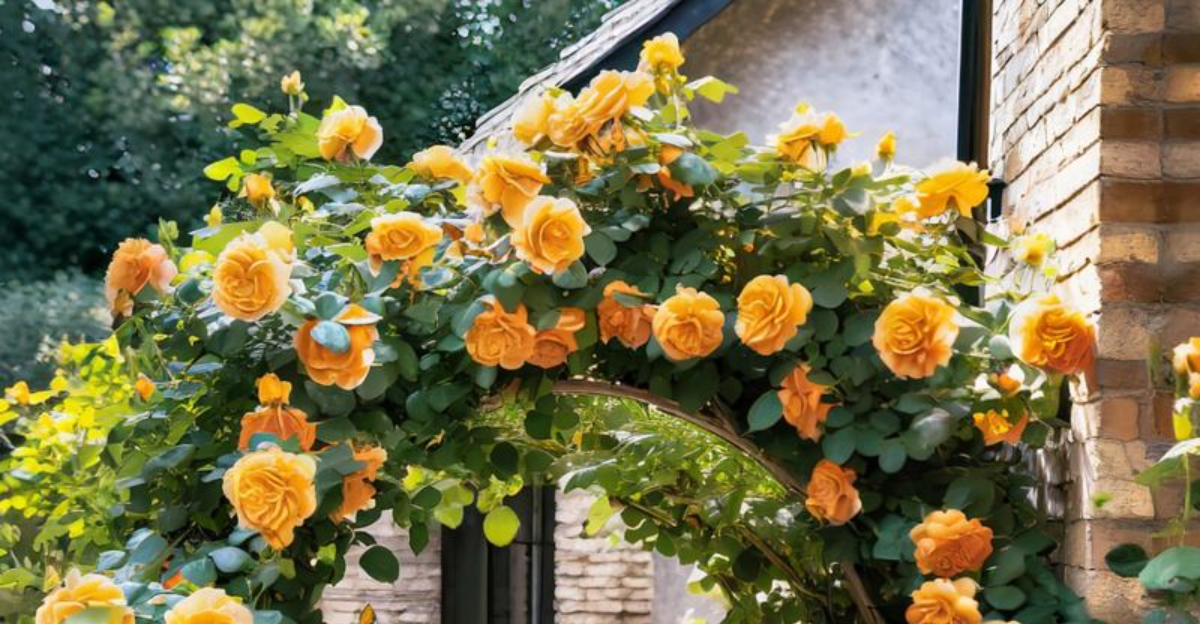
Colorado patios often serve as an extra living room, and gardeners know how to make them feel warm and inviting with the right touch of scent.
As mountain air cools off in the evenings, aromatic plants step in and set the mood, filling small corners with calming fragrance.
A pot of herbs near a chair, flowering plants tucked by railings, or vines climbing a trellis can turn a plain patio into a cozy retreat.
These scents mix with crisp air and fading sunlight, creating a space that feels peaceful after a long day.
Colorado gardeners build these areas with intention, choosing plants that release fragrance when brushed past or warmed by the sun.
Each choice adds another layer of comfort, encouraging people to linger a little longer.
With careful placement and a love for simple pleasures, patios become places to unwind, breathe deep, and enjoy the quiet rhythm of outdoor living.
1. Plant Lavender In Containers And Raised Beds
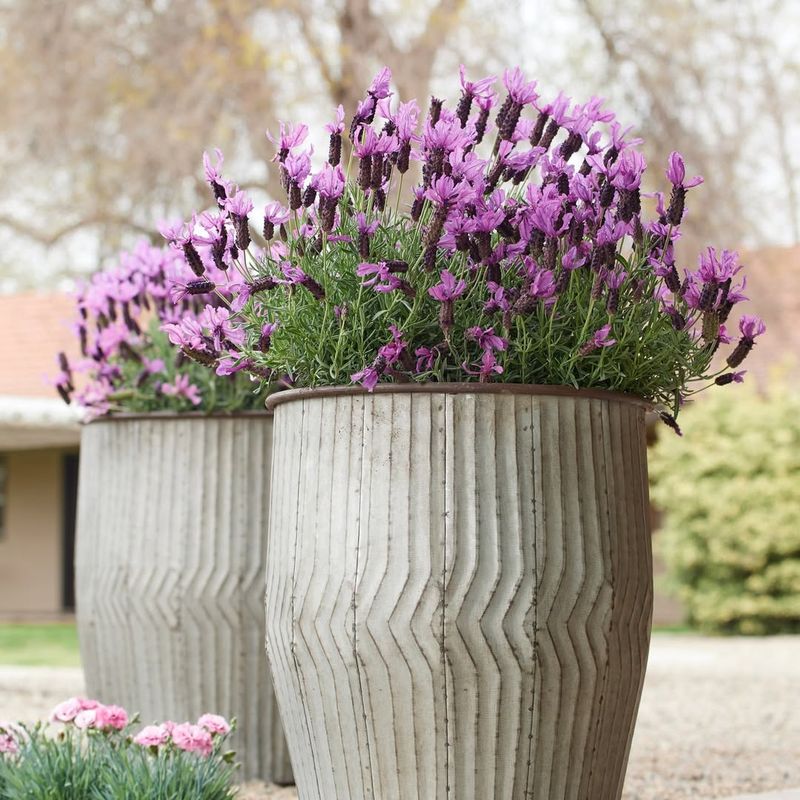
Lavender thrives in Colorado’s sunny, dry climate and offers one of the most beloved fragrances for patio spaces.
These purple-flowered plants prefer well-drained soil and full sun, making them ideal candidates for container gardening on patios and decks.
Colorado gardeners often choose English lavender varieties like ‘Munstead’ or ‘Hidcote’ for their hardiness in zones 5 and 6.
Container planting gives you control over soil quality and drainage, which prevents root rot during Colorado’s unpredictable weather patterns.
Use terracotta or ceramic pots with drainage holes, and fill them with a mixture of potting soil and sand or perlite.
Position these containers near seating areas where people can brush against the foliage and release bursts of calming scent.
Raised beds work beautifully for larger lavender collections, allowing you to create stunning visual displays while improving drainage.
Build beds at least 12 inches high and fill them with amended soil that drains quickly.
Group multiple lavender plants together for maximum fragrance impact, spacing them about 18 inches apart.
Lavender blooms from late spring through summer in Colorado, providing months of aromatic enjoyment.
The flowers attract beneficial pollinators like bees and butterflies, adding movement and life to your patio corner.
After blooming, harvest the stems for drying and use them in sachets or arrangements that bring the outdoor scent inside your home throughout winter months when Colorado gardens rest under snow.
2. Design Herb Spirals With Aromatic Cooking Herbs
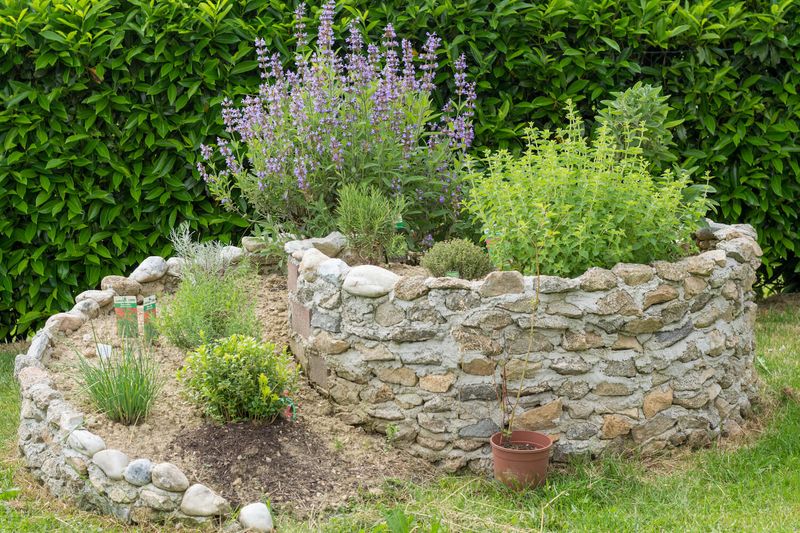
Herb spirals create vertical growing space that maximizes fragrance in compact patio corners while providing fresh ingredients for your kitchen.
This permaculture design stacks stones or bricks in a spiral pattern, creating different microclimates from bottom to top.
Colorado gardeners appreciate how this structure offers various sun exposures and moisture levels within a small footprint.
Build your herb spiral about three feet tall and six feet wide at the base, using stones that absorb heat during sunny Colorado days and release warmth at night.
Place moisture-loving herbs like mint and parsley at the bottom where water collects.
Position Mediterranean herbs like oregano, thyme, and rosemary higher up where drainage is excellent and sun exposure is maximum.
Your Colorado Garden Changes Every Week. Your Plan Should Too.
Gardening in Colorado changes quickly throughout the season. Every Friday you’ll receive a simple weekly plan showing exactly what to plant, prune, fertilize, harvest, and protect so you never miss the right timing.
The circular design encourages you to walk around the spiral, brushing against fragrant leaves that release essential oils into the air.
Plant culinary sage near the middle section where it receives good drainage but stays somewhat protected.
Add chives at various levels for their mild onion scent and pretty purple flowers that bloom in early summer across Colorado.
Herb spirals function as living sculptures that smell amazing and produce useful harvests throughout the growing season.
The structure protects plants from harsh winds common in Colorado while creating interesting shadows and textures.
Harvest herbs regularly to encourage bushy growth and release more fragrance.
This design works particularly well in Boulder, Fort Collins, and other Front Range communities where space is often limited but gardening enthusiasm runs high.
3. Install Climbing Roses On Trellises And Arbors
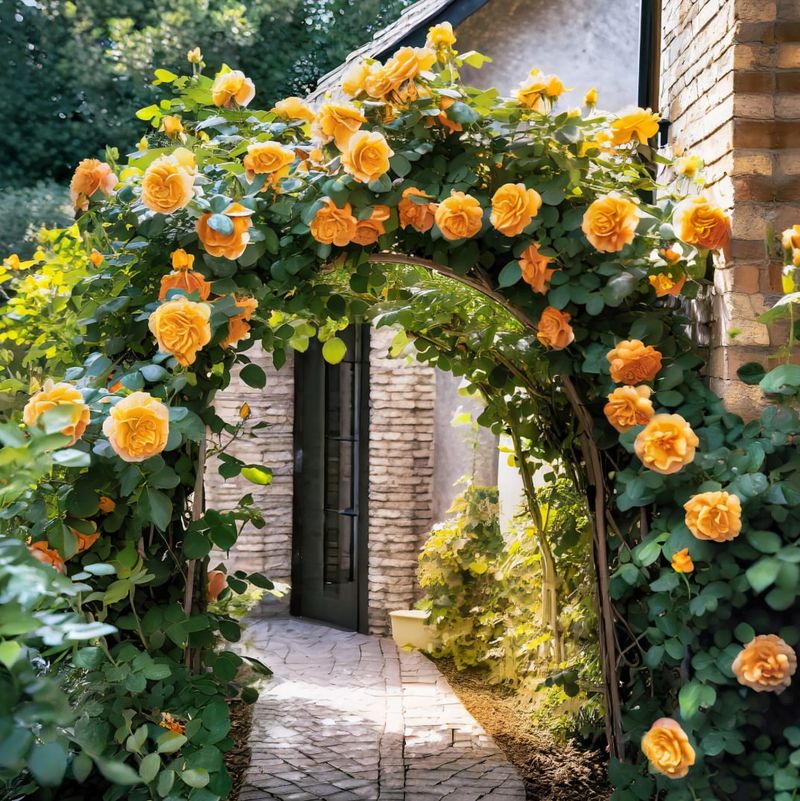
Few plants match the romantic fragrance of old-fashioned climbing roses, and Colorado gardeners successfully grow these beauties despite challenging conditions.
Select hardy varieties bred for cold climates, such as ‘William Baffin’ or ‘John Cabot,’ which survive Colorado winters and produce heavily scented blooms.
Install sturdy trellises or arbors near patio seating areas where rose fragrance can drift over conversations and meals.
Climbing roses need strong support structures because they grow vigorously once established in Colorado’s intense sunshine.
Build arbors from cedar or treated lumber that can handle snow loads during winter months.
Position these structures on the south or west side of your patio where roses receive at least six hours of direct sunlight daily.
Train rose canes horizontally along supports to encourage more flowering shoots, which means increased fragrance throughout the blooming season.
Water deeply but infrequently to develop strong root systems that withstand Colorado’s dry conditions.
Mulch around the base with wood chips to retain moisture and regulate soil temperature during hot summer afternoons.
Rose-covered arbors create natural doorways into aromatic patio corners, framing views and providing light shade during peak summer heat.
The fragrance intensifies during early morning and evening hours when Colorado temperatures cool down.
Deadhead spent blooms regularly to encourage repeat flowering and maintain the tidy appearance that makes patio spaces inviting.
Many Colorado Springs and Denver gardeners report that climbing roses become the signature feature of their outdoor rooms, drawing compliments from every visitor who experiences their heavenly scent.
4. Incorporate Night-Blooming Jasmine In Protected Spots
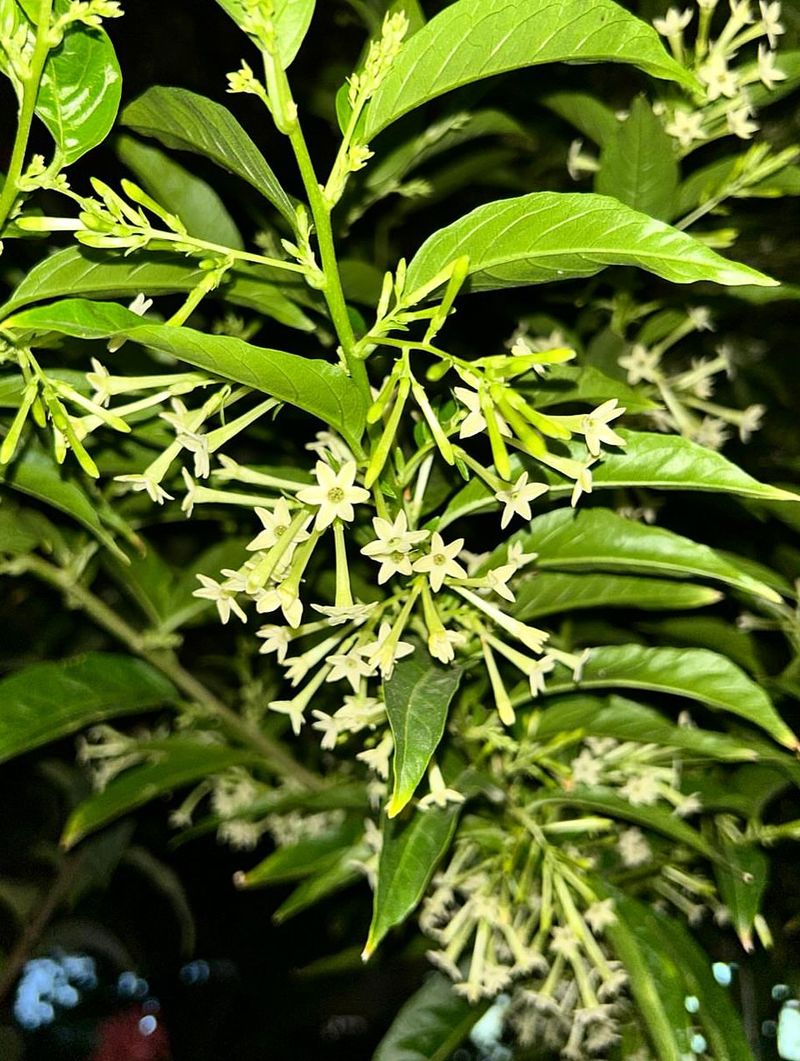
Night-blooming jasmine releases one of the most intoxicating fragrances in the plant world, though it requires special consideration in Colorado’s climate.
This tropical plant cannot survive freezing temperatures, so Colorado gardeners treat it as a container specimen that moves indoors before the first frost.
The payoff comes during summer evenings when its small white flowers release powerful perfume that fills entire patio areas.
Choose a large container with excellent drainage and place it in a protected corner that receives bright indirect light during the hottest part of the day.
The plant blooms more prolifically when slightly root-bound, making container culture ideal for Colorado patios.
Position it near outdoor dining areas or seating nooks where evening gatherings happen, allowing the fragrance to create memorable experiences.
Water consistently throughout Colorado’s dry summer months, never letting the soil completely dry out between waterings.
Feed monthly with balanced liquid fertilizer to support continuous blooming from June through September.
The fragrance becomes most noticeable after sunset, making this plant perfect for patios used for evening relaxation and entertainment.
Before temperatures drop below 40 degrees Fahrenheit in fall, transition the plant indoors to a sunny window where it can continue growing through winter.
Colorado gardeners in warmer microclimates around Denver and Boulder sometimes keep these plants outdoors until late October before bringing them inside.
The effort required to maintain night-blooming jasmine as a seasonal patio plant rewards you with unforgettable fragrance that transforms ordinary summer nights into extraordinary sensory experiences worth the extra care.
5. Create Borders With Catmint And Russian Sage
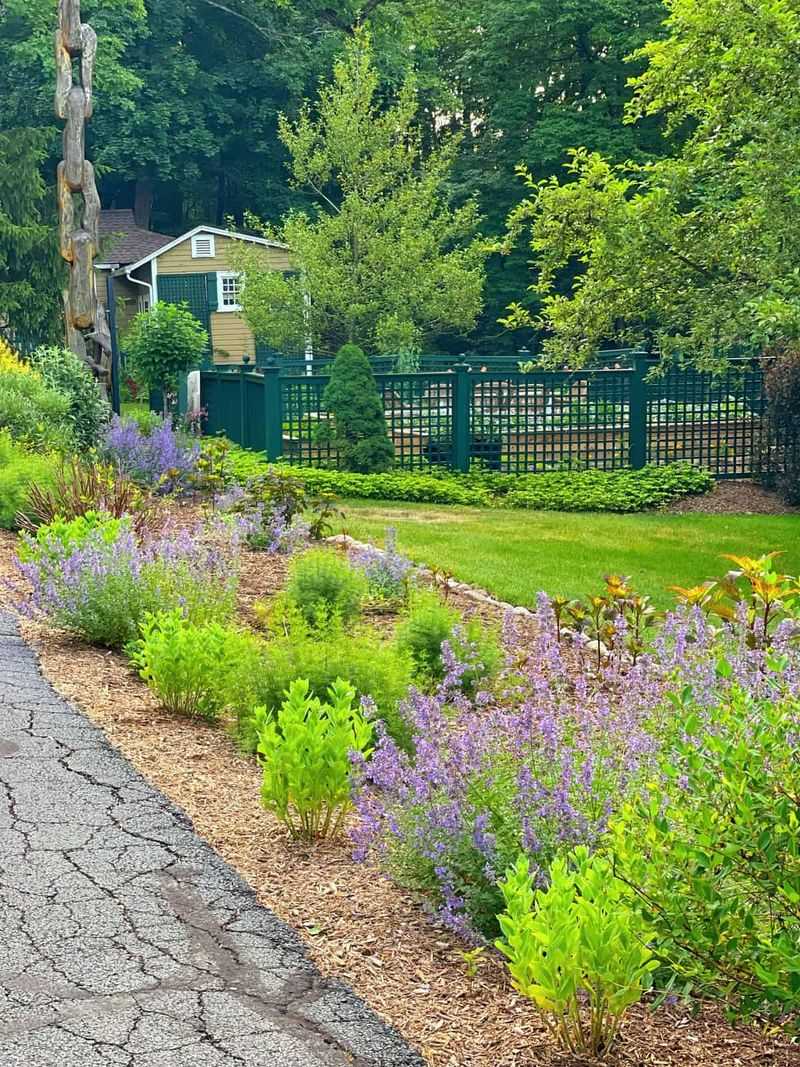
Catmint and Russian sage form the backbone of many successful aromatic patio borders throughout Colorado because both plants tolerate drought, poor soil, and temperature extremes.
These perennials produce clouds of blue-purple flowers that smell minty and slightly spicy when touched.
Their billowing form softens hard patio edges while creating fragrant boundaries that define outdoor rooms.
Plant catmint along the front edges of patio borders where its low-growing habit spills onto pavement, releasing scent when brushed by passing feet.
This tough perennial blooms repeatedly through summer if you shear it back after the first flowering finishes.
Russian sage grows taller, reaching three to four feet, making it perfect for the back of borders where it provides height and airy texture.
Both plants thrive in Colorado’s alkaline soil without amendments, saving gardeners time and money on soil preparation.
They require minimal water once established, making them environmentally responsible choices for water-conscious communities across the Front Range.
Space plants about two feet apart to allow for their mature spread, creating a continuous fragrant hedge by the second growing season.
The silver-gray foliage of Russian sage contrasts beautifully with catmint’s green leaves, adding visual interest beyond the blooming period.
Both plants attract numerous pollinators, bringing hummingbirds, butterflies, and bees to your patio corner throughout summer.
Colorado gardeners from Grand Junction to Fort Collins rely on these reliable perennials to create low-maintenance aromatic borders that look and smell wonderful year after year without demanding constant attention or resources.
6. Add Scented Geraniums For Touch-And-Smell Gardens
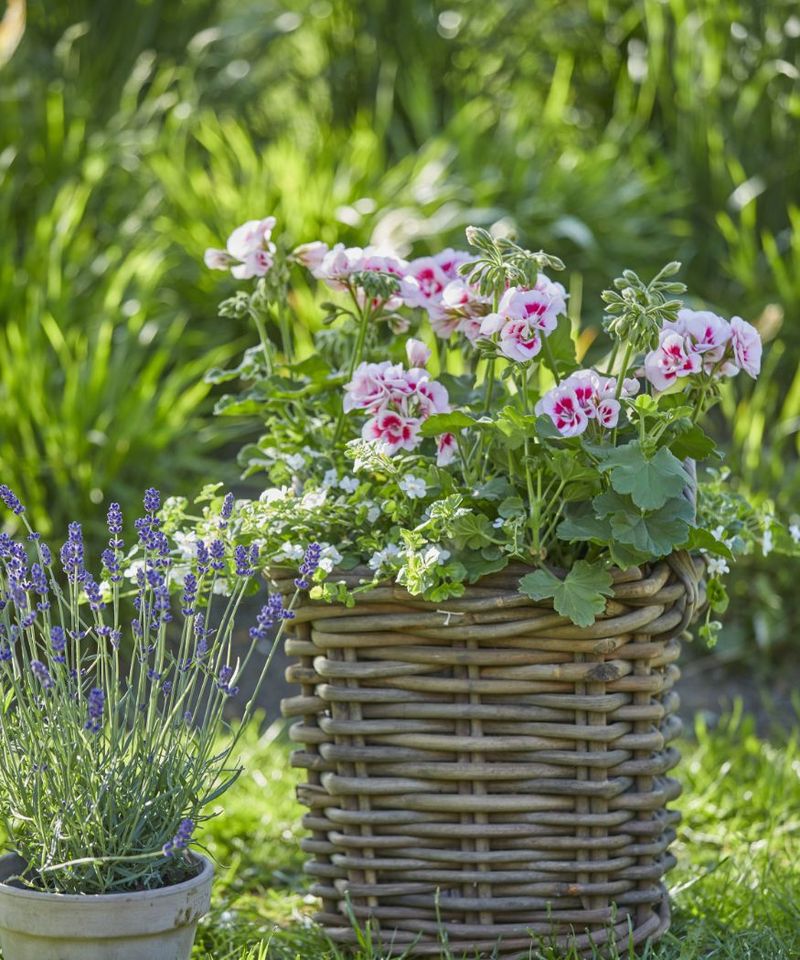
Scented geraniums offer incredible fragrance diversity, with varieties smelling like rose, lemon, mint, apple, and even chocolate.
Colorado gardeners grow these tender perennials as annuals or container plants that winter indoors, placing them strategically where people naturally reach out to touch leaves.
The fragrance only releases when foliage is brushed or crushed, creating interactive patio corners that engage visitors.
Position containers of scented geraniums along patio walkways, on table edges, or near seating areas where guests can easily rub a leaf and enjoy the aroma.
Choose different varieties to create a fragrance collection that offers variety throughout the season.
Rose-scented types smell sweetest, while lemon varieties provide refreshing citrus notes perfect for hot Colorado afternoons.
These plants prefer full sun and well-drained soil, thriving in the intense sunlight and low humidity common throughout Colorado.
Water when the top inch of soil feels dry, avoiding overwatering which causes root problems.
Pinch growing tips regularly to encourage bushy growth and more fragrant foliage.
Scented geraniums tolerate Colorado’s temperature swings better than many tender plants, continuing to grow vigorously until hard frost arrives.
Before cold weather sets in, take cuttings or bring entire plants indoors where they continue providing fragrance through winter months.
The leaves can be dried for potpourri or used fresh in cooking and beverages.
Colorado gardeners appreciate how these versatile plants combine ornamental beauty with practical fragrance, creating patio corners that smell different depending on which leaf visitors choose to rub between their fingers during garden tours and outdoor gatherings.
7. Establish Honeysuckle Vines Along Fence Lines
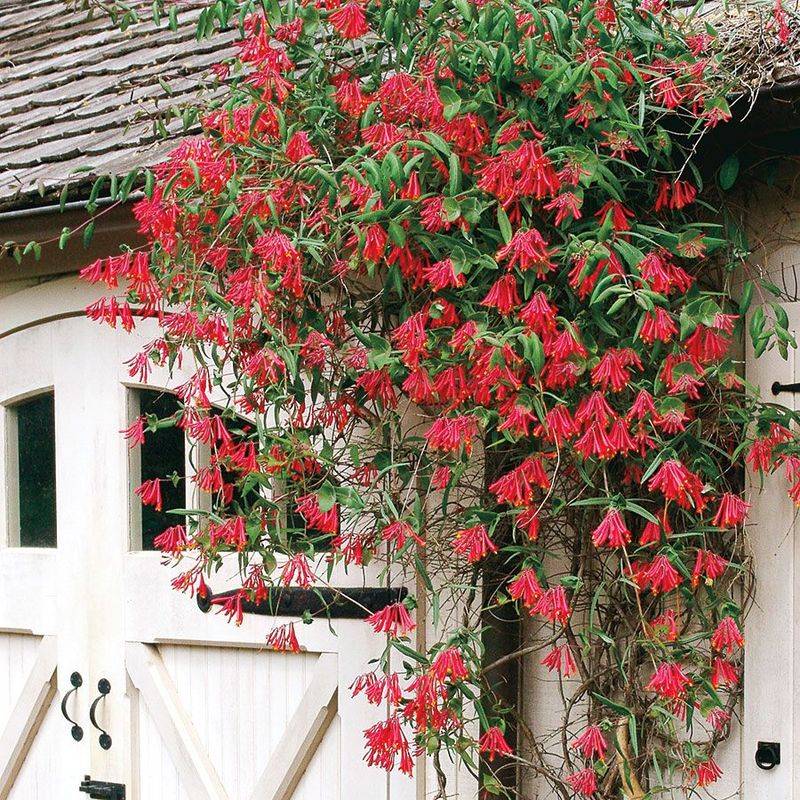
Honeysuckle vines produce tubular flowers with legendary sweetness that perfumes entire patio areas during bloom time.
Colorado gardeners select hardy varieties like ‘Dropmore Scarlet’ or native trumpet honeysuckle that survive cold winters and bloom reliably each summer.
Train these vigorous climbers along fence lines that border patio spaces, creating living walls of fragrance and color.
Install horizontal wires or attach lattice panels to existing fences, giving honeysuckle tendrils something to grab as they climb.
Plant vines in spring after the last frost date, spacing them six to eight feet apart along the fence line.
These plants establish quickly in Colorado’s full sun, often blooming the first year after planting.
Water regularly during the first growing season to develop strong root systems, then reduce watering as plants mature and become drought-tolerant.
Honeysuckle flowers attract hummingbirds that become regular patio visitors, adding movement and excitement to aromatic corners.
The blooms appear in waves from late spring through summer, with fragrance strongest during evening hours.
Prune honeysuckle after flowering to control growth and prevent it from becoming too heavy for fence structures.
Some varieties produce attractive berries after flowering, extending the ornamental season beyond the fragrant bloom period.
Colorado gardeners in Littleton, Aurora, and surrounding communities find that honeysuckle-covered fences create privacy screens that smell amazing while blocking unwanted views or buffering noise from neighboring properties.
The combination of visual screening and delightful fragrance makes honeysuckle an excellent choice for defining patio boundaries while enhancing the overall sensory experience of outdoor living spaces.