Frost-Proof Planter Designs Wisconsin Gardeners Trust Through Winter
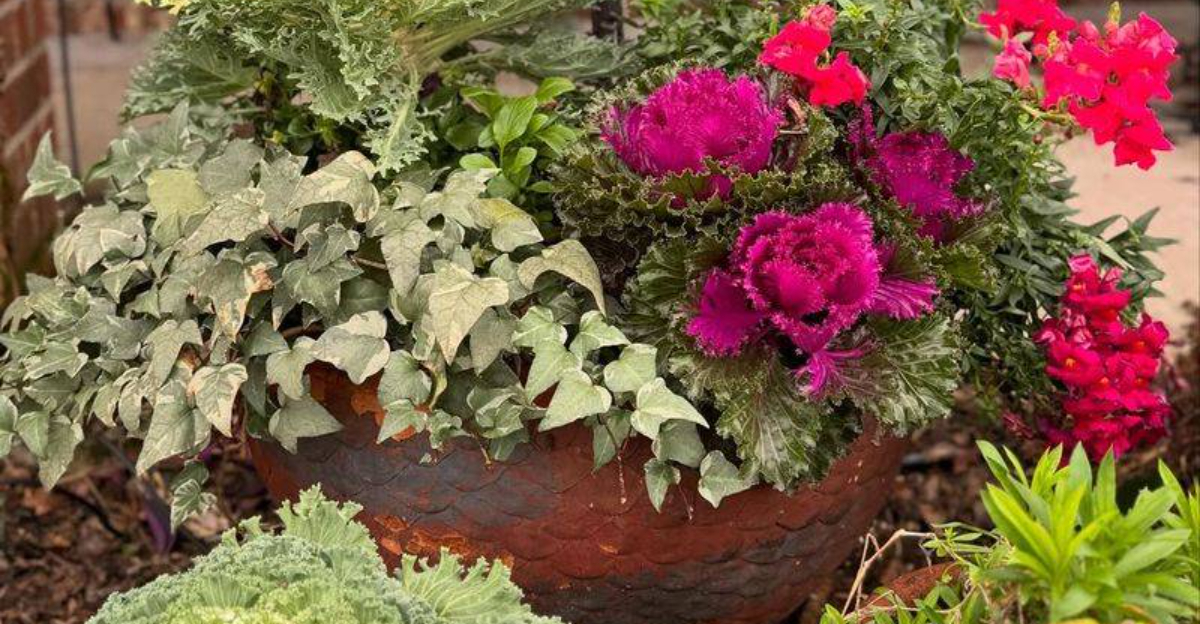
Wisconsin gardeners know better than most that winter doesn’t pull its punches.
When cold weather settles in, anything left outside has to be tough enough to go the distance.
That’s why frost-proof planters aren’t just a nice idea here, they’re a must.
Over the years, local gardeners have learned what works through trial, error, and more than a few cracked pots.
The result is a set of planter designs and habits built to handle freezing nights, thawing days, and everything in between.
It’s a game of preparation, where the right material, drainage, and placement can make all the difference.
Wisconsin gardeners don’t gamble with their containers; they stack the deck in their favor.
These trusted designs are about protecting plants and saving time, money, and frustration.
When spring finally rolls back around, there’s nothing sweeter than seeing planters come through the cold in one piece.
It’s proof that with the right setup, even winter can be taken in stride.
Choose Containers That Handle Freeze And Thaw
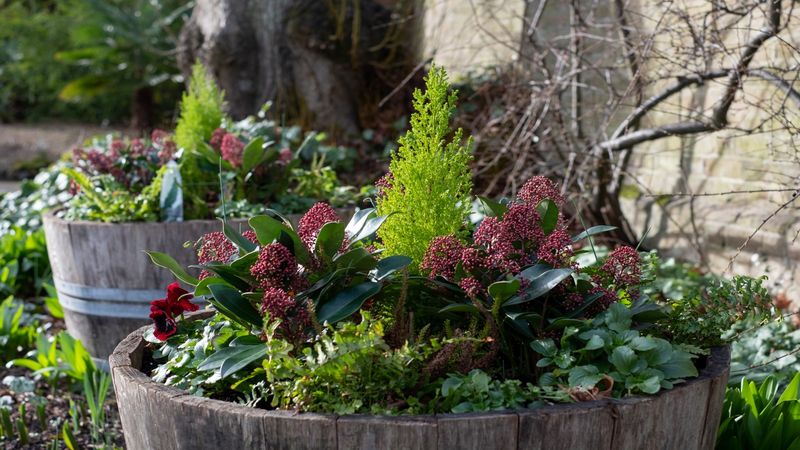
Not all planters can survive Wisconsin’s wild temperature swings.
Terracotta and ceramic pots look gorgeous in summer, but moisture seeps into their porous surfaces and expands when frozen, causing cracks that ruin them completely.
Fiberglass planters offer incredible durability because they flex slightly during freeze-thaw cycles instead of shattering under pressure.
Resin containers mimic the look of stone or clay but weigh much less and resist cracking even in sub-zero temperatures.
Thick wood planters, especially cedar or redwood, naturally handle moisture changes and provide some insulation for roots during brutal cold snaps.
Metal containers work well if they have proper drainage and thick walls, though thin aluminum or steel can conduct cold directly to plant roots.
Cast stone and high-quality concrete planters survive winters beautifully when properly sealed before the season starts.
Avoid glazed ceramic unless the manufacturer specifically rates it for freezing conditions.
Check for drainage holes in any container you choose, since trapped water causes most winter damage.
Investing in quality materials saves money over time because you won’t replace cracked pots every spring.
Use Proper Drainage To Prevent Cracks
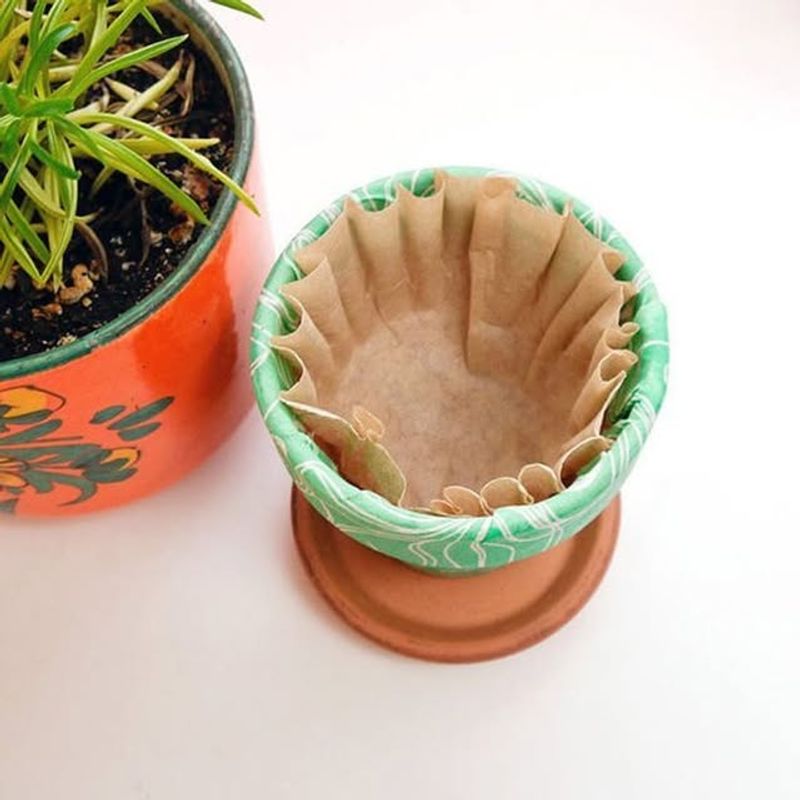
Water trapped inside a planter becomes a destructive force when temperatures drop below freezing.
Ice expansion creates tremendous pressure against container walls, leading to splits and cracks that appear seemingly overnight.
Adding a layer of gravel or broken pottery pieces at the bottom creates space for water to collect away from soil and roots.
Drill extra drainage holes if your containers only have one or two small openings.
Elevate planters slightly using pot feet or bricks so water flows freely out instead of pooling underneath where it can freeze.
Some gardeners tilt their containers slightly to encourage complete drainage during winter months.
Avoid using saucers under outdoor winter planters since they catch water that later freezes and damages both the saucer and the pot.
Sandy soil mixes drain faster than heavy clay-based potting soil, reducing moisture that might freeze.
Your Wisconsin Garden Changes Every Week. Your Plan Should Too.
Gardening in Wisconsin changes quickly throughout the season. Every Friday you’ll receive a simple weekly plan showing exactly what to plant, prune, fertilize, harvest, and protect so you never miss the right timing.
Check drainage before winter hits by watering thoroughly and watching how quickly excess water exits the container.
If water pools on the surface or drains slowly, improve your soil mix or add more drainage holes.
Proper drainage protects both your plants and your containers throughout the toughest months.
Raise Planters Off Frozen Ground
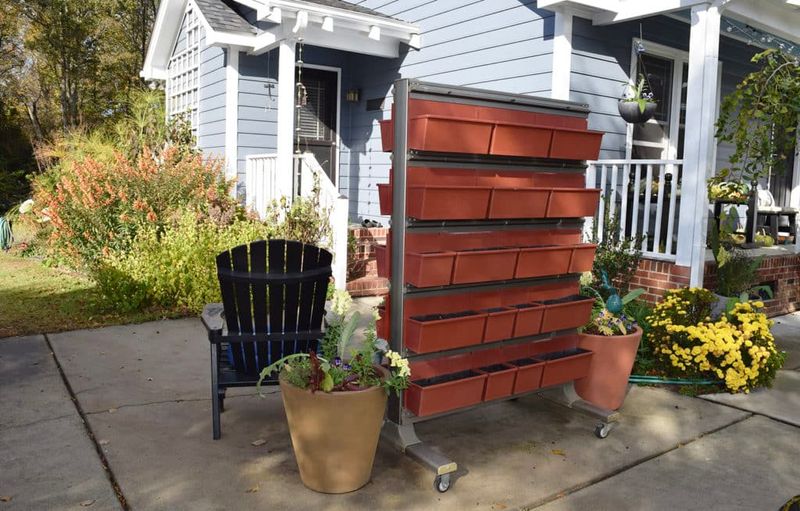
Direct contact with frozen ground creates problems most gardeners overlook until spring reveals the damage.
Soil freezes solid when containers sit directly on icy surfaces, trapping roots in temperatures far colder than plants can tolerate.
Raising planters just a few inches allows air circulation underneath, which moderates temperature swings and prevents containers from freezing to the ground.
Pot feet made from ceramic, metal, or resin work perfectly and add decorative charm to your winter display.
Simple bricks or pavers create effective spacers if you prefer a budget-friendly approach.
Wooden blocks work well but check them occasionally since moisture can cause rot over multiple seasons.
Airflow underneath also helps drainage by giving water somewhere to go instead of pooling beneath the container.
This small adjustment makes a surprising difference in plant survival rates because roots stay slightly warmer and moisture escapes more easily.
Containers raised off the ground also avoid getting stuck in ice, making them easier to move if needed during winter.
Even an inch of clearance provides benefits, though two to three inches offers better protection.
This simple trick costs almost nothing but dramatically improves your success with winter containers.
Add Insulation Inside The Planter
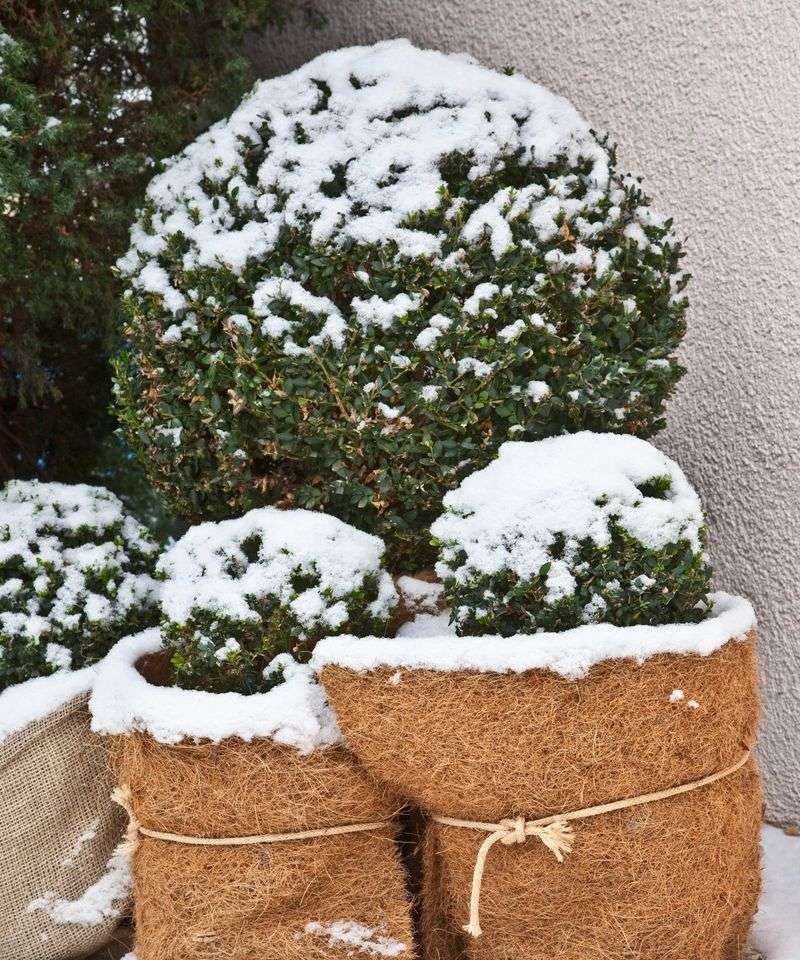
Root systems need protection from extreme cold that penetrates container walls from every direction.
Lining the inside of planters with bubble wrap creates an insulating barrier that slows heat loss without adding much weight or expense.
Cut the bubble wrap to fit snugly against container walls before adding soil, making sure drainage holes stay clear.
Foam insulation sheets work similarly and can be cut to exact sizes for a custom fit.
Some gardeners use burlap or landscape fabric as a natural insulating layer that also helps with moisture management.
Styrofoam peanuts at the bottom serve double duty by improving drainage and adding insulation, though they can float up if containers get too wet.
Straw or shredded leaves packed between an inner and outer pot create natural insulation while looking rustic and charming.
Double-potting works wonderfully for valuable plants, where you place a smaller planted container inside a larger decorative one with insulation filling the gap.
This method lets you easily remove plants if weather turns dangerously cold.
Insulation matters most for tender perennials you hope to overwinter rather than hardy evergreens.
Even simple newspaper layers help by creating dead air space that slows temperature transfer into the root zone.
Select Plants That Can Survive Container Winters
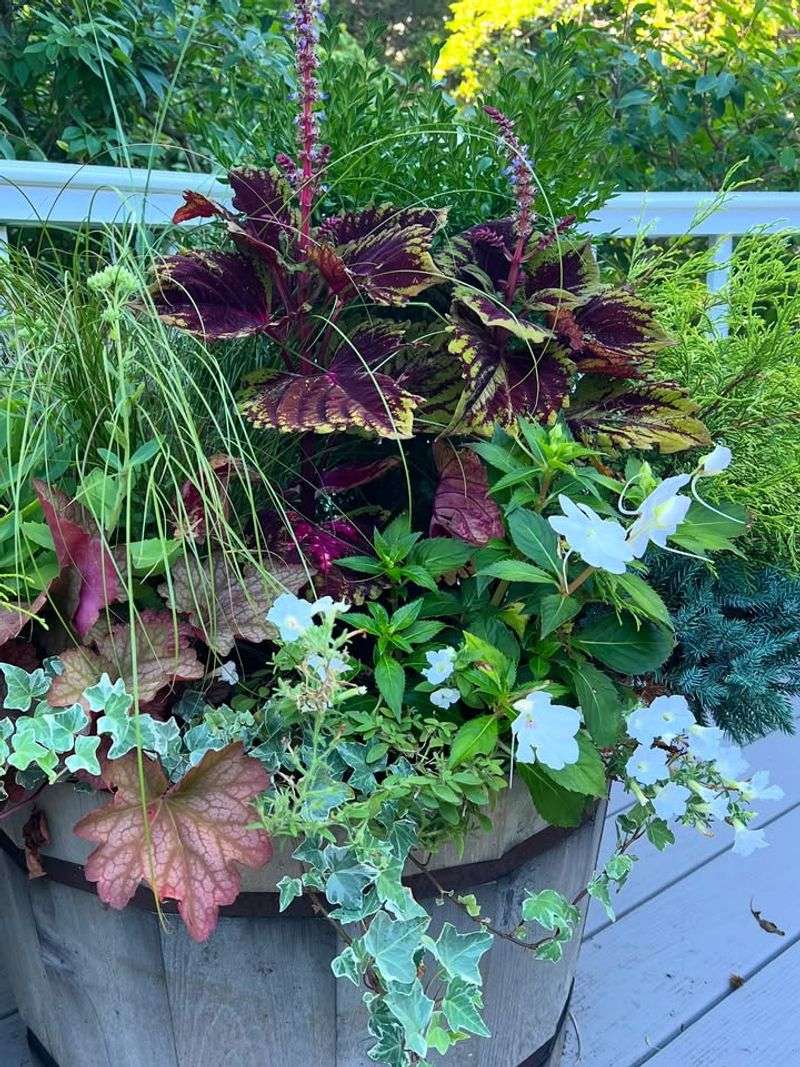
Container growing exposes roots to much colder temperatures than ground planting, so plant selection becomes critical.
Choose plants rated at least two zones hardier than your area, since containers freeze faster and deeper than garden beds.
Evergreen shrubs like boxwood, dwarf spruce, and juniper handle Wisconsin winters beautifully while providing year-round color and structure.
Ornamental grasses such as blue fescue and feather reed grass look stunning when covered with frost or snow.
Winter pansies and violas actually bloom during mild spells and tolerate repeated freezing without complaint.
Hellebores emerge early and survive late freezes, making them perfect for extending your container season.
Heuchera varieties offer colorful foliage that persists through winter and bounces back quickly in spring.
Avoid marginally hardy plants or those with shallow root systems that freeze easily in containers.
Native Wisconsin plants often perform better than exotic varieties because they evolved to handle local conditions.
Dwarf conifers provide reliable winter interest and rarely suffer damage even during the coldest months.
Research specific varieties before purchasing since not all cultivars within a species show equal cold tolerance.
Local garden centers usually stock plants that succeed in Wisconsin winters, making them excellent resources for proven performers.
Switch To Winter Soil Mixes
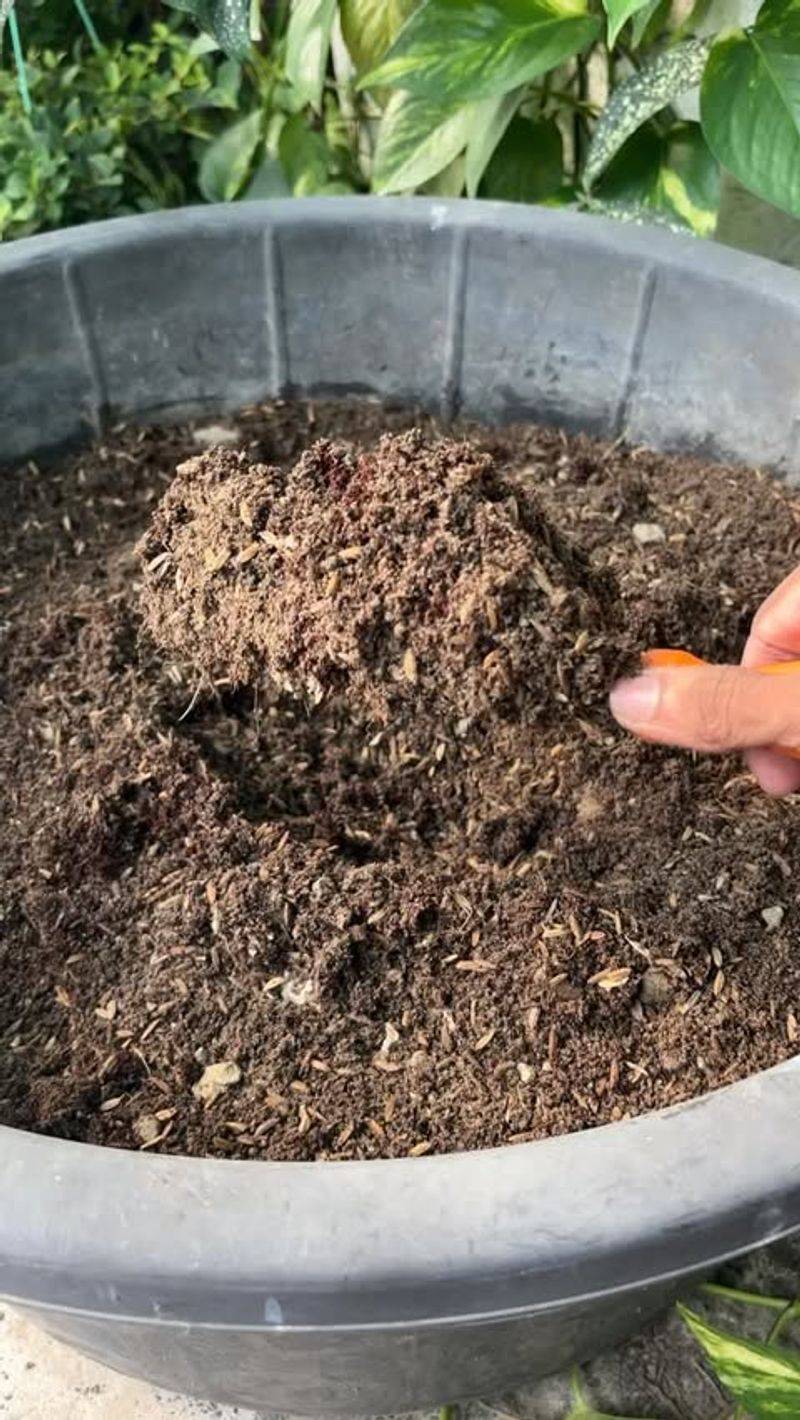
Heavy, moisture-retentive soil that works great in summer becomes a liability when temperatures plummet.
Water-logged soil expands dramatically when frozen, pushing against container walls and plant roots with destructive force.
Lighter soil mixes with added perlite, coarse sand, or pine bark drain quickly and reduce the amount of water available to freeze.
Mix three parts quality potting soil with one part perlite and one part coarse sand for excellent winter drainage.
Avoid garden soil or heavy clay-based mixes that compact and hold too much moisture during cold months.
Compost adds nutrients but can retain excess water, so use it sparingly in winter containers.
Some gardeners add extra pine bark fines to improve drainage while maintaining enough organic matter for plant health.
Well-draining soil also warms up faster during sunny winter days, giving roots brief respite from constant cold.
Replace soil annually in containers used year-round since it breaks down and loses drainage capacity over time.
Fill containers loosely rather than packing soil tightly, which improves both drainage and air circulation around roots.
Test your mix by watering thoroughly and checking how quickly excess moisture drains away.
Proper soil composition makes the difference between thriving plants and frozen failures when winter weather arrives.
Group Planters For Shared Protection
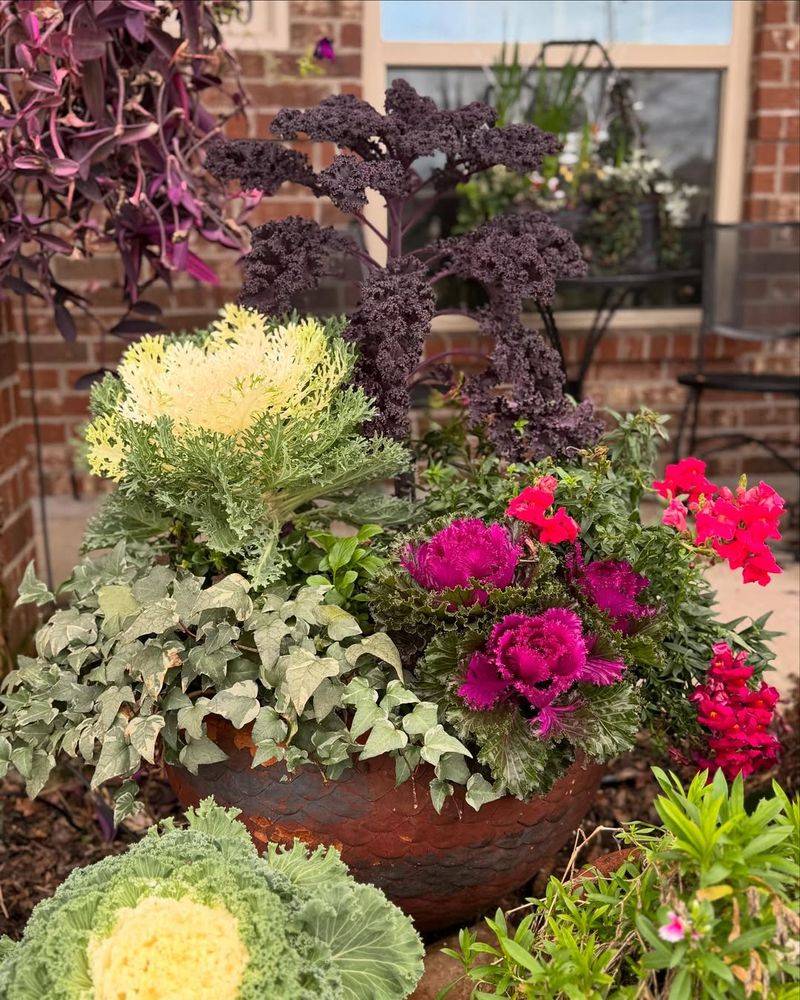
Isolated containers face the full force of winter wind and cold from every direction.
Clustering multiple planters together creates a microclimate where containers shelter each other from harsh conditions.
Place taller containers on the windward side to block prevailing winds from reaching smaller, more vulnerable plants.
Grouped planters trap heat between them during sunny days, moderating temperature swings that stress both plants and containers.
This arrangement also makes winter watering easier since you can care for multiple plants in one location.
Mixing different sizes and heights creates visual interest while maximizing protective benefits for the entire group.
Leave small gaps between containers for air circulation but keep them close enough to share warmth.
Position your cluster near a building wall or fence for additional wind protection and reflected heat.
South-facing locations capture maximum winter sunlight, helping plants photosynthesize during short days.
Grouping also makes it easier to cover plants with burlap or frost blankets during extreme cold snaps.
You can surround the entire cluster with a temporary windbreak made from stakes and burlap when weather forecasts predict dangerous conditions.
This strategy works especially well on decks and patios where you want winter interest but need to protect your investment.
Shared protection helps every container perform better than it would standing alone.
Protect Pots From Direct Wind Exposure
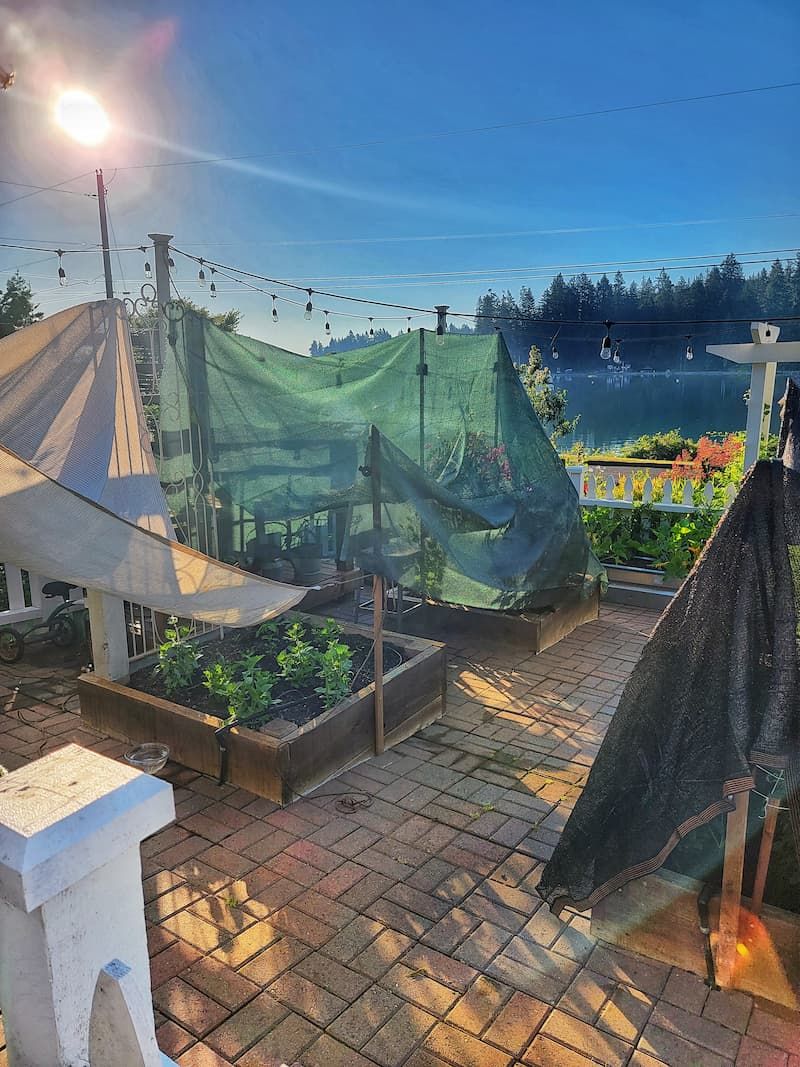
Relentless winter wind causes more container damage than many gardeners realize.
Cold wind strips moisture from evergreen foliage faster than frozen roots can replace it, leading to browning and desiccation.
Wind also accelerates soil freezing and creates temperature extremes that crack containers and stress plants.
Position planters in sheltered locations like covered porches, building corners, or areas protected by fences and hedges.
East and south exposures typically receive less harsh wind than north and west sides of buildings.
Temporary windbreaks made from burlap screens on stakes provide excellent protection without blocking light or looking unsightly.
Avoid placing containers in wind tunnels created between buildings or in open areas where wind accelerates.
Even moving planters a few feet closer to a wall makes a measurable difference in wind exposure.
Evergreens in containers need special attention since wind desiccation causes more problems than cold temperatures alone.
Check your containers after major wind events to make sure they haven’t tipped over or shifted from their protected positions.
Anchor lightweight containers with bricks or stones if wind remains a persistent problem.
Strategic placement reduces stress on both plants and containers, improving survival rates dramatically.
Wind protection ranks among the most important factors for successful winter container gardening in Wisconsin’s challenging climate.
Water Less But Do Not Stop Completely
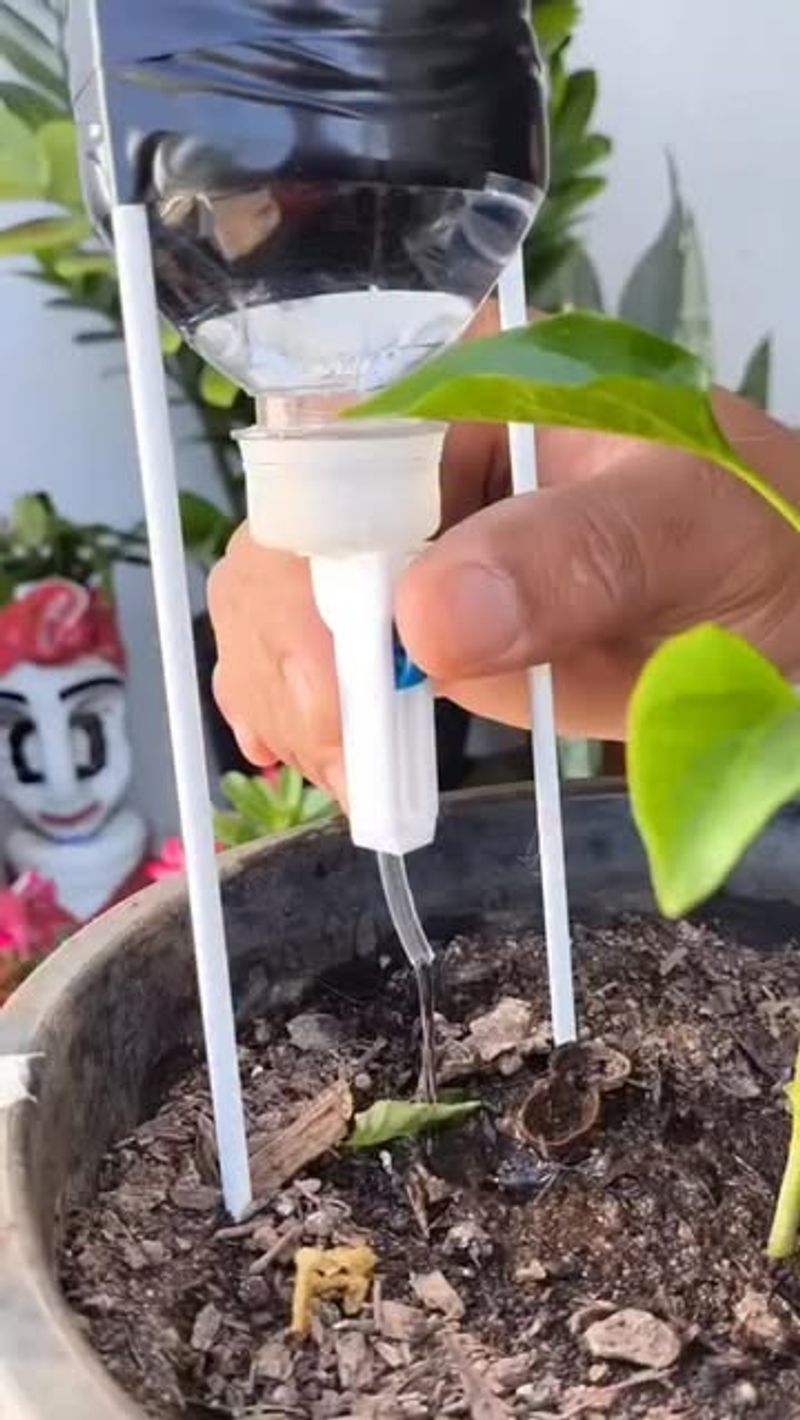
Completely dry soil causes root damage even when plants appear dormant and inactive.
Evergreens continue losing moisture through their needles and leaves all winter long, requiring occasional water to prevent desiccation.
Check soil moisture every two to three weeks during winter by pushing your finger two inches deep into the soil.
Water only when soil feels dry and only on days when temperatures rise above freezing.
Apply water in late morning so excess moisture can drain before nighttime temperatures drop.
Use much less water than during growing season since plants absorb moisture slowly in cold conditions.
Avoid watering if temperatures will drop below freezing within a few hours since wet soil freezes faster than slightly dry soil.
Snow provides natural moisture as it melts, so reduce watering frequency after significant snowfalls.
Container plants need more attention than ground plants because they can’t access deeper soil moisture.
Evergreens show stress from insufficient water through browning needles or leaves, though damage may not appear until spring.
Monitor weather forecasts and plan watering for mild days when plants can actually absorb moisture.
Proper winter watering maintains just enough moisture for plant survival without creating conditions that lead to freeze damage.
This balance takes practice but becomes easier as you learn your plants’ specific needs.
Prepare Planters Before The First Hard Freeze
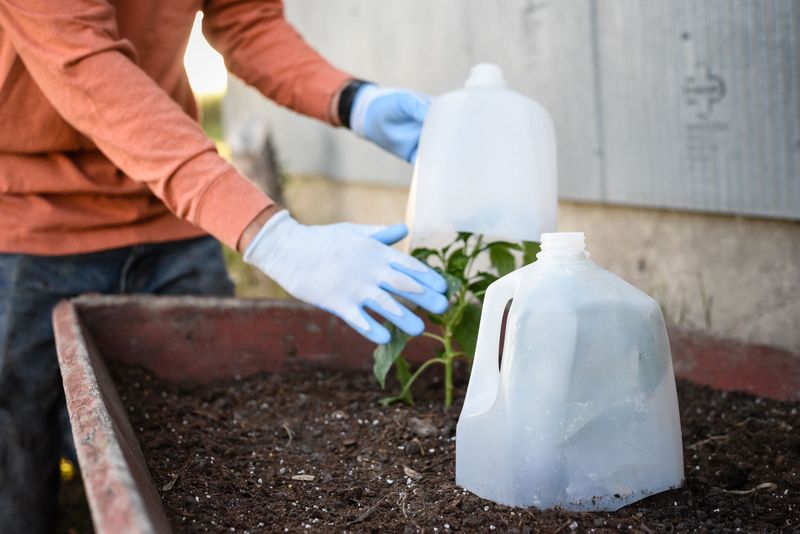
Waiting until winter arrives makes protection much harder and less effective.
Complete all winterizing tasks during late autumn while temperatures remain mild and soil stays workable.
Add fresh soil mix, insulation, and drainage materials before frost makes digging and planting impossible.
Install pot feet or risers before containers freeze to the ground and become immovable.
Apply winter mulch when soil temperature drops but before hard freezes lock everything in place.
Move containers to protected locations while you can still lift and transport them easily.
Clean containers thoroughly and check for cracks that might worsen during freeze-thaw cycles.
Plant hardy selections early enough for roots to establish before winter dormancy begins.
Water containers deeply before the ground freezes to ensure plants enter winter with adequate moisture.
Group containers in their final positions before snow and ice make rearranging difficult or dangerous.
Apply anti-desiccant sprays to evergreens during mild autumn days for maximum effectiveness.
Early preparation means less stress and better results when harsh weather finally arrives.
Rushing winterization during the first cold snap leads to forgotten steps and inadequate protection.
Mark your calendar for mid-October in southern Wisconsin and early October in northern areas to begin preparation.
Proper timing transforms winter container gardening from frustrating to rewarding.