The Stunning Red Flower Gardens Arizona Gardeners Create With Confidence
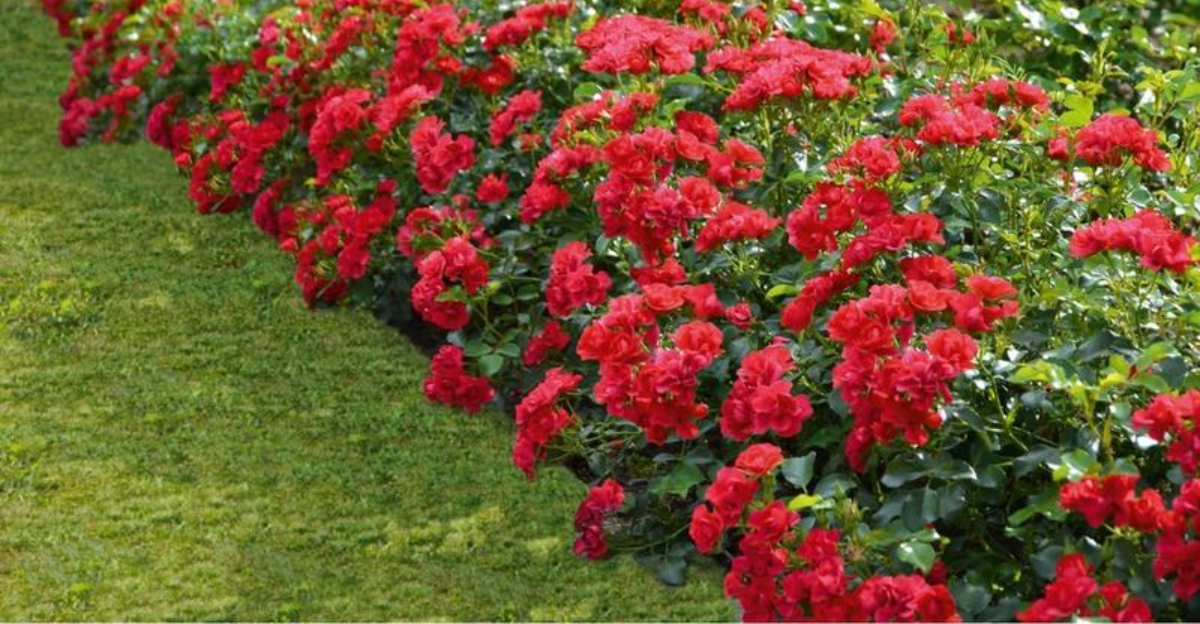
In Arizona, red flowers don’t whisper, they speak up.
Against desert backdrops and sun-washed landscapes, bold red blooms bring energy, warmth, and a sense of confidence that matches the climate.
Arizona gardeners have learned exactly which plants can handle the heat and keep their color when the sun is working overtime.
These gardens aren’t thrown together on a whim; they’re carefully chosen collections of flowers that thrive, not just survive.
Red becomes the thread that ties everything together, from fiery ground covers to tall statement blooms.
There’s something powerful about a garden that doesn’t shy away from intensity.
Arizona gardeners embrace it, knowing that the right plants can turn harsh conditions into a showstopper.
These red gardens catch the eye, stop passersby in their tracks, and prove that strong color choices can feel both elegant and natural.
When done right, red doesn’t overwhelm, it shines. And in Arizona, it shines bright.
Choose Heat Loving Red Annuals
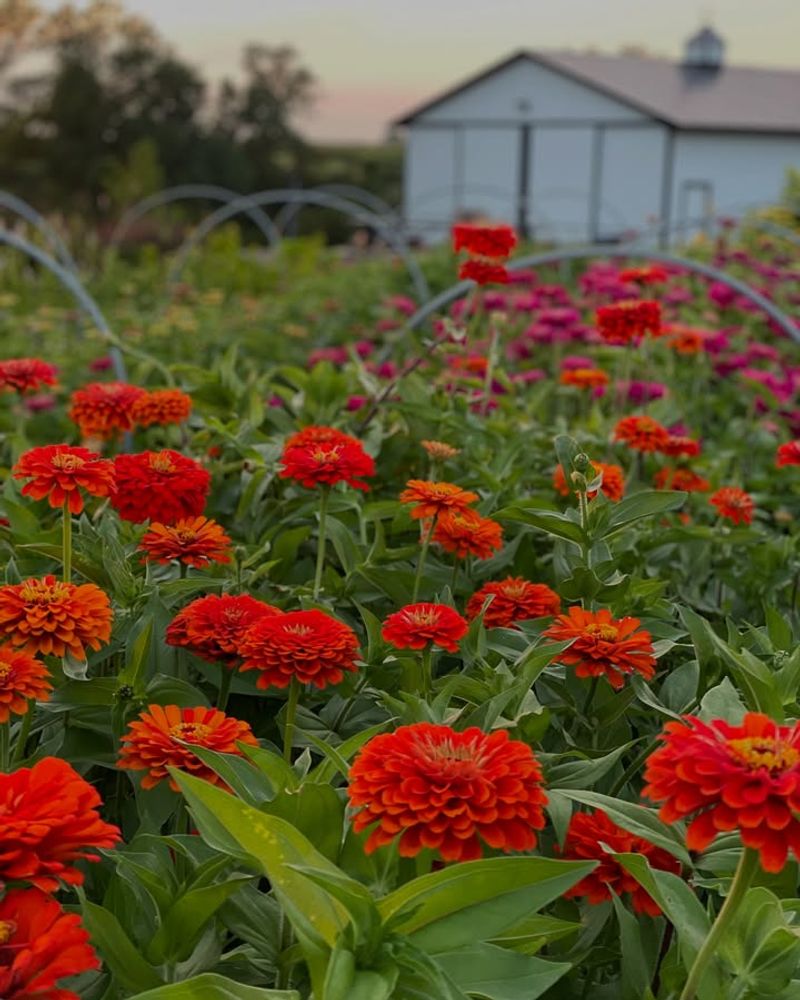
Red zinnias stand tall and proud in Arizona summer heat, delivering blooms from spring through fall without breaking a sweat.
Their thick petals resist wilting even when temperatures soar past 110 degrees, making them absolute champions for desert gardens.
Gardeners love how zinnias keep producing fresh flowers week after week, creating constant bursts of crimson color.
Portulaca spreads low across hot soil, opening cheerful red blooms every sunny morning and closing them at night.
This succulent annual stores water in its fleshy leaves, so it laughs at drought conditions that would wilt most other flowers.
Plant it along walkways or in containers where its trailing habit shows off those jewel-toned petals.
Cosmos add height and movement to red gardens with their delicate, daisy-like flowers dancing on tall stems.
They reseed themselves year after year, returning without any effort from you once they find a happy spot.
Their feathery foliage stays fresh looking even during the hottest months, providing texture between bloom cycles.
All three annuals thrive in full Arizona sun and actually produce more flowers when temperatures climb.
They need moderate water but forgive you if you occasionally forget, bouncing back quickly after a good drink.
Planting them together creates layers of red that catch light differently throughout the day.
Use Desert Friendly Red Perennials
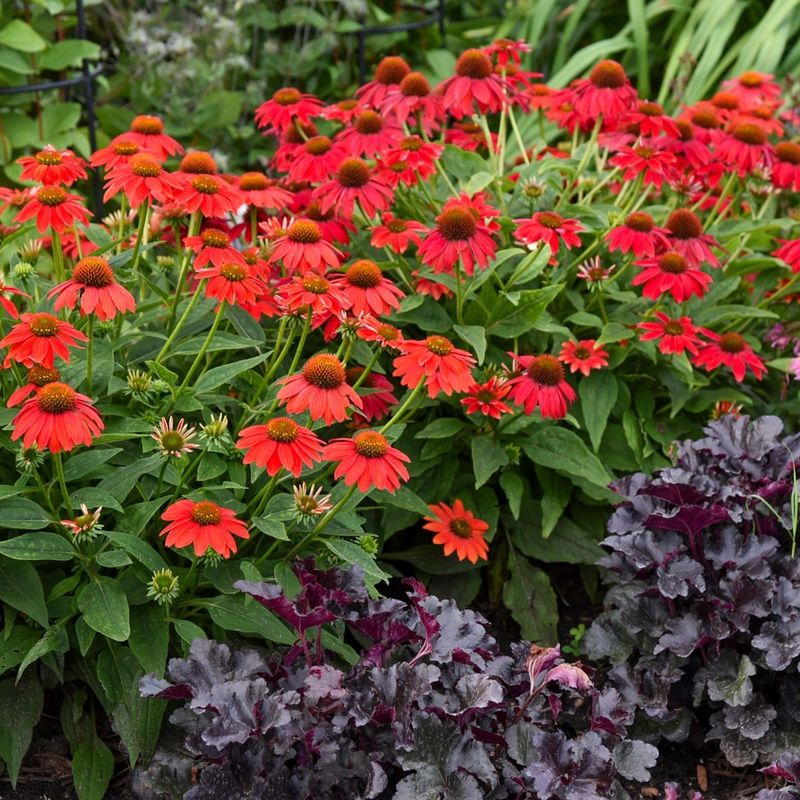
Red penstemon brings tubular flowers that hummingbirds find absolutely irresistible, creating living entertainment in your garden.
These perennials return stronger each year, developing deep root systems that tap into moisture far below the surface.
Once established, they bloom reliably every spring and often again in fall when temperatures moderate.
Salvia greggii earns its nickname autumn sage by flowering continuously from spring through the first frost.
Its small red blooms cluster along woody stems, creating clouds of color that butterflies and bees visit constantly.
This tough perennial handles reflected heat from walls and pavement without complaint, making it perfect for foundation plantings.
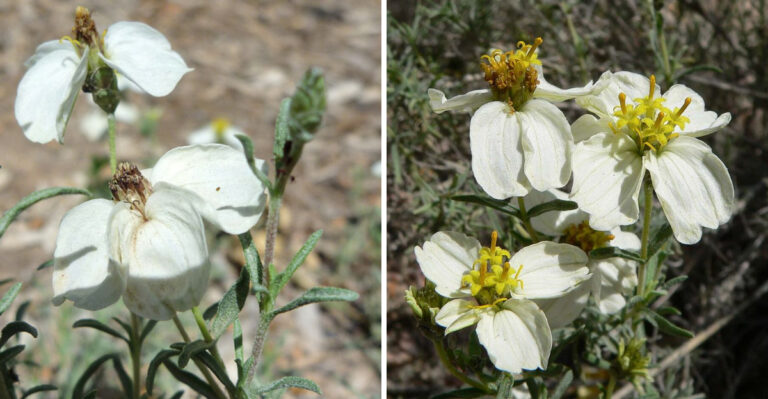
Desert marigold hybrids in red tones offer something special for Arizona gardeners seeking year-round interest.
They bloom heaviest in spring but keep producing scattered flowers throughout summer if you remove spent blooms.
Your Arizona Garden Changes Every Week. Your Plan Should Too.
Gardening in Arizona changes quickly throughout the season. Every Friday you’ll receive a simple weekly plan showing exactly what to plant, prune, fertilize, harvest, and protect so you never miss the right timing.
Their silvery foliage contrasts beautifully with red petals, adding another dimension to your garden design.
All three perennials establish quickly in Arizona soil, often blooming their first season after planting.
They require minimal fertilizer and actually prefer lean soil over rich, amended beds that cause weak growth.
Investing in these long-lived perennials means years of reliable red color without replanting every season.
Plant Red Flowers That Handle Full Sun
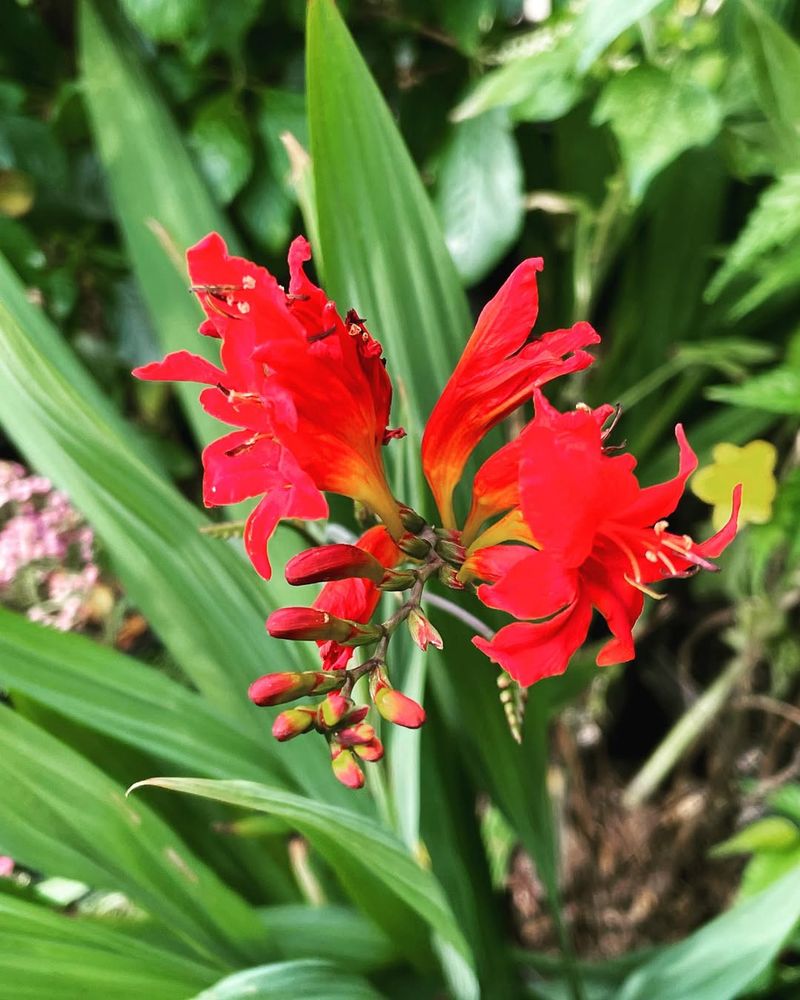
Full sun in Arizona means something entirely different than full sun in cooler climates, with intensity that can bleach or burn tender petals.
Successful gardeners choose red flowers with thick, waxy petals that reflect excess light rather than absorbing damaging rays.
Varieties bred specifically for desert conditions maintain their vibrant red color even after eight hours of direct exposure.
Red geraniums with their sturdy blooms handle Arizona sun better than their reputation suggests, especially heat-tolerant cultivars.
Bougainvillea produces papery red bracts that actually intensify in color when exposed to maximum sunlight.
Red hot poker plants send up dramatic flower spikes that stand firm through the harshest afternoon heat.
Morning glory vines in red shades open fresh blooms each day, with flowers that last until afternoon before gracefully closing.
Their rapid growth covers fences and arbors quickly, providing shade for their own roots while displaying hundreds of blooms.
Lantana clusters stay bright and fresh looking from sunrise to sunset, never showing stress even during heat waves.
Testing new red flowers in your garden teaches you which ones truly handle your specific microclimate and sun exposure.
Watch for varieties that maintain petal integrity without crisping edges or fading to pink by afternoon.
Successful sun-loving reds reward you with months of color that never disappoints.
Rely On Native And Adapted Red Plants
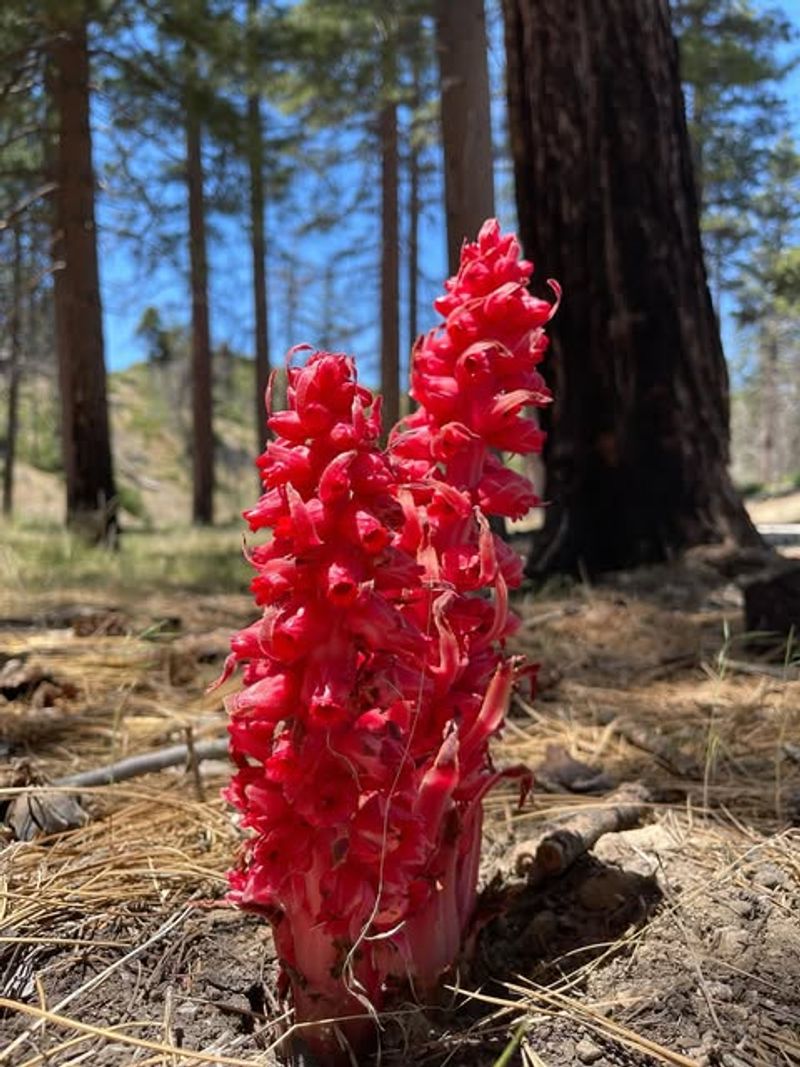
Chuparosa produces tubular red flowers that hummingbirds depend on for winter nectar when few other plants bloom.
This native shrub evolved alongside Arizona’s climate extremes, so it knows exactly how to handle whatever weather arrives.
Its soft gray-green leaves drop during extreme drought, then return quickly when monsoon rains refresh the soil.
Fairy duster earns smiles from everyone who sees its fluffy red powder-puff flowers bobbing above ferny foliage.
Bees cover these blooms from dawn to dusk, making your garden buzz with beneficial activity.
This compact native shrub stays evergreen in most Arizona zones, providing year-round structure even between bloom cycles.
Red yucca sends up tall stalks covered with coral-red tubular flowers that bloom for months starting in spring.
Despite its name, this plant belongs to the agave family and handles heat, cold, and drought with remarkable toughness.
Its grass-like foliage adds texture and movement to gardens while requiring almost zero maintenance once established.
Native and adapted plants support local wildlife populations that evolved to depend on their nectar, pollen, and seeds.
They resist local pests and diseases naturally, eliminating the need for chemical treatments that harm beneficial insects.
Choosing these red bloomers connects your garden to the broader desert ecosystem while ensuring reliable, confident success.
Avoid High Water Red Flowers
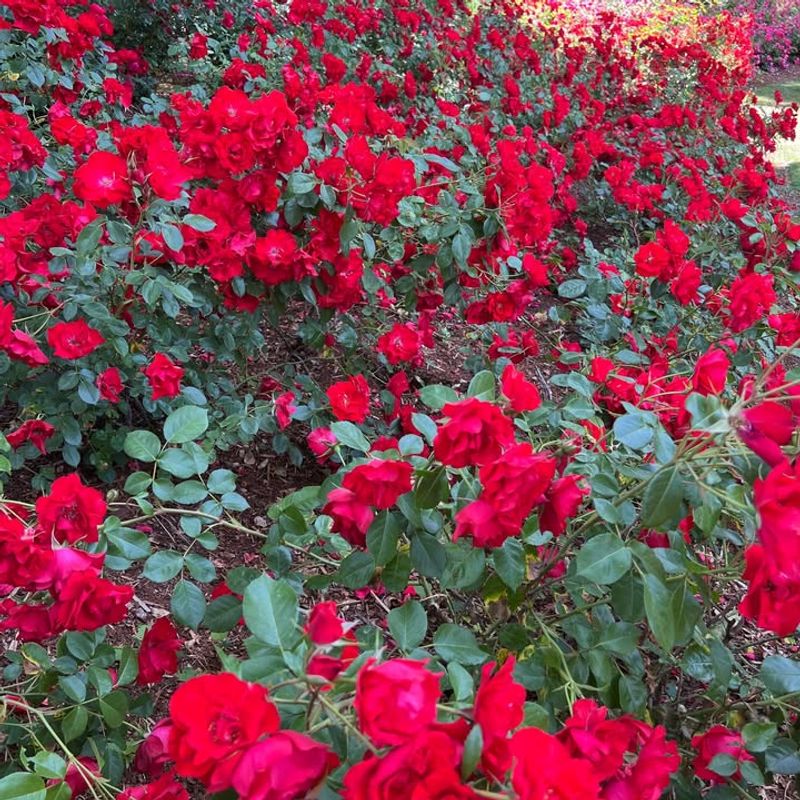
Roses demand constant moisture and suffer miserably in Arizona’s low humidity, developing powdery mildew and spider mites almost immediately.
Their shallow roots dry out quickly between waterings, creating stress that shows in yellowing leaves and sparse blooms.
Confident Arizona gardeners skip traditional hybrid tea roses entirely, choosing desert-adapted alternatives instead.
Impatiens and begonias need shade and consistent moisture that Arizona conditions rarely provide naturally.
Attempting to grow these water-lovers means running irrigation constantly, wasting precious resources while fighting inevitable failure.
Their soft tissues simply cannot handle low humidity and intense sun, no matter how much water you provide.
Instead of struggling with unsuitable plants, successful gardeners choose red flowers bred for arid conditions.
Texas sage varieties with red blooms need only occasional deep watering once their roots establish.
Red bird of paradise thrives on minimal water while producing exotic-looking blooms that impress visitors.
Replacing high-water red flowers with appropriate alternatives cuts water bills dramatically while improving garden health.
Desert-adapted plants look better, bloom longer, and require less constant attention than thirsty varieties from humid climates.
Your garden becomes a source of pride rather than frustration when every plant suits your climate perfectly.
Making smart plant choices from the start saves time, money, and disappointment throughout the growing season.
Choose Red Ground Covers For Hot Soil
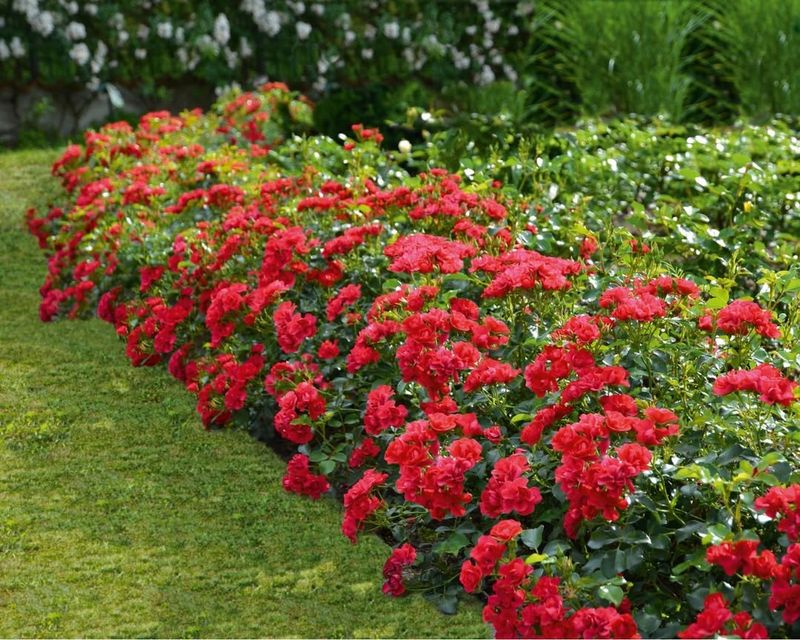
Trailing lantana spreads quickly across bare soil, forming dense mats covered with clusters of red flowers from spring through fall.
Its tough leaves and stems shade the soil surface, reducing evaporation and keeping root zones significantly cooler.
This aggressive grower fills spaces fast, eliminating bare spots where weeds would otherwise take hold.
Red ice plant creates living mulch with its succulent leaves that store moisture and reflect intense sunlight.
When it blooms, the entire ground appears carpeted in brilliant red daisies that open wide in sunshine.
Both ground covers tolerate foot traffic better than most flowers, making them practical for pathways and play areas.
Hot soil temperatures stress plant roots and cause moisture to evaporate before roots can absorb it.
Ground covers act as living insulation, lowering soil temperature by 15 to 20 degrees compared to bare earth.
This cooling effect allows companion plants to establish faster and stay healthier throughout summer.
Planting red ground covers on slopes prevents erosion during monsoon storms while adding year-round color.
Their spreading habit eliminates the need for constant replanting, saving money and effort season after season.
As they mature, these covers become nearly maintenance-free, requiring only occasional trimming to keep them within bounds.
Confident gardeners rely on them to solve multiple problems while creating stunning red expanses.
Plan Red Flower Beds For Year Round Interest
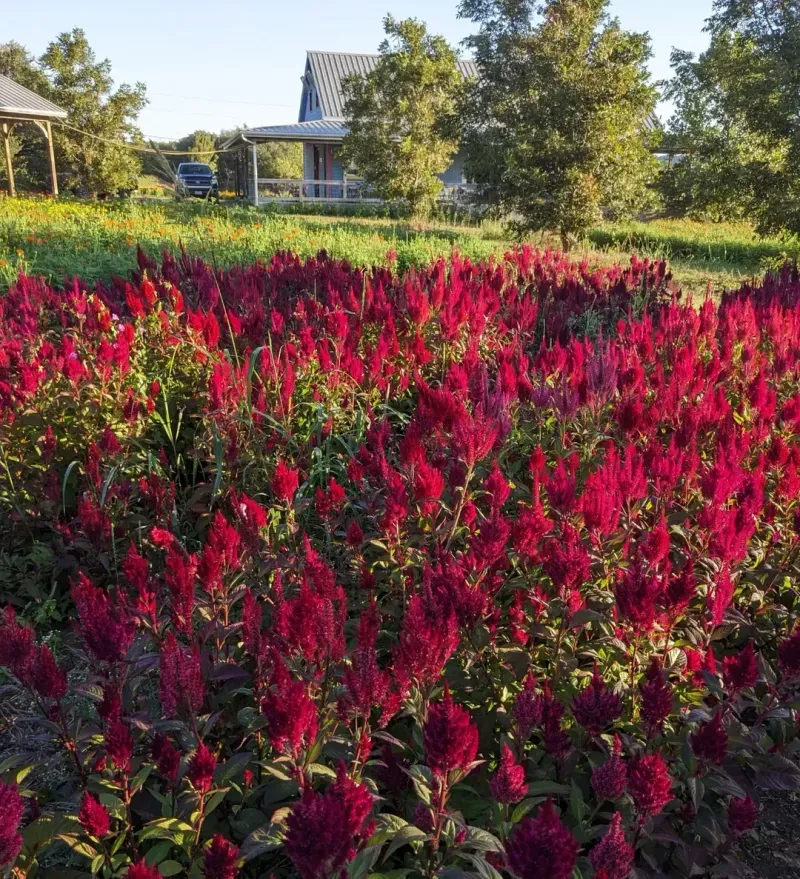
Spring brings red penstemon and desert marigold into full bloom, kicking off the color season with vibrant displays.
As these fade, summer annuals like zinnias and portulaca take over, maintaining red color through the hottest months.
Careful planning ensures something red always catches your eye no matter when you step outside.
Fall welcomes autumn sage and chrysanthemums in red tones, refreshing gardens as temperatures moderate.
Winter showcases chuparosa and red aloe blooms that feed hummingbirds when northern migrants arrive seeking warmth.
Layering plants with different bloom times creates a garden that never looks empty or boring.
Mapping your garden on paper helps visualize bloom times and identify gaps in seasonal color.
Choose at least two red bloomers for each season, ensuring overlap so transitions happen smoothly.
Include evergreen red plants like red yucca that provide structure even between major bloom periods.
Mixing annuals and perennials gives you both quick color and long-term reliability in your red garden.
Annuals fill spaces while perennials establish, then serve as accent plants once permanent residents mature.
This strategy creates immediate impact while building toward a low-maintenance future garden.
Confident planning transforms your yard into a red showcase that performs beautifully throughout every season, impressing neighbors and satisfying your creative vision year after year.
Use Mulch To Protect Red Flower Roots
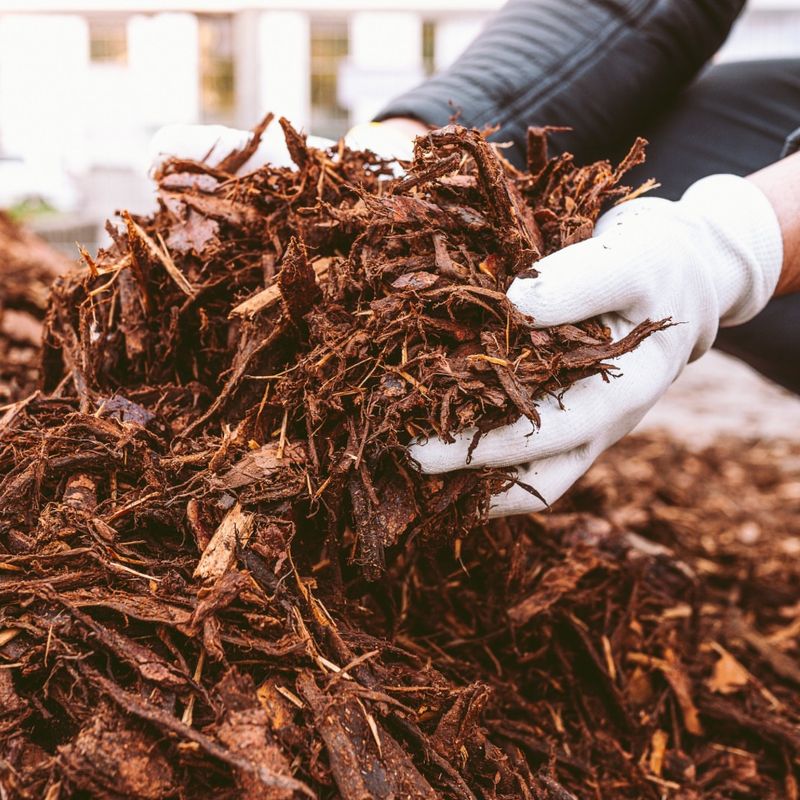
Bare soil in Arizona can reach 150 degrees or higher on summer afternoons, literally cooking shallow roots and stressing plants.
A three-inch layer of mulch insulates the soil, keeping root zones 20 to 30 degrees cooler throughout the day.
This protection allows red flowers to focus energy on blooming rather than surviving root stress.
Organic mulches like shredded bark or wood chips break down gradually, improving soil structure as they decompose.
They also hold moisture near roots longer, reducing how often you need to water during extreme heat.
Inorganic mulches like decomposed granite or pebbles last longer but provide less soil improvement over time.
Apply mulch carefully around red flowers, keeping it two inches away from stems to prevent rot and pest problems.
Refresh organic mulch annually as it breaks down, maintaining the full three-inch depth for maximum benefit.
Mulch also suppresses weed seeds that would otherwise compete with your red flowers for water and nutrients.
Proper mulching makes the difference between red flowers that merely survive and those that truly thrive in Arizona heat.
It reduces maintenance time by cutting watering frequency and eliminating most weeding chores.
The professional appearance of mulched beds adds polish to your landscape while protecting your investment in beautiful red blooms.
Confident gardeners never skip this crucial step in creating healthy, stunning red flower displays.
Space Red Flowers For Airflow And Growth
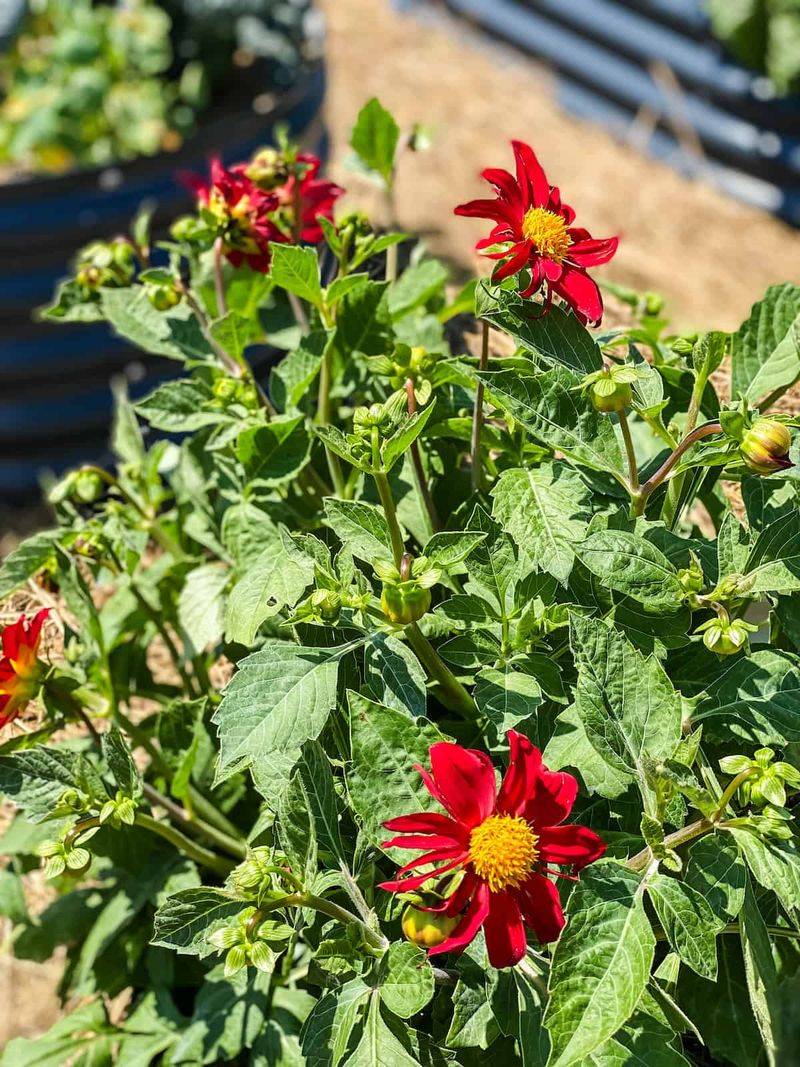
Crowding red flowers together might create immediate fullness, but it causes serious problems as plants mature and temperatures rise.
Poor airflow between plants traps heat and humidity, creating perfect conditions for fungal diseases and pest infestations.
Overcrowded roots compete for limited water and nutrients, weakening all plants rather than creating the lush effect you wanted.
Follow spacing recommendations on plant tags even when young plants look sparse and separated in newly planted beds.
Red flowers need room to reach their mature size without touching neighbors, allowing air to circulate freely around all foliage.
Proper spacing also gives you access to each plant for maintenance, making deadheading and pruning much easier.
In Arizona’s intense heat, good airflow helps plants cool themselves through transpiration without moisture getting trapped on leaves.
This natural cooling process works best when breezes can reach all parts of each plant.
Spacing also prevents one plant from shading another, ensuring all your red flowers receive the sunlight they need.
Fill gaps between young plants with annuals that you remove as perennials mature to their full size.
This temporary solution provides color immediately while respecting the space your permanent red flowers will eventually occupy.
Patience with proper spacing pays off in healthier plants, better blooms, and fewer pest problems throughout the growing season.
Water Deep But Less Often
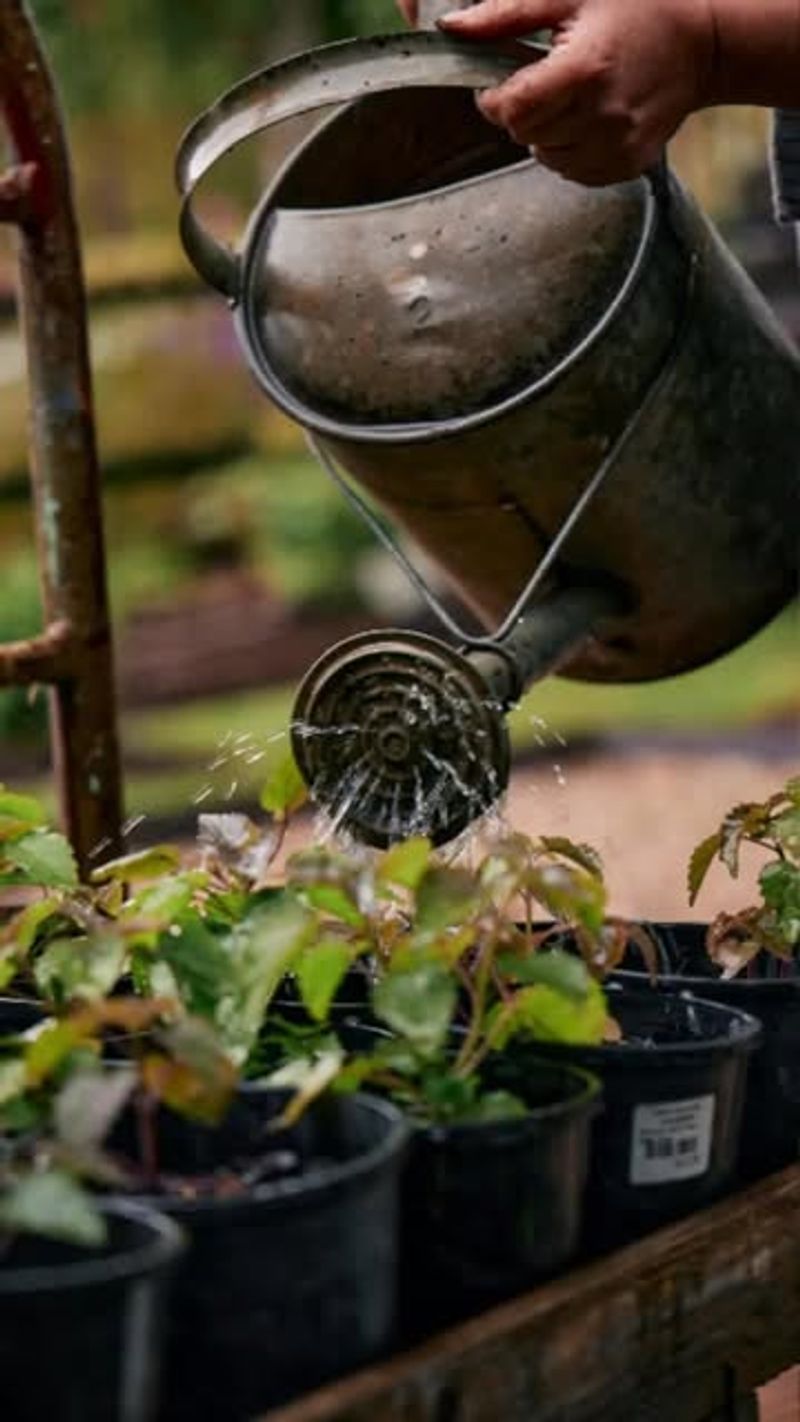
Frequent shallow watering keeps roots near the surface where soil temperatures fluctuate wildly and moisture evaporates quickly.
Red flowers watered this way develop weak root systems that cannot support healthy growth or abundant blooms.
Confident Arizona gardeners train roots to grow deep by watering thoroughly but allowing soil to dry between sessions.
Deep watering means applying enough moisture to penetrate 12 to 18 inches into the soil, reaching the entire root zone.
This encourages roots to follow moisture downward, where temperatures stay cooler and water remains available longer.
Established red flowers with deep roots handle heat stress better and bounce back faster after extreme weather.
Check soil moisture by pushing a long screwdriver into the ground near your red flowers before watering.
If it penetrates easily to 6 inches, the soil still holds adequate moisture and watering can wait.
When resistance increases, indicating dry soil, water deeply until moisture reaches the full root zone.
Drip irrigation delivers water slowly and directly to root zones, minimizing waste through evaporation and runoff.
Soaker hoses work similarly, providing efficient moisture delivery that encourages deep root growth.
Adjust watering frequency seasonally, providing more during active growth and blooming, less during dormancy.
This watering pattern creates tough, resilient red flowers that thrive confidently in Arizona’s challenging climate while using water wisely.