The Tiny Succulent Worlds California Gardeners Love Building At Home
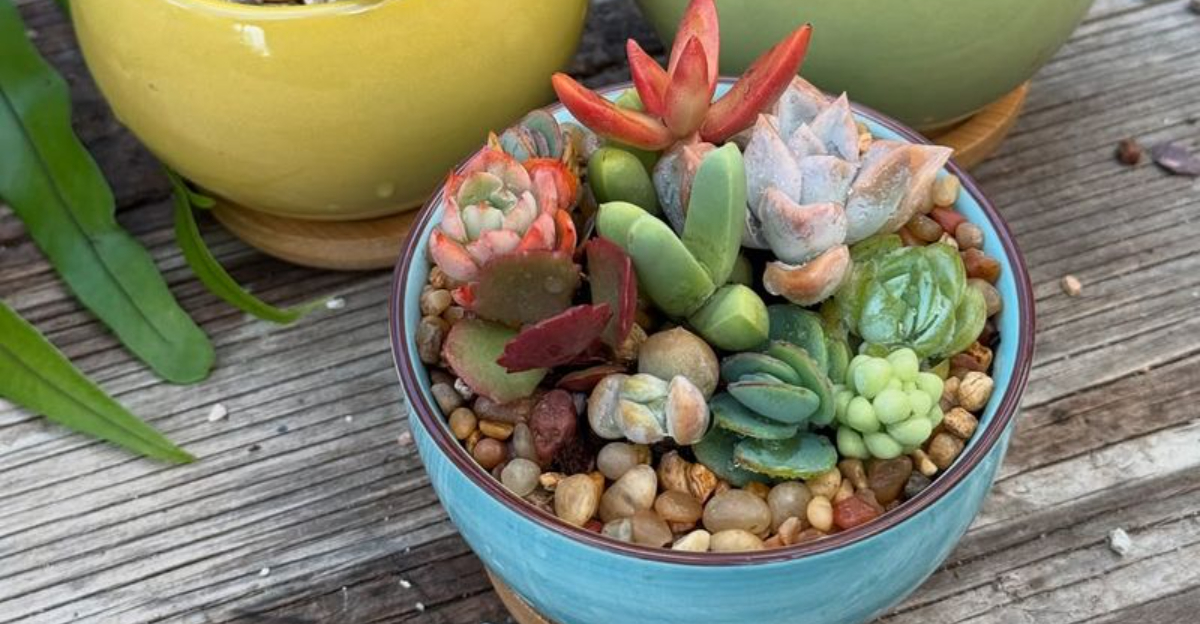
California gardeners have mastered the art of thinking small, and tiny succulent worlds are proof that good things really do come in small packages.
These miniature landscapes fit neatly on windowsills, patio tables, and desktops, but they pack in creativity by the handful.
Building one feels like crafting a little universe, where each plant has a role to play.
California’s bright light and mild conditions make it easier to grow succulents successfully, but the real appeal is how personal these tiny gardens feel.
Gardeners mix textures, shapes, and colors, using stones, sand, and containers to tell a story.
It’s gardening without the back-breaking work, perfect for people who want beauty without a big commitment.
If something outgrows its space, the whole arrangement can be refreshed and reimagined.
These miniature gardens reward patience and attention while leaving room for experimentation.
In a state known for innovation, it’s no surprise that creativity is blooming on such a small scale.
Choose Succulents That Stay Small
Selecting the right plants makes all the difference when building a miniature succulent garden.
Not all succulents behave the same way, and some varieties naturally stay compact while others can quickly outgrow their space.
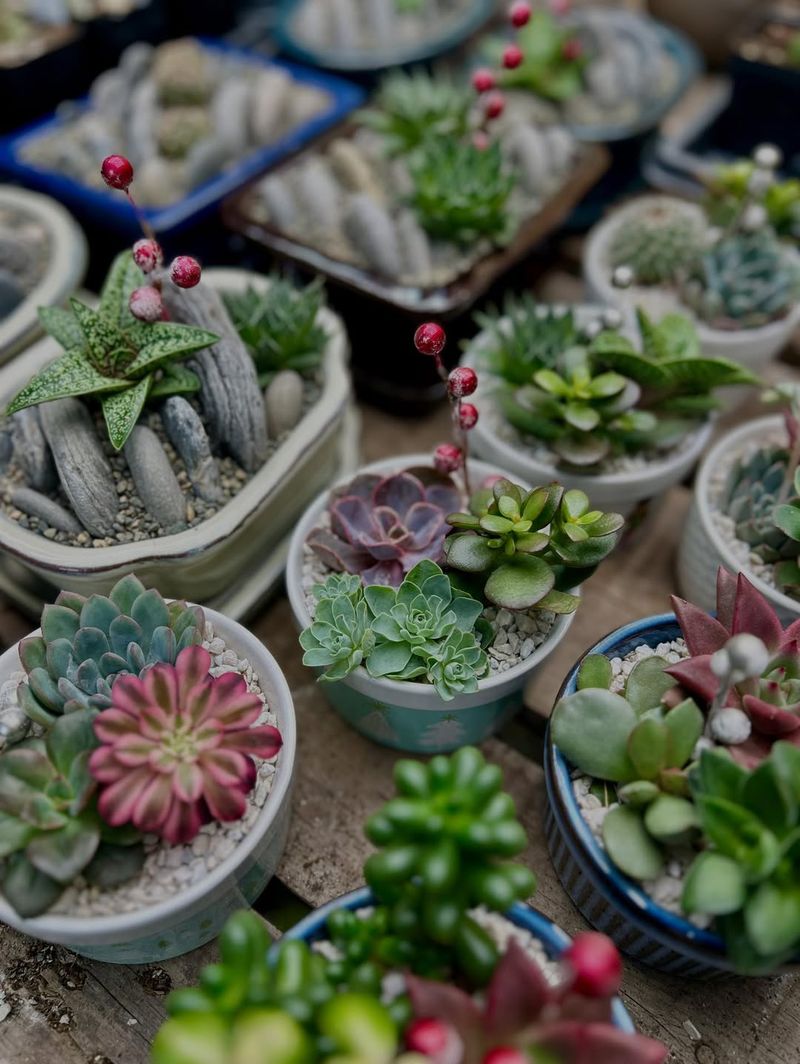
Slow-growing types like Echeveria ‘Minima,’ Haworthia cooperi, and Sedum dasyphyllum work beautifully because they maintain their petite size for months or even years.
California’s climate allows these little beauties to flourish both indoors and outdoors.
Varieties such as Lithops (living stones) and small Sempervivum rosettes add visual interest without demanding much room.
When shopping at local nurseries, ask specifically for dwarf or miniature cultivars designed for fairy gardens and terrariums.
Avoid fast growers like Aeonium or large Aloe species that will dominate your design.
Instead, focus on plants that naturally form tight clumps or rosettes under two inches in diameter.
This careful selection keeps your tiny world balanced and prevents constant replanting.
Mixing textures and colors adds dimension without requiring larger plants.
Pair fuzzy varieties with smooth, glossy ones to create visual contrast.
Remember that slow growth means less maintenance and more time enjoying your creation rather than trimming overgrown stems.
Use Containers With Strong Drainage
Drainage isn’t just helpful for succulents—it’s absolutely essential for their survival.
Without proper drainage holes, water collects at the bottom of containers and creates soggy conditions that succulents simply cannot tolerate.
Even the most drought-tolerant plants will struggle when their roots sit in standing water for too long.
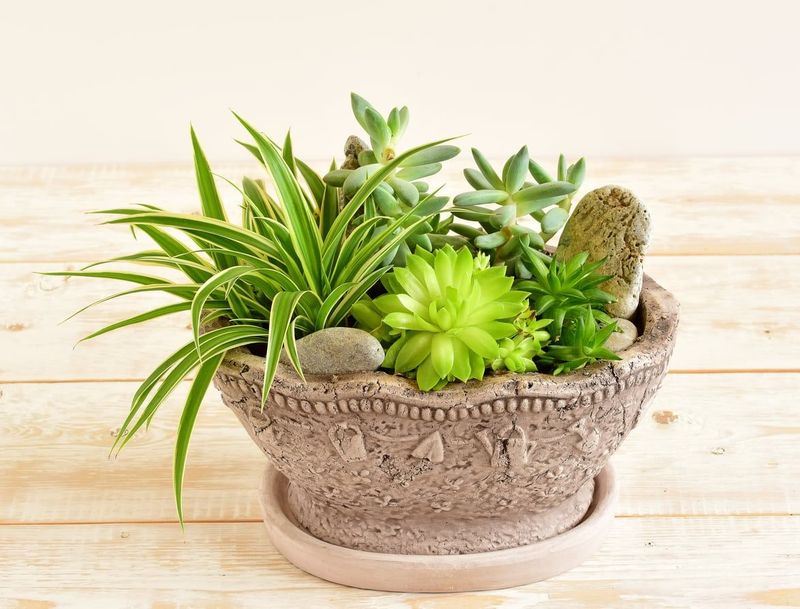
California gardeners prefer containers made from terracotta, ceramic, or concrete because these materials allow moisture to evaporate through the walls.
Each pot should have at least one generous drainage hole at the bottom, regardless of its size or shape.
Some crafty gardeners drill extra holes into decorative containers that lack them.
Shallow bowls work wonderfully for tiny succulent worlds as long as drainage is adequate.
The container’s depth matters less than its ability to release excess water quickly.
A two-inch deep bowl with perfect drainage beats a six-inch pot without holes every single time.
Your California Garden Changes Every Week. Your Plan Should Too.
Gardening in California changes quickly throughout the season. Every Friday you’ll receive a simple weekly plan showing exactly what to plant, prune, fertilize, harvest, and protect so you never miss the right timing.
When arranging your mini garden, elevate containers slightly off surfaces using small feet or tiles.
This simple trick improves airflow underneath and prevents water from pooling.
Your succulents will reward you with vibrant colors and healthy growth when their roots stay dry and happy.
Pick Soil Made For Succulents Only
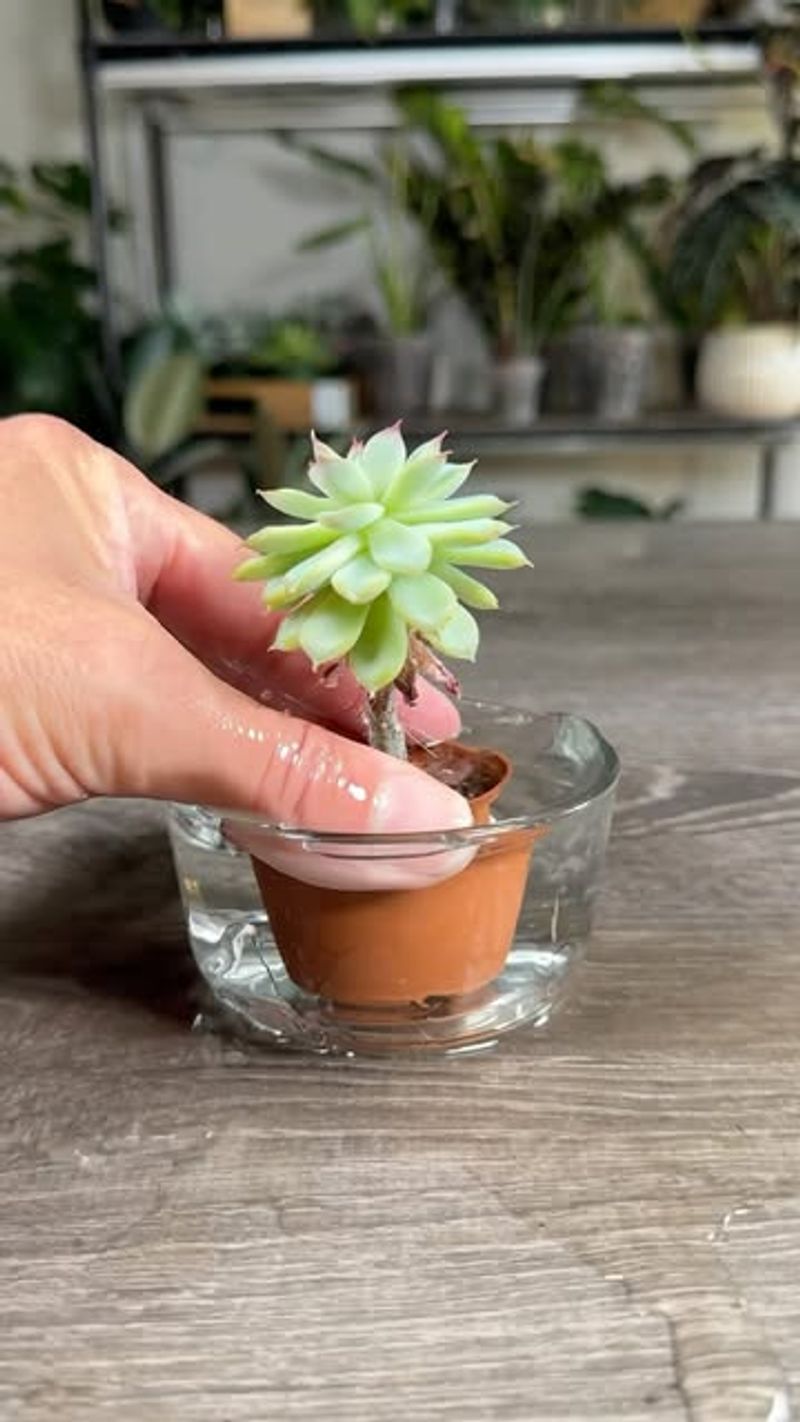
Regular potting soil spells trouble for succulents because it holds too much moisture.
Succulents evolved in arid environments where water drains away almost immediately, so they need soil that mimics those conditions.
Gritty, fast-draining mixes prevent the root rot that claims so many succulent lives in small containers.
Commercial succulent soils available at California garden centers usually contain a blend of sand, perlite, and pine bark.
For tiny gardens, many enthusiasts prefer making custom mixes with even more grit—up to seventy percent inorganic material like pumice or crushed granite.
This extra drainage becomes crucial in shallow containers where roots have limited space.
The texture should feel coarse and crumbly, never dense or muddy.
When you water, the liquid should flow through quickly without pooling on the surface.
Quality soil also provides stability so your miniature landscape features stay in place rather than shifting around.
Avoid garden soil or anything labeled for vegetables and flowers.
These products retain moisture far too long for succulents.
Investing in proper soil from the start saves you from watching your tiny world struggle with waterlogged roots and yellowing leaves later on.
Match Succulents With Similar Water Needs
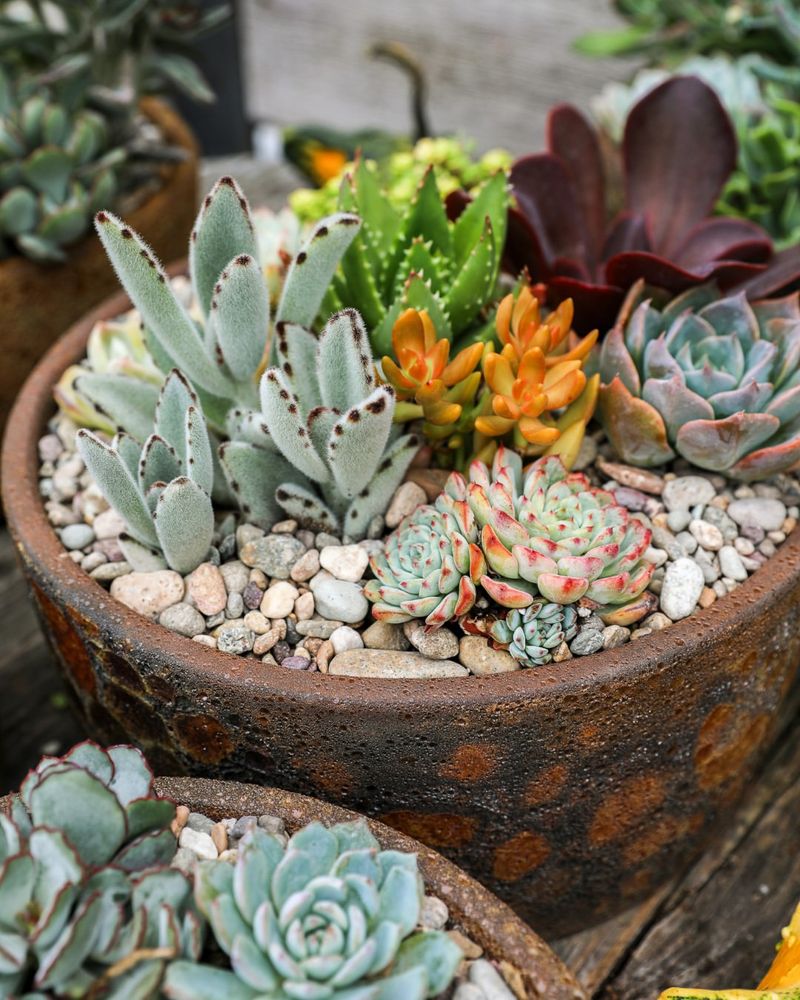
Combining the wrong succulents creates frustration because different species have wildly different watering schedules.
Some varieties like Haworthia prefer slightly more frequent drinks, while others such as Lithops need almost no water during certain seasons.
Mixing them together means some plants will always be either too dry or too wet.
California gardeners find success by grouping plants with matching needs.
Echeveria, Sedum, and Sempervivum make excellent companions because they all appreciate similar watering intervals and light conditions.
This harmony means you can water the entire container at once without worrying about individual preferences.
Research each plant before adding it to your design.
Check whether it comes from summer-rainfall or winter-rainfall regions, as this affects its active growing season.
Plants that rest during the same months work beautifully together because their care routines align perfectly.
Mismatched combinations lead to constant guesswork about when to water.
One plant might be thriving while its neighbor struggles, creating an unbalanced appearance.
Taking time to select compatible varieties upfront saves countless headaches and keeps your tiny world looking gorgeous throughout the year.
Use Natural Stone And Sand For Scale
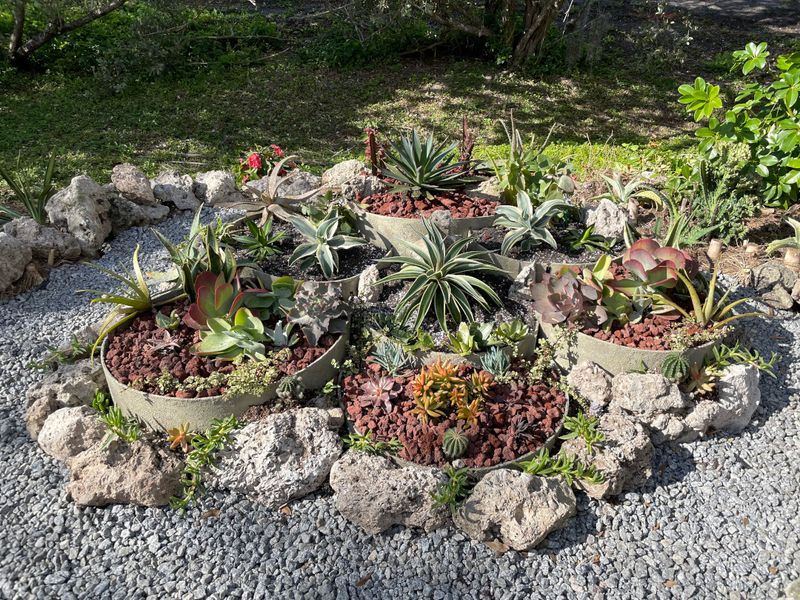
Creating believable miniature landscapes requires attention to proportion and natural materials.
California gardeners achieve stunning realism by incorporating small stones, pebbles, and decorative sand that match the scale of their tiny plants.
A pea-sized rock becomes a boulder in a two-inch world, while fine sand mimics desert expanses.
River rocks in various sizes add dimension and create pathways through your succulent garden.
Crushed granite or aquarium gravel works as ground cover that suppresses weeds while adding texture.
Many enthusiasts visit beaches or hiking trails to collect interesting pebbles that bring authentic California landscapes into their creations.
Layering different colors of sand creates striking visual effects.
Tan, white, and reddish sands can be arranged in patterns that suggest geological formations or desert dunes.
Just ensure any sand you use is coarse enough to allow water drainage rather than compacting into an impermeable layer.
Driftwood pieces, small bark chunks, and lichen-covered twigs add organic elements that complete the scene.
These natural materials weather beautifully over time and blend seamlessly with living plants.
The key is keeping everything proportional so your miniature world feels like a complete landscape rather than random decorations.
Place Tiny Gardens Where Light Is Bright But Gentle

Light quality makes or breaks succulent health, especially in compact arrangements.
Most succulents crave bright conditions but can suffer burns when exposed to intense afternoon sun, particularly through glass windows.
California’s strong sunshine requires strategic placement that provides illumination without scorching delicate leaves.
East-facing windows offer ideal conditions with gentle morning light that energizes plants without overwhelming them.
South-facing spots work well if filtered through sheer curtains or placed a few feet back from the glass.
Outdoor locations under patio overhangs or tree canopies provide the dappled light that many succulents adore.
Watch for signs that your placement needs adjustment.
Succulents stretching toward light or losing their vibrant colors need brighter conditions.
Conversely, brown patches or bleached leaves indicate too much direct exposure and require moving to a gentler spot.
Indoor gardens benefit from rotating occasionally to ensure even growth on all sides.
Outdoor arrangements need protection during California’s intense summer months when temperatures soar.
Finding that sweet spot between bright and gentle keeps your tiny world thriving with compact growth and brilliant colors that showcase your creative design.
Water Lightly And Less Often
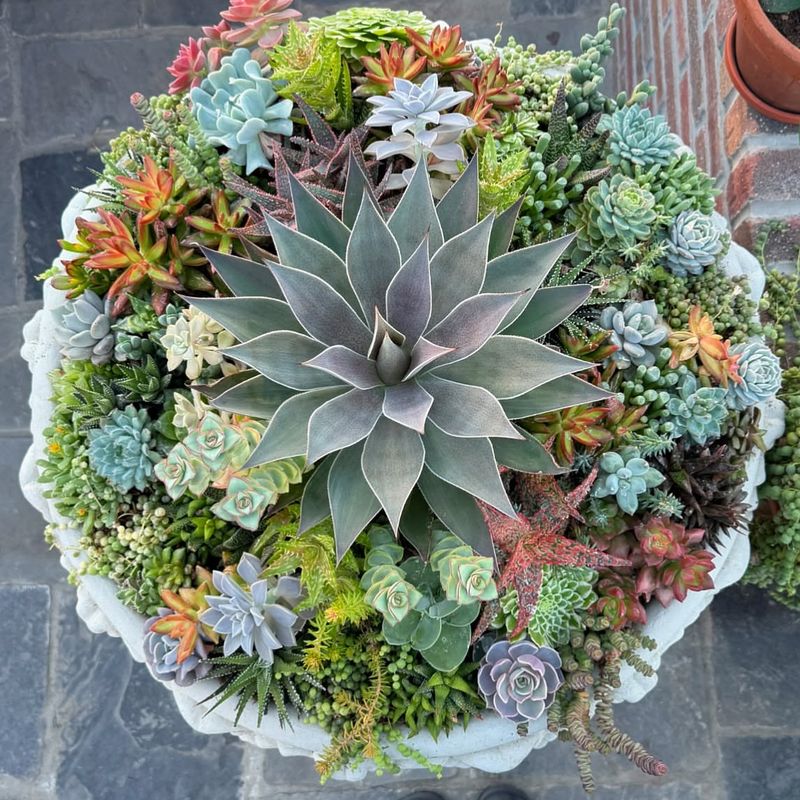
Watering succulents properly feels counterintuitive at first because less is genuinely more.
These plants store water in their leaves and stems, so they need far less frequent watering than traditional houseplants.
In tiny containers, the margin for error shrinks even further because small volumes of soil dry out quickly but also become waterlogged easily.
California gardeners typically water their miniature succulent worlds every ten to fourteen days during active growth periods.
The soil should dry completely between waterings, which you can test by sticking your finger into the mix.
If it feels even slightly damp, wait another few days before adding moisture.
Use a squeeze bottle or turkey baster to apply water precisely around plant bases rather than drenching the entire container.
This targeted approach prevents water from pooling in decorative elements or splashing onto leaves where it can cause spotting.
Apply just enough water to moisten the root zone without creating runoff.
During California’s cooler months, many succulents enter dormancy and need even less water.
Some varieties might go four to six weeks between drinks in winter.
Trust the plants to tell you when they’re thirsty through slightly wrinkled leaves rather than sticking to a rigid schedule.
Allow Space For Slow Growth
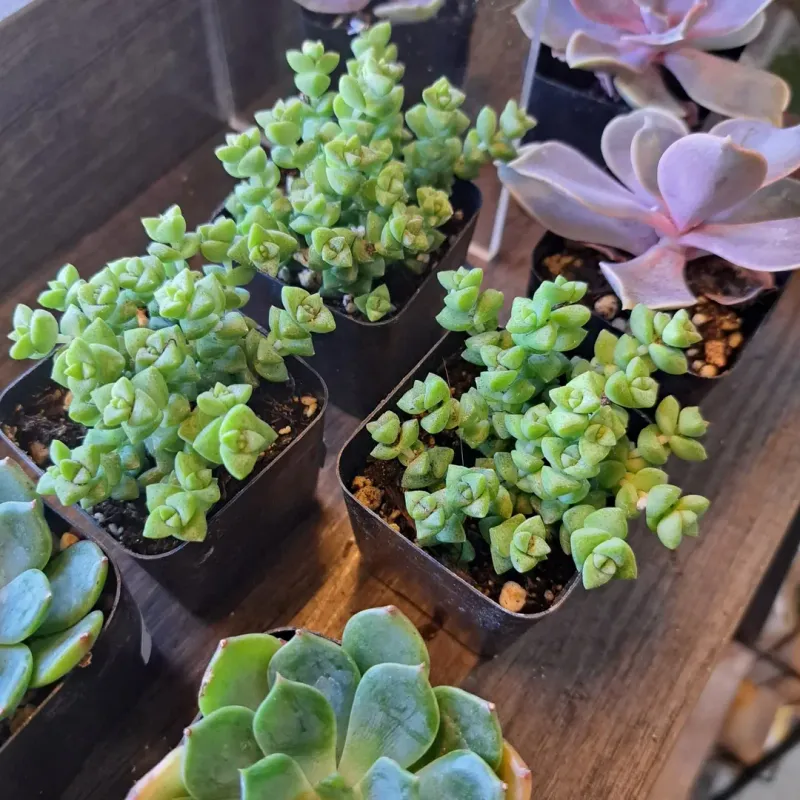
Even the tiniest succulents grow over time, and cramming too many plants into a small space creates problems down the road.
Proper spacing from the start gives each plant room to expand without competing for resources or light.
California gardeners who build successful tiny worlds think about the six-month and one-year outlook when placing plants.
Leave at least a quarter-inch between rosettes initially, more for varieties known to form offsets.
This breathing room improves air circulation, which helps prevent fungal issues in humid coastal areas.
Adequate spacing also makes it easier to water individual plants and remove spent leaves without disturbing neighbors.
Resist the temptation to fill every inch of your container immediately.
Empty spaces can be filled with decorative rocks or sand that enhance your design while preserving room for growth.
As plants mature, they’ll gradually fill in gaps and create a lush appearance naturally.
Some succulents send out runners or produce baby plants that root nearby.
Anticipating this behavior prevents overcrowding that forces you to dismantle your entire arrangement prematurely.
Strategic spacing extends the life of your miniature world and reduces maintenance dramatically while keeping plants healthy and attractive for longer periods.
Protect Mini Gardens From Heavy Rain
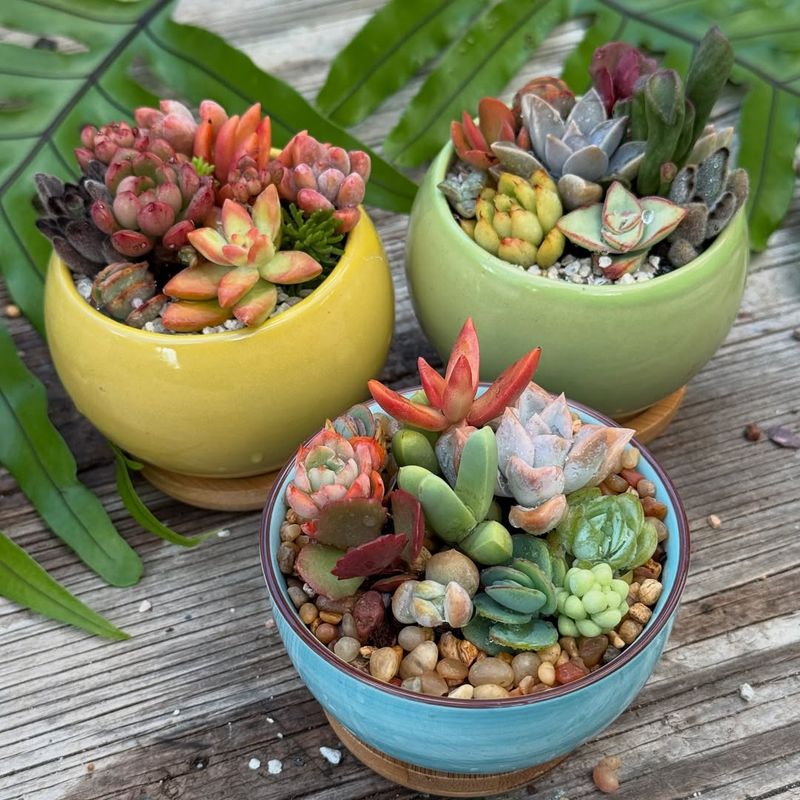
California’s Mediterranean climate brings long dry periods punctuated by occasional heavy winter storms.
While established succulents in the ground handle rain reasonably well, tiny container gardens face serious risks from prolonged wetness.
Heavy downpours can saturate small volumes of soil completely, and shallow containers lack the drainage capacity of larger pots.
Smart gardeners move miniature succulent worlds under eaves, covered patios, or porches when forecasts predict significant rainfall.
This simple action prevents waterlogging that can quickly lead to root problems.
If your containers are too heavy or numerous to relocate, consider temporary shelters made from clear plastic sheeting supported by stakes.
Tilting containers slightly helps excess water drain away faster after unexpected showers.
Placing them on gravel beds or raised platforms improves drainage underneath and prevents pots from sitting in puddles.
These precautions become especially important during California’s occasional atmospheric river events that dump inches of rain in hours.
After storms pass, check soil moisture levels before resuming your regular watering schedule.
The soil might stay damp for a week or more following heavy rain, so patience prevents adding too much additional moisture.
This vigilance keeps roots healthy and maintains the delicate balance your tiny succulent world needs to flourish year-round.
Refresh And Rebuild When Plants Outgrow The Space
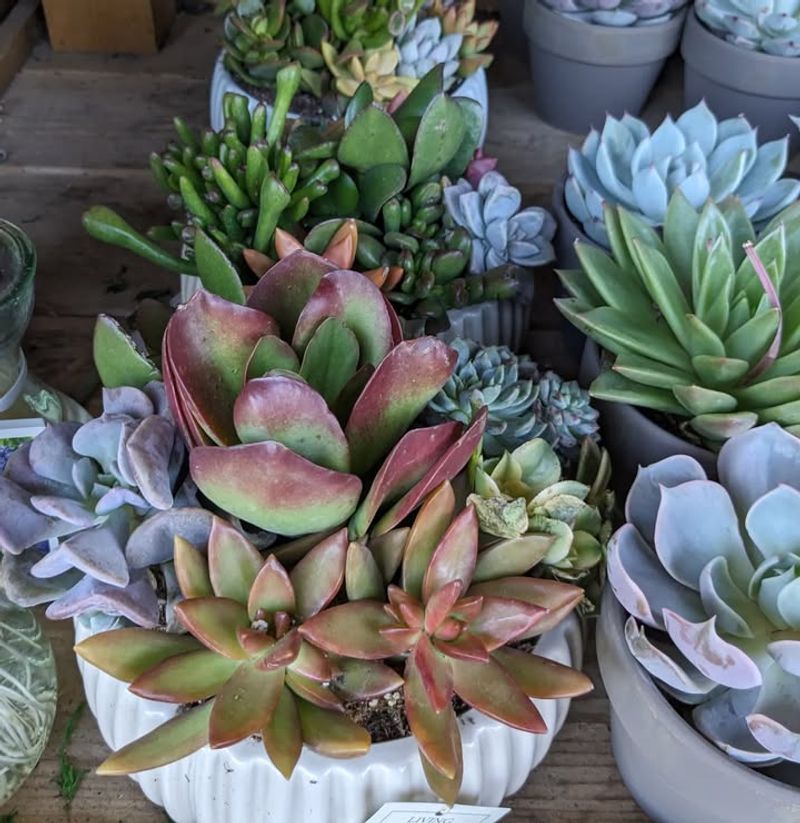
Tiny succulent worlds aren’t meant to last forever, and that’s perfectly okay.
Part of the joy comes from watching your creation evolve and eventually redesigning it when plants outgrow their space.
California gardeners embrace this natural cycle as an opportunity to experiment with new varieties and fresh design ideas rather than viewing it as failure.
Most miniature arrangements look their best for six months to two years before needing a refresh.
Signs that it’s time include plants touching container edges, roots emerging from drainage holes, or the composition losing its balanced appearance.
When this happens, carefully remove plants and either transplant them to larger containers or propagate cuttings to start new projects.
Rebuilding allows you to improve your design based on lessons learned.
Maybe certain plants grew faster than expected, or particular color combinations didn’t work as planned.
Each iteration becomes better as you refine your skills and understand how different varieties behave together.
Save your favorite containers and hardscape elements for reuse in new designs.
The stones, driftwood, and decorative materials can anchor multiple generations of succulent gardens.
This sustainable approach reduces waste while maintaining continuity in your creative expression.
Embracing change keeps your hobby fresh and exciting rather than becoming a source of stress.