What Indiana Gardeners Use To Make A Quick Winter Plant Cloak
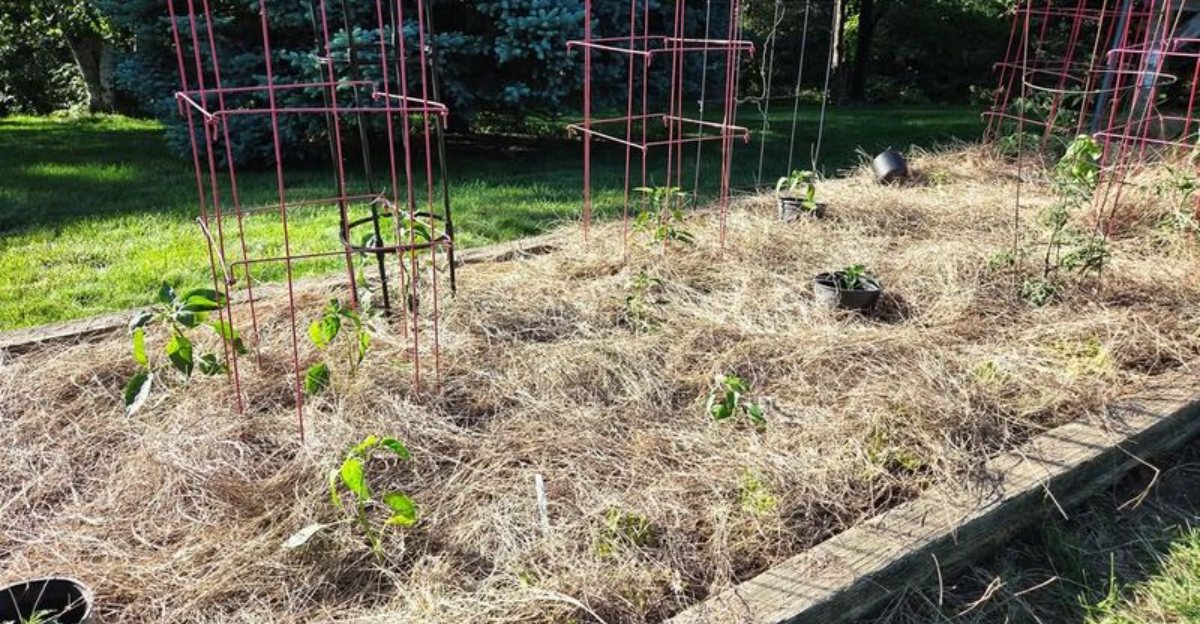
Indiana gardeners often grab simple household supplies like burlap, old sheets or breathable fabric to create a quick winter plant cloak that protects tender growth easily.
I enjoy how practical this trick feels because anyone can wrap shrubs or potted plants within minutes, giving them helpful insulation during sudden temperature drops across Indiana.
It always impresses me how such an easy solution keeps plants comfortable, letting gardeners relax knowing their favorite greenery stays safe through cold spells common in Indiana winters.
1. Old Bed Sheets and Blankets
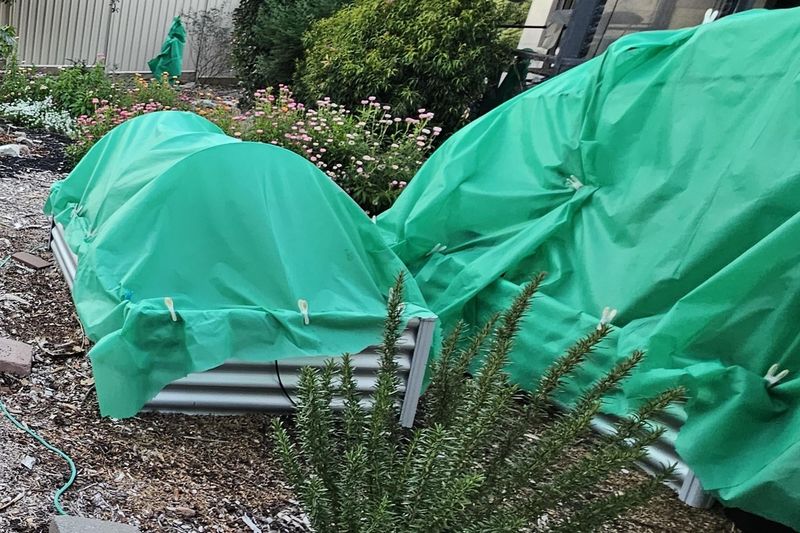
Fabric from worn linens provides excellent insulation for plants when temperatures start dropping below freezing in Indiana gardens during late autumn months each year.
Cotton and flannel materials trap warm air near the plant while allowing moisture to escape, preventing mold from forming on delicate leaves underneath the covering.
Gardeners across the state drape these sheets over shrubs and small trees before sunset, securing the edges with rocks or bricks to prevent wind damage.
Light-colored fabrics work better than dark ones because they reflect morning sunlight, preventing rapid temperature changes that can shock sensitive plants after a cold night.
Many Indiana families save old linens specifically for this purpose instead of throwing them away, making this an economical and environmentally friendly protection method.
The breathable nature of cotton allows plants to continue their natural processes while staying warm enough to survive harsh winter conditions throughout the season.
Remove the sheets during warmer afternoons to let plants receive sunlight and fresh air, then replace them again before evening temperatures start falling once more.
2. Burlap Sacks and Fabric
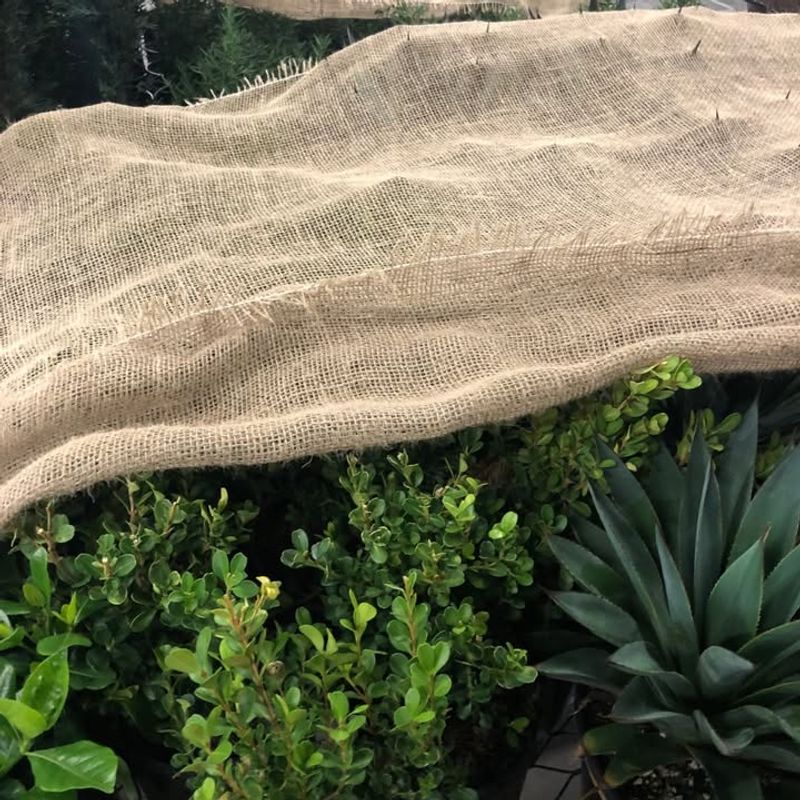
Burlap has been a trusted material for protecting plants in Midwestern gardens for generations because of its durability and excellent insulation properties during freezing weather.
This rough woven fabric allows air circulation while blocking harsh winds that can damage tender branches and strip moisture from evergreen needles in winter months.
Indiana gardeners often wrap burlap around young trees and rose bushes, creating a protective barrier that stands up to snow and ice without collapsing easily.
The natural fibers in burlap resist tearing and can be reused for many seasons, making it a cost-effective choice for protecting multiple plants across large gardens.
Unlike plastic coverings, burlap does not trap excessive moisture that could lead to fungal problems or cause plants to rot during periods of winter thaw and freeze.
Many garden centers in Indiana sell burlap specifically for plant protection, though old coffee sacks work just as well for covering smaller shrubs and perennials.
Secure the burlap with twine or zip ties, leaving some space between the fabric and plant branches to prevent damage from rubbing during windy conditions.
3. Cardboard Boxes and Cartons
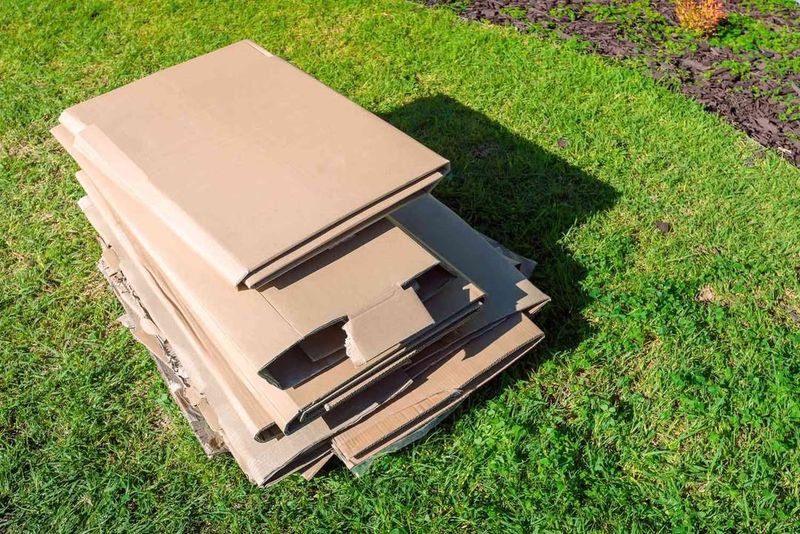
Recycled cardboard offers instant protection for small plants and seedlings when unexpected frost warnings appear in weather forecasts across Indiana during unpredictable spring or fall seasons.
Simply placing a cardboard box over vulnerable plants before nightfall creates a miniature greenhouse effect that traps ground heat and shields foliage from freezing temperatures.
The thick paper material blocks wind and provides surprising insulation, keeping the air around plants several degrees warmer than the surrounding environment during cold snaps.
Your Indiana Garden Changes Every Week. Your Plan Should Too.
Gardening in Indiana changes quickly throughout the season. Every Friday you’ll receive a simple weekly plan showing exactly what to plant, prune, fertilize, harvest, and protect so you never miss the right timing.
Gardeners in Indiana appreciate this method because cardboard boxes are readily available, free, and require no special tools or skills to use for emergency plant protection.
Large appliance boxes work well for covering multiple plants or bigger shrubs, while smaller cartons protect individual perennials and container plants sitting on porches or patios.
Weight down the boxes with stones to prevent them from blowing away during windy nights, and remove them promptly in the morning to restore sunlight access.
After several uses, the cardboard will begin to break down from moisture, but it can be composted and replaced with fresh boxes from local stores.
4. Plastic Milk Jugs and Containers
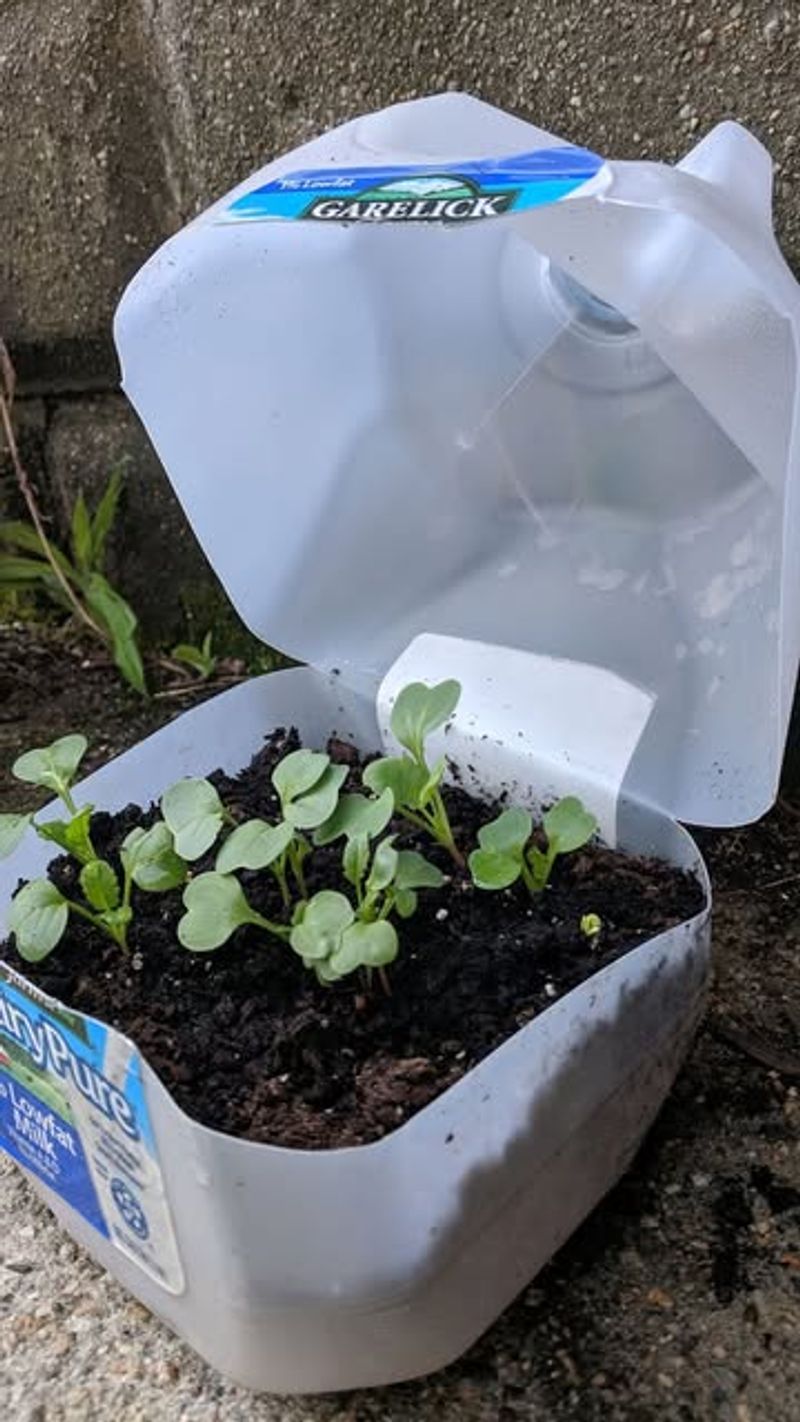
Empty gallon milk jugs become miniature greenhouses for individual plants when Indiana gardeners cut off the bottoms and place them over tender seedlings during chilly spring nights.
These clear plastic containers allow sunlight to reach plants during the day while trapping warmth and blocking cold winds that could damage young growth in unpredictable weather.
Remove the cap from the jug to provide ventilation and prevent excessive heat buildup on sunny days, which could harm plants more than cold temperatures would.
This method works especially well for protecting early tomato plants, peppers, and other warm-season vegetables that Indiana gardeners eagerly plant before the last frost date passes.
The sturdy plastic withstands rain and light snow, and the jugs can be reused throughout multiple growing seasons before they become too weathered to function properly.
Smaller containers like yogurt cups or soda bottles work for tiny seedlings, while larger juice jugs accommodate bigger plants that need protection from unexpected temperature drops.
Press the edges of the jug slightly into the soil to anchor it securely and prevent it from toppling over during windy conditions that are common.
5. Straw and Hay Mulch
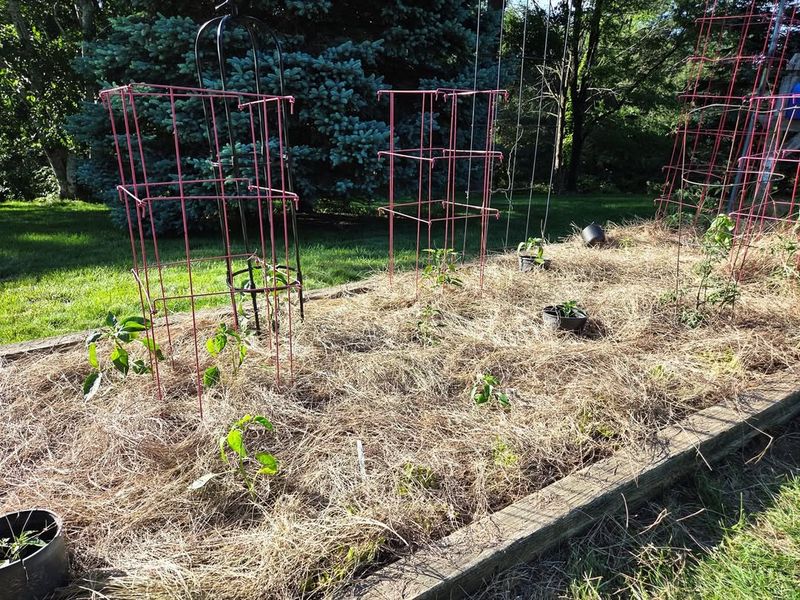
Loose straw piled around the base of plants creates an insulating layer that protects roots from freezing temperatures while allowing water to drain properly through winter months.
Indiana gardeners prefer straw over hay because it contains fewer weed seeds that could sprout in the garden when spring arrives and temperatures begin warming again.
A thick layer of about four to six inches provides the best protection, keeping soil temperatures more stable and preventing the freeze-thaw cycles that damage plant roots.
This method works particularly well for perennials, strawberry patches, and garlic beds that need to survive harsh Indiana winters without additional structures or complicated covering systems.
Straw also prevents soil erosion during heavy winter rains and keeps mud from splashing onto plant crowns, which could introduce diseases or cause rotting problems later on.
Many farms throughout Indiana sell straw bales inexpensively during fall, making this an affordable option for covering large garden areas that need widespread protection from cold.
Remove some of the straw gradually in early spring to allow soil to warm up, but keep it nearby in case late frosts threaten new growth.
6. Tomato Cages Wrapped with Plastic
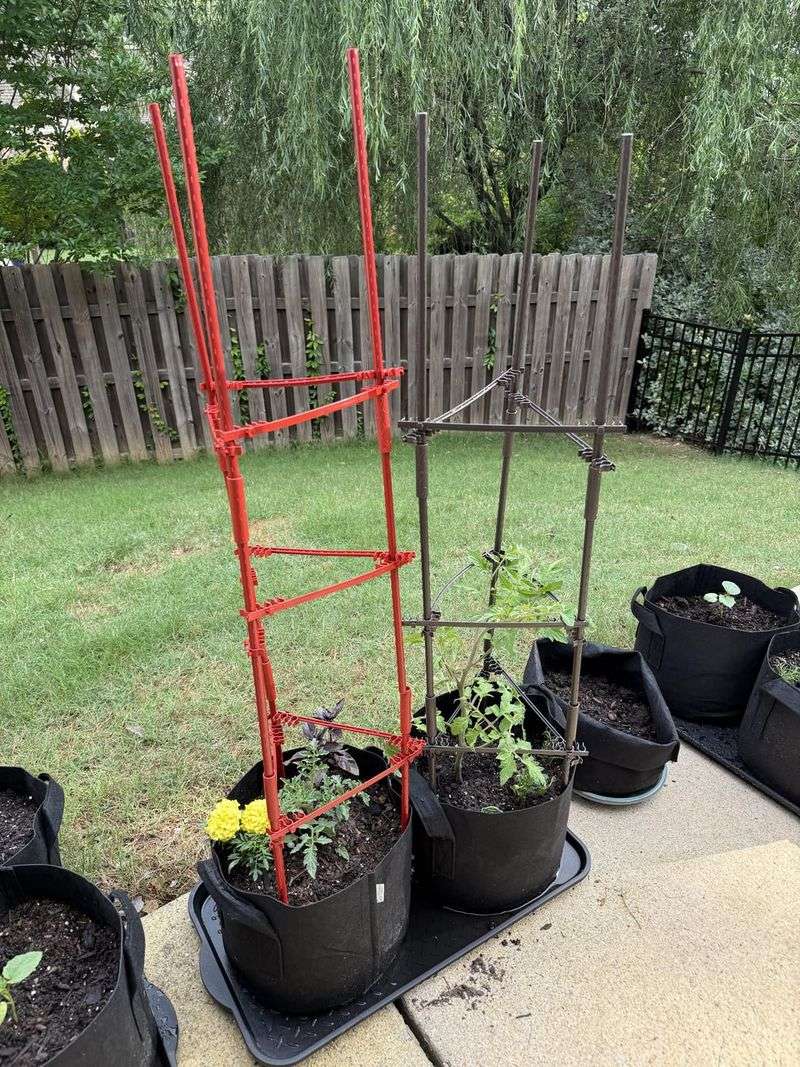
Existing tomato cages gain a second life during winter when Indiana gardeners wrap them with clear plastic sheeting to create sturdy protective structures around vulnerable shrubs and plants.
The metal framework provides support for the plastic covering, preventing it from collapsing onto plants during heavy snow or ice storms that frequently occur in the region.
Clear plastic allows sunlight to penetrate during the day, warming the air inside the cage while blocking freezing winds that can damage tender branches and flower buds.
Secure the plastic with clothespins, clips, or twist ties, leaving a small opening at the top for ventilation to prevent moisture buildup that could encourage mold growth.
This combination creates a miniature greenhouse effect that can keep plants several degrees warmer than the surrounding air, providing crucial protection during the coldest nights of winter.
Gardeners in Indiana often reuse the same cages and plastic sheeting year after year, making this a sustainable and economical choice for protecting multiple plants throughout the season.
Remove or open the plastic on warmer days to prevent overheating, then close it again before temperatures start dropping in the evening hours once more.
7. Pine Boughs and Evergreen Branches
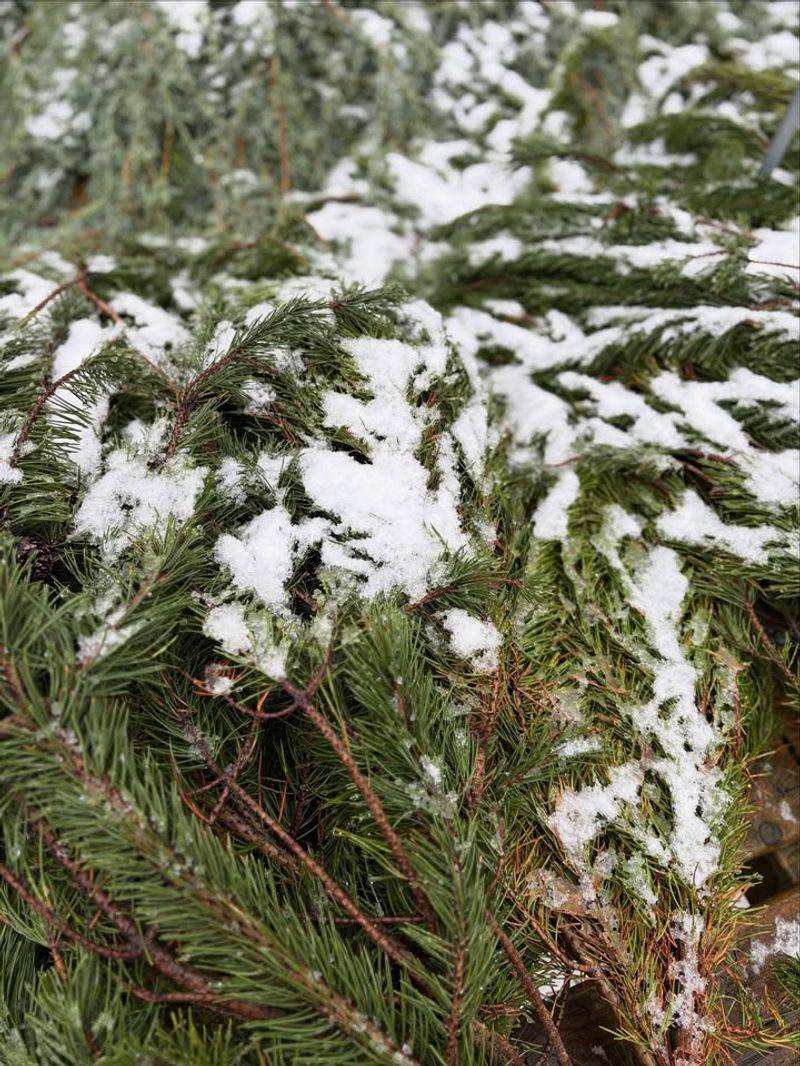
Branches pruned from evergreen trees provide natural insulation when laid over perennial beds and around the base of shrubs throughout Indiana gardens during the coldest winter months.
The needles trap air pockets that insulate plants from temperature extremes while allowing moisture and air to circulate freely, preventing the suffocation that solid coverings might cause.
Many Indiana gardeners collect discarded Christmas trees from neighbors after the holidays, cutting the branches into manageable pieces for protecting garden plants through the remaining winter season.
Pine and spruce boughs last longer than deciduous branches because the needles stay attached even after the branch dries out, maintaining their protective qualities for several months.
This method looks more natural than plastic or fabric coverings, blending into the winter landscape while providing effective protection from harsh winds and sudden temperature fluctuations overnight.
Layer the boughs several inches thick over dormant perennials and bulb beds, creating a protective blanket that also prevents soil from heaving during freeze-thaw cycles that occur.
Remove the branches gradually in spring as new growth emerges, composting them or using them as pathway mulch elsewhere in the garden for continued usefulness year-round.
8. Row Cover Fabric and Frost Cloth
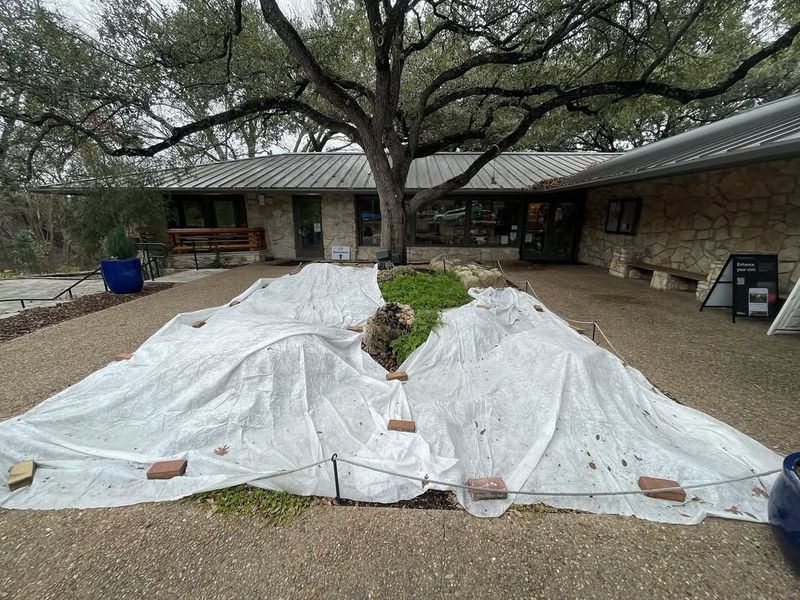
Specialized garden fabric designed for frost protection has become increasingly popular among Indiana gardeners because it combines light weight with excellent insulation properties for plant protection.
This breathable material allows water and air to pass through while trapping heat near the plants, providing protection from temperatures several degrees below freezing without daily removal.
Unlike plastic sheeting, frost cloth can remain on plants for extended periods without causing moisture problems or blocking the sunlight that plants need for photosynthesis during winter.
Available in different weights, heavier fabrics provide more protection for severe cold while lighter versions work well for mild frosts that occasionally threaten Indiana gardens in early spring.
Many gardeners drape the fabric directly over plants or support it with hoops to create low tunnels that protect entire rows of vegetables or flower beds simultaneously.
The material is reusable for many seasons if stored properly during summer months, making it a worthwhile investment for gardeners with extensive beds that need regular protection.
Secure the edges with soil, stones, or landscape staples to prevent the lightweight fabric from blowing away during the strong winds that sweep across Indiana regularly.
9. Leaves Stuffed in Wire Mesh Cylinders
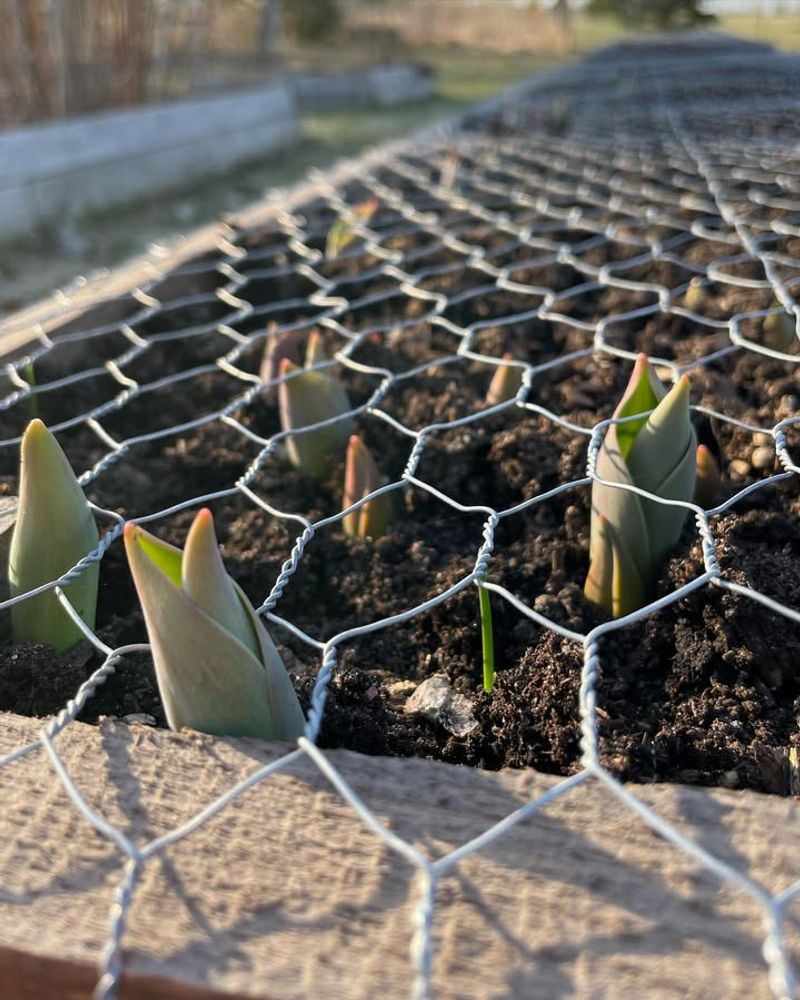
Chicken wire formed into cylinders and stuffed with fallen leaves creates effective insulation around tender shrubs and young trees that need extra protection during harsh Indiana winters ahead.
The wire mesh holds the leaves in place while allowing air circulation, and the thick layer of organic material provides excellent insulation against freezing temperatures and biting winds.
This method works particularly well for roses, hydrangeas, and other shrubs that can be damaged by extreme cold but are too large to cover with simple boxes.
Gardeners throughout Indiana appreciate this approach because it uses abundant natural materials that would otherwise need to be bagged and disposed of during fall cleanup activities each year.
The leaves gradually compress and settle over winter, but they continue providing protection even as they break down slightly, and they add organic matter to soil when removed.
Make the cylinders about six inches wider than the plant on all sides, filling them completely with dry leaves for maximum insulation against the coldest temperatures that winter brings.
Remove the cylinders in early spring before new growth begins, spreading the partially decomposed leaves as mulch around the garden or adding them to compost piles for later.
10. Newspaper Layers Under Mulch
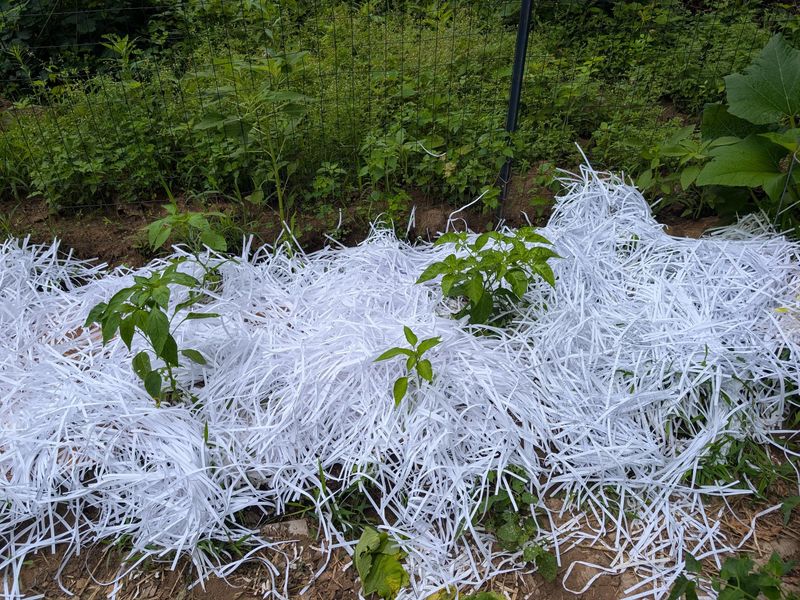
Stacking several sheets of newspaper around plant bases before covering them with mulch creates an extra insulation layer that blocks cold from penetrating soil during freezing Indiana winters.
The paper traps air between its layers, providing surprising warmth while decomposing slowly to add organic matter to the soil by the time spring planting season arrives again.
Indiana gardeners often use this method for protecting garlic beds, strawberry patches, and other low-growing crops that benefit from stable soil temperatures throughout the dormant season ahead.
Wet the newspaper slightly before applying mulch on top to prevent it from blowing away, and overlap the edges to create continuous coverage without gaps that cold could penetrate.
Black and white newspaper works best because colored inks might contain chemicals, though most modern newspaper inks are soy-based and considered safe for garden use by experts.
This approach costs nothing if you have newspapers at home, and it recycles materials that would otherwise end up in landfills, making it environmentally responsible and practical.
By spring, the newspaper will have broken down significantly, and you can simply turn it into the soil along with the mulch to improve soil structure naturally.