What Draws Plant Lovers To The ABQ BioPark Botanic Garden In New Mexico
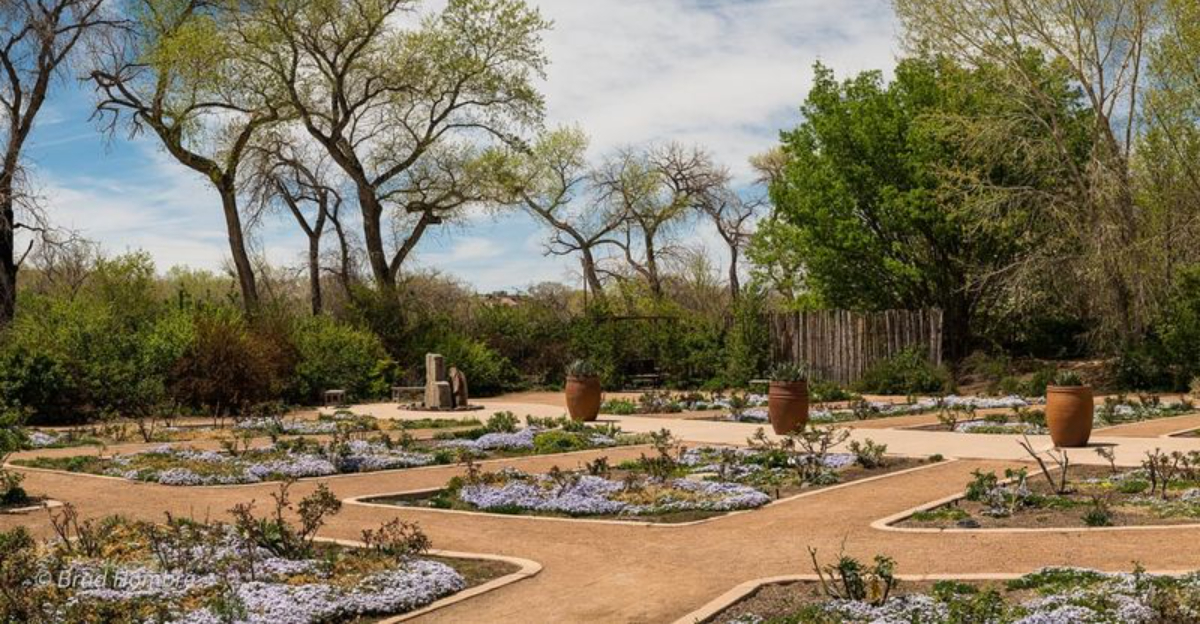
Plant lovers keep returning to the ABQ BioPark Botanic Garden in New Mexico because its colorful habitats, peaceful walkways and creative plant displays feel inspiring throughout every season.
I always enjoy how each section surprises visitors with unique textures, vibrant flowers and calm moments that make the entire garden experience feel relaxing and genuinely memorable.
People adore this garden because its desert scenes, lush greenhouses and tranquil ponds create an inviting atmosphere that celebrates New Mexico’s beauty in a truly charming way.
1. Desert Conservatory Showcases Rare Arid Plants

Stunning cacti and succulents from deserts worldwide fill this impressive glass structure that towers over visitors exploring the conservatory’s winding pathways each afternoon.
New Mexico’s climate makes this conservatory perfect for growing plants that need dry conditions and plenty of sunshine throughout most of the year.
Rare species from Africa, Australia, and the American Southwest create a living museum that teaches people about adaptation and survival in harsh environments.
Giant saguaros stand tall beside delicate living stones, showing the incredible diversity that exists among plants adapted to conserve precious water resources always.
Educational signs explain how each plant has developed unique features to thrive where rainfall is scarce and temperatures can swing dramatically between day and night.
Photographers love capturing the geometric patterns and unusual shapes that make desert plants so visually interesting and different from typical garden varieties found elsewhere.
Families enjoy spotting hidden blooms and learning surprising facts about how these tough plants have inspired innovations in water conservation and sustainable design principles.
2. Mediterranean Conservatory Brings European Gardens

Olive trees, lavender, and rosemary create an aromatic experience that transports visitors straight to the sunny hillsides of southern Europe without leaving Albuquerque today.
This conservatory celebrates plants that thrive in climates with hot, dry summers and mild, wet winters similar to regions surrounding the Mediterranean Sea constantly.
Citrus trees heavy with fruit hang over stone pathways while grapevines climb trellises, demonstrating how ancient civilizations cultivated these valuable crops for generations.
Visitors from New Mexico appreciate seeing how plants from distant lands adapt to similar growing conditions and can inspire local gardening choices beautifully.
Fragrant herbs fill the air with scents that remind many people of delicious meals and traditional remedies passed down through families over centuries.
The conservatory design incorporates classic architectural elements like terra cotta pots and rustic stonework that enhance the authentic Mediterranean atmosphere throughout the space.
Plant enthusiasts study the collection to learn which European species might flourish in their own southwestern gardens with proper care and attention always.
3. Japanese Garden Offers Peaceful Plant Displays
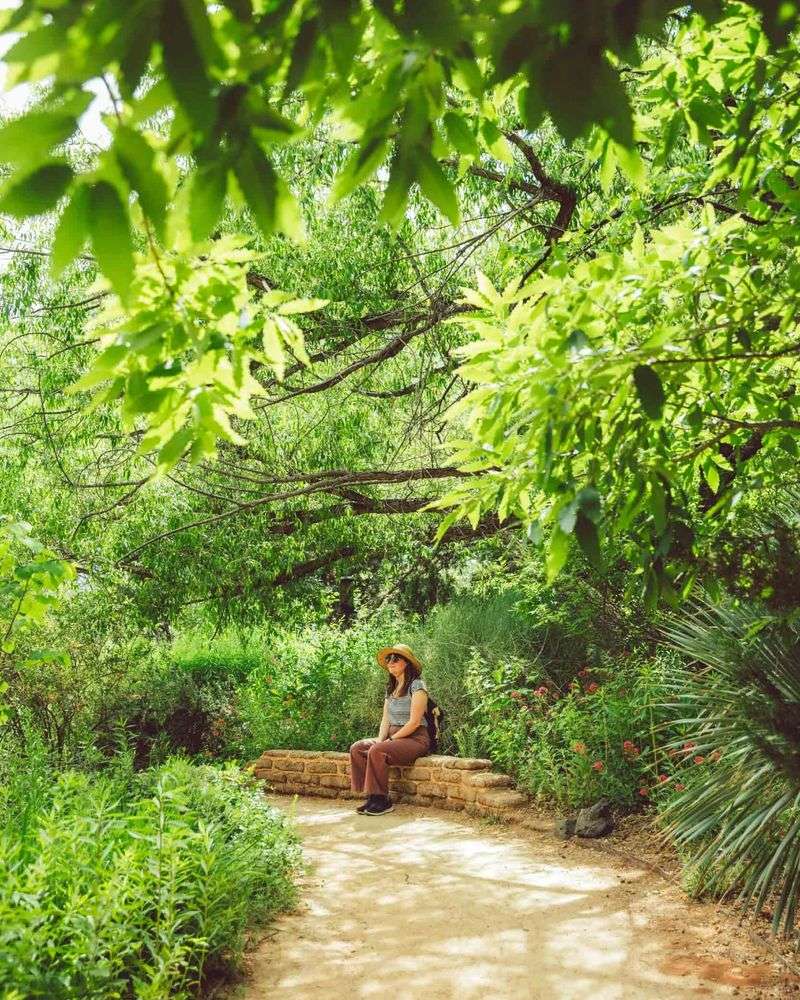
Carefully pruned pines, elegant maples, and graceful bamboo create a serene landscape that follows centuries-old design principles from traditional Japanese gardening techniques practiced today.
Water features, stone lanterns, and curved bridges complement the plant selections to form a harmonious environment where every element has symbolic meaning and purpose.
Seasonal changes transform the garden dramatically as cherry blossoms appear in spring and maple leaves turn brilliant red during autumn months in New Mexico.
Your New Mexico Garden Changes Every Week. Your Plan Should Too.
Gardening in New Mexico changes quickly throughout the season. Every Friday you’ll receive a simple weekly plan showing exactly what to plant, prune, fertilize, harvest, and protect so you never miss the right timing.
Moss-covered stones and carefully raked gravel patterns demonstrate the Japanese philosophy of finding beauty in simplicity and appreciating nature’s quiet moments throughout life.
Visitors often sit on wooden benches to meditate or simply enjoy the peaceful atmosphere that makes this garden a popular escape from busy schedules.
Bonsai displays showcase miniature trees that have been trained for decades, revealing the patience and skill required to create these living artworks successfully.
The garden teaches important lessons about balance, respect for nature, and the mindful care that plants need to reach their full potential always.
4. Heritage Farm Shows Traditional Agriculture Methods

Heirloom vegetables, ancient grain varieties, and traditional crops grown by indigenous peoples demonstrate agricultural practices that sustained communities for thousands of years successfully.
This working farm preserves plant varieties that might otherwise disappear as modern agriculture focuses on fewer commercial species bred for uniform production and shipping.
Children love seeing where food actually comes from as they watch vegetables grow from tiny seeds into plants ready for harvest during different seasons.
New Mexico’s agricultural heritage comes alive through demonstrations of traditional farming techniques including acequia irrigation systems used by Spanish settlers and Native Americans alike.
Heritage breeds of chickens and other farm animals complement the garden displays, creating a complete picture of sustainable farming practices from earlier generations long ago.
Volunteers help maintain the garden while teaching visitors about seed saving, composting, and organic growing methods that protect soil health for future crops always.
Plant lovers appreciate learning about open-pollinated varieties that gardeners can save and replant year after year without purchasing new seeds from companies constantly.
5. Butterfly Pavilion Features Nectar-Rich Plant Collections
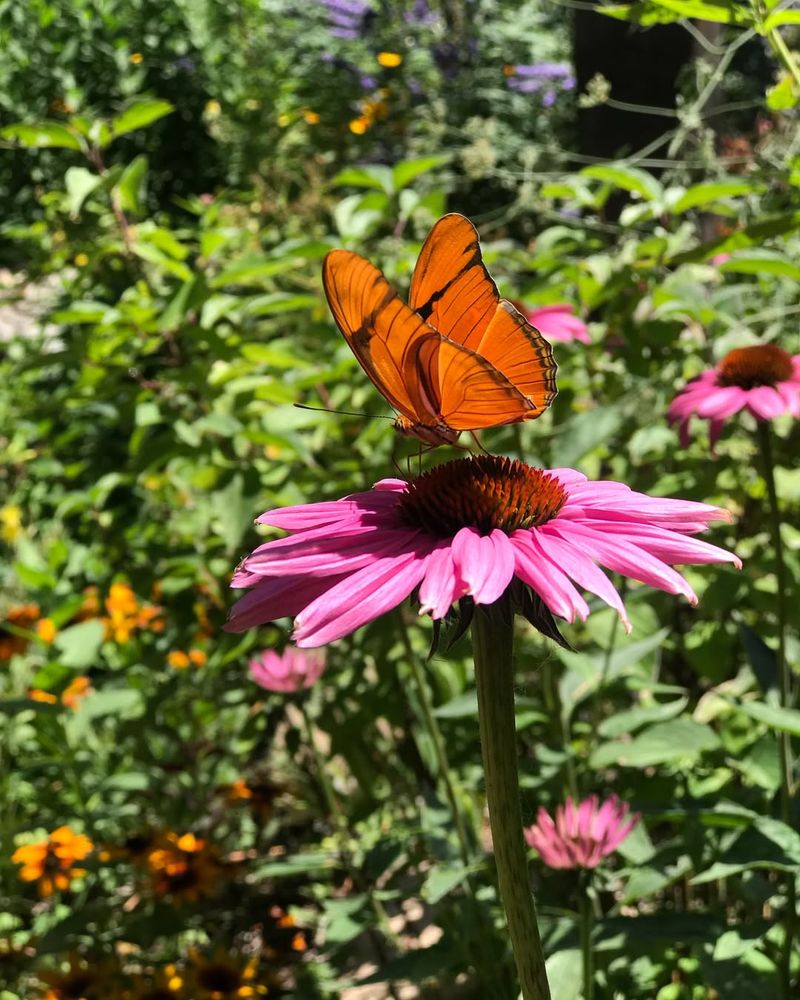
Colorful flowers specifically chosen to attract butterflies create a living laboratory where visitors observe pollination and insect behavior up close every single day.
Milkweed, zinnias, and butterfly bush provide essential nectar while also serving as host plants where butterflies lay eggs that develop into hungry caterpillars.
The pavilion demonstrates the critical connection between plants and pollinators, showing how both depend on each other for survival in healthy ecosystems everywhere.
Visitors from New Mexico learn which native plants support local butterfly populations and can transform their home gardens into valuable habitat for these important insects.
Educational programs explain butterfly life cycles while guests watch chrysalises hanging from branches and newly emerged butterflies drying their wings before their first flight.
Photographers capture stunning images as butterflies land on vibrant blooms, creating perfect moments that showcase nature’s beauty and the importance of biodiversity conservation.
The experience inspires many people to create butterfly gardens at home using plants that provide food and shelter for these delicate creatures throughout seasons.
6. Curandera Garden Preserves Medicinal Plant Knowledge
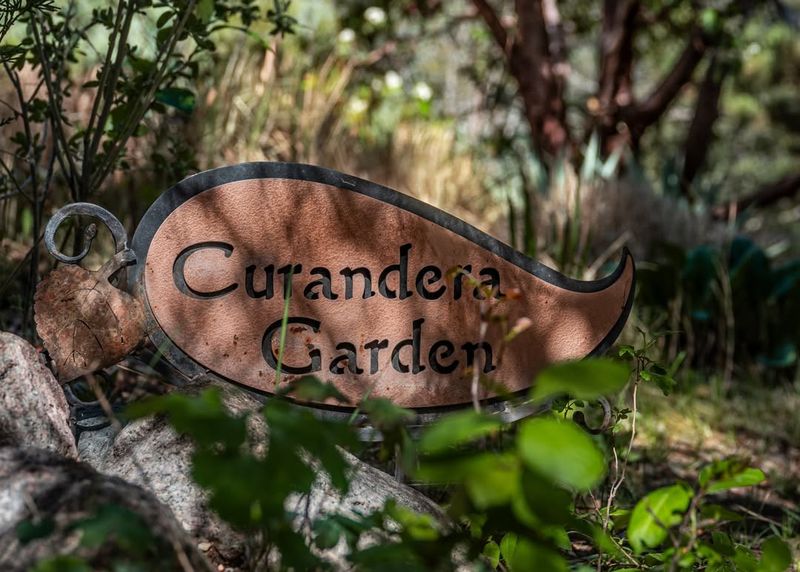
Traditional healing plants used by curanderas, or folk healers, showcase the deep botanical knowledge that Hispanic and Native American communities have maintained for generations.
Chamomile, yerba buena, and osha grow alongside other medicinal herbs that families have relied on to treat common ailments long before modern pharmacies existed.
This garden honors cultural traditions while teaching visitors about the scientific compounds in plants that form the basis for many modern medicines used worldwide today.
Signs explain traditional uses for each plant while encouraging people to research and consult healthcare professionals before trying any herbal remedies at home safely.
New Mexico’s rich cultural heritage shines through this collection that celebrates the wisdom of healers who understood plant properties through careful observation and experimentation.
Plant enthusiasts appreciate learning botanical names alongside common Spanish and indigenous names that reveal how different cultures classify and understand the natural world.
The garden preserves endangered knowledge as younger generations become disconnected from traditional practices that once formed the foundation of community healthcare systems everywhere.
7. Formal Garden Displays Classic Landscape Design

Symmetrical beds filled with seasonal flowers, neatly trimmed hedges, and geometric patterns demonstrate European landscape traditions that have influenced garden design for centuries worldwide.
Roses, tulips, and other classic ornamental plants rotate through the beds as seasons change, keeping the garden colorful and interesting for repeat visitors always.
Fountains and sculptures provide focal points that draw the eye along carefully planned sight lines that make the space feel larger and more impressive.
Gardening enthusiasts study the plant combinations and design principles to gather ideas they can adapt for their own yards back home in New Mexico.
Professional horticulturists maintain the beds with precision, demonstrating proper pruning, deadheading, and plant care techniques that keep everything looking perfect throughout growing seasons.
The formal garden offers a striking contrast to the more naturalistic areas of the BioPark, showing how different design philosophies create completely different moods.
Weddings and special events often take place here because the elegant setting provides a beautiful backdrop for photographs and celebrations of all kinds regularly.
8. Xeriscape Demonstration Garden Teaches Water Conservation
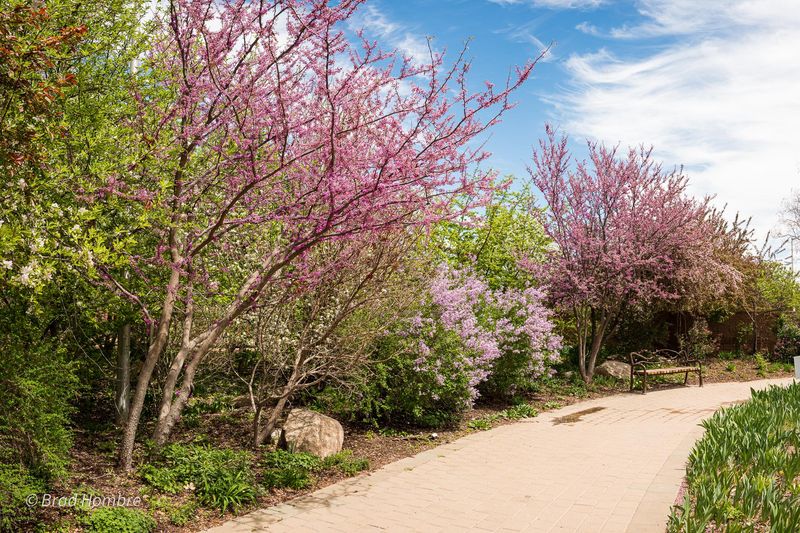
Native grasses, drought-tolerant perennials, and efficient irrigation techniques show how beautiful landscapes can thrive while using minimal water in arid southwestern climates successfully.
This practical garden addresses real concerns for New Mexico residents who want attractive yards without wasting precious water resources during frequent drought conditions.
Mulch, smart plant placement, and soil amendments demonstrate proven strategies that reduce water needs while maintaining healthy plants that bloom and grow vigorously always.
Colorful penstemons, salvias, and yarrows prove that water-wise gardening doesn’t mean sacrificing beauty or limiting plant choices to boring green shrubs only.
Educational workshops teach homeowners how to redesign their landscapes using xeriscape principles that save money on water bills and reduce maintenance time significantly overall.
The garden displays different irrigation methods including drip systems and soaker hoses that deliver water directly to plant roots without wasteful evaporation or runoff.
Visitors leave inspired to transform their own properties into sustainable landscapes that support local wildlife while conserving water for future generations living in dry regions.
9. Children’s Fantasy Garden Sparks Young Imaginations

Oversized vegetables, whimsical sculptures, and interactive displays create a magical environment where children develop curiosity about plants and nature through playful exploration and discovery.
Sunflowers tower overhead while pumpkins grow to enormous sizes, showing kids how plants change and grow throughout seasons in exciting and surprising ways always.
Hands-on activities let young visitors touch fuzzy leaves, smell fragrant herbs, and plant seeds to take home, creating memorable experiences that foster lifelong gardening interests.
Story time sessions and educational programs use plants as teaching tools to explain science concepts in ways that make learning fun for elementary school students.
Parents from New Mexico appreciate having a space designed specifically for children where running and exploring are encouraged rather than discouraged like traditional quiet gardens.
The garden includes accessible pathways and sensory experiences that welcome children of all abilities to participate fully in discovering the wonders of the plant world.
Many families visit repeatedly throughout the year because each season brings new plants, activities, and opportunities for children to connect with nature in meaningful ways.
10. Educational Programs Offer Deep Plant Knowledge

Expert-led classes, workshops, and guided tours provide plant lovers with opportunities to expand their knowledge and develop new skills in horticulture and botany regularly.
Topics range from basic gardening techniques for beginners to advanced propagation methods and plant identification skills that challenge even experienced gardeners and botanists significantly.
Seasonal programs align with what’s happening in the garden, teaching pruning during dormant months and seed starting as spring approaches in New Mexico each year.
Volunteer opportunities allow passionate plant enthusiasts to work alongside professional horticulturists while contributing to garden maintenance and conservation efforts that benefit the entire community.
Special lectures bring renowned botanists and plant experts to share research findings and inspire audiences with stories of plant exploration and discovery from around globe.
Children’s programs introduce young people to plant science through age-appropriate activities that build observation skills and environmental awareness from an early age onward.
The educational offerings transform casual garden visits into deeper learning experiences that help people understand ecological relationships and become better stewards of natural resources.