How Local Plant Sales Help Virginia’s Community Arboretum Thrive
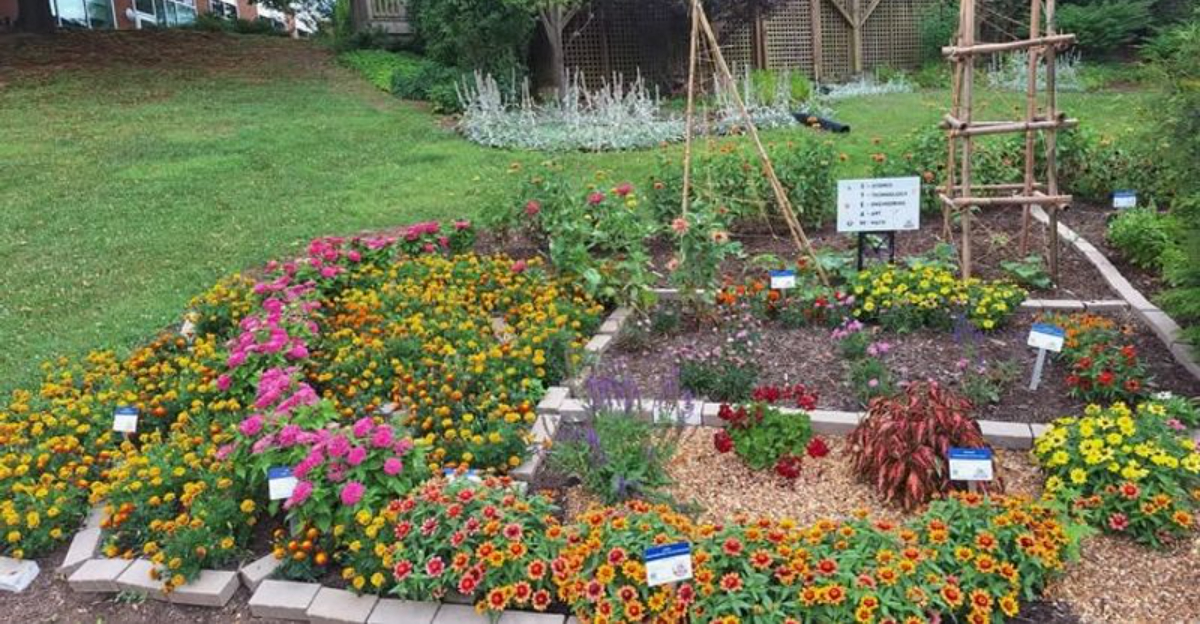
Local plant sales help Virginia’s community arboretum thrive by bringing neighbors together to support seasonal projects, fund new collections and strengthen the shared appreciation for beautiful regional plants.
I enjoy how these events create warm connections because shoppers meet friendly volunteers who love teaching others about plants and inspiring future gardening adventures across Virginia.
Many residents feel proud attending these sales since every purchase supports the arboretum’s growth, ensuring its gardens remain healthy, welcoming and educational for everyone who visits throughout the year.
1. Revenue Generation Fuels Daily Operations
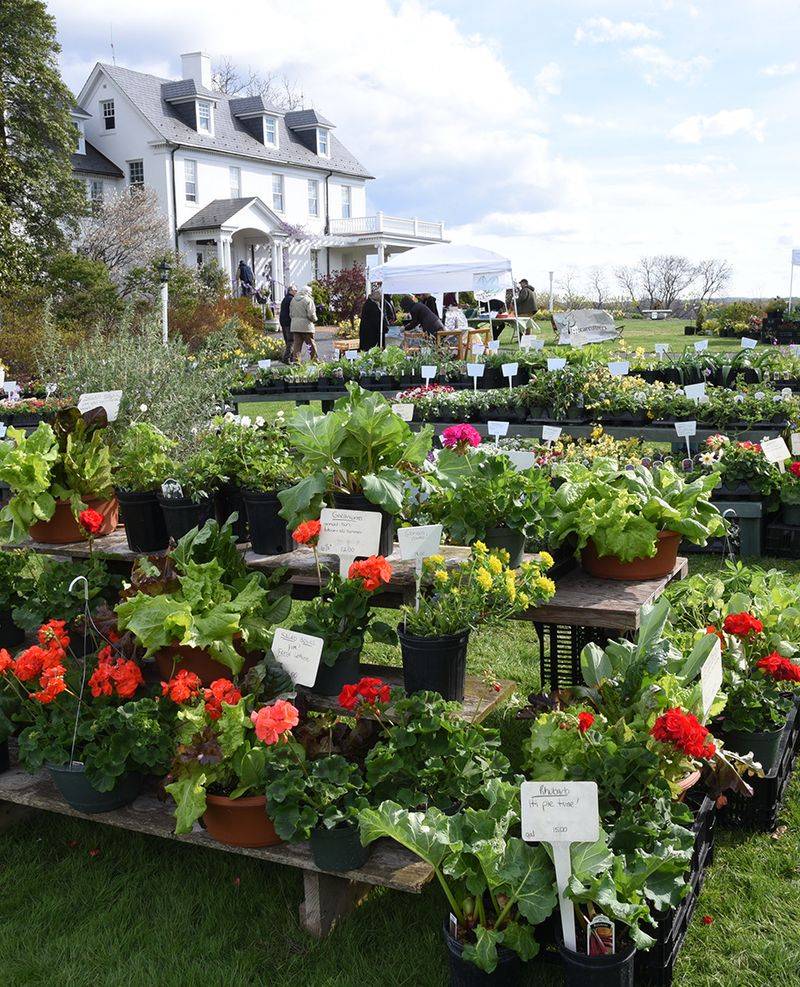
Plant sales bring in essential money that keeps arboretums operating throughout the year by covering basic costs like water bills and maintenance supplies.
Without this steady income stream, many Virginia arboretums would find it nearly impossible to maintain their beautiful landscapes and keep pathways safe.
Every single plant purchased at these sales directly contributes to paying staff members who care for thousands of trees and flowers daily.
Fundraising through plant sales allows arboretums to avoid relying solely on government grants, which can be unpredictable and difficult to secure consistently.
The money raised also helps purchase tools, fertilizers, and equipment needed to keep gardens healthy and attractive for all community members visiting.
Maryland arboretums use similar strategies, but Virginia locations have developed particularly strong relationships with local gardeners who return year after year enthusiastically.
These sales create financial stability that allows arboretums to plan future projects confidently and expand their services to reach more people effectively.
2. Educational Programs Receive Critical Funding
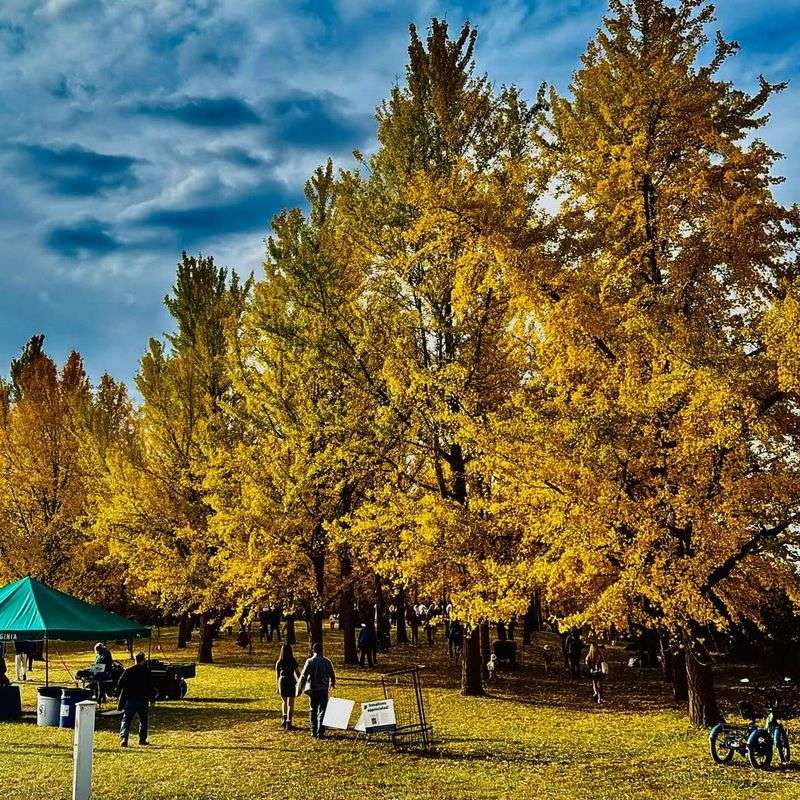
Arboretums offer free or low-cost classes teaching kids and adults about gardening, native species, and environmental stewardship throughout all four seasons.
Plant sale profits directly fund these educational programs, allowing instructors to purchase materials, print handouts, and provide hands-on learning experiences for participants.
Schools across Virginia bring students to arboretums for field trips that connect classroom lessons to real-world botany and ecology concepts effectively.
Without revenue from plant sales, these valuable educational opportunities would disappear, leaving communities without accessible environmental education resources for curious learners.
Workshops on topics like composting, pollinator gardens, and water conservation rely entirely on funding generated through annual plant sale events happening statewide.
North Carolina arboretums face similar challenges, but Virginia programs stand out for their innovative youth engagement strategies that inspire future environmental leaders.
The knowledge shared at these programs creates environmentally conscious citizens who understand how to protect natural resources and make sustainable choices daily.
3. Native Plant Propagation Gets a Boost
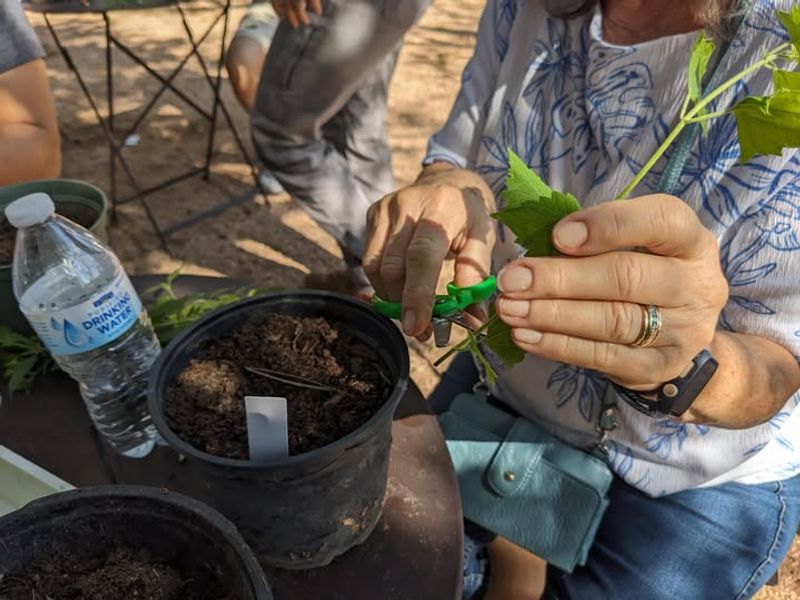
Arboretums propagate native Virginia plants from seeds and cuttings, preserving local species that might otherwise become rare or disappear from landscapes.
Plant sales provide funds to expand nursery facilities where staff carefully grow these important native plants before selling them to community members.
Growing native species requires specialized knowledge, proper equipment, and dedicated space that can only be maintained through consistent funding from successful sales.
When people buy native plants at arboretum sales, they support conservation efforts while adding beautiful, low-maintenance species to their own home gardens.
These plants are perfectly adapted to Virginia’s climate, requiring less water and fewer pesticides than non-native varieties that struggle in local conditions.
Your Virginia Garden Changes Every Week. Your Plan Should Too.
Gardening in Virginia changes quickly throughout the season. Every Friday you’ll receive a simple weekly plan showing exactly what to plant, prune, fertilize, harvest, and protect so you never miss the right timing.
Tennessee arboretums also focus on native plants, but Virginia locations have developed exceptional seed-saving programs that protect genetic diversity for future generations.
The cycle continues as arboretums use sale profits to propagate even more native plants, creating a sustainable system benefiting both nature and people.
4. Volunteer Programs Expand Through Resources
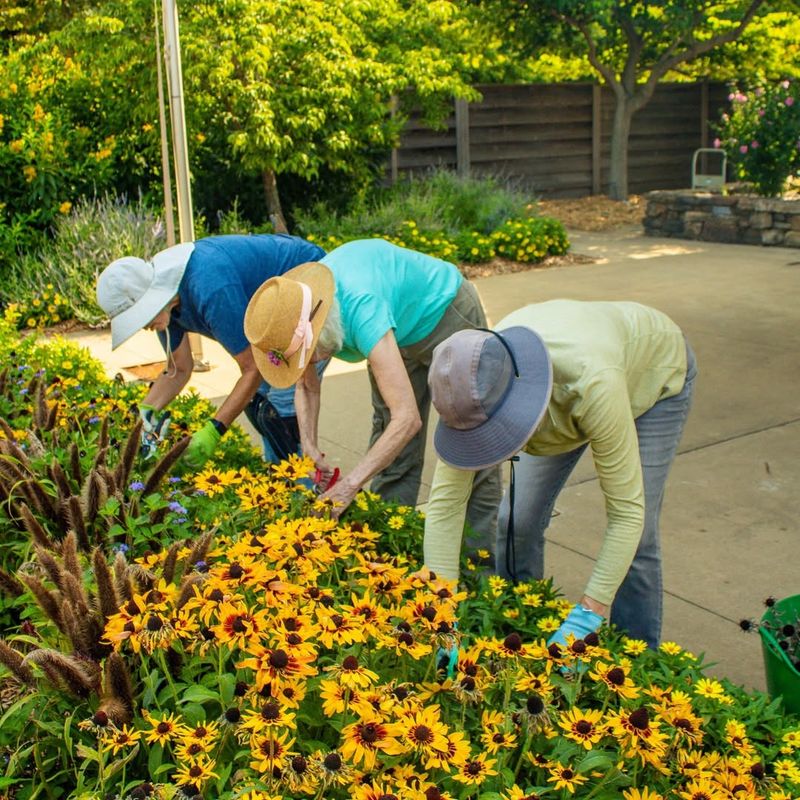
Volunteers form the backbone of arboretum operations, donating thousands of hours annually to maintain gardens, lead tours, and assist with special events.
Plant sale revenue allows arboretums to provide volunteers with proper training, safety equipment, and refreshments that show appreciation for their dedicated service.
Recruiting and retaining volunteers becomes easier when arboretums can offer organized programs with clear goals and adequate resources for completing tasks successfully.
Many volunteers are retirees or students seeking meaningful ways to contribute to their communities while learning valuable skills in horticulture and conservation.
Funds from plant sales enable arboretums to host volunteer appreciation events, strengthening bonds between participants and encouraging long-term commitment to the mission.
West Virginia arboretums value volunteers too, but Virginia programs excel at creating inclusive opportunities for people of all ages and abilities.
Strong volunteer programs multiply the impact of every dollar raised through plant sales, as these dedicated individuals accomplish work that would otherwise require paid staff.
5. Trail Maintenance Becomes Possible
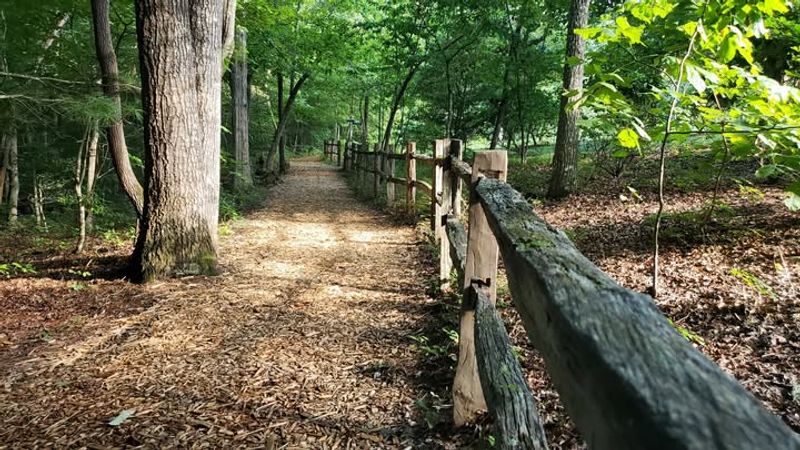
Miles of walking trails wind through arboretums, providing peaceful spaces for exercise, nature observation, and quiet reflection away from busy urban environments.
Maintaining these trails requires regular work including clearing fallen branches, repairing erosion damage, and replacing worn-out boardwalks that ensure visitor safety year-round.
Plant sale profits fund these essential maintenance activities, allowing arboretums to keep trails accessible for people using wheelchairs, strollers, or mobility devices.
Neglected trails quickly become overgrown and dangerous, discouraging visitors from exploring the full beauty and diversity of arboretum plant collections and natural areas.
Virginia arboretums prioritize trail accessibility, understanding that well-maintained paths invite more community members to experience the healing benefits of spending time outdoors.
Kentucky arboretums maintain similar trail systems, but Virginia locations have pioneered innovative design features that minimize environmental impact while maximizing visitor enjoyment.
Every plant purchased at sales helps ensure that trails remain safe, beautiful, and welcoming for all visitors seeking connection with nature today and tomorrow.
6. Rare Species Conservation Receives Support
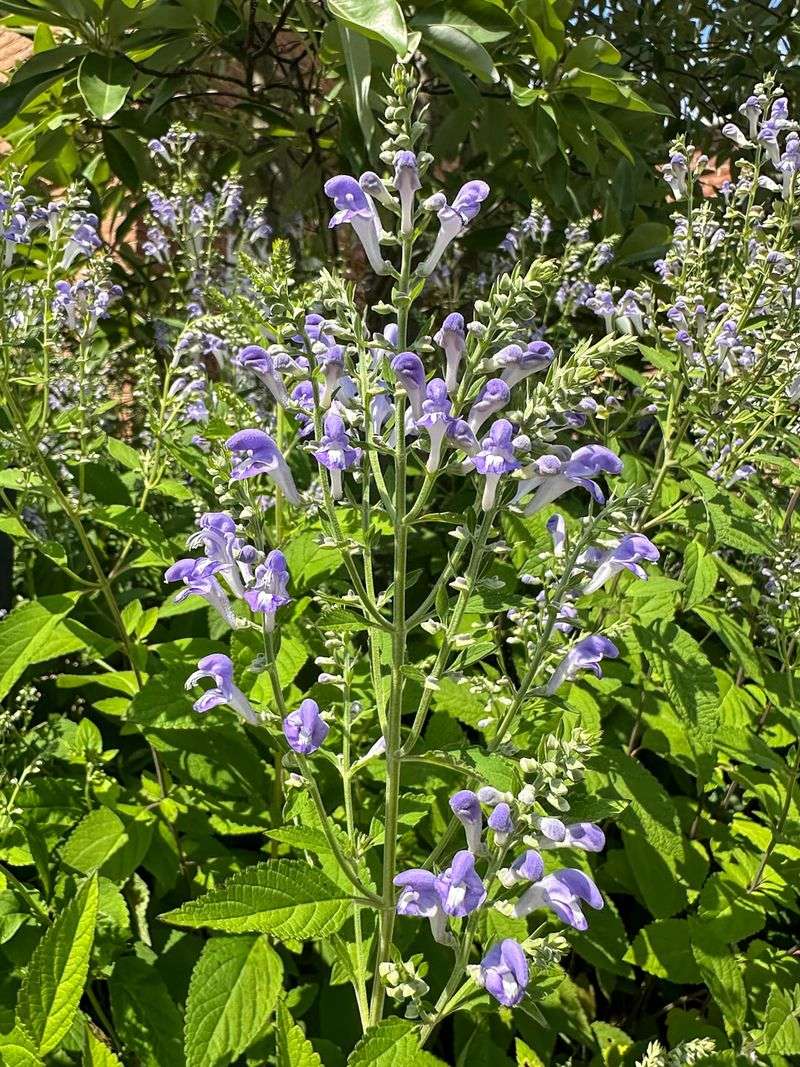
Arboretums serve as living museums, protecting rare and endangered plant species that face threats from habitat loss, climate change, and development pressures.
Plant sale income funds special conservation projects that require expert care, climate-controlled environments, and partnerships with botanists studying threatened species across Virginia.
Some rare plants need years of careful cultivation before producing seeds, making long-term financial commitment essential for successful conservation efforts at arboretums.
By purchasing plants at arboretum sales, community members directly contribute to preserving botanical diversity that might otherwise vanish from our planet forever.
These conservation collections also serve as seed banks, ensuring genetic material remains available for future restoration projects in wild habitats throughout the region.
Pennsylvania arboretums conduct important conservation work too, but Virginia facilities have established particularly strong partnerships with federal agencies protecting endangered species statewide.
The importance of this conservation work cannot be overstated, as each saved species represents countless ecological relationships essential for healthy, functioning ecosystems.
7. Community Events Bring People Together
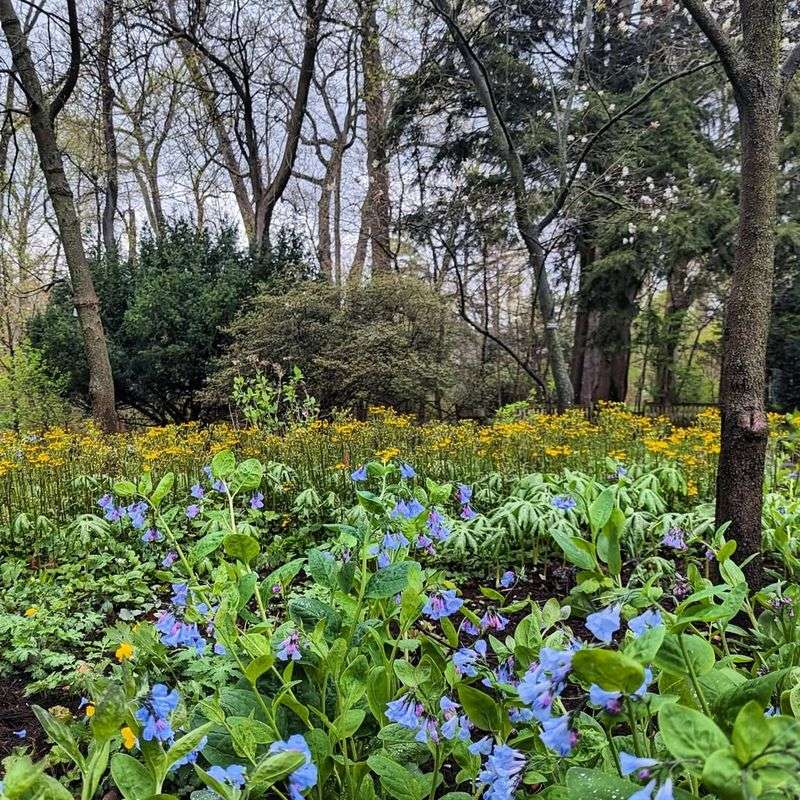
Arboretums host seasonal festivals, concerts, and family-friendly events that strengthen community bonds while introducing visitors to the beauty of botanical gardens nearby.
Plant sales generate revenue that makes these free or low-cost events possible, ensuring that everyone can participate regardless of their financial circumstances.
These gatherings create opportunities for neighbors to meet, children to play in natural settings, and families to build lasting memories together outdoors.
Events like spring plant sales, fall harvest festivals, and summer concerts transform arboretums into vibrant community hubs where people feel welcomed and connected.
Many attendees discover arboretums for the first time through these events, then return regularly to enjoy trails, gardens, and programs throughout the year.
Delaware arboretums offer similar community programming, but Virginia locations have perfected the art of creating inclusive events that appeal to diverse audiences effectively.
The social connections formed at arboretum events build stronger, more resilient communities where people support each other and care about shared public spaces.
8. Research Partnerships Advance Botanical Knowledge
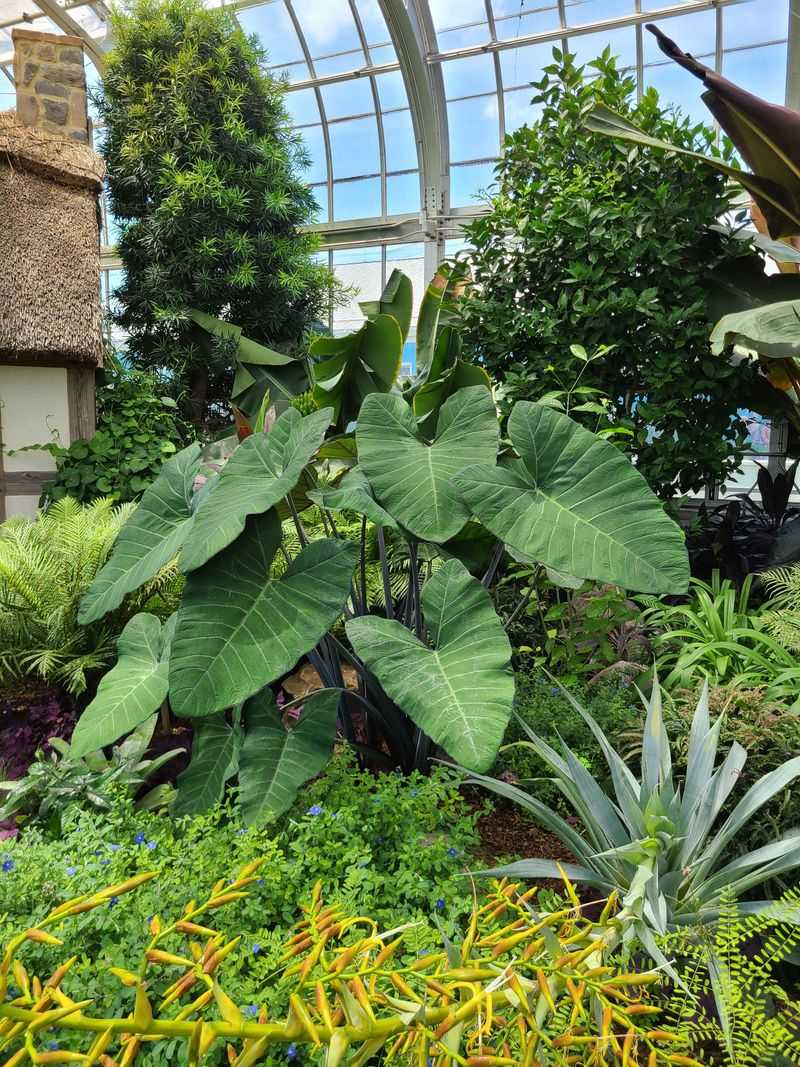
Universities and research institutions partner with arboretums to study plant diseases, climate adaptation, and sustainable horticultural practices that benefit agriculture and conservation.
Plant sale revenue helps fund these collaborative research projects by providing space, plant material, and financial support for graduate students conducting important studies.
Research conducted at arboretums leads to discoveries about which plants thrive in changing climates, helping gardeners and farmers make informed decisions statewide.
These partnerships also create opportunities for citizen scientists to participate in data collection, engaging community members in meaningful scientific work that contributes knowledge.
Studies on pollinator health, soil biology, and invasive species management conducted at arboretums inform environmental policies that protect natural resources across entire regions.
New York arboretums support research too, but Virginia facilities have developed particularly strong relationships with agricultural extension programs serving rural communities throughout the state.
The practical applications of arboretum research extend far beyond garden gates, influencing landscaping practices, conservation strategies, and environmental education curricula used in schools.
9. Infrastructure Improvements Enhance Visitor Experience
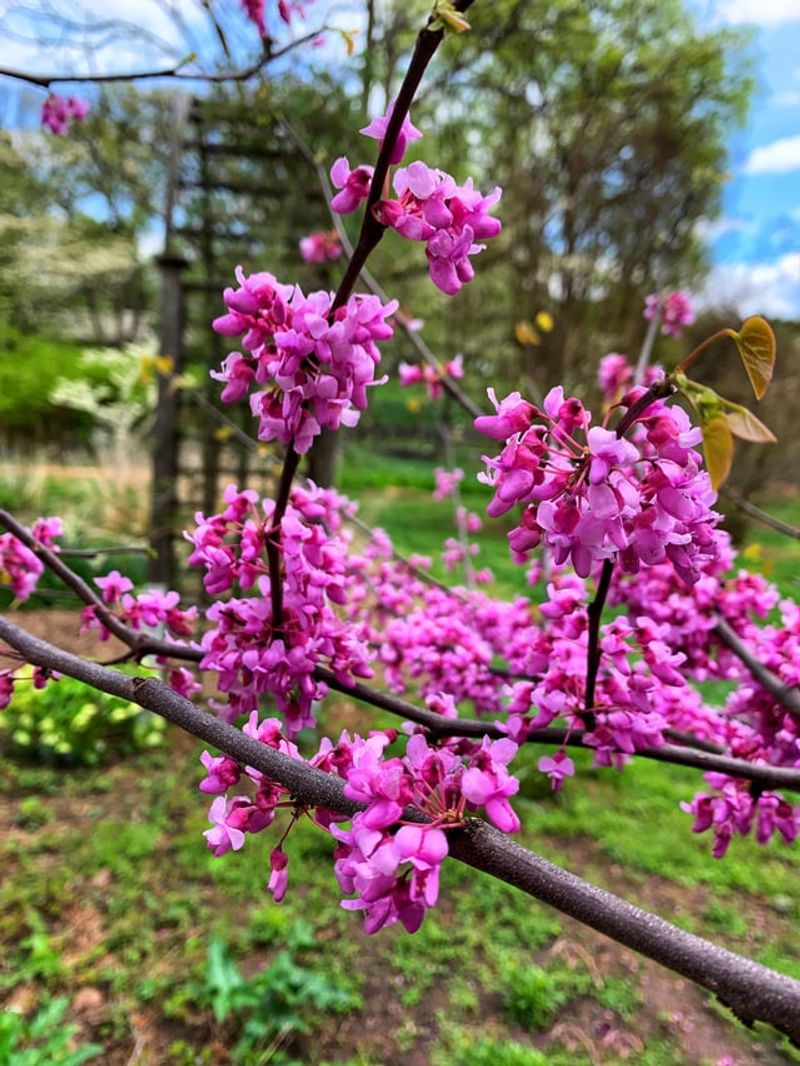
Comfortable restrooms, shaded seating areas, and informative signage make arboretum visits more enjoyable for families spending several hours exploring gardens and trails.
Plant sale profits accumulate over time, eventually funding major infrastructure projects like building visitor centers or installing irrigation systems that improve overall operations.
These improvements make arboretums more accessible and welcoming, encouraging repeat visits from community members who might otherwise find facilities inadequate or uncomfortable.
Proper infrastructure also reduces environmental impact by managing stormwater runoff, conserving water resources, and minimizing energy consumption through sustainable building design and practices.
Investing in quality facilities demonstrates respect for visitors and commitment to providing excellent experiences that inspire deeper appreciation for plants and nature.
Georgia arboretums have made similar infrastructure investments, but Virginia locations lead in incorporating universal design principles that accommodate visitors with varying abilities.
Every improvement funded through plant sales creates a more inviting environment where people feel comfortable spending time, learning, and connecting with the natural world.
10. Seasonal Plant Collections Expand Constantly
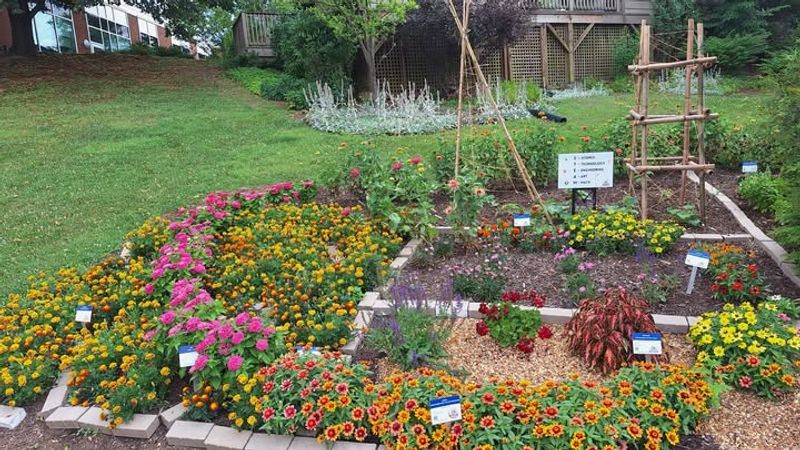
Arboretums showcase diverse plant collections representing different seasons, habitats, and horticultural styles that educate visitors about botanical diversity and garden design possibilities.
Plant sale income allows arboretums to continually add new specimens to collections, keeping displays fresh, interesting, and relevant to current gardening trends and interests.
Expanding collections requires purchasing mature plants, which can be expensive, or investing years in growing specimens from seeds or cuttings until they reach display size.
Specialized collections focusing on roses, conifers, perennials, or ornamental grasses attract enthusiasts who travel from across Virginia to study and photograph these carefully curated displays.
These living collections serve as outdoor classrooms where gardeners learn plant identification, observe seasonal changes, and gather ideas for their own landscape projects at home.
South Carolina arboretums maintain impressive collections too, but Virginia facilities have developed particularly comprehensive databases documenting every plant’s origin, care requirements, and historical significance.
Continuously improving collections ensures that arboretums remain valuable resources for education, inspiration, and conservation for current visitors and countless future generations to enjoy.