What Makes The Denver Botanic Gardens Colorado’s Most Stunning Place For Plant Lovers
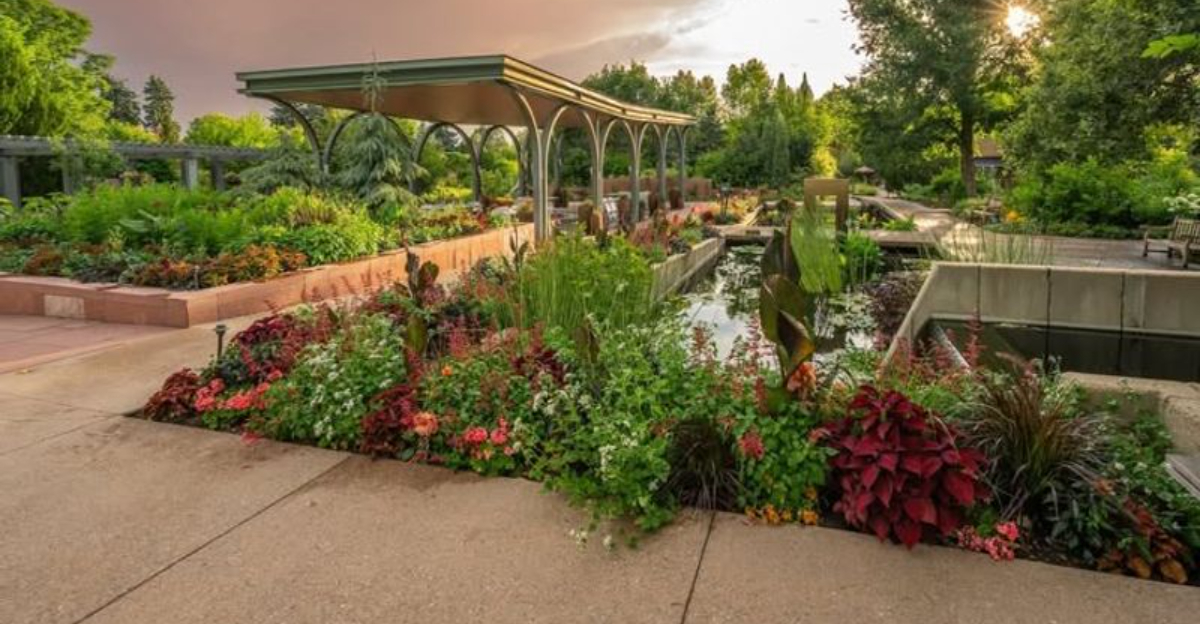
Denver Botanic Gardens stands out for plant lovers because colorful displays peaceful pathways creative exhibits and mountain inspired scenery create unforgettable moments celebrating Colorado seasons.
I love how each section offers unique textures bright blooms calm corners and warm scenery that encourage relaxing walks bringing comfort to Colorado plant lovers.
Many visitors return often because inspiring exhibits quiet trails peaceful water features and thoughtful design create memorable experiences making each trip feel refreshing and connected.
1. World-Class Plant Collections From Every Continent
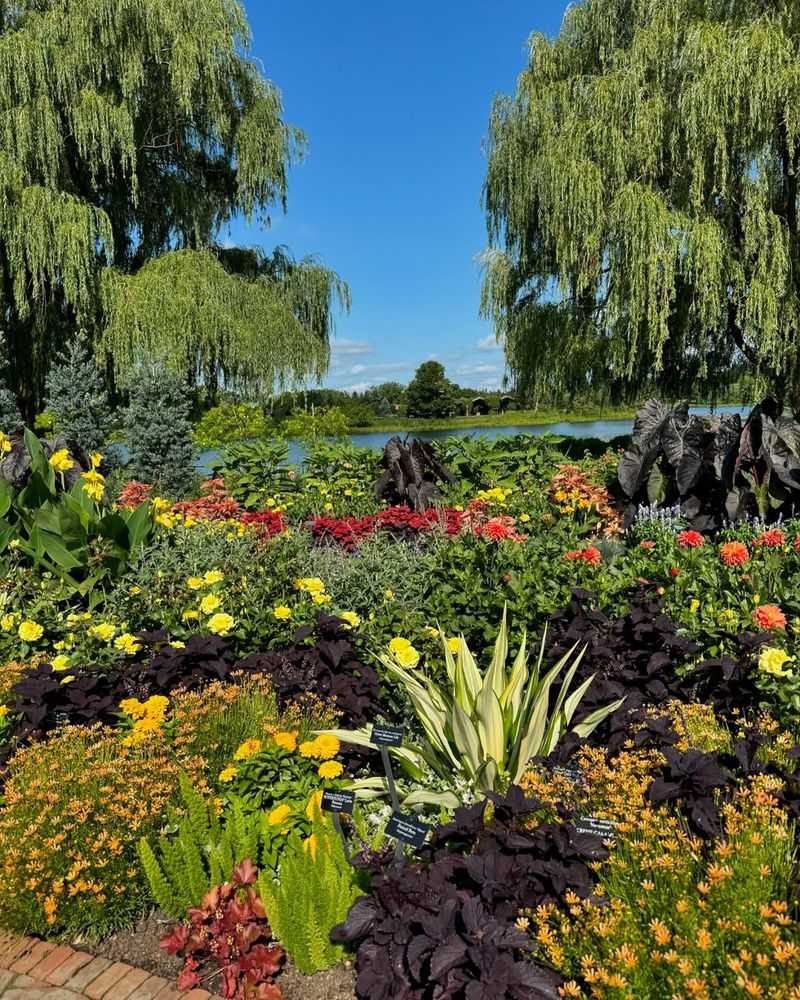
Walking through the gardens feels like traveling across continents without ever leaving Colorado, as each section represents a different part of our planet.
Rare plants from Asia, Africa, Europe, and South America grow side by side, creating a living museum that educates and inspires visitors of all ages.
The collection includes over thirty-three thousand plants representing more than two thousand species, making it one of the most diverse botanical collections in North America today.
Expert horticulturists work year-round to maintain these plants, ensuring each one thrives in Colorado’s unique climate despite originating from vastly different environments around the world.
Seasonal changes bring new blooms and colors, so every visit offers something different to discover, photograph, and remember for years to come in your memory.
Educational signs throughout the gardens provide fascinating facts about each plant’s origin, uses, and ecological importance, making learning fun and accessible for everyone who visits.
Families, students, and serious plant enthusiasts all find value in exploring these collections, which demonstrate the incredible diversity of plant life across our beautiful planet.
2. Stunning Japanese Garden With Authentic Design Elements
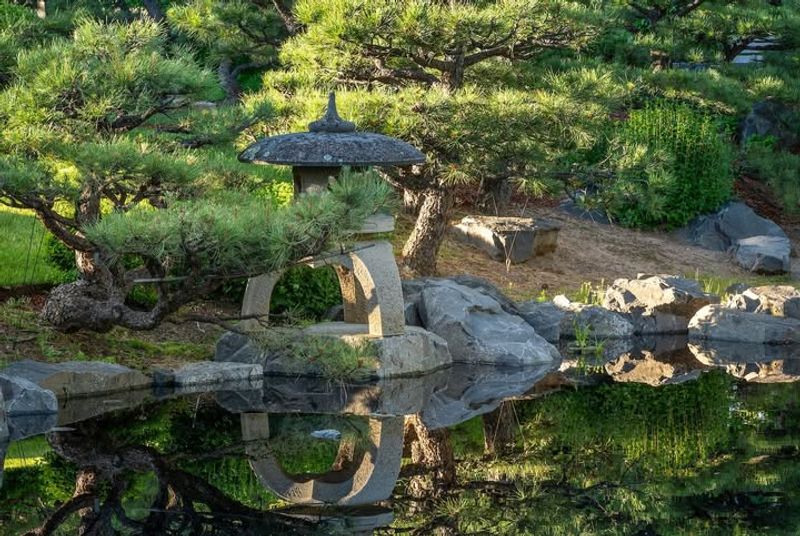
Stepping into the Japanese Garden transports you to another world where peace and balance reign supreme through carefully planned design elements throughout Colorado’s landscape.
Created with authentic materials imported from Japan, this space honors centuries-old traditions of Japanese garden design, including stone placements, water features, and plant selections.
The koi pond serves as the centerpiece, with colorful fish gliding gracefully beneath the surface while visitors pause to watch them swim in peaceful patterns.
Stone lanterns, carefully placed rocks, and a traditional tea house create an atmosphere of tranquility that invites quiet contemplation and mindful appreciation of natural beauty.
Pruned evergreens, Japanese maples, and bamboo groves provide structure and color throughout all four seasons, ensuring the garden remains visually stunning year-round in Denver.
Bridges arch over flowing water, inviting visitors to pause midway and observe reflections, ripples, and the interplay of light dancing across the pond’s calm surface.
This garden demonstrates how thoughtful design can create harmony between human-made structures and natural elements, offering lessons in balance and aesthetic beauty for everyone.
3. Native Colorado Plants Adapted To High Altitude
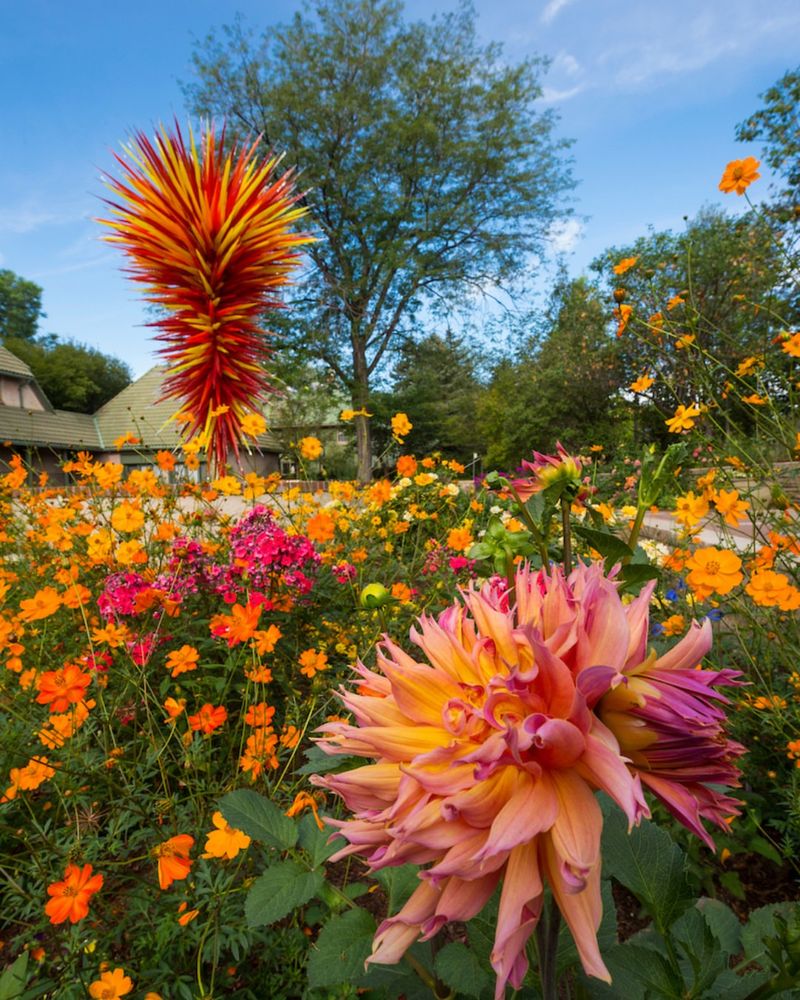
Colorado’s native plants have adapted to survive in challenging conditions, including intense sunlight, dry air, and dramatic temperature swings that occur throughout the seasons here.
The Denver Botanic Gardens showcases these tough, beautiful species in dedicated areas that celebrate the unique flora of the Rocky Mountain region and surrounding ecosystems.
Wildflowers like columbines, lupines, and Indian paintbrush burst into color during spring and summer, painting the landscape with vibrant hues that attract pollinators from everywhere.
Your Colorado Garden Changes Every Week. Your Plan Should Too.
Gardening in Colorado changes quickly throughout the season. Every Friday you’ll receive a simple weekly plan showing exactly what to plant, prune, fertilize, harvest, and protect so you never miss the right timing.
Native grasses sway gracefully in the breeze, demonstrating how plants can be both functional and beautiful while requiring minimal water and maintenance in Colorado climates.
Alpine plants from high mountain environments show how life adapts to extreme conditions, growing low to the ground to withstand harsh winds and cold temperatures above.
Learning about these native species helps gardeners understand which plants will thrive in their own Colorado yards, reducing water use and supporting local wildlife populations effectively.
The garden staff offers workshops and resources about native plant gardening, helping visitors become better stewards of Colorado’s natural environment and precious water resources statewide.
4. Breathtaking Glass Sculpture By Dale Chihuly
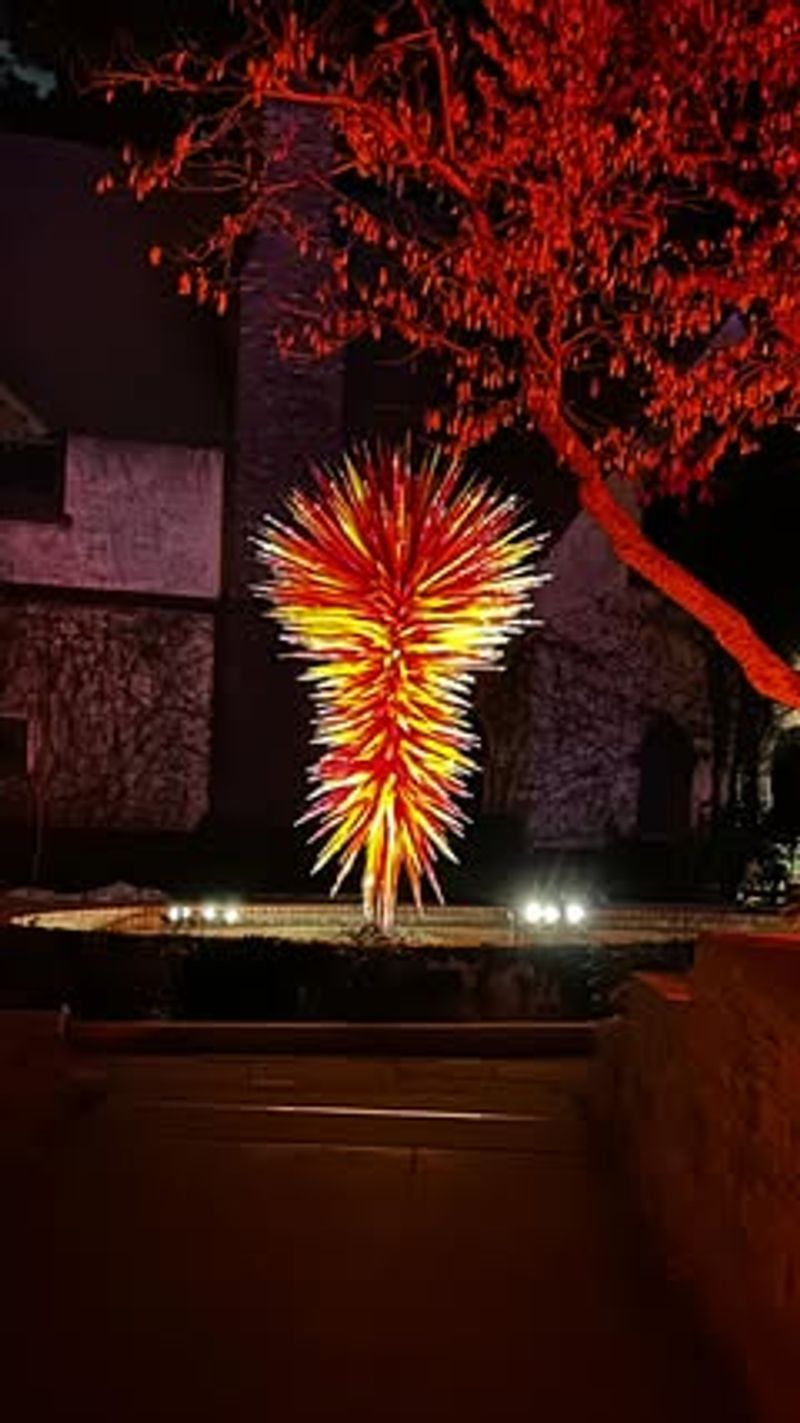
Art and nature blend seamlessly when colorful glass sculptures catch sunlight, creating magical moments that surprise and delight visitors exploring the gardens in beautiful Colorado.
World-renowned artist Dale Chihuly created stunning installations that complement the natural beauty of plants, adding human creativity to nature’s own artistic expressions throughout the space.
Vibrant blues, reds, yellows, and purples twist into organic shapes that seem to grow from the earth like fantastical flowers from another dimension or dream.
These permanent installations have become iconic features of the Denver Botanic Gardens, drawing art lovers and photographers from across the country to capture their beauty.
The way light passes through the glass changes throughout the day, creating different moods and colors that transform the viewing experience from morning until evening.
Children especially love these pieces, as they resemble giant flowers or sea creatures, sparking imagination and conversations about where art ends and nature begins everywhere.
The combination of living plants and glass art demonstrates how human creativity can enhance rather than compete with natural beauty, creating experiences greater than either alone.
5. Tropical Conservatory With Year-Round Warmth
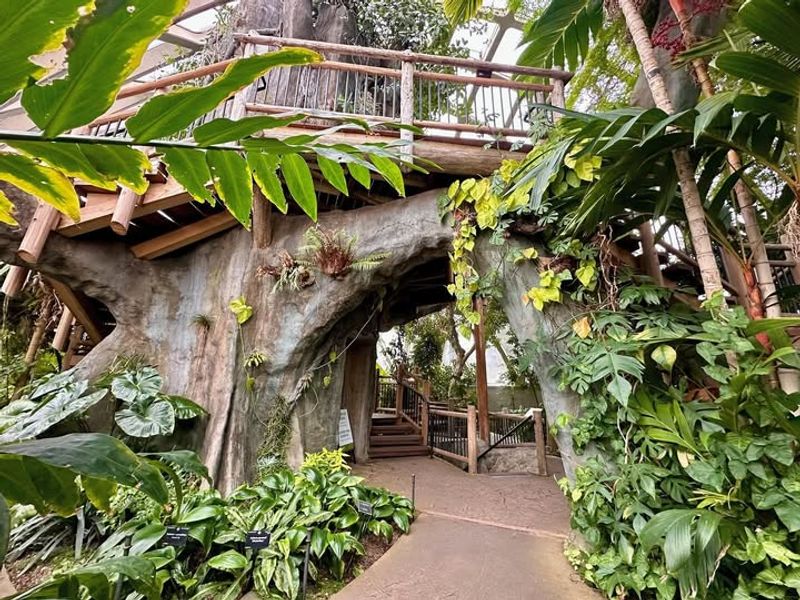
Even during Colorado’s coldest winter months, the tropical conservatory offers a warm escape where lush greenery and exotic blooms thrive in carefully controlled conditions inside.
Stepping through the doors feels like entering a rainforest, with humid air, the sound of trickling water, and the sweet fragrance of tropical flowers everywhere.
Towering palms reach toward the glass ceiling while orchids, bromeliads, and other epiphytes cling to branches, demonstrating how plants adapt to life in the canopy.
The conservatory maintains precise temperature and humidity levels year-round, creating an environment where tropical species from around the world can grow and bloom successfully in Denver.
Waterfalls and streams wind through the space, providing both visual beauty and the necessary moisture that tropical plants require to survive and flourish in this habitat.
Colorful birds occasionally make appearances, adding movement and sound to the experience, though the plants themselves remain the primary focus of this enchanting indoor garden.
Visiting the conservatory during winter provides a welcome break from cold weather, reminding us that spring will return and nature’s beauty continues regardless of outside conditions.
6. Specialized Gardens For Specific Plant Families
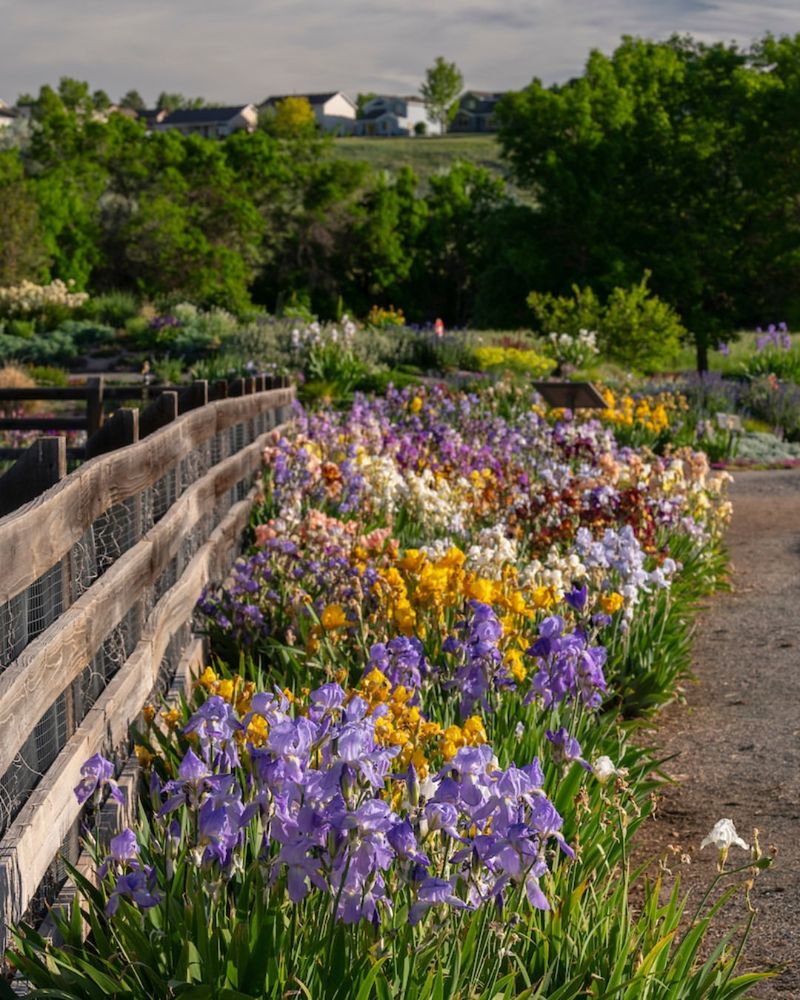
Plant enthusiasts appreciate how the gardens organize species into specialized areas, allowing deeper exploration of particular plant families and their unique characteristics throughout Colorado’s seasons.
The herb garden delights the senses with aromatic plants used for cooking, medicine, and fragrance, inviting visitors to touch leaves and experience scents firsthand.
A dedicated rose garden showcases hundreds of varieties, from classic hybrid teas to hardy shrub roses, demonstrating the incredible diversity within this beloved plant family.
Water gardens feature aquatic plants like lotus, water lilies, and marginal species that thrive where land meets water, creating ecosystems that support dragonflies and frogs.
The rock alpine garden displays plants from mountainous regions worldwide, showing how species adapt to rocky, well-drained soils and intense sunlight at high elevations everywhere.
Each specialized garden includes informative displays explaining plant care, historical uses, and ecological relationships, turning casual visitors into informed plant lovers over time in Denver.
These focused collections allow people to develop expertise in specific plant groups, whether they’re interested in growing herbs at home or simply appreciating roses’ beauty.
7. Educational Programs For All Ages Year-Round

Learning opportunities abound at the gardens, with classes, workshops, and programs designed to spark curiosity and deepen understanding of plants and ecosystems in Colorado.
Children’s programs introduce young people to gardening, plant science, and environmental stewardship through hands-on activities that make learning fun and memorable for everyone participating today.
Adult classes cover topics ranging from basic gardening techniques to advanced horticultural practices, helping both beginners and experienced gardeners improve their skills and knowledge continuously.
Expert instructors share decades of experience growing plants in Colorado’s challenging climate, offering practical advice that participants can immediately apply in their own gardens at home.
Seasonal workshops focus on timely topics like spring planting, summer water conservation, fall bulb planting, and winter garden planning, keeping content relevant throughout the entire year.
School groups visit regularly, with curriculum-aligned programs that connect classroom learning to real-world applications, making science and environmental education engaging and tangible for students everywhere.
The gardens also host lectures by visiting experts, plant sales, and special events that bring the community together around shared interests in plants and nature.
8. Sustainable Practices That Protect The Environment
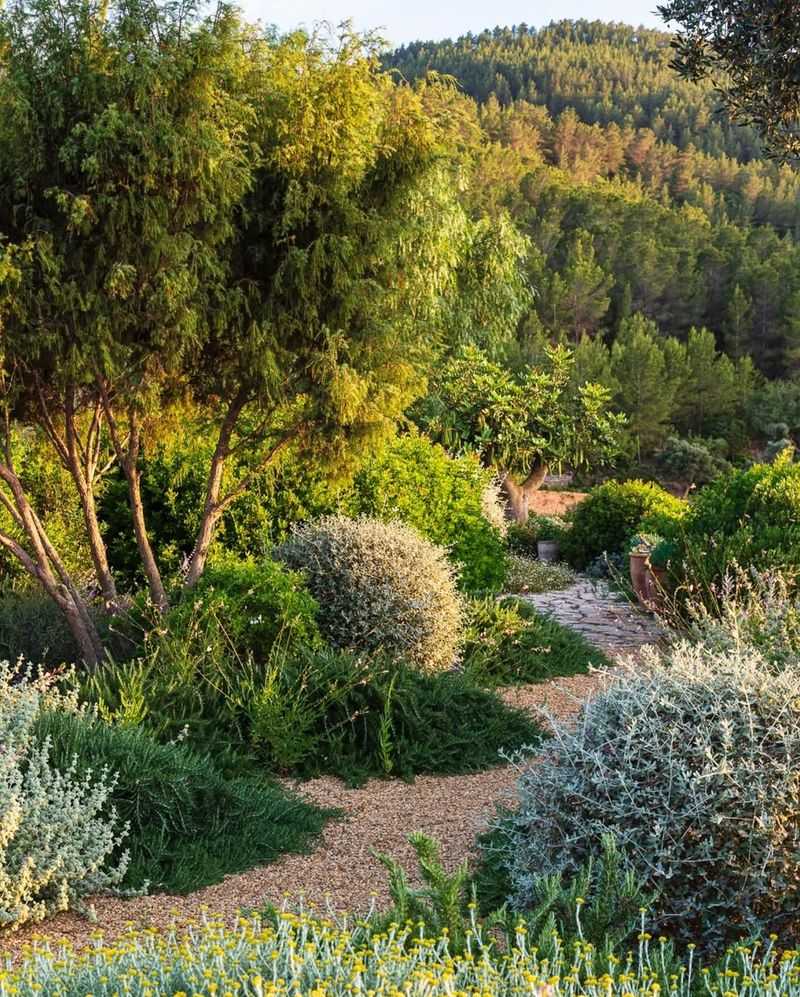
Environmental responsibility guides every decision at the gardens, from water conservation to composting, demonstrating how beauty and sustainability can work together in Colorado landscapes successfully.
Drip irrigation systems deliver water directly to plant roots, minimizing waste and ensuring each plant receives exactly what it needs without excess runoff or evaporation.
Compost created from garden waste returns nutrients to the soil, completing natural cycles and reducing the need for synthetic fertilizers that can harm surrounding ecosystems.
Integrated pest management strategies prioritize natural predators and biological controls over chemical pesticides, protecting beneficial insects and maintaining ecological balance throughout the entire garden space.
Native plants require less water and maintenance than exotic species, demonstrating landscape choices that conserve resources while supporting local wildlife populations like birds and butterflies everywhere.
Solar panels and energy-efficient systems reduce the gardens’ carbon footprint, showing visitors that large public spaces can operate sustainably without sacrificing beauty or educational value.
These practices serve as models for home gardeners, proving that anyone can make environmentally responsible choices that benefit both their gardens and the broader environment.
9. Stunning Seasonal Displays Throughout The Year
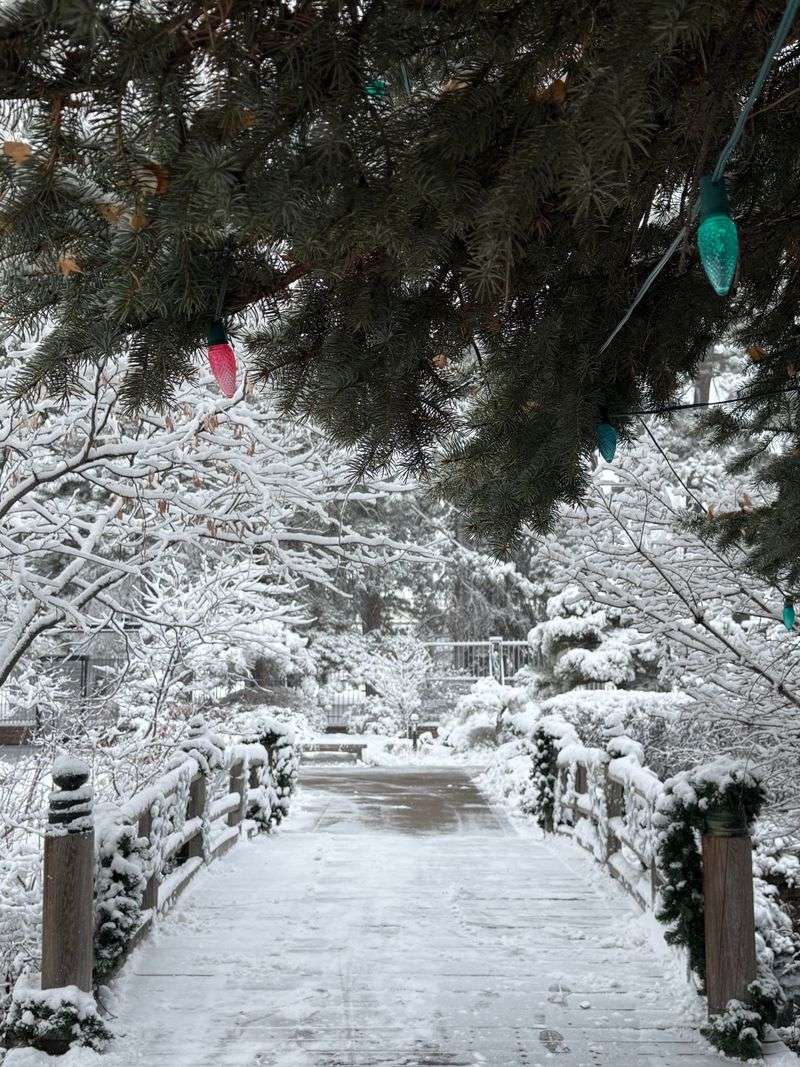
Nature’s calendar unfolds beautifully at the gardens, with each season bringing distinct colors, textures, and experiences that keep visitors returning throughout the entire year in Colorado.
Spring explodes with color as tulips, daffodils, and flowering trees burst into bloom, signaling the end of winter and the beginning of growth and renewal.
Summer brings lush greenery and waves of perennial flowers, with something new blooming every week, creating ever-changing displays that reward frequent visits to the gardens.
Autumn transforms the landscape with golden aspens, red maples, and ornamental grasses, while late-blooming flowers add final splashes of color before winter’s arrival soon.
Even winter has its beauty, with evergreen structures, interesting bark, seed heads, and occasional snows that transform the gardens into a peaceful, contemplative space in Denver.
Seasonal events and displays, like pumpkin festivals in fall or light displays in winter, add festive elements that make the gardens relevant year-round for families.
This continuous change demonstrates that gardens are never static but constantly evolving, offering new discoveries and experiences with every visit regardless of when you arrive.
10. Peaceful Spaces For Reflection And Relaxation
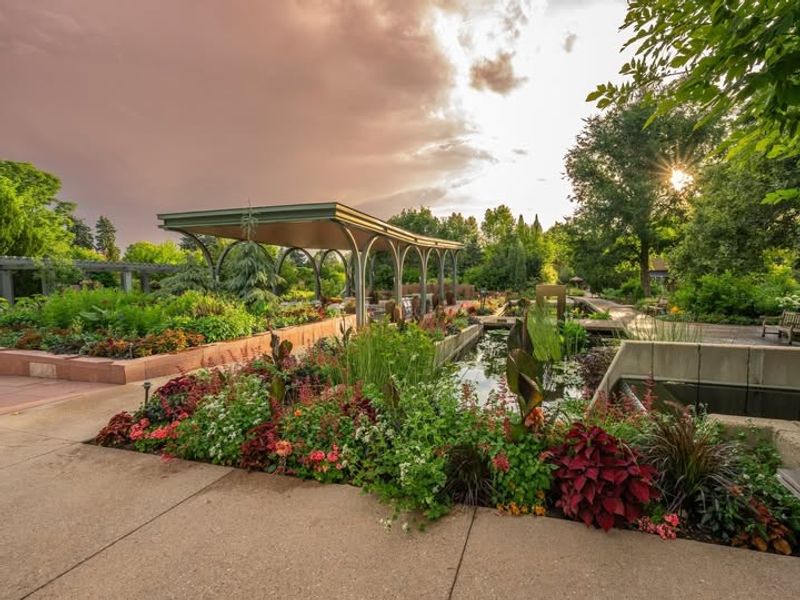
Beyond education and beauty, the gardens offer something increasingly rare in modern life: quiet spaces where people can slow down and simply exist peacefully in Colorado.
Benches placed throughout the grounds invite visitors to sit, observe, and let the stresses of daily life fade away surrounded by nature’s calming presence everywhere.
The sound of water features, birdsong, and rustling leaves creates a natural soundtrack that soothes the mind and helps people reconnect with themselves and nature.
Walking the paths at your own pace, without rushing, allows for mindful observation of details often missed in our hurried lives outside these peaceful garden walls.
Many visitors come not just to see plants but to find mental and emotional restoration, using the gardens as a refuge from urban noise and chaos.
The gardens recognize this need, creating spaces specifically designed for quiet contemplation, meditation, and personal reflection throughout the entire property in Denver today.
In our busy world, having access to such peaceful places reminds us that taking time to pause, breathe, and appreciate beauty is essential for wellbeing.