The Composting Changes Vermont Gardeners Must Handle This Winter
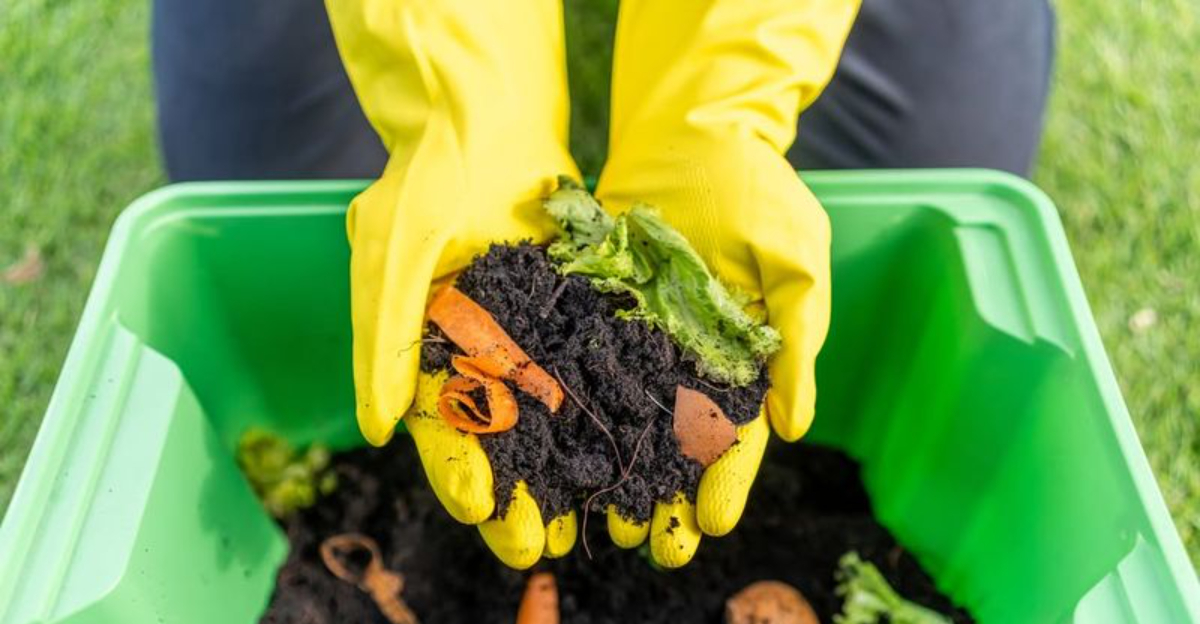
Composting changes this winter push Vermont gardeners to adjust routines by adding new sorting steps, updated rules and simple habits that keep winter compost healthy and effective.
I like how these shifts encourage people to watch moisture levels, check bin temperatures and mix materials carefully so their compost stays active during colder weeks.
Many gardeners feel confident handling these updates because clear guidelines, supportive workshops, community reminders and steady practice make winter composting easier and more manageable across Vermont.
1. Insulating Your Compost Bin
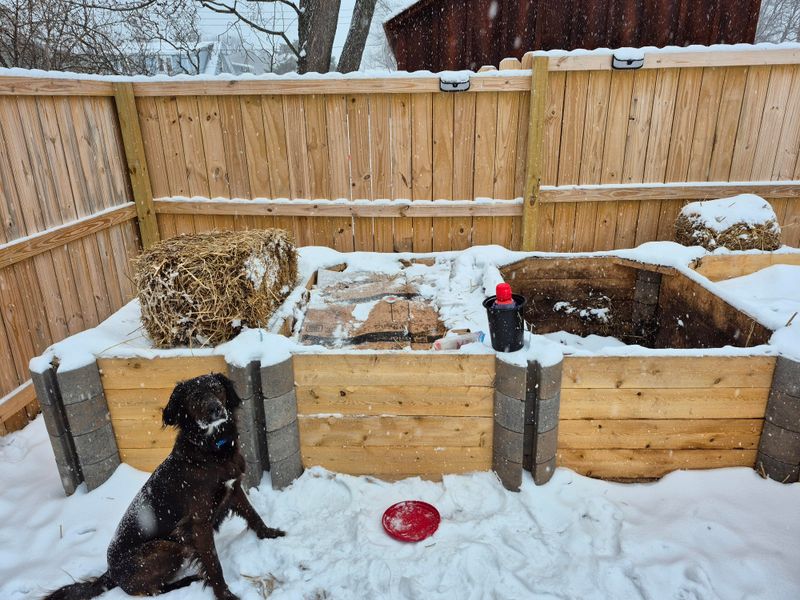
Keeping your compost warm during Vermont winters means adding extra layers of insulation to trap heat generated by decomposing organic matter inside the pile.
Straw bales stacked around the bin create excellent barriers against frigid winds that sweep across the state from Canada during January and February months.
Old blankets or tarps draped over the top prevent heat from escaping while still allowing some air circulation for the beneficial bacteria working inside.
Black plastic sheeting absorbs solar energy on sunny days and transfers warmth downward into the compost materials below the surface layer of browns.
Vermont gardeners often use leaves raked in autumn as natural insulation by piling them thickly around the bin exterior walls for protection.
Even a thick layer of finished compost placed on top acts as a thermal blanket keeping the active zone warmer than outside air.
Insulation makes the difference between a frozen inactive pile and one that continues breaking down kitchen scraps throughout the coldest season in Vermont.
2. Switching to Smaller Food Scraps

Chopping food waste into smaller pieces before adding them to your bin speeds up decomposition when microbial activity slows during Vermont winter conditions.
Smaller particles have more surface area exposed to bacteria and fungi which means they break down faster even in cold temperatures below freezing.
Carrot peels and apple cores should be cut into half-inch pieces rather than tossed in whole to ensure they decompose before spring arrives.
Vermont composters who take time to chop scraps find their bins stay more active and produce usable compost sooner than those using large chunks.
A kitchen knife or food processor makes quick work of preparation and the extra few minutes save weeks of waiting for decomposition later.
Frozen food scraps should be chopped before freezing or after thawing to make them easier for microorganisms to consume during winter months ahead.
This simple adjustment keeps your compost pile productive even when temperatures in Vermont hover around zero degrees Fahrenheit for extended periods of time.
3. Adjusting Your Carbon to Nitrogen Ratio
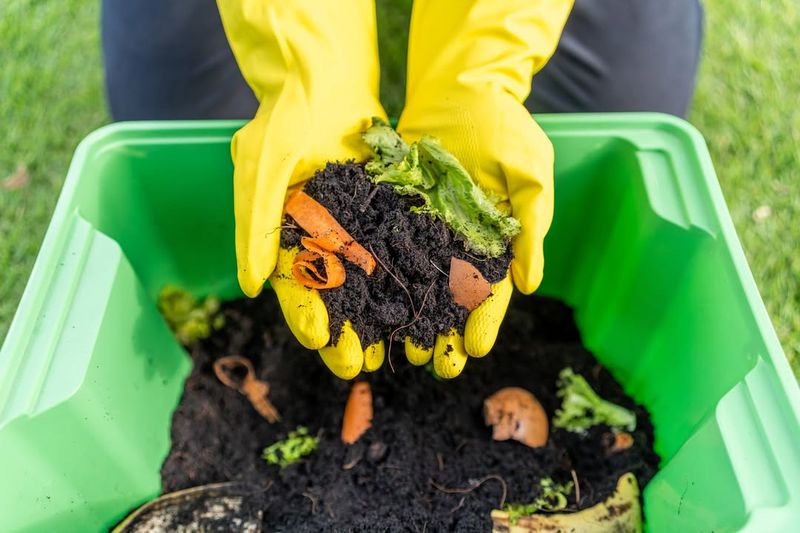
Balancing brown carbon-rich materials with green nitrogen-rich scraps becomes more important during Vermont winters when decomposition rates drop significantly below normal summer speeds.
Adding extra brown materials like shredded newspaper or dry leaves helps absorb moisture from kitchen scraps that might otherwise freeze into solid blocks.
Vermont gardeners should aim for a ratio closer to thirty parts carbon to one part nitrogen during winter compared to summer ratios.
Too much nitrogen from vegetable scraps without enough browns creates a soggy mess that freezes solid and stops decomposing until warmer weather returns.
Dried leaves collected in autumn provide perfect carbon sources and Vermont has plenty of maple and oak leaves available for composters each fall.
Shredded cardboard from shipping boxes works wonderfully as a carbon layer and most households accumulate plenty during the holiday season in December.
Proper ratios keep your pile from becoming waterlogged or smelly and maintain the right environment for microbes to work through cold Vermont months.
4. Reducing Moisture Levels
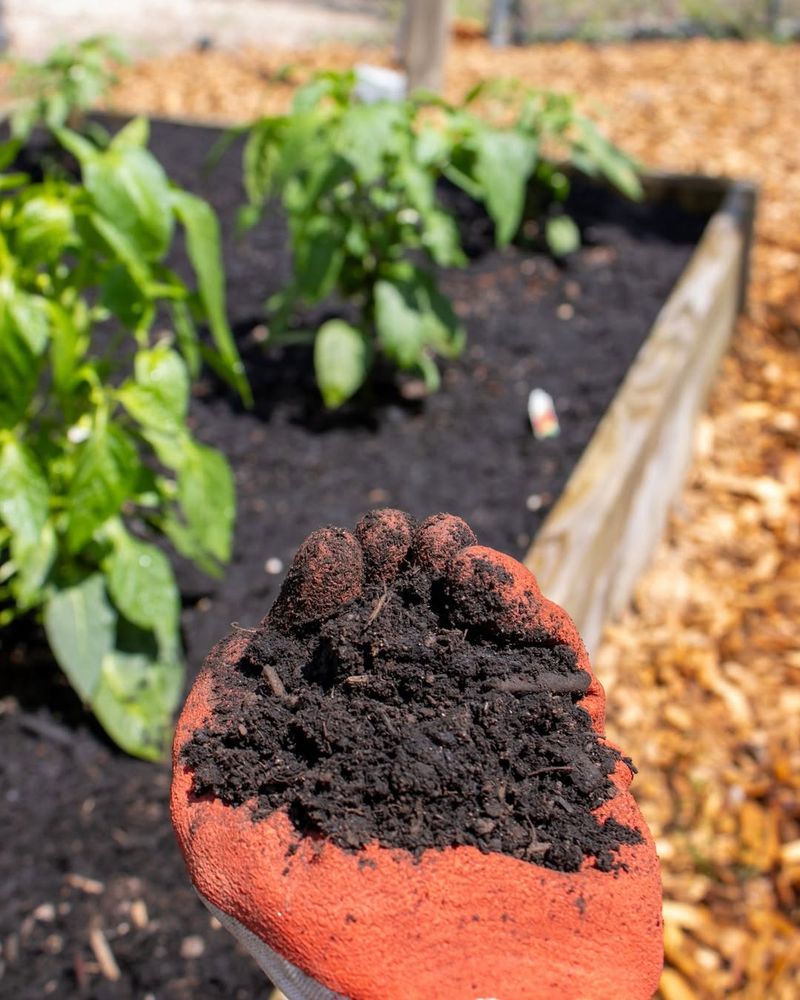
Excess moisture in compost bins freezes solid during Vermont winters and creates ice blocks that prevent air circulation and stop all decomposition activity completely.
Keeping your pile slightly drier than summer consistency helps prevent freezing while still maintaining enough dampness for microbial life to continue working slowly.
Vermont composters should add more dry leaves or shredded paper between layers of wet kitchen scraps to absorb extra liquid before it freezes.
A properly moistened winter compost pile should feel like a wrung-out sponge when squeezed rather than dripping water from your hand afterward.
Snow melting on top of bins adds unwanted moisture so covering your pile with a waterproof tarp keeps precipitation from soaking into materials.
Frozen compost becomes impossible to turn or aerate until spring thaw arrives in Vermont usually around late March or early April each year.
Managing moisture levels prevents your compost from turning into a useless frozen block and keeps decomposition happening even at reduced winter speeds throughout.
5. Creating a Stockpile System
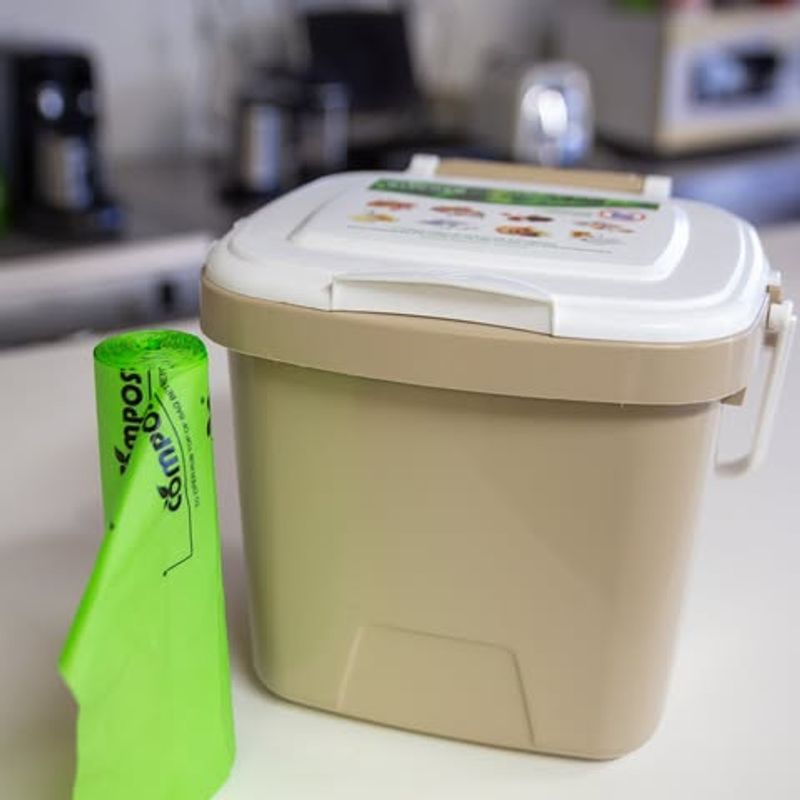
Many Vermont gardeners find success by collecting kitchen scraps indoors during the coldest months and adding them to compost when temperatures moderate slightly.
A covered bucket or bin stored in a garage or mudroom holds food waste until you have enough to justify a trip outside.
Freezing scraps in sealed containers prevents odors and keeps materials fresh until you can transport them to the outdoor compost pile safely outside.
Vermont winters make daily trips to the compost bin unpleasant when temperatures plunge below zero and snow drifts block paths to the backyard.
Stockpiling allows you to add larger amounts at once which generates more heat through decomposition and helps maintain pile temperature during cold snaps.
Some composters in Vermont keep a small indoor worm bin for winter months and transfer finished castings to outdoor piles when spring arrives.
This system reduces the number of trips through snow and ice while ensuring kitchen waste continues contributing to your compost supply for gardens.
6. Limiting Turning Frequency
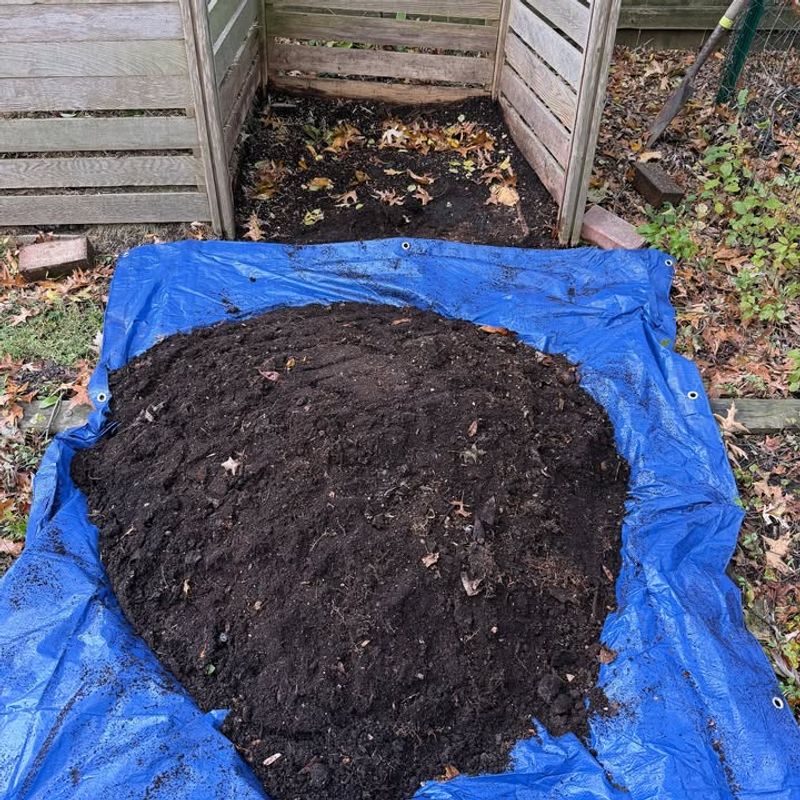
Turning your compost pile frequently during Vermont winters releases precious heat and exposes warm interior materials to freezing air temperatures that halt decomposition immediately.
The heat generated by microbial activity in the pile center stays trapped when you leave the compost undisturbed throughout the coldest winter months.
Vermont composters should turn their piles only once every four to six weeks during winter compared to weekly turning during summer growing seasons.
A compost thermometer inserted into the pile center tells you if decomposition continues without disturbing the insulating outer layers protecting the warm core.
When you must turn the pile add fresh materials to the center where heat concentrates and leave the outer layers intact as insulation.
Frozen outer layers actually help by creating a barrier that traps warmth inside much like an igloo protects against Vermont winter cold effectively.
Reducing turning frequency keeps your compost warmer and more active even when snow covers the ground and temperatures stay below freezing for weeks.
7. Protecting Access Paths

Maintaining clear paths to your compost bin ensures you can continue adding materials throughout Vermont winters without struggling through deep snow drifts daily.
Shoveling a walkway after each snowfall takes only minutes but prevents you from abandoning your composting routine when weather turns harsh and unpleasant.
Vermont gardeners who keep paths clear find they maintain better composting habits and produce more finished compost ready for spring planting than those who stop.
Laying down wooden boards or stepping stones before winter arrives creates a stable surface that stays accessible even under several inches of fresh snow.
Salt or sand sprinkled on icy paths prevents dangerous slips and falls when temperatures fluctuate and melt-freeze cycles create treacherous conditions outside homes.
Placing your compost bin closer to the house before winter makes access easier but ensure it stays far enough away to avoid attracting animals.
Easy access means you continue feeding your compost pile regularly which maintains microbial populations and keeps decomposition active throughout the long Vermont winter season.
8. Adding Finished Compost as a Starter
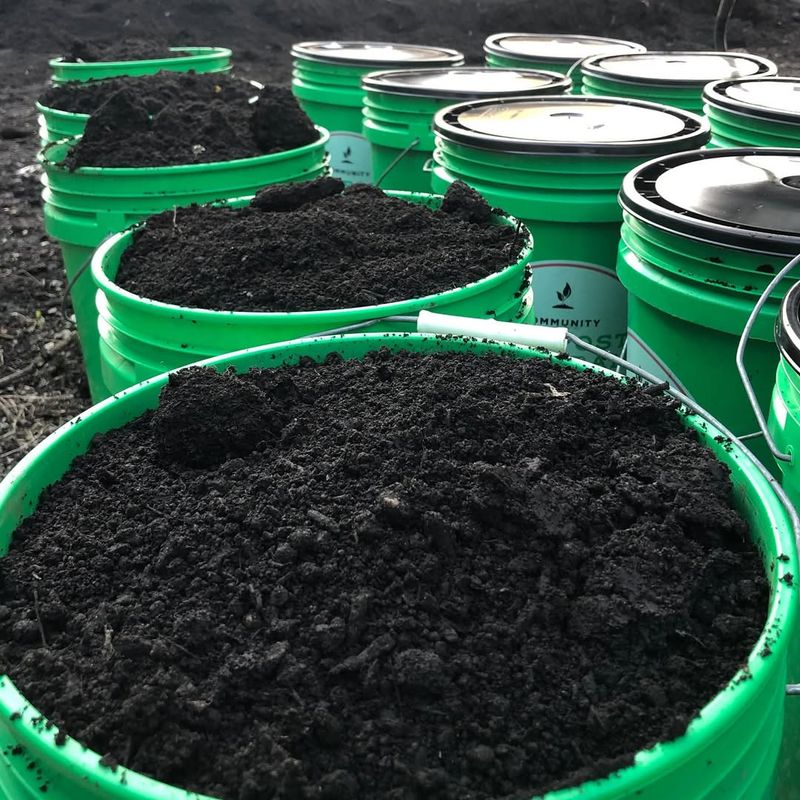
Mixing finished compost from previous batches into fresh materials introduces beneficial microorganisms that jumpstart decomposition even in cold Vermont winter temperatures below freezing points.
These established bacterial colonies adapt to winter conditions faster than new populations trying to colonize raw kitchen scraps added to the pile alone.
Vermont composters should add one shovel of finished compost for every three shovels of fresh materials during winter months for best decomposition results.
The dark color of finished compost also absorbs more solar heat on sunny days and warms the surrounding materials faster than light-colored fresh scraps.
Think of finished compost as a sourdough starter for your pile providing the living ingredients needed to keep the decomposition process active continuously.
Even compost that froze solid during previous Vermont winters contains dormant microbes that reactivate when mixed with fresh food waste and moisture inside.
This technique significantly improves winter composting success rates and helps produce usable compost faster than relying on naturally occurring bacteria to colonize new materials.
9. Planning for Spring Thaw
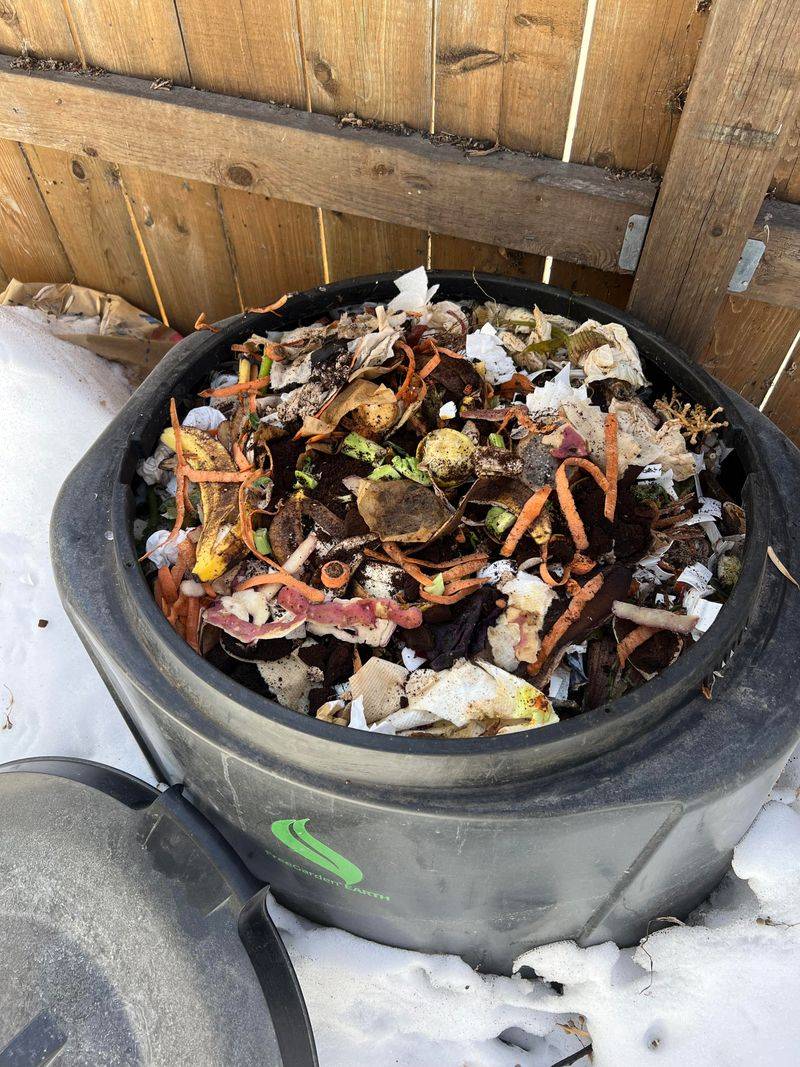
Understanding that your Vermont compost pile will likely freeze solid during the coldest months helps you plan for a productive spring thaw and restart.
Materials added during winter will decompose rapidly once temperatures rise above freezing and microbial activity resumes at normal levels in March or April.
Vermont gardeners should prepare to turn their piles thoroughly once the ground thaws to incorporate frozen outer layers with the active center core.
Adding fresh green materials like grass clippings from the first spring mowing provides nitrogen that accelerates decomposition of winter accumulation waiting in piles.
The freeze-thaw cycle actually helps break down tough plant materials by rupturing cell walls making them easier for microorganisms to consume and process quickly.
Planning ahead means having space available for increased compost volume when everything thaws and expands with moisture from melting snow and ice.
Vermont composters who anticipate spring changes find their patience during winter months rewards them with abundant finished compost ready for garden beds soon.