7 Reasons Why Arizona Gardeners Add Coffee Grounds Around Their Plants In December

December brings cooler air to Arizona gardens, but many gardeners stay ahead of the curve by reaching for an everyday leftover from the kitchen.
Coffee grounds often find their way back to the soil, turning a morning habit into a useful garden boost.
In a desert climate, every small advantage counts, and this simple practice has earned its place in winter routines.
Gardeners like how coffee grounds help improve soil texture and keep moisture from slipping away too fast under dry skies.
The practice also feels practical and resourceful, making use of something that might otherwise end up in the trash.
As plant growth slows down in December, the focus shifts to protecting roots and setting the stage for stronger performance later on.
Coffee grounds quietly do that job beneath the surface, adding organic matter and supporting healthier soil over time.
Many Arizona gardeners enjoy the rhythm of it all, taking care of plants even during a slower season.
A warm cup of coffee in hand and a cool garden outside create a balance that feels just right for winter gardening.
1. Soil Temperature Regulation During Cool Desert Nights

Coffee grounds create a protective layer that helps moderate soil temperature fluctuations common during Arizona December nights.
When temperatures drop significantly after sunset in places like Scottsdale and Mesa, plant roots can experience stress from sudden cold snaps.
A layer of used coffee grounds acts as insulation, keeping the soil warmer than exposed ground would be.
This natural blanket prevents roots from experiencing shock when temperatures plummet into the low forties or even thirties.
Desert gardeners particularly appreciate how coffee grounds retain heat absorbed during sunny December days.
The dark color of the grounds attracts and holds warmth from the sun, releasing it slowly as evening approaches.
This gradual temperature transition protects tender plants that might otherwise struggle with Arizona’s dramatic day-to-night temperature swings.
Tomatoes, peppers, and herbs benefit tremendously from this buffering effect during December’s unpredictable weather patterns.
Arizona gardeners typically apply a one-inch layer of dried coffee grounds around plant bases for optimal insulation.
Fresh grounds work too, but dried ones spread more evenly and won’t clump together when morning dew settles.
The insulating properties last several weeks before needing replenishment, making this a low-maintenance solution for busy gardeners.
Many Tucson gardeners save their grounds throughout November to have enough material ready when December arrives.
This temperature regulation becomes especially important for cool-season vegetables planted in Arizona fall gardens.
Lettuce, spinach, and broccoli thrive in December’s mild days but need protection from occasional frost events.
Coffee grounds provide that extra safety margin without requiring expensive row covers or heating systems.
2. Natural Nitrogen Boost For Winter Vegetables
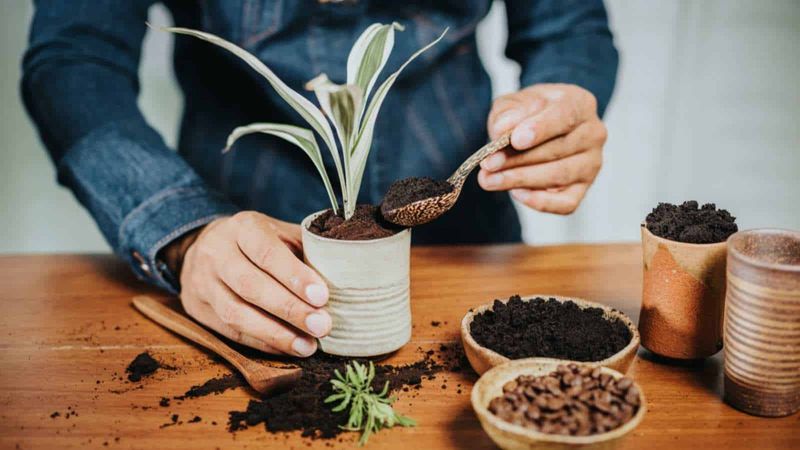
Winter vegetable gardens across Arizona receive a gentle nitrogen supplement when gardeners sprinkle coffee grounds around growing plants in December.
Nitrogen supports leafy growth, which is exactly what cool-season crops like kale, chard, and lettuce need during their prime growing period.
Unlike synthetic fertilizers that can overwhelm delicate plants, coffee grounds release nutrients slowly as they decompose.
Your Arizona Garden Changes Every Week. Your Plan Should Too.
Gardening in Arizona changes quickly throughout the season. Every Friday you’ll receive a simple weekly plan showing exactly what to plant, prune, fertilize, harvest, and protect so you never miss the right timing.
This gradual feeding matches perfectly with how winter vegetables grow in Arizona’s December climate.
Gardeners in Chandler and Gilbert have discovered that coffee grounds improve the deep green color of leafy vegetables within just two weeks of application.
The nitrogen content in used coffee grounds ranges from one to two percent, which sounds small but accumulates effectively over time.
December applications give plants a steady nutrient stream that continues working through January and February.
This timing aligns beautifully with the growth cycle of vegetables planted in Arizona fall gardens.
Coffee grounds also contain small amounts of phosphorus and potassium, creating a balanced organic fertilizer.
These secondary nutrients support root development and overall plant health without the harsh chemical burn risk associated with commercial products.
Arizona soil often lacks organic matter, so adding coffee grounds addresses multiple deficiencies simultaneously.
The grounds improve soil structure while feeding plants, making them doubly valuable for desert gardeners.
Many Phoenix-area gardeners mix coffee grounds into the top inch of soil around established plants rather than just spreading them on the surface.
This incorporation speeds up decomposition and makes nitrogen available more quickly.
December’s cooler temperatures slow breakdown compared to summer, but the process still delivers nutrients throughout the winter growing season.
3. Improved Water Retention In Sandy Desert Soil
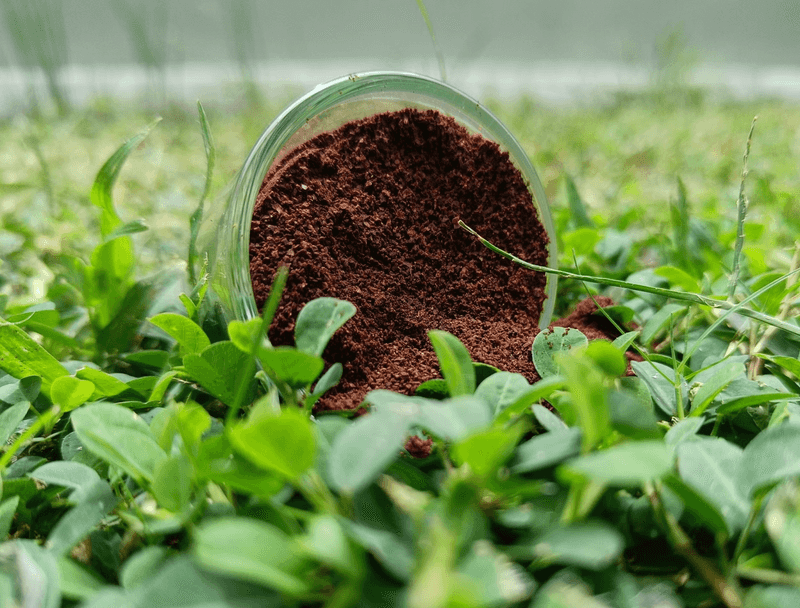
Sandy Arizona soil struggles to hold moisture, but coffee grounds dramatically improve water retention when mixed into garden beds during December.
Desert gardeners constantly battle with soil that drains too quickly, forcing them to water more frequently than they’d prefer.
Used coffee grounds absorb and hold water like tiny sponges, releasing moisture gradually to plant roots over time.
This property becomes especially valuable during December when gardeners want to reduce watering frequency as temperatures cool.
The organic matter in coffee grounds creates spaces in soil structure where water can collect temporarily.
As grounds decompose throughout December and beyond, they transform into humus that permanently improves soil’s moisture-holding capacity.
Gardeners in Tempe and Peoria notice that beds amended with coffee grounds stay damp longer after watering compared to untreated areas.
This means less frequent irrigation, lower water bills, and reduced effort during the busy holiday season.
December represents an ideal time for Arizona gardeners to build better soil for spring planting while maintaining current winter crops.
Adding coffee grounds now gives them several months to break down before summer heat arrives.
The improved water retention will prove invaluable when temperatures soar and every drop of moisture counts.
Many experienced desert gardeners view December coffee ground applications as preparation for future success.
Coffee grounds mixed with Arizona’s native caliche-heavy soil create a more balanced growing medium.
The grounds lighten dense clay components while adding substance to overly sandy areas.
This texture improvement allows water to penetrate deeper rather than running off the surface.
Roots can access moisture stored lower in the soil profile, making plants more drought-tolerant overall.
4. Attracting Beneficial Earthworms To Garden Beds
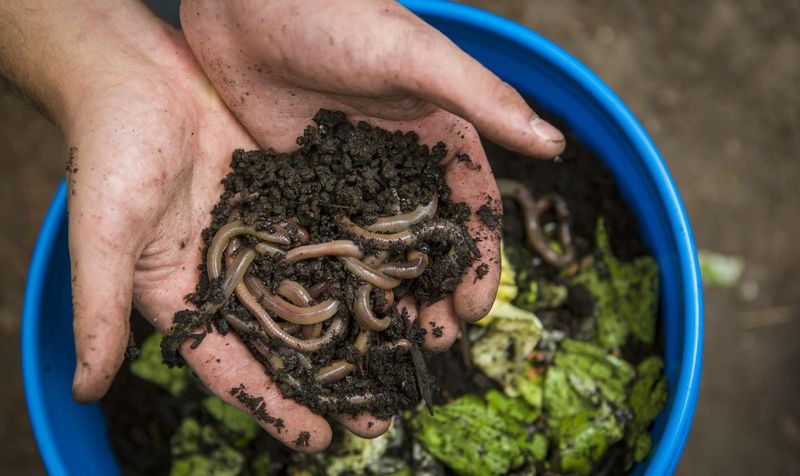
Earthworms love coffee grounds, and their presence transforms Arizona garden soil into a thriving underground ecosystem during December.
While desert soil naturally contains fewer worms than regions with higher rainfall, adding coffee grounds creates an irresistible food source that draws these beneficial creatures to your garden.
Worms consume decomposing grounds along with surrounding soil, creating nutrient-rich castings that dramatically improve plant health.
December’s cooler, damper conditions in Arizona encourage earthworm activity, making this the perfect month for coffee ground applications.
Gardeners throughout the Phoenix metropolitan area report increased earthworm populations within weeks of starting regular coffee ground applications.
These hardworking creatures tunnel through soil, creating channels that improve aeration and water infiltration.
Their castings contain five times more nitrogen, seven times more phosphorus, and eleven times more potassium than surrounding soil.
This natural fertilizer factory operates continuously beneath the surface, requiring no effort from the gardener once worms establish themselves.
Coffee grounds provide both food and favorable habitat conditions that keep earthworms active in Arizona gardens.
The grounds retain moisture that worms need to survive, creating damp pockets even in relatively dry desert soil.
December’s moderate temperatures allow worms to work near the surface where coffee grounds concentrate.
Summer heat would drive them deeper underground, but winter conditions keep them actively processing organic matter right where plants need it most.
Many Arizona gardeners combine coffee grounds with other organic materials like shredded leaves to create an earthworm paradise.
This mixture provides varied nutrition and creates the loose, crumbly soil structure that both worms and plant roots prefer.
Tucson gardeners particularly appreciate how earthworm activity reduces soil compaction common in desert landscapes.
5. Deterring Common December Garden Pests Naturally
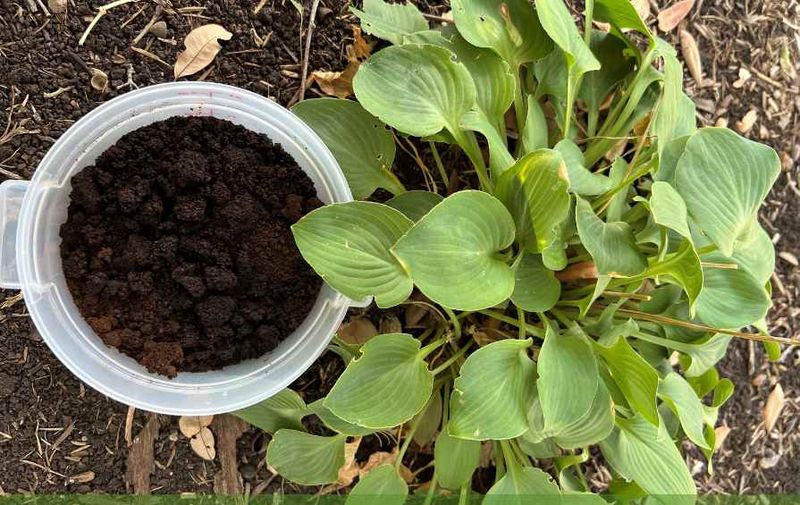
Certain garden pests avoid areas treated with coffee grounds, giving Arizona gardeners a natural deterrent during December’s active growing season.
Slugs and snails, which become more active during Arizona’s cooler, damper winter months, dislike crossing the gritty texture of dried coffee grounds.
The caffeine content also repels these soft-bodied creatures, creating a protective barrier around vulnerable plants.
December vegetable gardens in Arizona often suffer from slug damage on tender lettuce and young seedlings, making coffee grounds a timely solution.
Cats sometimes use garden beds as litter boxes, but they typically avoid areas where coffee grounds have been spread.
The strong aroma and texture deter digging behavior that can damage plant roots or disturb seeds.
Arizona gardeners in suburban areas where neighborhood cats roam freely find this benefit particularly valuable.
December plantings need protection while establishing roots, and coffee grounds provide that security without harmful chemicals or unsightly fencing.
Some gardeners believe coffee grounds deter ants, though research on this remains mixed.
Arizona faces significant ant populations year-round, including December when cooler weather doesn’t slow these persistent insects.
Many Mesa and Glendale gardeners report fewer ant mounds in beds treated regularly with coffee grounds.
Whether this results from changed soil chemistry, disrupted scent trails, or simple physical interference remains unclear, but the practical benefit exists regardless of the mechanism.
Fire ants, a serious concern in some Arizona regions, may be less attracted to areas with heavy coffee ground applications.
These aggressive insects can damage plants and pose risks to gardeners working in affected beds.
Any natural deterrent that reduces fire ant presence deserves consideration.
December applications establish a protective layer before spring when ant activity increases dramatically across the desert Southwest.
6. Balancing Alkaline Soil pH Levels Gradually
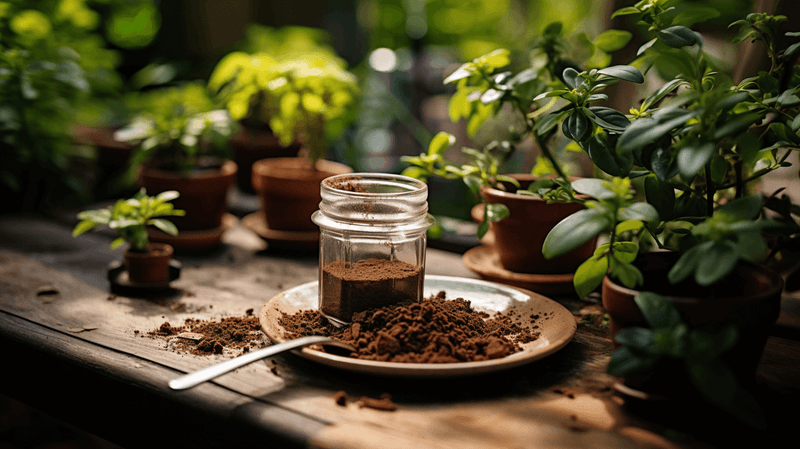
Arizona soil typically runs alkaline with pH levels between 7.5 and 8.5, but coffee grounds help lower these numbers gradually toward the neutral range most vegetables prefer.
Acidic-loving plants like blueberries, azaleas, and roses particularly benefit from coffee ground applications, though most vegetables also grow better in slightly acidic to neutral soil.
December provides an excellent opportunity for Arizona gardeners to begin pH adjustment since cooler temperatures and occasional rain help incorporate grounds into the soil.
The acidic nature of coffee grounds works slowly, preventing the dramatic pH swings that can stress plants.
Used coffee grounds have a pH around 6.5 to 6.8, making them mildly acidic rather than extremely so.
This gentle acidity won’t shock plants or create sudden nutrient availability problems.
Arizona gardeners in areas with particularly alkaline water appreciate having a natural pH buffer working in their soil.
December applications have several months to influence soil chemistry before summer heat and increased watering potentially raise pH levels again.
The grounds continue releasing mild acidity as they decompose, providing long-term benefits beyond the initial application.
Soil pH affects nutrient availability, with many essential elements becoming locked up in highly alkaline conditions.
Iron deficiency chlorosis, common in Arizona landscapes, often results from alkaline soil preventing iron uptake rather than actual iron shortage.
Lowering pH even slightly can unlock these nutrients, making them accessible to plant roots.
Coffee grounds contribute to this process while simultaneously adding organic matter that improves overall soil health.
Gardeners should avoid applying coffee grounds around plants that prefer alkaline conditions, though few common vegetables fall into this category.
Most Arizona winter crops like broccoli, cabbage, and spinach tolerate or even prefer the slightly lower pH that coffee grounds create.
7. Reducing Garden Waste Through Sustainable Recycling
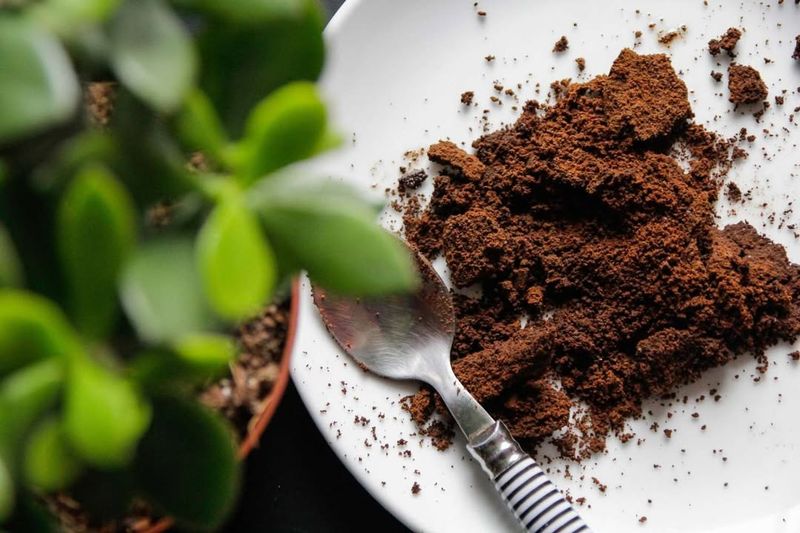
Using coffee grounds in December gardens keeps valuable organic material out of Arizona landfills while improving soil quality.
Americans throw away millions of pounds of coffee grounds annually, wasting a resource that gardens desperately need.
Arizona gardeners who compost or directly apply coffee grounds reduce their household waste while creating healthier growing environments.
December represents a time when many people drink extra coffee during holiday gatherings, generating more grounds than usual.
Redirecting this material to the garden makes environmental and practical sense.
Local coffee shops in Phoenix, Tucson, and other Arizona cities often provide used grounds free to gardeners who ask.
Many establishments accumulate large quantities daily and appreciate having an eco-friendly disposal option.
December holiday shopping trips can include stops at coffee shops to collect bags of grounds for the garden.
This community resource helps gardeners access more material than their personal coffee consumption produces, allowing larger-scale soil improvement projects.
Sustainable gardening practices matter increasingly as Arizona faces water scarcity and environmental challenges.
Coffee grounds represent a closed-loop system where a kitchen byproduct becomes a garden input, which eventually produces food that returns to the kitchen.
December applications fit naturally into this cycle, preparing soil for spring planting while utilizing current waste streams.
Many Arizona gardeners view coffee ground recycling as part of their broader commitment to environmental stewardship.
Children can participate in collecting and applying coffee grounds, learning valuable lessons about waste reduction and composting.
December school breaks provide opportunities for family gardening projects that teach sustainability concepts.
Watching coffee grounds transform into rich soil over several months demonstrates decomposition and nutrient cycling in tangible ways.
These hands-on experiences create lasting environmental awareness that extends far beyond the garden bed.