5 Things To Do If A Fox Appears In Your Michigan Yard And 3 Things To Avoid

Spotting a fox in your Michigan yard can feel like seeing a ghost at noon.
One second all is calm, the next a russet blur slips along the fence line like it owns the place.
Foxes are sharp as a tack and always on the lookout for an easy meal, and their surprise visits can leave homeowners scratching their heads.
This kind of encounter is not cause for panic, but it should not be brushed off either.
The way you react can make all the difference between a one-time sighting and a regular houseguest.
Some people rush in with bad advice and old tales, while others sit on their hands and hope the problem sorts itself out.
Both paths can lead to more trouble than peace of mind.
Michigan yards offer plenty of temptations for wildlife, from pet food to cozy hiding spots.
A few smart choices can send a clear message that your yard is off-limits, while the wrong moves can roll out the welcome mat.
Knowing what works and what backfires helps you stay one step ahead.
With the right approach, you can protect your space, keep pets safe, and avoid turning a wild visit into a lasting headache.
1. Secure Your Pets Immediately

Bringing your cats and dogs inside right away prevents potential conflicts between your pets and the visiting fox.
Small dogs and outdoor cats are roughly the same size as the prey foxes naturally hunt, which can create dangerous misunderstandings.
While foxes rarely show aggression toward larger dogs, the situation can quickly escalate if your pet decides to chase or confront the wild animal.
Michigan pet owners should always supervise outdoor time when foxes are active in the area, typically during dawn and dusk hours.
Even a friendly, well-trained dog might not understand that a fox isn’t interested in playing.
The fox, feeling threatened or cornered, might defend itself, leading to injuries for both animals.
Cat owners face particular challenges because outdoor cats often roam during the same nighttime hours when foxes hunt.
Keeping cats indoors in Michigan neighborhoods where foxes have been spotted is the smartest choice.
If your cat must go outside, consider building a secure outdoor enclosure called a catio that allows fresh air without the risks.
Never leave pet food outside, as this attracts foxes and teaches them that your yard is a reliable food source.
Once foxes associate your property with easy meals, they’ll return regularly, increasing the chances of unwanted encounters with your pets and creating a cycle that’s hard to break.
2. Observe From A Safe Distance

Watching a fox from inside your home or at least 50 feet away gives you the best chance to appreciate these animals without causing stress.
Foxes have excellent hearing and can sense when humans are too close, which may trigger their flight response or, in rare cases, defensive behavior.
Michigan foxes are typically shy and prefer to avoid confrontation, so maintaining distance respects their wild nature.
Grab your camera or binoculars if you want a closer look without actually getting closer.
Your Michigan Garden Changes Every Week. Your Plan Should Too.
Gardening in Michigan changes quickly throughout the season. Every Friday you’ll receive a simple weekly plan showing exactly what to plant, prune, fertilize, harvest, and protect so you never miss the right timing.
Many Michigan residents have captured stunning photos of foxes simply by staying patient and quiet behind a window.
This approach lets you enjoy the encounter while the fox goes about its business, whether it’s hunting for mice in your lawn or just passing through your property.
Children and other family members should be taught to stay calm and observe quietly.
Running toward the fox or making sudden movements can frighten the animal and create an unsafe situation.
Remember that foxes in Michigan are wild animals, not pets, and they need space to feel secure.
If you’re outside when you spot the fox, slowly back away while keeping your eyes on the animal.
Don’t turn your back and run, as this might trigger a chase instinct.
Most foxes will simply watch you leave or move away themselves once they realize you’ve noticed them.
3. Make Noise To Encourage Departure

Creating loud sounds from a safe distance can persuade a fox to leave your Michigan property without causing harm.
Clapping your hands, banging pots together, or using a whistle sends a clear message that humans are present and the area isn’t safe for lingering.
This technique, called hazing, helps maintain the fox’s natural wariness of people, which ultimately protects both species.
Timing matters when using noise to encourage a fox to move along.
If the fox appears relaxed and comfortable in your yard, it may have lost some of its natural fear of humans, making hazing even more important.
Michigan wildlife experts recommend consistent hazing whenever foxes appear too comfortable in residential areas to prevent them from becoming problematic.
Don’t use noise aggressively or chase the fox while making sounds.
The goal is to create an uncomfortable environment that motivates the fox to leave on its own, not to terrify the animal into a panicked state.
Stand your ground, make yourself appear larger by raising your arms, and continue making noise until the fox retreats.
Teach your neighbors in Michigan to do the same thing when they spot foxes.
Consistent messaging from all humans in the area reinforces that neighborhoods aren’t safe places for foxes to hang around, which keeps them wild and reduces potential conflicts with people and pets throughout the community.
4. Remove Potential Food Sources

Eliminating anything edible from your Michigan yard helps discourage foxes from making your property a regular stop.
Foxes are opportunistic feeders with a varied diet that includes everything from berries and insects to small mammals and human food waste.
When they find consistent food sources, they quickly learn to return, which can lead to bolder behavior over time.
Garbage cans should have tight-fitting lids and be stored in a garage or shed if possible.
Michigan’s fox population has adapted well to suburban living partly because of easy access to trash.
Even a single meal from an overturned garbage can teaches a fox that your yard offers rewards worth the risk of human proximity.
Bird feeders attract more than just birds, they also draw rodents that feed on fallen seeds, and those rodents attract foxes.
Consider temporarily removing feeders or switching to designs that minimize spillage.
Compost bins should be fully enclosed and turned regularly to avoid attracting wildlife with food scraps.
Fallen fruit from trees should be picked up promptly during Michigan’s harvest season.
Apples, berries, and other produce left rotting on the ground create an unintentional buffet for foxes and other wildlife.
Keeping your yard clean of these natural food sources makes your property less appealing to visiting foxes looking for an easy meal.
5. Contact Wildlife Professionals If Behavior Seems Unusual

Reaching out to Michigan’s Department of Natural Resources or a licensed wildlife control operator becomes necessary when a fox displays concerning behavior.
Normal fox behavior includes being active mainly at dawn and dusk, appearing alert and healthy, and showing fear or caution around humans.
Abnormal signs that warrant professional attention include stumbling, appearing disoriented, showing no fear of people, being active during bright midday hours repeatedly, or displaying aggressive behavior unprovoked.
Rabies, though rare in Michigan foxes, is a serious concern that requires immediate attention.
A fox that approaches people directly, seems unable to walk properly, or acts unusually tame might be experiencing a health crisis.
Never attempt to approach, touch, or help a fox that seems unwell, as this puts you at significant risk.
Professional wildlife handlers have the training and equipment to assess the situation safely.
They can determine whether the fox poses a genuine threat or is simply passing through your Michigan neighborhood.
Many counties offer wildlife services through animal control departments, and private wildlife removal companies operate throughout the state.
Document the fox’s behavior with photos or videos from a safe distance if possible.
This information helps professionals understand the situation before they arrive.
Include details about when you first noticed the fox, how long it stayed, and what specific behaviors concerned you.
Michigan wildlife experts use this information to make informed decisions about the best course of action.
6. Don’t Approach Or Try To Feed The Fox

Getting close to a fox or offering it food creates dangerous situations for everyone involved.
Wild foxes in Michigan need to maintain their natural fear of humans to survive safely in areas where people live.
When foxes receive food from humans, they lose this crucial wariness and begin associating people with meals, leading them to approach homes, pets, and even people more boldly.
Feeding wildlife is actually illegal in many Michigan communities because of the problems it creates.
Foxes that become dependent on human-provided food lose their natural hunting skills and may struggle to survive when the easy food source disappears.
Additionally, hand-feeding or approaching a fox puts you at risk of bites, scratches, and potential disease transmission.
Children especially need clear instructions never to approach foxes, no matter how cute or friendly the animals appear.
What looks like a calm, tame fox might be experiencing illness or simply tolerating human presence while feeling stressed.
Michigan parents should explain that wild animals belong in nature and aren’t meant to interact with people the way pets do.
Even leaving food out “for the fox” without direct contact causes problems throughout Michigan neighborhoods.
Other wildlife like raccoons, skunks, and opossums will also come for the food, creating a gathering of wild animals that can lead to conflicts, property damage, and increased disease transmission among animal populations living near humans.
7. Don’t Let Children Or Pets Chase The Fox
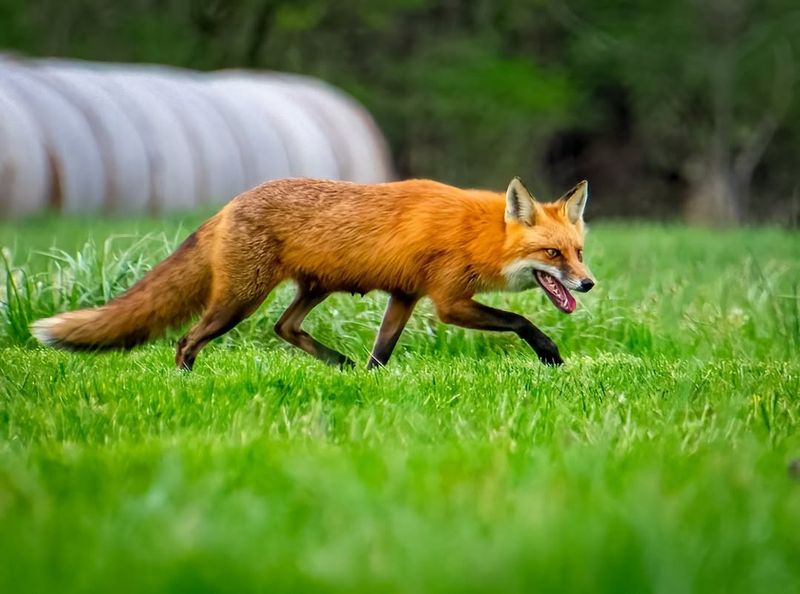
Allowing kids or dogs to run after a fox turns a manageable situation into a potentially dangerous one.
Foxes are wild animals with sharp teeth and claws that they’ll use to defend themselves when cornered or frightened.
What starts as curiosity or playful chasing from a child or pet can quickly become a scary encounter if the fox feels trapped and decides to fight back rather than flee.
Dogs have strong prey drives that kick in when they see a running animal, making it nearly impossible for them to resist chasing.
Even well-trained dogs might ignore commands when a fox bolts across the yard.
Michigan dog owners should keep pets on leashes or bring them inside immediately when a fox appears to prevent chasing behavior.
Young children don’t understand the risks involved with wild animals and might think a fox looks like a friendly dog.
Parents across Michigan need to supervise outdoor play in areas where foxes have been spotted and establish clear rules about staying away from all wildlife.
Teaching kids to come inside and tell an adult when they see a fox creates safe habits that protect everyone.
Chasing also stresses the fox unnecessarily and can cause it to make poor decisions about escape routes, potentially leading it into dangerous situations like running into traffic or becoming trapped in a garage or shed.
Letting the fox leave peacefully benefits the animal and keeps your family and pets safe from potential harm.
8. Don’t Use Harmful Methods To Remove The Fox

Attempting to trap, poison, or harm a fox visiting your Michigan yard is not only cruel but often illegal and ineffective.
Michigan law protects foxes as wildlife, and harming them without proper permits can result in significant fines.
Additionally, methods like poison pose serious risks to pets, children, and other wildlife in your neighborhood, creating more problems than they solve.
Trapping requires special licenses in Michigan, and improper trapping can injure the fox severely or catch unintended animals like neighborhood cats or dogs.
Even if you successfully trap a fox, relocating it without authorization is illegal in most Michigan counties and often sentences the animal to a difficult fate in unfamiliar territory where it must compete for resources and shelter.
Physical barriers like fencing work much better than harmful methods for keeping foxes away from specific areas.
A fence at least six feet tall that extends underground by 12 inches prevents foxes from jumping over or digging under.
This approach protects chicken coops, gardens, and other vulnerable areas without causing harm to wildlife.
Remember that foxes provide valuable pest control services by eating mice, rats, rabbits, and insects that might otherwise become problems around Michigan homes.
Instead of viewing them as pests to eliminate, consider them temporary visitors passing through your property.
Most foxes move along naturally within a few days when they don’t find food sources or safe den sites in your yard.