8 Winter Home-Exterior Mistakes Indiana Homeowners Should Avoid This Season
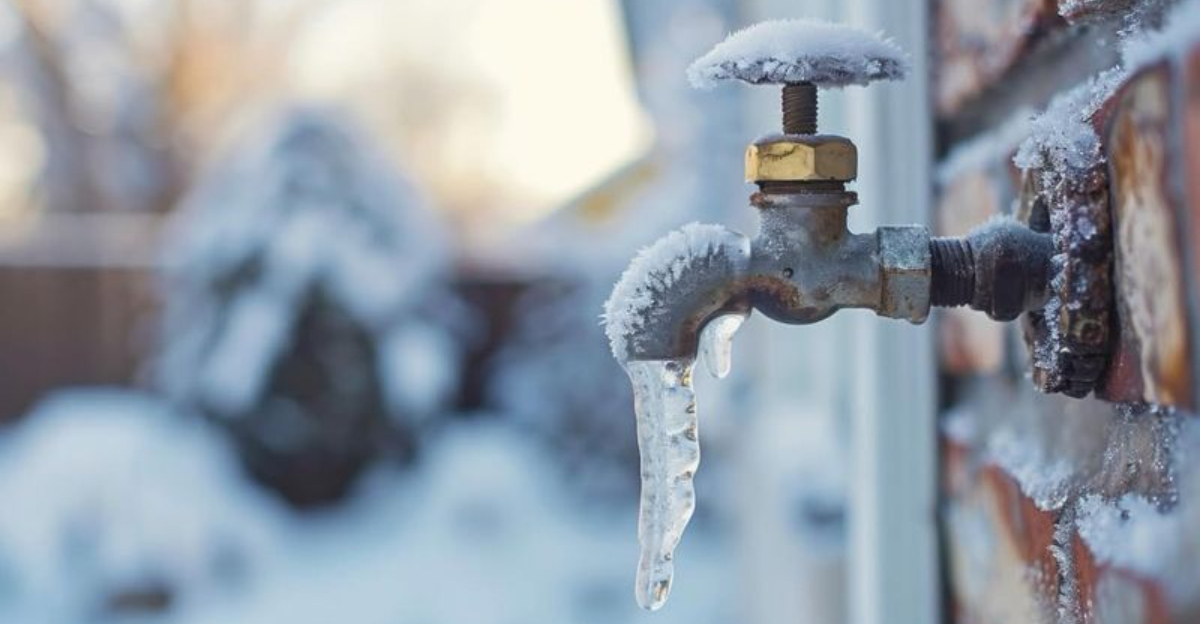
When winter rolls into Indiana, it doesn’t knock on the door, it barges right in.
Freezing winds, heavy snow, and ice thick as concrete can turn small home-exterior mistakes into big-time headaches.
What looks like a minor issue in the fall can spiral out of control once temperatures drop and storms stack up.
Many homeowners get caught flat-footed, thinking their house can weather the season on its own.
Ice dams creep along rooflines, gutters sag under frozen weight, and cracks in siding invite trouble like an open tab at a bar.
By the time the damage shows its face, repairs cost more than expected and stress runs high.
Indiana winters are famous for putting homes through the wringer, and your exterior takes the brunt of the beating.
Skipping basic prep or cutting corners may seem harmless at first, but winter has a way of calling bluffs and exposing weak spots fast.
A little know-how goes a long way when cold weather sets its sights on your house.
Steering clear of common mistakes can save money, protect your home’s structure, and keep winter problems from snowballing into long-term repairs that linger long after the thaw.
1. Neglecting Gutter Cleaning Before Winter Arrives
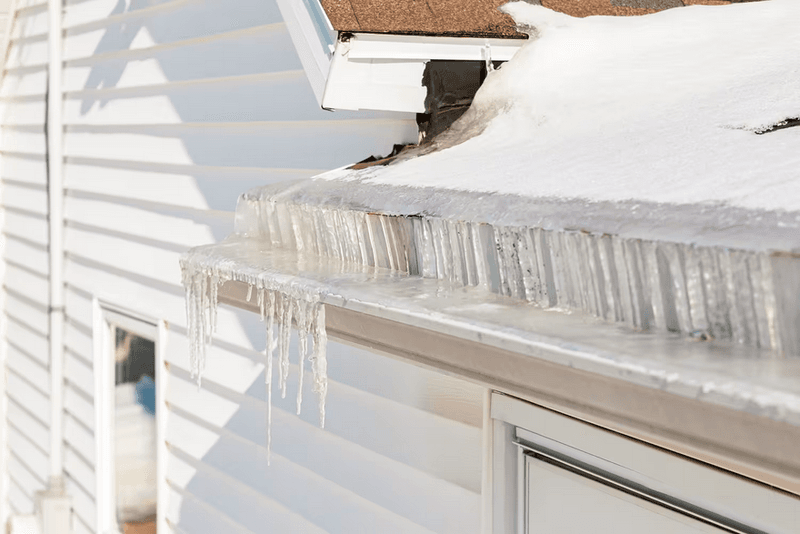
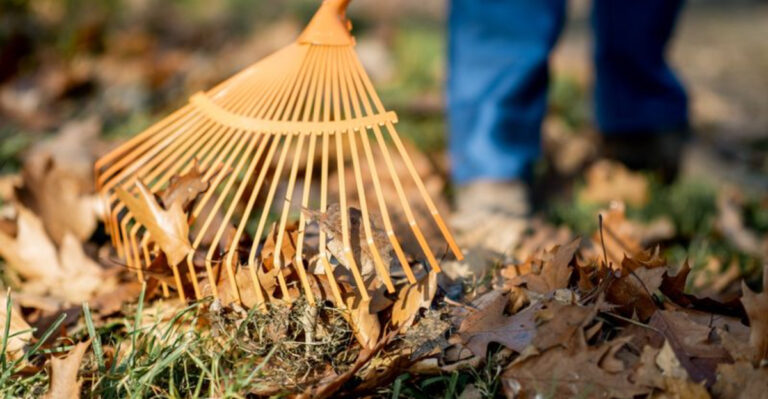
Leaves, twigs, and debris pile up in gutters throughout fall, creating blockages that spell trouble once winter hits Indiana.
When water cannot flow freely through your gutters, it backs up and freezes, forming heavy ice dams along your roofline.
The weight of ice can pull gutters away from your house, damaging fascia boards and creating gaps where water seeps into your walls.
Ice dams also cause water to pool on your roof, eventually leaking through shingles and into your attic or living spaces.
Cleaning gutters might seem like a simple chore, but it makes a huge difference in preventing water damage during winter months.
Many Indiana homeowners wait until the first snowfall to realize their gutters are clogged, but by then it is often too late.
Schedule gutter cleaning in late fall before temperatures drop consistently below freezing.
Consider installing gutter guards to reduce future debris buildup and make maintenance easier.
If you cannot safely reach your gutters, hire a professional service to handle the job properly.
Taking this step protects your roof, foundation, and siding from expensive water damage throughout the winter season.
2. Forgetting To Inspect And Seal Windows And Doors
Cold air sneaks through the smallest cracks around windows and doors, making your heating system work overtime and driving up energy bills.
Gaps and worn weatherstripping allow drafts to enter your home, creating uncomfortable cold spots in rooms and forcing your furnace to run constantly.
Indiana winters can be brutal, and even tiny openings waste significant heat and money over several months.
Walk around your home on a windy day and hold your hand near window frames and door edges to feel for drafts.
You might be surprised how much air leaks through areas you thought were sealed.
Weatherstripping wears out over time from constant opening, closing, and exposure to temperature changes.
Your Indiana Garden Changes Every Week. Your Plan Should Too.
Gardening in Indiana changes quickly throughout the season. Every Friday you’ll receive a simple weekly plan showing exactly what to plant, prune, fertilize, harvest, and protect so you never miss the right timing.
Apply fresh weatherstripping to doors and windows where you notice gaps or worn materials.
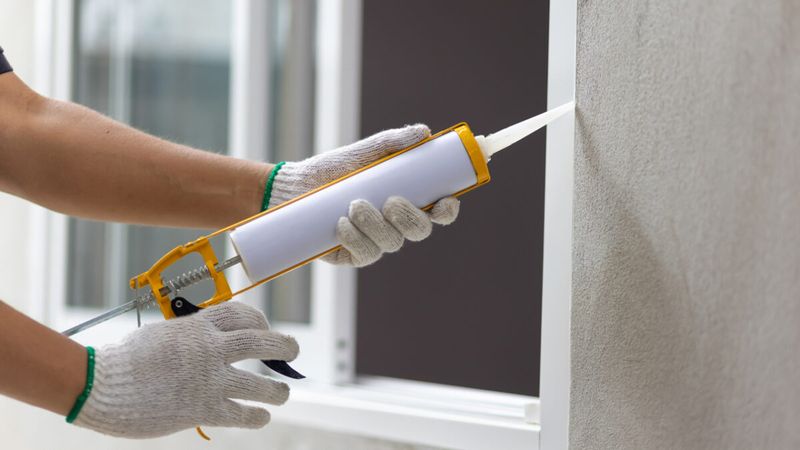
Use caulk to seal stationary cracks around window frames and door jambs, choosing products designed for exterior use that remain flexible in cold temperatures.
Installing door sweeps along the bottom of exterior doors blocks drafts and keeps warmth inside your home.
Proper sealing reduces heating costs by up to 20 percent while improving comfort throughout your house.
3. Skipping Regular Roof Inspections Throughout The Season
Your roof takes a beating during Indiana winters, enduring heavy snow loads, ice accumulation, and freeze-thaw cycles that stress shingles and flashing.
Small problems like loose shingles or damaged flashing quickly become major leaks when ice and snow pile up on your roof.
Waiting until spring to inspect your roof means discovering damage after it has already caused problems inside your home.
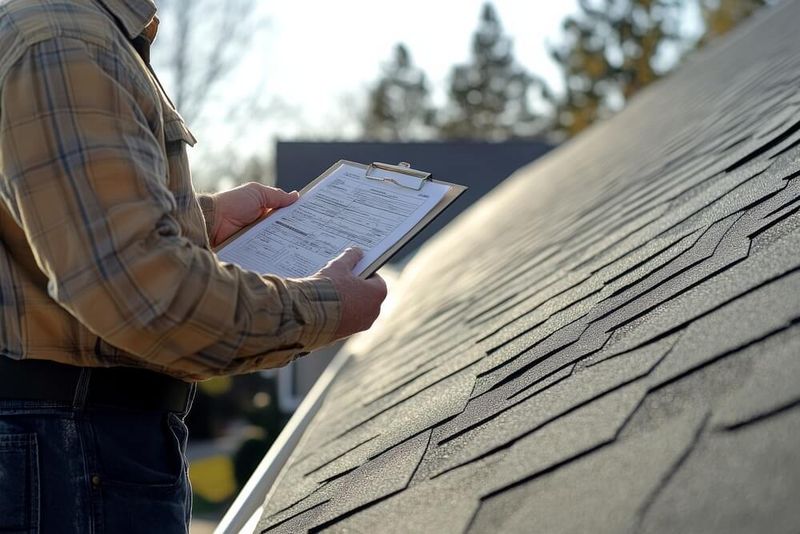
Schedule a professional roof inspection before winter begins to identify vulnerable areas that need repair.
Look for missing or damaged shingles, cracked flashing around chimneys and vents, and signs of wear along roof valleys where water naturally collects.
Addressing these issues before snow arrives prevents leaks and extends the life of your roof.
After heavy snowstorms, safely inspect your roof from the ground using binoculars to check for visible damage or sagging areas that indicate excessive snow weight.
Never climb onto a snow-covered roof yourself, as conditions are extremely dangerous and you could cause more damage by walking on frozen shingles.
If you notice problems during winter, contact a roofing professional immediately to prevent further deterioration.
Regular inspections help you catch small issues before they become expensive emergencies requiring extensive repairs or full roof replacement.
4. Allowing Snow And Ice To Accumulate Near Your Foundation
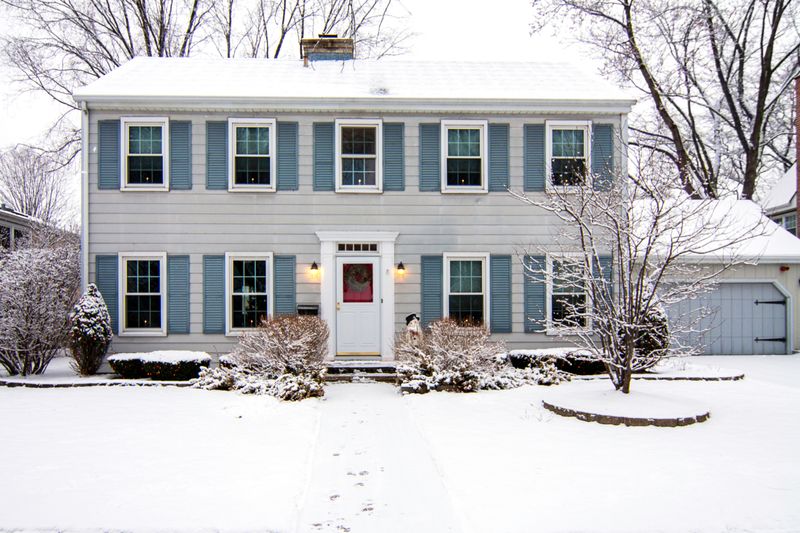
Piles of snow pushed against your foundation during shoveling might seem harmless, but they create serious moisture problems as temperatures fluctuate.
Snow melts during warmer days, sending water directly against your foundation walls where it seeps into cracks and eventually enters your basement or crawl space.
Repeated freeze-thaw cycles cause water trapped in foundation cracks to expand, widening existing damage and creating new structural problems.
Indiana weather often swings between freezing nights and milder days, creating perfect conditions for snow melt and refreezing.
When shoveling driveways and walkways, throw snow away from your house rather than piling it against foundation walls.
Maintain at least three feet of clearance between snow piles and your home’s exterior.
Check that downspouts direct water at least five feet away from your foundation, preventing melting snow from pooling near basement walls.
Consider installing downspout extensions if water currently drains too close to your house.
Proper grading around your home also helps water flow away from the foundation instead of toward it.
Taking these precautions keeps your basement dry and protects your foundation from costly damage caused by moisture infiltration and freeze-thaw cycles throughout winter months.
5. Ignoring Driveway And Walkway Maintenance Before Freezing Weather
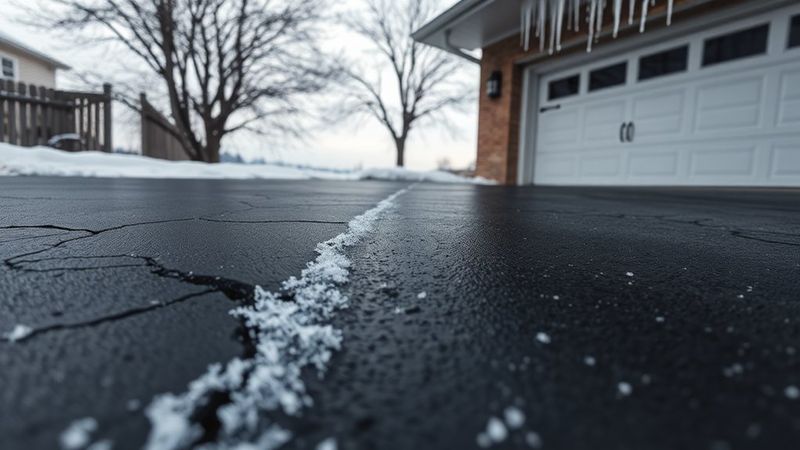
Cracks in concrete driveways and walkways trap water that expands when it freezes, causing small fissures to become large breaks during winter.
Once water seeps into cracks and freezes, it exerts tremendous pressure that widens damage with each freeze-thaw cycle common in Indiana.
What starts as a hairline crack in fall can become a major hazard requiring expensive replacement by spring.
Inspect your driveway and walkways carefully before winter arrives, noting any cracks, pitting, or uneven areas.
Seal cracks using concrete patching compound or flexible sealant designed for exterior use in cold climates.
Filling cracks prevents water intrusion and protects your concrete from further deterioration during winter months.
Consider applying a concrete sealer to your entire driveway and walkways for additional protection against moisture, salt, and freeze-thaw damage.
Sealers create a protective barrier that extends the life of concrete surfaces and makes them easier to clean after snow and ice events.
Reapply sealer every few years to maintain protection.
Proper maintenance prevents costly repairs and reduces slip hazards caused by crumbling, uneven surfaces.
Spending time on preventive care now saves you from dealing with dangerous conditions and expensive replacement projects later.
6. Failing To Protect Outdoor Faucets And Sprinkler Systems
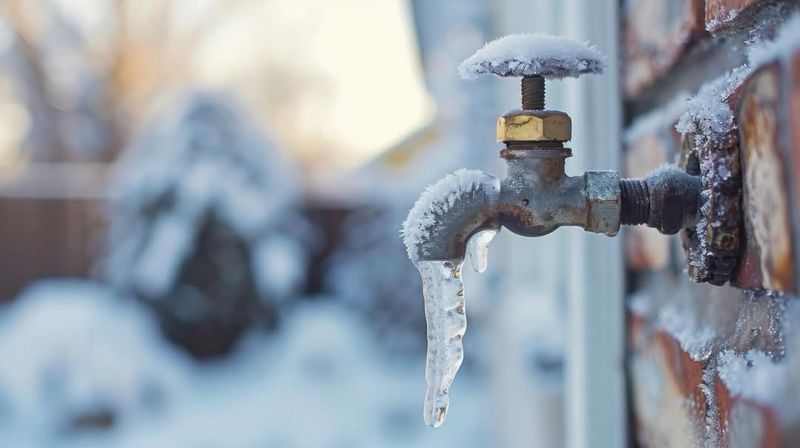
Water left in outdoor faucets and sprinkler lines freezes solid during Indiana winters, causing pipes to burst and creating expensive plumbing emergencies.
Frozen pipes expand with tremendous force, splitting copper and PVC lines and causing leaks that flood your yard or basement once temperatures rise.
Many homeowners forget about outdoor plumbing until they discover water spraying from broken pipes in spring.
Disconnect all garden hoses from outdoor faucets before the first hard freeze arrives.
Drain remaining water from hoses and store them indoors to prevent damage from freezing temperatures.
Install insulated faucet covers on all outdoor spigots to protect them from extreme cold.
If your home has an underground sprinkler system, hire a professional to blow out the lines using compressed air before winter.
Water trapped in sprinkler lines will freeze and crack pipes, valves, and sprinkler heads, requiring costly repairs before you can use the system again.
Shut off the water supply to your sprinkler system at the main valve and open drain valves to remove as much water as possible.
These simple steps prevent burst pipes and expensive plumbing repairs, giving you peace of mind throughout the winter season.
7. Using Excessive Salt On Concrete Surfaces Without Protection
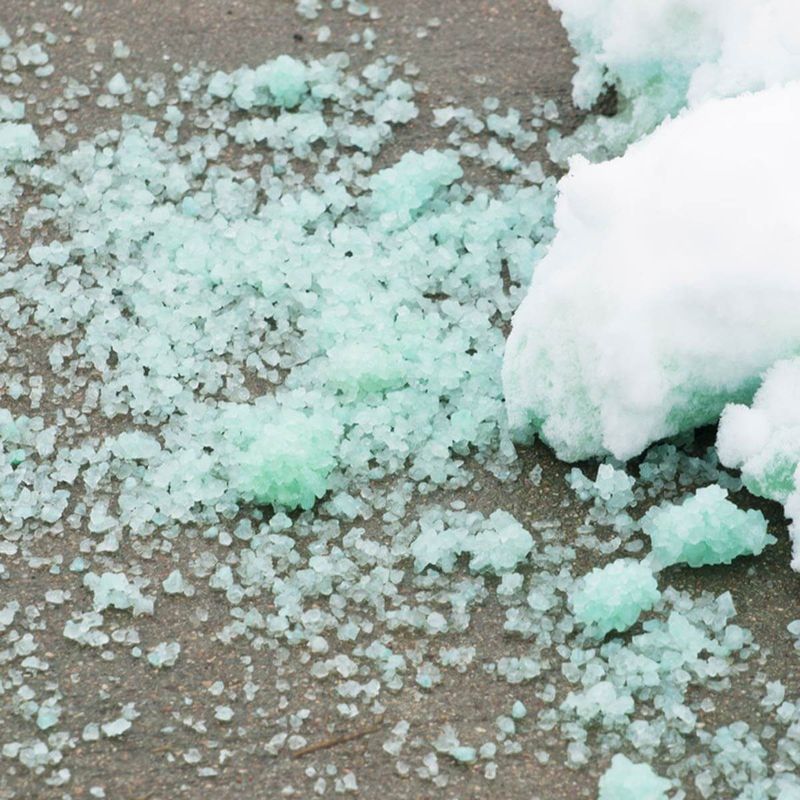
Rock salt and chemical deicers help melt ice on driveways and walkways, but they also damage concrete surfaces when used excessively or without proper protection.
Salt draws moisture into concrete, where it causes spalling, pitting, and surface deterioration that worsens with each passing winter.
Indiana homeowners often oversalt their concrete, thinking more product means better ice control, but this approach destroys surfaces faster.
Salt also harms nearby plants and grass, destroying vegetation along driveway edges and creating zones that require replanting in spring.
Choose calcium chloride or magnesium chloride products instead of rock salt, as these alternatives work at lower temperatures and cause less concrete damage.
Apply deicer sparingly, using only the amount needed to break the bond between ice and concrete.
Shovel snow promptly before it compacts into ice, reducing the need for chemical deicers altogether.
Spread sand or kitty litter on walkways for traction without using harsh chemicals that damage concrete and plants.
When you must use deicer, sweep away residue once ice melts to prevent it from repeatedly soaking into concrete surfaces.
Protecting your concrete from salt damage extends its lifespan and keeps your landscaping healthy throughout winter and beyond.
8. Leaving Siding And Trim Repairs For Spring Instead Of Acting Now
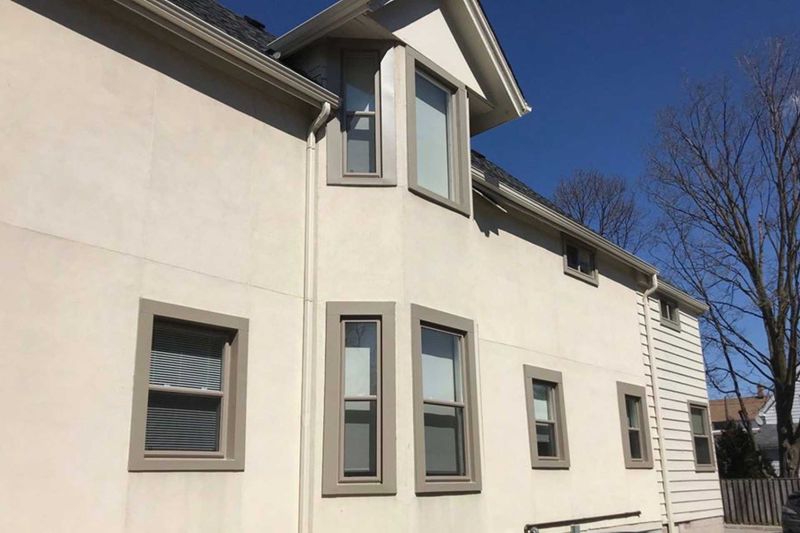
Damaged siding and trim allow moisture and cold air to penetrate your home’s exterior, creating conditions for mold growth, insulation damage, and higher heating costs.
Cracks, holes, and loose pieces of siding might seem like minor cosmetic issues, but they become major problems during Indiana winters when wind-driven snow and ice exploit every opening.
Postponing repairs until spring means months of unnecessary energy waste and potential structural damage.
Walk around your home examining siding carefully for cracks, holes, loose panels, or areas where caulking has deteriorated.
Check trim boards around windows and doors for rot, gaps, or paint failure that exposes bare wood to moisture.
Even small damage allows water intrusion that freezes and expands, making problems significantly worse over winter months.
Replace damaged siding panels and trim boards before winter weather arrives.
Recaulk gaps around windows, doors, and trim where old caulk has cracked or pulled away from surfaces.
Apply fresh paint to bare wood trim to seal and protect it from moisture damage during winter.
Addressing these repairs now prevents costly damage and keeps your home energy-efficient throughout the coldest months.
Waiting until spring means dealing with consequences that could have been easily prevented with timely action.