8 Mistakes Georgia Homeowners Make When Caring For Holiday Poinsettias
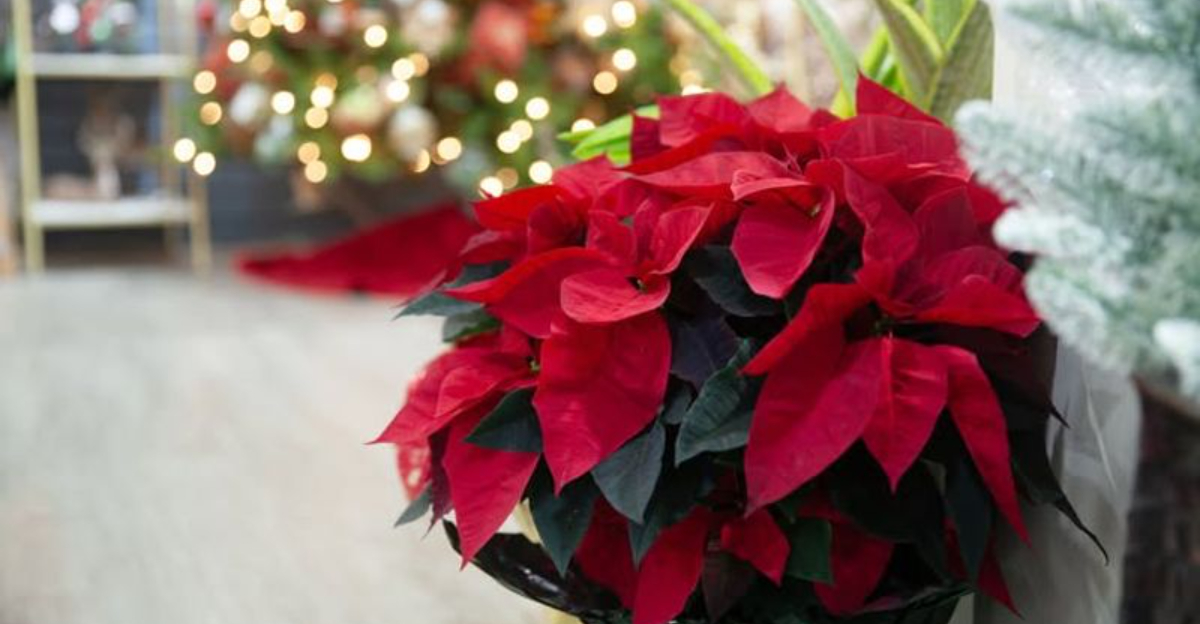
Holiday poinsettias can light up a Georgia home like a well-placed bow on a wrapped gift, but keeping them looking sharp is easier said than done.
Many homeowners bring these bright plants home with high hopes, only to watch the leaves drop faster than pine needles after New Year’s Day.
One wrong move, and a poinsettia can go from showpiece to sad sight in no time.
Georgia’s indoor conditions can be a mixed bag during the holidays.
Warm rooms, chilly drafts, and shifting light levels can throw these plants for a loop.
Some people drown them with too much water, while others forget them altogether, thinking poinsettias can fend for themselves.
Both habits can spell trouble.
Old rumors and half-true tips don’t help either.
Many well-meaning plant lovers follow advice that sounds right on the surface but does more harm than good behind the scenes.
Before long, stems wilt, color fades, and frustration sets in.
Caring for poinsettias does not have to feel like walking on eggshells.
A little knowledge goes a long way.
By avoiding common mistakes, Georgia homeowners can keep their holiday plants healthy, colorful, and center stage long after the decorations come down.
1. Overwatering Your Poinsettia
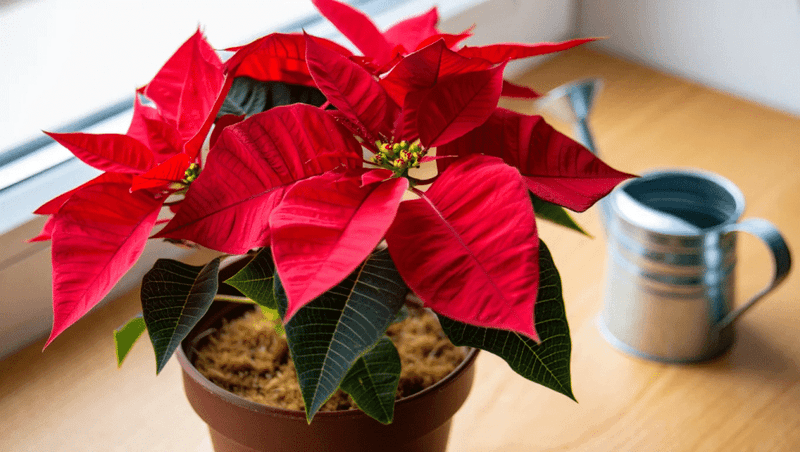
Walking past your beautiful poinsettia and noticing the soil looks dry might trigger an instant urge to grab the watering can.
But here’s the truth: more poinsettias suffer from too much water than too little.
Georgia homeowners often water on a schedule rather than checking what the plant actually needs.
Poinsettias hate sitting in soggy soil because their roots need oxygen to stay healthy.
When the soil stays constantly wet, the roots cannot breathe properly and begin to rot.
You’ll notice yellowing leaves that drop off, wilting even though the soil is moist, and a general sad appearance.
The best approach involves checking the soil with your finger before watering.
Stick your finger about an inch deep into the soil, if it feels dry at that depth, then it’s time to water.
If it still feels slightly moist, wait another day or two.
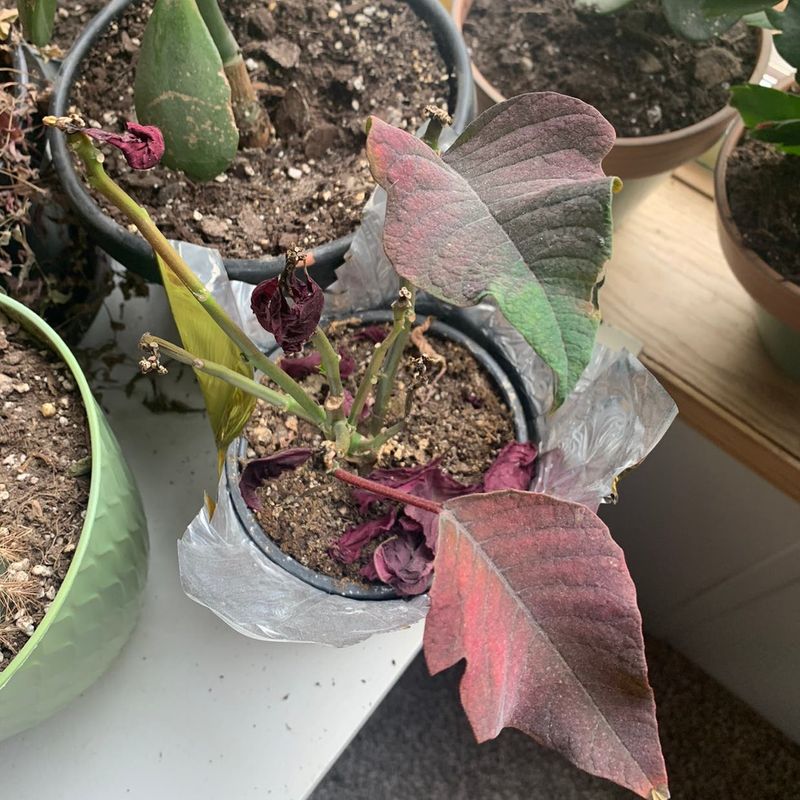
Many homes in Georgia use decorative foil or plastic wrapping around poinsettia pots during the holidays.
This looks festive but traps water at the bottom, creating a swampy environment.
Always remove this wrapping or poke drainage holes in it.
When you do water, give the plant a thorough drink until water runs out the drainage holes, then dump any excess water from the saucer underneath.
Your poinsettia will stay much healthier when you water thoughtfully rather than automatically.
2. Placing Your Plant In The Wrong Temperature
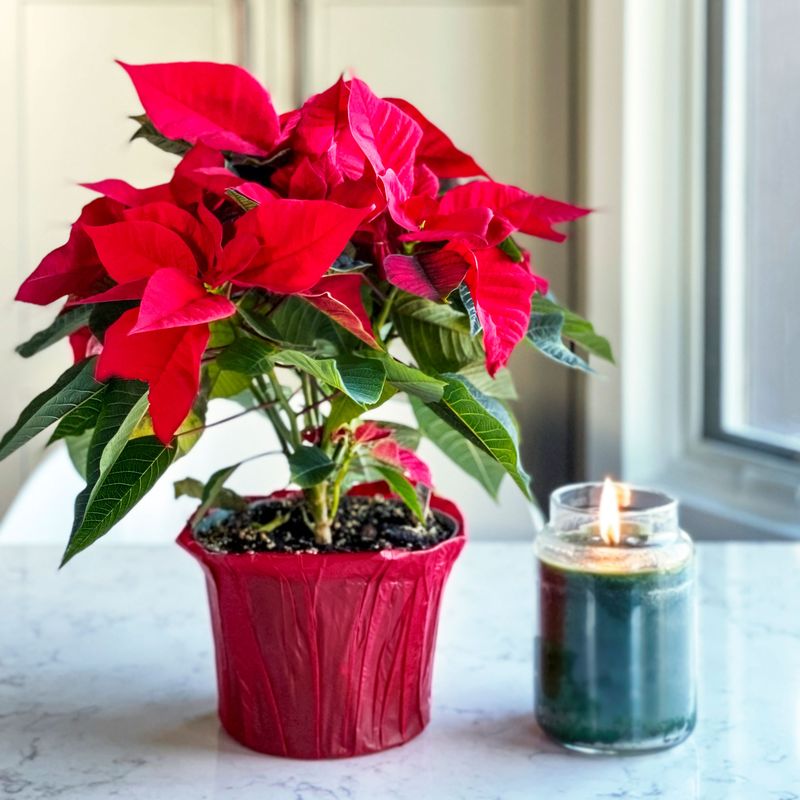
Temperature swings can turn your gorgeous poinsettia into a droopy mess faster than almost anything else.
These tropical plants originally come from Mexico and prefer steady, moderate temperatures between 65 and 70 degrees Fahrenheit during the day.
Georgia winters are generally mild compared to northern states, but indoor heating systems create hot and cold spots throughout your home.
Homeowners in Athens, Macon, and throughout the state often place poinsettias near heating vents because those spots seem cozy.
Your Georgia Garden Changes Every Week. Your Plan Should Too.
Gardening in Georgia changes quickly throughout the season. Every Friday you’ll receive a simple weekly plan showing exactly what to plant, prune, fertilize, harvest, and protect so you never miss the right timing.
The problem is that blasts of hot, dry air cause the leaves to dry out and drop off rapidly.
Cold drafts from poorly sealed windows or doors opening frequently create the opposite problem, sudden chills that shock the plant.
Poinsettias also dislike temperatures below 50 degrees, which can happen near exterior walls or windows on cold Georgia nights.
Even a few hours of exposure to cold can cause permanent damage.
The colorful leaves, called bracts, may develop brown edges or fall off entirely.
Finding the right spot means avoiding heating vents, fireplaces, and exterior doors.
Keep your poinsettia away from windows that get very cold at night.
A stable location in a room with consistent temperature will keep your plant happy.
Remember that Georgia homes with good insulation maintain better temperature stability, which your poinsettia will definitely appreciate throughout the holiday season.
3. Ignoring Light Requirements
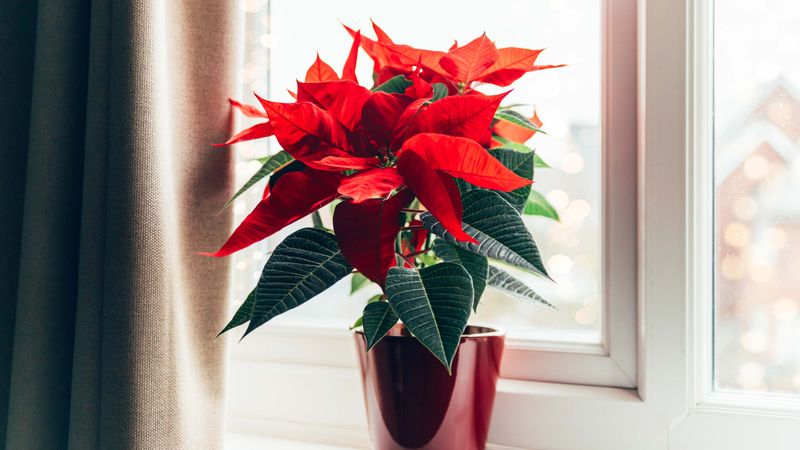
Bright, indirect light keeps poinsettias vibrant and healthy, but many Georgia homeowners stick them in corners where they look decorative but get barely any sunshine.
Without adequate light, your plant’s colorful bracts will fade and the leaves may start dropping.
Poinsettias need about six hours of indirect sunlight daily to maintain their brilliant colors.
Direct sunlight through a window can actually scorch the leaves, especially during Georgia’s surprisingly bright winter days.
The ideal spot provides plenty of light without the harsh rays hitting the plant directly.
A common mistake involves placing poinsettias in hallways, bathrooms, or dining room corners where they add festive color but receive minimal natural light.
While they might look fine for a few days, they’ll gradually decline in these dim locations.
East-facing windows work wonderfully because they provide gentle morning light without intense afternoon sun.
South-facing windows can work too if you place the plant a few feet back from the glass or use sheer curtains to filter the light.
If you notice your poinsettia’s lower leaves turning yellow or the colorful bracts losing their intensity, insufficient light is probably the culprit.
Move it closer to a window and watch for improvement within a week.
Georgia homeowners blessed with those beautiful large windows should take advantage of them, just remember to filter direct sun and keep the plant back from cold glass at night.
4. Forgetting About Humidity Needs
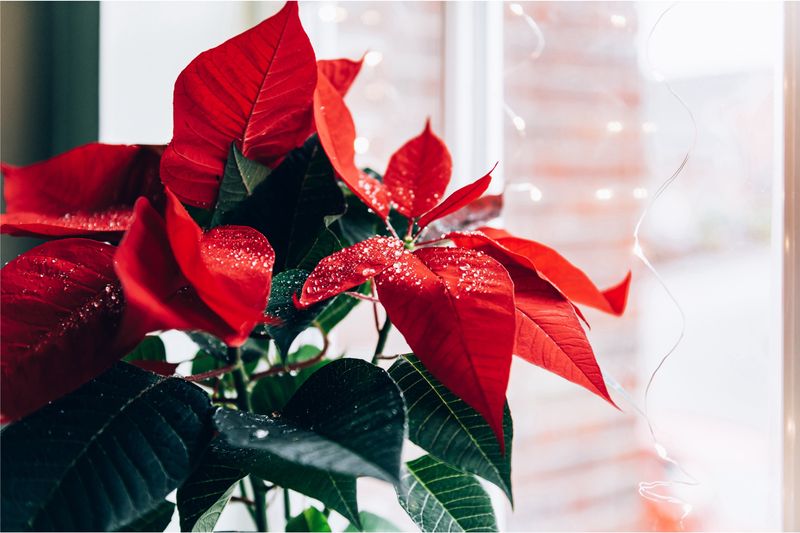
Georgia’s outdoor humidity can be delightfully high, but indoor heating systems during winter turn homes into deserts.
Poinsettias prefer moderate humidity levels, and when the air becomes too dry, their leaves develop crispy brown edges and may start dropping prematurely.
Most Georgia homes run heating systems that strip moisture from the air.
You might notice static electricity, dry skin, and plants that look stressed.
Poinsettias are particularly sensitive to low humidity because they evolved in Mexico’s more humid climate.
When the air is too dry, the plant loses moisture through its leaves faster than the roots can replace it.
Several easy solutions can help your poinsettia thrive despite dry indoor air.
Grouping plants together creates a microclimate where they benefit from each other’s transpiration.
Placing a shallow tray filled with pebbles and water beneath the pot (making sure the pot sits on the pebbles, not in the water) adds moisture to the surrounding air as the water evaporates.
Running a humidifier in the room where you keep your poinsettia works wonderfully, and it benefits your family’s comfort too.
Some homeowners in Roswell, Columbus, and other Georgia cities mist their poinsettias lightly, but this provides only temporary relief.
The key is maintaining consistent humidity rather than quick fixes.
Your poinsettia will reward your attention with healthy, vibrant leaves that stay attached throughout the season.
5. Using Tap Water Without Consideration
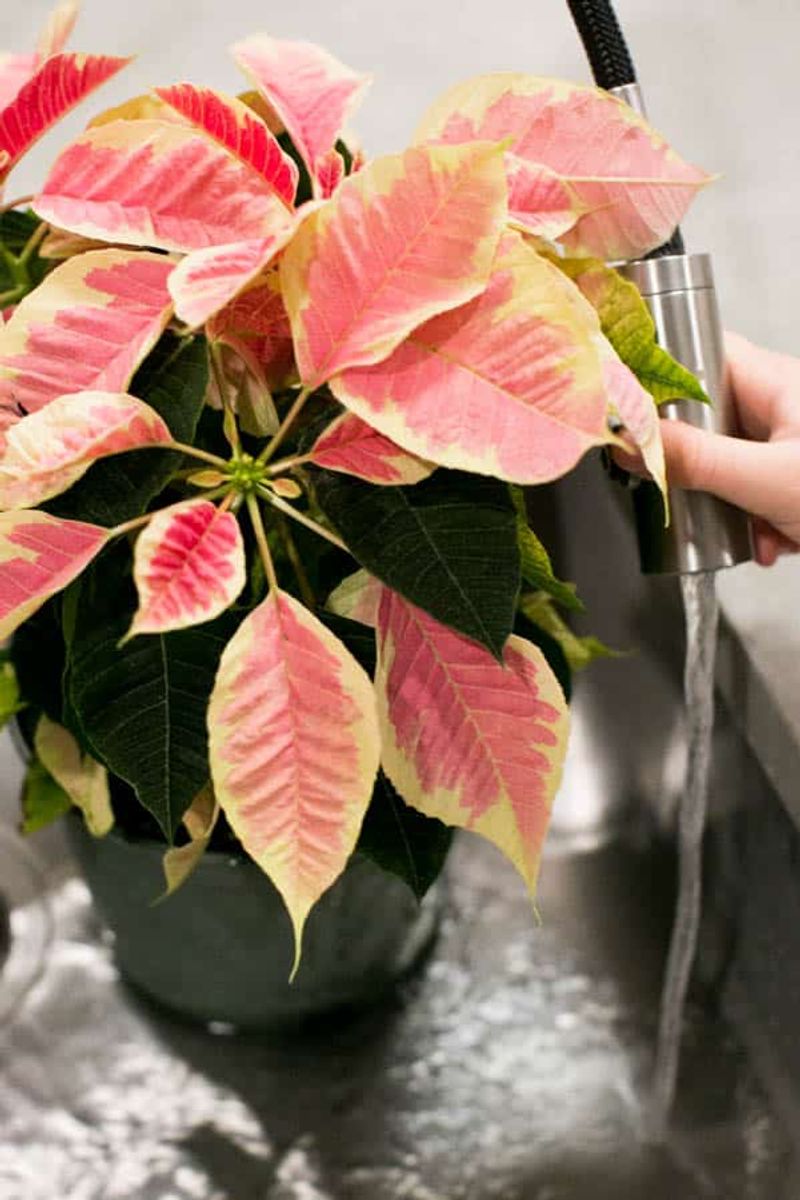
Grabbing water straight from the tap seems like the most natural thing in the world when your poinsettia needs a drink.
However, Georgia’s tap water often contains chemicals, minerals, and salts that can gradually build up in the soil and cause problems for sensitive plants.
Chlorine, fluoride, and dissolved minerals are common in municipal water supplies throughout Atlanta, Savannah, Augusta, and smaller Georgia towns.
While these substances make water safe for drinking, they can accumulate in potting soil over time.
You might notice white crusty deposits on the soil surface or around the pot’s rim, that’s mineral buildup.
Poinsettias respond to this accumulation with brown leaf tips, yellowing foliage, and reduced vigor.
Cold tap water also shocks the plant’s roots, especially when the temperature difference is significant.
Room-temperature water is always better for your poinsettia’s comfort and health.
Simple solutions make a big difference.
Let tap water sit in an open container overnight before using it, this allows chlorine to evaporate and brings the water to room temperature.
Collecting rainwater works beautifully in Georgia, where winter rains are common.
Filtered water from your refrigerator or a water filter pitcher also works well.
Some Georgia gardeners even use distilled water for their most prized plants.
Occasionally flushing the soil by watering thoroughly until water runs freely from the drainage holes helps remove accumulated salts and minerals, keeping your poinsettia’s root zone healthy.
6. Skipping Fertilizer Completely
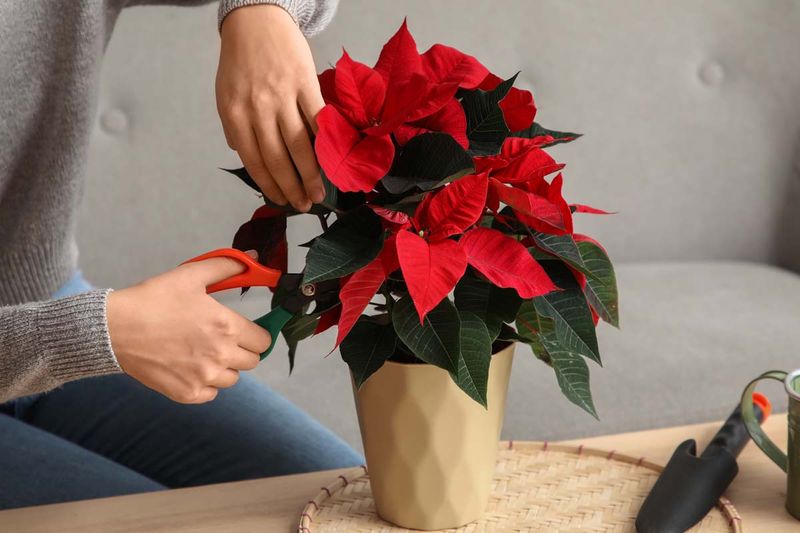
Most people buy poinsettias thinking they’re temporary decorations that need nothing more than water until they toss them after the holidays.
If you want your plant to stay healthy and possibly even rebloom next year, nutrition matters more than you might think.
Poinsettias come from nurseries where they received regular feeding to look their absolute best.
Once they arrive in your Georgia home, they’re living in a small amount of potting soil that contains limited nutrients.
Those nutrients gradually get used up or wash away with each watering.
Without replenishment, your poinsettia will slowly decline, showing pale new growth and reduced vigor.
During the active display period from Thanksgiving through January, your poinsettia benefits from light feeding every two to three weeks.
Use a balanced, water-soluble houseplant fertilizer diluted to half the recommended strength.
Too much fertilizer causes as many problems as too little, so resist the urge to overfeed.
After the holidays, if you decide to keep your poinsettia, continue feeding it regularly during spring and summer when it’s actively growing.
Stop fertilizing in fall when you want the plant to set those colorful bracts again.
Georgia homeowners who treat poinsettias as long-term houseplants rather than disposable decorations often enjoy them for years.
Proper nutrition is part of that success.
Your local garden center in any Georgia city can recommend appropriate fertilizers, and the small investment keeps your plant looking beautiful throughout its life.
7. Exposing Your Plant To Drafts And Sudden Changes
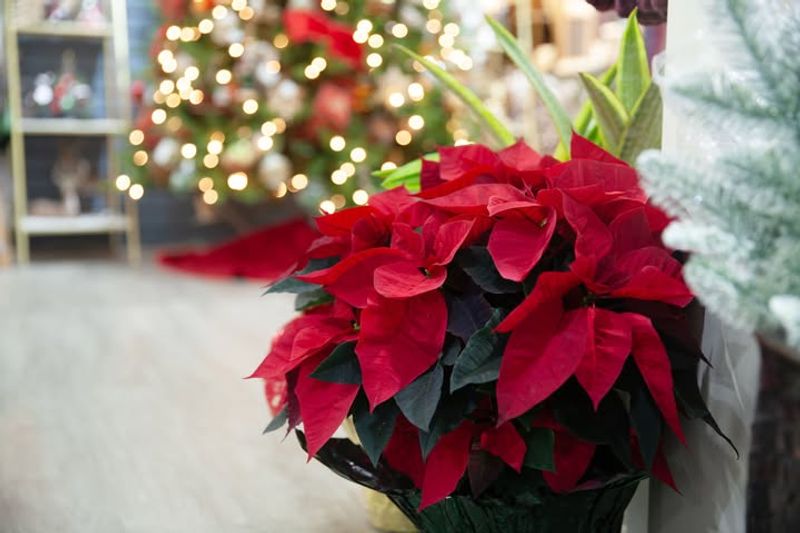
Your poinsettia might look perfect one day and suddenly drop half its leaves the next, leaving you completely baffled.
Often the culprit is something you barely noticed, a draft from an opening door, a blast of cold air when carrying packages inside, or placement near a frequently used entrance.
Georgia weather during the holidays can be unpredictable, with mild days in the 60s followed by chilly nights in the 30s.
Each time an exterior door opens, cold air rushes in and warm air escapes.
Poinsettias positioned near these high-traffic areas experience repeated temperature shocks that stress them tremendously.
They respond by dropping leaves as a survival mechanism.
Even interior drafts from ceiling fans, air conditioning vents (yes, some Georgia days are warm enough for AC even in December), or hallways with cross-ventilation can cause problems.
Poinsettias prefer still air and stable conditions.
Constant air movement dries out the leaves and creates stress.
The solution involves choosing your poinsettia’s location carefully.
Keep it away from entry doors, garage access points, and busy hallways.
Avoid spots under ceiling fans or directly in the path of heating and cooling vents.
A quiet corner of your living room or a stable spot on a dining table works much better than the foyer, no matter how pretty it looks there.
If you must move your poinsettia temporarily, say, to make room for holiday guests, do it gently and return it to its original spot as soon as possible.
Consistency is your poinsettia’s best friend.
8. Neglecting To Check For Pests
Bringing a beautiful poinsettia into your Georgia home seems harmless enough, but sometimes these plants carry unwanted guests.
Whiteflies, spider mites, and mealybugs can hide in the foliage, only revealing themselves after you’ve had the plant for a while.
Commercial greenhouses generally maintain good pest control, but problems can develop during transport or at retail locations.
Other houseplants in your Georgia home might also harbor pests that find your new poinsettia irresistible.
Whiteflies are particularly common, tiny white insects that flutter up in a cloud when you brush against the plant.
Spider mites are harder to spot but leave fine webbing and stippled, pale leaves.
Mealybugs look like small cotton tufts tucked into leaf joints.
Regular inspection is your first line of defense.
Once a week, examine your poinsettia closely, checking the undersides of leaves where pests often hide.
Look for sticky residue on leaves or furniture below the plant, this honeydew is a telltale sign of sucking insects.
Catching pest problems early makes treatment much easier.
Wiping leaves gently with a damp cloth removes many pests.
Insecticidal soap spray, available at any Georgia garden center, handles most common poinsettia pests safely.
Neem oil works too and is organic.
Isolating new plants for a week or two before placing them near other houseplants prevents pest spread.
This quarantine period lets you spot any problems before they affect your entire indoor garden.
Georgia’s mild climate means pests can be active year-round, so vigilance pays off.