What To Do When Hawks Start Hunting Near California Gardens
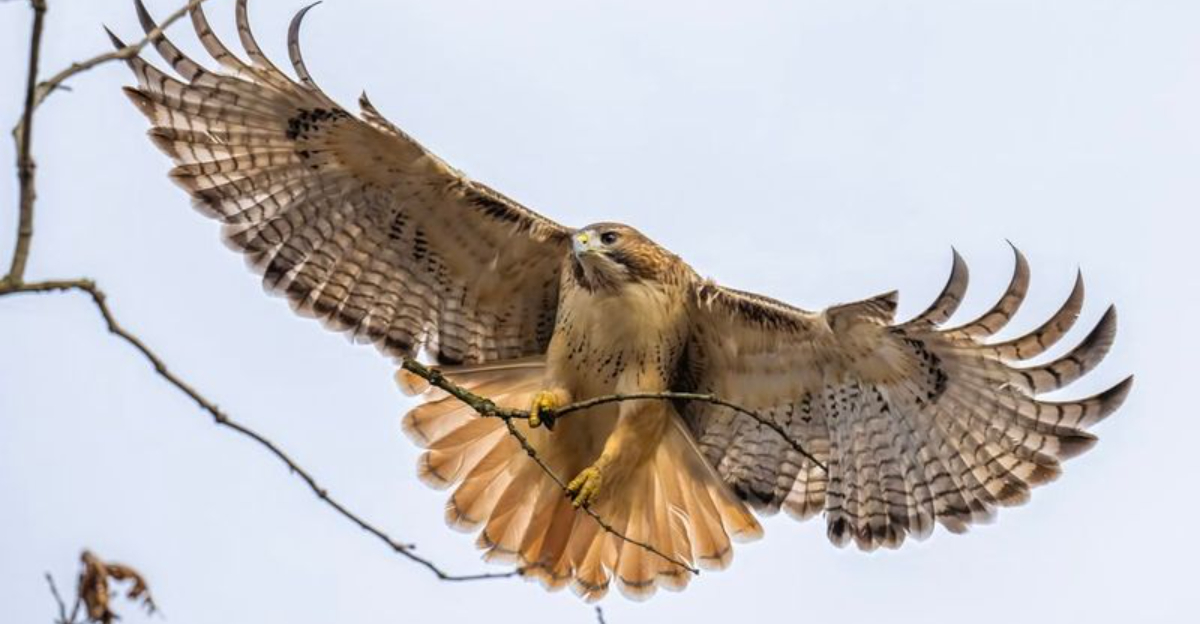
Seeing a hawk circling low over a California garden can stop you in your tracks.
One moment the yard feels calm, the next it’s clear that nature means business.
Hawks are sharp-eyed hunters, and when they start hunting near homes, it’s not by accident.
Your garden may offer open space, small animals, or a clear view that makes hunting easy as pie.
For many homeowners, this brings mixed feelings.
Hawks are protected wildlife and play an important role, but their presence can raise concerns about pets, backyard birds, or small livestock.
Some people rush to scare them off, while others freeze and hope the situation sorts itself out.
Neither approach tends to work out well
California’s mild climate and growing urban spaces create the perfect overlap between wildlife and neighborhoods.
When hawks move in, it often signals changes in food supply or nearby development pushing them closer to residential areas.
Knowing how to respond can save a lot of stress.
The right actions protect your garden, keep animals safe, and stay on the right side of wildlife rules.
With a little know-how, you can handle the situation without making waves or turning a natural behavior into a bigger problem than it needs to be.
1. Install Protective Netting Or Wire Mesh Over Vulnerable Areas
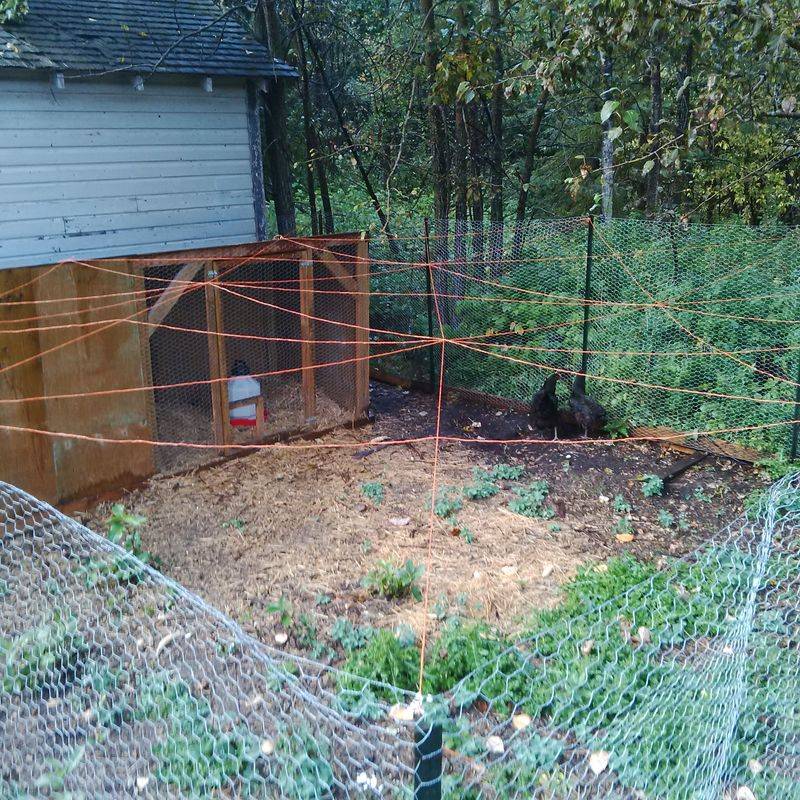
Physical barriers provide the most reliable protection when hawks begin patrolling your California property.
Wire mesh or heavy-duty netting creates a ceiling over chicken coops, rabbit hutches, and small pet areas that hawks simply cannot penetrate.
Garden supply stores throughout California carry various sizes of protective mesh specifically designed for this purpose.
The installation process requires measuring your protected space carefully and securing the material firmly at all attachment points.
Make sure the mesh openings are small enough that hawks cannot reach through with their talons.
Most experts recommend openings no larger than one inch square for maximum safety.
Consider extending the coverage beyond just animal enclosures to include feeding stations where birds gather.
Many Southern California homeowners have successfully protected their backyard bird feeders by creating covered feeding zones.
This allows smaller birds to eat safely while preventing hawks from swooping down.
The material you choose should be weather-resistant since California’s climate varies from coastal fog to inland heat.
UV-resistant netting lasts longer in sunny areas like Sacramento or Fresno.
Check the integrity of your netting regularly, especially after storms or high winds.
Remember that this solution works best when combined with other deterrent methods.
Hawks are persistent hunters, so multiple layers of protection give you better results.
The investment in quality materials pays off through years of reliable protection for your animals and peace of mind for your family.
2. Create Dense Shrub Cover And Natural Hiding Spots
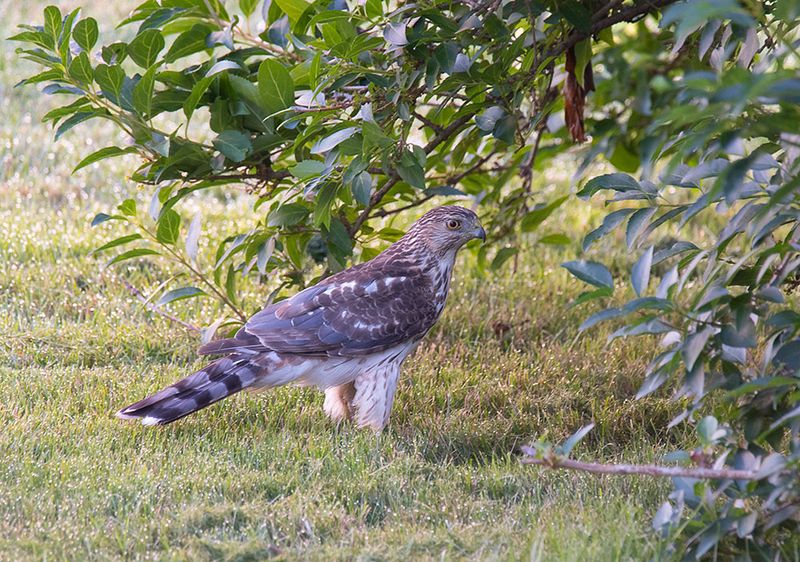
Landscaping strategically transforms your garden into a safer environment for small animals and birds.
Dense shrubs, thick bushes, and layered plantings give prey animals quick escape routes when hawks appear overhead.
Native California plants like manzanita, toyon, and ceanothus work particularly well because they grow thick and provide excellent cover.
Your California Garden Changes Every Week. Your Plan Should Too.
Gardening in California changes quickly throughout the season. Every Friday you’ll receive a simple weekly plan showing exactly what to plant, prune, fertilize, harvest, and protect so you never miss the right timing.
The key is creating multiple levels of vegetation throughout your yard.
Low groundcover, medium-height shrubs, and taller bushes give animals options at different heights.
Hawks prefer open spaces where they can spot prey easily, so breaking up sight lines makes your garden less appealing for hunting.
Position these planted areas near bird feeders, pet play zones, and other spots where vulnerable animals spend time.
California gardeners in areas like Oakland and San Jose have found success planting dense hedges along property lines.
This creates natural barriers that interrupt hawk flight paths.
Consider adding brush piles or rock formations that provide additional hiding spots.
Small animals instinctively seek shelter under dense cover when predators approach.
Even a simple pile of trimmed branches in a corner of your yard offers emergency refuge.
Maintenance matters because overgrown areas can attract rodents that draw hawks in the first place.
Strike a balance between providing protective cover and keeping your garden tidy.
Regular trimming keeps plants healthy while maintaining their protective qualities.
This natural approach complements other deterrent methods and enhances your garden’s beauty while improving safety.
3. Supervise Small Pets During Outdoor Time
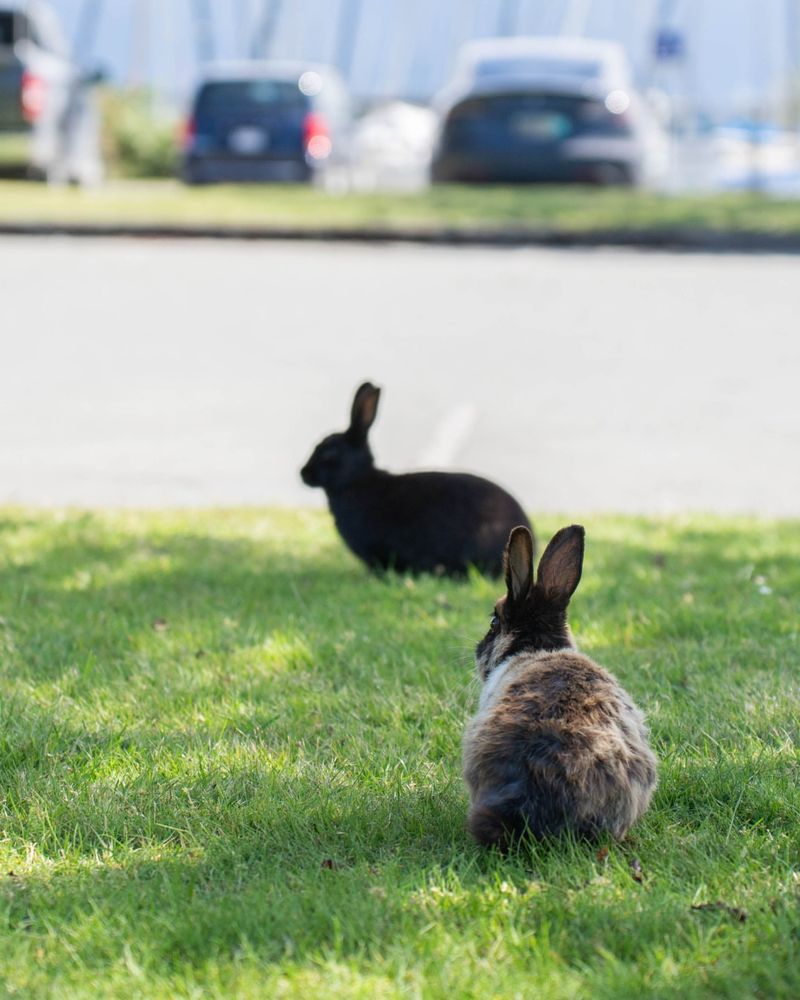
Your presence makes all the difference when small dogs, cats, or rabbits venture outside.
Hawks are far less likely to attack when humans are nearby because they view people as potential threats.
Simply standing in your yard while your pets play dramatically reduces the risk of hawk encounters.
Timing your outdoor activities matters too.
Hawks hunt most actively during early morning and late afternoon when their prey is also most active.
If possible, schedule pet outdoor time during midday hours when hawk activity typically decreases across California neighborhoods.
Stay alert and watch the sky regularly while your pets are outside.
Learn to recognize hawk silhouettes and their circling patterns overhead.
If you spot a hawk, bring your pets inside immediately rather than waiting to see what happens.
Small pets under 12 pounds face the highest risk from hawk attacks in California.
Toy breeds, young kittens, and small rabbits are particularly vulnerable.
Never leave these animals unattended in open yards, even for a few minutes.
Create a routine that includes visual scans of your property before letting pets out.
Check trees, rooftops, and power lines where hawks commonly perch while surveying potential hunting grounds.
Many homeowners in Riverside and Orange County keep binoculars by their back door for quick hawk checks.
Teaching children in your household about hawk awareness helps too.
Kids can learn to recognize hawks and understand why supervision matters.
This family approach to pet safety creates multiple layers of watchfulness that protect your beloved animals effectively.
4. Remove Attractants That Draw Prey Animals
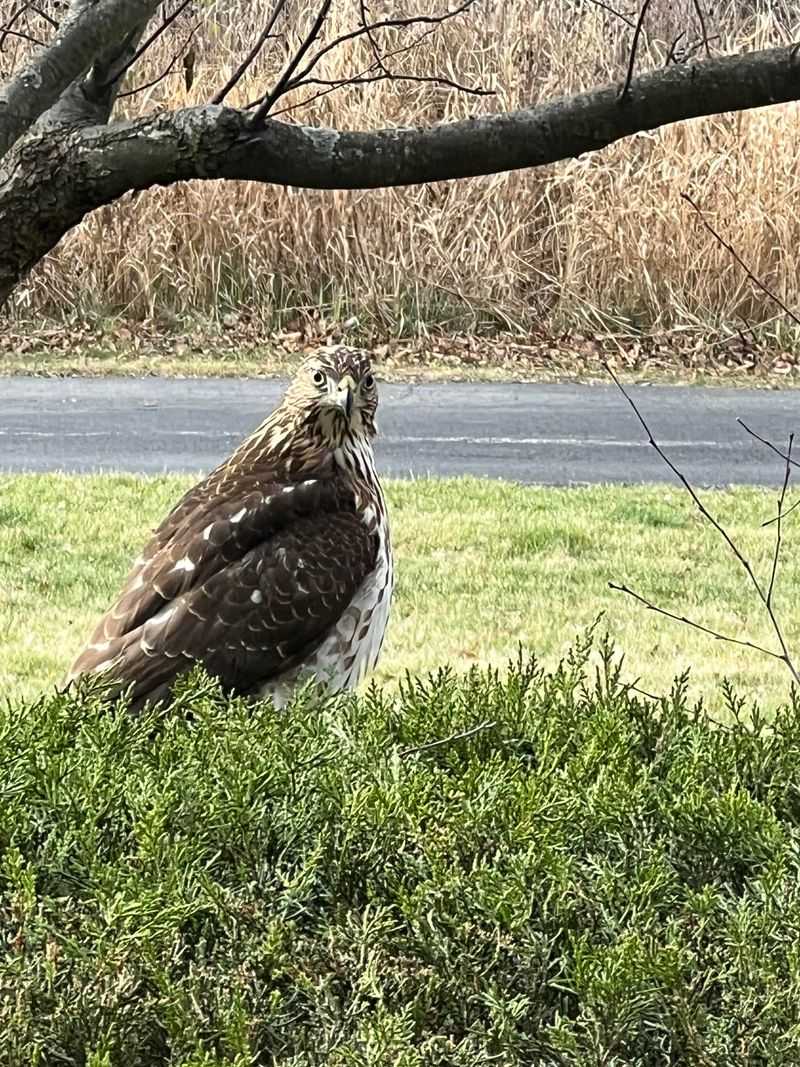
Hawks don’t actually want to be in your garden; they’re following the food supply.
Rodents, ground squirrels, and small birds attract these raptors to residential areas throughout California.
By reducing prey populations around your property, you make your yard less interesting to hunting hawks.
Start by securing garbage cans with tight-fitting lids and cleaning up fallen fruit from trees.
Citrus trees common in Southern California drop fruit that attracts rats and mice.
Harvest fruit promptly and remove any that falls to the ground.
Bird feeders create concentrations of small birds that hawks notice from great distances.
If hawk activity increases, consider temporarily removing feeders for a few weeks.
This disperses the bird population and may encourage hawks to hunt elsewhere.
When you resume feeding, use feeders positioned under protective structures or near dense shrubs.
Pet food left outdoors attracts rodents that in turn attract hawks.
Feed pets indoors or bring bowls inside immediately after meals.
Store pet food in sealed containers rather than bags that rodents can chew through.
Check your property for standing water sources that attract various animals.
Birdbaths and pet water bowls draw thirsty creatures that hawks prey upon.
While you shouldn’t eliminate water completely, positioning these sources under cover reduces hawk visibility.
Many California homeowners don’t realize that woodpiles and storage areas harbor rodent populations.
Organize outdoor storage to eliminate hiding spots.
This integrated approach addresses the root cause of hawk presence rather than just treating symptoms.
5. Use Visual Deterrents And Reflective Objects
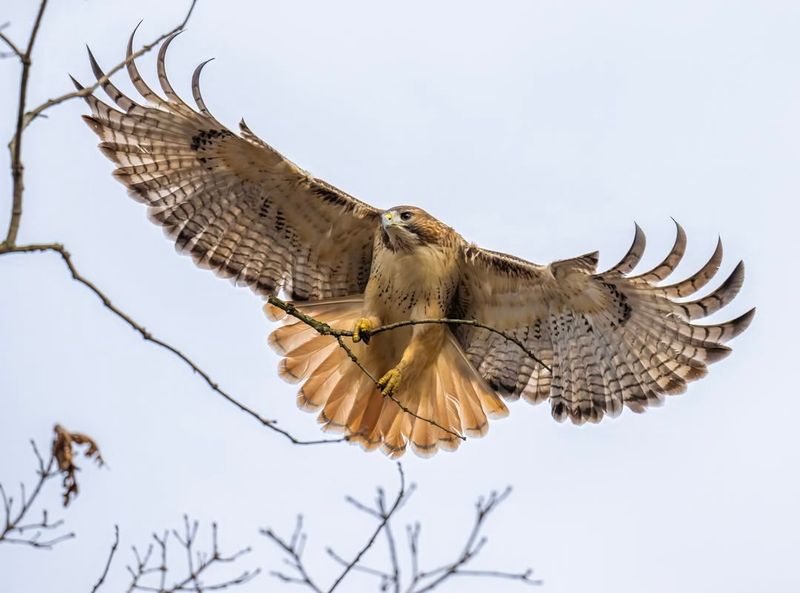
Shiny, moving objects create visual disturbances that make hawks uncomfortable and less likely to hunt in your space.
Old CDs hung on strings, reflective tape, and metallic pinwheels catch sunlight and create unpredictable flashes that hawks find unsettling.
These simple solutions cost very little but can be surprisingly effective.
Position reflective deterrents throughout your garden rather than clustering them in one spot.
Distribute them near vulnerable areas like chicken coops, pet play zones, and bird feeding stations.
The more coverage you create, the more inhospitable your yard becomes for hunting hawks.
Movement amplifies the effectiveness of visual deterrents.
Streamers, flags, and wind chimes that move with California breezes create constantly changing patterns.
Hawks rely on predictable environments for successful hunting, so disrupting that predictability works in your favor.
Predator decoys like owl statues can help initially, but hawks quickly learn which threats are real.
If you use decoys, move them regularly to maintain the illusion.
Some San Francisco and Sacramento residents rotate between different types of decoys to keep hawks guessing.
Mylar balloons designed as bird deterrents work well because they move unpredictably and reflect light from multiple angles.
Secure them properly so they don’t blow away or become litter.
Replace them when they deflate or fade.
Combine visual deterrents with other protection methods for best results.
Hawks are intelligent and adaptable, so no single solution works forever.
Rotating different deterrents and changing their positions every few weeks maintains their effectiveness.
This affordable approach works particularly well in suburban California neighborhoods where multiple yards using similar methods create larger deterrent zones.
6. Build Covered Runs For Chickens And Small Animals
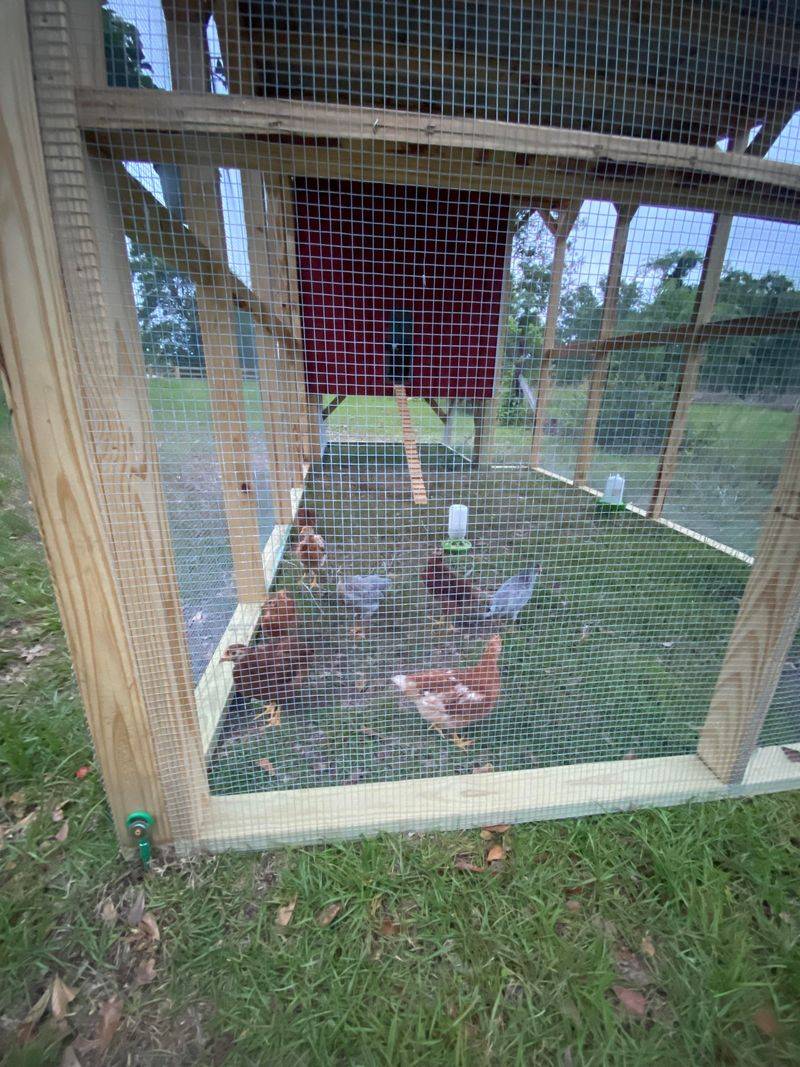
Permanent structures offer the ultimate protection for chickens, rabbits, and other small livestock popular in California backyards.
A covered run combines the benefits of outdoor access with complete overhead protection.
Your animals can enjoy fresh air, sunshine, and natural foraging while staying safe from aerial predators.
Construction requires sturdy framing and complete coverage from all angles.
Hawks can be remarkably persistent, so weak spots in your design become entry points.
Use hardware cloth rather than chicken wire because it’s stronger and has smaller openings that prevent talons from reaching through.
Size matters when planning your covered run.
Animals need adequate space to move naturally and exhibit normal behaviors.
Many California chicken keepers recommend at least 10 square feet per bird in covered runs.
Larger is always better if your property allows.
Ventilation and drainage are crucial considerations in California’s varied climate.
Coastal areas need designs that handle fog and moisture, while inland regions require shade and airflow for hot summer days.
Incorporate these elements into your plans from the beginning.
The investment in a well-built covered run pays dividends through years of worry-free animal keeping.
Many California residents in rural areas like Sonoma County and Kern County consider covered runs essential infrastructure.
You can build gradually, starting with basic coverage and adding improvements over time.
Consider attaching the covered run directly to your coop or hutch so animals can move between spaces safely.
This integrated design eliminates vulnerable transition moments.
Local building codes may apply, so check requirements before starting construction in your California community.
7. Understand California Hawk Protection Laws
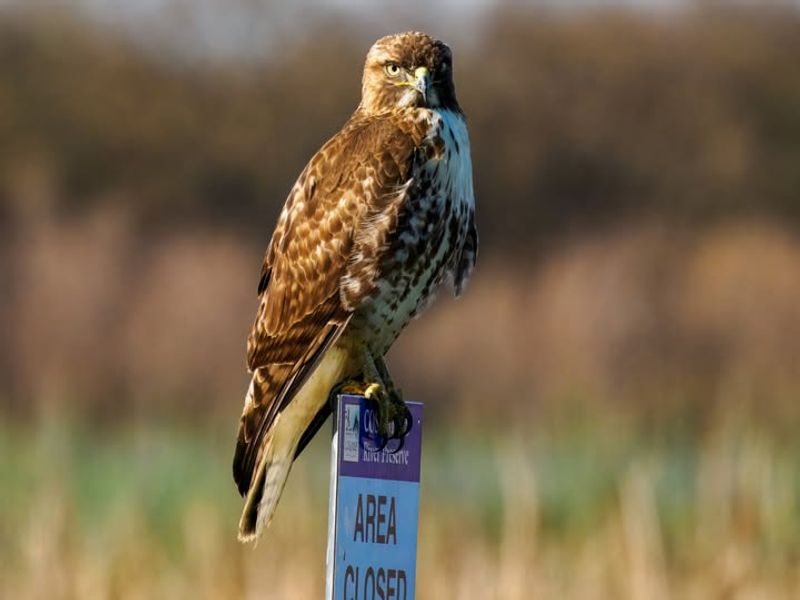
Federal and state regulations strictly protect hawks and other raptors throughout California.
The Migratory Bird Treaty Act makes it illegal to harm, harass, or interfere with hawks in any way without proper permits.
Understanding these laws helps you respond appropriately when hawks appear on your property.
You cannot trap, relocate, or harm hawks even if they threaten your pets or livestock.
Penalties for violations include substantial fines and potential criminal charges.
California takes wildlife protection seriously, and enforcement agencies actively investigate complaints about raptor harassment.
These laws exist because hawk populations faced serious declines in the past.
Conservation efforts have successfully restored many species, and continued protection ensures their survival.
Hawks also provide valuable pest control by managing rodent populations throughout California’s agricultural and urban areas.
If hawks persistently threaten your animals despite preventive measures, contact California Department of Fish and Wildlife for guidance.
They can assess your situation and potentially provide permits for specific deterrent methods.
Documentation of losses or threats strengthens your case for assistance.
Wildlife rehabilitation centers throughout California offer advice on coexisting with hawks.
Organizations in cities like Los Angeles, San Diego, and San Francisco have experience helping residents manage hawk conflicts.
They understand both wildlife needs and homeowner concerns.
Education about hawk behavior often reveals solutions that work within legal boundaries.
Learning to identify hawk species in your area helps you understand their patterns and preferences.
Most conflicts can be resolved through proper protective measures rather than attempting to remove the hawks.
This knowledge-based approach respects both wildlife and your rights as a property owner.
8. Establish A Routine Monitoring Schedule
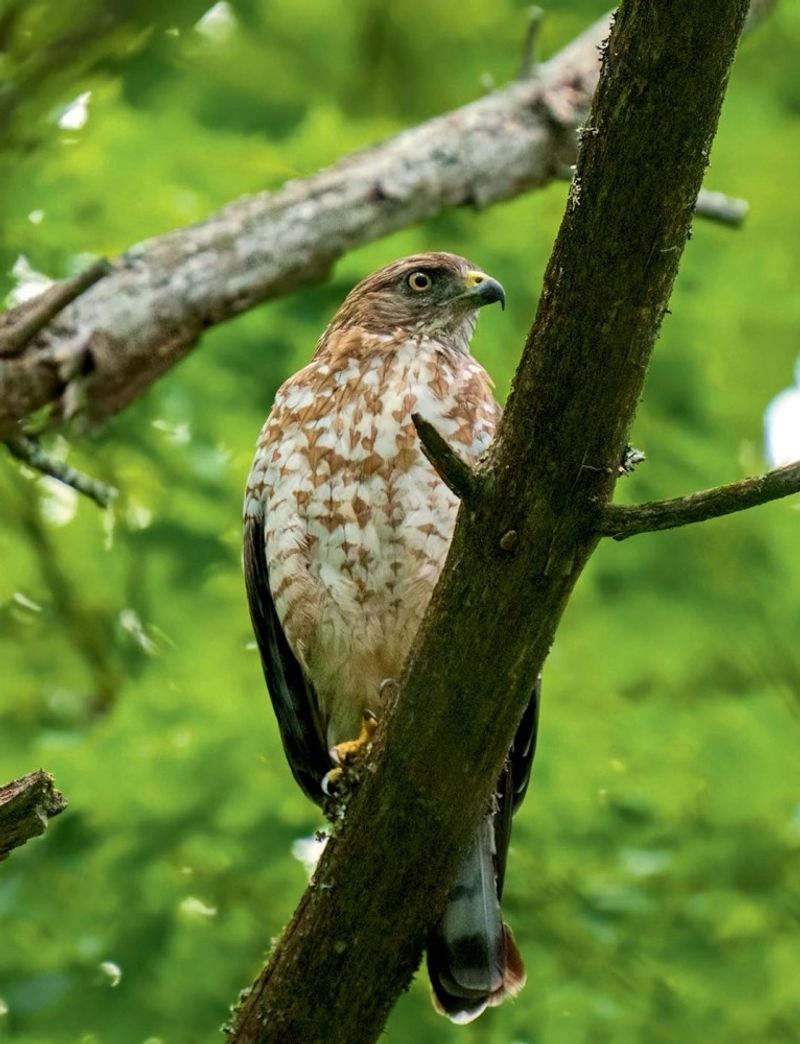
Consistent observation helps you understand hawk patterns around your California property.
Hawks often hunt the same territories at predictable times, and recognizing these patterns allows you to adjust your activities accordingly.
Keep a simple log noting when you see hawks, where they perch, and what they seem to be hunting.
Morning checks before releasing pets or opening coops become second nature after a few weeks.
Scan trees, rooftops, and utility poles where hawks commonly wait while surveying hunting grounds.
Binoculars help identify hawks at a distance before they pose immediate threats.
Seasonal changes affect hawk behavior throughout California.
Migration periods bring different species through your area, while nesting season makes resident hawks more territorial.
Spring and fall typically see increased hawk activity as birds move along California’s Pacific Flyway.
Share observations with neighbors who may also be experiencing hawk presence.
Collaborative awareness creates safer conditions for everyone’s pets and livestock.
Many California neighborhoods use social media groups to alert each other about hawk sightings.
Document any close encounters or actual incidents with photos and notes.
This information proves valuable if you need to contact wildlife authorities or if patterns suggest a particular hawk has become problematic.
California wildlife officials appreciate detailed reports that help them understand human-wildlife conflicts.
Regular monitoring also reveals whether your deterrent methods are working.
If hawk sightings decrease after implementing protective measures, you know your strategies are effective.
Conversely, continued presence might indicate the need for additional or different approaches.
This systematic observation transforms hawk management from reactive panic to proactive planning that protects your animals while respecting these magnificent California raptors.