This Forgotten Wildflower Is Returning To Missouri Backyards
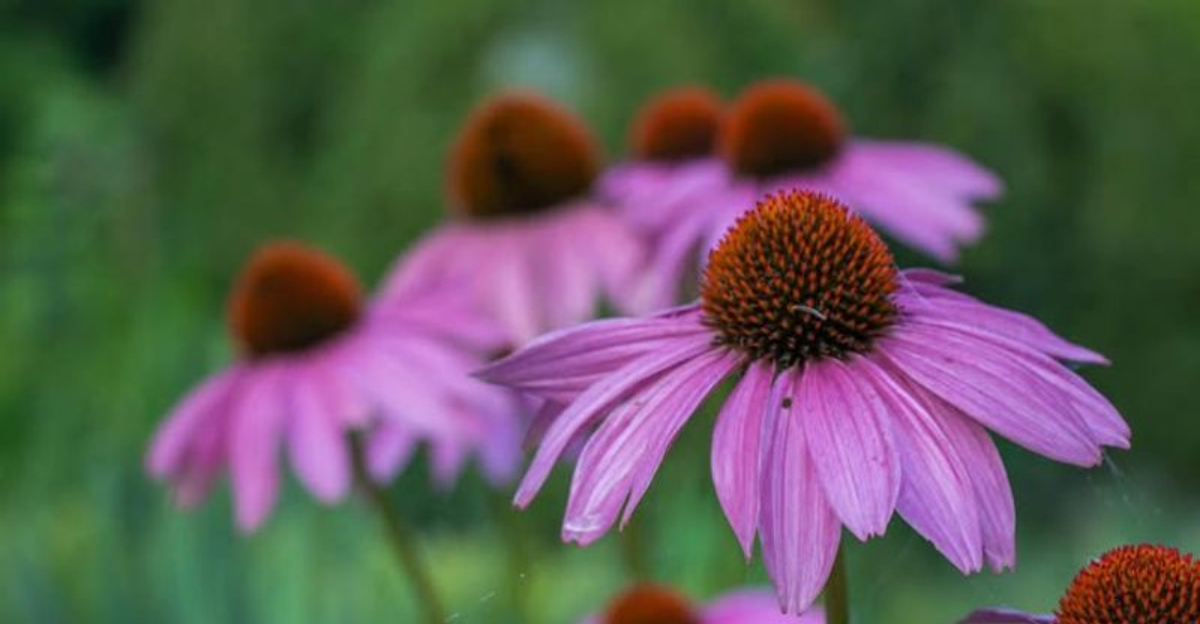
Purple coneflower is no stranger to Missouri soil, even if it spent years out of the spotlight.
Once a familiar sight in open fields and along fence lines, this tough native wildflower faded as tidy lawns and ornamental plants took center stage.
Now it’s making a quiet comeback, popping up in backyards like an old friend showing up unannounced but welcome.
This plant earns its keep.
Purple coneflower stands tall through heat and dry spells, blooms when other plants throw in the towel, and brings pollinators in like bees to honey.
Butterflies, birds, and bees all flock to its bright petals, turning simple yards into lively spaces.
Missouri homeowners are starting to see the value in plants that pull their weight.
Less watering, fewer chemicals, and more natural beauty make coneflower a smart pick.
Changing habits, lighter mowing, and a growing interest in native plants have all opened the door for its return.
Purple coneflower proves that old-school plants still have plenty to offer.
Its revival is a sign that Missouri backyards are shifting toward practical beauty, where tough, reliable wildflowers shine again without much fuss or hand-holding.
1. Purple Coneflower Is A Native Missouri Wildflower With Deep Historical Roots
Long before suburban lawns and ornamental gardens existed, purple coneflower blanketed Missouri prairies alongside big bluestem grass and black-eyed Susans.
Native American tribes who lived in this region valued the plant for its medicinal properties and used it in traditional remedies for generations.
Early settlers observed these practices and began incorporating the wildflower into their own homesteads.
Purple coneflower evolved specifically to thrive in Missouri’s hot summers, unpredictable spring weather, and occasional droughts.
Its deep taproot system reaches far into the soil, allowing it to survive conditions that would stress non-native plants.
Unlike imported flowers that struggle in Missouri’s clay-heavy soil, purple coneflower actually prefers it.
As agriculture expanded across Missouri during the 1800s and 1900s, native prairies were plowed under for crops and pastures.
Purple coneflower populations declined dramatically as their natural habitat disappeared.
By the mid-20th century, many Missouri residents had never seen this wildflower growing naturally in their area.
Today, conservation efforts and renewed interest in native plants have sparked a revival.
Missouri gardeners are learning about the wildflower’s historical significance and ecological importance.
Nurseries across the state now stock purple coneflower varieties specifically suited to local conditions.
Planting purple coneflower in Missouri backyards helps restore a piece of the state’s natural heritage.
Each garden that includes this native wildflower becomes a small sanctuary for the plants and animals that once thrived across Missouri’s prairies.
The comeback represents both environmental awareness and a connection to the land’s original character.
2. Butterflies And Bees Flock To Purple Coneflower Like A Neighborhood Ice Cream Truck
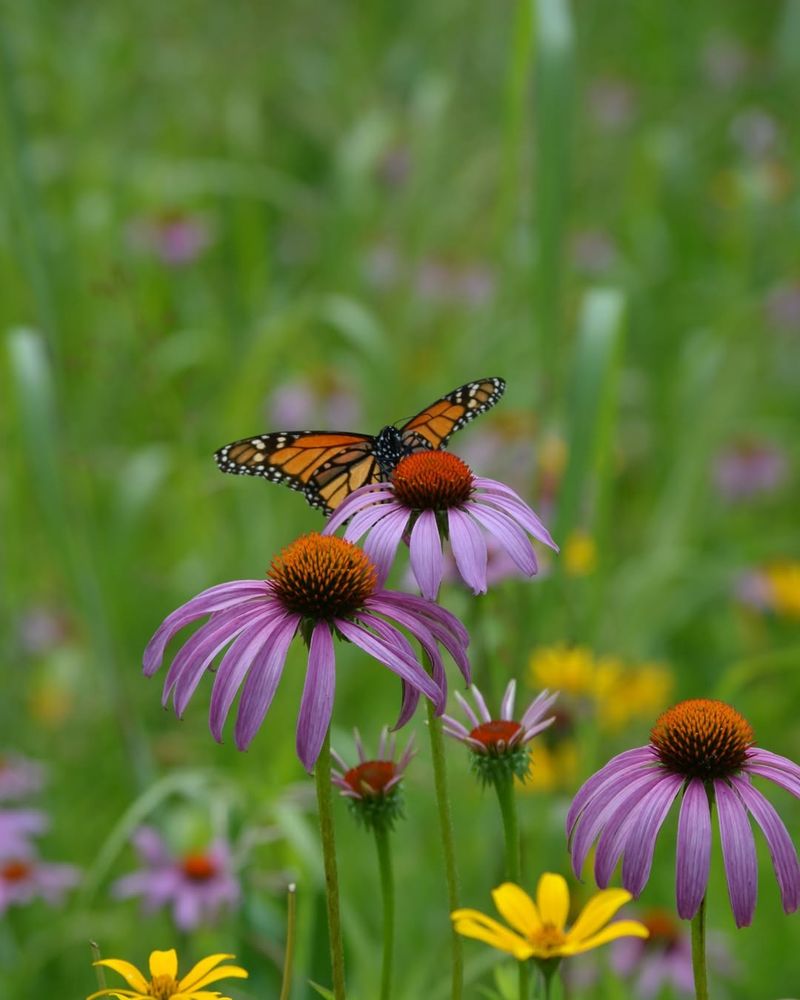
Watch any purple coneflower patch during summer, and you’ll witness a constant parade of winged visitors.
Monarch butterflies, swallowtails, and painted ladies can’t resist the nectar-rich blooms that serve as a crucial fuel source during their travels.
Your Missouri Garden Changes Every Week. Your Plan Should Too.
Gardening in Missouri changes quickly throughout the season. Every Friday you’ll receive a simple weekly plan showing exactly what to plant, prune, fertilize, harvest, and protect so you never miss the right timing.
Bumblebees and honeybees buzz from flower to flower, collecting pollen and nectar throughout the day.
Missouri backyards that include purple coneflower become vital rest stops for pollinators moving through the region.
Many butterfly species need specific native plants to complete their life cycles, and purple coneflower provides exactly what they’re searching for.
The flower’s structure makes it easy for pollinators to access the sweet nectar hidden inside.
Unlike some ornamental flowers bred for appearance rather than function, purple coneflower delivers real nutritional value to insects.
The blooming period extends from early summer through fall, providing food when many other flowers have finished blooming.
This extended season makes purple coneflower especially valuable in Missouri, where hot August weather can limit flower options.
Hummingbirds occasionally visit purple coneflower, though they prefer tubular flowers.
However, the insects attracted to the blooms become food sources for birds, creating a complete backyard ecosystem.
Missouri gardeners who plant purple coneflower often notice increased bird activity as insect populations grow.
Creating pollinator habitat has become increasingly important as natural areas shrink across Missouri.
Every purple coneflower planted in a backyard contributes to a network of stepping stones that help pollinators survive and thrive.
The simple act of adding this native wildflower to your garden supports countless species that depend on these plants for survival.
3. Purple Coneflower Thrives In Missouri’s Challenging Climate Without Constant Pampering
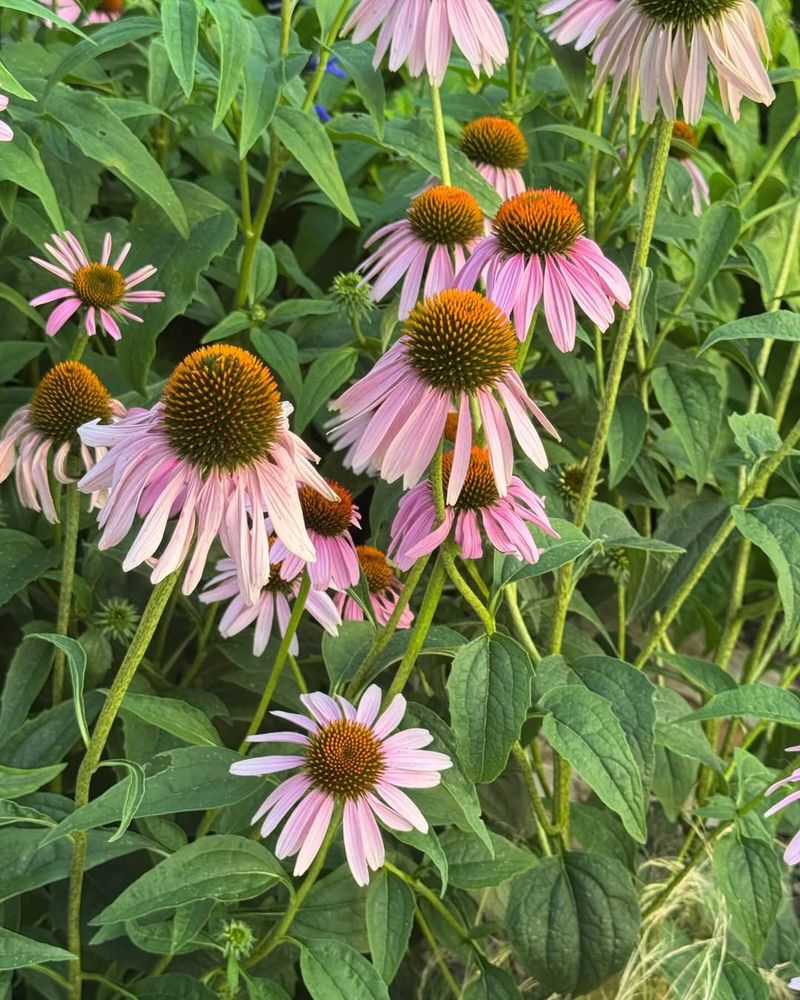
Most gardeners in Missouri know the struggle of keeping plants alive through scorching July heat waves and unpredictable spring freezes.
Purple coneflower laughs in the face of these challenges, standing tall when imported perennials wilt and fade.
Once established, this native wildflower needs minimal watering, even during dry spells that leave lawns brown and crunchy.
The secret lies in purple coneflower’s remarkable root system that can extend several feet deep into Missouri soil.
While shallow-rooted plants depend on frequent watering, purple coneflower taps into moisture reserves far below the surface.
This adaptation developed over thousands of years in prairie environments where rainfall was inconsistent and droughts were common.
Missouri gardeners appreciate plants that don’t require constant attention, and purple coneflower delivers beautifully on this promise.
After the first growing season, established plants rarely need supplemental water unless conditions become extremely dry.
They tolerate Missouri’s heavy clay soil better than most perennials, eliminating the need for extensive soil amendments.
Temperature fluctuations that damage tender plants barely affect purple coneflower.
The wildflower survives Missouri winters without protection, returning reliably each spring when temperatures warm.
Hot summer days that send gardeners indoors don’t phase purple coneflower, which continues blooming through heat that would devastate less adapted species.
Choosing native plants like purple coneflower makes gardening in Missouri significantly easier and more sustainable.
Less watering means lower water bills and reduced environmental impact.
The time saved on maintenance can be spent enjoying the garden rather than constantly tending struggling plants that weren’t meant for Missouri’s unique climate conditions.
4. The Wildflower’s Medicinal History Stretches Back Centuries Across Multiple Cultures
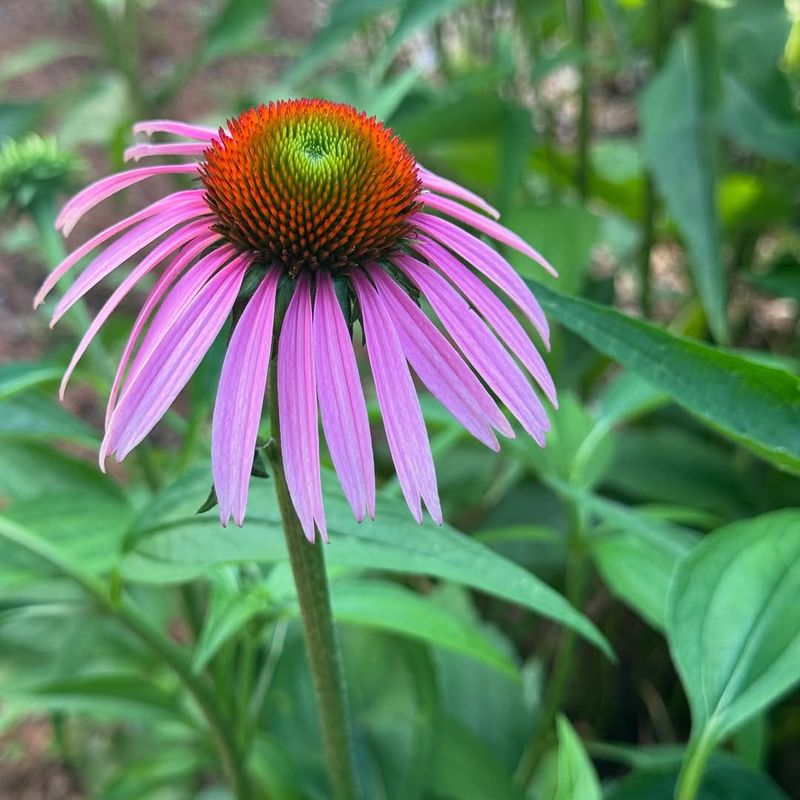
Stories passed down through generations tell of Native American healers who recognized purple coneflower’s special properties long before modern science existed.
Plains tribes, including those who lived in what is now Missouri, used various parts of the plant to address ailments ranging from minor wounds to more serious conditions.
The knowledge was considered valuable and was carefully taught to new healers.
When European settlers arrived in Missouri and surrounding regions, they observed these traditional uses with great interest.
Some adopted purple coneflower into their own folk medicine practices, creating remedies that blended Old World and New World healing traditions.
By the late 1800s, purple coneflower preparations had become popular across the United States.
Modern research has examined purple coneflower, commonly called echinacea in herbal medicine circles, to understand what our ancestors knew instinctively.
Studies have focused on the plant’s compounds and their effects on human health.
While scientific opinions vary on effectiveness, echinacea products remain among the most popular herbal supplements sold in stores today.
Missouri gardeners who grow purple coneflower connect with this rich medicinal history every time they walk past the blooms.
Some harvest roots and flowers to make their own preparations, following recipes adapted from historical sources.
Others simply appreciate knowing their backyard contains a plant that has served humanity for so many generations.
Whether you’re interested in herbal medicine or not, the medicinal legacy of purple coneflower adds fascinating depth to this native wildflower.
Growing it in Missouri backyards preserves not just a plant species but also cultural knowledge that spans centuries and connects us to the people who first lived on this land.
5. Goldfinches Devour Purple Coneflower Seeds Like Kids At A Birthday Party
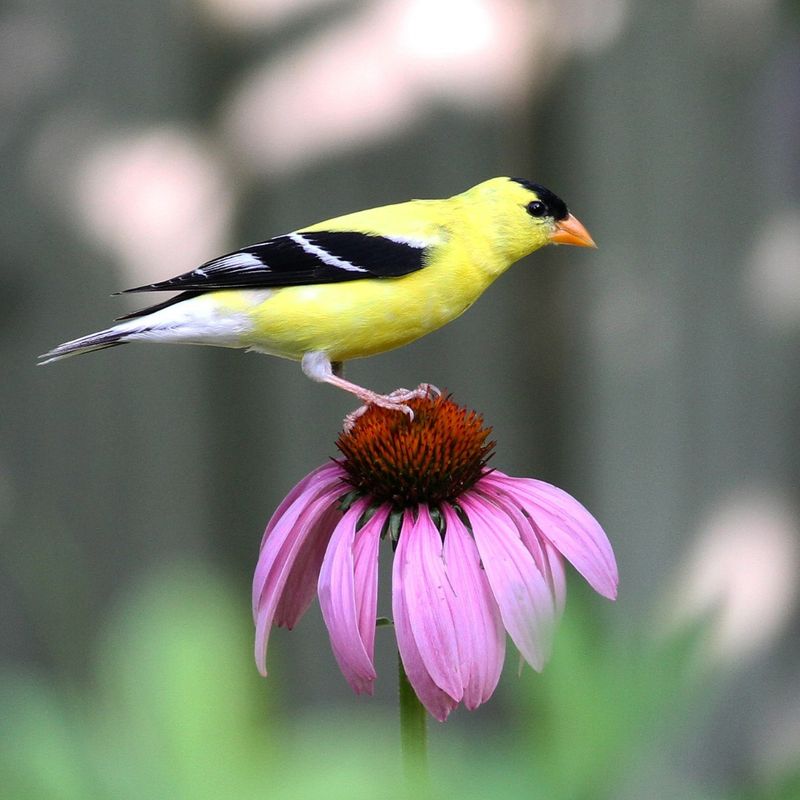
Late summer transforms purple coneflower blooms into spiky seed heads that might look spent to human eyes but represent a feast to hungry birds.
American goldfinches, with their bright yellow plumage, arrive in noisy flocks to harvest the nutritious seeds.
These cheerful birds cling to the dried flower heads, expertly extracting seeds while chattering to their companions.
Missouri backyards that include purple coneflower provide critical food sources for goldfinches and other seed-eating birds during fall and winter months.
While many gardeners feel compelled to deadhead spent flowers for tidiness, leaving purple coneflower seed heads intact serves wildlife far better.
The seeds remain accessible to birds even after snow covers the ground.
Chickadees, nuthatches, and sparrows also visit purple coneflower seed heads throughout the colder months.
Watching these birds work the dried flowers provides entertainment during seasons when gardens otherwise look dormant.
Missouri winters can feel long and dreary, but a backyard full of seed-bearing native plants stays active with bird life.
The nutritional content of purple coneflower seeds makes them especially valuable for birds preparing for migration or surviving harsh weather.
Each seed head contains dozens of seeds packed with fats and proteins that birds need for energy.
By planting purple coneflower, Missouri gardeners essentially install a self-replenishing bird feeder that requires no maintenance or refilling.
Leaving flower stalks standing through winter also provides shelter for beneficial insects that overwinter in hollow stems.
Come spring, these insects emerge to pollinate gardens and control pest populations.
The simple decision to skip fall cleanup and let purple coneflower stand creates habitat that supports Missouri wildlife through multiple seasons and strengthens the entire backyard ecosystem.
6. Purple Coneflower Blooms Create Eye-Catching Garden Displays Throughout Missouri Summers
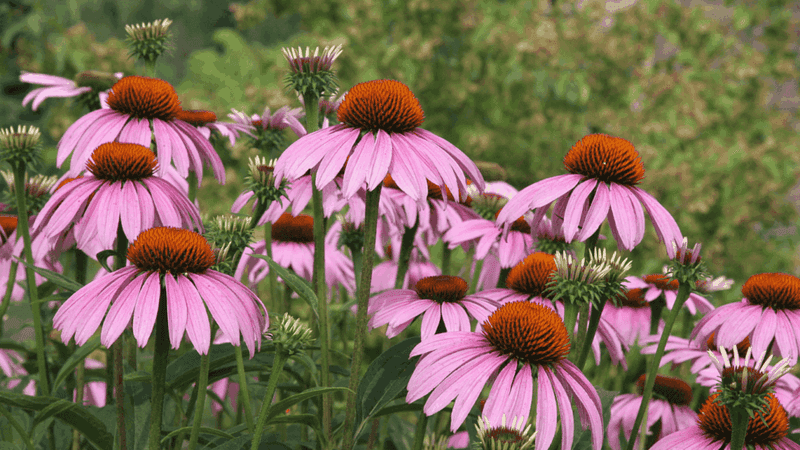
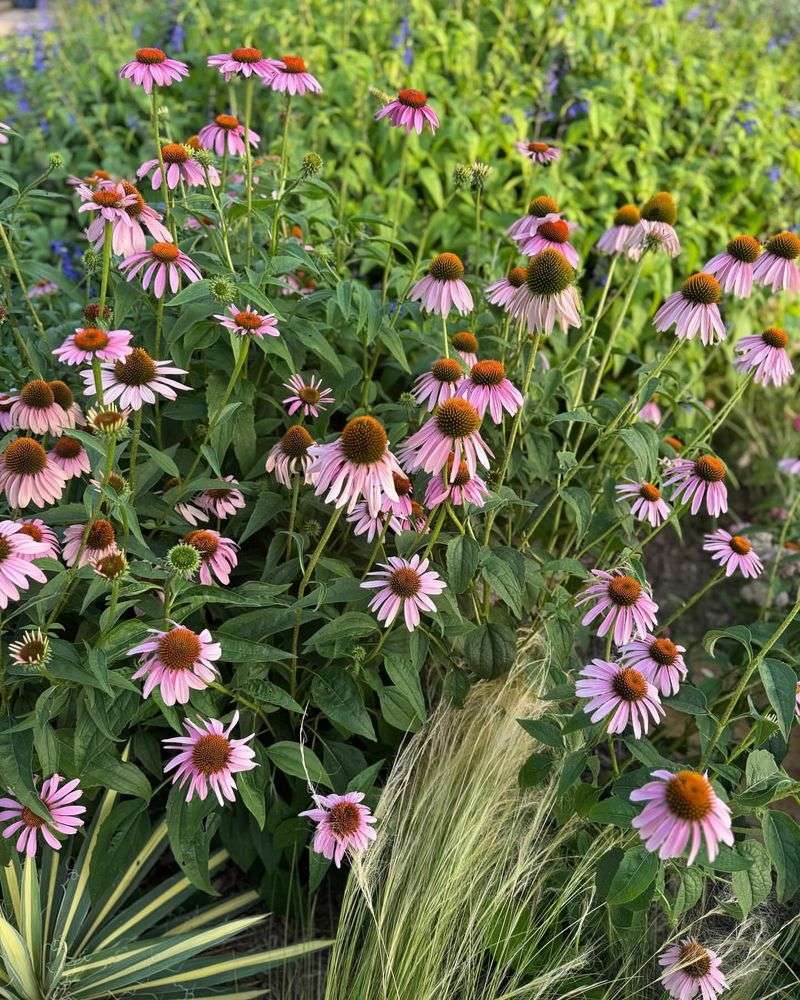
Few sights compare to a mass planting of purple coneflower in full bloom, with dozens of pink-purple flowers swaying on sturdy stems above green foliage.
The distinctive drooping petals surrounding prominent orange-brown center cones create a prairie aesthetic that feels both wild and intentional.
Missouri gardeners have rediscovered how effectively purple coneflower anchors summer garden designs.
Each bloom can last for weeks, and plants produce flowers continuously from June through September in Missouri’s climate.
This extended blooming period means months of color without the need to replant annuals or coax reluctant perennials to rebloom.
The flowers hold up remarkably well in Missouri’s summer heat, maintaining their appearance when other plants look stressed and tired.
Purple coneflower works beautifully in various garden styles, from formal perennial borders to naturalized meadow plantings.
In Missouri backyards, they pair wonderfully with other native plants like black-eyed Susans, butterfly weed, and ornamental grasses.
The height, typically reaching two to four feet, provides mid-border structure without blocking shorter plants.
Color variations now available include white, yellow, orange, and various shades of pink, though traditional purple-pink varieties remain most popular in Missouri gardens.
These cultivars still provide the same wildlife benefits as their wild ancestors while offering expanded design possibilities.
Mixing different colors creates dynamic displays that change as different varieties hit peak bloom.
Cut flower enthusiasts appreciate purple coneflower for bouquets that bring Missouri garden beauty indoors.
The sturdy stems and long-lasting blooms make excellent arrangements that hold up for over a week in water.
Cutting flowers for indoor enjoyment actually encourages plants to produce more blooms, creating a win-win situation for gardeners who want both outdoor displays and fresh-cut arrangements throughout the summer season.
7. Growing Purple Coneflower From Seed Costs Almost Nothing And Rewards Patience
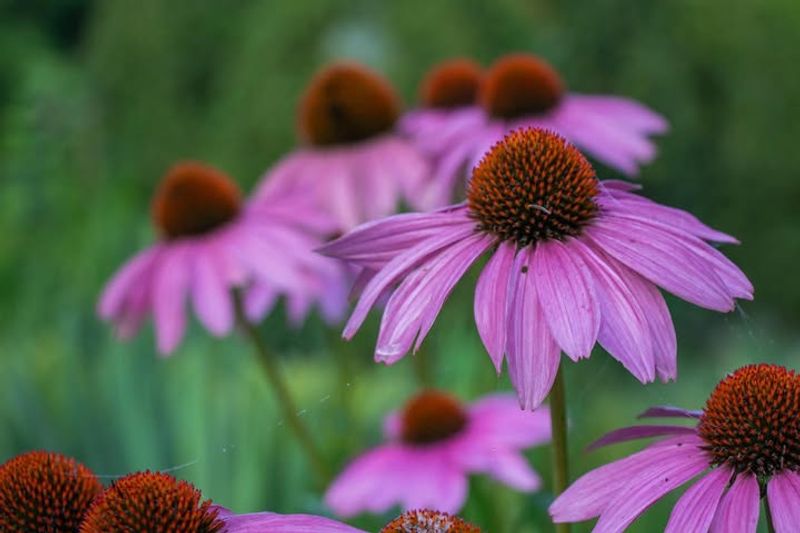
Nursery-bought purple coneflower plants can cost anywhere from eight to fifteen dollars each, but a seed packet containing dozens of seeds typically costs less than five dollars.
Missouri gardeners on a budget have discovered that starting purple coneflower from seed makes financial sense, especially when creating large plantings.
The process requires patience but demands very little expertise or special equipment.
Seeds can be sown directly in Missouri gardens during fall or early spring, mimicking the natural cycle that wild purple coneflower follows.
Many gardeners prefer fall planting because seeds undergo natural cold stratification over winter, which improves germination rates.
Simply scatter seeds in prepared soil, press them lightly into contact with the earth, and let Missouri’s weather do the work.
Indoor seed starting gives gardeners a head start on the growing season and allows closer monitoring of young seedlings.
Purple coneflower seeds need light to germinate, so barely cover them with soil or vermiculite.
Place seed trays in a sunny window or under grow lights, keeping the soil consistently moist but not waterlogged.
First-year purple coneflower plants grown from seed typically don’t bloom, focusing energy instead on developing strong root systems.
This can test a gardener’s patience, but second-year plants explode with growth and flowers, making the wait worthwhile.
Missouri gardeners who start seeds one year enjoy abundant blooms the next summer and for many years following.
Established purple coneflower plants self-seed readily in Missouri gardens, creating new volunteers that fill in gaps and expand plantings naturally.
These seedlings can be transplanted to desired locations or shared with neighbors who want to start their own purple coneflower patches.
The generosity of this native wildflower means one initial investment can multiply into dozens of plants that beautify Missouri backyards for generations.