How Georgia Gardeners Protect Their Backyard Compost Areas From Vultures
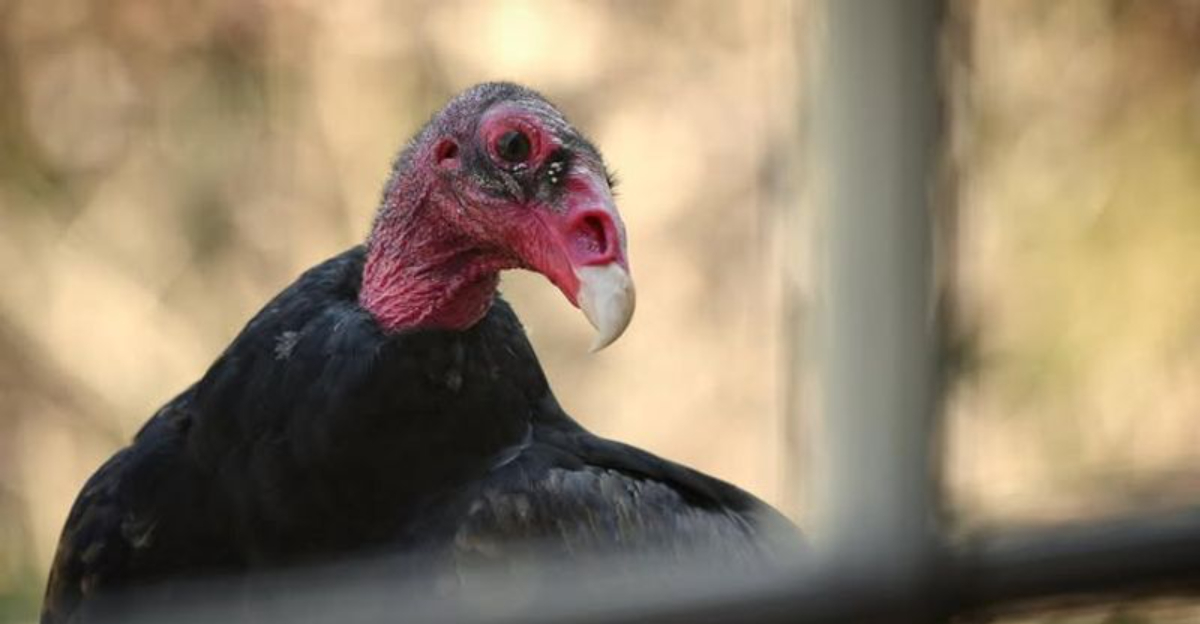
Backyard compost is meant to be a quiet helper, not a dinner bell for the whole neighborhood.
In parts of Georgia, though, gardeners know all too well how fast vultures can show up and turn a tidy compost area into a full-blown mess.
One day everything looks buttoned up, the next it feels like nature’s cleanup crew punched the clock early.
Vultures have sharp noses, strong beaks, and little respect for backyard boundaries.
Once they spot an easy target, they tend to come back like clockwork.
Torn bags, scattered scraps, and damaged bins can pile up fast, leaving gardeners frustrated and yards looking rough around the edges.
Georgia’s warm climate and long composting season only add fuel to the fire.
Food breaks down quickly, smells travel far, and curious scavengers take notice.
Some homeowners make matters worse by trying quick fixes that backfire and draw even more attention.
Protecting compost from vultures takes a bit of know-how and steady habits.
The right approach keeps the process clean, neighbors happy, and wildlife at a safe distance.
With smart choices, compost can stay a useful tool instead of becoming a magnet for unwanted guests.
1. Install Sturdy Wire Mesh Covers Over Compost Bins
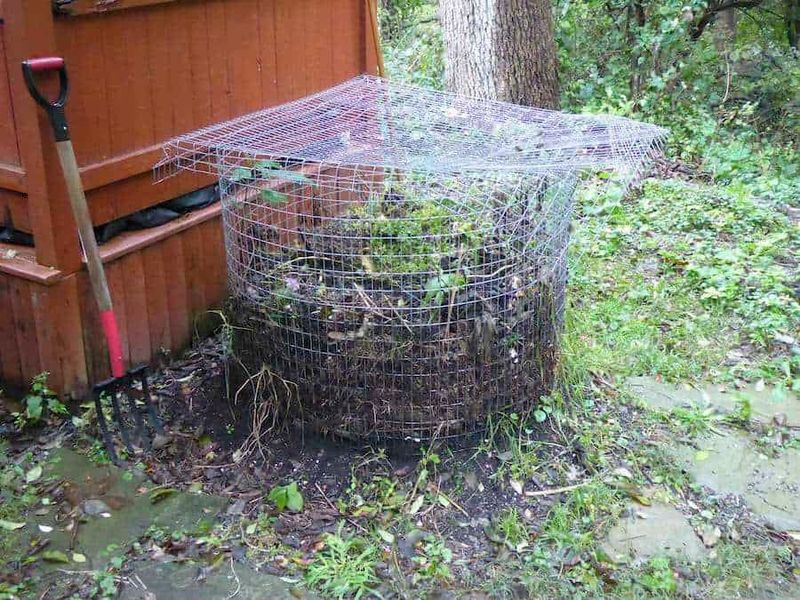
Physical barriers remain one of the most reliable solutions for keeping vultures away from compost piles throughout Georgia.
Wire mesh covers create an impenetrable shield that prevents these large birds from accessing the organic materials inside your bins.
Many gardeners in the Peach State have found that using heavy-gauge hardware cloth with openings no larger than half an inch works exceptionally well.
The installation process is straightforward and doesn’t require professional help.
You can secure the mesh to wooden or plastic compost bin frames using zip ties, screws, or metal fasteners.
Make sure the cover fits snugly without gaps along the edges where clever vultures might try to poke through.
Some Georgia homeowners even create hinged lids that allow easy access for adding materials while keeping birds out when closed.
This method offers year-round protection regardless of weather conditions.
The mesh allows proper airflow and moisture to reach your composting materials, which means your decomposition process continues without interruption.
Rain can still penetrate through the openings, maintaining the necessary moisture balance your compost needs.
Consider reinforcing the mesh with a wooden frame for added stability against persistent vultures.
These birds are surprisingly strong and determined when they detect food sources.
Georgia’s humid climate won’t damage galvanized or coated wire mesh, making this a long-lasting investment.
The best part is that this solution works immediately once installed, giving you instant peace of mind whenever you step into your backyard garden.
2. Use Motion-Activated Sprinkler Systems
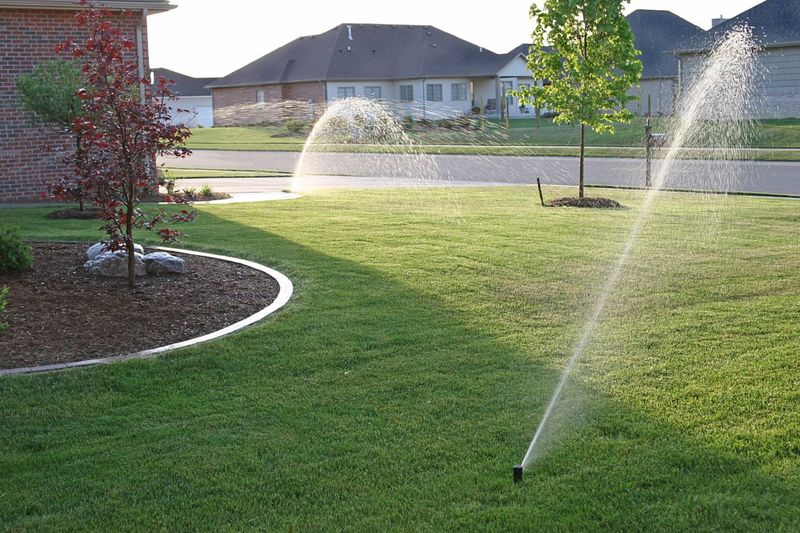
Technology meets traditional gardening when you set up motion-activated sprinklers around your compost area.
These clever devices detect movement and respond with a sudden burst of water, startling vultures before they can settle in for a meal.
Georgia gardeners appreciate this hands-off approach that works around the clock without requiring constant monitoring.
Your Georgia Garden Changes Every Week. Your Plan Should Too.
Gardening in Georgia changes quickly throughout the season. Every Friday you’ll receive a simple weekly plan showing exactly what to plant, prune, fertilize, harvest, and protect so you never miss the right timing.
The surprise factor makes this method particularly effective against vultures who prefer undisturbed feeding sessions.
Once these birds associate your compost area with unexpected water blasts, they typically avoid returning to that location.
The psychological deterrent lasts long after the initial encounters, creating a lasting impression on these intelligent creatures.
Installation requires connecting the sprinkler to your existing garden hose and positioning the sensor to cover the compost zone.
Most models allow you to adjust sensitivity settings and spray duration to match your specific needs.
During Georgia’s hot summer months, the occasional water spray also benefits nearby plants, making this a dual-purpose solution.
Battery-operated models offer flexibility for placement anywhere in your yard, even in areas far from water sources.
The water consumption remains minimal since the sprinklers only activate when motion is detected.
Many Atlanta and Macon residents report success within just a few days of installation.
Remember to adjust the sensor angle seasonally as the sun’s position changes, ensuring optimal detection of approaching vultures throughout the year in your Georgia garden.
3. Hang Reflective Tape And Shiny Objects
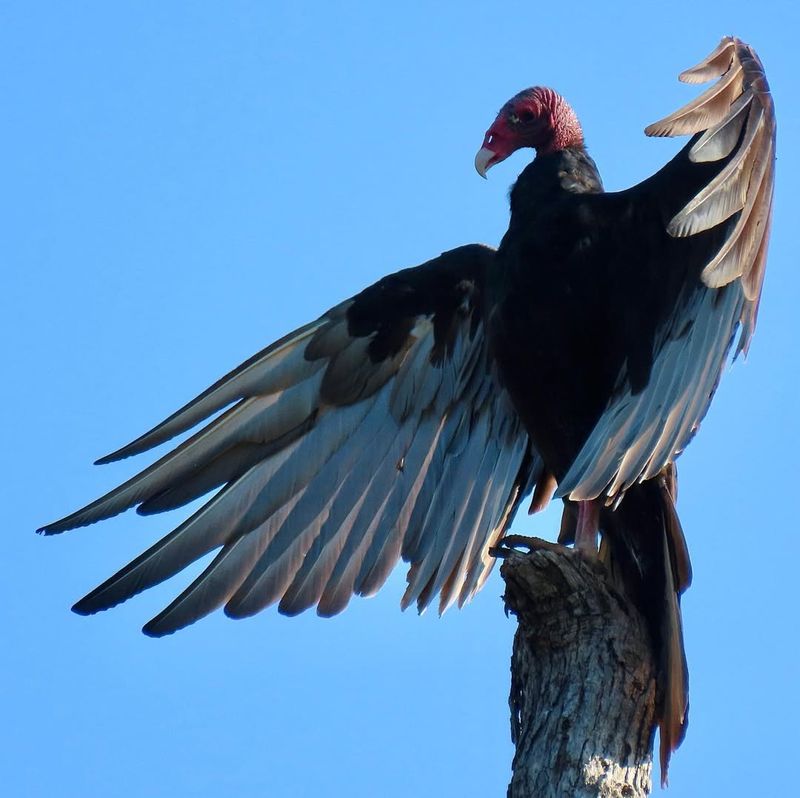
Sometimes the simplest solutions prove most effective, and reflective deterrents certainly fall into that category.
Vultures possess excellent eyesight but dislike sudden flashes of light and unpredictable movements.
Georgia gardeners have discovered that hanging strips of metallic tape, old CDs, or aluminum pie plates around compost areas creates a visual barrier that these birds find uncomfortable and confusing.
The science behind this method relates to how birds process visual information.
Rapid light reflections disorient vultures and make them feel unsafe in the area.
When combined with Georgia’s abundant sunshine, these shiny objects create constantly shifting patterns that discourage birds from approaching.
Even on cloudy days, enough light reflects to maintain the deterrent effect.
Creating your reflective defense system costs almost nothing if you repurpose household items.
String together old CDs using fishing line or wire, spacing them about six inches apart.
Hang these at varying heights around your compost bin’s perimeter.
Metallic party streamers work wonderfully too, twisting and catching light with every breeze that blows through your Georgia property.
For maximum effectiveness, replace or reposition your reflective items every few weeks.
Vultures are smart and may eventually grow accustomed to stationary deterrents.
Rotating different types of shiny objects keeps the defense fresh and unpredictable.
Many gardeners in Savannah and Athens combine this method with other strategies for comprehensive protection that adapts to vulture behavior patterns throughout different seasons.
4. Apply Predator Decoys Strategically
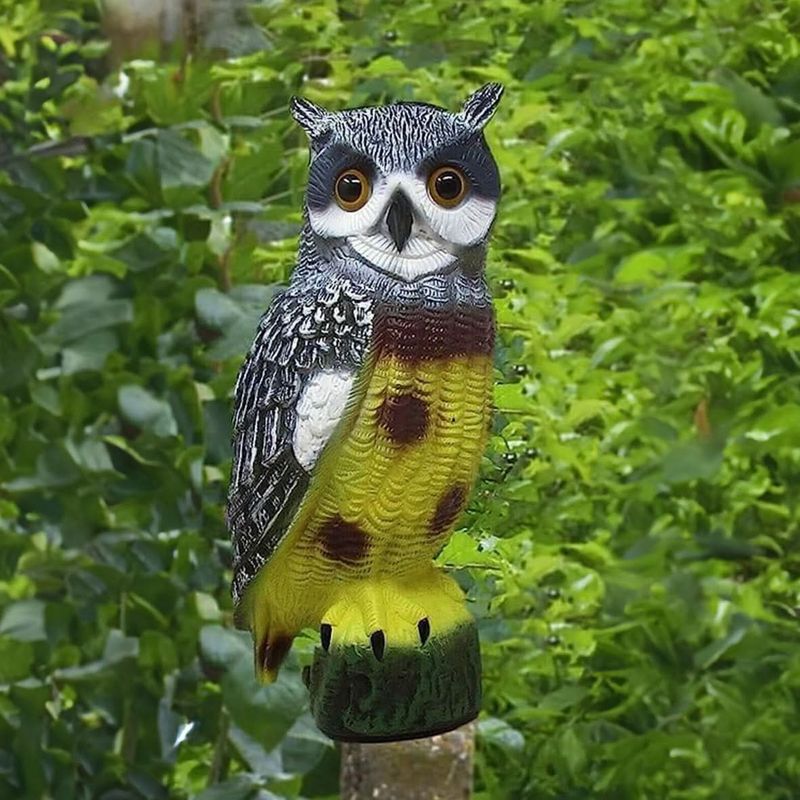
Nature’s own hierarchy provides inspiration for this popular deterrent method among Georgia composters.
Vultures naturally avoid areas where predators might be present, especially birds of prey that compete for similar food sources.
Placing realistic owl or hawk decoys near your compost pile taps into these deep-rooted survival instincts, creating an invisible boundary that vultures hesitate to cross.
The key to success lies in choosing high-quality decoys with lifelike details.
Cheap plastic versions rarely fool intelligent vultures for long.
Look for decoys with realistic coloring, proper proportions, and even glass eyes that reflect light naturally.
Some advanced models include moving heads or wings that activate with wind or batteries, significantly increasing their effectiveness across Georgia’s varied landscapes.
Positioning matters tremendously when deploying predator decoys.
Place them at eye level or higher, mimicking where real raptors would perch while surveying territory.
Mount owls on fence posts, shed roofs, or tall stakes near your compost area.
Change their location every three to four days because vultures will eventually recognize stationary objects as harmless.
Georgia gardeners often use multiple decoys of different species to create the impression of an active predator population.
Rotating between great horned owl replicas and red-tailed hawk models keeps vultures guessing about potential threats.
During nesting season in spring, this method works especially well since vultures become more cautious about protecting themselves from actual predators that might be defending territory throughout the state.
5. Maintain Proper Compost Balance And Coverage
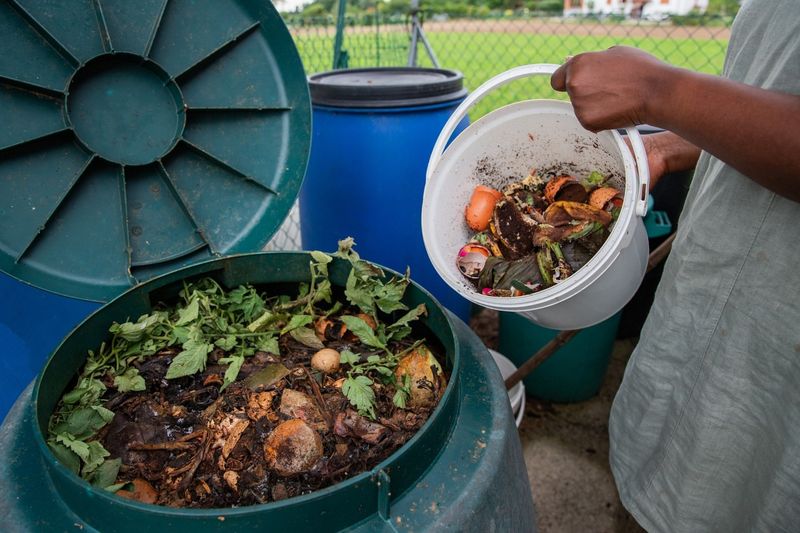
Prevention often works better than deterrence, and managing what attracts vultures in the first place makes tremendous sense.
Vultures possess an extraordinary sense of smell that leads them to decomposing matter from miles away.
Georgia gardeners who master proper composting techniques naturally reduce the odors that draw these scavengers to their yards in the first place.
The secret involves maintaining the right balance between carbon-rich brown materials and nitrogen-rich green materials.
A proper ratio of roughly three parts brown to one part green minimizes strong odors while promoting efficient decomposition.
Brown materials include dried leaves, shredded newspaper, and cardboard, all readily available throughout Georgia.
Green materials consist of vegetable scraps, grass clippings, and coffee grounds.
Covering each new layer of food scraps with several inches of brown material creates a physical and olfactory barrier.
This simple practice traps odors within the pile and makes your compost less detectable to vultures flying overhead.
Many successful composters in Augusta and Columbus add a thick layer of finished compost or soil on top, which acts as a biofilter that absorbs smells.
Avoid adding meat, dairy, or oily foods to your compost pile, as these items create especially strong odors that attract vultures from great distances.
Stick to plant-based materials that break down cleanly without producing the pungent scents these birds find irresistible.
Turning your compost regularly also helps accelerate decomposition and reduce smell intensity, making your Georgia garden less appealing to unwanted avian visitors.
6. Create Physical Barriers With Fencing
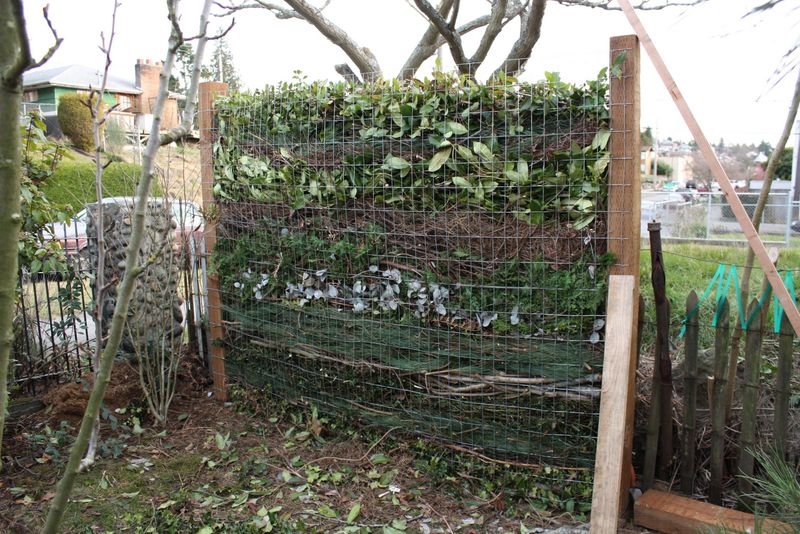
Building a dedicated enclosure around your compost area represents a more permanent solution that many Georgia homeowners prefer.
Vultures are large birds that need space to land and maneuver, so a well-designed fence creates obstacles they simply cannot navigate.
This approach transforms your compost zone into a protected space that remains accessible to you while excluding unwanted visitors.
The ideal fencing stands at least six feet tall and uses materials that prevent vultures from perching comfortably.
Chain-link fencing works adequately, but many gardeners across Georgia prefer chicken wire or hardware cloth stretched between wooden posts.
Adding a roof or netting across the top provides complete protection, though this requires more construction effort and materials.
Design your enclosure with a gate that allows easy entry for adding materials and harvesting finished compost.
Spring-loaded hinges ensure the gate closes automatically, preventing accidental openings that might invite vultures inside.
Some creative Georgia gardeners incorporate their compost enclosures into existing garden structures, making them both functional and visually appealing parts of the landscape.
Consider the ground level when building your fence barrier.
Vultures occasionally approach on foot, so extending the fencing material several inches below ground level prevents them from squeezing underneath.
Georgia’s red clay soil makes digging somewhat challenging but ensures fence posts remain stable once installed.
This comprehensive barrier approach works especially well in rural areas where vulture populations are higher and alternative food sources may be scarce during certain seasons throughout the state.
7. Utilize Sound Deterrents And Noise Makers
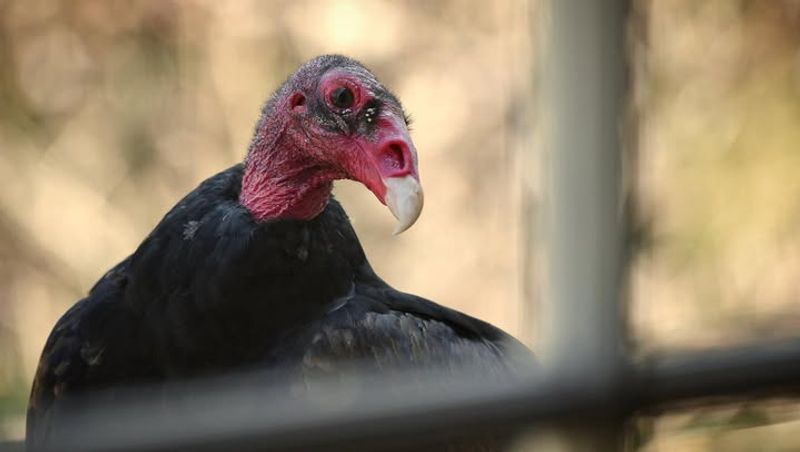
Auditory defenses offer another dimension to your vulture prevention strategy across Georgia properties.
These birds prefer quiet feeding environments where they can detect potential dangers through sound.
Introducing unexpected noises disrupts their comfort zone and encourages them to seek calmer locations for their scavenging activities.
Wind chimes provide a gentle yet effective constant noise source that vultures find irritating over time.
Choose metal chimes with deep tones that carry well across your garden space.
Georgia’s frequent breezes keep these devices active throughout most of the year.
Position multiple chimes at different heights around your compost area to create an overlapping sound field that covers the entire zone.
For more aggressive deterrence, ultrasonic devices emit high-frequency sounds that birds find unpleasant but remain largely inaudible to humans.
Battery-operated or solar-powered models work well in Georgia’s sunny climate.
Some advanced systems include motion sensors that trigger sound bursts only when vultures approach, conserving energy while maximizing effectiveness.
Traditional noise makers like aluminum pie pans strung together create clanging sounds when wind blows through your yard.
Radio music played at moderate volume from a weather-resistant speaker also discourages vultures from settling near your compost.
Many gardeners in rural Georgia areas report success with periodic recordings of predator calls, though this method requires careful management to avoid disturbing neighbors.
Combining multiple sound strategies creates an unpredictable acoustic environment that makes vultures uncomfortable and encourages them to find quieter feeding grounds elsewhere in the region.
8. Plant Dense Vegetation Around Compost Areas
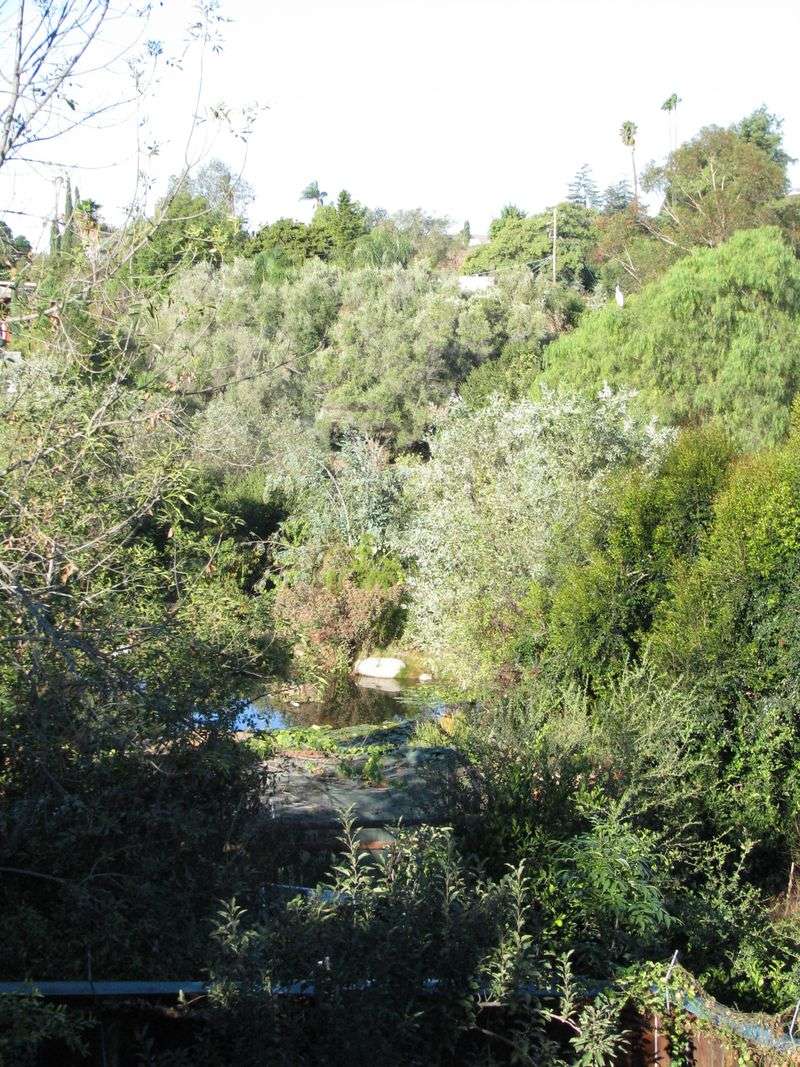
Landscaping choices can serve double duty by beautifying your Georgia property while simultaneously deterring vultures from your compost pile.
These large birds require clear approach paths and open space for landing.
Strategic planting of dense shrubs, ornamental grasses, and climbing vines creates natural obstacles that make your compost area less accessible and less attractive to these cautious scavengers.
Native Georgia plants work best for this purpose since they thrive in local conditions without requiring excessive maintenance.
Consider planting Southern wax myrtle, American beautyberry, or native azaleas around your compost zone.
These shrubs grow thick and full, creating visual barriers that obscure the compost pile from aerial view while also blocking ground-level approaches.
Tall ornamental grasses like muhly grass or switchgrass add height and movement to your defensive perimeter.
Their swaying motion in Georgia breezes creates additional visual disturbance that vultures find unsettling.
Climbing plants such as Carolina jessamine or crossvine can be trained onto trellises or fencing, adding another layer of coverage that makes your compost area feel enclosed and protected.
This living barrier approach takes time to establish but provides long-term benefits beyond vulture deterrence.
Your plants offer habitat for beneficial insects, improve air quality, and enhance your property’s overall appearance.
The vegetation also helps contain compost odors by acting as a natural filter.
Many Georgia gardeners appreciate how this method integrates seamlessly with existing landscaping plans, creating functional beauty that solves practical problems while supporting local ecosystems and wildlife that actually benefit your garden.