Here’s What You Should And Shouldn’t Do If A Feral Hog Enters Your Alabama Yard
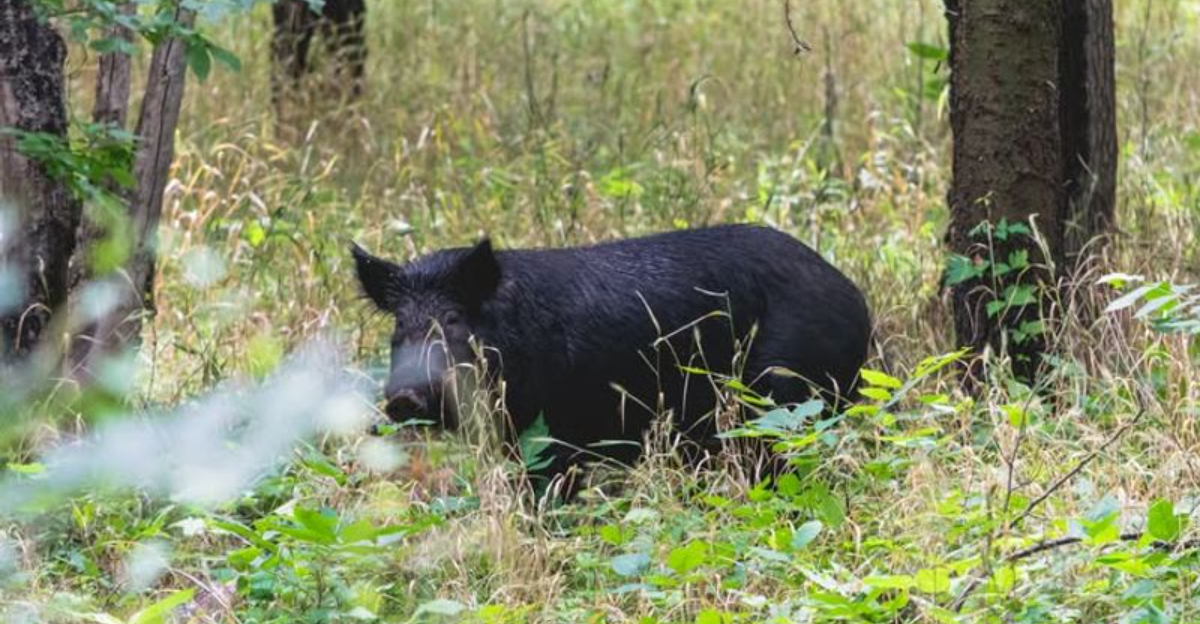
A feral hog wandering into an Alabama yard is enough to make anyone’s heart jump into their throat.
One minute everything looks peaceful, the next the ground is torn up like a farmer’s field after harvest.
These animals are strong, fast, and stubborn as a mule, and they do not scare off easily once they settle in.
Feral hogs are not just a nuisance.
They can cause serious damage in a blink, tear up lawns, break fences, and put pets and people at risk.
Some homeowners act on impulse and make bold moves that only pour fuel on the fire.
Others freeze in place and hope the hog will wander off on its own.
Both reactions can land you in hot water.
Alabama’s mix of woods, farmland, and residential areas makes yards tempting stopovers.
Food smells, water sources, and soft ground can pull hogs in like a magnet.
Once they find a reason to stay, they often bring friends along.
Handling this situation calls for a cool head and smart decisions.
Knowing what helps and what harms can protect your property, keep everyone safe, and stop a bad situation from spiraling out of control.
1. Keep Your Distance And Move Indoors Immediately
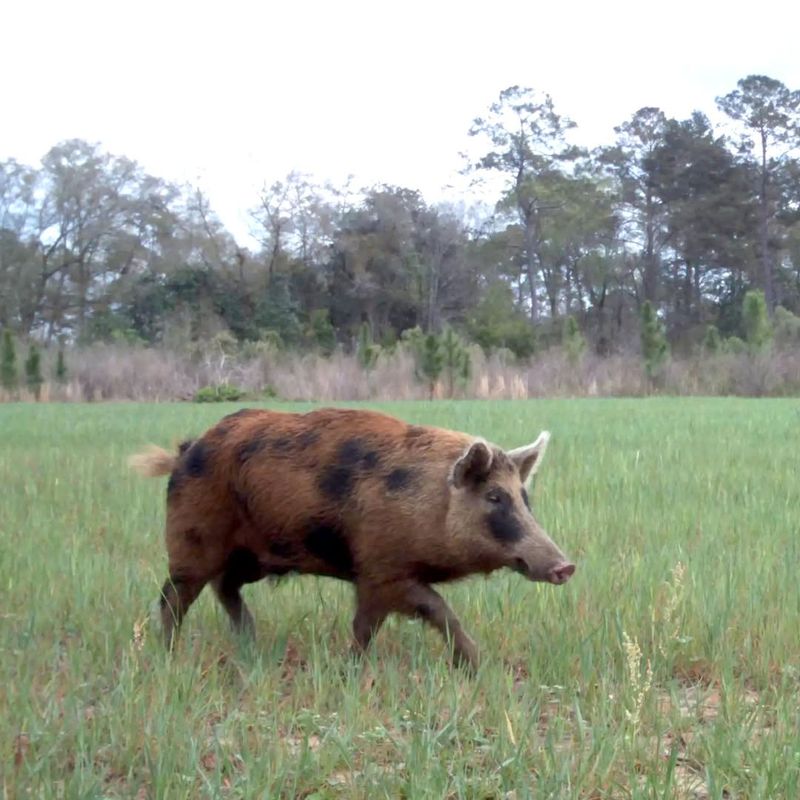
Your first instinct when spotting a feral hog in your Alabama yard should be to create distance between yourself and the animal.
Wild hogs can be aggressive when they feel threatened or cornered, and getting too close puts you at serious risk.
Even if the hog appears calm, remember that these are unpredictable wild animals, not farm pigs.
Back away slowly without making sudden movements that might startle the animal.
Avoid turning your back completely until you have created significant space between you and the hog.
Quick, jerky motions can trigger a defensive response, and feral hogs can run surprisingly fast when they want to.
Once you have backed away safely, head directly into your house or another secure building.
Make sure to bring any children or pets inside with you immediately.
Feral hogs have sharp tusks and powerful jaws that can cause serious injuries to both people and animals.
From inside your home, you can safely observe the hog through a window to see what it does next.
Many times, feral hogs are just passing through Alabama yards while searching for food or water.
They may leave on their own within a few minutes, but staying inside ensures your safety while you wait and decide on your next steps.
2. Contact Local Wildlife Officials Or Animal Control
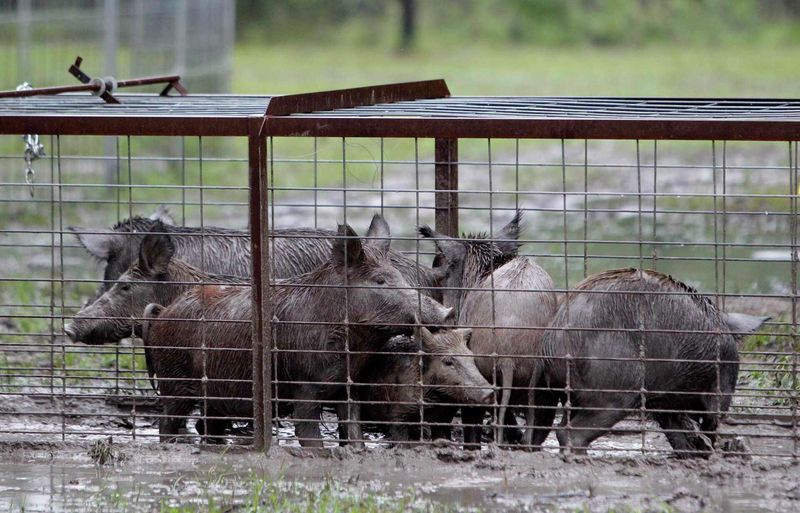
After getting yourself and your family to safety, reaching out to the proper authorities should be your next priority.
Alabama has specific agencies that deal with feral hog problems, including the Alabama Department of Conservation and Natural Resources and local animal control departments.
These professionals have the training and equipment needed to handle wild hog situations safely.
When you call, provide clear information about the hog’s size, behavior, and location in your yard.
Mention if there are multiple hogs or just one, and describe any damage they might be causing.
Your Alabama Garden Changes Every Week. Your Plan Should Too.
Gardening in Alabama changes quickly throughout the season. Every Friday you’ll receive a simple weekly plan showing exactly what to plant, prune, fertilize, harvest, and protect so you never miss the right timing.
This information helps officials determine the best response and how quickly they need to arrive.
Many Alabama counties have specific protocols for dealing with feral hogs since they are such a widespread problem throughout the state.
Some areas have trappers or hunters who work with local authorities to remove problem hogs.
Your local officials can guide you on what resources are available in your specific area.
While waiting for help to arrive, continue monitoring the hog from a safe indoor location.
Keep pets and family members inside until professionals tell you it is safe to go back outside.
Document the incident with photos or videos if you can do so safely from inside your home, as this evidence may help with future prevention efforts or insurance claims for any property damage.
3. Secure Your Pets And Livestock In Safe Enclosures
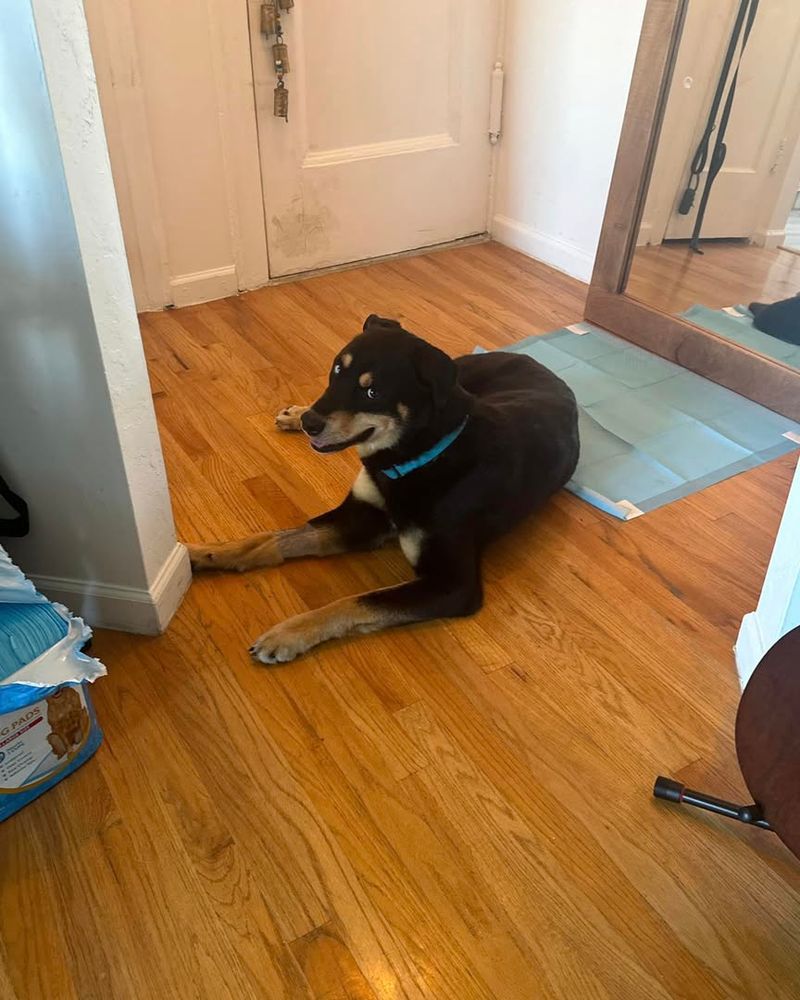
Feral hogs view smaller animals as either threats or potential food sources, making your pets and livestock vulnerable during an encounter.
Dogs often want to chase or confront wild hogs, which can lead to dangerous fights.
Cats, chickens, goats, and other animals are also at risk when feral hogs enter your Alabama property.
Bring dogs and cats inside your house immediately if they are outside when a hog appears.
Even large, protective dogs can get seriously hurt by a feral hog’s tusks.
These wild animals fight viciously when defending themselves, and a confrontation rarely ends well for domestic pets.
If you have chickens, goats, or other livestock, make sure they are locked in their coops or barns with secure doors.
Feral hogs have been known to break into poorly secured enclosures, especially if they smell food or are searching for an easy meal.
Check that all latches are fastened and that there are no gaps in fencing where a determined hog might push through.
Consider reinforcing your animal enclosures if feral hogs are common in your part of Alabama.
Strong fencing, buried barriers to prevent digging, and sturdy locks can protect your animals from future encounters.
Keeping pet food stored inside and removing outdoor water bowls temporarily can also make your yard less attractive to wandering hogs looking for an easy snack or drink.
4. Remove Food Sources And Attractants From Your Property
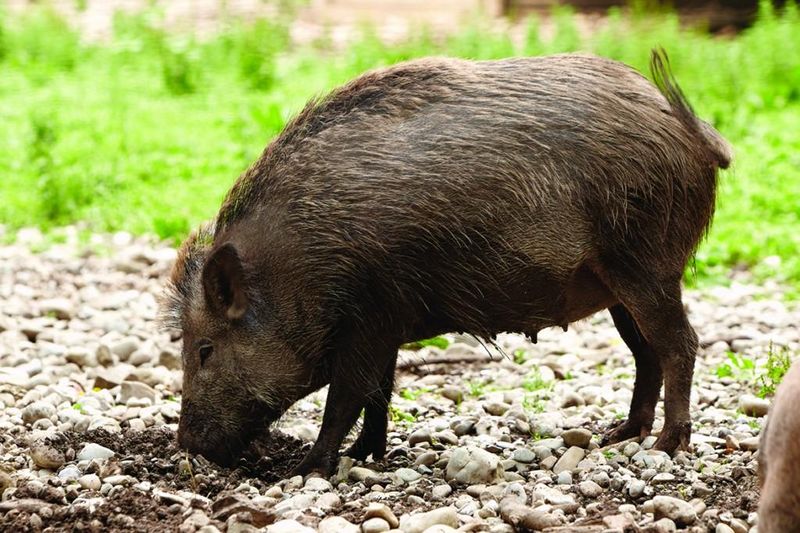
Understanding what draws feral hogs to your Alabama yard in the first place can help you prevent future visits.
These animals are constantly searching for food, and they have an excellent sense of smell that leads them to yards with easy meals.
Bird feeders, pet food bowls, unsecured garbage, and fallen fruit all act like dinner bells for hungry hogs.
Once the immediate danger has passed and the hog has left your property, take time to identify and remove anything that might have attracted it.
Pick up fallen fruit from trees regularly, especially pecans, acorns, and other nuts that feral hogs love.
Store garbage in sealed containers inside a garage or shed rather than leaving cans outside where hogs can smell and access them.
Bird feeders are surprisingly common attractants because seed spills on the ground and draws hogs looking for an easy meal.
Consider bringing feeders inside at night or switching to designs that minimize spillage.
Never leave pet food or water bowls outside overnight, as these are major draws for wildlife throughout Alabama.
Gardens and compost piles also attract feral hogs with their rich smells and easy digging.
Fencing off vegetable gardens with strong barriers and securing compost in closed bins rather than open piles can make your property less appealing.
The less reason a hog has to visit your yard, the less likely you are to have repeat encounters.
5. Document The Incident And Any Property Damage
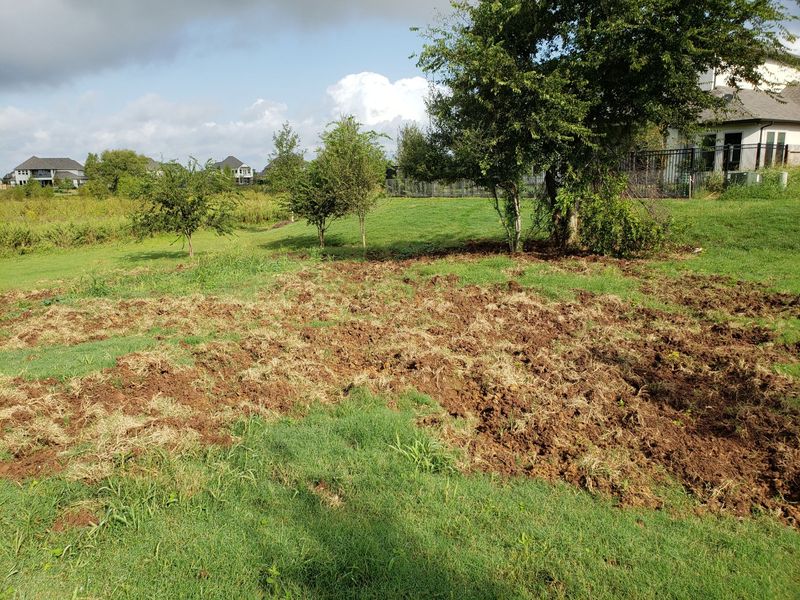
Feral hogs cause millions of dollars in property damage across Alabama every year, and documenting what happens in your yard creates an important record.
Take clear photographs or videos of any damage to your lawn, garden, fencing, or structures.
Show the extent of the rooting, which is when hogs use their snouts to dig up soil searching for roots, insects, and grubs.
Write down the date, time, and details of the encounter while the information is fresh in your memory.
Note how many hogs you saw, their approximate sizes, and how long they stayed on your property.
This documentation helps if you need to file an insurance claim or report the incident to local wildlife management agencies.
Some homeowners insurance policies in Alabama may cover damage caused by wild animals, though coverage varies significantly between companies.
Contact your insurance agent to ask about your specific policy and what documentation they require for claims.
Having thorough photos and written records strengthens your case if you decide to pursue compensation.
Your documentation also helps Alabama wildlife officials track feral hog populations and movement patterns in your area.
When multiple residents report sightings and damage, authorities can better allocate resources for control programs.
Sharing your experience with neighbors through community groups or social media can also help others prepare for potential encounters and create awareness about this growing problem throughout the state.
6. Don’t Approach Or Try To Feed The Hog
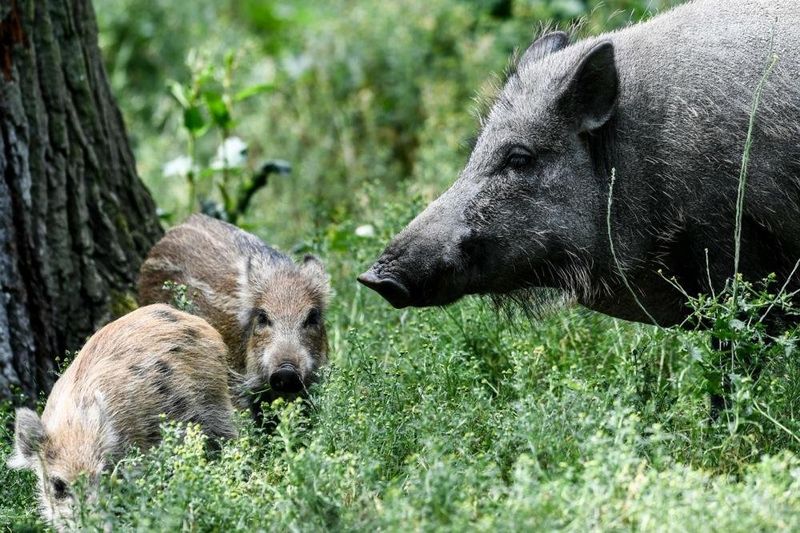
Some people make the dangerous mistake of treating feral hogs like farm animals or pets, but this thinking can lead to serious injuries.
Wild hogs in Alabama are not domesticated, and they have powerful instincts that make them unpredictable and potentially aggressive.
Approaching one to get a closer look or take a photo puts you in immediate danger.
Never attempt to offer food to a feral hog, even if it seems calm or curious.
Feeding wild animals teaches them to associate humans with food, which encourages them to return to your property repeatedly.
It also reduces their natural fear of people, making future encounters more dangerous for everyone in your neighborhood.
Feral hogs have sharp tusks that grow continuously throughout their lives, and they can inflict deep, serious wounds when defending themselves or their young.
Adult hogs can weigh between 100 and 400 pounds, giving them significant power when they charge.
Their bite force is incredibly strong, and they will use it without hesitation when they feel threatened.
Children are especially at risk because they may not understand the danger and might want to approach what looks like an interesting animal.
Teach kids in your Alabama household that feral hogs are dangerous wildlife that should always be avoided.
Explain that these are not like the pigs they might see in books or at petting zoos, and that staying far away is the only safe option when one appears in your yard.
7. Don’t Make Loud Noises Or Aggressive Gestures
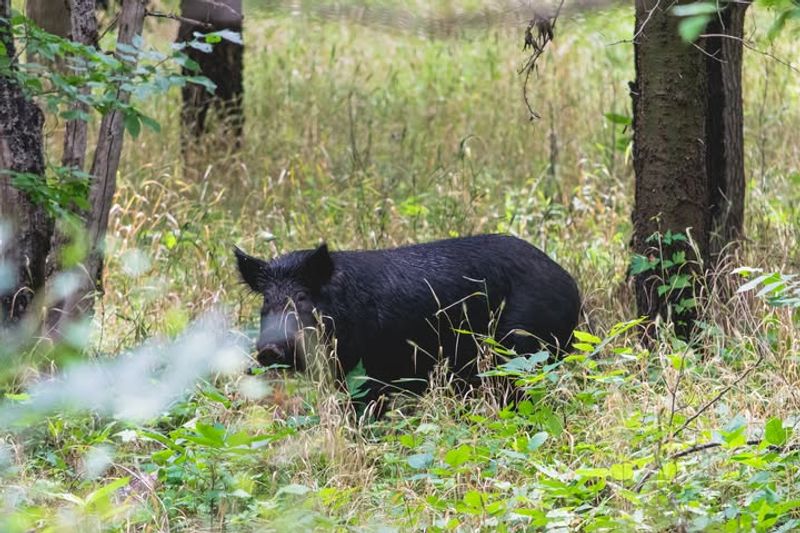
When faced with a frightening situation like a feral hog in your yard, your natural reaction might be to yell, wave your arms, or make loud noises to scare it away.
However, this approach often backfires with wild hogs and can actually provoke an attack rather than causing the animal to flee.
Feral hogs interpret loud, aggressive behavior as a threat, and their response is often to defend themselves rather than run away.
Unlike some wildlife that will retreat from human noise and activity, hogs are more likely to stand their ground or charge when they feel challenged.
This is especially true if the hog is protecting piglets or feels cornered in your yard.
Banging pots, honking car horns, or shouting might work on some animals, but with feral hogs in Alabama, these tactics create unnecessary risk.
The sudden loud sounds can startle the hog into a panic response, and a panicked wild animal is extremely dangerous.
Instead of scaring it away, you might trigger exactly the confrontation you were hoping to avoid.
The safest approach is always calm, quiet withdrawal to create distance and get yourself indoors.
Once you are safely inside, the hog will usually move on without incident.
Patience is far more effective than aggression when dealing with these powerful animals.
Let wildlife professionals handle removal if the hog does not leave on its own within a reasonable time frame.
8. Don’t Attempt To Trap Or Remove The Hog Yourself
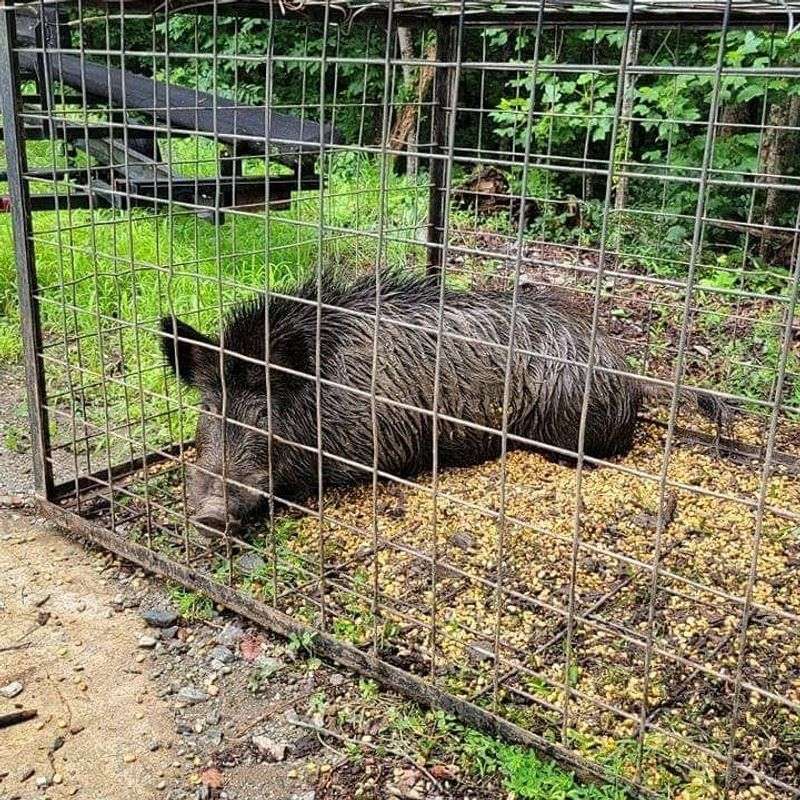
Watching a feral hog destroy your carefully maintained Alabama lawn might make you want to take matters into your own hands, but attempting to trap or remove the animal yourself is both dangerous and often illegal.
Feral hog trapping requires specific knowledge, proper equipment, and permits in many areas.
Without the right experience, you could seriously hurt yourself or make the situation much worse.
Trapped hogs become extremely aggressive and will fight violently to escape, putting anyone nearby at serious risk.
These animals are strong enough to damage or destroy poorly constructed traps, and an injured or enraged hog is far more dangerous than one simply passing through your yard.
Professional trappers understand hog behavior and have equipment designed to contain these powerful animals safely.
Alabama has specific regulations about feral hog control, and some methods that seem logical might actually violate state or local laws.
Certain types of traps are prohibited, and there may be rules about when and how hogs can be removed from residential areas.
Violating these regulations can result in fines or other legal consequences, on top of the physical dangers involved.
Instead of attempting DIY removal, contact licensed professionals who specialize in feral hog control throughout Alabama.
These experts can assess your property, set appropriate traps if needed, and remove hogs in compliance with all regulations.
They can also advise you on long-term prevention strategies to keep hogs from returning to your yard in the future.