How New York Homeowners Should Respond When A Fox Visits Their Yard
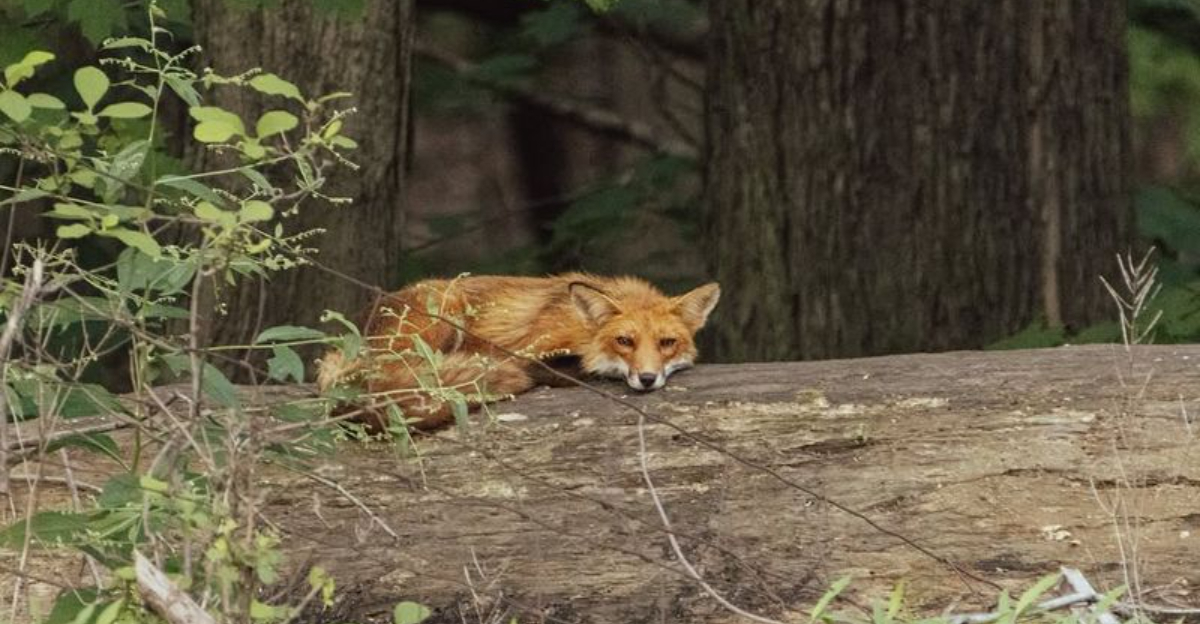
Fox sightings are becoming increasingly common across New York, especially in suburban neighborhoods that border wooded areas or green spaces.
While seeing a fox can be surprising, and sometimes alarming, most encounters are harmless when handled correctly.
Foxes are highly adaptable animals that often pass quietly through yards while searching for food or shelter.
Problems usually arise not from the fox itself, but from how homeowners respond.
Misunderstanding fox behavior can lead to unnecessary fear, risky interactions, or actions that accidentally encourage repeat visits.
New York homeowners benefit from knowing what normal fox behavior looks like, when a situation truly requires attention, and when it’s best to simply let the animal move on.
Understanding how to protect pets, remove attractants, and comply with local wildlife laws helps reduce conflict while keeping both people and animals safe.
A calm, informed response protects property, avoids legal issues, and supports responsible coexistence with wildlife that is now a regular part of many New York communities.
Stay Calm And Observe From A Distance

Seeing a fox trot through your yard might make your heart skip a beat, but there’s no need to panic or rush outside.
Foxes are naturally cautious creatures that usually want nothing to do with humans.
They’re just passing through, looking for a snack or exploring new territory.
Your best move is to watch quietly from inside your house or through a window.
This gives you a chance to appreciate these beautiful animals without startling them or putting yourself at risk.
Keep children and pets indoors until the fox moves along.
Foxes rarely attack people, but like any wild animal, they can become defensive if they feel cornered or threatened.
Grab your camera or phone if you want to capture the moment, but resist the urge to get too close for that perfect shot.
Remember that foxes are wild, not pets, and they need their space to feel comfortable.
Observing from a safe distance also helps you learn about the fox’s behavior patterns.
You might notice what time of day it visits, what areas of your yard it prefers, or whether it appears healthy and well-fed.
This information can be valuable if you need to contact wildlife officials later.
Never Feed The Fox Or Leave Food Out

It might seem kind to toss some food to a hungry-looking fox, but feeding wildlife creates serious problems for everyone involved.
When foxes learn that humans provide easy meals, they lose their natural wariness and start hanging around homes more often.
This increases the chance of unwanted encounters and can make foxes dependent on handouts instead of hunting for themselves.
Plus, human food isn’t healthy for foxes and can make them sick.
Beyond intentional feeding, you’ll want to secure anything in your yard that might attract a fox looking for an easy meal.
Bring pet food and water bowls inside after your dog or cat finishes eating.
Use garbage cans with tight-fitting lids and consider storing them in a garage or shed until collection day.
Your New York Garden Changes Every Week. Your Plan Should Too.
Gardening in New York changes quickly throughout the season. Every Friday you’ll receive a simple weekly plan showing exactly what to plant, prune, fertilize, harvest, and protect so you never miss the right timing.
Bird feeders can be problematic too, since spilled seeds attract rodents, which in turn attract foxes hunting those rodents.
If fox visits become frequent, you might need to remove feeders temporarily.
Compost piles should be properly managed in enclosed bins rather than open heaps that smell like a fox buffet.
Fallen fruit from trees should be picked up regularly during harvest season.
Taking these simple steps removes the temptation and encourages foxes to hunt naturally in fields and wooded areas where they belong.
Secure Your Pets And Small Animals

Foxes are opportunistic hunters, and small pets like rabbits, guinea pigs, chickens, and even small cats can look like prey to a hungry fox.
If you keep outdoor animals, now’s the time to double-check that their enclosures are truly fox-proof.
Reinforce chicken coops with sturdy wire mesh that extends below ground level, since foxes are excellent diggers.
Make sure doors and latches are secure and can’t be pried open by clever paws.
For pet rabbits or guinea pigs in outdoor hutches, bring them inside at night when foxes are most active.
If that’s not possible, ensure their housing is elevated off the ground and has solid floors rather than wire bottoms.
Add extra locks or clips to doors that might seem secure but could be manipulated by a determined fox.
Cat owners should keep their feline friends indoors, especially during dawn and dusk when foxes hunt most actively.
While adult cats can sometimes defend themselves, kittens and smaller cats are vulnerable.
Dogs should be supervised during outdoor time, particularly small breeds that might trigger a fox’s hunting instinct.
Even larger dogs can get into dangerous confrontations with foxes, especially during spring when foxes are protecting their young.
A solid fence at least six feet tall helps keep both your pets in and foxes out, creating a safer environment for everyone.
Remove Potential Den Sites From Your Property
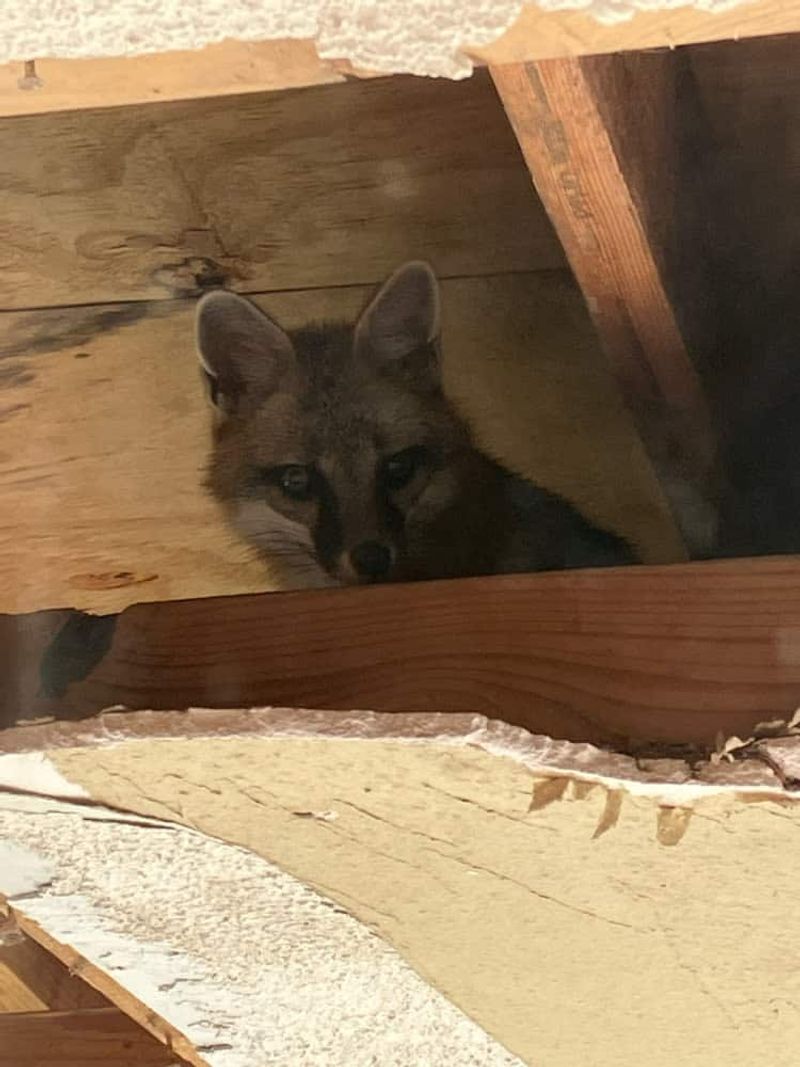
Foxes seek out quiet, sheltered spots to raise their young, and your yard might offer exactly what they’re looking for if you’re not careful.
Common den locations include spaces under sheds, decks, porches, and woodpiles.
Brush piles and overgrown vegetation also make attractive hiding spots.
Walk around your property and identify any areas that could serve as a cozy fox den.
If you find a potential den site that’s currently unoccupied, take action to make it less appealing before a fox family moves in.
Use hardware cloth or wire mesh to seal off spaces under structures, burying the barrier several inches underground to prevent digging.
Clear away brush piles, stack firewood neatly off the ground, and trim back overgrown shrubs that create dark, secluded areas.
Timing matters when it comes to den removal.
Spring is breeding season for foxes, and you definitely don’t want to accidentally trap young kits inside a sealed den.
If you suspect a fox is already using a den on your property, contact a wildlife professional before taking action.
They can help you determine if babies are present and advise on the best approach.
Sometimes the solution is simply waiting until the kits are old enough to leave with their mother, then securing the area to prevent future occupancy.
Make Noise To Encourage The Fox To Leave
When a fox lingers too long in your yard or seems a bit too comfortable, you can use noise to remind it that humans live here.
This technique, called hazing, helps reinforce a fox’s natural fear of people.
Step outside and clap your hands loudly, shake a can filled with coins, or bang pots together.
You can also use an air horn or whistle if you have one handy.
The goal isn’t to harm or terrify the fox, but to create an unpleasant association with your property so it chooses to hunt elsewhere.
Make yourself appear larger by raising your arms or opening a jacket.
Speak firmly in a loud voice, though shouting angrily isn’t necessary.
Consistency is key when hazing foxes.
If every family member responds the same way each time a fox appears, the animal will learn quickly that your yard isn’t a welcoming place.
However, never chase a fox into a corner or block its escape route.
Always give the animal a clear path to leave your property safely.
Motion-activated sprinklers or lights can also serve as automatic hazing devices that startle foxes without requiring you to be present.
These tools work especially well overnight when foxes are most active and you’re asleep.
Just make sure your neighbors know about the devices so they don’t get an unexpected surprise themselves.
Check For Signs Of Illness Or Injury
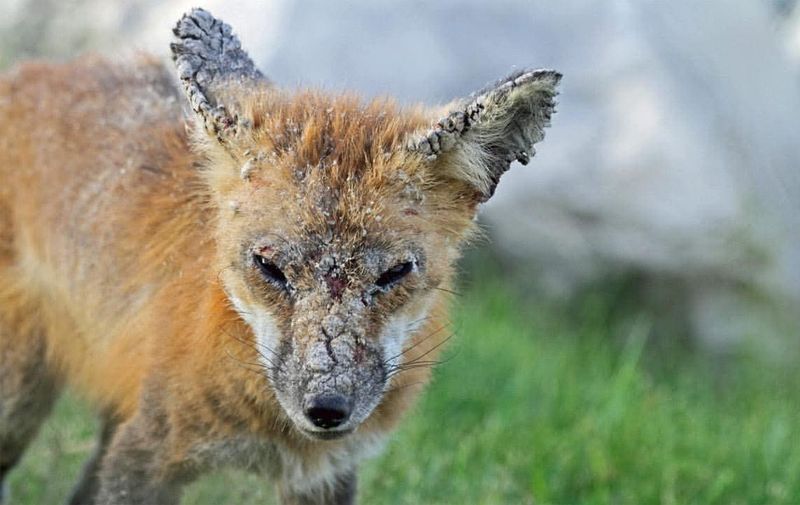
Most foxes you encounter will be healthy, alert, and quick to avoid human contact, but occasionally you might spot one that seems unwell.
Warning signs include stumbling or difficulty walking, discharge from the eyes or nose, patchy or mangy fur, excessive drooling, or unusually aggressive behavior.
A healthy fox that sees you will typically trot away quickly.
One that seems disoriented, approaches humans without fear, or acts strangely during broad daylight might be sick.
Mange is a common condition in foxes caused by tiny mites that burrow into the skin, causing intense itching and hair loss.
Foxes with severe mange often look thin and weak, with bare patches of skin visible.
While mange is treatable, it requires professional intervention.
Rabies is a more serious concern, though it’s relatively rare in foxes compared to other wildlife.
A rabid fox might act unusually tame, show no fear of people, have difficulty swallowing, or display aggressive behavior.
If you notice any of these symptoms, keep everyone away from the fox immediately.
Don’t attempt to help an injured or sick fox yourself, no matter how much you want to.
Contact your local animal control department or wildlife rehabilitation center right away.
They have the training and equipment to handle sick wildlife safely.
Keep pets and family members indoors until professionals arrive to assess the situation.
Install Motion-Activated Deterrents In Your Yard

Technology offers some clever solutions for discouraging foxes from treating your yard like their personal hunting ground.
Motion-activated sprinklers are one of the most effective and humane options available.
When a fox triggers the sensor, the device releases a sudden burst of water that startles the animal without causing any harm.
Foxes quickly learn to avoid areas where they get an unexpected shower.
These sprinklers work day and night and don’t require you to be awake or watching.
They’re particularly useful for protecting specific areas like vegetable gardens, chicken coops, or pet enclosures.
Just position them carefully so they cover the approach paths foxes are likely to use.
Motion-activated lights serve a similar purpose by creating sudden brightness that makes foxes uncomfortable.
Since foxes prefer to hunt under cover of darkness, bright lights can make your yard feel too exposed and risky.
Solar-powered options are available if you want to avoid running electrical wiring across your property.
Some homeowners also use ultrasonic devices that emit high-frequency sounds unpleasant to foxes but inaudible to humans.
Results with these vary, and some foxes seem to get used to them over time.
Combining multiple deterrent methods usually works better than relying on just one.
Rotate your strategies occasionally to keep foxes guessing and prevent them from becoming comfortable despite your efforts.
Educate Your Family And Neighbors About Fox Safety
Knowledge is one of your best tools when it comes to coexisting peacefully with foxes in your neighborhood.
Take time to teach your children about fox behavior and safety rules.
Explain that foxes are wild animals that should be admired from afar, never approached or touched.
Kids should know to come inside immediately if they see a fox and tell an adult right away.
Share information with your neighbors too, since fox management works best when everyone in the area follows the same practices.
If one household leaves garbage out or feeds foxes while everyone else takes precautions, the problem persists for the entire neighborhood.
Consider organizing a brief community meeting or sharing resources through a neighborhood social media group.
Local wildlife agencies often provide free educational materials about living with urban wildlife.
Post these in community centers or share digital versions online.
The more people understand about fox behavior, the less fear and conflict there will be.
Many fox problems stem from misunderstanding rather than actual danger.
Help your neighbors identify the difference between normal fox behavior and genuinely concerning situations that require professional help.
When everyone works together to remove food sources, secure garbage, and practice proper hazing techniques, foxes naturally move on to more suitable habitats.
Creating a united front makes your entire neighborhood less attractive to foxes looking for easy living conditions.
Contact Wildlife Professionals If Needed

Sometimes a fox situation requires expertise beyond what the average homeowner can handle alone.
If a fox has established a den under your porch and you suspect babies are present, calling a licensed wildlife control operator is the smart choice.
These professionals know how to handle wildlife humanely and legally.
They can assess whether the den is active and recommend the best course of action.
Wildlife rehabilitators can help if you’ve spotted an injured or sick fox that needs medical attention.
Your local animal control department can provide referrals to licensed professionals in your area.
New York State has specific regulations about handling wildlife, so working with licensed experts ensures you’re following the law.
Persistent fox problems that don’t improve despite your best efforts also warrant professional help.
If the same fox returns repeatedly, shows no fear of people, or behaves aggressively toward pets or family members, don’t try to handle it yourself.
Professionals have specialized training in animal behavior and access to tools and techniques not available to the general public.
When contacting wildlife services, provide detailed information about what you’ve observed.
Note the times of day you see the fox, its behavior, physical condition, and any concerns you have.
Photos or videos can be extremely helpful.
This information helps professionals determine the appropriate response and whether immediate action is necessary for everyone’s safety.
Appreciate The Ecological Benefits Foxes Provide

While having a fox visit your yard might feel concerning at first, these animals actually provide valuable services to your local ecosystem.
Foxes are excellent pest controllers, feeding primarily on mice, rats, voles, and other rodents that can damage gardens and spread disease.
A single fox can consume dozens of rodents each week during peak activity seasons.
This natural pest management helps keep rodent populations in check without the need for traps or chemicals.
Foxes also eat insects, including beetles and grasshoppers, that might otherwise damage your plants.
They’re part of a balanced ecosystem that includes many interconnected species.
When you learn to coexist peacefully with foxes, you’re supporting biodiversity in your neighborhood.
Many people find foxes fascinating to watch once they understand these animals pose little actual threat.
Their intelligence, agility, and beautiful red coats make them one of nature’s most charismatic creatures.
Observing fox behavior can be educational for children and adults alike, offering a connection to the natural world right in your own backyard.
Rather than viewing foxes as problems to eliminate, consider them neighbors who happen to have different lifestyles.
With proper precautions in place, you can safely share space with these adaptable animals.
Teaching respect for wildlife helps foster environmental awareness and appreciation for the complex web of life that exists even in suburban settings.
Do Not Approach The Fox Or Try To Scare It Yourself

When a fox appears in your yard, the worst thing a homeowner can do is treat it like a stray pet or a harmless curiosity.
Foxes are wild animals, even in urban and suburban New York neighborhoods where sightings are becoming more common.
Approaching a fox to get a closer look, take photos, or chase it away can trigger defensive behavior, especially if the animal feels cornered or is protecting kits nearby.
Loud yelling, running toward the fox, or waving objects often makes the situation worse rather than better, causing the fox to bolt unpredictably or return later feeling stressed and threatened.
Foxes that lose their natural fear of humans can become repeat visitors, which increases the risk of conflicts with pets or children.
Keeping your distance allows the fox to pass through naturally, which is what it usually wants to do.
Most fox sightings are brief, and the animal will move on if it feels unbothered.
Staying calm, observing from indoors, and giving the fox an escape route is the safest response for everyone involved.
Do Not Leave Food Sources Accessible In Your Yard

One of the biggest mistakes New York homeowners make after seeing a fox is forgetting to remove attractions that may have brought it there in the first place.
Foxes are opportunistic feeders and are drawn to unsecured trash cans, fallen birdseed, compost piles, pet food bowls, and even rodents attracted by poor yard maintenance.
Leaving these food sources available encourages foxes to return regularly and teaches them that residential yards are reliable feeding grounds.
Over time, this can lead to bolder behavior and increased encounters with people and pets.
Simply chasing a fox away without addressing food access rarely solves the problem.
Homeowners should secure garbage with tight lids, clean up spilled seed under feeders, feed pets indoors, and manage rodent populations responsibly.
Removing food incentives helps ensure that fox visits remain rare and brief.
A yard that offers no reward is far less interesting to a fox, and the animal will quickly move on in search of a more suitable habitat.
Do Not Attempt To Trap, Relocate, Or Handle The Fox
Trying to handle a fox on your own is both dangerous and illegal in many situations.
In New York, wildlife laws protect native species, and relocating animals without proper authorization can result in fines or harm to the animal.
Trapping or attempting to physically remove a fox can cause injury to both the homeowner and the animal, especially if the fox is stressed, sick, or protecting young.
Improper relocation often leads to the fox starving, being attacked by other animals, or trying to return to its original territory.
Foxes have strong homing instincts and are highly territorial, making relocation ineffective in most cases.
If a fox appears injured, unusually aggressive, or shows signs of illness such as disorientation or lack of fear, the correct action is to contact local wildlife authorities or a licensed wildlife rehabilitator.
These professionals have the training and equipment to assess the situation safely and legally, ensuring the best outcome for both people and wildlife.
Do Not Assume The Fox Is Dangerous Without Observing Its Behavior

Panic-driven reactions often cause more problems than the fox itself.
Many New York homeowners assume that any fox sighting means immediate danger, but in reality, healthy foxes are shy and avoid human interaction.
A fox calmly walking through a yard, resting briefly, or hunting rodents is typically exhibiting normal behavior.
Mistaking this for aggression can lead homeowners to take unnecessary and harmful actions, such as calling exterminators or spreading misinformation in the neighborhood.
True warning signs include staggering, foaming at the mouth, unprovoked aggression, or approaching people closely without fear.
Without these behaviors, there is usually no immediate threat.
Understanding the difference between normal wildlife activity and a genuine problem allows homeowners to respond appropriately.
Education and observation help prevent overreaction while still keeping safety a priority.
Recognizing that foxes play a beneficial role by controlling rodent populations can also help residents coexist peacefully with these animals when brief encounters occur.