Costly Winter Exterior Mistakes Ohio Homeowners Keep Making And How To Avoid Them
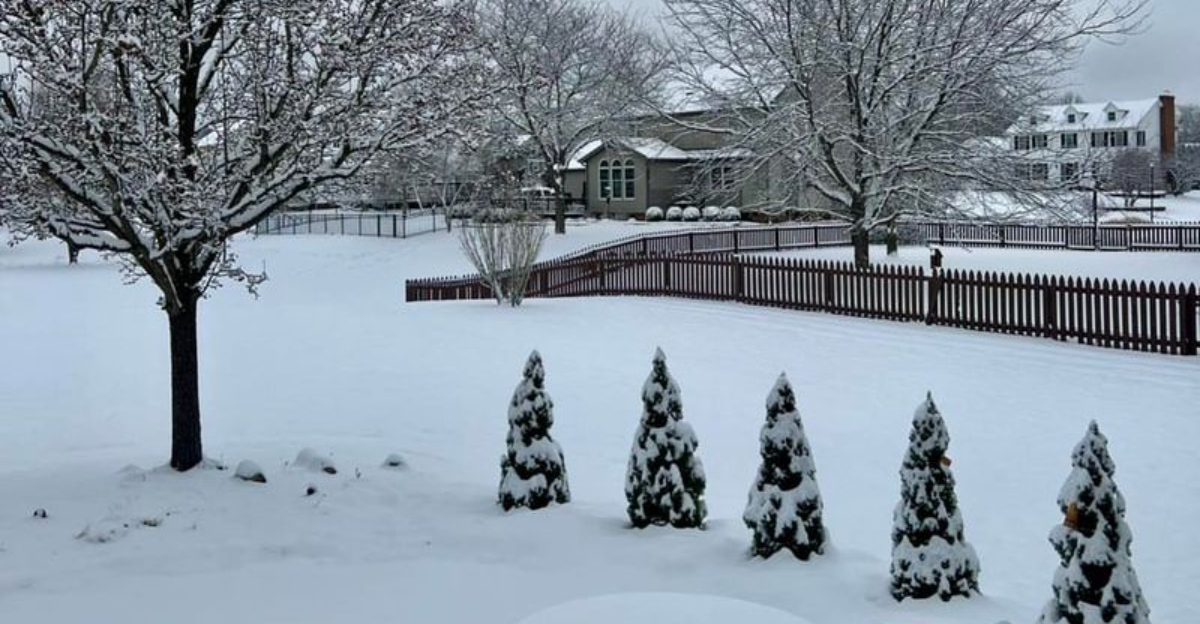
Ohio winters place serious stress on home exteriors, yet many homeowners unknowingly overlook small issues that turn into expensive repairs.
Freeze-thaw cycles, heavy snow, and ice accumulation expose weaknesses in roofs, siding, foundations, and drainage systems.
Often, damage isn’t caused by extreme storms alone but by simple maintenance mistakes made before or during winter.
Ignoring gutters, failing to manage snow buildup, or using the wrong deicing materials can quietly shorten the lifespan of key structural elements.
Ohio homeowners who understand how winter conditions affect their home’s exterior are far better equipped to prevent costly problems.
Preventive steps taken before temperatures drop often cost little compared to emergency repairs after damage occurs.
Learning what mistakes to avoid helps homeowners protect their investment, reduce safety hazards, and maintain their property through even the harshest winter conditions common across the state.
Ignoring Clogged Gutters Before Freezing Weather Sets In
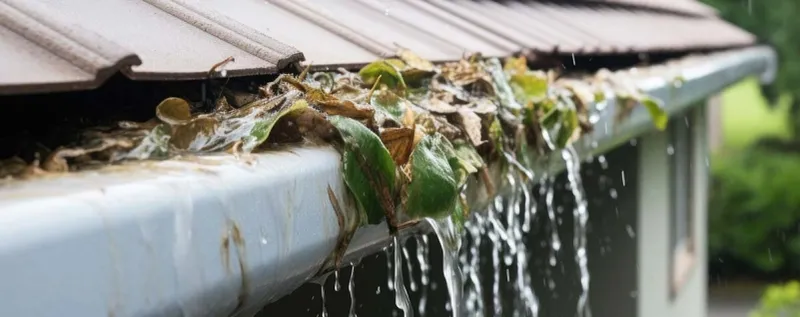
Gutters packed with leaves, twigs, and debris might not seem urgent during autumn, but they become a serious problem once temperatures drop below freezing.
When water cannot flow freely through your gutters, it sits trapped and eventually turns to ice.
This frozen water creates what experts call ice dams, which push under shingles and damage your roof structure.
Ice dams force melting snow backward under your roofing materials, leading to leaks that drip into your walls and ceilings.
The weight of ice-filled gutters also pulls them away from your fascia boards, causing separation that requires expensive reinstallation.
During Ohio’s freeze-thaw cycles, this trapped moisture expands and contracts repeatedly, making the damage progressively worse.
Cleaning your gutters thoroughly before the first freeze prevents these costly issues entirely.
Remove all debris by hand or with a gutter scoop, then flush the system with a garden hose to check for proper drainage.
Consider installing gutter guards to reduce future buildup, especially if you have large trees near your roofline.
Schedule this task for late October or early November, before temperatures regularly dip into the twenties.
This simple maintenance step protects your roof, siding, and foundation from thousands of dollars in potential winter damage.
Leaving Outdoor Hoses Connected Through Winter
That garden hose you used all summer needs to come off before winter arrives, even though disconnecting it seems like an extra chore.
Water trapped inside the hose and the outdoor spigot freezes when temperatures plummet, and frozen water expands with incredible force.
This expansion cracks pipes, bursts spigots, and can even damage plumbing hidden inside your walls.
A burst outdoor faucet might not reveal itself until spring when you turn the water back on and discover a geyser shooting from your foundation.
The real problem often lies deeper, where frozen pipes have cracked inside your walls, requiring expensive repairs that involve cutting into drywall.
Emergency plumbers charge premium rates for winter pipe repairs, and water damage to your home’s interior adds even more to the final bill.
Disconnect all hoses before Ohio’s first hard freeze, usually by mid-November.
Your Ohio Garden Changes Every Week. Your Plan Should Too.
Gardening in Ohio changes quickly throughout the season. Every Friday you’ll receive a simple weekly plan showing exactly what to plant, prune, fertilize, harvest, and protect so you never miss the right timing.
Drain any remaining water from the hose and store it in your garage or basement where it stays protected.
Turn off the interior shut-off valve that supplies your outdoor faucets, then open the exterior spigot to let remaining water drain out.
Consider installing frost-free sillcocks that drain automatically when you shut off the water.
These simple steps take just minutes but prevent plumbing disasters that cost hundreds or thousands to repair.
Failing To Seal Exterior Cracks And Gaps In Fall
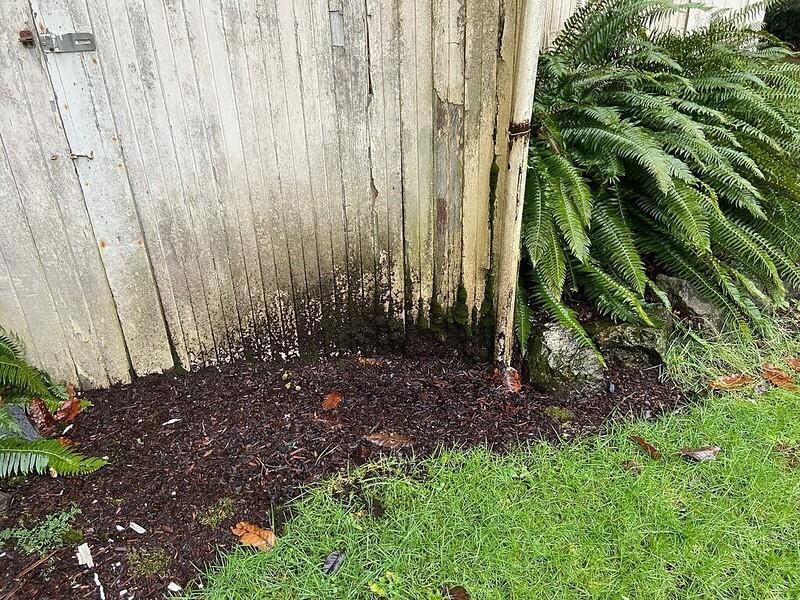
Small cracks around windows, doors, and foundation walls might look harmless during mild weather, but they become expensive problems when winter winds start howling.
Cold air rushes through these tiny openings, forcing your furnace to work overtime and driving your heating bills significantly higher.
Moisture also sneaks through these gaps, freezing and expanding to make the cracks even larger.
What starts as a hairline crack in your foundation can become a major structural issue after several freeze-thaw cycles.
Water seeps into the opening, freezes overnight, expands the crack wider, then melts and repeats the process dozens of times each winter.
Around windows and doors, these gaps let in drafts that make rooms uncomfortable and waste energy heating air that immediately escapes outdoors.
Walk around your home’s entire exterior during early fall, looking carefully for any cracks, gaps, or separated caulking.
Use high-quality exterior caulk to seal gaps around windows, doors, and where different materials meet, like siding against brick.
Fill foundation cracks with appropriate masonry sealant designed to flex with temperature changes.
Pay special attention to areas where pipes, wires, or vents enter your home, as these spots often have gaps that grew over time.
Sealing these openings before temperatures drop keeps your home warmer, lowers energy costs, and prevents minor damage from becoming major repair projects.
Using Rock Salt On Concrete Surfaces
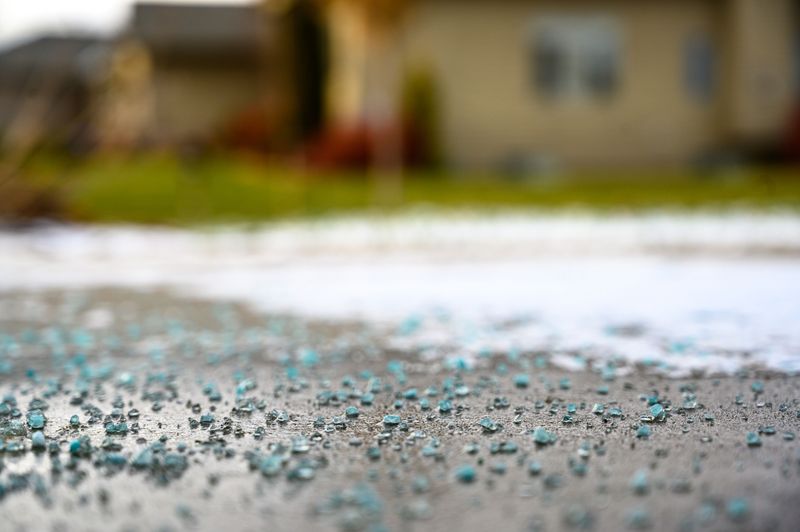
Rock salt works great for melting ice quickly, which explains why homeowners spread it generously across driveways, sidewalks, and steps every winter.
Unfortunately, traditional sodium chloride salt attacks concrete and masonry surfaces with a chemical process that causes serious long-term damage.
The salt draws moisture into the concrete, which then freezes, expands, and breaks apart the surface layer in a process called spalling.
After just a few winters of heavy salt use, you’ll notice your concrete developing a flaky, pitted appearance that worsens each year.
The surface deteriorates into a rough, crumbling mess that eventually requires complete replacement of the affected concrete.
Salt also damages the steel reinforcement bars inside concrete, causing rust that weakens the entire structure from within.
Your vehicle tracks salt residue into the garage, where it corrodes metal components and accelerates rust on your car’s undercarriage.
Switch to calcium chloride or magnesium chloride products, which melt ice effectively while causing far less damage to concrete surfaces.
Better yet, use sand or kitty litter for traction on icy areas without any chemical melting action.
Apply any deicer sparingly rather than dumping large quantities, as excessive amounts increase damage without improving results.
Sweep away salt residue and slush regularly to minimize contact time between chemicals and your concrete.
Protecting your concrete surfaces now saves you from expensive replacement projects that cost thousands of dollars down the road.
Skipping Roof Inspections Before Snow Season
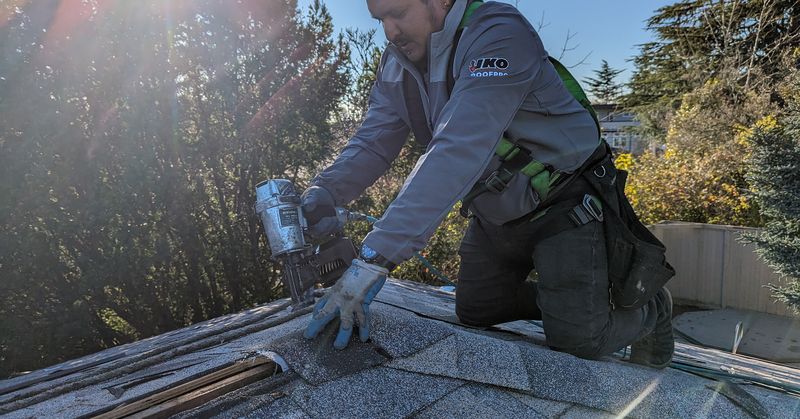
Your roof might look fine from the ground, but small problems hiding up there can turn into major disasters once snow starts piling up.
Loose shingles, damaged flashing, and minor wear spots that cause no issues during summer become serious leak sources when snow melts and refreezes repeatedly.
A quick inspection before winter arrives catches these problems while they’re still cheap and easy to fix.
Snow accumulation adds tremendous weight to your roof, and that pressure finds every weak spot in your roofing system.
Damaged flashing around chimneys and vents lets melting snow seep underneath, dripping into your attic and walls.
Ice dams form more easily where shingles are compromised, backing water under the roofing materials and causing extensive interior damage.
Once snow covers your roof, repairs become dangerous, expensive, and sometimes impossible until spring arrives.
Schedule a professional roof inspection every fall, ideally in September or October before weather turns harsh.
Walk around your property and look for missing or curled shingles, damaged flashing, or loose trim pieces.
Check your attic for signs of daylight showing through the roof boards or water stains on the underside of the decking.
Address any issues immediately, as repairs cost far less than dealing with winter leaks and water damage.
A small investment in fall maintenance prevents emergency repairs during snowstorms and protects your home’s interior from costly moisture damage all winter long.
Blocking Proper Attic Ventilation
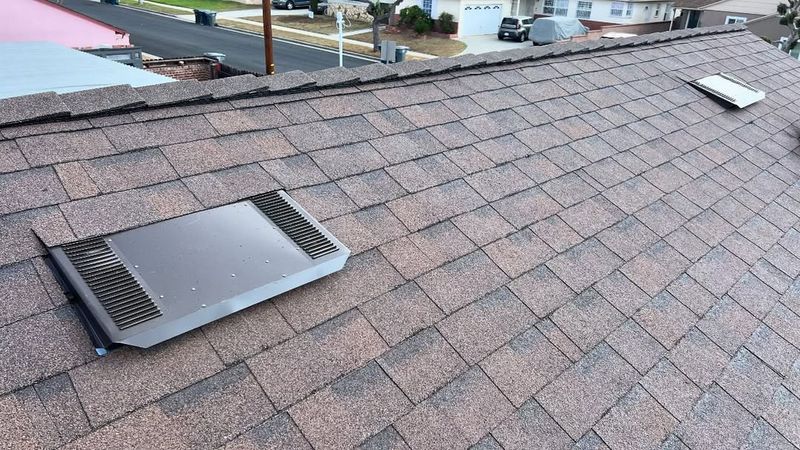
Many homeowners think sealing up their attic completely keeps their home warmer, but blocking ventilation actually creates serious problems during Ohio winters.
Your attic needs continuous airflow to stay close to outdoor temperatures, which prevents warm air from melting snow on your roof.
When warm attic air melts the bottom layer of snow, that water runs down and refreezes at the colder eaves, forming destructive ice dams.
Blocked soffit vents and covered ridge vents trap heat and moisture in your attic space, creating the perfect conditions for ice dam formation.
The temperature difference between your warm attic and cold roof edges causes constant melting and refreezing that damages shingles and backing materials.
Trapped moisture also leads to mold growth, wood rot, and insulation damage that reduces your home’s energy efficiency.
Poor ventilation shortens your roof’s lifespan significantly, forcing expensive replacement years earlier than necessary.
Check all soffit vents around your roof’s edges to ensure insulation hasn’t blocked them from inside the attic.
Verify that ridge vents or gable vents remain clear and unobstructed by debris or misguided weatherproofing efforts.
Install baffles between rafters to maintain clear airflow paths from soffit vents to ridge vents.
Keep insulation at least three inches away from the roof deck to allow proper air circulation.
Proper attic ventilation keeps your roof cold, prevents ice dams, and extends your roofing system’s life while protecting your home from moisture damage throughout winter.
Leaving Snow Piled Against Siding And Foundations
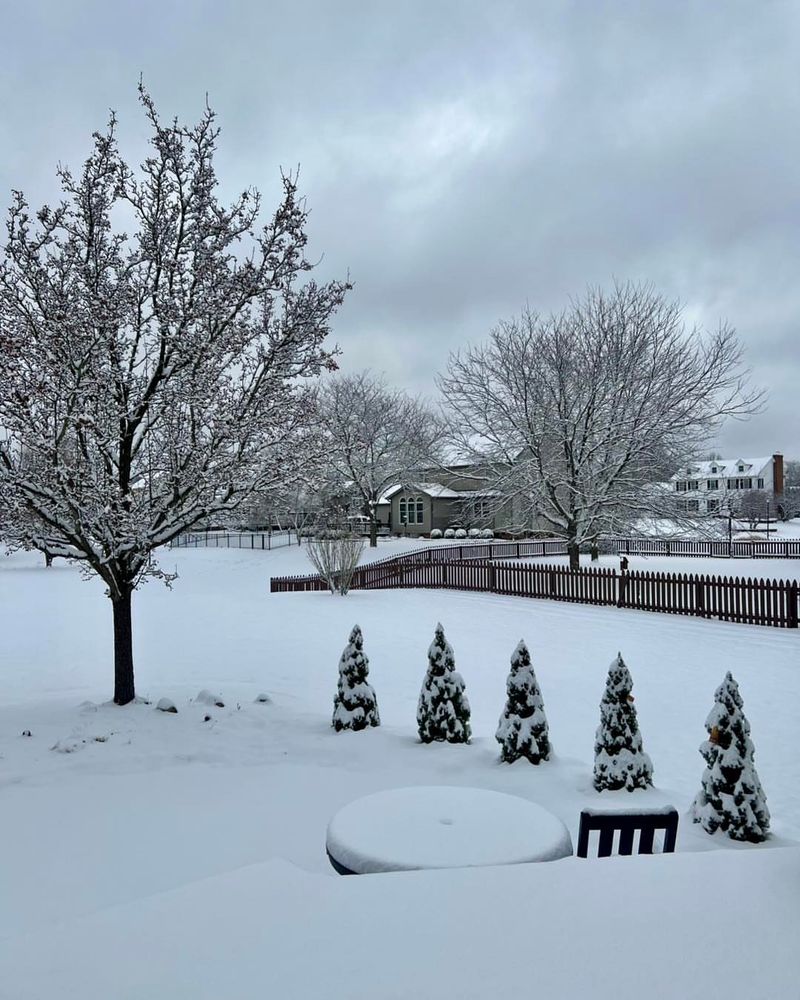
After shoveling your driveway and sidewalks, it seems natural to pile all that snow against your house where it stays out of the way.
However, snow stacked against your siding and foundation creates a moisture problem that worsens throughout winter and into spring.
As temperatures fluctuate, the snow melts and refreezes repeatedly, with water seeping into every crack and gap it can find.
Melting snow against your foundation flows into basement walls through tiny cracks, causing interior moisture problems and potential flooding.
Water soaking into your siding leads to rot, mold growth, and paint damage that requires expensive repairs once warm weather returns.
The freeze-thaw cycle makes existing cracks larger as water expands when it freezes, creating structural damage that compounds over time.
Moisture trapped against your home also attracts insects and creates conditions where mold thrives behind your siding.
Always throw or blow snow away from your foundation when clearing walkways and driveways, keeping it at least three feet from your walls.
If heavy snowfall creates drifts against your house, take time to shovel them back away from the structure.
Check for snow accumulation after storms and remove any piles touching your siding or foundation.
Ensure your downspouts direct water well away from your foundation, not into areas where snow already accumulates.
Keeping snow away from your home’s exterior prevents moisture infiltration, protects your foundation, and saves you from expensive water damage repairs when spring arrives.
Not Storing Outdoor Furniture And Decorations Properly
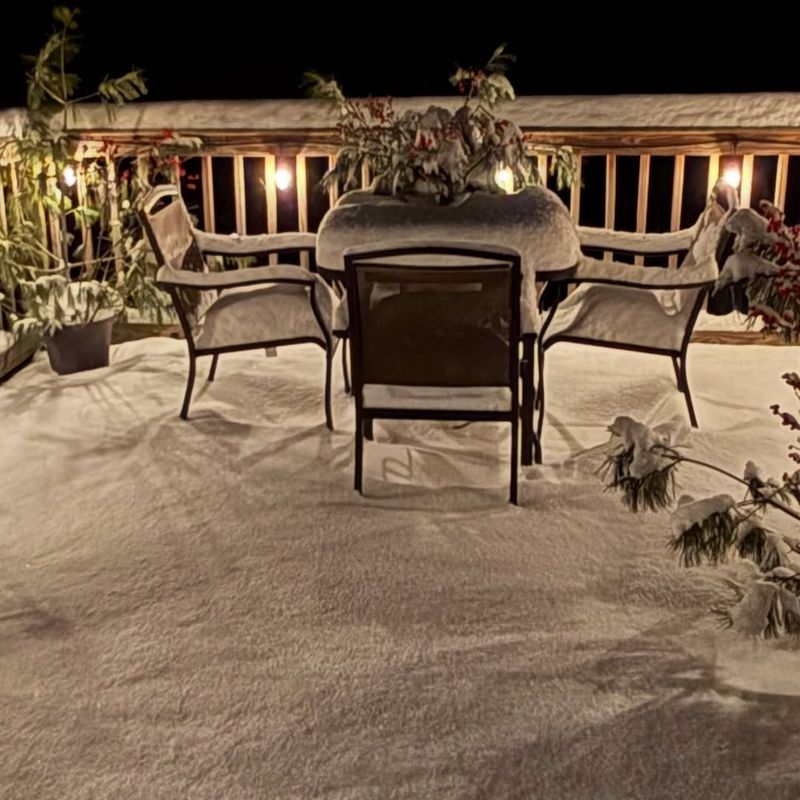
Outdoor furniture and decorations that survive summer weather just fine face much harsher conditions when Ohio winter storms roll through.
Snow, ice, and freezing temperatures crack materials, fade colors, and weaken structures that weren’t designed for extreme cold exposure.
Items left unsecured can blow around during winter windstorms, becoming projectiles that damage your home or vehicles.
Moisture seeps into cushions and fabric, freezing and expanding to tear seams and break down materials from the inside.
Metal furniture develops rust that spreads quickly in wet, freezing conditions, ruining finishes and weakening joints.
Plastic and resin pieces become brittle in extreme cold, cracking or shattering when snow weight or ice accumulation stresses them.
Loose decorations transform into hazards during winter storms, flying through the air and potentially breaking windows or denting siding.
Store all cushions, umbrellas, and fabric items indoors in your garage, basement, or shed before winter arrives.
Move furniture into protected storage or cover it with weatherproof tarps designed specifically for outdoor furniture protection.
Secure or store all decorative items, planters, and lawn ornaments that could blow around in strong winds.
If you must leave furniture outside, choose pieces specifically rated for winter weather and ensure they’re properly anchored.
Proper storage protects your investment in outdoor furnishings and prevents weather-related accidents that could damage your property or injure someone during winter storms.
Forgetting To Shut Off And Drain Exterior Water Lines
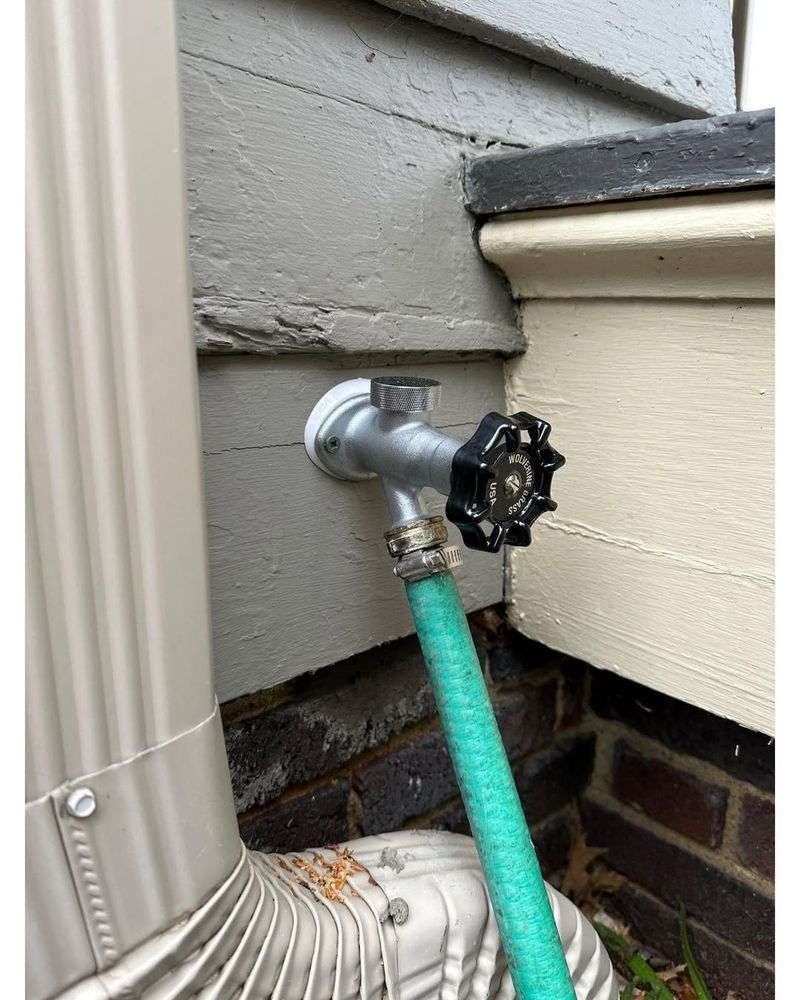
Beyond disconnecting outdoor hoses, you need to shut off and drain the water lines that supply those exterior faucets completely.
Water remaining in pipes that run through unheated spaces freezes solid when temperatures drop, and frozen water expands with enough force to burst copper or PVC pipes.
These pipes often run inside exterior walls or crawlspaces where you cannot see damage until water starts pouring out.
A burst pipe hidden inside your wall might not reveal itself until you turn the water back on in spring and discover flooding.
By then, water has damaged insulation, drywall, framing, and anything else in its path for hours or even days before you notice.
Emergency repairs require cutting into walls to access broken pipes, then rebuilding everything after the plumbing gets fixed.
The total cost easily reaches thousands of dollars, not counting furniture or belongings ruined by water damage.
Locate the shut-off valves for your outdoor faucets, usually found in your basement or crawlspace, and turn them completely off.
Open each exterior faucet to drain remaining water from the pipes, leaving them open all winter to prevent pressure buildup.
If your home has an irrigation system, hire a professional to blow out the lines with compressed air before freezing temperatures arrive.
Mark your shut-off valves clearly so you remember where they are each fall and when to turn them back on in spring.
This simple winterization process takes just minutes but prevents catastrophic plumbing failures that create expensive damage throughout your home.
Delaying Storm Damage Repairs Until Spring
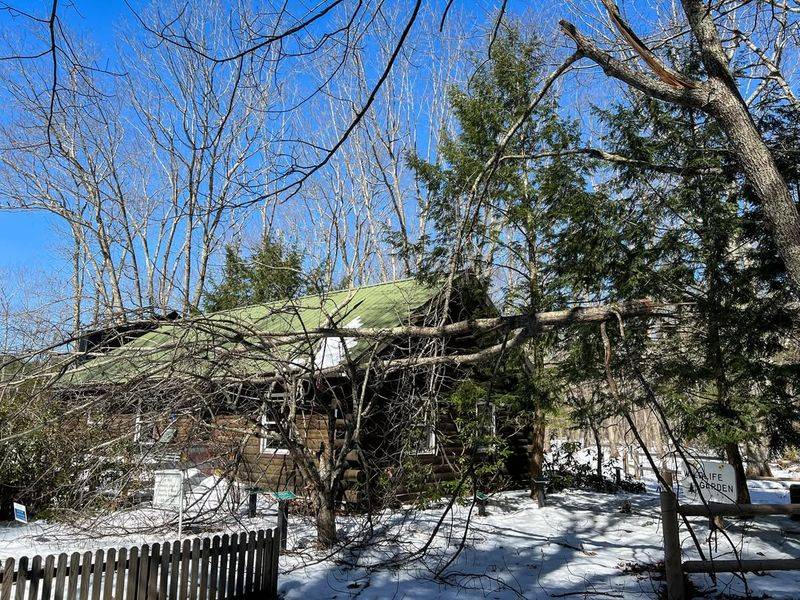
After a winter storm damages your trim, loosens shingles, or creates a small leak, waiting until spring for repairs seems reasonable since the damage appears minor.
Unfortunately, Ohio’s constant freeze-thaw cycles take small problems and rapidly expand them into major disasters requiring extensive reconstruction.
Every day you delay gives moisture more opportunities to penetrate deeper into your home’s structure.
A loose piece of trim lets wind-driven snow pack behind your siding, where it melts and soaks your wall sheathing and insulation.
One missing shingle exposes roof decking to moisture that freezes, expands, and damages surrounding shingles and underlayment.
A tiny leak drips steadily through winter, saturating insulation and framing until mold growth and wood rot require expensive remediation.
Each freeze-thaw cycle makes everything worse as water expands when frozen, then melts and moves deeper into your home’s structure.
Address storm damage immediately, even if repairs require working in cold weather or paying premium rates for emergency service.
Temporary fixes like tarps or emergency patches prevent further damage until permanent repairs become possible.
Document damage with photos immediately for insurance purposes, then contact your insurance company to report the claim.
Small repairs completed quickly cost hundreds of dollars, while delayed damage often grows into projects costing thousands.
Protecting your home from ongoing winter weather damage saves money and prevents minor issues from destroying major portions of your home’s exterior and interior structure.