10 Common Poinsettia Care Mistakes Arizona Homeowners Make During The Holidays
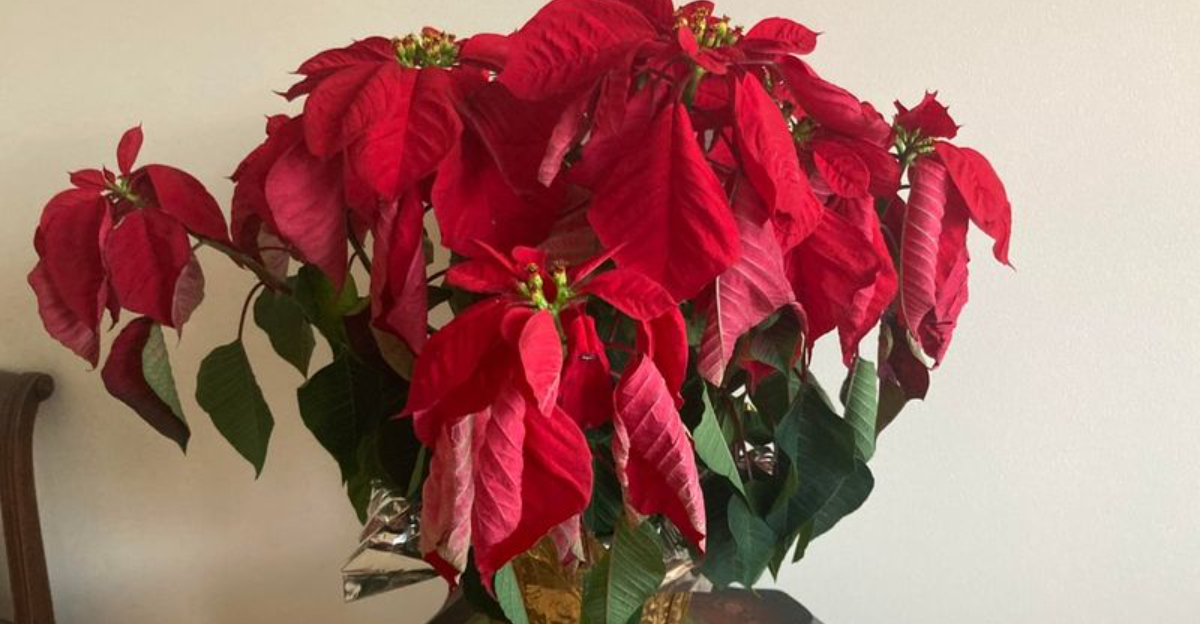
Poinsettias are a holiday favorite in Arizona homes, yet many plants fail to last beyond a few weeks due to simple care mistakes.
Despite Arizona’s generally warm climate, indoor conditions during winter can be surprisingly harsh for these sensitive plants.
Temperature swings, dry indoor air, poor lighting, and improper watering are common causes of leaf drop and faded color.
Many homeowners assume poinsettias are short-lived by nature, when in reality, proper care allows them to thrive long after the holidays.
Understanding poinsettia needs helps homeowners avoid damage caused by drafts, overwatering, or excessive heat.
With a few adjustments, these plants can remain vibrant well into the new year.
Knowing what mistakes to avoid not only saves money but also allows homeowners to enjoy healthier plants throughout the holiday season and beyond.
1. Placing Poinsettias In Direct Arizona Sunlight
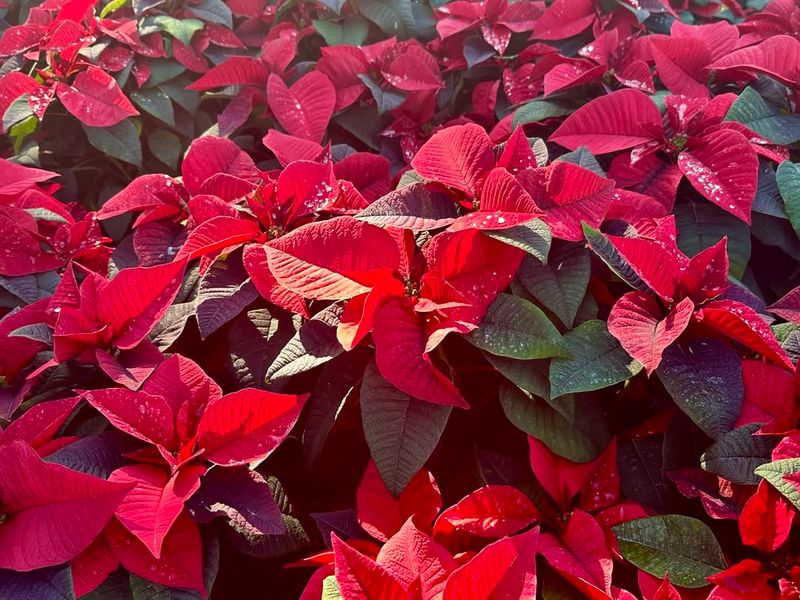
Arizona sunshine might be gorgeous, but it can be brutal on poinsettias.
These festive plants prefer bright, indirect light rather than the intense rays that pour through our windows.
When you place your poinsettia directly in the path of Arizona’s powerful sun, the leaves can become bleached and the colorful bracts may fade quickly.
The heat from direct sunlight also dries out the soil faster, creating additional stress for your plant.
Many homeowners assume more sun equals healthier plants, but poinsettias actually thrive with gentler lighting conditions.
Find a spot near a window where your plant receives plenty of brightness without the harsh, direct rays.
East-facing windows work wonderfully because they offer morning light that’s less intense.
You can also use sheer curtains to filter the sunlight, creating the perfect environment.
If you notice the leaves looking pale or the bracts losing their vibrant color, your poinsettia is probably getting too much direct sun.
Moving it to a more protected location can help restore its holiday beauty.
Remember that filtered light keeps your poinsettia happy and colorful throughout the entire season.
2. Overwatering In Arizona’s Dry Climate
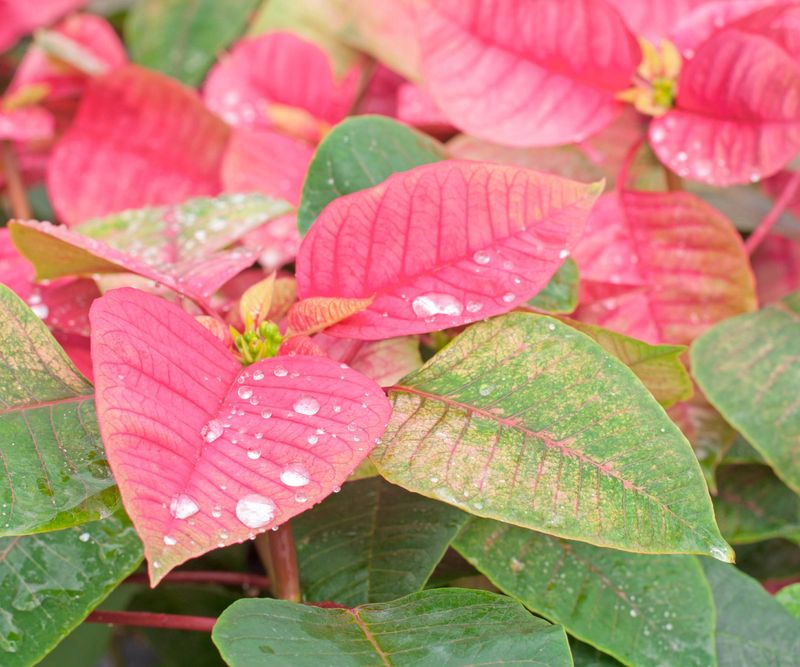
Living in the desert makes many Arizona gardeners nervous about underwatering, leading them to drown their poinsettias with too much moisture.
Poinsettias actually prefer their soil to dry out slightly between waterings, and constantly wet roots can cause serious problems.
When soil stays soggy, roots cannot breathe properly and may begin to rot.
The telltale signs include wilting leaves even when the soil is moist, yellowing foliage, and a musty smell from the pot.
Arizona’s low humidity makes us think we need to water more frequently, but poinsettias need less than you might expect.
Check the soil with your finger before watering—stick it about an inch deep into the potting mix.
If it feels dry at that depth, then it’s time to water.
When you do water, make sure to pour until water drains from the bottom, then empty the saucer so the plant doesn’t sit in standing water.
This approach mimics the plant’s natural preference for thorough but infrequent watering.
Proper watering technique keeps roots healthy and your poinsettia looking festive.
Your Arizona Garden Changes Every Week. Your Plan Should Too.
Gardening in Arizona changes quickly throughout the season. Every Friday you’ll receive a simple weekly plan showing exactly what to plant, prune, fertilize, harvest, and protect so you never miss the right timing.
Patience with watering pays off in beautiful, long-lasting holiday color.
3. Ignoring Arizona’s Indoor Temperature Fluctuations
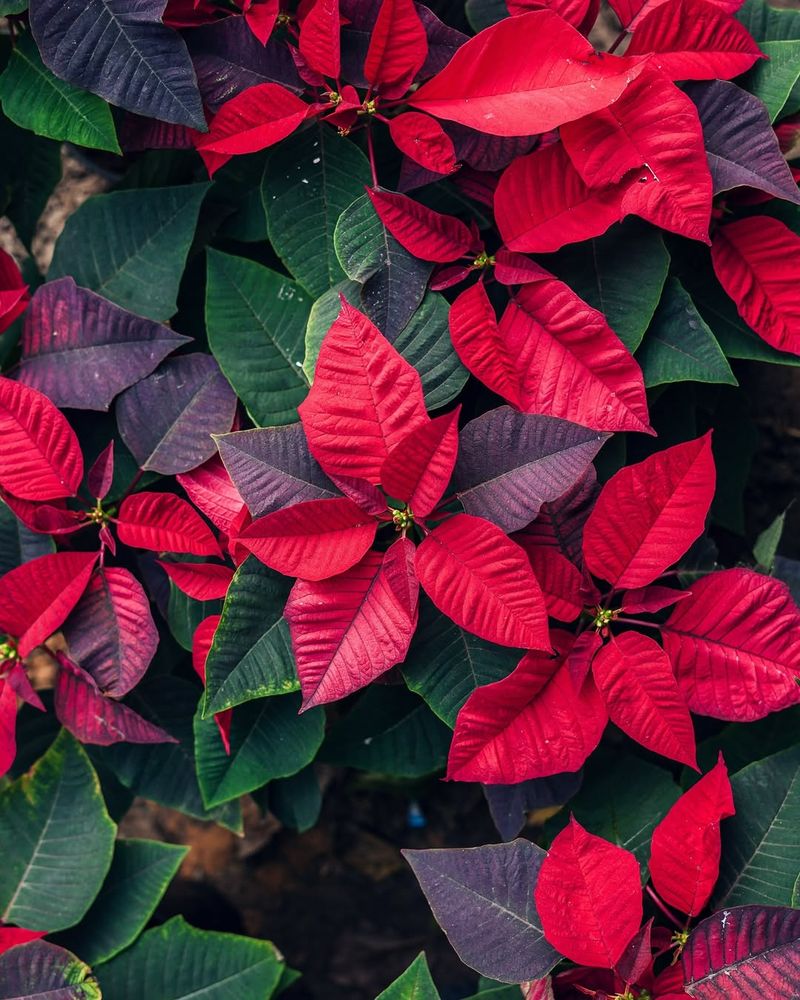
Temperature swings are more dramatic in Arizona homes than people realize, and poinsettias are quite sensitive to these changes.
We crank up the heat on chilly desert nights, then blast the air conditioning when afternoon sun warms the house.
These rapid temperature shifts stress poinsettias, causing leaves to drop and bracts to wilt.
Poinsettias prefer consistent temperatures between 65 and 70 degrees Fahrenheit during the day.
Nighttime temperatures can drop slightly, but sudden changes confuse the plant’s natural rhythms.
Avoid placing your poinsettia near heating vents, fireplaces, or air conditioning units where temperature fluctuations are most extreme.
Doorways that open frequently also expose plants to blasts of cold or hot outdoor air.
Instead, choose a stable location away from drafts and temperature sources.
The middle of a room or a protected corner often provides the most consistent environment.
If you notice leaves dropping even though you’re watering correctly, temperature stress might be the culprit.
Monitor where you’ve placed your plant and consider relocating it to a more stable spot.
Consistent temperatures help your poinsettia maintain its gorgeous appearance throughout December and beyond.
4. Forgetting About Arizona’s Low Humidity Levels
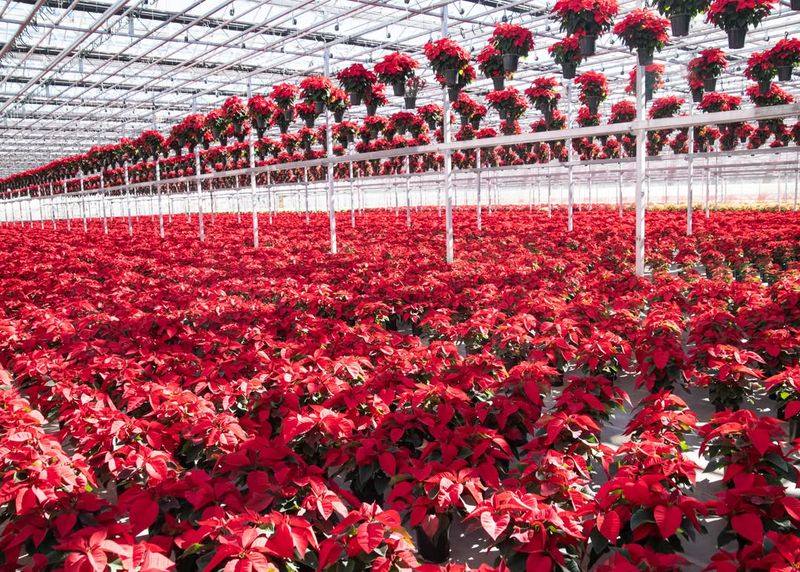
Arizona’s desert air is notoriously dry, especially indoors during winter when we run heaters that zap even more moisture from the atmosphere.
Poinsettias originate from Mexican regions with higher humidity, so our arid conditions can leave them struggling.
Low humidity causes leaf edges to brown and bracts to become crispy.
You might also notice the plant looking generally unhappy even when everything else seems right.
Boosting humidity around your poinsettia doesn’t require fancy equipment or complicated routines.
One simple method involves placing the pot on a tray filled with pebbles and water, making sure the pot sits above the waterline.
As water evaporates, it creates a more humid microclimate around your plant.
Grouping several plants together also increases local humidity since they release moisture through their leaves.
A small humidifier placed nearby can work wonders for multiple plants at once.
Misting is often suggested, but it provides only temporary relief and can encourage fungal issues if done excessively.
The pebble tray method offers steady, gentle humidity improvement.
Your poinsettia will reward these efforts with healthier foliage and more vibrant color that lasts longer.
5. Using Cold Water From Arizona Taps
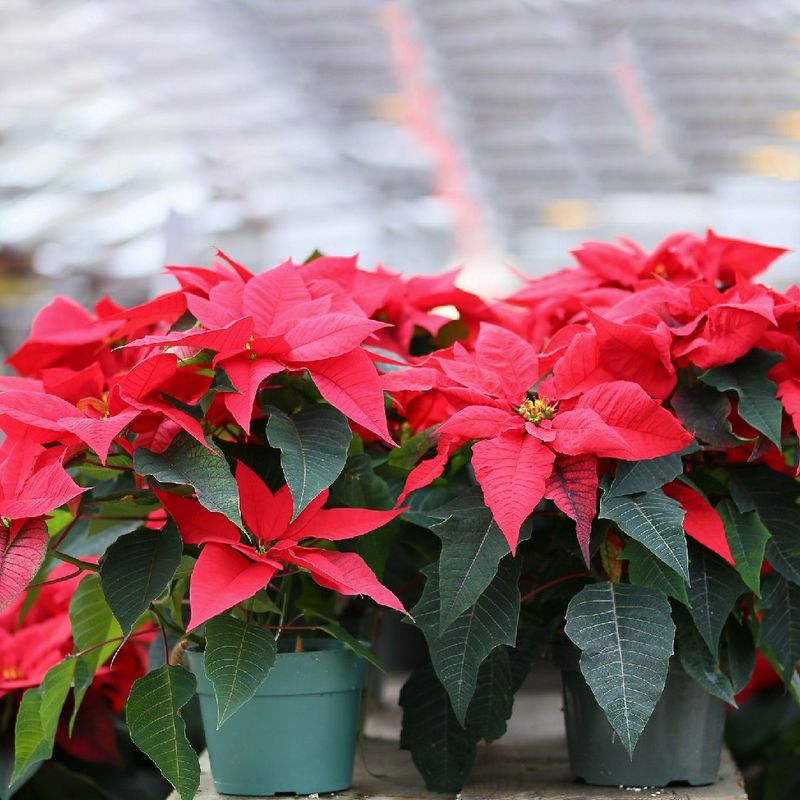
Many Arizona homeowners grab water straight from the tap without considering its temperature, but cold water can shock poinsettia roots.
Our tap water runs quite cold, especially during winter mornings, and pouring it directly onto your plant creates unnecessary stress.
Root shock from cold water can cause leaves to wilt or drop suddenly.
The plant’s entire system gets disrupted when roots experience this temperature jolt.
Room temperature water is much gentler and allows roots to absorb moisture without stress.
Fill your watering can several hours before you plan to water, letting it sit until it reaches room temperature.
This simple habit makes a significant difference in how your poinsettia responds to watering.
Some gardeners keep a dedicated watering container that stays filled between waterings, ensuring water is always ready at the right temperature.
This method also allows chlorine in tap water to dissipate, which some plants appreciate.
If you’re in a hurry, you can mix cold tap water with a bit of warm water to reach a lukewarm temperature.
Never use hot water, as that creates the opposite problem.
Room temperature watering is a tiny adjustment that yields impressive results in plant health.
6. Positioning Plants Near Drafty Arizona Doorways
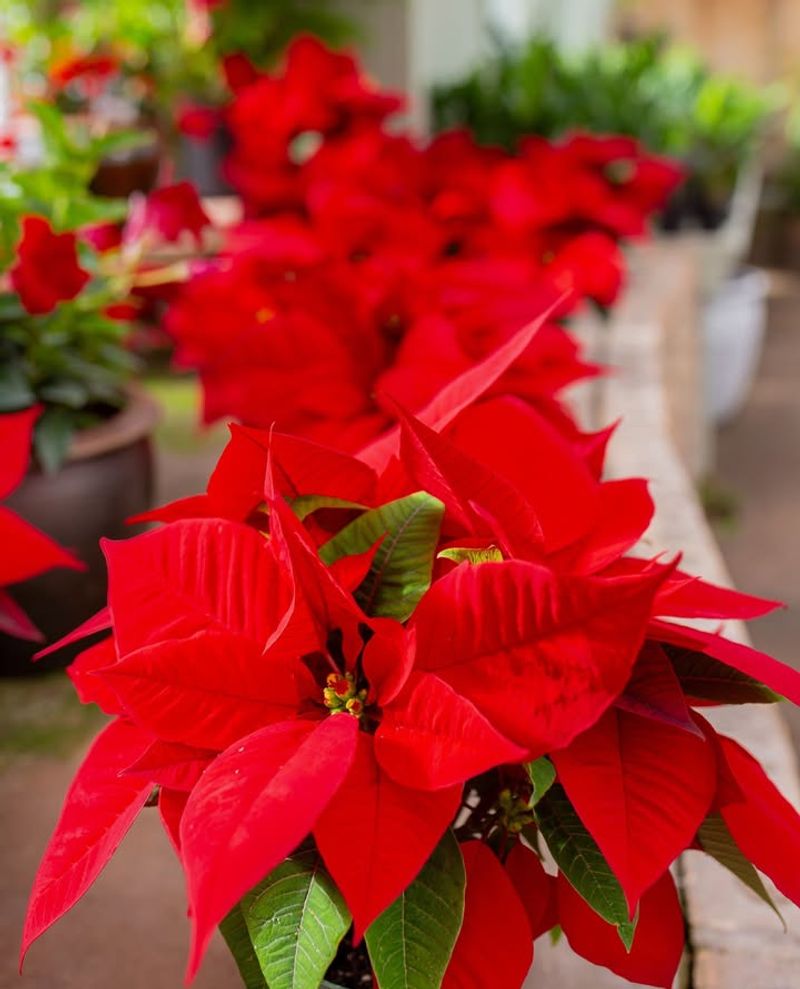
Doorways seem like convenient spots for holiday decorations, but they’re terrible locations for poinsettias in Arizona homes.
Every time someone opens the door, your plant gets blasted with outdoor air that’s either much colder or hotter than the indoor temperature.
These repeated drafts stress the plant tremendously, even if each exposure lasts only a few seconds.
Poinsettias are particularly sensitive to cold drafts, which can cause rapid leaf drop.
Even warm outdoor air creates problems because the sudden temperature change disrupts the plant’s equilibrium.
Entryways also tend to have more foot traffic, increasing the chances of bumping or jostling the plant.
If you want to display poinsettias where guests can admire them, choose a spot in your living room or dining area that’s away from exterior doors.
Hallways leading to frequently used doors should also be avoided.
Interior locations provide the stable environment poinsettias need to thrive.
If you absolutely must place a poinsettia near an entrance, use it as a temporary display and rotate it with another plant kept in a better location.
This way, no single plant endures constant stress.
Protected placement ensures your poinsettias stay beautiful and healthy throughout the holiday season.
7. Neglecting To Check Soil Drainage
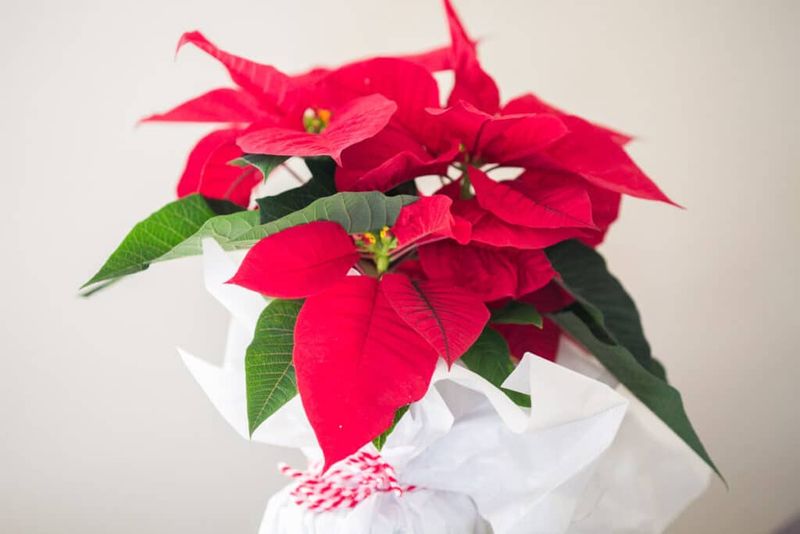
The decorative foil or plastic sleeves that poinsettias come wrapped in look festive, but they often trap water and prevent proper drainage.
Arizona homeowners sometimes forget to remove these wrappers or punch drainage holes in them, leading to waterlogged soil.
Without adequate drainage, water accumulates at the bottom of the pot where roots sit.
This creates the perfect conditions for root rot and other moisture-related problems.
Always check that your poinsettia’s pot has drainage holes at the bottom.
If you love the decorative wrapper, either poke several holes in its base or remove the plant to water it, then return it once excess water has drained.
Using a saucer under the pot is fine, but empty it after watering so the plant doesn’t sit in standing water.
Some people place poinsettias directly into decorative containers without drainage, which looks pretty but spells trouble.
If you want to use a container without holes, keep the poinsettia in its original nursery pot and set that inside the decorative one.
This double-potting method allows you to remove the inner pot for watering and drainage.
Proper drainage is one of the most important factors in keeping poinsettias healthy.
Good drainage prevents most common watering problems before they start.
8. Exposing Plants To Arizona’s Outdoor Cold Snaps
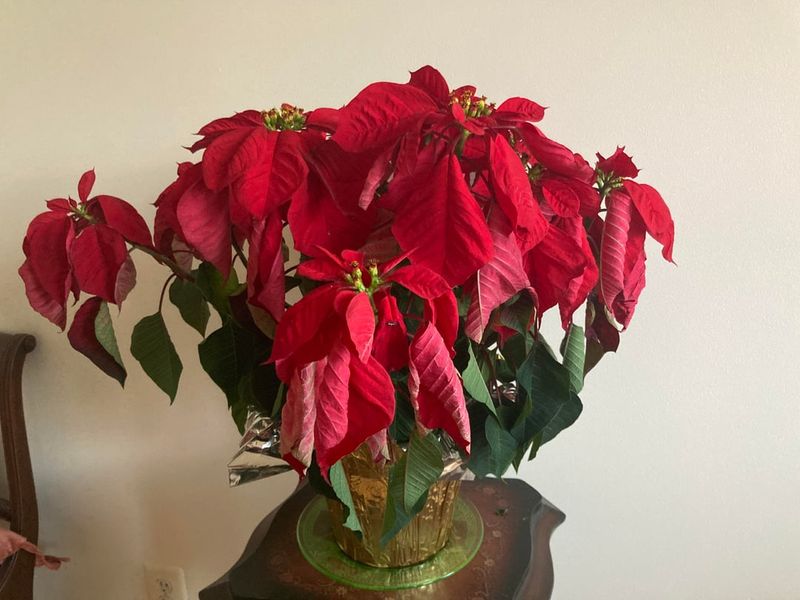
Arizona winters surprise many newcomers with chilly nights that dip below freezing in some areas, and poinsettias cannot tolerate cold temperatures.
Even a brief exposure to temperatures below 50 degrees can damage these tropical plants.
Some homeowners leave poinsettias on covered patios or bring them outside for parties, not realizing how quickly cold harms them.
Cold damage appears as wilted, darkened leaves that may eventually drop from the plant.
Once cold damage occurs, there’s no reversing it—you can only wait to see if the plant recovers.
Keep your poinsettias indoors where temperatures stay comfortably warm.
If you do take them outside for an event, bring them back in before temperatures drop in the evening.
Even transporting poinsettias from the store to your car and then into your house can expose them to damaging cold.
On particularly chilly shopping days, ask the store to wrap your plant or have your car warmed up before loading it.
The journey from garden center to home should be as quick as possible during cold weather.
Once inside, keep poinsettias away from windows on especially cold nights, as glass can radiate cold.
Protecting your poinsettia from temperature extremes ensures it stays gorgeous all season long.
9. Skipping Regular Fertilization During Display Period
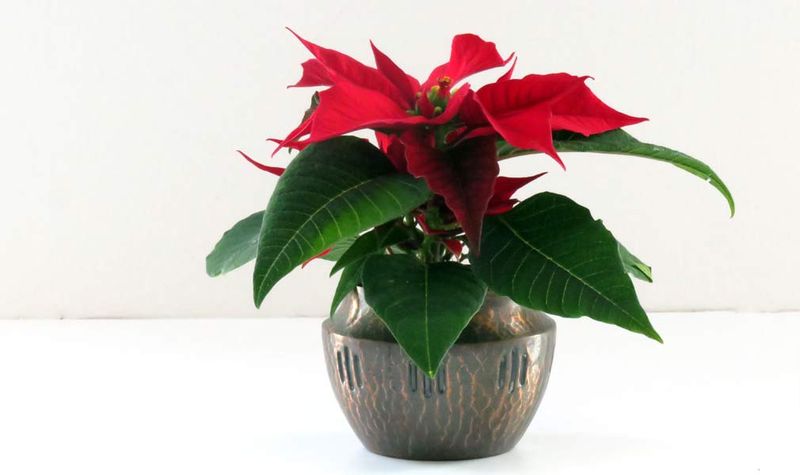
Most people assume poinsettias don’t need fertilizer while they’re blooming and displaying their colorful bracts, but this assumption leads to declining plant health.
Poinsettias work hard to maintain those gorgeous red, pink, or white bracts, and they need nutrients to sustain their beauty.
Without fertilization, the plant slowly depletes nutrients from the potting soil.
You might notice the lower leaves turning yellow or the bracts losing their intensity.
A light feeding every two to three weeks helps maintain vigor and color.
Use a balanced, water-soluble houseplant fertilizer diluted to half strength.
Full-strength fertilizer can burn roots, especially in our Arizona conditions where salts can accumulate quickly in pots.
Apply fertilizer when you water, making sure the soil is already slightly moist to prevent root burn.
Some gardeners skip fertilizing altogether during the holiday season, planning to discard the plant afterward.
However, if you want your poinsettia to last beyond December or you’re interested in keeping it for next year, regular feeding is essential.
Fertilization supports not just the showy bracts but also overall plant health and leaf production.
Well-fed poinsettias maintain their beauty much longer and have better chances of thriving if you decide to keep them growing year-round.
10. Placing Poinsettias Near Ripening Fruit In The Kitchen
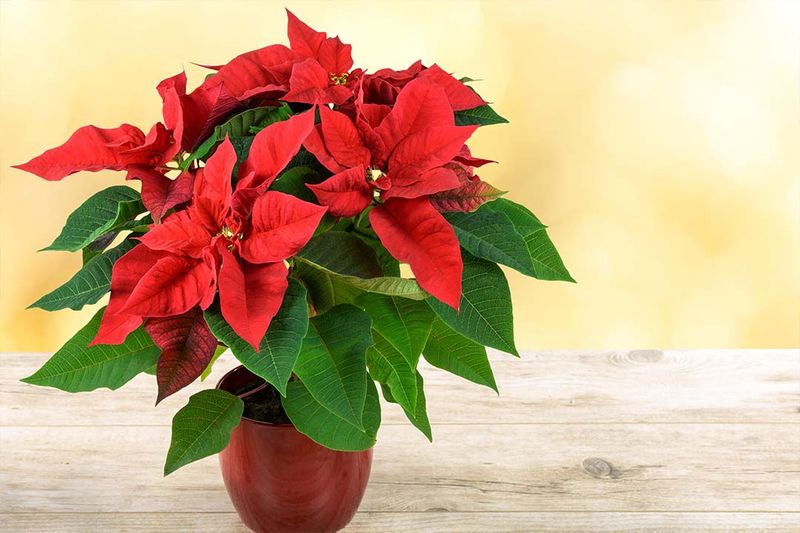
Kitchens seem like natural spots for plants, but keeping your poinsettia near ripening fruit is a hidden hazard many Arizona homeowners don’t know about.
Fruits like apples, bananas, and pears release ethylene gas as they ripen, and this gas causes poinsettias to age prematurely.
Exposure to ethylene makes leaves and bracts drop quickly, even when all other care conditions are perfect.
You might water correctly, provide good light, and maintain ideal temperatures, yet still watch your plant decline mysteriously.
The culprit could be that innocent-looking fruit bowl sitting nearby.
Ethylene is invisible and odorless, so you can’t detect it without special equipment.
Keep poinsettias away from fruit storage areas, and avoid placing them on kitchen counters where produce is kept.
Dining rooms and living rooms make much better locations.
If your kitchen is the only suitable spot with the right light and temperature, at least keep fruit in the refrigerator or in a different room.
This simple separation can make the difference between a poinsettia that lasts weeks and one that drops its leaves within days.
Other ethylene sources include dying flowers and some vegetables, so maintain distance from these as well.
Awareness of ethylene effects helps you choose the best location for lasting poinsettia beauty.