What Makes Kentucky’s Yew Dell Botanical Gardens A Must-See Stop For Garden Fans
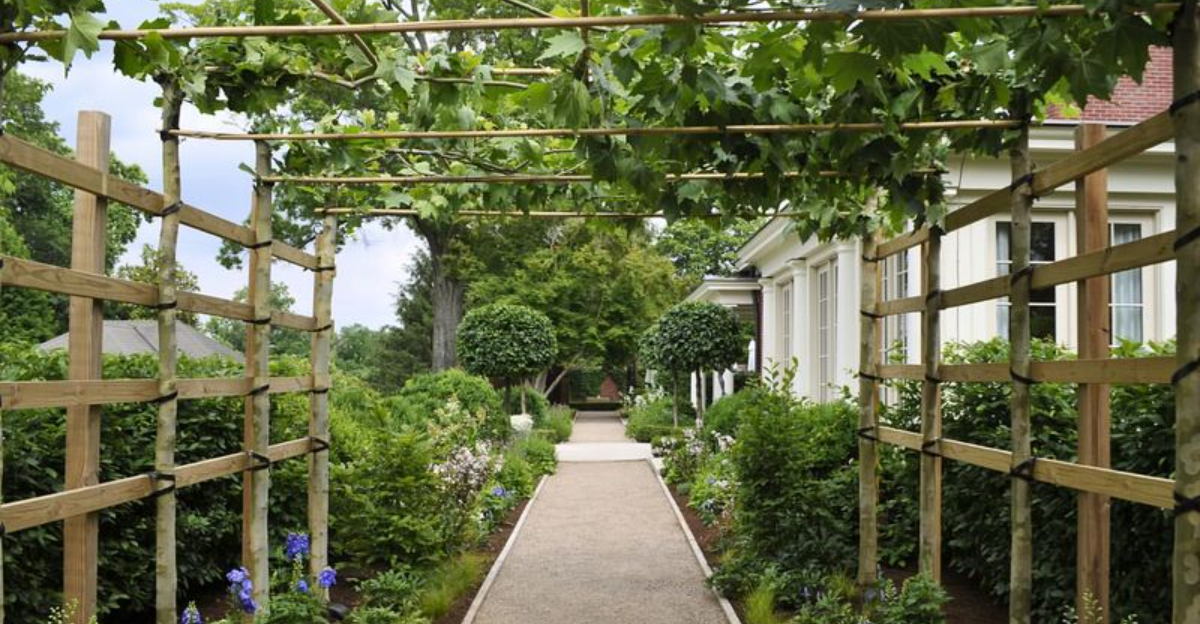
Garden fans keep heading to Yew Dell Botanical Gardens because Kentucky has packed this place with charm, color, and little surprises that hit you the moment you walk in.
Every path feels like its own story, showing off the kind of plants and views that make Kentucky gardens stand out in the best way.
If you’re planning a stop that feels special without trying too hard, Kentucky’s Yew Dell Botanical Gardens easily earns that must-see spot.
1. Historic Estate Grounds with Unique Character

Walking onto the property feels like stepping back in time because the gardens were once part of a private family estate in Kentucky.
Original structures and mature trees still stand today, giving visitors a sense of history that you cannot find in newer botanical spaces anywhere.
This connection to the past makes every pathway feel like a journey through decades of careful planning and deep love for plants.
Families who visit often talk about how the grounds feel welcoming, almost like visiting a friend who happens to own incredible gardens.
Children enjoy exploring the different areas because each section feels like discovering a new secret room in an old house full of surprises.
Garden enthusiasts appreciate how the historic layout influences modern plantings, creating a blend of old and new that feels completely natural and unforced.
Kentucky visitors often return multiple times because the estate atmosphere makes every season feel different, with new details appearing as light and weather change.
2. Award-Winning Plant Collections Recognized Nationwide
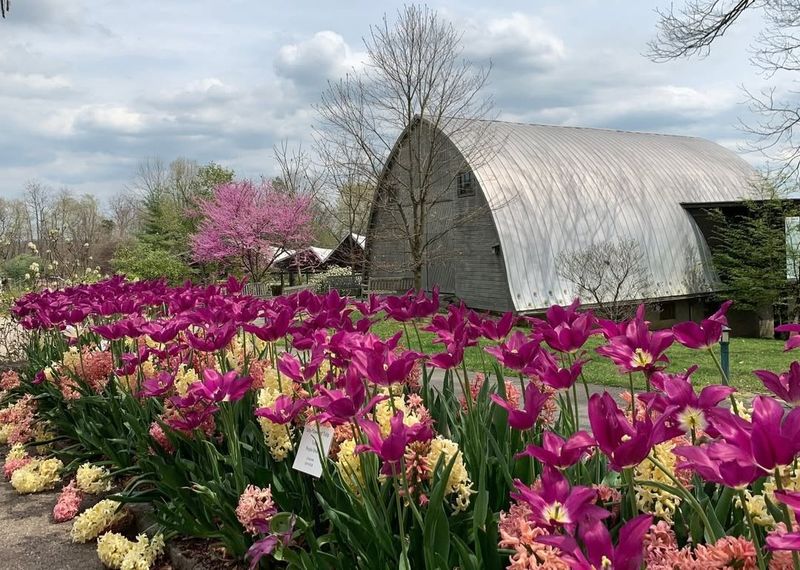
Plant experts across the country recognize Yew Dell for maintaining collections that showcase both beauty and scientific value in equal measure every single day.
Rare specimens grow here alongside more common varieties, giving visitors a chance to see plants they might never encounter in their own backyards.
Horticulturists study these collections because they demonstrate how different species adapt to Kentucky climate conditions and thrive when given proper care and attention.
Gardeners who visit often leave with ideas for their own spaces because seeing plants in person helps them understand growth habits better.
Awards from national organizations confirm that the staff maintains high standards, ensuring every plant receives the attention it needs to look its best.
Photographers love capturing the collections because the variety creates endless opportunities for stunning images that showcase color, texture, and form in dramatic ways.
Visiting these award-winning areas feels inspiring because you realize that dedication and knowledge can transform ordinary spaces into something truly extraordinary and memorable.
3. Extensive Conifer Collection Offering Year-Round Interest

Conifers might seem like simple evergreens, but the collection here proves these plants offer incredible diversity in color, shape, and texture throughout every season.
Walking through this section reveals conifers with golden needles, blue-tinted foliage, and weeping forms that look like natural sculptures in the Kentucky landscape.
Winter visitors especially appreciate this collection because when other plants rest, the conifers provide structure and beauty that keeps the garden feeling alive.
Homeowners often discover new varieties here that work perfectly in their own yards, solving problems like screening or adding interest to boring spots.
Your Kentucky Garden Changes Every Week. Your Plan Should Too.
Gardening in Kentucky changes quickly throughout the season. Every Friday you’ll receive a simple weekly plan showing exactly what to plant, prune, fertilize, harvest, and protect so you never miss the right timing.
Children enjoy the different shapes because some conifers look like perfect cones while others spread wide or grow in twisted, unexpected patterns.
Garden designers study this collection to understand how mixing different conifers creates depth and visual interest without relying on flowers for color.
Experts maintain detailed labels throughout the area, so curious visitors can learn botanical names and growing requirements for plants that catch their eye.
4. Educational Programs for Gardeners at All Skill Levels
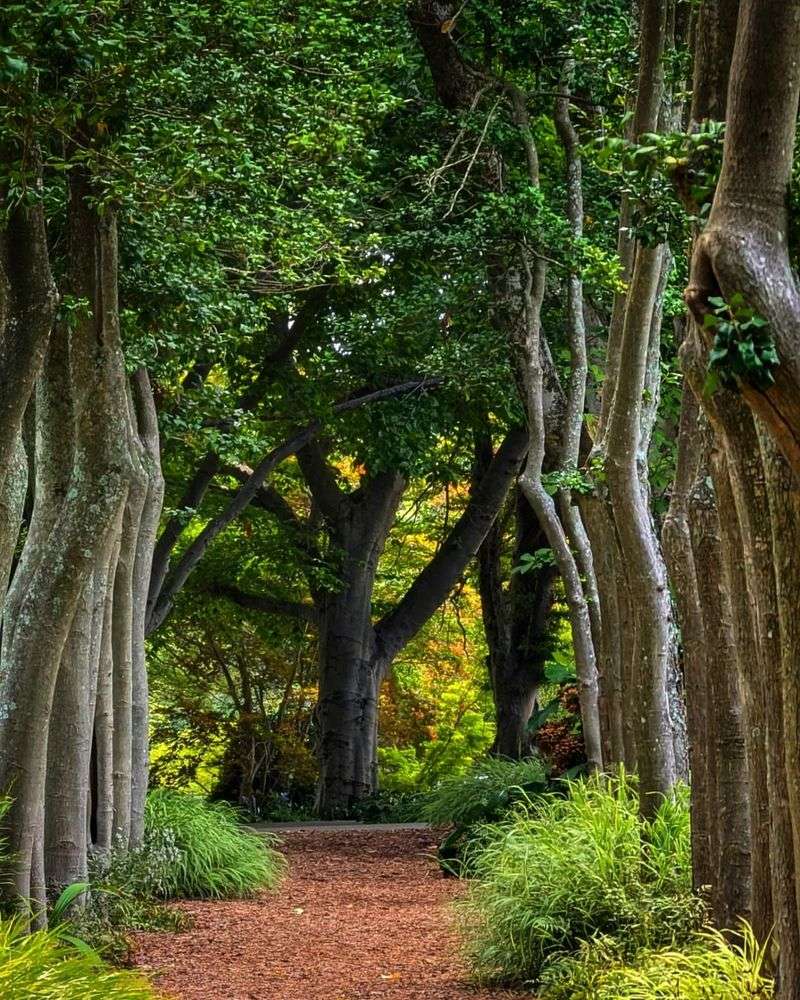
Classes and workshops happen throughout the year, covering topics from basic plant care to advanced techniques that even experienced gardeners find valuable and interesting.
Instructors share practical knowledge gained from working in Kentucky conditions, so students learn information they can actually use in their own gardens immediately.
Beginners feel comfortable asking questions because the teaching style focuses on encouragement rather than making anyone feel like they should already know everything.
Hands-on activities help people remember what they learn because doing something yourself creates stronger memories than just listening to someone talk about it.
Seasonal programs change throughout the year, ensuring that visitors can always find something new to learn regardless of when they choose to attend.
Families appreciate programs designed for children because getting kids excited about plants early helps them develop lifelong appreciation for nature and outdoor spaces.
Registration information appears on the garden website, making it easy to plan visits around classes that match your interests and current gardening goals.
5. Beautiful Display Gardens Showcasing Design Ideas
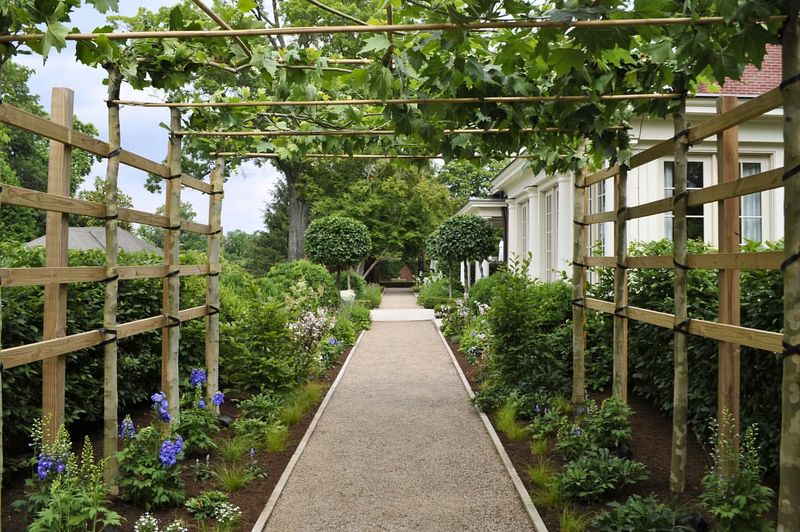
Multiple themed gardens demonstrate different design approaches, giving visitors a chance to see various styles and gather inspiration for their own outdoor projects.
Some areas feature formal layouts with geometric patterns, while others embrace naturalistic plantings that look like they grew wild without any human planning.
Kentucky gardeners find these displays especially helpful because they show what actually works in local climate conditions rather than just pretty pictures from magazines.
Seating areas throughout the gardens invite visitors to pause and really observe how plants combine to create specific moods and visual effects.
Changing seasons transform the display gardens completely, so repeat visitors always discover new combinations and ideas they missed during their previous trips here.
Amateur designers study how professionals use height, color, and texture to create gardens that look interesting from every angle and throughout the year.
Taking photos helps visitors remember specific combinations they want to recreate, and staff members happily answer questions about plants that catch your attention.
6. Specialized Holly Collection with Remarkable Variety

Holly plants offer far more variety than most people realize, and this collection demonstrates the incredible range available to gardeners seeking options beyond ordinary.
Some hollies grow tall and narrow, perfect for screening, while others stay low and spread wide, working beautifully as groundcovers in challenging areas.
Berry colors range from traditional red to yellow and even black, creating surprising visual interest that attracts birds and adds winter beauty.
Kentucky gardeners discover that many holly varieties tolerate local conditions better than they expected, making these plants practical choices for home landscapes everywhere.
Leaf shapes vary dramatically within the collection, from smooth edges to extremely spiky forms that provide texture and create natural barriers against unwanted visitors.
Garden planners appreciate seeing mature specimens because understanding full-grown size helps them make better decisions when selecting plants for specific landscape situations.
Staff members maintain excellent records for each variety, so visitors can learn about growth rates, hardiness, and special care requirements before purchasing plants.
7. Seasonal Color Changes Creating Dramatic Transformations

Spring brings explosive blooms that carpet the grounds in color, creating moments that feel almost magical when sunlight filters through flowering branches overhead.
Summer shifts the palette to deeper greens punctuated by bold flower colors, giving the gardens a lush, tropical feeling even in Kentucky heat.
Fall transforms the landscape with fiery foliage that rivals any forest, proving that cultivated gardens can match wild nature for pure visual drama.
Winter reveals the garden structure, showing how carefully placed evergreens and interesting bark textures keep the space beautiful when flowers disappear completely.
Photographers return throughout the year because each season offers completely different opportunities for capturing stunning images that showcase natural beauty at its finest.
Planning visits during peak times ensures you see the gardens at their most spectacular, though quieter seasons offer their own subtle charms.
Staff members can recommend the best weeks for specific displays, helping you time your visit to see exactly what interests you most personally.
8. Native Plant Demonstrations Supporting Local Ecosystems
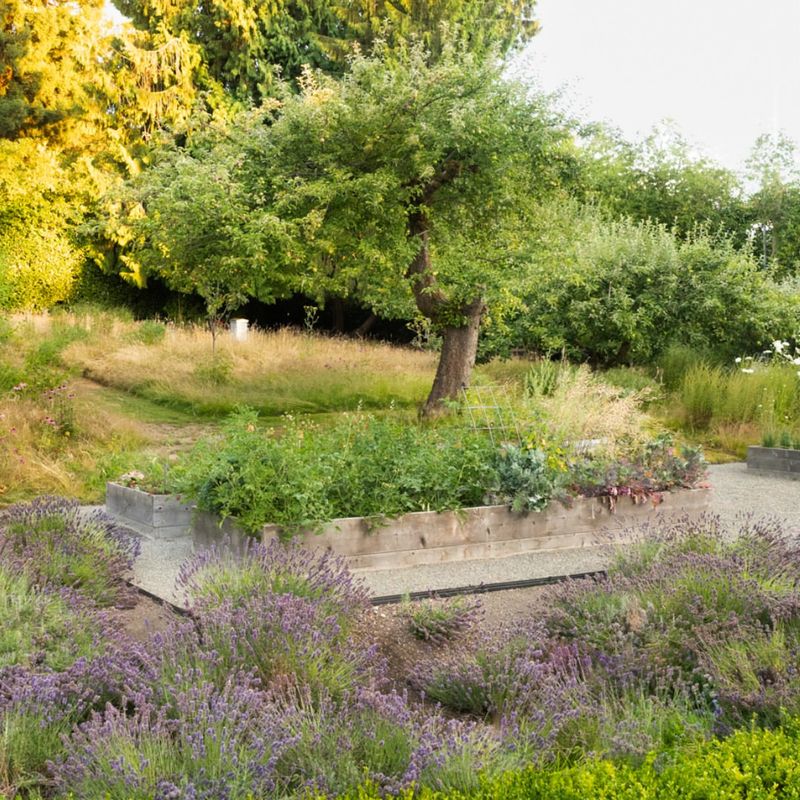
Gardens dedicated to native species show how Kentucky plants create beautiful landscapes while supporting butterflies, birds, and other wildlife that depend on them.
Visitors learn that native plants often require less maintenance than exotic species because they evolved to thrive in local soil and weather conditions.
Pollinators visit native plantings in huge numbers, creating a buzzing, active atmosphere that helps people understand the connection between plants and wildlife.
Homeowners discover that choosing native species for their yards contributes to larger conservation efforts without requiring any special expertise or extra work.
Children enjoy watching butterflies and bees moving between flowers, learning about nature cycles in ways that feel fun rather than like boring science lessons.
Garden clubs often visit specifically to study native plant combinations, gathering ideas they can share with members who want to garden more sustainably.
Labels identify each species and explain its ecological role, helping visitors understand why preserving native plants matters for environmental health and biodiversity.
9. Unique Dwarf Conifer Garden for Small-Space Inspiration
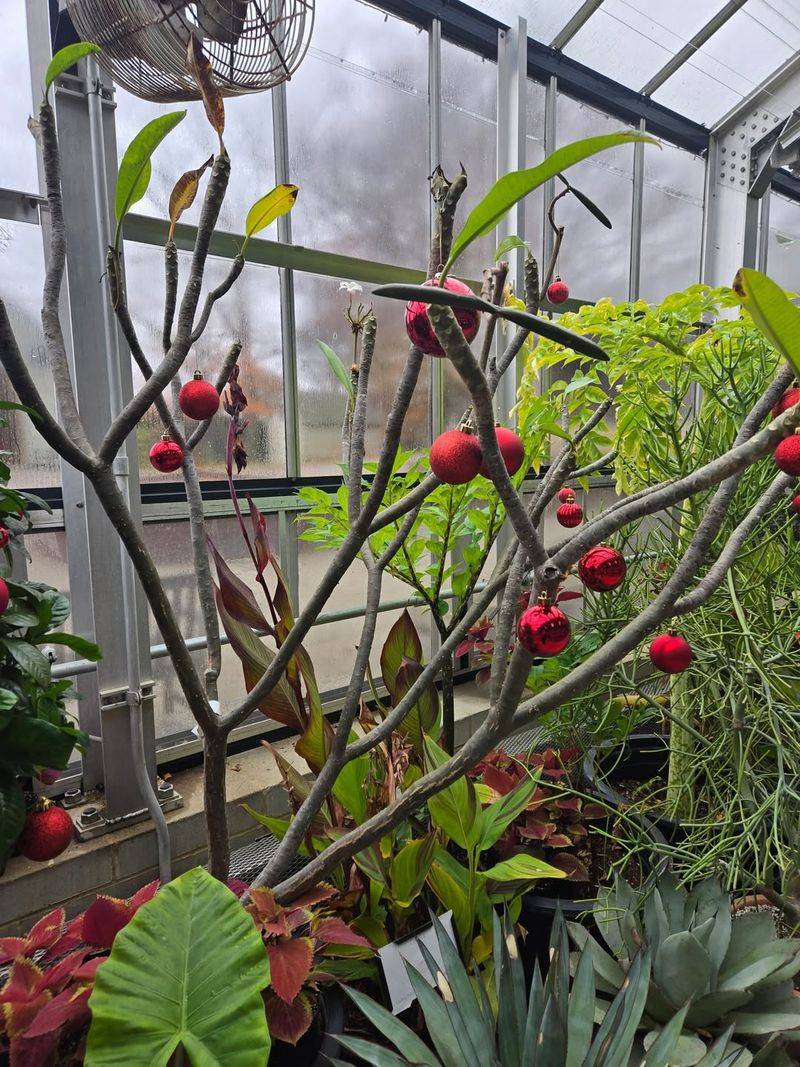
Miniature conifers prove that you do not need huge spaces to create interesting gardens, making this area especially valuable for urban gardeners everywhere.
Slow-growing varieties stay small for decades, allowing people with limited space to enjoy diverse plant collections without constant pruning and maintenance headaches.
Kentucky gardeners with small yards find inspiration here because the designs show how to maximize visual interest within tight spaces using creative placement.
Container gardening ideas abound because many dwarf conifers thrive in pots, giving apartment dwellers and patio gardeners excellent options for year-round greenery.
Children relate to the smaller scale, finding these plants less intimidating and easier to observe closely without feeling overwhelmed by massive trees.
Collectors appreciate seeing rare dwarf varieties in person because photos rarely capture the subtle differences that make each cultivar special and worth seeking.
Staff members provide information about growth rates and mature sizes, helping visitors select plants that will actually stay small rather than eventually outgrow spaces.
10. Engaging Events Bringing Garden Community Together
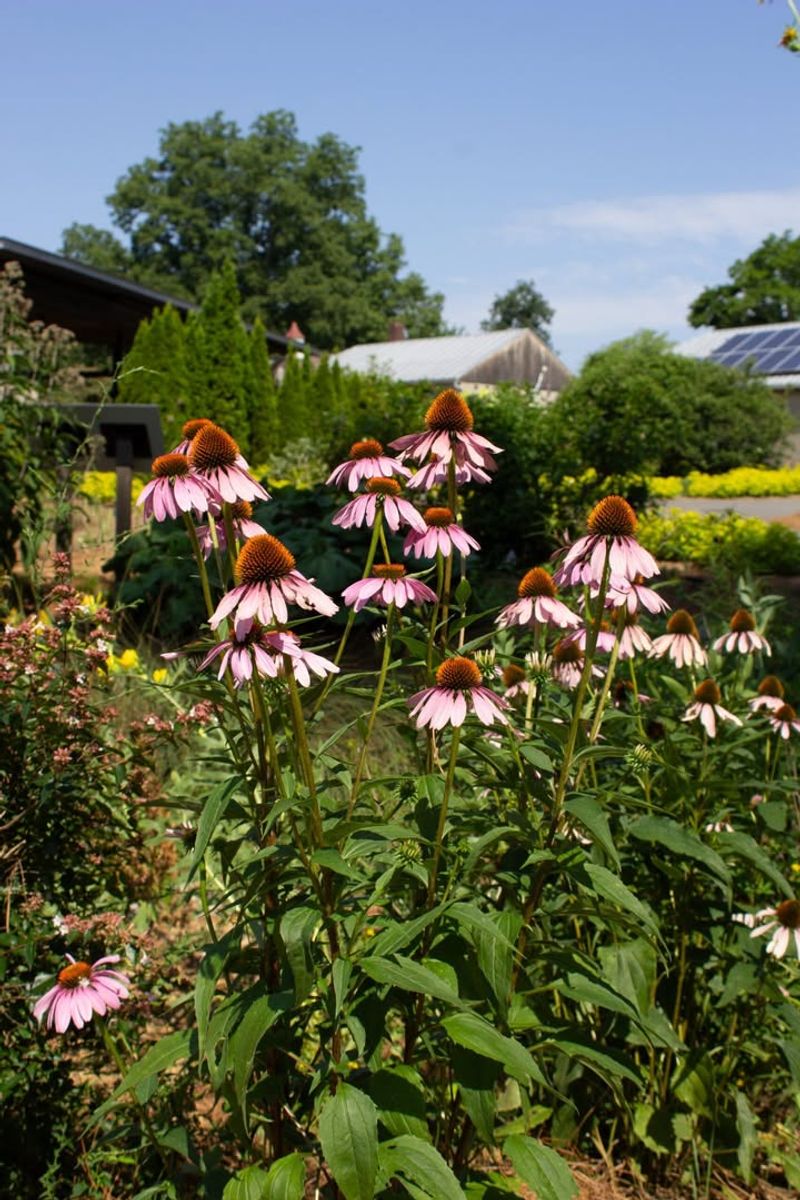
Special events throughout the year transform the gardens into gathering places where plant lovers connect, share knowledge, and celebrate their common passion together.
Plant sales offer chances to purchase unique varieties grown on-site, ensuring you take home something special that reminds you of your visit.
Seasonal celebrations mark important moments like spring bloom peaks or fall color displays, creating traditions that families return to year after year.
Kentucky gardeners meet others facing similar challenges, building networks that provide support and advice long after everyone leaves the event and returns home.
Children enjoy family-focused events with activities designed to spark curiosity about plants without feeling like educational obligations or boring school assignments.
Food vendors and entertainment at larger events create festival atmospheres that welcome people who might not normally visit botanical gardens on their own.
Checking the event calendar before planning your visit ensures you can participate in activities that match your interests and make the experience memorable.