How The Wellness Garden Trend Is Changing Backyards Across Virginia
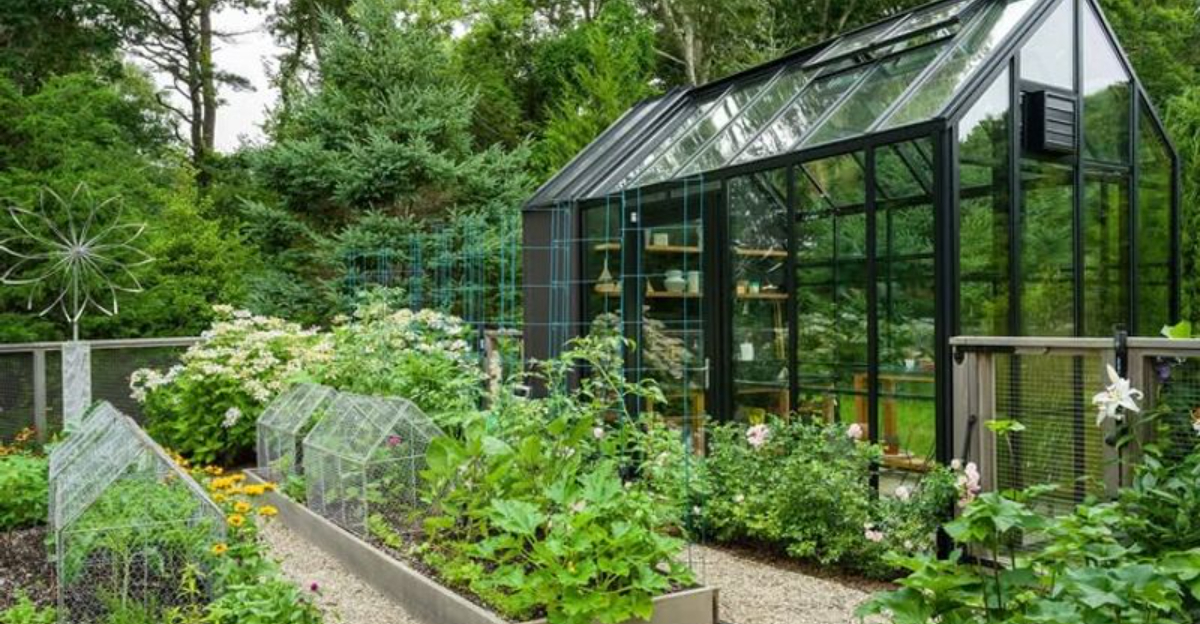
The wellness garden trend is taking off fast because Virginia homeowners want backyards that feel peaceful, calm, and a little more connected to daily life.
You can see the shift everywhere, giving Virginia a fresh mix of cozy seating spots, easy-care plants, and quiet corners meant for real unwinding.
If you’ve been craving a backyard that feels good the moment you step outside, Virginia is showing just how simple and fun that change can be.
1. Mental Health Benefits Drive Garden Popularity
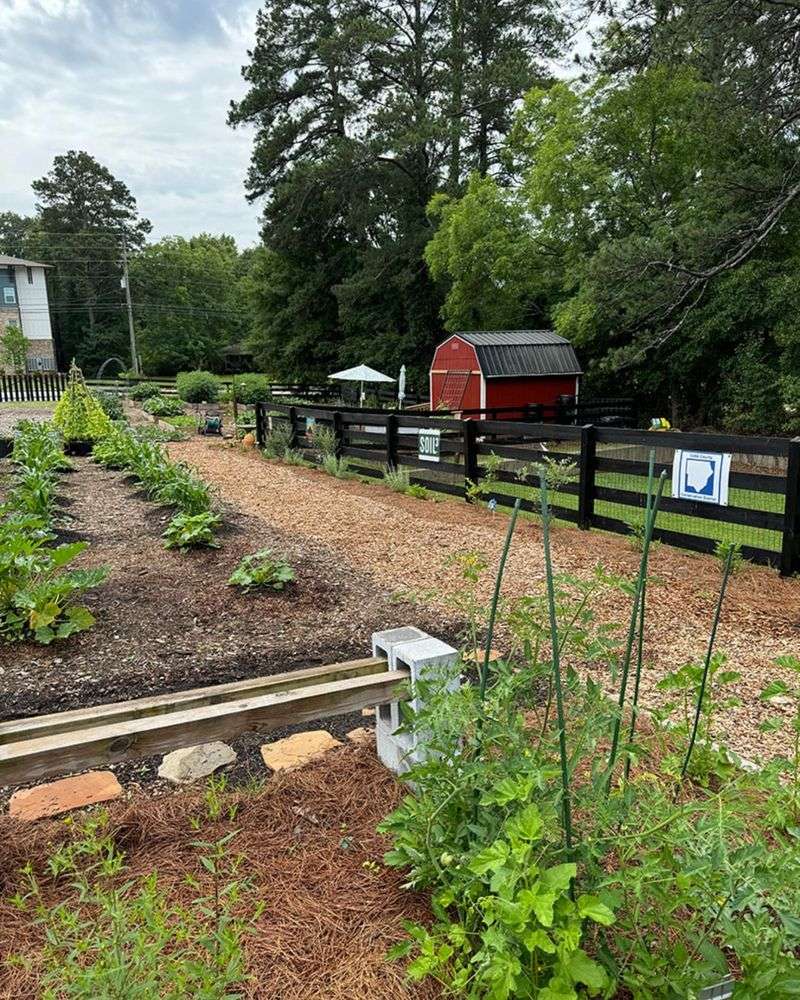
Virginia residents are discovering that spending time in wellness gardens can reduce stress anxiety and feelings of sadness in powerful natural ways today.
Gardening activities like planting watering and weeding allow people to focus their minds on simple tasks that bring calm and peaceful feelings.
Studies show that being surrounded by plants and flowers can lower blood pressure and help people feel more relaxed throughout their busy days.
Many families in Virginia now use their backyard wellness gardens as outdoor therapy spaces where they can unwind after work or school.
Creating a dedicated area with comfortable seating and soothing plants gives everyone a special place to escape from daily stresses and worries.
The act of nurturing living plants provides a sense of accomplishment and purpose that boosts mood and overall mental wellness significantly.
Homeowners report feeling happier and more balanced when they spend just twenty minutes each day tending to their beautiful wellness garden spaces.
2. Medicinal Herbs Become Backyard Staples
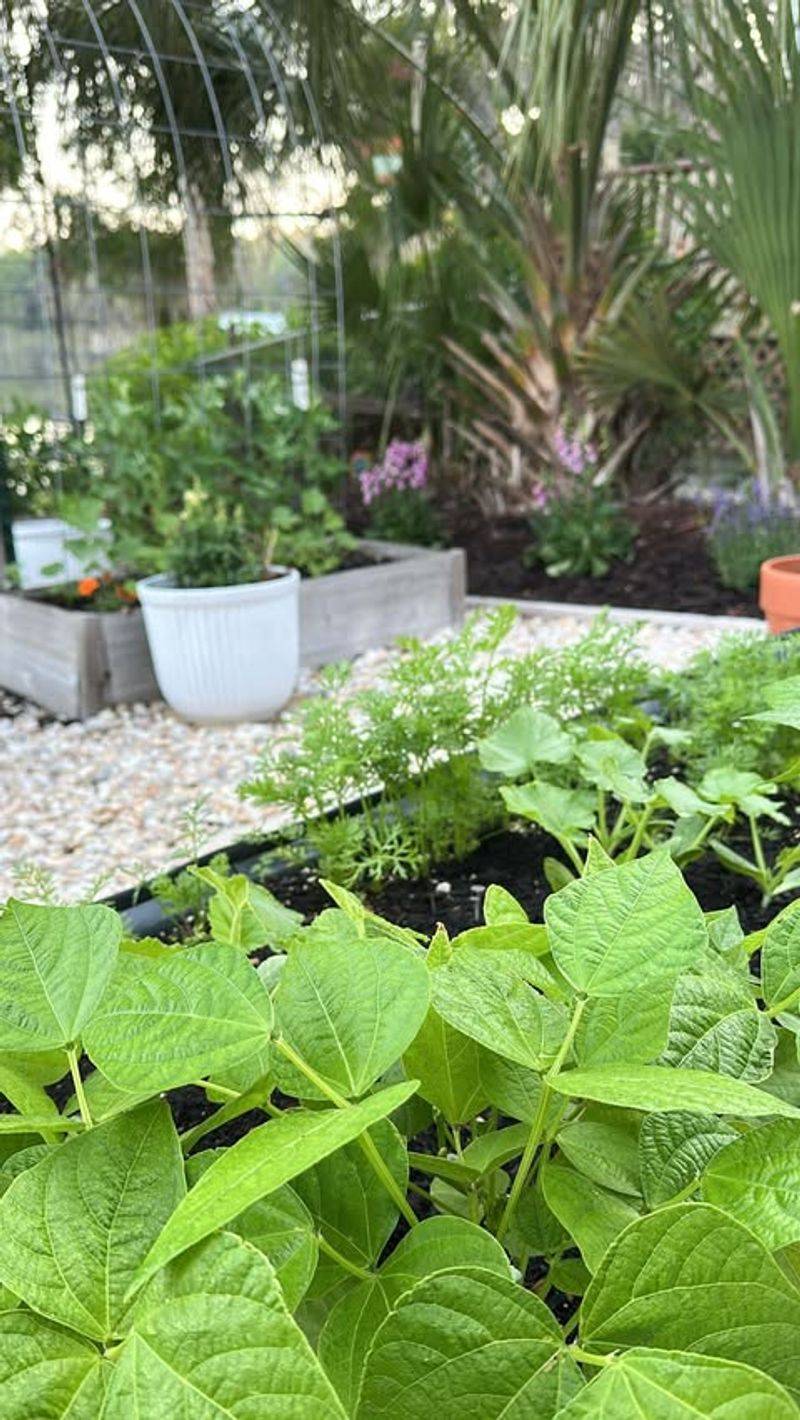
Growing medicinal herbs at home has become incredibly popular among Virginia families who want natural remedies right outside their kitchen doors today.
Plants like lavender mint chamomile and rosemary offer healing properties that can be used for teas salves and homemade wellness products easily.
Many people enjoy harvesting fresh herbs to make calming teas that help with sleep digestion and relaxation after long stressful days at work.
Virginia gardeners appreciate knowing exactly where their herbs come from and avoiding pesticides and chemicals found in store bought products and supplements.
Raised garden beds and container planters make it simple to grow multiple herb varieties even in small backyards with limited space available.
Children love learning about the healing powers of plants and helping their parents harvest leaves and flowers for different homemade remedies and recipes.
Having a medicinal herb garden encourages families to explore natural health options and connect with traditional wellness practices from cultures around the world.
3. Sensory Gardens Engage All Five Senses
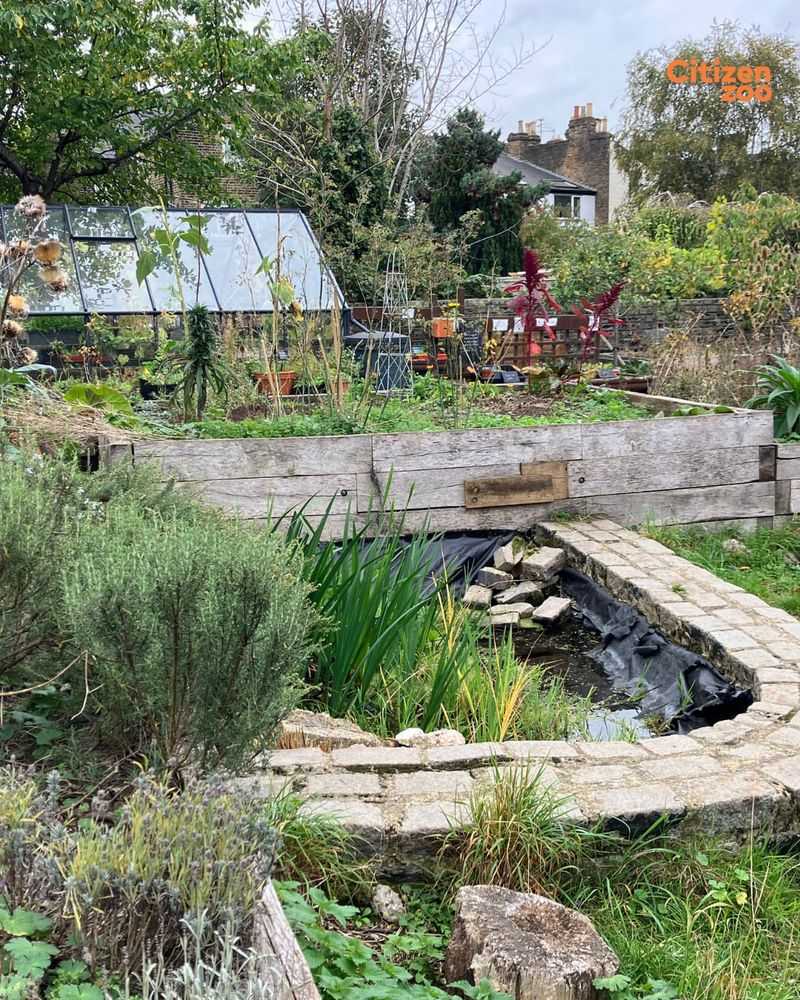
Sensory gardens are designed to stimulate sight smell touch taste and sound creating immersive experiences that promote relaxation and mindfulness in Virginia backyards.
Soft lamb’s ear leaves fragrant jasmine blooms rustling ornamental grasses and colorful butterfly attracting flowers all work together to engage multiple senses simultaneously.
These gardens help children with sensory processing needs and adults seeking stress relief by providing gentle natural stimulation that feels calming and grounding.
Adding wind chimes water features and textured pathways enhances the sensory experience and makes the garden feel like a true wellness retreat space.
Your Virginia Garden Changes Every Week. Your Plan Should Too.
Gardening in Virginia changes quickly throughout the season. Every Friday you’ll receive a simple weekly plan showing exactly what to plant, prune, fertilize, harvest, and protect so you never miss the right timing.
Virginia homeowners often include edible flowers and herbs so visitors can safely taste different plants and learn about their unique flavors and uses.
Walking through a sensory garden encourages people to slow down pay attention and appreciate the small details of nature they usually overlook daily.
This type of garden design promotes mindfulness and presence helping people feel more connected to their surroundings and less distracted by worries.
4. Native Plants Support Local Ecosystems
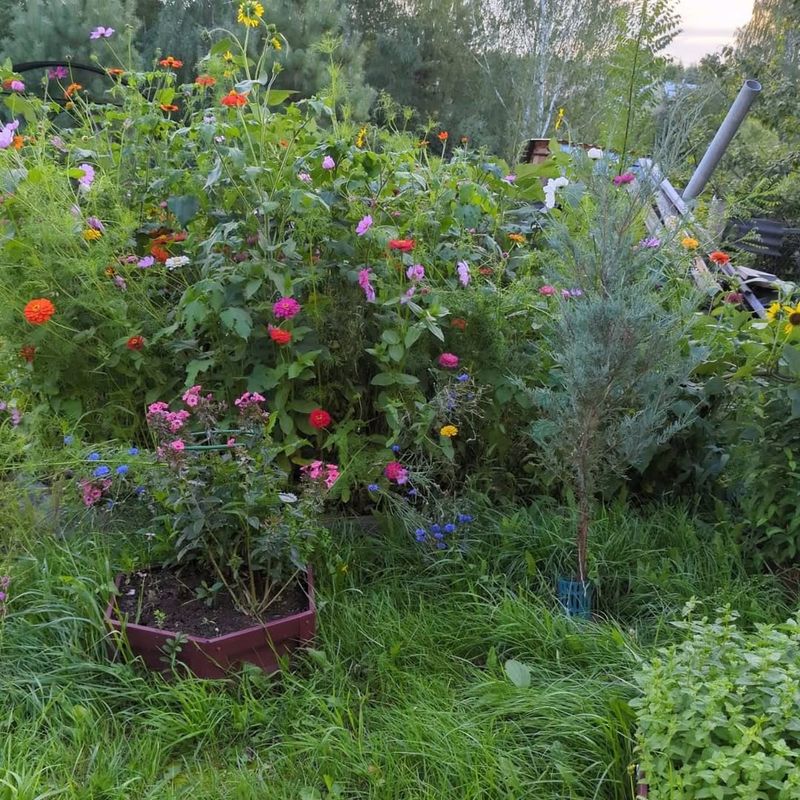
Choosing native Virginia plants for wellness gardens supports local wildlife provides food for pollinators and requires less maintenance than exotic imported plant species.
Native plants like black eyed Susans coneflowers and Virginia bluebells thrive naturally in the state’s climate and soil conditions without extra watering or fertilizers.
These plants have evolved alongside local insects birds and butterflies creating balanced ecosystems that benefit the entire community and surrounding natural environment.
Homeowners appreciate that native plant gardens stay healthier with less effort allowing them to enjoy their outdoor spaces without constant weeding and spraying.
Supporting biodiversity in backyard gardens helps protect endangered pollinators like bees and butterflies that play critical roles in food production and ecosystem health.
Virginia gardeners feel good knowing their wellness gardens contribute positively to the environment while also providing personal health and relaxation benefits for families.
Educational programs across the state teach residents how to select and care for native plants that match their specific wellness garden goals perfectly.
5. Meditation Spaces Encourage Daily Mindfulness
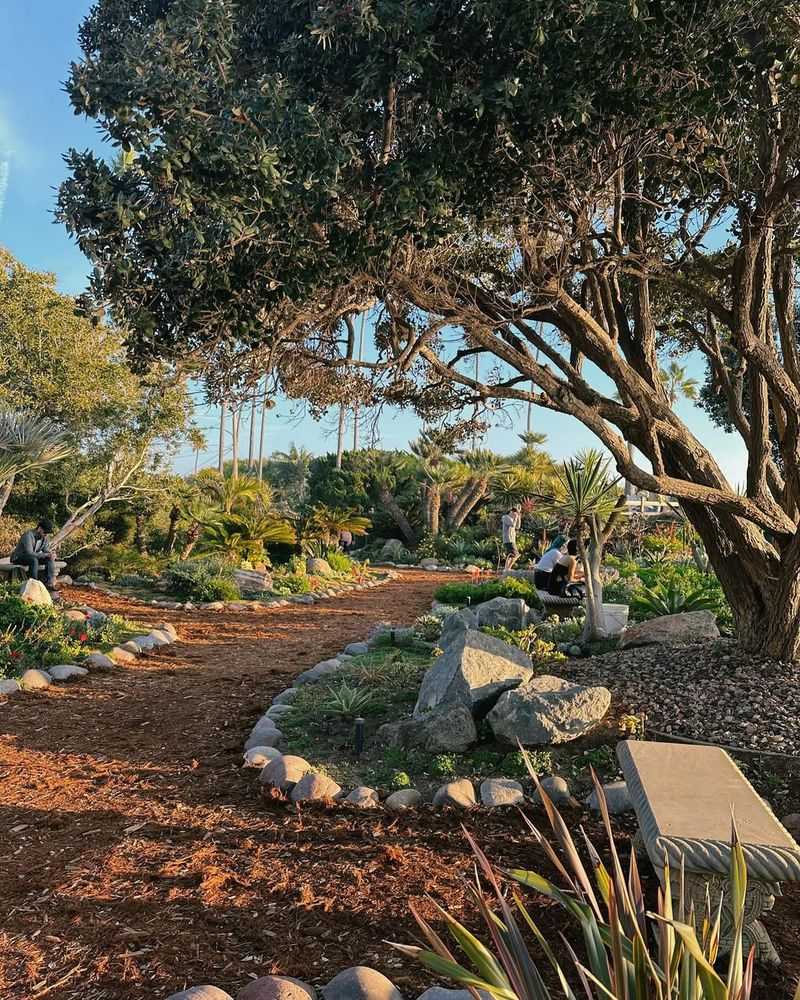
Creating dedicated meditation areas within wellness gardens gives Virginia families quiet places to practice mindfulness breathing exercises and peaceful reflection every single day.
Simple additions like a comfortable bench stone pathway or small water fountain can transform any corner into a personal sanctuary for meditation practice.
Many people find that meditating outdoors surrounded by plants and fresh air feels more natural and effective than practicing inside their homes.
The sounds of birds chirping leaves rustling and water flowing provide soothing background noise that helps quiet busy minds and reduce mental chatter.
Virginia residents often schedule morning or evening meditation sessions in their gardens to start or end their days with intention calmness and gratitude.
Children can also benefit from having a special outdoor spot where they learn breathing techniques and develop healthy coping skills for stress management.
Incorporating meditation spaces into wellness gardens reinforces the connection between nature and mental health while encouraging consistent mindfulness practices for entire families.
6. Edible Gardens Combine Wellness With Nutrition
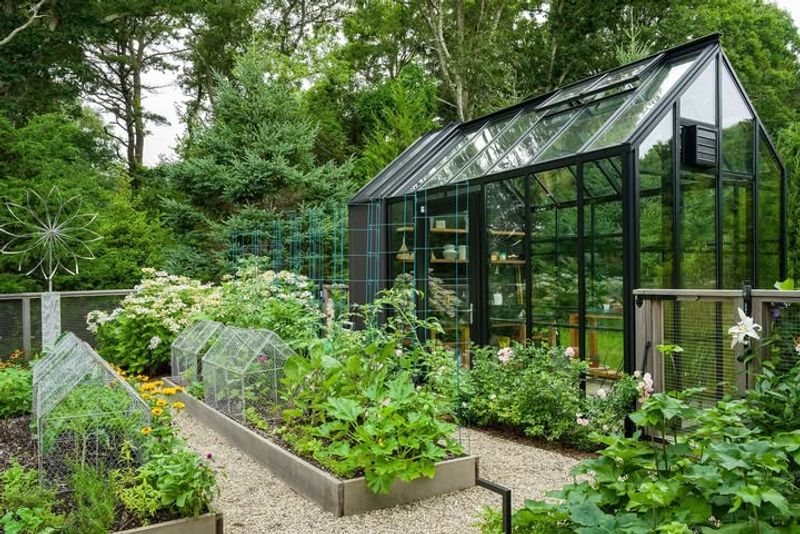
Growing fruits vegetables and herbs in wellness gardens allows Virginia families to harvest fresh nutritious food while enjoying the therapeutic benefits of gardening.
Tending to edible plants teaches children about nutrition food sources and the importance of healthy eating habits that support long term physical wellness.
Homegrown produce tastes better contains more nutrients and avoids harmful pesticides found on many fruits and vegetables sold in grocery stores and markets.
Virginia’s climate supports a wide variety of edible plants including tomatoes peppers leafy greens berries and countless herbs that thrive throughout growing seasons.
Harvesting your own food creates a sense of pride and accomplishment while encouraging families to cook together and try new healthy recipes regularly.
Edible gardens also reduce grocery bills and environmental impact by cutting down on transportation packaging and waste associated with commercial food production systems.
Combining nutrition with wellness gardening creates a holistic approach to health that addresses both physical nourishment and mental emotional wellbeing for everyone involved.
7. Aromatherapy Plants Provide Natural Healing
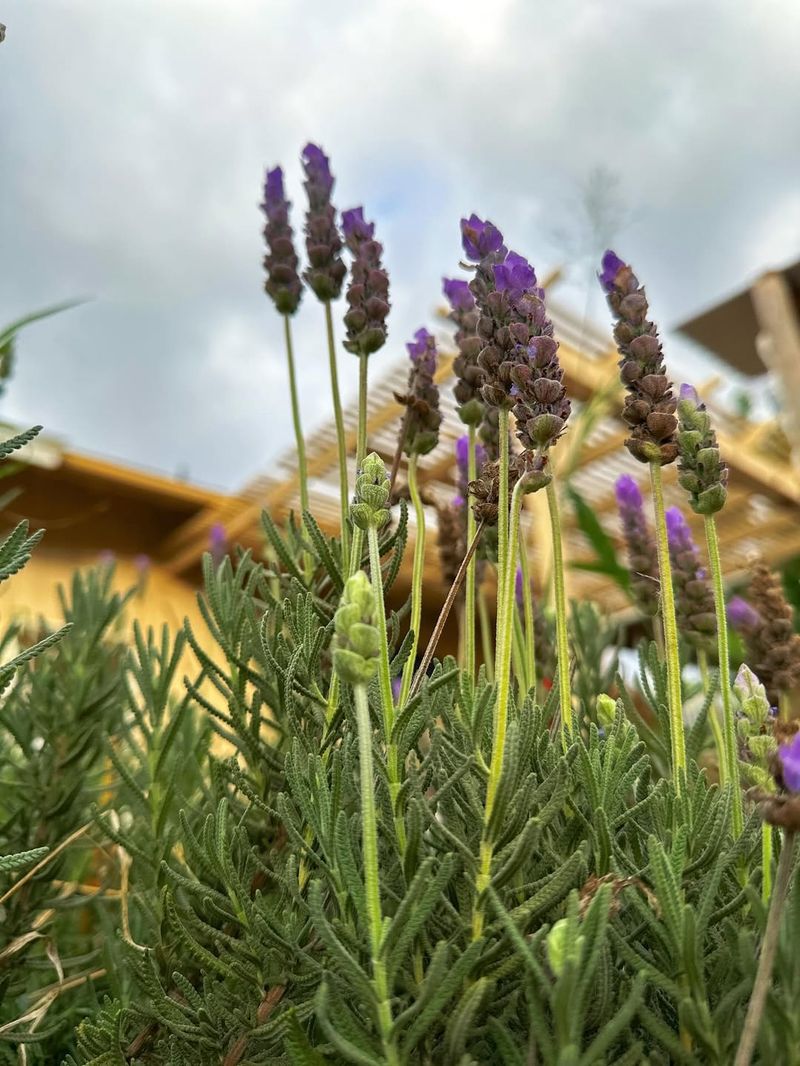
Aromatherapy gardens filled with fragrant plants like lavender jasmine and eucalyptus offer natural healing benefits through essential oils released into the surrounding air.
Breathing in these natural scents can improve mood reduce headaches boost energy levels and promote better sleep quality for Virginia residents seeking wellness.
Many homeowners plant aromatic herbs near windows patios and walkways so pleasant fragrances drift into their homes and outdoor living spaces throughout the day.
Lavender is especially popular because its calming scent helps reduce anxiety and stress while also attracting beneficial pollinators to garden spaces naturally and effectively.
Virginia gardeners often dry aromatic plants to make sachets potpourri and homemade essential oils that extend the wellness benefits beyond the growing season months.
Children enjoy learning how different plant scents affect emotions and moods turning aromatherapy gardens into fun educational experiences for the whole family together.
Incorporating aromatherapy into wellness garden design creates multi sensory healing environments that support both mental and physical health in gentle accessible ways daily.
8. Water Features Add Soothing Sounds
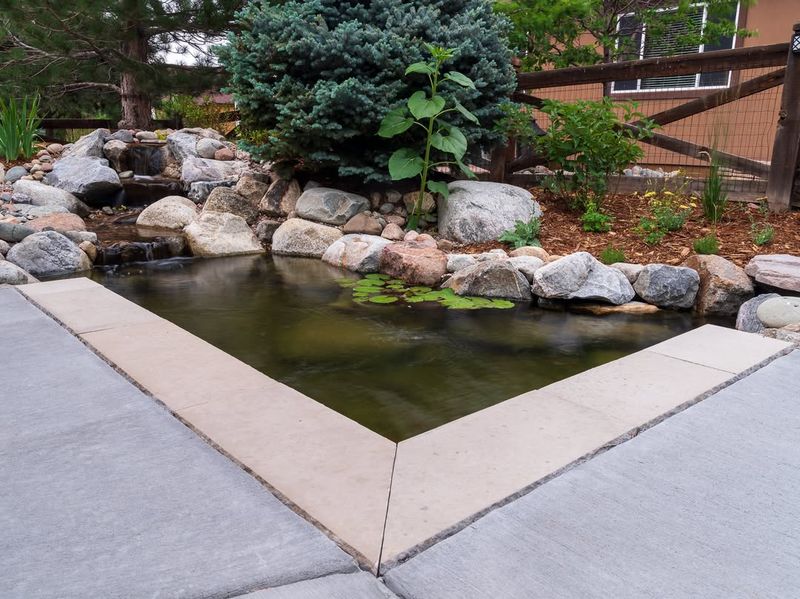
Adding water features like fountains ponds or small streams to wellness gardens creates soothing sounds that mask neighborhood noise and promote relaxation.
The gentle sound of flowing water has been proven to lower stress hormones reduce blood pressure and help people feel calmer in outdoor spaces.
Virginia homeowners appreciate how water features attract birds butterflies and other wildlife that add life movement and natural beauty to backyard wellness gardens.
Even small tabletop fountains or birdbaths can provide the calming auditory benefits of water without requiring extensive installation or maintenance throughout the year.
Water elements also increase humidity around plants creating healthier growing conditions for moisture loving species like ferns and hostas that thrive in Virginia gardens.
Sitting beside a water feature during meditation or quiet reflection enhances the sense of peace and helps people disconnect from technology and daily worries.
Incorporating water into wellness garden design transforms ordinary backyards into tranquil retreats that support mental health and provide year round enjoyment for families.
9. Seasonal Planting Ensures Year Round Interest
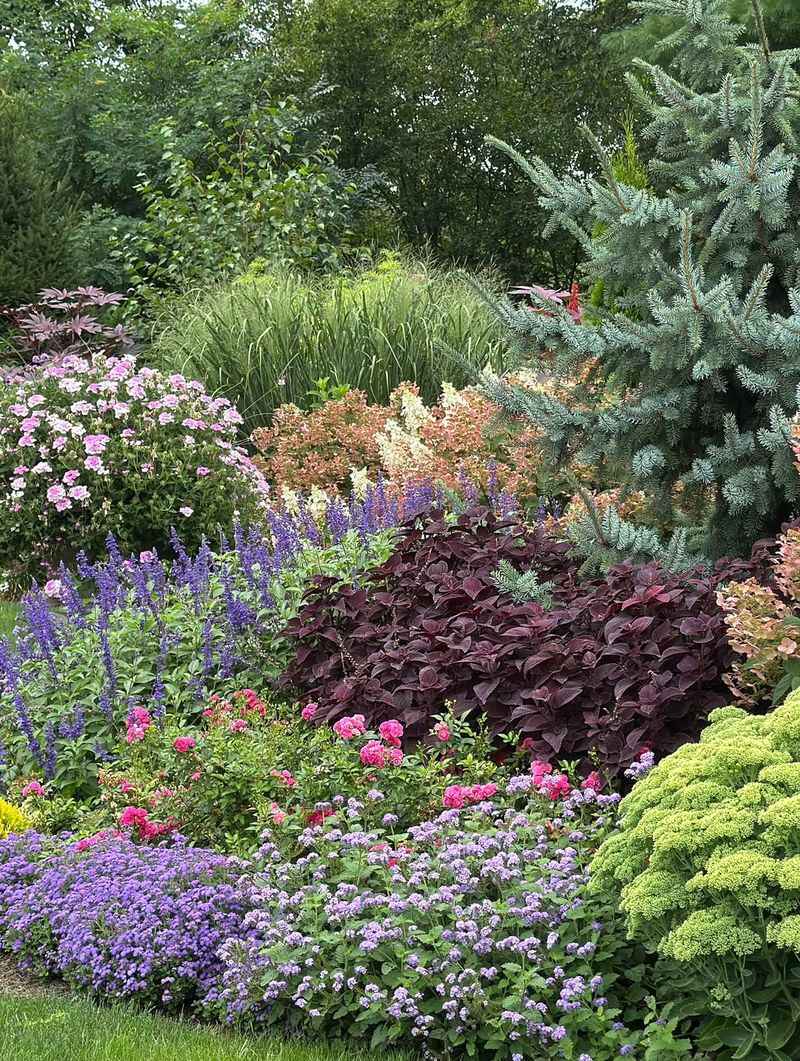
Planning for seasonal interest ensures Virginia wellness gardens remain beautiful and engaging throughout the entire year regardless of weather or temperature changes outside.
Spring bulbs like tulips and daffodils bring early color while summer perennials provide continuous blooms that support pollinators during warm active months ahead.
Fall brings vibrant foliage and late blooming flowers like asters and mums that extend the garden’s visual appeal into cooler autumn weather naturally.
Winter interest comes from evergreen plants ornamental grasses and berry producing shrubs that add structure color and wildlife food during dormant cold months.
Virginia gardeners enjoy the rhythm of seasonal changes and find purpose in preparing their wellness gardens for each new phase of growth.
Year round gardens provide constant opportunities for outdoor activity and connection with nature preventing the isolation and inactivity that often occur during winter.
Thoughtful seasonal planting creates dynamic living spaces that evolve continuously offering fresh experiences and wellness benefits every single month of the entire year.
10. Community Gardens Foster Social Connection
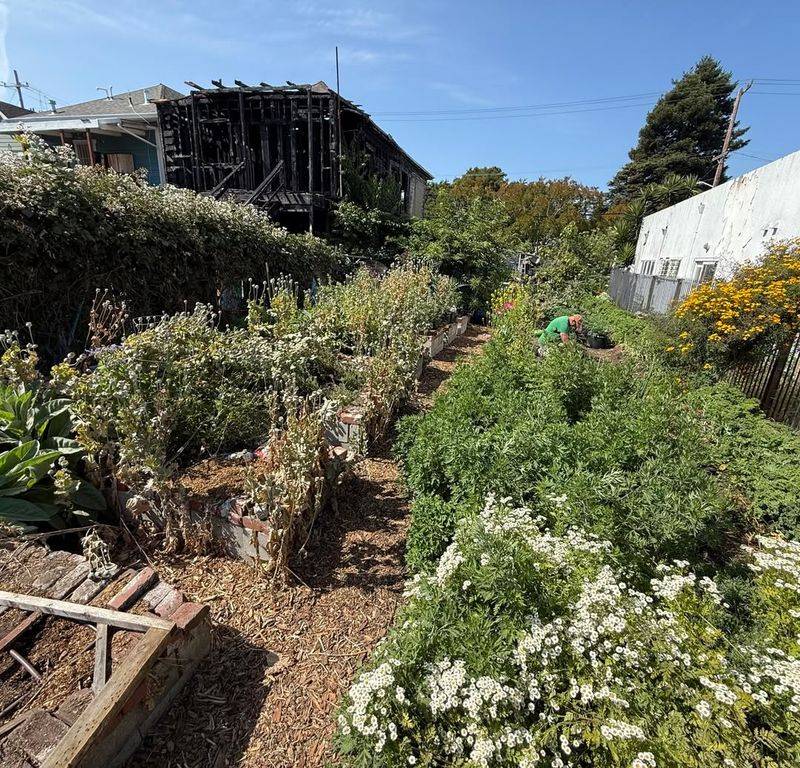
Community wellness gardens bring Virginia neighbors together to share gardening knowledge resources and the joy of growing plants in collaborative outdoor spaces regularly.
Working alongside others in community gardens reduces loneliness builds friendships and creates support networks that improve mental health and overall life satisfaction significantly.
Shared garden spaces allow people without private yards to experience the wellness benefits of gardening while contributing to neighborhood beautification and food security.
Virginia communities often organize garden workdays potlucks and educational workshops that strengthen social bonds and promote healthy active lifestyles for all age groups.
Children learn valuable lessons about cooperation responsibility and environmental stewardship by participating in community garden projects with peers and adult mentors together.
Donating excess produce to local food banks extends the wellness mission beyond individual participants and helps address hunger in surrounding neighborhoods effectively.
Community wellness gardens demonstrate how shared green spaces can transform neighborhoods into healthier happier places where people feel connected to nature and each other.