Tennessee Gardeners Are Making This Simple $30 Raised Bed Fast
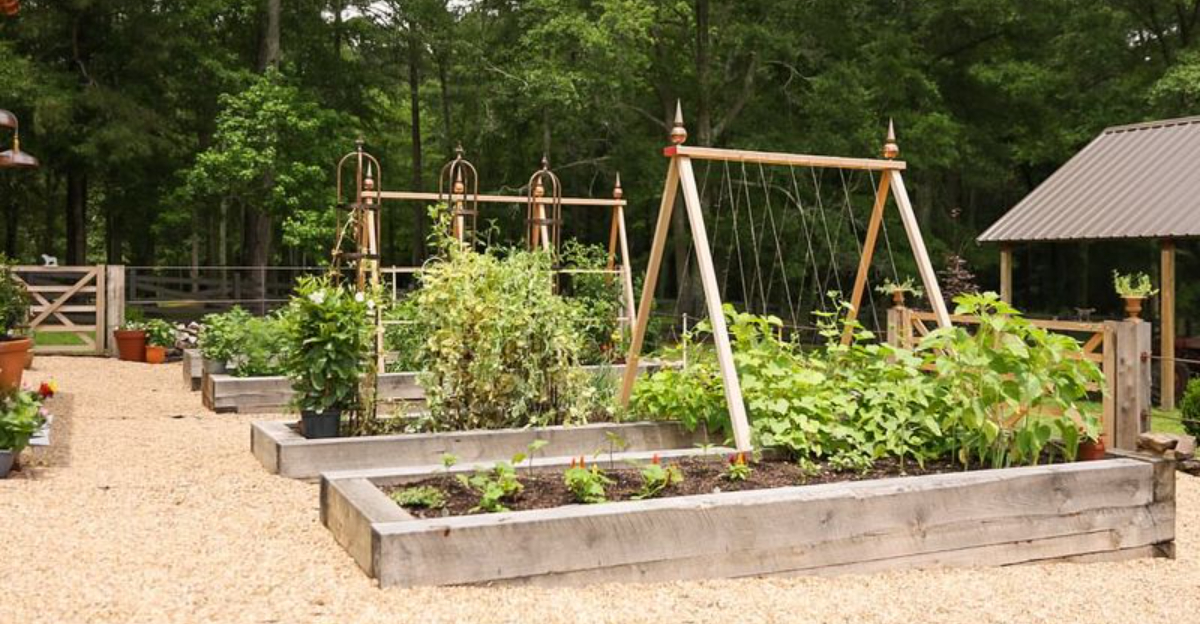
Tennessee gardeners are loving this $30 raised bed because it comes together fast and instantly makes a yard feel more put-together.
The build works in tight spots and open lawns, giving Tennessee a simple way to grow more without any heavy work attached.
This little project adds energy to the season and helps Tennessee gardeners feel like they upgraded their space in one easy afternoon.
1. Material Choices Keep Costs Down
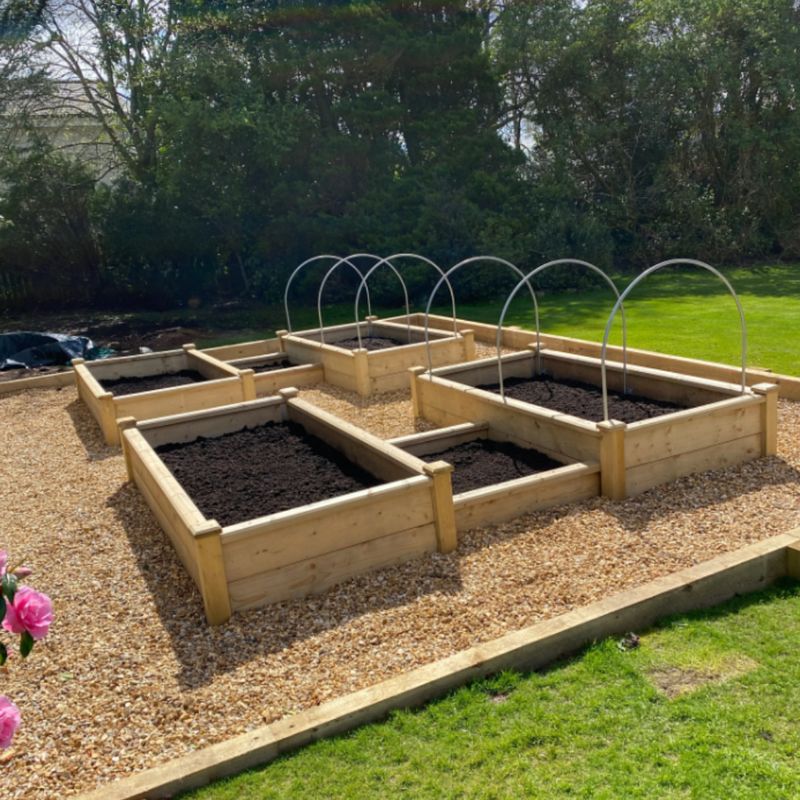
Budget conscious gardeners in Tennessee have discovered that using untreated pine or cedar boards from local hardware stores makes raised bed construction affordable and accessible.
Pine boards measuring one inch by six inches work perfectly for building sturdy frames that hold soil securely while allowing proper drainage and airflow around roots.
Cedar naturally resists rot and insect damage better than other woods, making it a smart long term investment even though it costs slightly more initially.
Untreated lumber is safer for growing edibles because it contains no harmful chemicals that could leach into soil and contaminate vegetables or herbs over time.
Many Tennessee gardeners shop sales at home improvement stores during spring to find discounted lumber that fits their thirty dollar budget perfectly without sacrificing quality.
Reclaimed wood from old fences or pallets can also work well if properly cleaned and inspected for nails or splinters before cutting and assembly begins.
Choosing the right material ensures your raised bed lasts multiple growing seasons while keeping your initial investment low and your plants healthy throughout the year.
2. Simple Design Saves Time and Money
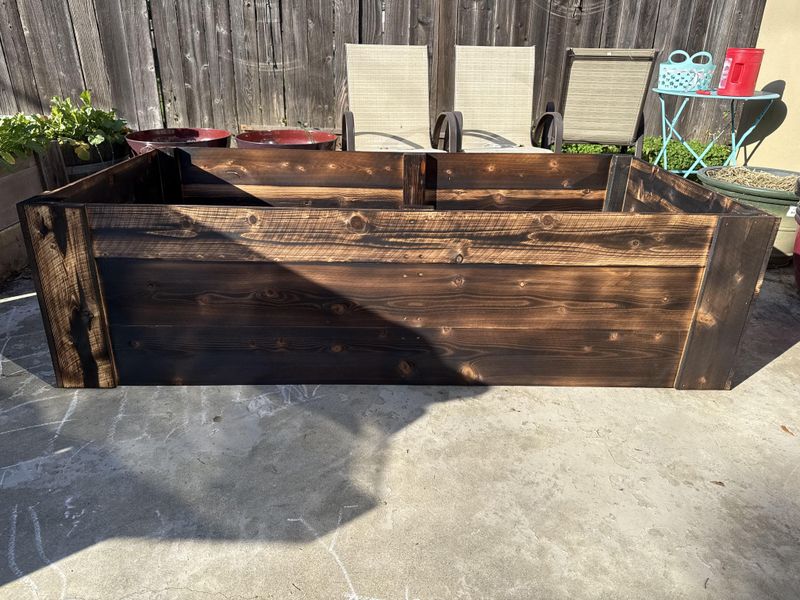
The most popular raised bed design among Tennessee gardeners features a simple rectangular shape that requires minimal cutting, no fancy joinery, and just basic tools.
A standard four foot by eight foot frame fits perfectly in most yards and provides enough growing space for several vegetable varieties without overwhelming beginners.
Corner joints can be secured using galvanized screws instead of complicated notches, making assembly quick and straightforward even for people with limited carpentry experience.
This basic design eliminates the need for expensive hardware or specialized equipment, keeping the project budget friendly and accessible to gardeners of all skill levels.
Tennessee gardeners appreciate that this straightforward approach allows them to build a functional raised bed in just a few hours on a weekend afternoon.
The rectangular shape also makes it easier to add trellises, hoops, or protective covers later if you decide to extend your growing season or protect crops.
Simplicity in design means less room for error during construction and more time spent actually planting seeds and enjoying the gardening process throughout spring.
3. Height Matters for Root Development

Most successful Tennessee gardeners build their thirty dollar raised beds to a height of ten to twelve inches, which provides adequate depth for healthy root systems.
Shallow rooted crops like lettuce, spinach, and radishes thrive in beds as shallow as six inches, but deeper beds offer more versatility for different plant types.
Root vegetables such as carrots and beets need at least ten inches of loose soil to develop properly without becoming stunted or misshapen during the growing season.
Your Tennessee Garden Changes Every Week. Your Plan Should Too.
Gardening in Tennessee changes quickly throughout the season. Every Friday you’ll receive a simple weekly plan showing exactly what to plant, prune, fertilize, harvest, and protect so you never miss the right timing.
Tomatoes and peppers benefit from deeper beds because their extensive root systems require more space to access nutrients and water efficiently throughout hot Tennessee summers.
Building beds too shallow can restrict root growth and limit the types of vegetables you can successfully grow, reducing your overall harvest and garden productivity.
Conversely, building beds too tall increases material costs beyond the thirty dollar budget and makes the project more complicated and time consuming than necessary.
Finding the right balance between depth and affordability ensures your raised bed supports a wide variety of crops while remaining economical and easy to construct.
4. Location Selection Impacts Success
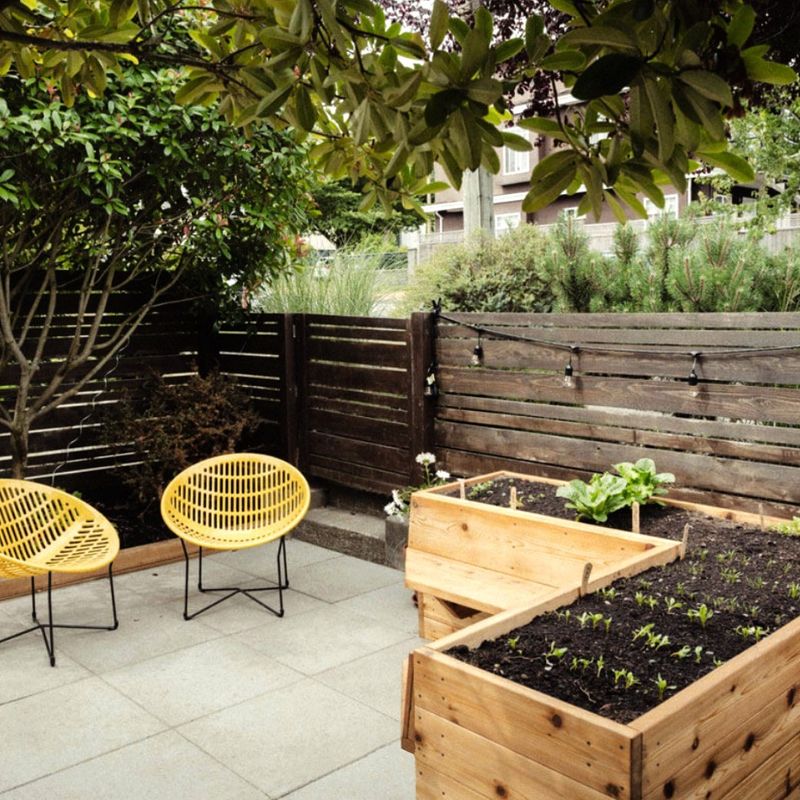
Choosing the right spot in your Tennessee yard makes a huge difference in how well your thirty dollar raised bed performs throughout the entire growing season.
Most vegetables need at least six to eight hours of direct sunlight daily, so positioning your bed in a sunny area ensures strong growth and productivity.
Avoid placing raised beds under large trees because tree roots can invade the bed and compete with your vegetables for water and essential nutrients over time.
Level ground makes construction easier and prevents soil from washing out of one end during heavy rains that are common in Tennessee during spring and summer.
Proximity to a water source is also important because raised beds dry out faster than in ground gardens and require more frequent watering during hot weather.
Consider accessibility when choosing your location so you can comfortably reach all areas of the bed for planting, weeding, and harvesting without straining your back.
Taking time to select the perfect location before building your raised bed sets you up for gardening success and helps maximize your harvest year after year.
5. Soil Mix Makes All the Difference
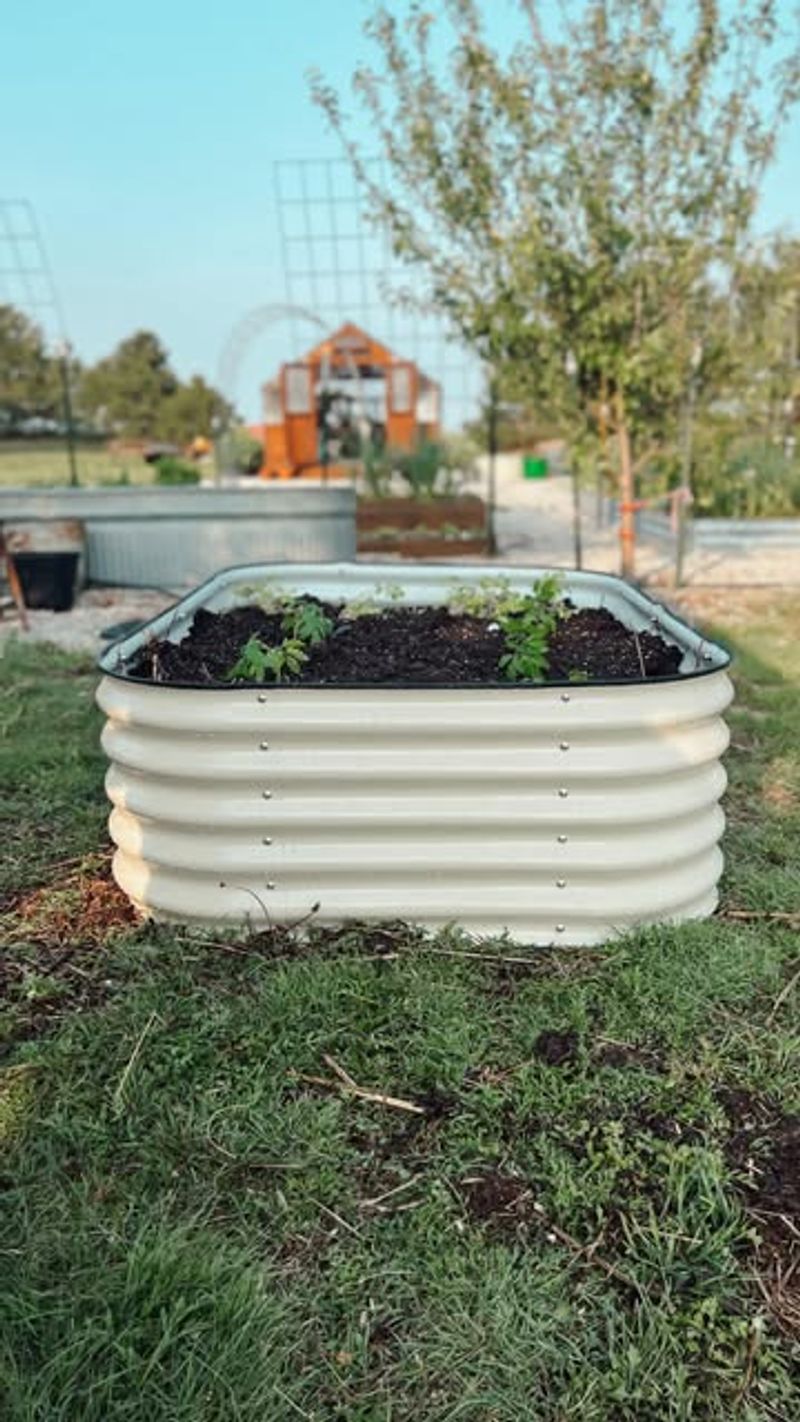
The soil you put inside your thirty dollar raised bed is just as important as the frame itself for growing healthy, productive vegetables in Tennessee gardens.
A balanced mix of topsoil, compost, and peat moss or coconut coir creates the perfect growing medium with good drainage and plenty of organic matter.
Many Tennessee gardeners use a simple formula of one third topsoil, one third compost, and one third peat moss to create nutrient rich soil that plants love.
Avoid using regular garden soil alone because it can compact easily in raised beds, restricting root growth and reducing water drainage over the growing season.
Adding compost improves soil structure, increases beneficial microorganisms, and provides slow release nutrients that feed plants naturally throughout the summer without expensive fertilizers.
Peat moss or coconut coir helps retain moisture while still allowing excess water to drain away, preventing root rot and other moisture related problems in plants.
Investing in quality soil mix ensures your thirty dollar raised bed produces abundant harvests and remains productive for many years with just occasional compost additions annually.
6. Assembly Takes Less Than Two Hours
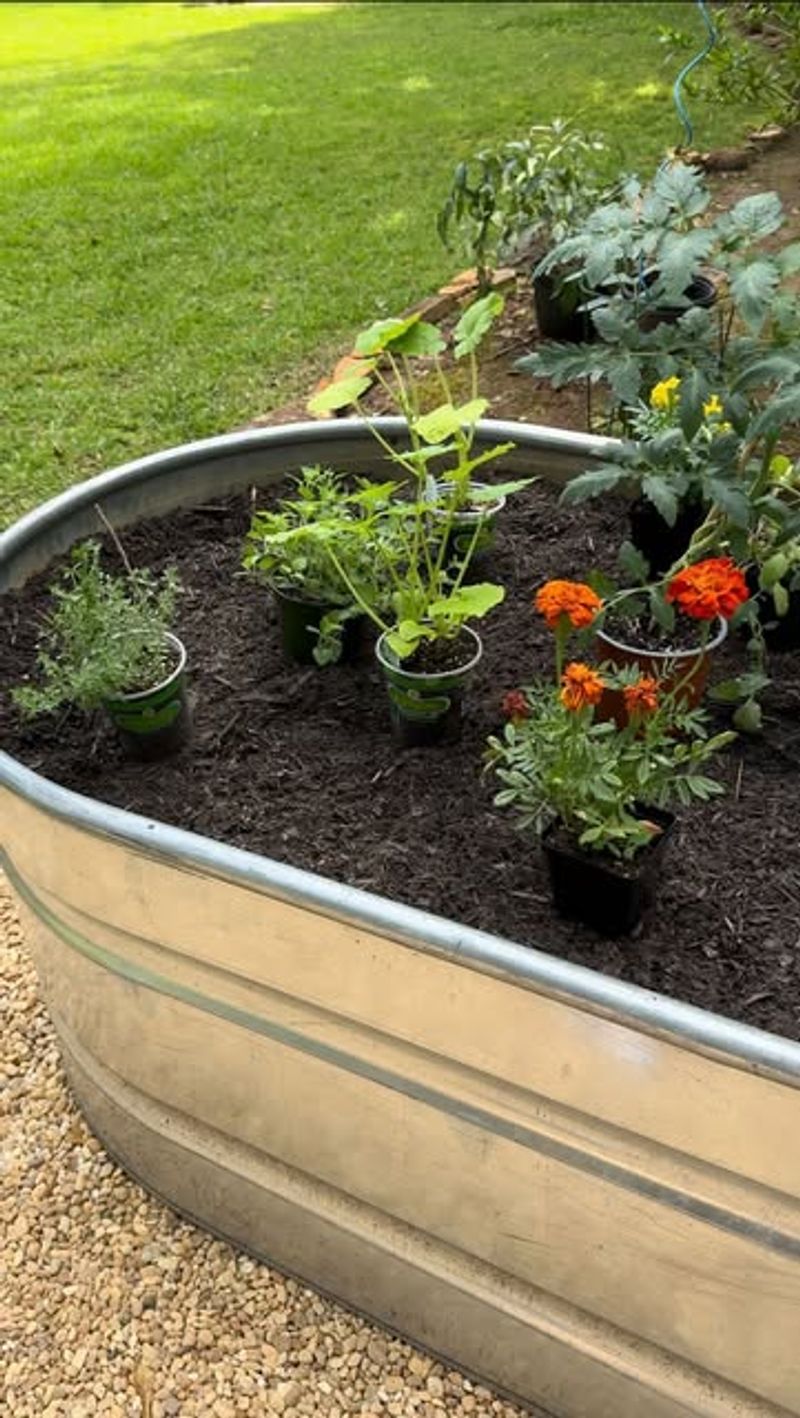
One of the biggest advantages of this thirty dollar raised bed design is that most Tennessee gardeners can complete assembly in under two hours start to finish.
All you need are basic tools like a drill, measuring tape, pencil, and saw if your lumber is not pre cut to the correct lengths already.
Start by cutting your boards to the proper dimensions, then attach the corners using three inch galvanized screws that resist rust in wet Tennessee weather conditions.
Pre drilling small pilot holes prevents the wood from splitting when you drive screws through the boards, ensuring strong joints that hold together for multiple seasons.
Many gardeners add corner braces made from scrap wood or metal brackets for extra stability, though this is optional depending on your soil weight and location.
Once the frame is assembled, position it in your chosen location and check that it sits level before filling it with your prepared soil mixture.
The quick assembly time means you can build your raised bed on a Saturday morning and start planting seeds or transplants that same afternoon.
7. Drainage Prevents Waterlogged Roots

Proper drainage is essential for preventing waterlogged soil that can suffocate plant roots and cause diseases in your Tennessee raised bed garden throughout growing seasons.
Most gardeners skip adding a solid bottom to their raised beds, allowing water to drain naturally into the ground below while preventing soil from washing away.
Placing a layer of hardware cloth or chicken wire on the ground before adding soil keeps burrowing pests out without blocking water drainage or airflow.
If your Tennessee yard has heavy clay soil that drains poorly, consider adding a layer of gravel beneath the bed to improve water movement away from roots.
Raised beds naturally drain better than in ground gardens because the elevated soil allows gravity to pull excess water downward more efficiently after rain or watering.
Avoid lining the bottom of your bed with plastic or landscape fabric because these materials trap water and create anaerobic conditions that harm beneficial soil organisms.
Good drainage combined with quality soil mix ensures your vegetables receive adequate moisture without sitting in soggy conditions that promote root rot and other common problems.
8. Pest Protection Built Right In
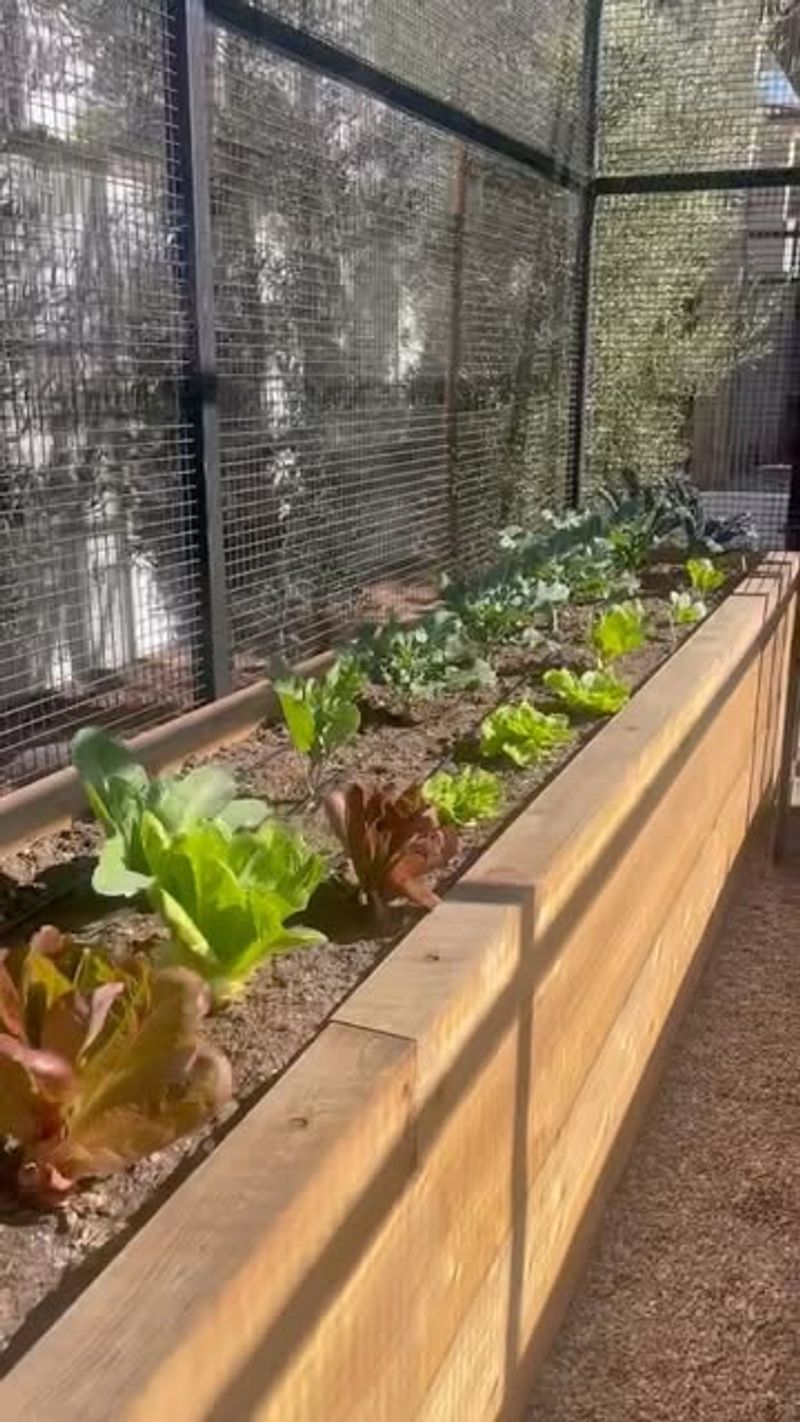
Building pest protection into your thirty dollar raised bed from the start saves Tennessee gardeners from frustration and crop loss later in the growing season.
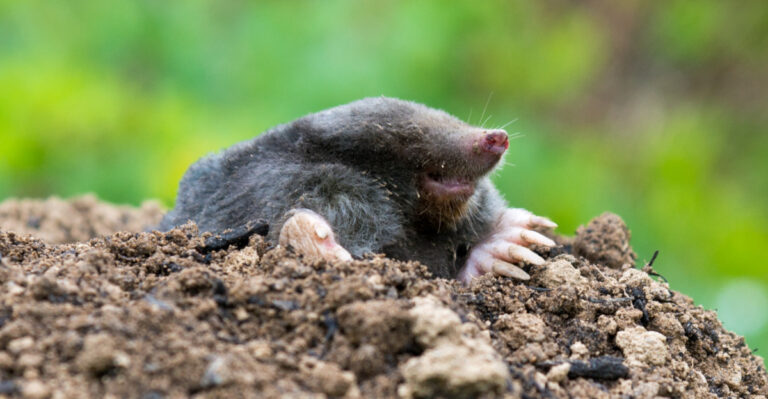
Installing hardware cloth with quarter inch mesh on the bottom of your bed blocks moles, voles, and ground squirrels from tunneling up into your plants.
The elevated design naturally deters slugs and snails because these pests prefer to stay at ground level rather than climb up wooden sides to reach plants.
Adding a simple frame covered with bird netting or row cover fabric protects seedlings from birds and insects without requiring expensive or complicated structures to build.
Many Tennessee gardeners find that raised beds reduce problems with soil dwelling pests because the fresh soil mix contains fewer insect larvae than existing garden soil.
The defined borders of raised beds also make it easier to spot and remove pests before they cause significant damage to your vegetables or herbs.
Investing a few extra dollars in hardware cloth during initial construction pays off by protecting your harvest and reducing the need for pesticides throughout the season.
9. Season Extension Becomes Easier

The elevated design of thirty dollar raised beds makes it much simpler for Tennessee gardeners to extend their growing season both earlier and later annually.
Soil in raised beds warms up faster in spring than ground level gardens, allowing you to plant cold hardy crops several weeks earlier than traditional gardens.
Adding simple hoops made from PVC pipe or wire creates a frame for supporting row covers or plastic sheeting that protects plants from late frosts.
These season extension techniques help Tennessee gardeners grow lettuce, spinach, and other cool season crops well into winter without investing in expensive greenhouse structures or equipment.
The defined space of raised beds makes it easier to manage protective covers and remove them quickly when temperatures rise during sunny winter days in Tennessee.
Fall planted crops benefit from the warmer soil temperatures in raised beds, which helps them establish strong root systems before winter cold sets in across the region.
With minimal additional investment, your simple raised bed transforms into a four season growing space that produces fresh vegetables even during typically unproductive months each year.
10. Maintenance Keeps Beds Productive
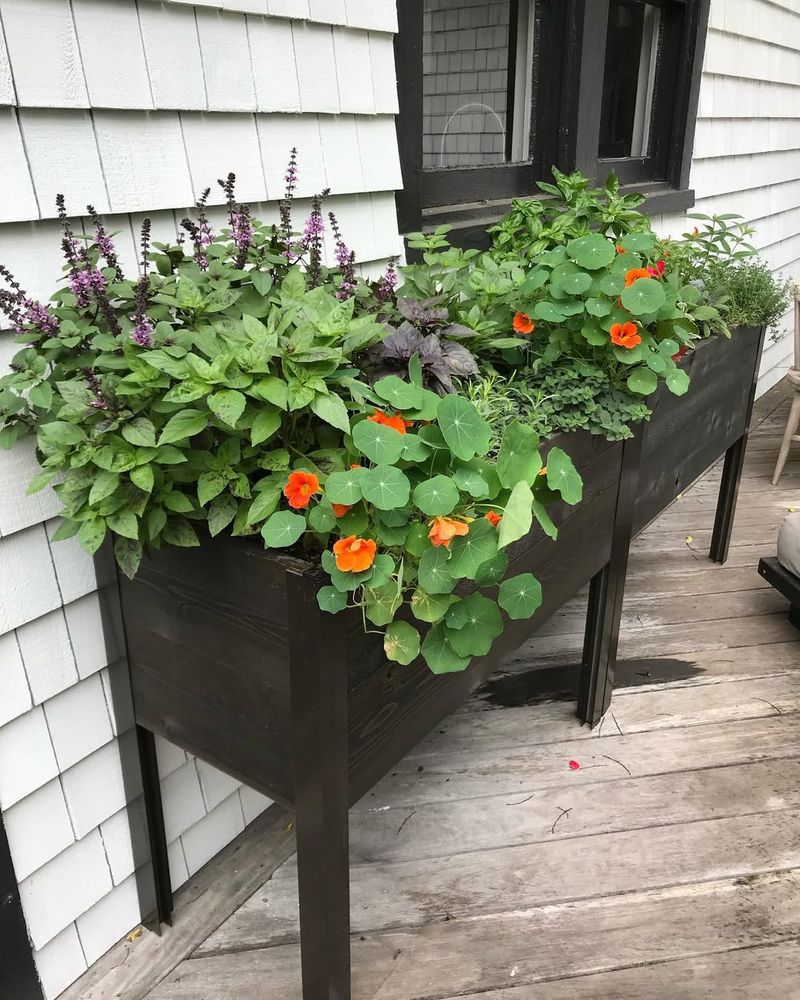
Keeping your thirty dollar raised bed productive year after year requires minimal maintenance that Tennessee gardeners can easily accomplish with just a few simple steps.
Adding a fresh layer of compost each spring replenishes nutrients that plants consumed during the previous growing season and improves soil structure over time naturally.
Mulching with straw or shredded leaves helps retain soil moisture, suppress weeds, and regulate soil temperature during hot Tennessee summers and cold winter months ahead.
Check the frame annually for signs of rot or damage, and replace any boards that show significant deterioration before they compromise the bed structure completely.
Rotating crops each season prevents soil borne diseases from building up and depleting specific nutrients that particular plant families need to grow well and produce abundantly.
Pulling weeds regularly when they are small prevents them from competing with your vegetables for water, nutrients, and sunlight throughout the active growing season months.
With these basic maintenance tasks, your simple raised bed will continue producing bountiful harvests for many years while requiring minimal time and money to keep running.