Fruit Trees That Fail In South Carolina And Disappoint Most Home Gardeners
South Carolina’s warm climate and long growing season seem ideal for fruit trees, yet many popular varieties consistently fail in home gardens.
High humidity, mild winters, and aggressive pests create challenges that many northern fruit trees simply cannot tolerate.
Gardeners often invest years caring for trees only to face poor fruit production, disease, or complete failure.
The disappointment usually stems from choosing varieties unsuited to the state’s climate rather than poor gardening skills.
Understanding which fruit trees struggle in South Carolina helps gardeners avoid wasted time, money, and effort.
Choosing climate-appropriate trees leads to healthier plants, better harvests, and far less frustration.
Knowing which trees are unlikely to succeed allows gardeners to focus on varieties that truly thrive under local conditions.
1. Honeycrisp Apple
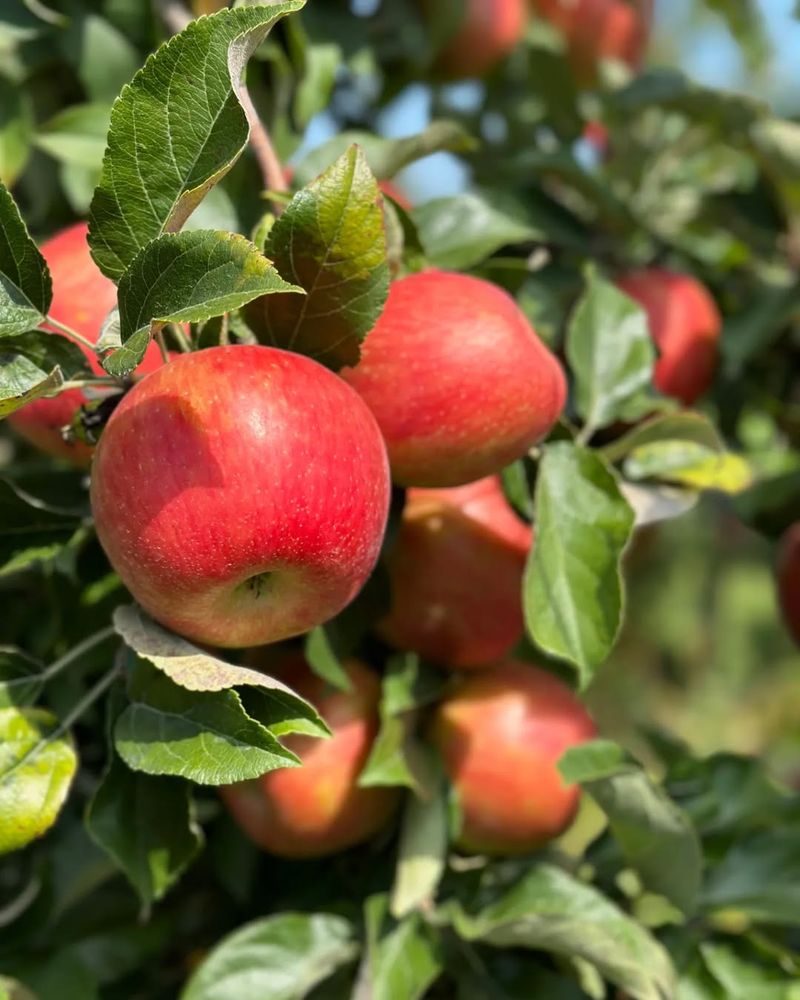
Honeycrisp apples have earned a reputation as one of the crispest, sweetest varieties available at farmers markets and grocery stores nationwide.
Home gardeners often dream of growing these premium apples in their own yards, imagining baskets full of crunchy fruit each fall.
Unfortunately, South Carolina’s mild winters create a serious problem for this northern variety.
Honeycrisp trees need between 800 and 1,000 chilling hours below 45 degrees Fahrenheit to properly break dormancy and set fruit.
Most areas in South Carolina receive only 400 to 800 chilling hours, depending on elevation and location.
Without adequate cold exposure, the trees produce sparse blooms and very few apples, if any at all.
Even when a mild crop appears, the fruit quality suffers dramatically compared to apples grown in cooler climates.
The combination of insufficient winter chill and high summer humidity also makes Honeycrisp trees more susceptible to fungal diseases and pest pressure.
Gardeners who plant this variety often wait years for a decent harvest that never materializes.
Choosing low-chill apple varieties bred specifically for Southern conditions yields far better results and much less heartbreak.
2. Granny Smith Apple
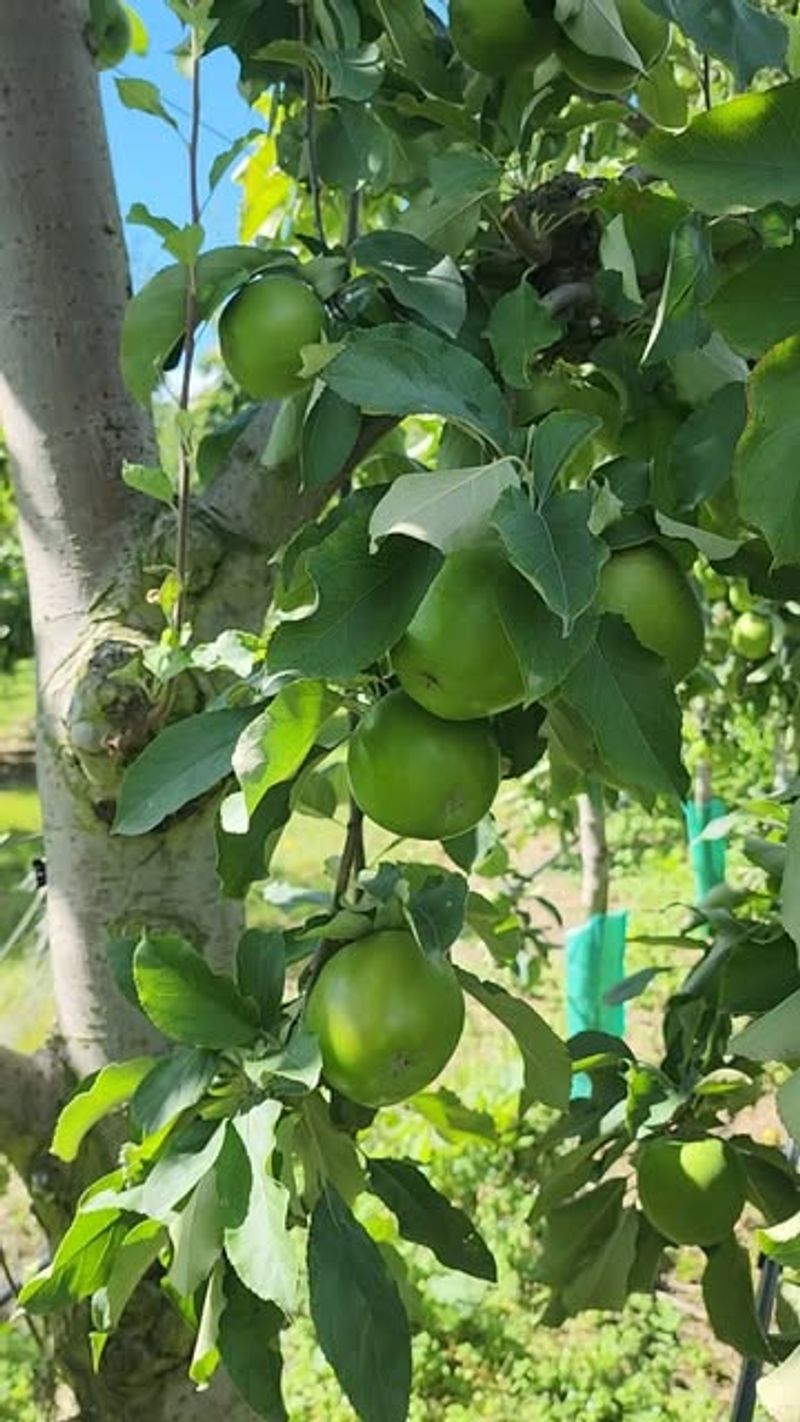
Bright green Granny Smith apples bring a tart punch to pies, sauces, and fresh eating that many home cooks absolutely love.
This iconic variety thrives in regions with cooler summers and consistent winter cold, making it a poor match for South Carolina gardens.
Heat stress becomes a major issue once temperatures climb into the 90s for extended periods during our long summers.
The trees struggle to photosynthesize efficiently in extreme heat, leading to stunted growth and poor fruit development.
High humidity compounds the problem by creating perfect conditions for fungal infections like apple scab, cedar apple rust, and powdery mildew.
Granny Smith trees require frequent fungicide applications to stay healthy in our climate, which increases maintenance costs and time commitment.
Even with intensive care, fruit production remains disappointing compared to apples grown in Washington, Michigan, or other cooler states.
The apples that do form often lack the signature crisp texture and balanced tartness that make this variety famous.
Southern gardeners achieve better success with disease-resistant, heat-tolerant varieties like Enterprise, Arkansas Black, or Yates.
Granny Smith simply cannot deliver the reliable harvests that South Carolina growers hope for year after year.
3. Bartlett Pear
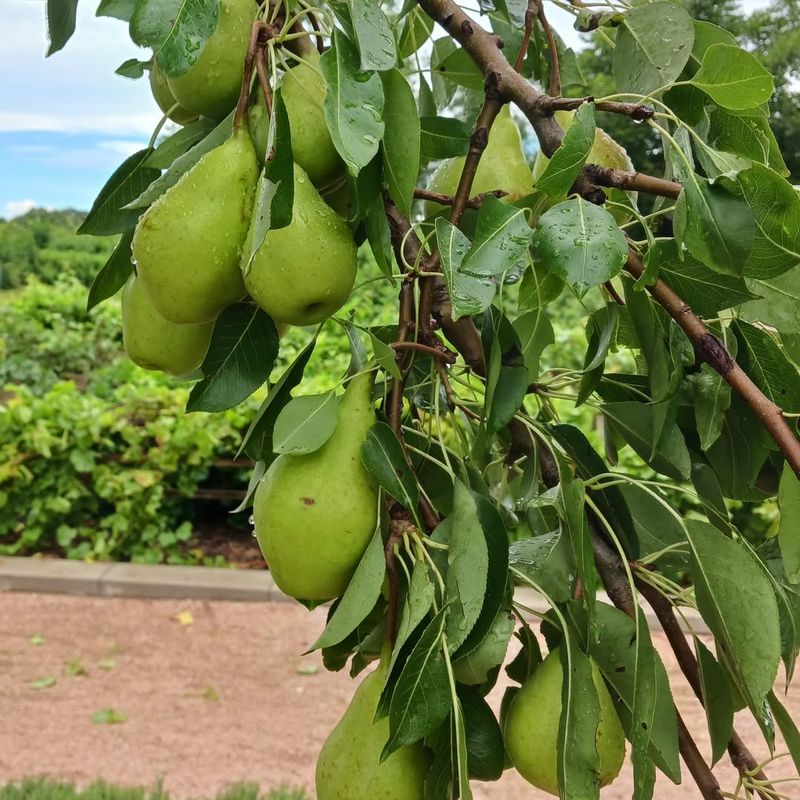
Bartlett pears represent the classic pear flavor that most Americans recognize from canned fruit and fresh produce aisles.
Your South Carolina Garden Changes Every Week. Your Plan Should Too.
Gardening in South Carolina changes quickly throughout the season. Every Friday you’ll receive a simple weekly plan showing exactly what to plant, prune, fertilize, harvest, and protect so you never miss the right timing.
Gardeners across the country plant Bartlett trees hoping to enjoy sweet, juicy pears straight from their own backyards.
However, this variety faces a devastating enemy in South Carolina: fire blight, a bacterial disease that spreads rapidly in warm, humid spring weather.
Fire blight causes branches to blacken and curl as if scorched by flames, often destroying entire sections of the tree within weeks.
The bacteria enters through blossoms during pollination and spreads quickly through the tree’s vascular system during wet, warm conditions.
South Carolina’s spring weather patterns create ideal conditions for fire blight outbreaks year after year.
Once infected, Bartlett trees rarely recover fully, and the disease can spread to other susceptible plants in your landscape.
Managing fire blight requires constant vigilance, pruning infected branches well below visible damage, and disinfecting tools between cuts.
Even with aggressive management, many Bartlett trees succumb to repeated infections within just a few years of planting.
Fire blight-resistant pear varieties like Kieffer, Orient, or Warren perform much better in South Carolina gardens and provide more reliable fruit production.
4. Bing Cherry
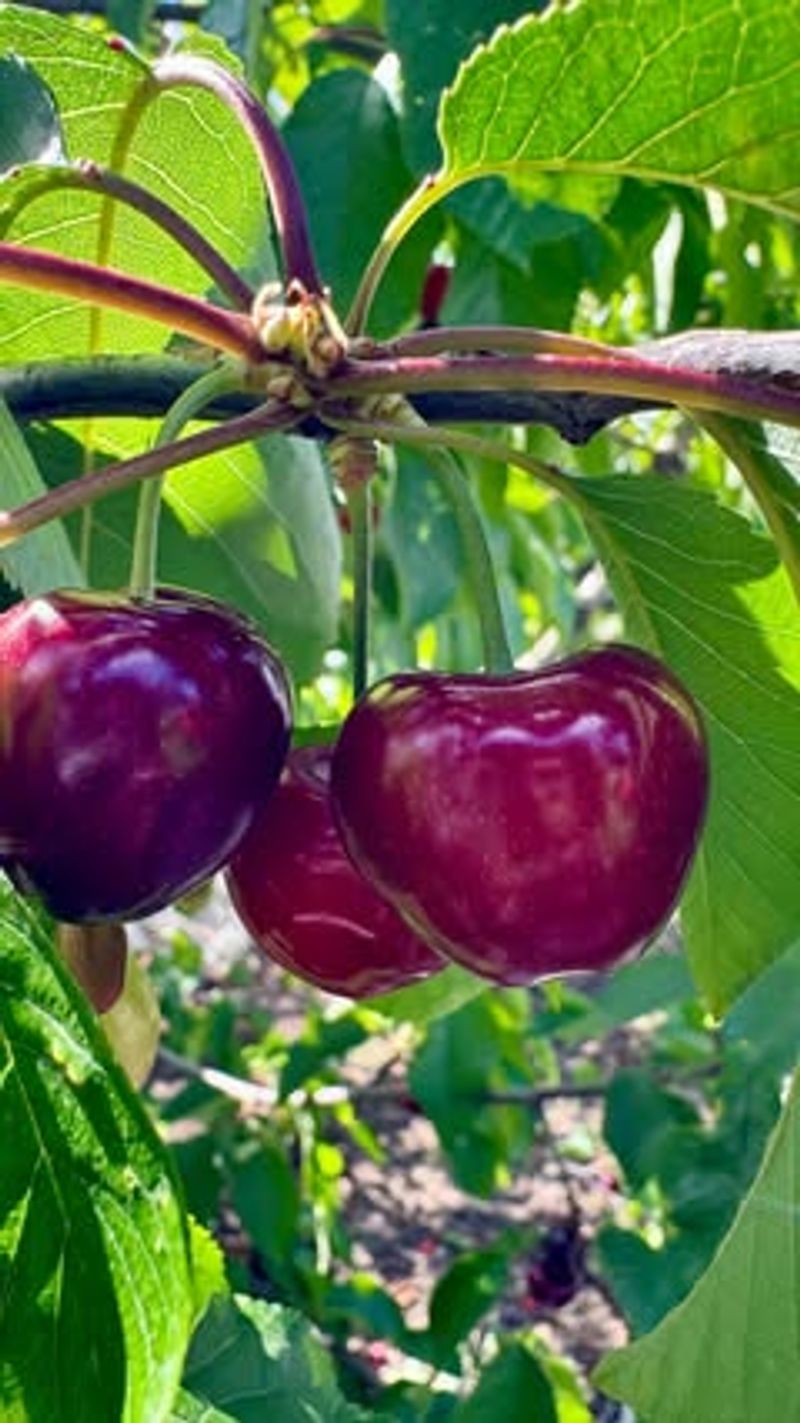
Sweet, dark red Bing cherries taste like summer itself, making them one of the most beloved fruits for fresh eating and desserts.
These cherries thrive in the Pacific Northwest, where cool, dry summers and cold winters provide exactly what the trees need.
South Carolina’s climate sits at the opposite end of the spectrum, creating multiple challenges that Bing cherry trees simply cannot overcome.
First, Bing cherries require substantial winter chilling hours that most South Carolina locations fail to provide consistently.
Without adequate cold exposure, the trees produce few flowers and even fewer cherries, leaving gardeners with mostly bare branches.
Second, Bing cherries demand dry conditions during fruit development and harvest to prevent splitting, cracking, and fungal infections.
South Carolina’s humid summers and frequent afternoon thunderstorms create constant moisture on developing fruit, leading to widespread cracking and rot.
High humidity also encourages brown rot, a fungal disease that can destroy an entire cherry crop within days.
The combination of insufficient chill hours, excessive humidity, and disease pressure makes successful Bing cherry production nearly impossible here.
Gardeners seeking cherry-like fruit have better luck with native plants like chickasaw plum or carefully selected low-chill sweet cherry varieties.
5. Rainier Cherry
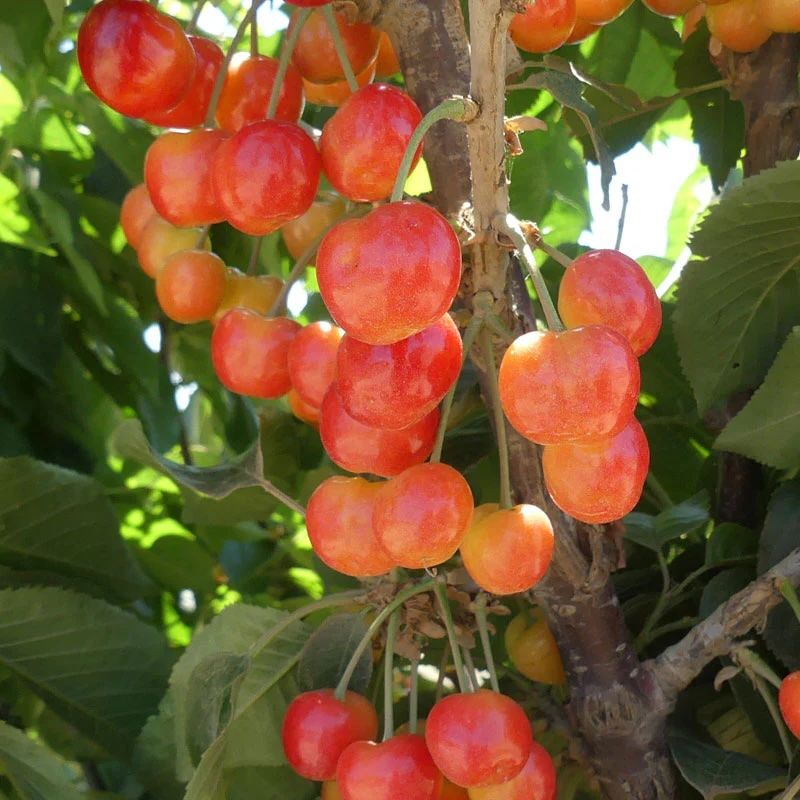
Rainier cherries command premium prices at markets thanks to their stunning golden-yellow color with rosy blushes and incredibly sweet flavor.
These delicate cherries represent the pinnacle of sweet cherry breeding, but they also rank among the most challenging fruits to grow successfully.
Even in ideal Pacific Northwest conditions, Rainier cherries require careful management to produce quality fruit.
In South Carolina, the challenges multiply exponentially due to our humid climate and unpredictable weather patterns.
Rainier cherries have exceptionally thin skin that cracks easily when exposed to moisture, rain, or high humidity during ripening.
Our frequent summer thunderstorms and morning dew create constant moisture on developing fruit, causing widespread splitting and rendering cherries inedible.
Once the skin cracks, fruit flies, wasps, and fungal infections quickly destroy what remains of the crop.
Beyond cracking issues, Rainier cherries also need substantial winter chill hours and dry summer conditions that South Carolina rarely provides.
The trees may survive in our climate but rarely produce more than a handful of usable cherries per season.
Most fruit either cracks before ripening, succumbs to brown rot, or simply fails to develop properly due to insufficient chilling.
6. Apricot
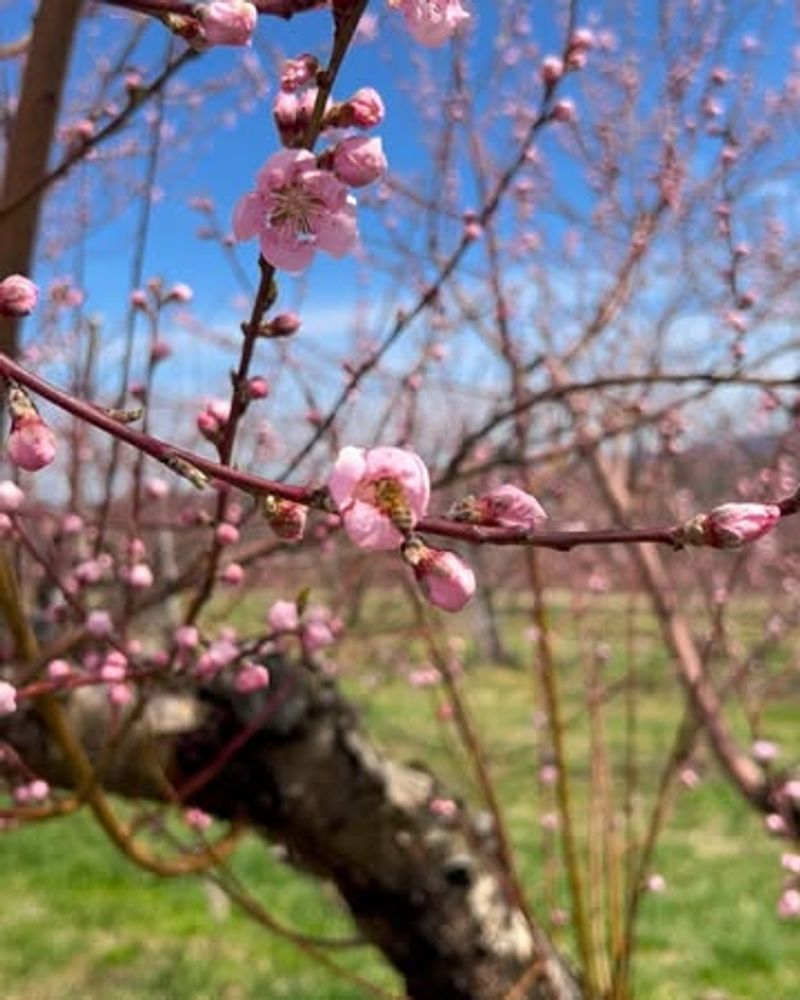
Few fruits match the sweet-tart perfection of a ripe apricot picked fresh from the tree on a warm summer morning.
Unfortunately, apricot trees have earned a reputation as heartbreakers in South Carolina gardens, promising much but delivering little.
The primary problem stems from their eagerness to bloom extremely early in spring, often during late February or early March.
While early blooming works well in Mediterranean climates with predictable spring weather, South Carolina experiences wild temperature swings during this critical period.
A warm week in February triggers apricot trees to burst into full bloom, covering themselves in delicate pink-white flowers.
Then, almost inevitably, a late frost sweeps through and destroys every single blossom overnight.
This heartbreaking cycle repeats year after year, leaving gardeners with beautiful spring blooms but zero fruit by summer.
Even in years when late frosts miss the blooming period, unpredictable temperature fluctuations can cause blossom drop or poor pollination.
Apricots also suffer from various fungal diseases in our humid climate, including brown rot and bacterial spot.
While a few gardeners occasionally harvest small crops during unusually favorable years, consistent apricot production remains frustratingly elusive across South Carolina.
7. European Plum
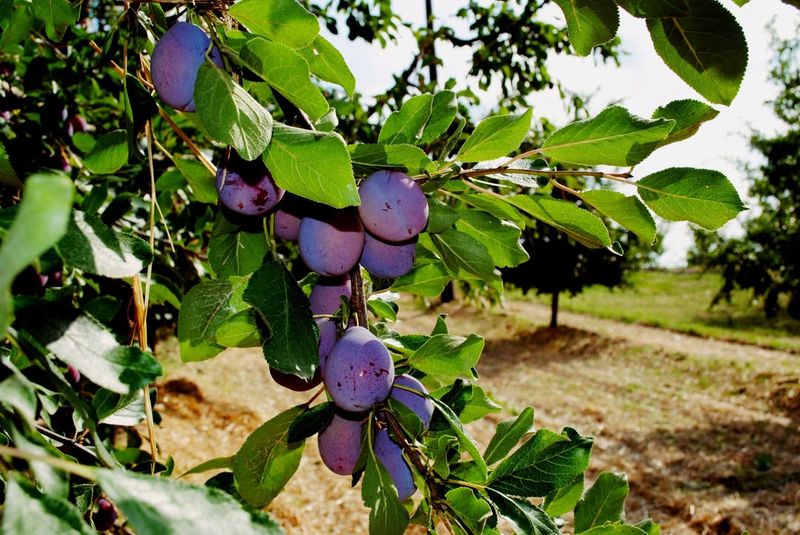
European plums, also called prune plums, produce dense, sweet fruit perfect for fresh eating, preserves, and traditional drying into prunes.
These plums flourish in cooler European climates and northern United States regions where summers stay relatively mild and dry.
South Carolina’s climate creates multiple obstacles that prevent European plum varieties from thriving in home gardens.
High summer humidity encourages fungal diseases like brown rot, black knot, and plum pockets that can devastate European plum crops.
The dense flesh that makes these plums ideal for drying also makes them more susceptible to splitting and rot in humid conditions.
European plums typically require more winter chilling hours than many Japanese plum varieties, limiting their adaptation to warmer Southern climates.
Pest pressure from plum curculio, a weevil that causes extensive fruit damage, intensifies in our warm, humid environment.
Without aggressive pest management programs involving multiple pesticide applications, most European plum crops suffer severe insect damage.
Trees may grow adequately but rarely produce the abundant, high-quality harvests that gardeners expect from this fruit type.
Japanese plum varieties and hybrid plums bred for Southern conditions perform significantly better in South Carolina, offering more reliable fruit production with less maintenance.
8. Sour Cherry
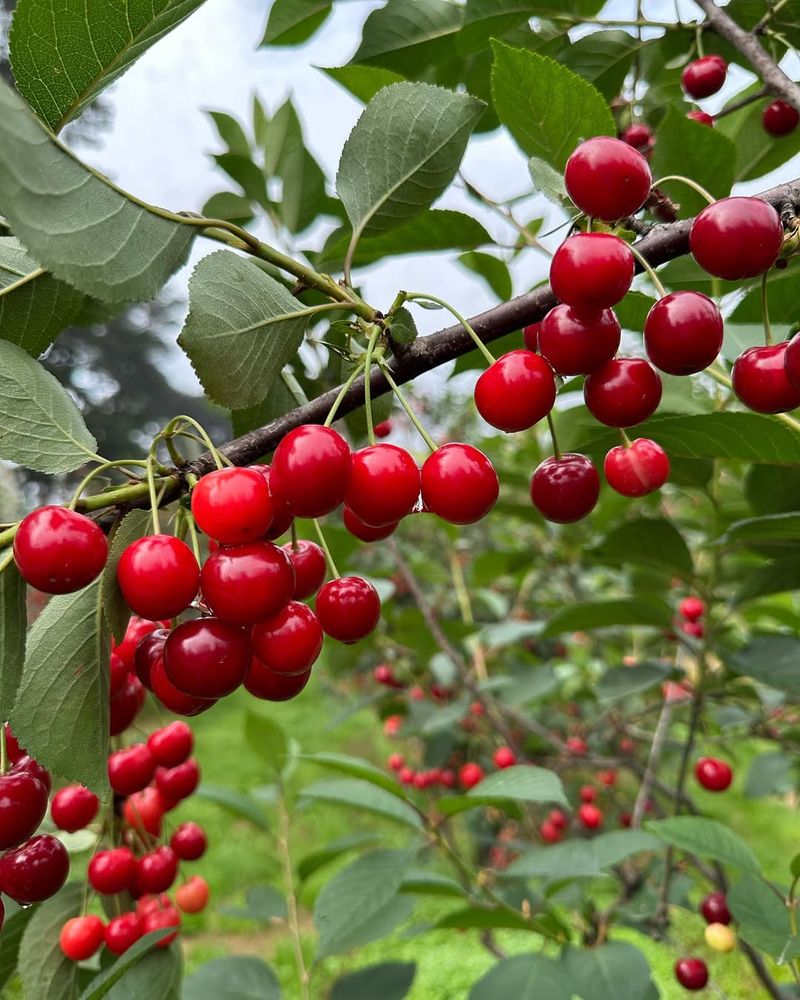
Sour cherries, also called pie cherries or tart cherries, create the perfect filling for cobblers, pies, and preserves that taste like childhood memories.
Varieties like Montmorency and North Star dominate cherry production in Michigan, Wisconsin, and other northern states with cold winters.
These cherries need substantial winter chilling hours to properly break dormancy and produce abundant fruit each season.
Most sour cherry varieties require between 1,000 and 1,200 chilling hours below 45 degrees Fahrenheit.
South Carolina’s mild winters typically provide only 400 to 800 chilling hours, depending on location and elevation.
This significant chilling hour deficit causes sour cherry trees to produce sparse, irregular blooms and minimal fruit set.
Even in years when some fruit appears, the harvest rarely justifies the space and care the trees require.
Beyond chilling hour problems, sour cherries also struggle with the same humidity-related issues that plague sweet cherries in our climate.
Brown rot, fruit cracking, and pest pressure increase significantly in warm, moist conditions.
Gardeners who plant sour cherry trees often wait several years hoping for improvement, only to accept eventual disappointment when consistent harvests never materialize in South Carolina conditions.
9. Peach Varieties With High Chill Requirements
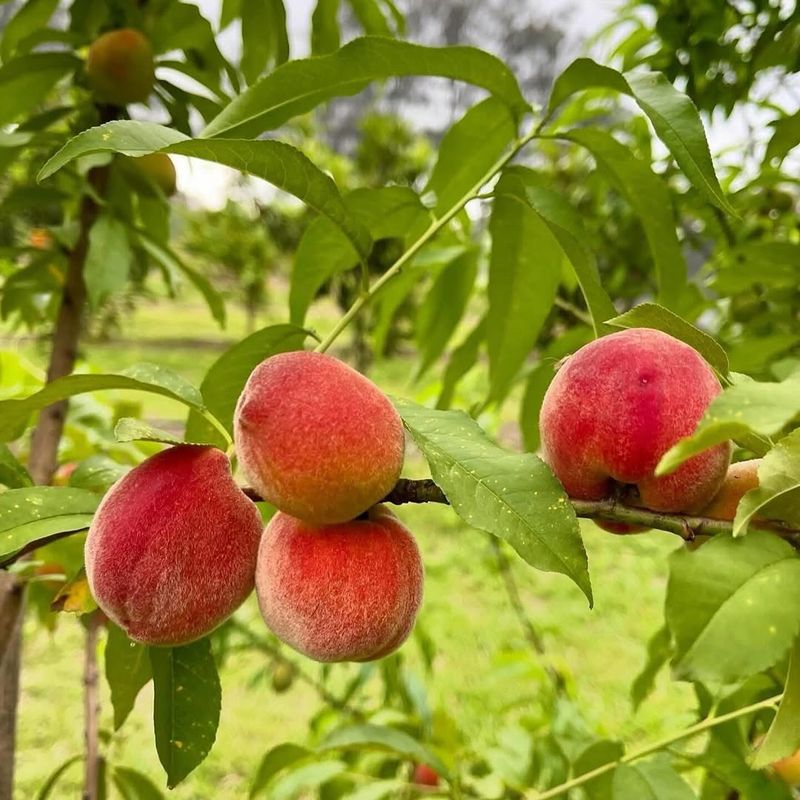
South Carolina actually grows excellent peaches, earning a well-deserved reputation as a top peach-producing state.
However, not all peach varieties succeed here, and choosing the wrong type leads to years of frustration and minimal harvests.
Northern peach varieties bred for states like New Jersey, Pennsylvania, and Michigan require substantial winter chilling hours that South Carolina cannot reliably provide.
Popular varieties like Redhaven, Cresthaven, and Loring need 850 to 1,050 chilling hours to properly break dormancy.
Most South Carolina locations receive insufficient chill hours for these northern varieties, causing erratic blooming, poor fruit set, and irregular production.
Trees may bloom sporadically over several weeks rather than all at once, reducing pollination efficiency and fruit quality.
Some years, the trees barely bloom at all, leaving gardeners wondering what went wrong.
Even when fruit appears, high-chill peach varieties often produce smaller, less flavorful peaches in Southern conditions compared to their performance up north.
Fortunately, plant breeders have developed numerous low-chill peach varieties specifically for Southern gardens.
Varieties like Contender, Julyprince, Harvester, and Dixiland require only 500 to 750 chilling hours and consistently produce abundant, delicious peaches across South Carolina.
10. Quince
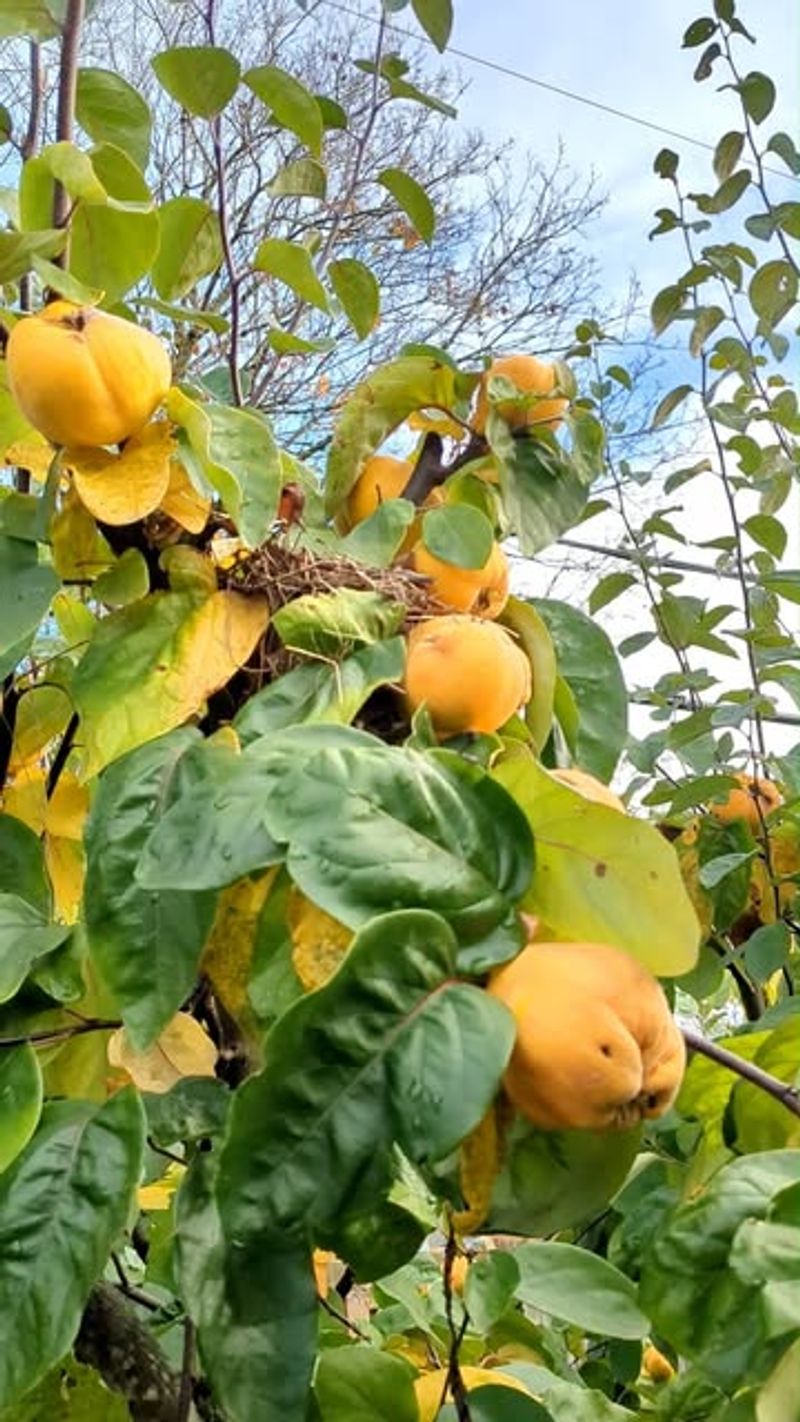
Quince produces unusual, fragrant fruit that transforms into delicious jellies, pastes, and preserves after cooking, despite being too tart and hard for fresh eating.
This ancient fruit tree has been cultivated for thousands of years in Mediterranean and Middle Eastern regions with hot, dry summers.
While quince trees can technically grow in South Carolina, they rarely produce satisfactory crops due to our climate challenges.
The primary problem stems from our hot, humid summers that create perfect conditions for fungal diseases affecting quince fruit and foliage.
Fire blight, the same bacterial disease that devastates Bartlett pears, also attacks quince trees aggressively in our climate.
Leaf spot diseases cause premature defoliation, weakening trees and reducing their ability to produce quality fruit.
Fruit rot becomes a serious issue as quinces ripen during late summer and early fall when humidity remains high.
The large, fuzzy fruit holds moisture on its surface, encouraging fungal spores to germinate and spread quickly.
Many quinces rot before reaching full maturity, leaving gardeners with ruined fruit unsuitable even for cooking.
Between disease pressure, fruit rot, and inconsistent production, quince trees require intensive management for disappointing results in South Carolina gardens compared to their performance in drier climates.