The Reason Cardinals Are Filling Ohio Backyard Feeders This Winter
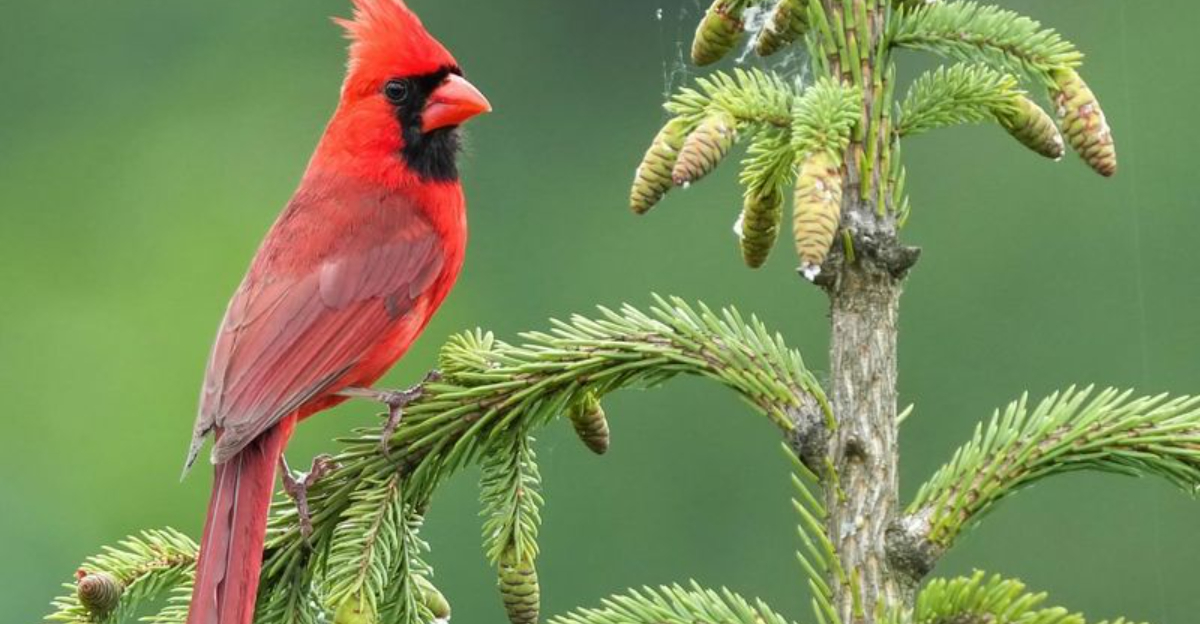
Bright red cardinals are a welcome sight in Ohio winters, and many homeowners notice more of them gathering around feeders during cold months.
Unlike migratory birds, cardinals remain active year-round and depend heavily on reliable food sources when natural supplies dwindle.
Snow cover, frozen ground, and shorter daylight hours limit access to seeds and insects, making backyard feeders especially appealing.
Understanding why cardinals flock to feeders helps homeowners support local bird populations responsibly.
Proper feeding practices also reduce competition among birds and encourage repeat visits.
Learning the reasons behind this seasonal behavior allows Ohio residents to better appreciate winter wildlife while providing safe and beneficial backyard habitats.
Natural Food Sources Are Scarce
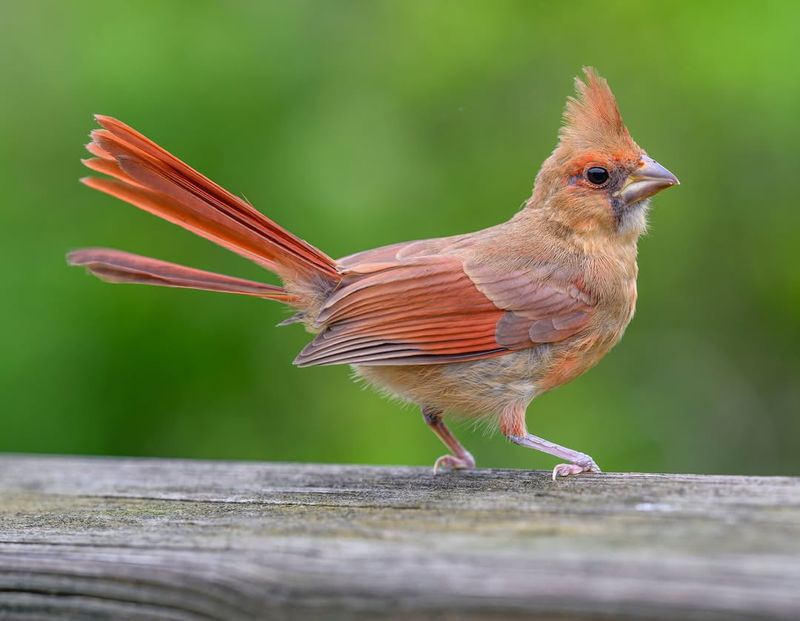
Winter transforms Ohio’s landscape into a frozen wonderland, but for cardinals, this seasonal shift creates serious challenges when it comes to finding food.
Heavy snowfall blankets the ground, burying seeds, nuts, and dried berries that cardinals typically rely on during colder months.
Ice storms coat branches and tree bark, making it nearly impossible for these birds to access insects hiding in crevices.
Frozen soil prevents cardinals from scratching through leaf litter to uncover hidden treats.
Natural food supplies that were abundant in fall become locked away under layers of ice and snow.
Backyard feeders become lifelines during these harsh conditions, offering accessible nutrition when wild sources disappear.
Cardinals quickly learn which yards provide consistent meals, returning daily to stock up on energy.
Homeowners who maintain feeders throughout winter witness increased cardinal activity precisely because alternative options have vanished.
The contrast between a well-stocked feeder and a barren, frozen landscape makes human-provided food irresistible.
This scarcity drives cardinals to overcome their natural caution, bringing them closer to homes and windows than they might venture during warmer seasons.
Reliable feeders literally make the difference between thriving and struggling through Ohio’s toughest winter weeks.
Cold Weather Increases Calorie Needs
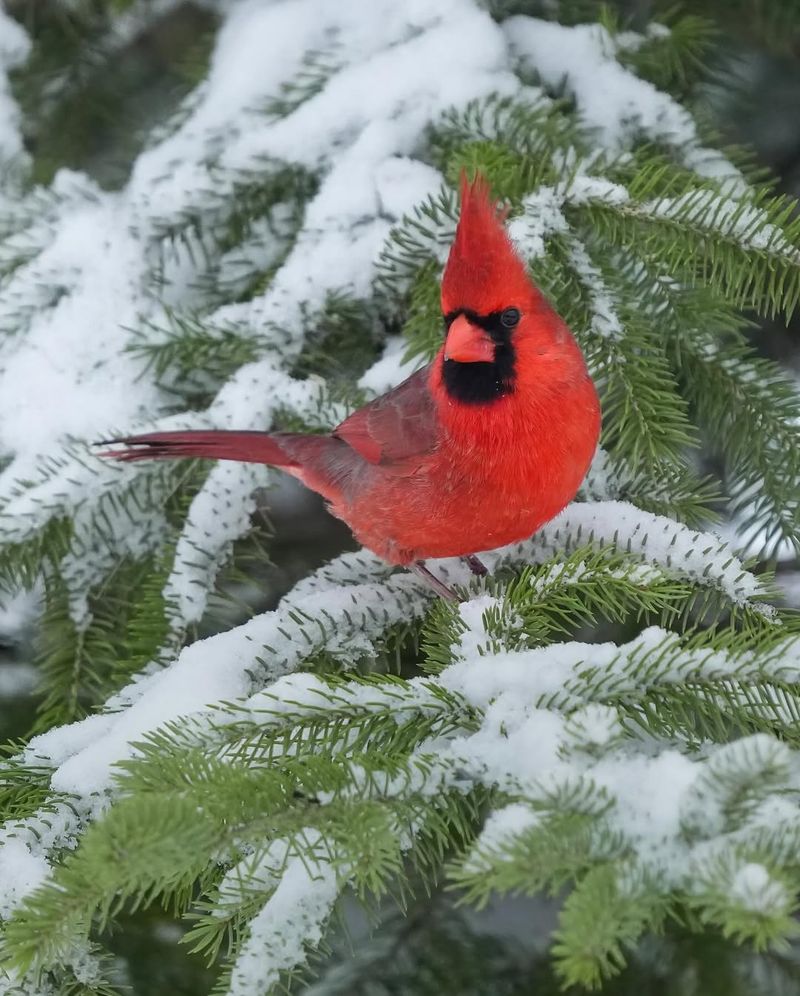
Cardinals face an exhausting energy challenge every single winter day just to stay warm and alive.
When temperatures plummet below freezing, these birds must work overtime to maintain their body heat at a steady 106 degrees Fahrenheit.
Every frigid night requires massive amounts of calories to fuel the internal furnace that keeps them from freezing.
Scientists estimate that small birds like cardinals can lose up to 10 percent of their body weight overnight during extreme cold snaps.
This means they must replace those calories quickly each morning or risk becoming too weak to survive another night.
Backyard feeders stocked with high-fat, high-energy seeds provide exactly what cardinals need to meet these intense demands.
Black oil sunflower seeds pack dense nutrition that helps birds rebuild their energy reserves efficiently.
You might notice cardinals visiting feeders more frequently on the coldest days, sometimes appearing within minutes of sunrise.
This urgent feeding behavior reflects their desperate need to refuel after burning through calories all night.
Ohio’s unpredictable winter weather, with sudden temperature drops and extended cold periods, makes consistent feeder access especially critical.
Cardinals that find reliable food sources have much better chances of surviving until spring warmth returns.
Your Ohio Garden Changes Every Week. Your Plan Should Too.
Gardening in Ohio changes quickly throughout the season. Every Friday you’ll receive a simple weekly plan showing exactly what to plant, prune, fertilize, harvest, and protect so you never miss the right timing.
Sunflower Seeds Are Easy To Find At Feeders
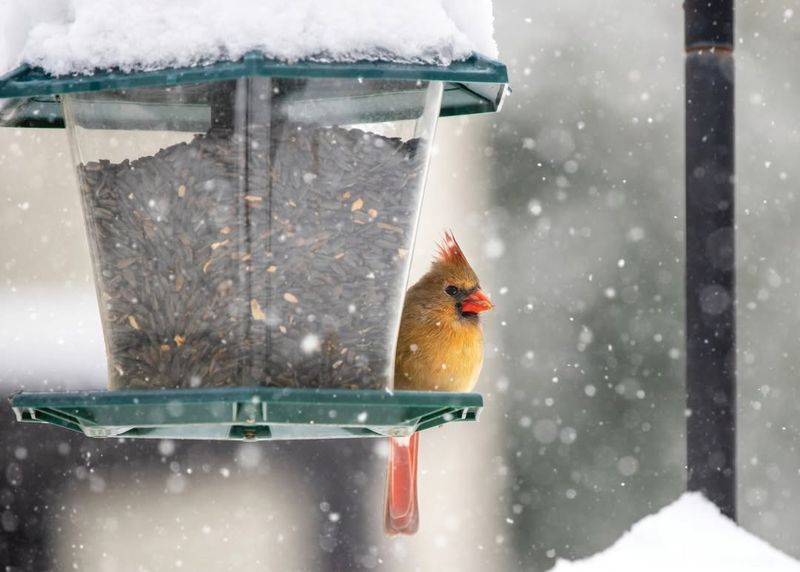
Black oil sunflower seeds have become the gold standard of bird feeding, and cardinals absolutely love them for good reasons.
These seeds offer the perfect combination of nutrition, taste, and accessibility that makes them far superior to anything cardinals might struggle to find in frozen wild environments.
The thin shells crack easily with a cardinal’s powerful beak, revealing rich, oily kernels packed with fat and protein.
Unlike foraging through snow-covered ground or pecking at frozen berries still clinging to bare branches, visiting a feeder stocked with sunflower seeds provides instant gratification.
Cardinals can fill their crops quickly and efficiently without expending precious energy on lengthy searches.
Many Ohio homeowners have learned that keeping feeders filled with black oil sunflower seeds guarantees cardinal visits throughout winter.
The birds develop strong preferences for these reliable food sources and will choose them over natural alternatives even when other options exist.
Feeders also protect seeds from moisture and snow, keeping them fresh and appealing day after day.
Cardinals appreciate this consistency, knowing that each visit will yield quality food rather than disappointing, weather-damaged finds.
The ease of access transforms winter survival from a daily struggle into a manageable routine, explaining why cardinals return again and again to yards offering their favorite sunflower seeds.
Dense Backyard Cover Offers Protection
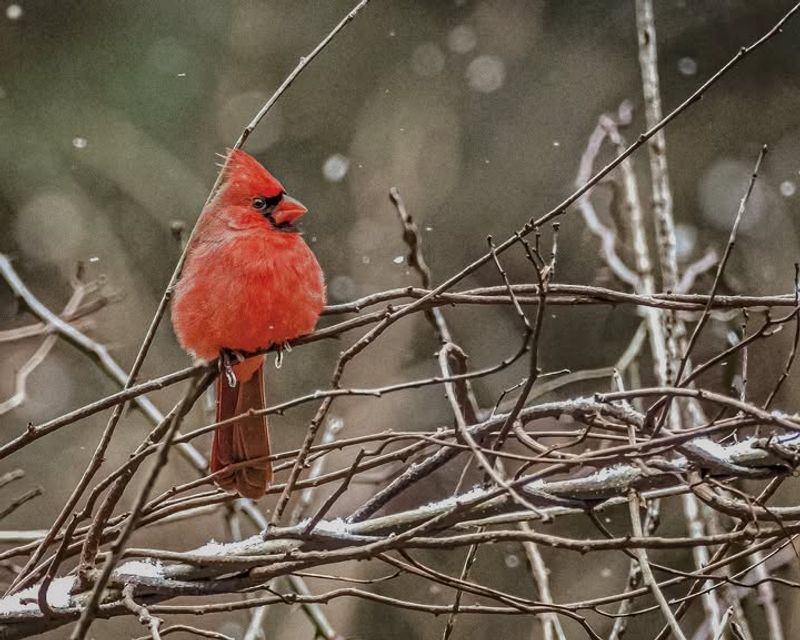
Smart cardinals know that food alone isn’t enough—they need safe places to hide, rest, and escape danger between feeding sessions.
Ohio backyards with thick shrubs, mature hedges, and evergreen trees near feeders become cardinal magnets because they offer complete packages of food and security.
Dense vegetation provides critical protection from harsh winter winds that can sap body heat and make flying difficult.
Hawks and other predators pose constant threats to cardinals, especially when they’re focused on eating at exposed feeders.
Nearby cover allows birds to dart to safety within seconds if danger appears, making risky feeder visits much more survivable.
Evergreens like spruces, pines, and hollies retain their foliage through winter, creating shelter that deciduous plants can’t match during bare months.
Cardinals roost in these protected spots overnight and use them as staging areas throughout the day.
Yards lacking adequate cover see fewer cardinal visits even when feeders overflow with seeds, because birds prioritize safety alongside nutrition.
The proximity of shelter to food sources determines which feeders cardinals choose to frequent regularly.
Homeowners who plant dense shrubs within 10 to 15 feet of feeders create ideal cardinal habitat that attracts and holds birds throughout winter.
This combination of food and protection explains why some yards become cardinal hotspots while others remain empty despite offering identical seeds.
Cardinals Do Not Migrate Far
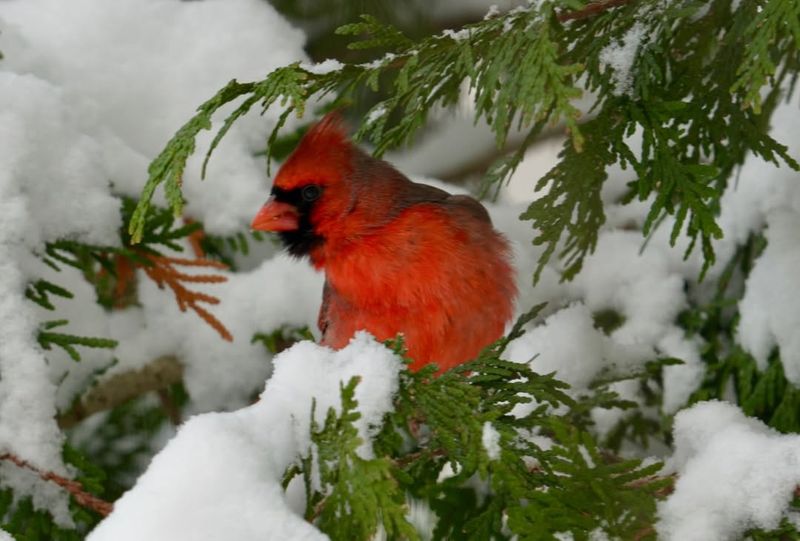
Unlike robins, warblers, and many other bird species that flee south when cold arrives, cardinals are remarkably loyal to their home territories year-round.
Most Ohio cardinals were born locally and will spend their entire lives within just a few miles of their birthplace.
This residential behavior means that winter populations don’t disappear—instead, every cardinal you see has chosen to tough out the cold rather than seek easier conditions elsewhere.
This non-migratory lifestyle makes cardinals completely dependent on whatever food sources exist within their small territories during winter months.
When natural foods become scarce or inaccessible, backyard feeders represent the difference between abundance and starvation.
Cardinals that establish territories including reliable feeders gain tremendous survival advantages over those depending solely on wild food sources.
These birds memorize feeder locations and incorporate them into daily routines that persist throughout winter.
Some northern cardinal populations do shift slightly southward within their range, but Ohio birds typically stay put.
This means the same individual cardinals visit your feeders week after week, developing familiarity with your yard’s layout and schedule.
Their year-round presence creates opportunities for Ohio residents to build lasting relationships with specific birds, recognizing individuals and watching them navigate seasonal challenges.
Feeders become essential infrastructure supporting these permanent residents through their most difficult months.
Short Daylight Hours Limit Foraging Time
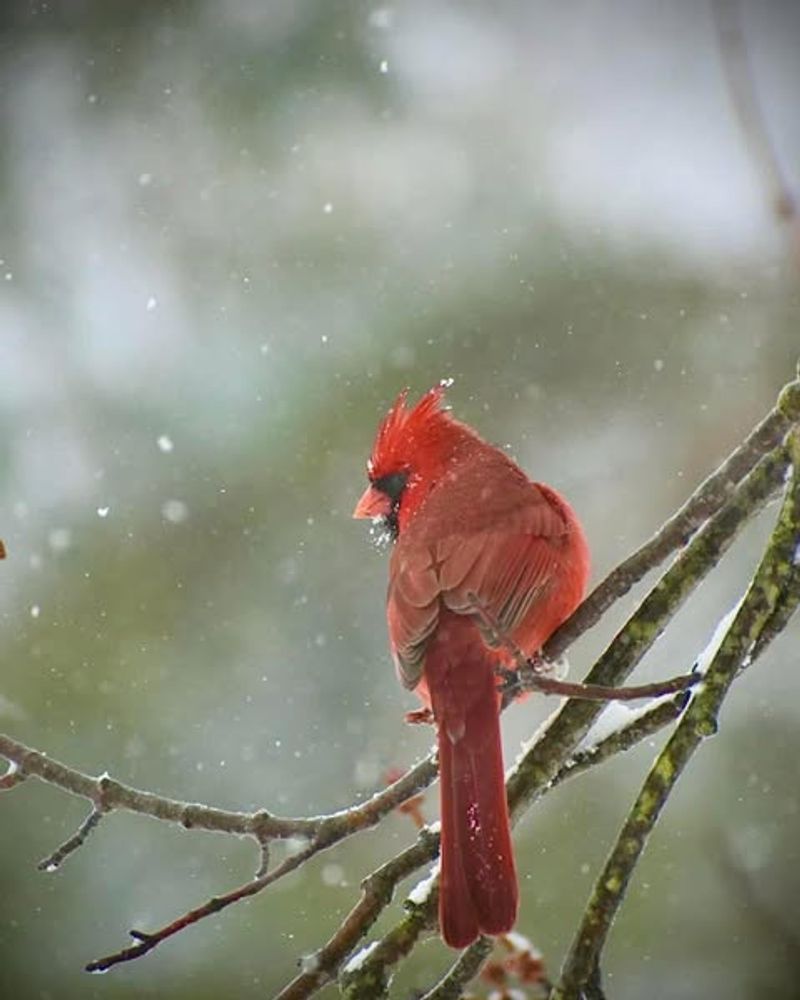
December and January bring Ohio’s shortest days, with darkness arriving before 5:30 PM and sunrise delayed until after 7:30 AM.
This compressed daylight window gives cardinals barely nine hours to find all the food they need to survive the following 15-hour night.
Every minute of foraging time becomes precious when birds must consume enough calories to fuel overnight survival.
Natural foraging requires significant time investment—searching through leaf litter, inspecting bare branches, and testing potential food sources that might prove inedible.
Cardinals simply can’t afford to waste limited daylight on inefficient food-gathering strategies.
Backyard feeders solve this time-crunch problem by concentrating high-quality food in predictable locations that birds can visit quickly and efficiently.
A cardinal can fill its crop at a well-stocked feeder in minutes rather than spending hours searching through frozen landscapes.
Early morning and late afternoon see the heaviest feeder traffic as birds rush to fuel up at the beginning and end of abbreviated days.
Cardinals often arrive at feeders within minutes of first light, desperately refueling after long, cold nights.
Homeowners who keep feeders accessible and full during these critical dawn and dusk periods provide exactly what cardinals need most.
The reliability and speed of feeder meals make them indispensable when every daylight minute counts toward survival.
Snow Highlights Feeder Locations
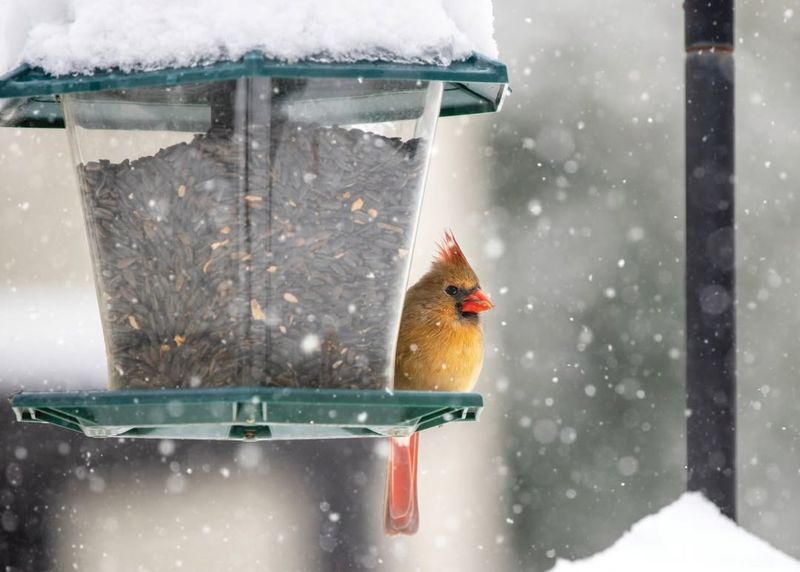
Fresh snowfall transforms backyards into blank white canvases where colorful feeders suddenly become impossible to miss from the air.
Cardinals possess excellent vision and use it to scan landscapes for food sources while flying between territories.
Against summer’s green foliage, feeders might blend into complex backgrounds, but winter snow creates dramatic contrast that makes feeders visible from much greater distances.
Bright red, yellow, or green feeders stand out like beacons against white snow, advertising their presence to any cardinal passing overhead.
Birds learn to associate these colorful landmarks with reliable food, making return visits automatic.
The stark winter landscape also eliminates visual clutter that might distract or confuse birds during warmer months when flowers, leaves, and other features compete for attention.
Feeders become focal points in simplified winter yards.
Cardinals communicate feeder locations to each other through behavior, and the visibility created by snow helps multiple birds find the same reliable sources quickly.
Once one cardinal discovers a well-stocked feeder, others often follow.
This visibility effect intensifies after heavy snowstorms when natural food sources completely disappear under fresh accumulation.
Feeders that remain accessible and visible become survival stations that cardinals can locate even in unfamiliar areas.
Homeowners who maintain feeders throughout winter witness this phenomenon firsthand as cardinal visits spike following major snow events when their feeders shine brightest against white backgrounds.
Stable Feeder Schedules Build Feeding Habits
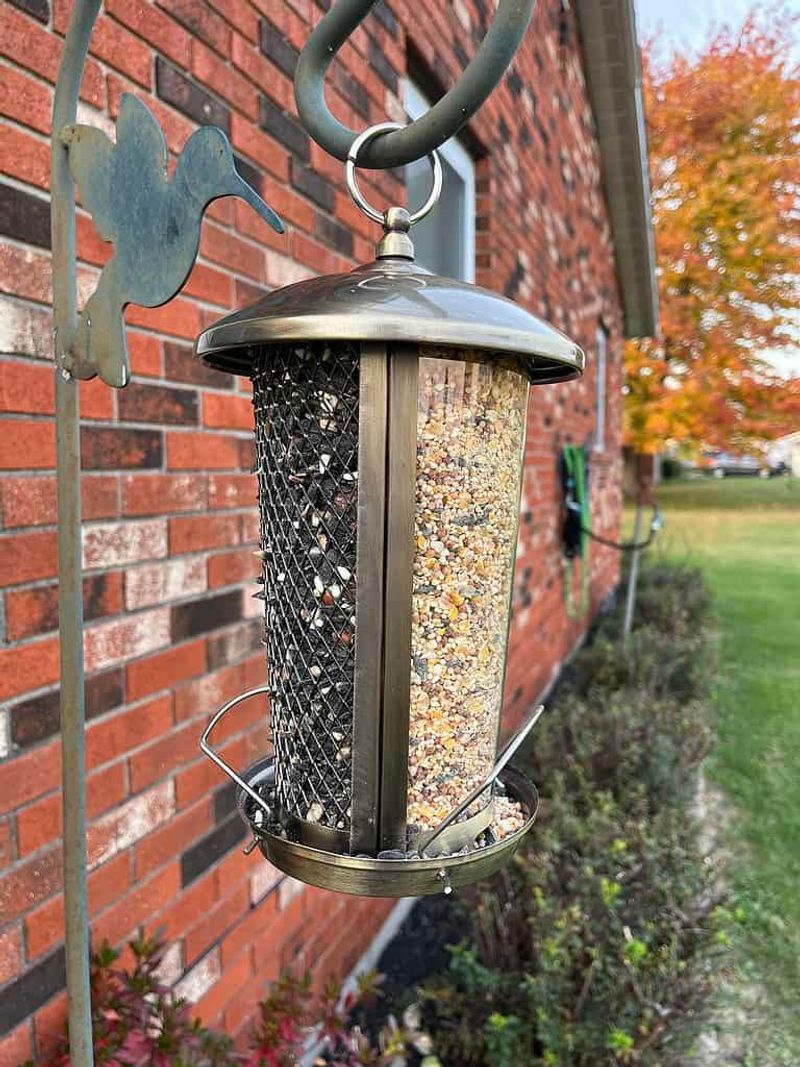
Cardinals are intelligent birds with excellent memories for locations that provide consistent rewards.
When homeowners maintain regular feeder-filling schedules throughout winter, cardinals quickly learn these patterns and incorporate feeder visits into their daily routines.
This learned behavior becomes especially strong when feeders never run empty or disappear unpredictably.
Birds that discover reliable food sources return to them repeatedly, sometimes visiting the same feeders multiple times per day.
This habit formation creates visible increases in cardinal activity at yards offering dependable meals versus those with sporadic availability.
Consistency matters more than abundance—a modestly filled feeder that’s always stocked attracts more regular visitors than a large feeder that frequently runs empty.
Cardinals remember which yards let them down and which ones deliver every single day.
Some cardinals become so habituated to specific feeders that they arrive at predictable times, allowing observant homeowners to anticipate their visits.
This behavioral conditioning benefits both birds and birdwatchers.
Winter’s harsh conditions make reliability especially valuable because cardinals can’t afford to waste energy visiting feeders that might be empty.
Stable feeding stations become trusted resources that birds depend on for survival.
Homeowners who commit to consistent winter feeding create lasting relationships with local cardinal populations, essentially training birds to view their yards as essential territory worth defending and visiting daily throughout the coldest months.
Territorial Behavior Eases In Winter
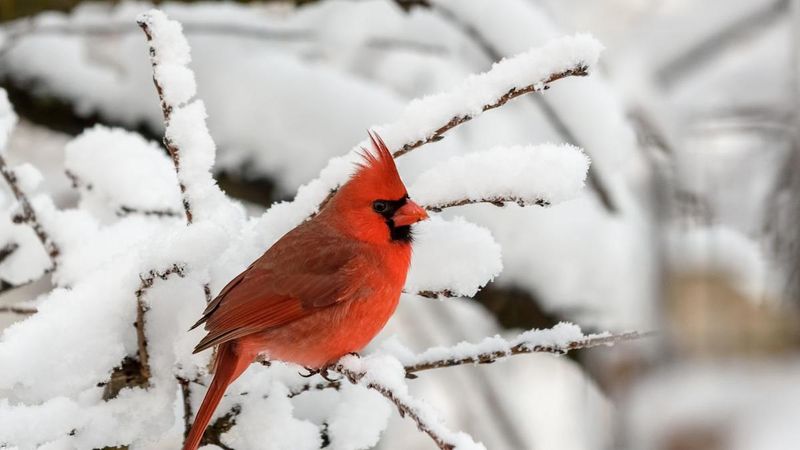
Spring and summer bring intense cardinal aggression as males defend breeding territories with fierce determination, often attacking their own reflections in windows.
But winter changes everything—breeding season ends, hormones decrease, and the urgent need to defend nesting areas fades away.
This seasonal personality shift allows multiple cardinals to tolerate each other’s presence at feeders in ways that would trigger fights during warmer months.
Homeowners often notice several cardinals feeding simultaneously at winter feeders, a sight rarely seen during breeding season when males chase away all competitors.
This temporary truce happens because survival takes priority over territory when conditions become harsh.
The relaxed social atmosphere means more cardinals can benefit from each feeder, creating the appearance of increased populations even when numbers remain stable.
Birds simply gather more peacefully in winter than during aggressive breeding periods.
Pairs often feed together at winter feeders, with males and females taking turns rather than competing for access.
This cooperation helps both birds maximize feeding efficiency during limited daylight hours.
Some feeders become community gathering spots where multiple cardinal pairs coexist peacefully, creating beautiful displays of red and tan plumage against white snow.
These temporary winter flocks disperse once spring arrives and territorial instincts return.
Understanding this seasonal behavior change helps explain why your feeder might host six cardinals in January but only two in June—it’s the same birds behaving differently based on seasonal needs.
Mild Winters Increase Survival And Population
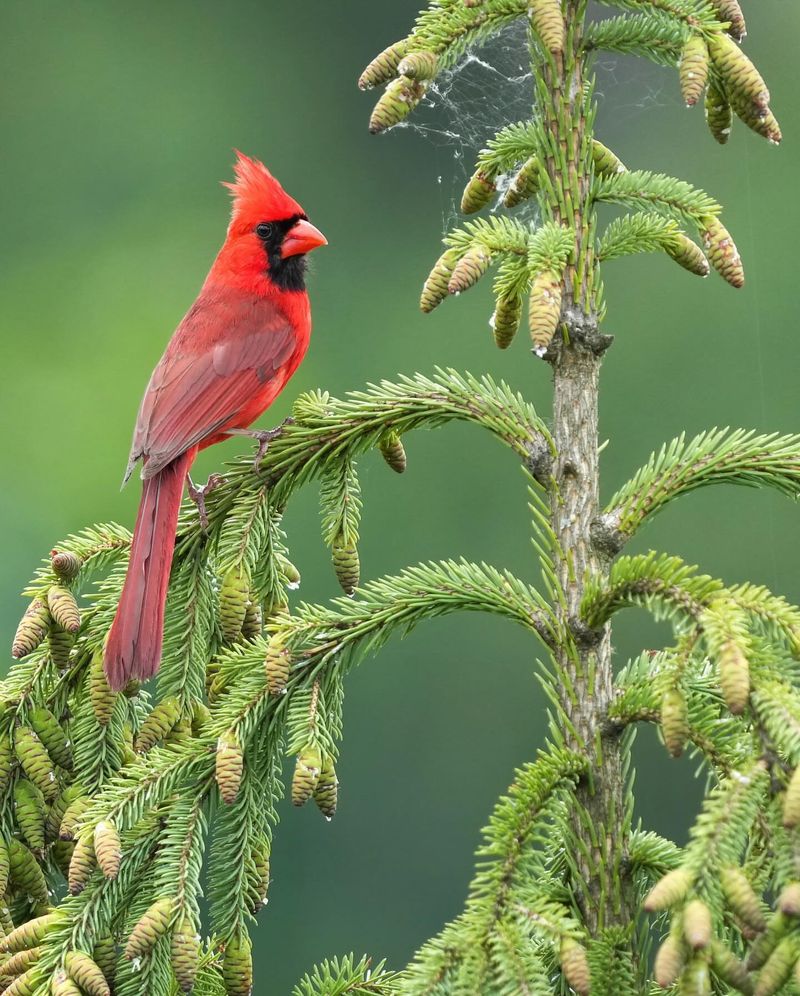
Ohio’s recent winters have trended warmer than historical averages, creating easier survival conditions that allow more cardinals to make it through to spring breeding season.
Milder temperatures mean fewer extreme cold snaps that can overwhelm birds’ ability to stay warm, reducing winter mortality rates significantly.
When more cardinals survive each winter, breeding populations increase the following spring, creating larger overall populations.
Warmer winters also keep some natural food sources accessible longer, though feeders remain important supplemental resources.
Berries stay unfrozen longer, and insects remain available in tree bark during temperature spikes.
Climate data shows that Ohio’s average winter temperatures have risen over recent decades, with fewer days of extreme cold and more frequent mid-winter thaws.
These changes favor non-migrating species like cardinals that tough out winter rather than fleeing south.
Higher survival rates mean more young cardinals reach maturity and establish their own territories, spreading across Ohio landscapes and discovering backyard feeders in previously unoccupied areas.
This population growth makes cardinal sightings more common throughout the state.
The combination of abundant backyard feeding and milder winters creates ideal conditions for cardinal population expansion.
Birds that might have struggled to survive harsh historical winters now thrive with help from both climate trends and human support.
This success story demonstrates how environmental changes and conservation-minded feeding practices work together to benefit wildlife populations right in our own backyards.