The Real Reason Rabbits Are Digging Holes In New Jersey Gardens And How To Stop Them
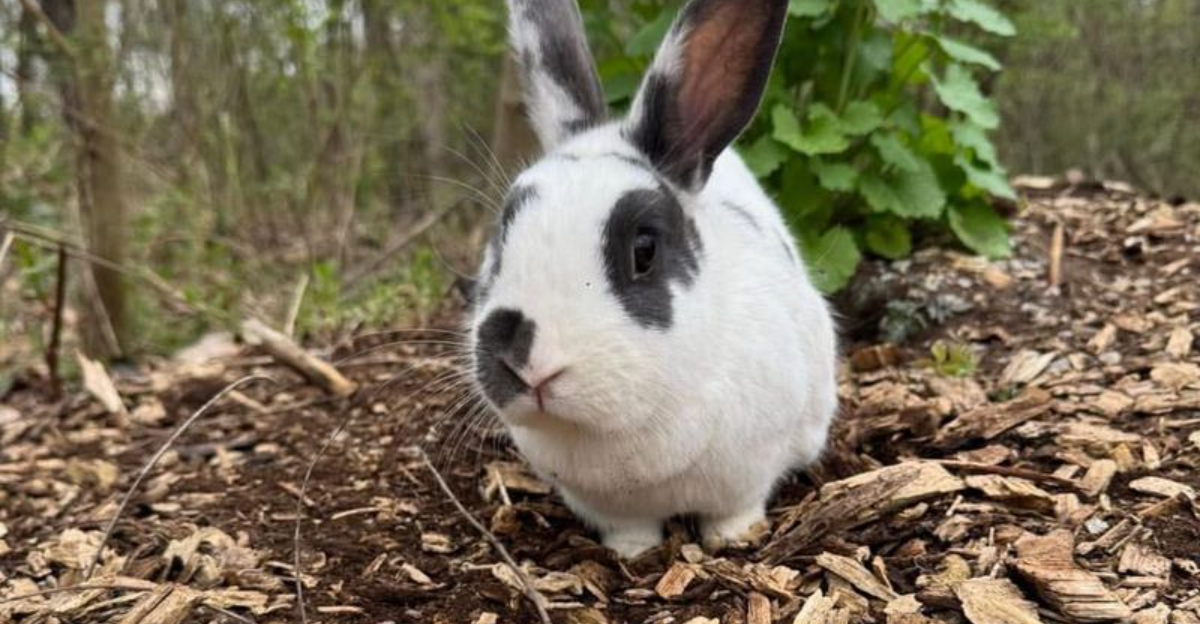
Gardeners across New Jersey often notice shallow holes appearing suddenly in lawns and planting beds.
While rabbits are usually blamed immediately, many homeowners don’t understand why the digging happens or what it means.
In most cases, rabbits dig for shelter, nesting, or food rather than to destroy gardens.
Seasonal changes, soil conditions, and predator activity all influence this behavior.
Knowing the real reasons rabbits dig allows homeowners to respond effectively rather than resorting to harmful or unnecessary actions.
With the right deterrent strategies, gardeners can protect plants without harming wildlife.
Understanding rabbit behavior helps maintain healthier gardens while supporting humane coexistence.
Rabbits Dig Shallow Holes To Create Safe Resting Spots
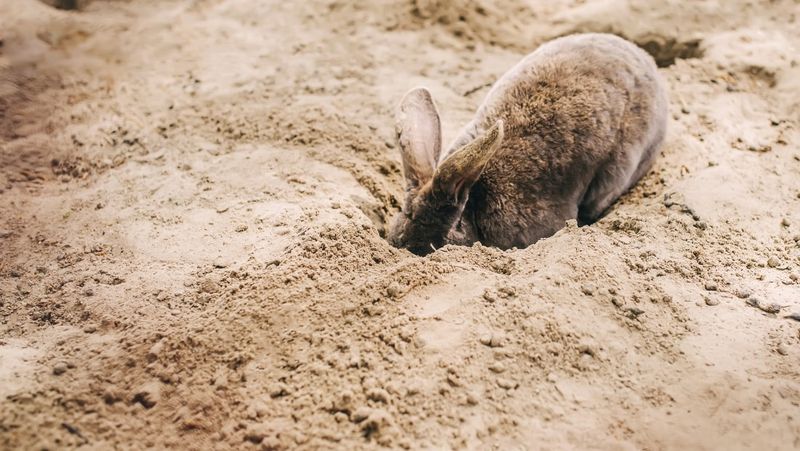
Rabbits are masters at finding comfort in the most unexpected places, and your garden soil provides the perfect canvas for their cozy hideaways.
New Jersey soil tends to be compacted and dense in many areas, but your garden beds are different.
When rabbits discover the softer ground you’ve worked so hard to cultivate, they see an opportunity to create shallow depressions called forms.
These forms serve as temporary resting spots where rabbits can stay hidden from predators while remaining comfortable.
The slight indentation helps them blend into their surroundings while providing some insulation from temperature extremes.
During hot summer days, these shallow scrapes allow rabbits to reach cooler soil beneath the surface.
In cooler weather, the depression shields them from wind and helps retain body heat.
Your mulched beds are especially attractive because the material is easy to move aside.
Rabbits can quickly scrape out a form and settle in for a rest between feeding sessions.
To discourage this behavior, consider firming up the soil surface in areas where you notice repeated digging.
Adding chicken wire just beneath the mulch layer can make digging uncomfortable without harming the rabbits.
Creating less appealing resting spots encourages them to move elsewhere.
Female Rabbits Dig Nests During The Breeding Season
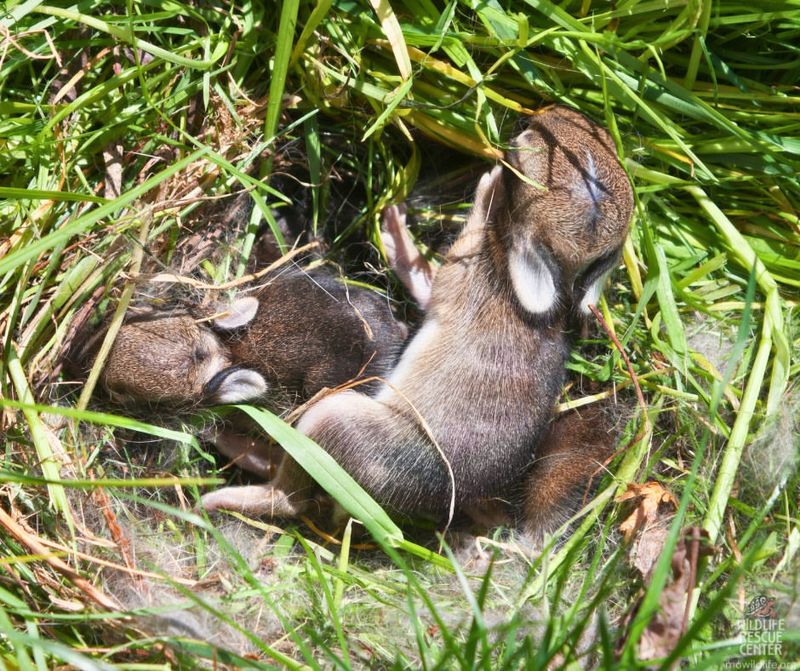
Spring arrives in New Jersey with blooming flowers and warmer temperatures, but it also brings a surge in rabbit digging activity that catches many gardeners off guard.
Female rabbits, called does, have a powerful instinct to prepare nests for their young during breeding season.
This period typically runs from March through September, with peak activity happening in spring and early summer.
A doe will dig a shallow nest cavity, usually about four to five inches deep and roughly the size of a softball.
She lines this nest with grass, leaves, and fur pulled from her own body to create a warm, protected environment for her babies.
These nests often appear in the middle of lawns or garden beds, seemingly in the most inconvenient locations possible.
The doe chooses spots she considers safe from predators, which might be right in the center of your prized vegetable patch.
Unlike permanent burrows, these nests are temporary structures used only until the young rabbits are ready to venture out on their own.
This usually takes about three weeks from birth.
If you discover a nest, resist the urge to relocate it.
Your New Jersey Garden Changes Every Week. Your Plan Should Too.
Gardening in New Jersey changes quickly throughout the season. Every Friday you’ll receive a simple weekly plan showing exactly what to plant, prune, fertilize, harvest, and protect so you never miss the right timing.
Mother rabbits only visit once or twice daily to avoid attracting predators.
Mark the area and work around it until the babies leave naturally.
Loose Garden Soil Attracts Digging Activity
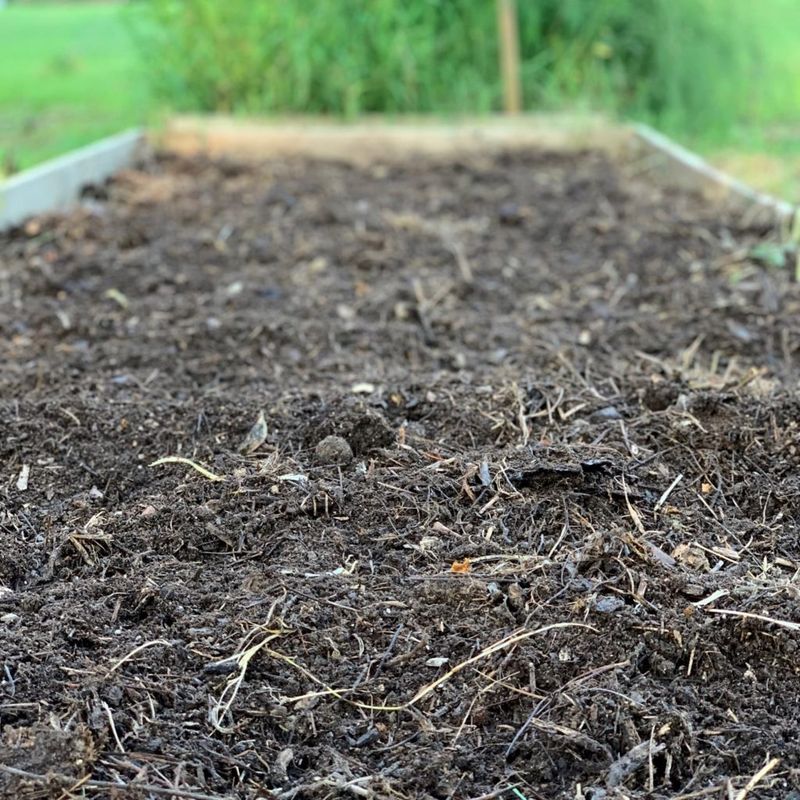
Your dedication to creating healthy, nutrient-rich soil for your plants has an unintended consequence that rabbits absolutely love.
When you amend your garden beds with compost, peat moss, or other organic materials, you create fluffy, loose soil that drains well and promotes root growth.
Unfortunately, this same texture makes digging incredibly easy for rabbits compared to the hard-packed clay or rocky soil found in undeveloped areas.
Mulched beds are particularly inviting because the top layer moves aside with minimal effort.
Rabbits can quickly scrape through mulch to reach the soft soil underneath, creating holes in seconds rather than minutes.
The contrast between your carefully prepared garden beds and the surrounding landscape is stark.
Rabbits naturally gravitate toward areas where digging requires less energy, and your garden represents the path of least resistance.
This preference becomes especially noticeable after you’ve recently worked the soil.
Freshly tilled or turned beds practically advertise themselves as prime digging territory to passing rabbits.
To make your beds less appealing, try adding a layer of gravel beneath your mulch in problem areas.
You can also use heavier mulch materials like wood chips instead of lighter options like straw.
Compacting the soil slightly after planting, while still maintaining good drainage, can also reduce digging incidents.
Rabbits Search For Roots And Tender Plant Growth

Food motivation drives much of rabbit behavior, and your garden represents an all-you-can-eat buffet that extends both above and below the soil surface.
While many gardeners focus on protecting the visible parts of their plants, rabbits know that some of the tastiest treats hide underground.
Root vegetables like carrots, radishes, and beets emit scents that rabbits can detect, leading them to dig exploratory holes to reach these buried treasures.
Beyond vegetables, rabbits also seek out the tender new growth of perennial plants.
The white shoots emerging from bulbs and the young roots of newly planted flowers are particularly appealing because they’re softer and easier to chew than mature plant material.
New Jersey gardens offer an abundant variety of plant species that rabbits find irresistible.
From hostas to tulips, many popular garden plants have roots or emerging shoots that attract hungry rabbits throughout the growing season.
The digging you observe might not always result in visible plant damage immediately.
Rabbits sometimes dig exploratory holes, testing different areas to find the most rewarding food sources before committing to extensive excavation.
Protecting your plants requires a multi-layered approach.
Consider installing underground barriers around vegetable beds using hardware cloth buried at least six inches deep.
Raised beds with solid bottoms can also prevent access to roots while still allowing you to grow your favorite crops successfully.
Lawns With Limited Cover Push Rabbits Into Garden Beds
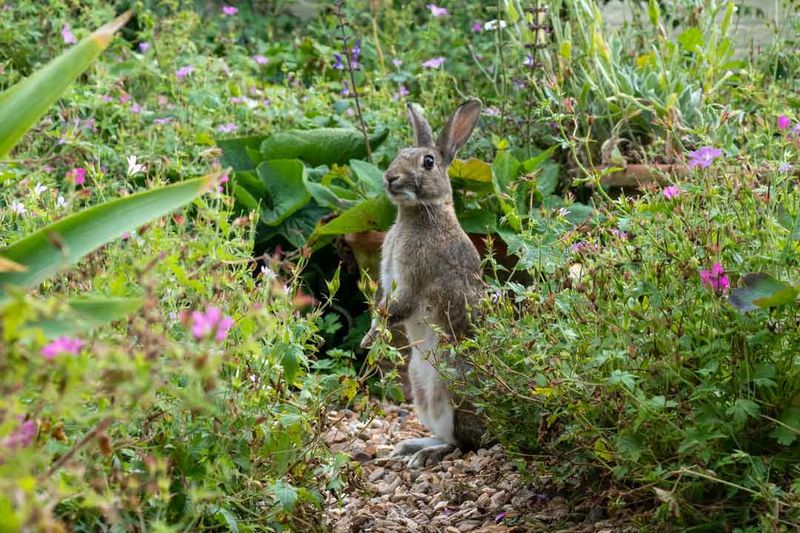
Modern landscaping trends favor wide-open lawns with minimal undergrowth, but this design choice inadvertently channels rabbits straight into your garden areas.
Rabbits are prey animals with a strong instinct to stay near cover that offers quick escape routes.
An expansive, neatly manicured lawn provides no hiding spots, making rabbits feel vulnerable and exposed when crossing these open spaces.
Your garden beds, especially those planted near fences, walls, or beneath shrubs, offer the security rabbits crave.
These areas provide overhead cover from hawks and owls while also offering concealment from ground-based predators like foxes and cats.
The contrast between your sparse lawn and densely planted garden beds creates a clear choice for rabbits seeking safety.
They’ll naturally gravitate toward areas where they can feed while remaining hidden, which means your carefully cultivated flower and vegetable beds become their preferred habitat.
Foundation plantings along your house are especially attractive because they offer both cover and warmth from the building’s radiant heat.
Rabbits will dig in these protected zones, knowing they have multiple escape routes through the surrounding vegetation.
To reduce this attraction, consider creating strategic buffer zones.
Plant less desirable species around the perimeter of your garden beds.
Maintain some lawn areas with slightly taller grass to provide alternative cover that doesn’t require entering your prized planting areas.
Predator Pressure Increases Hiding Behavior
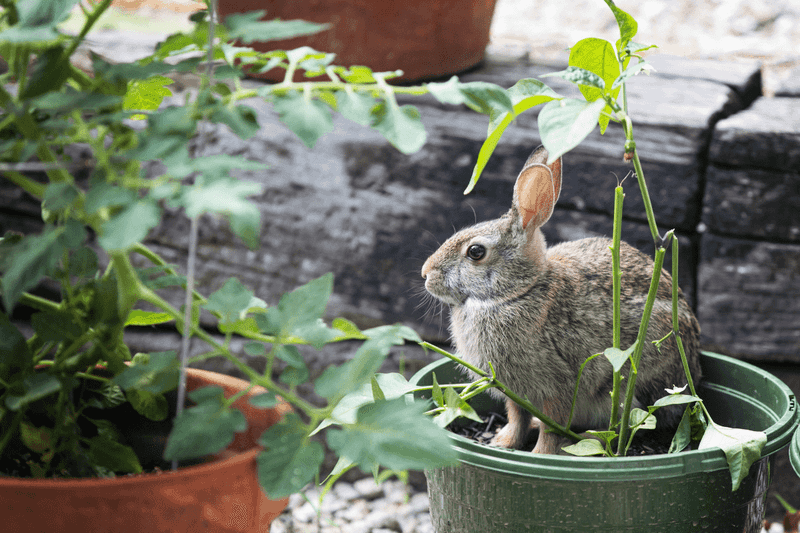
Urban and suburban New Jersey communities might seem safe, but rabbits face constant threats from predators that share their neighborhoods.
Hawks circle overhead during daylight hours, scanning for movement in yards and gardens.
Foxes have adapted remarkably well to suburban life and hunt during dawn and dusk.
Domestic cats, both feral and outdoor pets, pose a significant threat to rabbits of all ages.
When predator pressure increases in an area, rabbits respond by creating multiple quick-access hiding spots throughout their territory.
These emergency bolt holes allow them to disappear underground within seconds when danger approaches.
Unlike the deeper burrows found in wild areas, these urban escape holes are often shallow and hastily constructed.
Rabbits dig them opportunistically wherever the soil is soft enough, which frequently means your garden beds become riddled with these safety tunnels.
The presence of predators also changes rabbit behavior patterns.
Instead of feeding in open areas and returning to a central burrow, they create networks of temporary hiding spots that allow them to forage while never straying far from cover.
Your garden’s proximity to fences, sheds, or dense plantings makes it ideal for this survival strategy.
Rabbits can feed on your plants while maintaining access to multiple escape routes.
Reducing hiding opportunities helps address this issue.
Keep vegetation trimmed away from fences and remove brush piles that provide cover.
Motion-activated sprinklers can also discourage rabbits from establishing territories in your garden.
Moist Soil After Rain Makes Digging Easier
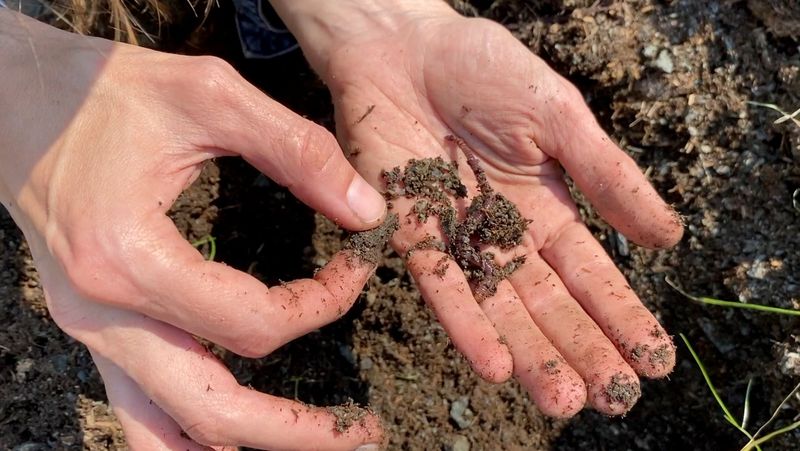
New Jersey’s weather patterns play a significant role in when and where rabbits choose to dig, with moisture levels being a critical factor.
Spring brings frequent rain showers that saturate the ground, transforming hard, compacted soil into a soft, workable medium.
This seasonal moisture makes digging exponentially easier for rabbits, who take advantage of these conditions to create nests, forms, and foraging holes.
After a good rain, you might notice a sudden increase in digging activity that wasn’t present during drier periods.
The softened soil allows rabbits to excavate holes with minimal effort, encouraging them to dig more frequently and in more locations.
Garden beds retain moisture longer than surrounding lawns because of their organic content and mulch layers.
This extended period of soft soil makes your beds attractive digging sites even days after rain has stopped.
Low-lying areas that collect water are particularly vulnerable.
Rabbits can dig through saturated soil almost as easily as sand, creating extensive damage in a short time.
Summer thunderstorms create similar conditions, with intense rainfall followed by humid conditions that keep soil moist.
This pattern repeats throughout the growing season, providing rabbits with regular opportunities to expand their digging activities.
To minimize moisture-related digging, improve drainage in problem areas by adding sand or gravel to heavy soils.
Consider installing French drains or creating slight slopes that encourage water to flow away from planting beds rather than pooling in them.
Overgrown Edges Provide Entry Points And Safety
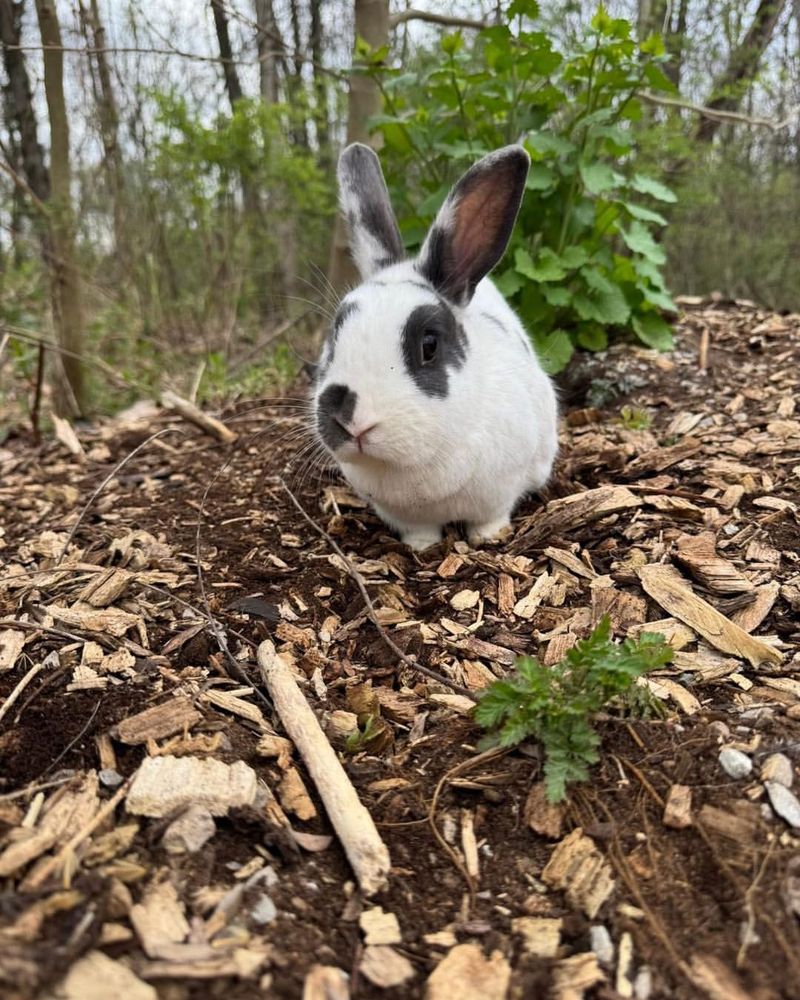
Garden maintenance often focuses on the show-stopping central displays while edges and borders receive less attention, creating perfect conditions for rabbit activity.
Untrimmed perimeters where your garden meets fences, walls, or wild areas become highways for rabbits moving through neighborhoods.
These transition zones offer dense cover that makes rabbits feel secure while providing easy access to your cultivated plants.
Tall grass, creeping vines, and volunteer plants along garden edges create a protective canopy that shields rabbits from aerial predators.
These overgrown areas also obscure sight lines, making it difficult for ground-based predators to spot rabbits as they move between feeding areas.
Rabbits use these protected corridors to enter your garden without exposing themselves in open spaces.
Once inside the safety of overgrown borders, they dig burrows and forms that connect to the main garden beds.
Foundation plantings that have grown together into dense thickets are especially problematic.
The space beneath these shrubs becomes a protected zone where rabbits can dig extensively without being disturbed by human activity.
Corner areas where two fences meet or where structures create sheltered pockets are prime locations for rabbit excavation.
These spots offer protection from multiple angles, making them ideal for nesting and resting.
Regular edge maintenance dramatically reduces rabbit access and activity.
Trim vegetation back from fences and walls, creating a clear zone that rabbits must cross to reach your garden.
Remove debris piles and keep grass cut short along borders to eliminate cover.
Young Rabbits Practice Digging As Survival Training

Baby rabbits grow remarkably quickly, and by the time they’re four to five weeks old, they’re already learning the skills they’ll need to survive on their own.
Juvenile rabbits engage in extensive practice behaviors that include digging exploratory holes throughout their territory.
These young rabbits aren’t necessarily creating functional burrows or nests; instead, they’re developing the muscle memory and techniques required for adult life.
Your garden becomes an ideal training ground because the soft soil provides low-stakes practice opportunities.
Young rabbits can dig without exhausting themselves, learning to distinguish between different soil types and understanding how deep they need to go for various purposes.
This practice phase typically occurs from late spring through early fall as successive litters of young rabbits mature and begin exploring beyond their birth nests.
The result is a proliferation of small, seemingly random holes that appear throughout garden beds.
These juvenile digging attempts often lack the purposeful appearance of adult excavations.
You might find numerous shallow scrapes that don’t seem to serve any obvious function, evidence of young rabbits testing their abilities.
The good news is that this phase is temporary for individual rabbits.
As they mature and establish their own territories, their digging becomes more purposeful and concentrated in specific areas.
Discouraging young rabbits early prevents them from viewing your garden as their permanent territory.
Use motion-activated deterrents and remove food sources to encourage juvenile rabbits to establish territories elsewhere as they mature into adults.
How To Stop Digging By Reducing Shelter And Access
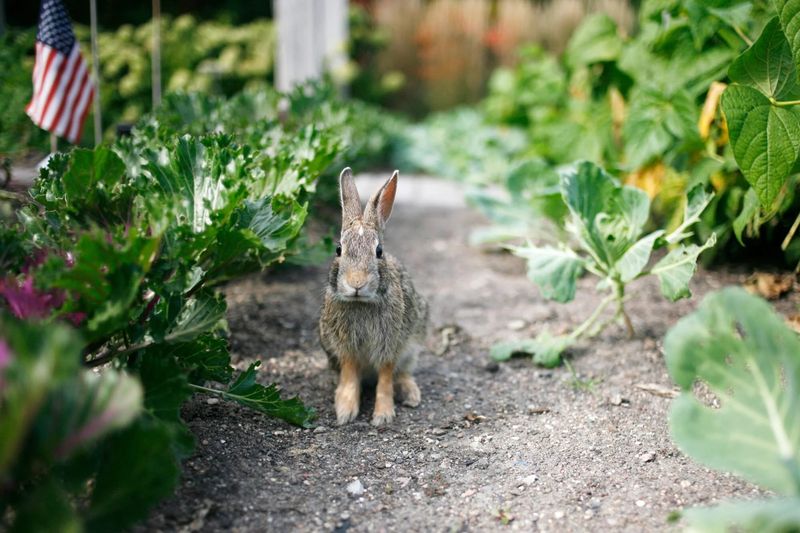
Armed with understanding about why rabbits dig, you can now implement practical solutions that address the root causes rather than just treating symptoms.
Start by reducing the comfort and safety factors that attract rabbits to your garden.
Remove brush piles, stack firewood away from garden areas, and trim vegetation back from fences and structures to eliminate hiding spots.
Install physical barriers around high-value planting areas.
Chicken wire or hardware cloth buried six inches deep and extending two feet above ground creates an effective perimeter that rabbits cannot easily breach.
Ensure the bottom is bent outward underground to prevent digging underneath.
Modify your soil surface to make digging less appealing.
Add a layer of crushed stone or gravel beneath mulch in areas where rabbits frequently dig.
This creates an uncomfortable barrier that discourages excavation without harming your plants.
Motion-activated sprinklers provide excellent deterrence by startling rabbits whenever they enter protected zones.
These devices work day and night and help train rabbits to avoid your garden through consistent negative reinforcement.
Plant selection matters too.
Choose varieties that rabbits find less palatable and use these as border plants around more vulnerable species.
Herbs like lavender, rosemary, and sage naturally repel rabbits while adding beauty and utility to your garden.
Maintain consistent pressure by combining multiple strategies rather than relying on a single solution.
Rabbits are persistent, but a comprehensive approach that addresses shelter, access, and food availability will ultimately convince them to seek opportunities elsewhere.