Why Salamanders Are Suddenly Appearing In North Carolina Mulch Beds
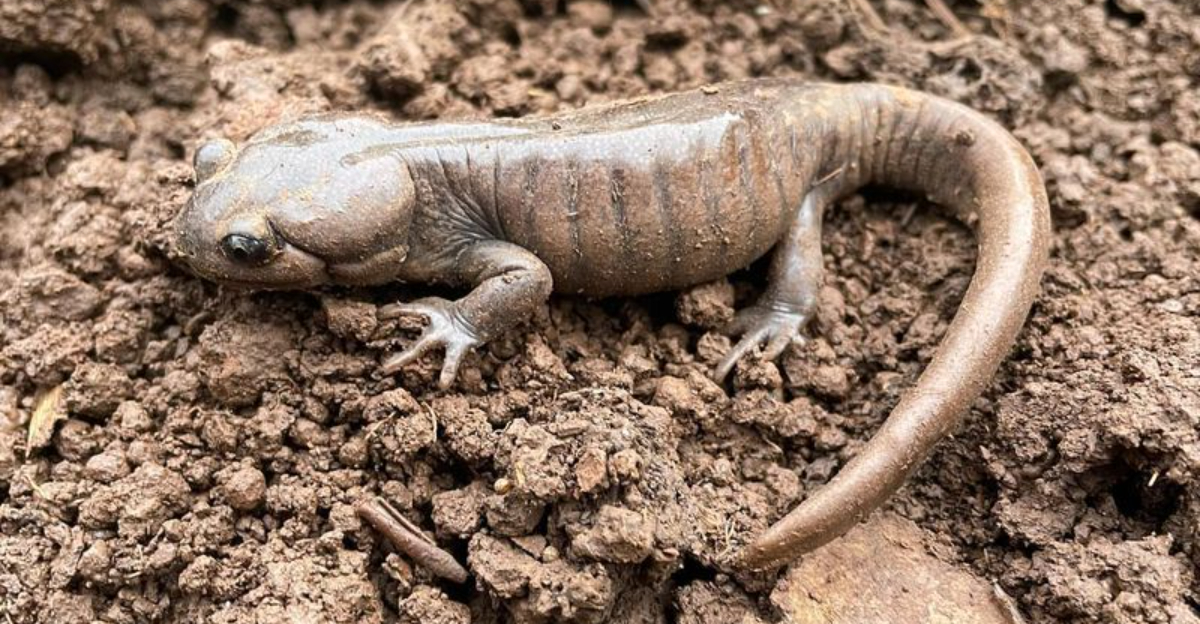
Salamanders often emerge in North Carolina mulch beds because these areas closely mimic the cool, moist environments they naturally prefer.
Mulch retains moisture, moderates temperature, and supports insect populations, making it an ideal habitat for amphibians with sensitive skin.
Heavy rainfall common in the region can push salamanders out of leaf litter and wooded areas into residential landscapes, especially during spring and fall.
Homeowners may only notice them when gardening or refreshing mulch, even though salamanders may already live beneath the surface.
Their presence is generally a positive sign, indicating healthy soil conditions and low pesticide use.
Salamanders feed on insects and play an important role in local ecosystems.
Although their sudden appearance can be surprising, they are harmless and typically move on once conditions change.
Understanding why they appear helps gardeners respond calmly and avoid unnecessary removal or disturbance.
Mulch Holds Moisture Salamanders Need To Survive
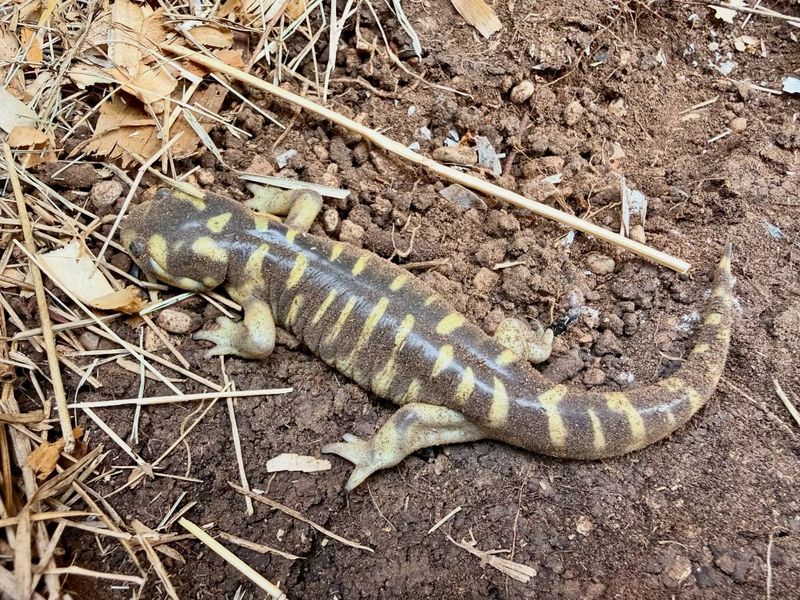
Salamanders have skin that works very differently from ours.
Their bodies absorb water directly through their thin, delicate skin instead of drinking like mammals do.
This means they must stay in moist environments to prevent their bodies from drying out.
Mulch beds create the perfect damp environment because they trap moisture from rain and morning dew.
The layers of wood chips or bark act like a sponge, holding water close to the ground where salamanders can benefit from it.
When you water your garden, the mulch soaks up that moisture and releases it slowly over time.
This steady dampness mimics the cool forest floor conditions that salamanders naturally prefer in the wild.
Pine needles, shredded bark, and hardwood mulch all retain moisture especially well.
Even during dry spells, mulch beds often stay more humid than bare soil or grass.
Salamanders instinctively seek out these consistently moist spots because their survival depends on it.
Your mulch bed becomes a reliable water source that supports their basic biological needs throughout the season.
Heavy Rainfall Drives Salamanders To The Surface
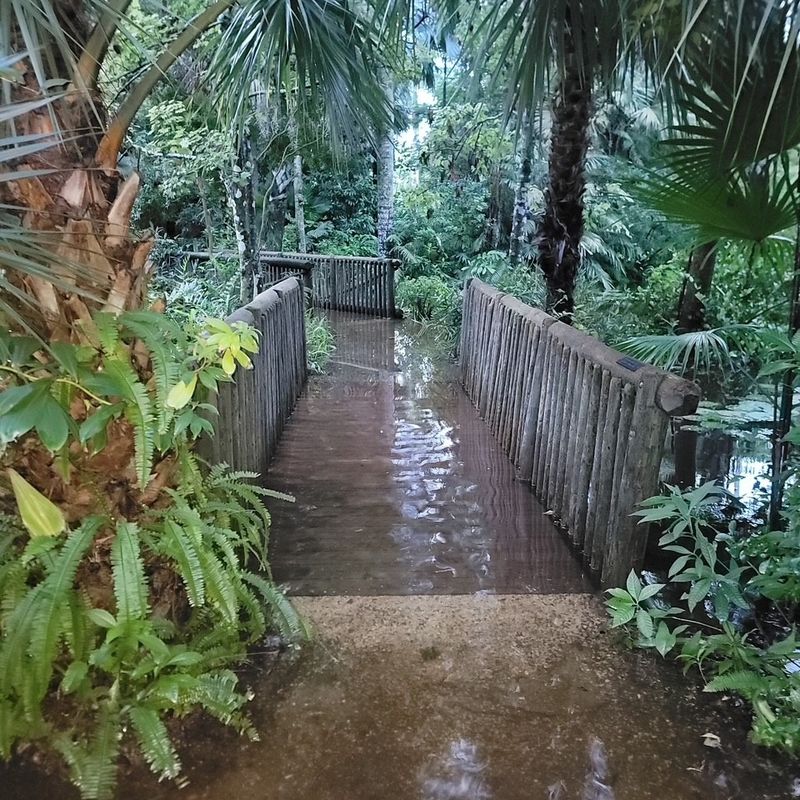
North Carolina experiences significant rainfall throughout the year, especially during spring and summer storms.
When heavy rains flood the ground, salamanders living underground suddenly find their burrows filling with water.
These amphibians need air to breathe, so they must move upward when their hiding spots become waterlogged.
Garden mulch beds sit higher than surrounding soil, making them attractive destinations during flooding events.
The loose structure of mulch allows water to drain better than compact clay soil found in many North Carolina yards.
Salamanders can find air pockets within the mulch layers even when the ground below is saturated.
After a strong thunderstorm, you might notice several salamanders that weren’t visible before the rain.
They haven’t necessarily moved into your yard recently—they were already there but hidden deeper underground.
The rainfall simply forced them to relocate temporarily to higher, drier spaces.
Once the soil drains and conditions normalize, many will return to their underground homes.
Frequent rain events mean more frequent salamander sightings in your mulched areas throughout wet seasons.
Mulch Provides Protection From Heat And Sun
Direct sunlight poses a serious threat to salamander health.
Your North Carolina Garden Changes Every Week. Your Plan Should Too.
Gardening in North Carolina changes quickly throughout the season. Every Friday you’ll receive a simple weekly plan showing exactly what to plant, prune, fertilize, harvest, and protect so you never miss the right timing.
Their permeable skin can dry out quickly when exposed to sun and heat, causing severe stress or harm.
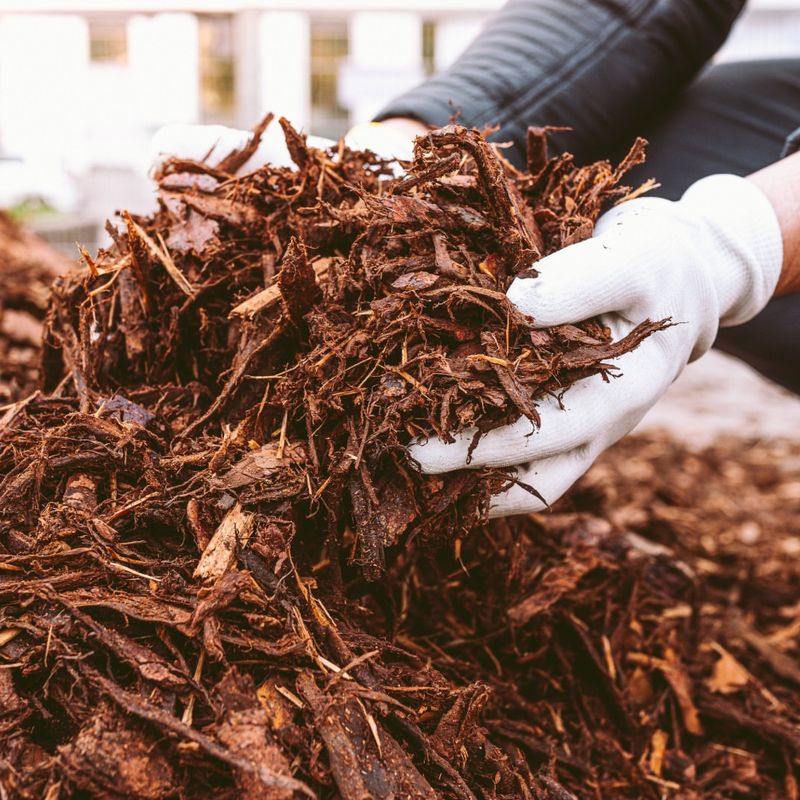
Mulch creates a protective barrier that blocks harsh rays and maintains cooler temperatures underneath.
Even on hot summer days when surface temperatures climb into the nineties, the space beneath mulch stays significantly cooler.
This temperature difference can be fifteen to twenty degrees, providing a comfortable refuge.
Salamanders are cold-blooded creatures, meaning they cannot regulate their body temperature internally like humans do.
They rely entirely on their surroundings to stay within a safe temperature range.
Mulch beds offer shade and insulation that help them avoid overheating during warm North Carolina afternoons.
The darker color of many mulches might seem like it would attract heat, but the air spaces between pieces actually provide excellent insulation.
This natural cooling system makes your garden bed more appealing than exposed concrete, grass, or bare dirt.
Salamanders will actively choose mulched areas over other parts of your yard specifically because of this temperature regulation benefit.
Insects Thrive In Decomposing Mulch Layers
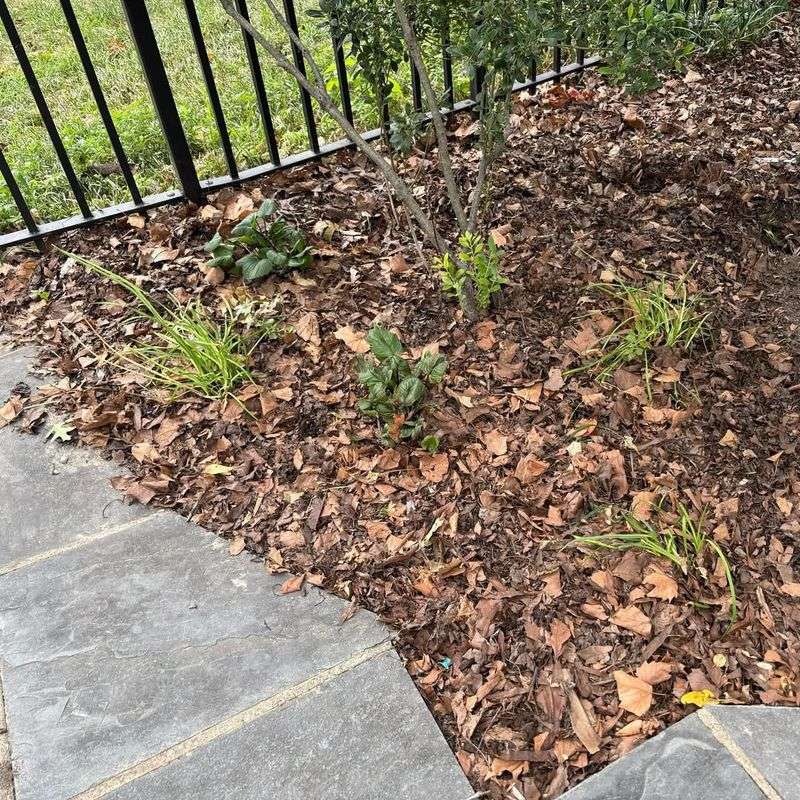
A salamander’s menu consists mainly of small invertebrates like beetles, ants, spiders, and worms.
Decomposing mulch creates a thriving ecosystem that attracts exactly these types of creatures.
As wood chips break down, they become home to countless tiny organisms that feed on the decaying organic matter.
This abundant food source draws salamanders like a restaurant attracts hungry diners.
Earthworms tunnel through the soil beneath mulch, while pill bugs and millipedes feast on the rotting wood itself.
Ants build colonies in the protected spaces between mulch pieces.
Springtails, mites, and other microscopic creatures multiply rapidly in these nutrient-rich conditions.
For a salamander, your mulch bed represents an all-you-can-eat buffet that’s constantly restocked.
They don’t need to travel far or expend much energy to find their next meal.
The older and more decomposed your mulch becomes, the more insects it typically supports.
This creates an even stronger attraction for hungry amphibians looking for reliable feeding grounds.
Your garden’s food web benefits everyone—decomposers break down mulch, insects feed on decomposers, and salamanders help control insect populations naturally.
Pine And Hardwood Mulch Replicate Natural Habitat
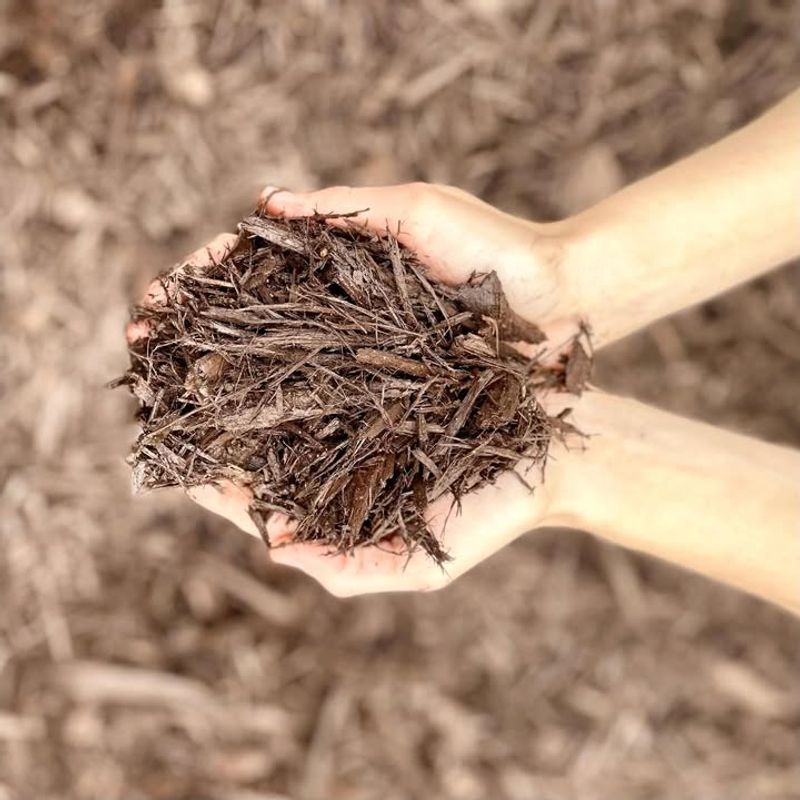
Walk through any North Carolina forest and you’ll find a thick carpet of fallen leaves, pine needles, and decomposing wood.
This natural leaf litter serves as the primary habitat for many salamander species in the wild.
When you spread pine or hardwood mulch in your garden, you’re essentially recreating that forest floor environment.
Salamanders don’t distinguish much between natural leaf litter and commercial landscaping mulch—both provide similar benefits.
The texture, moisture retention, and layered structure feel familiar and safe to them.
Pine bark mulch, especially popular in North Carolina, closely matches the conditions found under conifer trees.
Hardwood mulch mimics the environment beneath oak, maple, and hickory trees common throughout the state.
Both types decompose gradually, maintaining that loose, layered structure salamanders instinctively seek.
Your landscaping choices accidentally create habitat corridors that connect your yard to nearby natural areas.
Salamanders moving through the landscape recognize your mulch beds as suitable territory.
They feel comfortable establishing temporary or permanent residence because the environment meets all their basic requirements.
Essentially, you’ve built them a home that feels just like the forest they evolved to inhabit over millions of years.
Cool Nighttime Temperatures Increase Movement
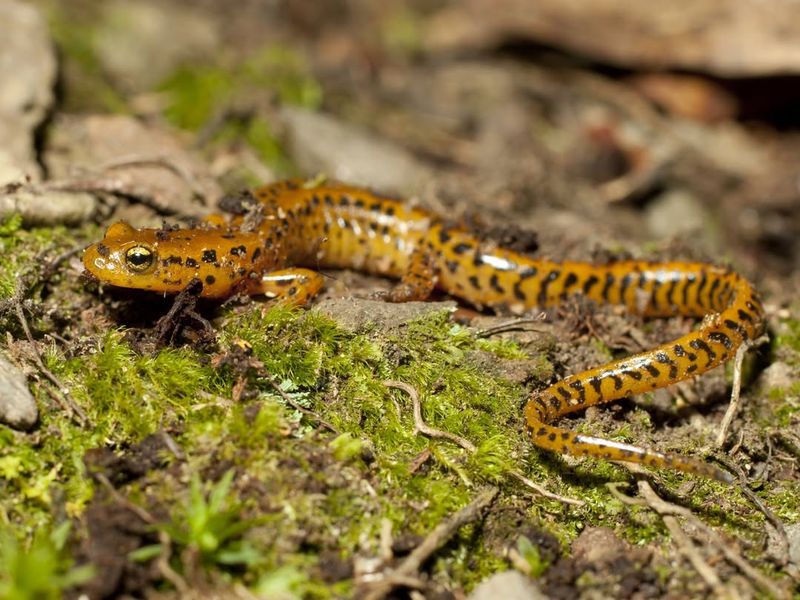
Salamanders are primarily nocturnal creatures, meaning they do most of their hunting and exploring after sunset.
During North Carolina’s warm months, nighttime temperatures drop significantly compared to daytime highs.
This cooling triggers increased activity as salamanders emerge from their daytime hiding spots.
The combination of darkness and lower temperatures reduces the risk of skin dehydration.
Higher humidity levels at night also make surface travel safer and more comfortable for these moisture-dependent amphibians.
If you check your mulch beds with a flashlight after dark, you’re much more likely to spot salamanders than during afternoon hours.
They move more confidently across open spaces when temperatures fall into the sixties and seventies.
Spring and fall evenings provide especially ideal conditions, with cool but not cold temperatures.
During these seasons, you might notice increased salamander presence simply because they’re more active and visible.
Summer nights also bring them out, though they tend to stay closer to the dampest areas of your mulch.
Understanding their nighttime habits explains why you might suddenly discover salamanders you never noticed before—they were there all along, just hidden during daylight hours when you typically garden.
Mulch Piles Offer Shelter For Breeding Activity
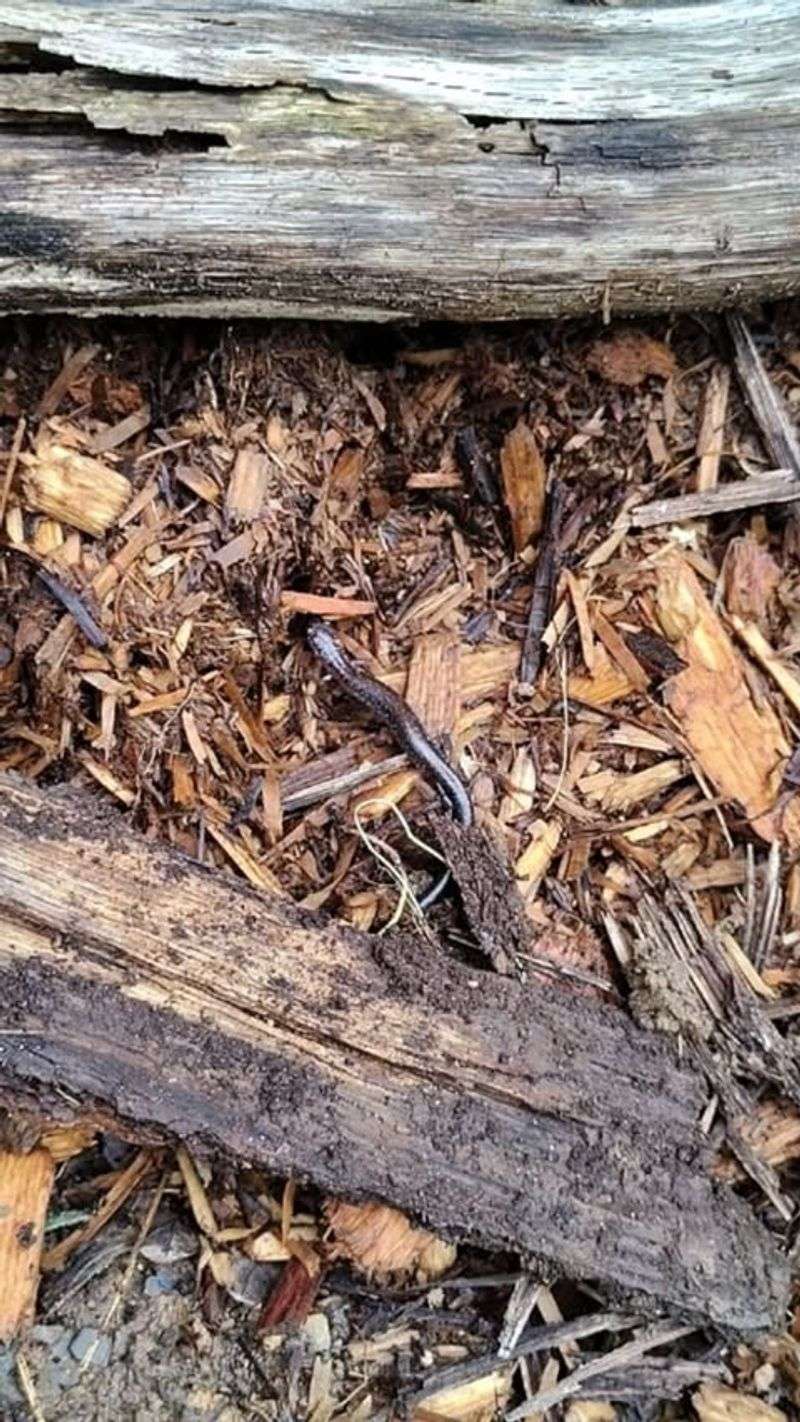
Reproduction requires salamanders to find safe, stable environments where eggs can develop without disturbance.
While many species lay eggs in water, several terrestrial salamanders breed entirely on land.
These land-breeding species need moist, protected spaces with stable temperatures.
Deep mulch beds provide exactly these conditions, making them attractive nesting sites.
The loose organic matter allows females to create small chambers where they deposit their eggs.
These hidden nests stay humid and protected from predators throughout the development period.
Some salamander species guard their eggs, remaining nearby for weeks until the young emerge.
Your mulch bed becomes a nursery that supports the next generation of these beneficial amphibians.
Spring typically marks peak breeding season for most North Carolina salamanders.
You might notice increased adult activity during March through May as they search for suitable nesting locations.
Later in summer, tiny juvenile salamanders may appear as they leave their nests and begin independent life.
Providing undisturbed mulch areas during breeding season helps support healthy local salamander populations that will continue benefiting your garden ecosystem for years to come.
Soil Disturbance Exposes Hidden Salamanders
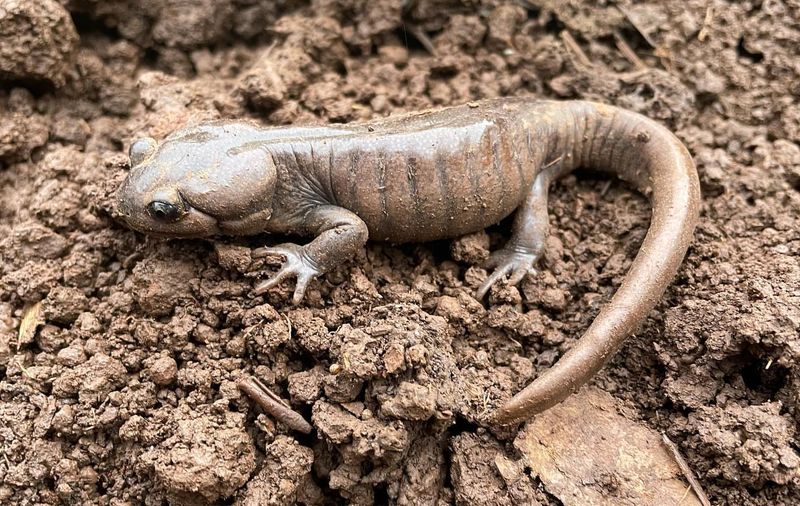
Sometimes salamanders aren’t actually appearing in your mulch—you’re simply uncovering individuals that were already there.
When you refresh your mulch beds, pull weeds, or plant new flowers, you disturb the layers where salamanders hide.
These creatures often burrow several inches deep into the mulch and topsoil interface.
They remain completely invisible until something disrupts their hiding spots.
A rake or shovel moving through mulch can suddenly reveal two or three salamanders that were resting just below the surface.
This doesn’t mean they just arrived—they’ve likely been residents for weeks or months.
Garden maintenance activities increase your chances of encountering these secretive animals.
Many homeowners report seeing salamanders most often right after adding fresh mulch or doing spring cleanup.
The disturbance forces salamanders to relocate temporarily, making them visible during the move.
Once things settle down, they quickly burrow back into the refreshed mulch layers.
If you want to avoid disturbing them, work gently and check under each shovelful before tossing it.
Most salamanders will move away on their own if given a moment, allowing you to continue your gardening without causing them stress.
Reduced Pesticide Use Boosts Salamander Populations
Growing environmental awareness has led many North Carolina homeowners to reduce or eliminate chemical pesticide use.
This positive trend creates healthier ecosystems that support amphibian populations.
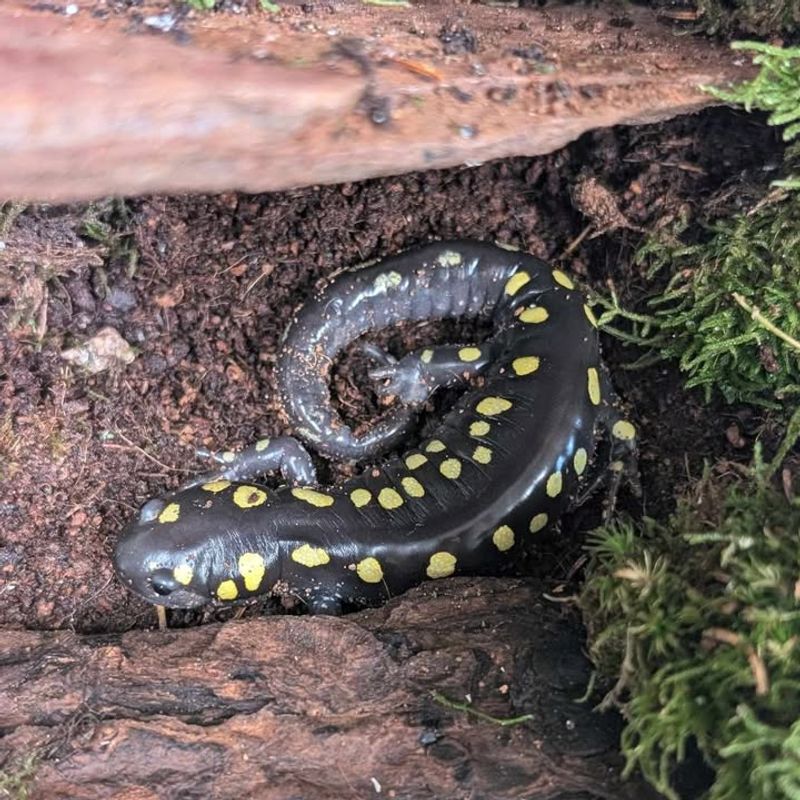
Salamanders have permeable skin that absorbs substances from their environment, making them extremely sensitive to chemical contamination.
Pesticides that might not harm humans or plants can be toxic to these delicate creatures.
When neighborhoods reduce chemical applications, salamander populations often rebound quickly.
Healthier insect populations also mean more food available for salamanders to hunt.
The shift toward organic gardening and natural pest management benefits the entire food web.
Areas that once had few salamanders may see increasing numbers as conditions improve.
Your decision to garden more naturally contributes to this positive change.
Salamanders actually help with pest control themselves by eating many insects that damage plants.
They consume slugs, beetles, and other garden pests without any negative side effects.
As more people recognize these benefits, they welcome salamanders rather than trying to eliminate them.
This creates a positive feedback loop where healthier gardens support more salamanders, which in turn help maintain garden health naturally.
Nearby Woods And Streams Increase Garden Visits
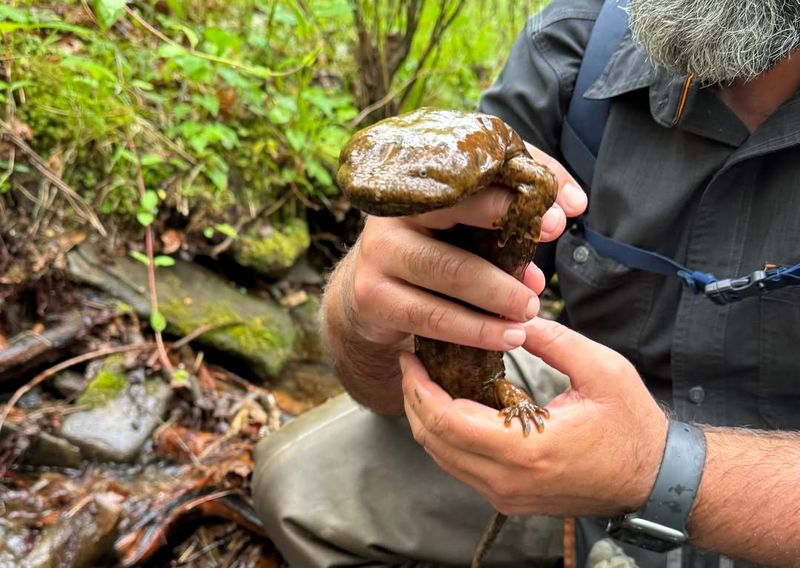
Location matters tremendously when it comes to salamander encounters.
Homes situated near forests, creeks, or wetlands naturally experience more amphibian visitors than properties in developed urban centers.
North Carolina’s landscape includes extensive forested areas that support diverse salamander populations.
As suburban development expands into these natural areas, homes increasingly border salamander habitat.
These amphibians don’t recognize property lines or distinguish between wild forest and landscaped yards.
They simply move through the environment seeking food, moisture, and shelter.
Your mulch bed may lie along a natural travel corridor between woodland and a nearby stream.
Salamanders following these traditional routes discover your garden offers everything they need.
Properties within a quarter mile of natural water sources tend to have the highest salamander activity.
Forested neighborhoods maintain connectivity that allows wildlife to move freely between yards.
This spillover effect means your garden benefits from the biodiversity of surrounding natural areas.
Rather than viewing salamanders as invaders, recognize them as native residents adapting to a changing landscape where natural and human spaces increasingly overlap and interact.