What California Gardeners Should Know About Garter Snakes Under Plants
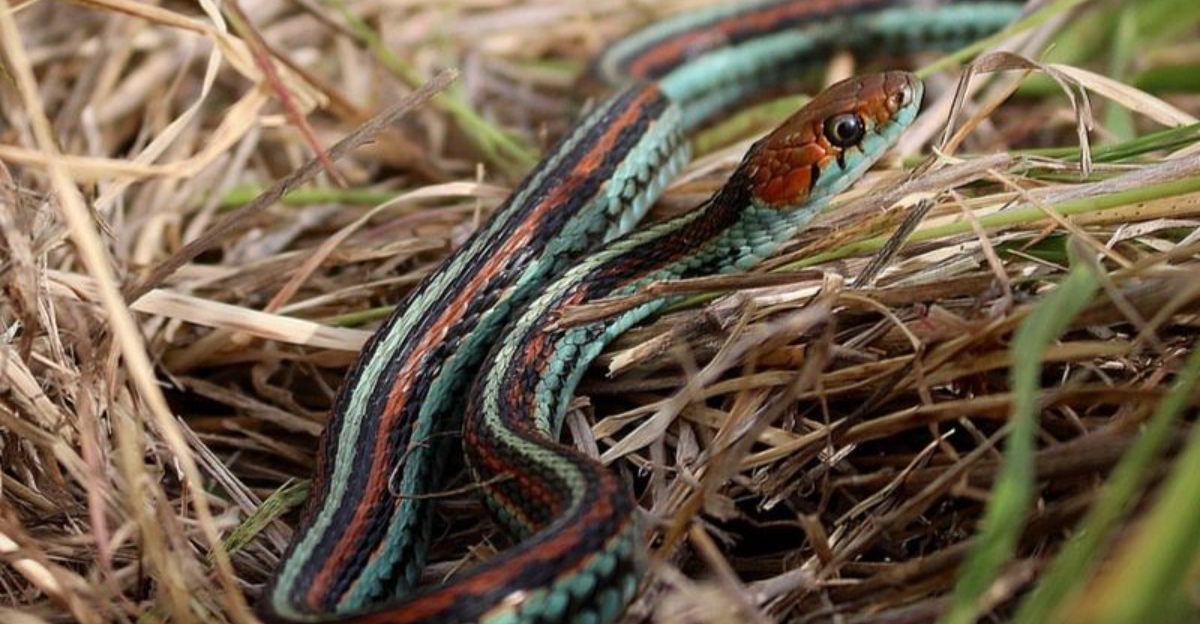
Garter snakes are among the most commonly encountered snakes in California gardens, often found resting beneath dense plants, mulch, or ground cover.
These areas offer shade, moisture, and protection from predators while helping snakes maintain stable body temperatures.
Garter snakes are not aggressive and rarely pose danger to people, yet unexpected encounters can cause concern.
Understanding their behavior helps gardeners respond calmly and safely.
These snakes are attracted to gardens that support amphibians, insects, and small rodents, which are natural food sources.
Well-irrigated beds and thick vegetation increase the likelihood of sightings.
Garter snakes also provide natural pest control, reducing unwanted populations without chemicals.
Knowing when they are active and why they choose certain locations allows gardeners to manage their landscapes more effectively.
Simple changes such as thinning ground cover or reducing moisture can discourage them if desired, while education helps prevent fear-driven reactions.
Garter Snakes Hide Under Plants For Cool Shelter
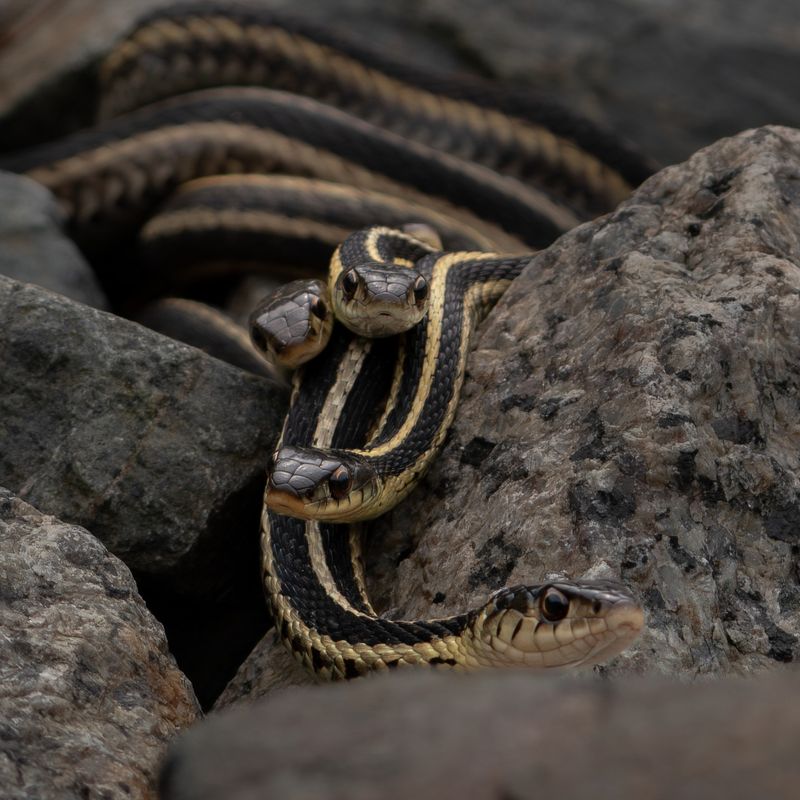
Garter snakes seek refuge beneath plants because the shade provides a natural escape from California’s intense heat.
Dense foliage acts like a protective umbrella, keeping the ground cooler and more comfortable for these cold-blooded reptiles.
When temperatures soar during summer afternoons, snakes instinctively move toward shaded areas where they can regulate their body temperature.
Your garden beds, especially those with thick ground covers or leafy perennials, create perfect hideaways.
The layered canopy blocks direct sunlight and traps moisture in the soil, making the microclimate underneath ideal for resting.
Snakes also benefit from the privacy these spots offer, staying hidden from predators like hawks and larger animals.
If you notice a garter snake under your hostas or ferns, it simply means your garden is doing its job as a habitat.
Rather than panicking, consider it a sign of a healthy, balanced ecosystem.
These reptiles will move on once they’ve cooled down or when evening temperatures drop.
Providing some shaded areas in your garden is actually beneficial, as it supports local wildlife while keeping snakes away from high-traffic zones where you spend most of your time.
They Are Not Aggressive Toward People
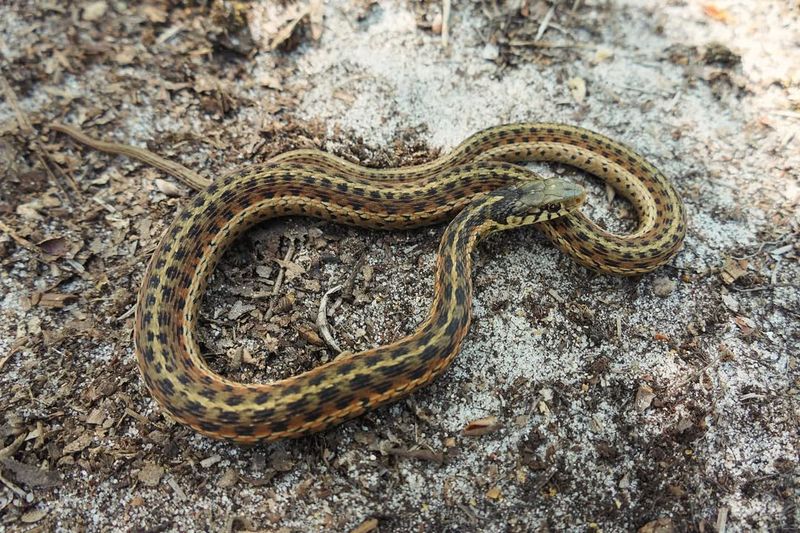
Many gardeners worry when they encounter a snake, but garter snakes have no interest in confrontation.
Their first instinct is always to flee when they sense human presence.
These reptiles are far more afraid of you than you are of them, and they will quickly slither away to safety if given the chance.
Only when cornered or accidentally grabbed will a garter snake display defensive behavior, such as releasing a musky odor or making quick movements.
Even then, their small teeth pose minimal risk, and bites are extremely rare.
Most encounters happen by accident—you might reach for a watering can or pull weeds and surprise a resting snake.
The snake’s reaction will be to escape, not attack.
Teaching children to observe from a distance and never attempt to handle wild snakes reinforces safe practices.
If you spot one in your garden path, simply give it space and time to move along.
Creating noise by shuffling your feet or tapping the ground can alert snakes to your presence, allowing them to retreat before you get too close.
Your California Garden Changes Every Week. Your Plan Should Too.
Gardening in California changes quickly throughout the season. Every Friday you’ll receive a simple weekly plan showing exactly what to plant, prune, fertilize, harvest, and protect so you never miss the right timing.
This peaceful coexistence benefits everyone and keeps your gardening experience stress-free.
Most Garter Snakes In California Are Nonvenomous
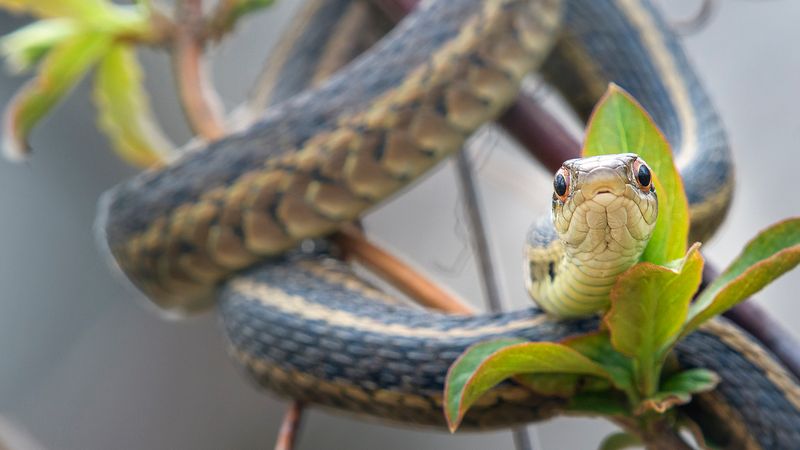
California is home to several garter snake species, and all of them are nonvenomous, making them completely safe to have around your property.
Unlike rattlesnakes or other venomous species, garter snakes lack the fangs and toxins needed to harm humans or pets.
Their small mouths and tiny teeth are designed for catching small prey, not for defense against large animals.
If you ever see a snake with three distinct stripes running lengthwise down its body, you’re likely looking at a garter snake.
These markings are their signature feature and help with identification.
Some people confuse garter snakes with more dangerous species, but learning basic identification skills can ease those fears.
Garter snakes have slender bodies, round pupils, and smooth scales, while venomous snakes typically have triangular heads and vertical pupils.
When left alone, garter snakes pose no threat whatsoever and will continue their quiet existence in your garden.
They contribute positively to the environment by keeping pest populations in check.
Educating yourself and your family about these harmless reptiles helps build confidence and reduces unnecessary fear.
Knowing they’re nonvenomous allows you to appreciate their presence rather than panic when you spot one lounging under your tomato plants.
Moist Soil Attracts Their Natural Prey

Garter snakes are drawn to gardens with moist soil because it creates a thriving habitat for their favorite meals.
Earthworms, slugs, insects, and small frogs all flourish in well-watered garden beds, making your yard a buffet for hungry snakes.
When you irrigate regularly, you’re not just nourishing your plants—you’re also supporting the entire food chain.
Worms come to the surface after watering, and slugs emerge during cooler, damp conditions, both becoming easy targets for hunting garter snakes.
Frogs and toads also prefer moist environments, and young amphibians are a protein-rich snack.
If your garden has a drip irrigation system or you water deeply and frequently, expect to see more garter snake activity.
This is actually a positive sign that your soil ecosystem is healthy and balanced.
Snakes help control populations of pests that might otherwise damage your vegetables and flowers.
Instead of using harsh chemicals to manage slugs or insects, let the snakes do the work naturally.
If you want to reduce snake sightings, consider adjusting your watering schedule to avoid creating overly damp conditions.
However, remember that some moisture is essential for plant health, so finding a balance is key to maintaining both a beautiful garden and a harmonious environment.
Ground Covers Create Ideal Hiding Spots
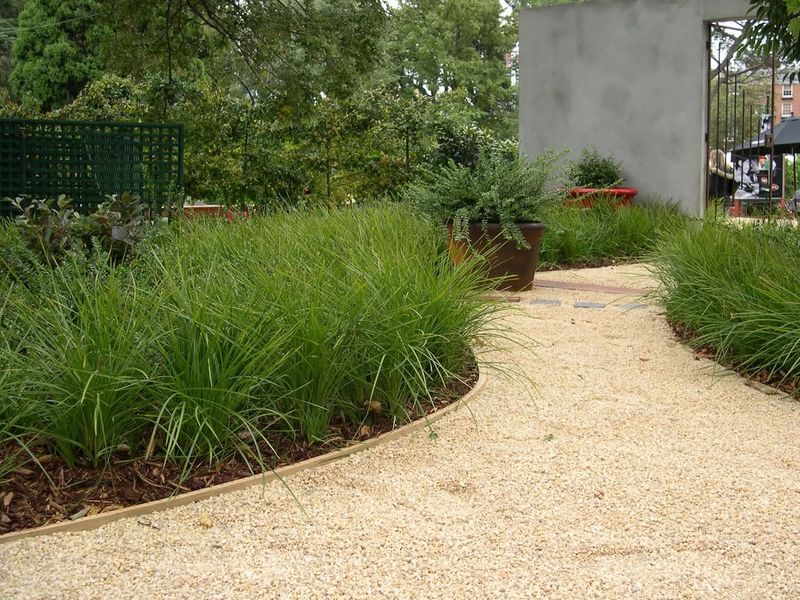
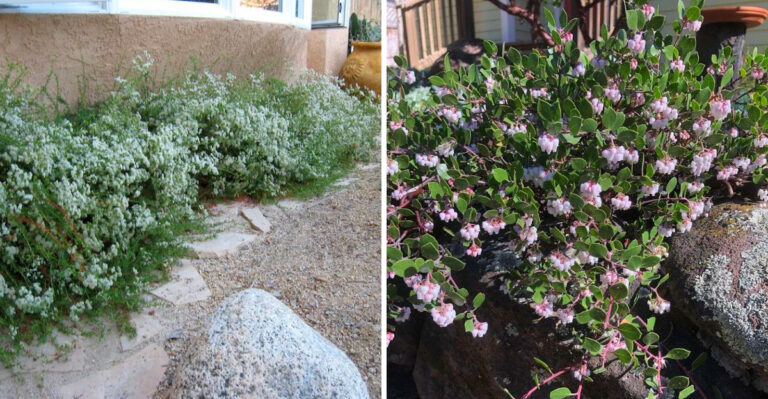
Low-growing plants like creeping thyme, ajuga, or vinca provide the perfect concealment for garter snakes seeking shelter from predators.
Ground covers create a dense mat of foliage that sits close to the soil, forming a natural roof over small spaces where snakes can rest undetected.
These plants offer both shade and protection, making them irresistible to reptiles looking for safe havens.
Birds of prey, coyotes, and domestic cats all pose threats to garter snakes, so they’ve evolved to seek out hiding spots that keep them out of sight.
Your carefully planted ground cover does exactly that, offering security while they digest meals or wait for cooler temperatures.
If you’re planting ground covers for erosion control or aesthetic purposes, be aware that you’re also creating snake-friendly zones.
This isn’t necessarily a bad thing, as snakes contribute to pest control and biodiversity.
However, if you prefer to minimize snake encounters near patios or play areas, consider using taller ornamental grasses or open mulch instead.
Keeping ground covers trimmed and maintaining clear sightlines can also reduce surprise meetings.
Balancing your landscaping choices with wildlife considerations helps you design a garden that meets your needs while respecting the creatures that call it home.
Ground covers are beautiful and functional, but understanding their appeal to snakes helps you plan more strategically.
They Help Control Pest Populations
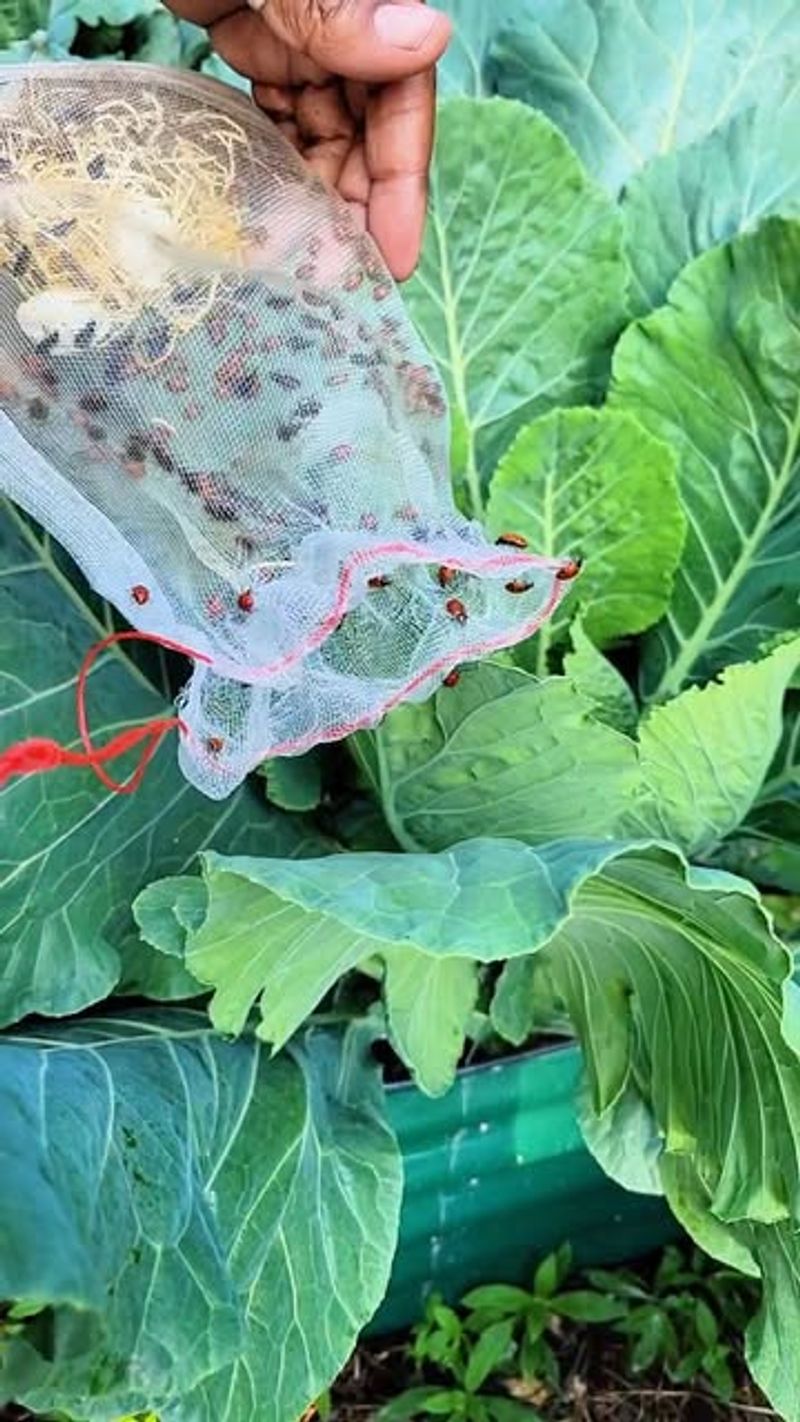
Garter snakes are nature’s pest control team, quietly working to keep your garden free from unwanted visitors.
They consume slugs that munch on your lettuce, snails that damage tender seedlings, and insects that can quickly multiply and overwhelm your plants.
By allowing snakes to patrol your garden, you’re reducing the need for chemical pesticides and creating a more organic growing environment.
Young rodents, including mice and voles, also fall prey to larger garter snakes, preventing these mammals from burrowing through your beds and nibbling on roots.
This natural predation keeps populations balanced without any effort on your part.
Gardens with healthy snake populations often have fewer pest problems overall because the food chain remains intact.
Snakes hunt during dawn, dusk, and nighttime hours when many pests are most active.
Their presence means you’re less likely to find your tomatoes riddled with slug trails or your strawberries nibbled by rodents.
Embracing this natural partnership saves you money on pest control products and reduces your environmental footprint.
If you’ve been struggling with persistent pest issues, consider whether removing or discouraging snakes might be contributing to the problem.
Sometimes the best solution is simply to let nature take its course and appreciate the hardworking reptiles that help maintain balance in your backyard ecosystem.
They Prefer Undisturbed Garden Areas
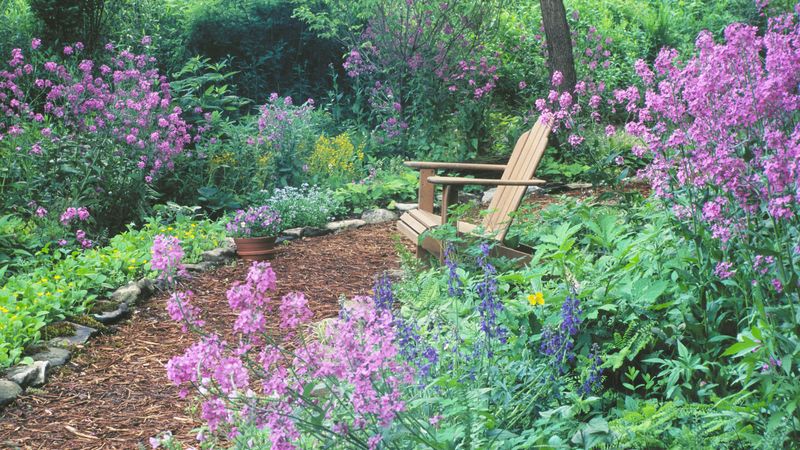
Garter snakes thrive in quiet corners of your garden where human activity is minimal and the environment remains stable.
Frequent pruning, digging, and rearranging of plants create disturbances that make snakes uncomfortable and encourage them to relocate.
If you notice snakes congregating in a particular area, it’s likely a spot you don’t visit often.
Compost piles, overgrown edges, and neglected flower beds all provide the undisturbed conditions snakes prefer.
These areas offer consistent shelter, reliable food sources, and minimal threats.
If you want to discourage snakes from certain parts of your property, increasing your activity level there can help.
Regular weeding, soil turning, and plant maintenance signal to snakes that the area isn’t safe for long-term residence.
On the other hand, if you appreciate having snakes around for pest control, designating a wilder section of your garden can give them a permanent home.
This approach allows you to enjoy both a manicured landscape and a thriving wildlife habitat.
Creating buffer zones between high-traffic areas and wild spaces helps everyone coexist peacefully.
Snakes get the quiet shelter they need, and you maintain clear, comfortable spaces for gardening and relaxation.
Understanding this preference for undisturbed environments gives you control over where snakes are likely to settle, making garden planning easier and more intentional.
Warmth Draws Them To Mulch And Soil
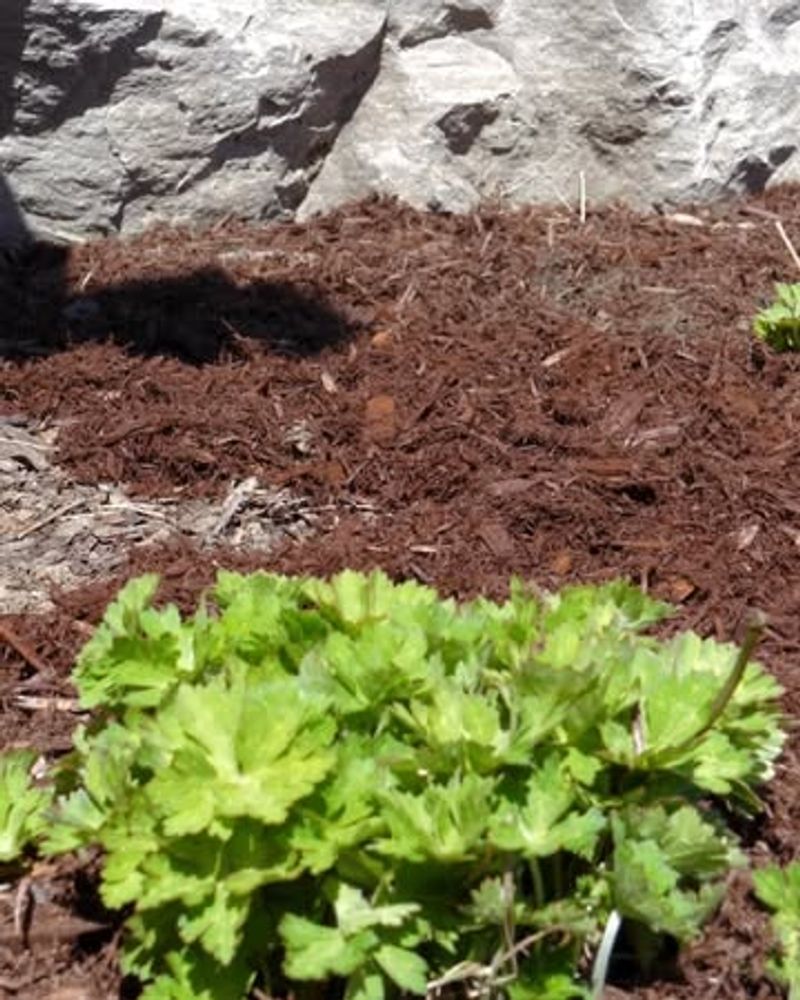
Garter snakes are ectothermic, meaning they rely on external heat sources to regulate their body temperature throughout the day.
Sun-warmed mulch, rocks, and bare soil patches become prime basking spots where snakes can absorb the heat they need to stay active and healthy.
California’s sunny climate provides plenty of opportunities for these reptiles to warm up quickly.
Morning hours often bring snakes out into open areas where sunlight has already heated surfaces.
You might spot one stretched across a garden path or draped over a warm stone.
Dark-colored mulches, like shredded bark or cocoa hulls, absorb and retain heat especially well, making them particularly attractive.
Snakes may burrow just beneath the surface of warm mulch to enjoy the heat while remaining partially hidden.
This behavior is completely normal and not a sign of aggression or territoriality.
Once their body temperature reaches the optimal range, snakes will move back into shade or cooler areas to prevent overheating.
If you’re working in your garden during cooler mornings, be mindful of mulched areas where snakes might be warming up.
A gentle tap with your tool or shuffling your feet can alert them to your presence.
Understanding this temperature-driven behavior helps you predict when and where you’re most likely to encounter snakes, allowing you to plan your gardening activities accordingly and avoid startling these beneficial reptiles.
Spring And Fall Are Peak Sighting Seasons
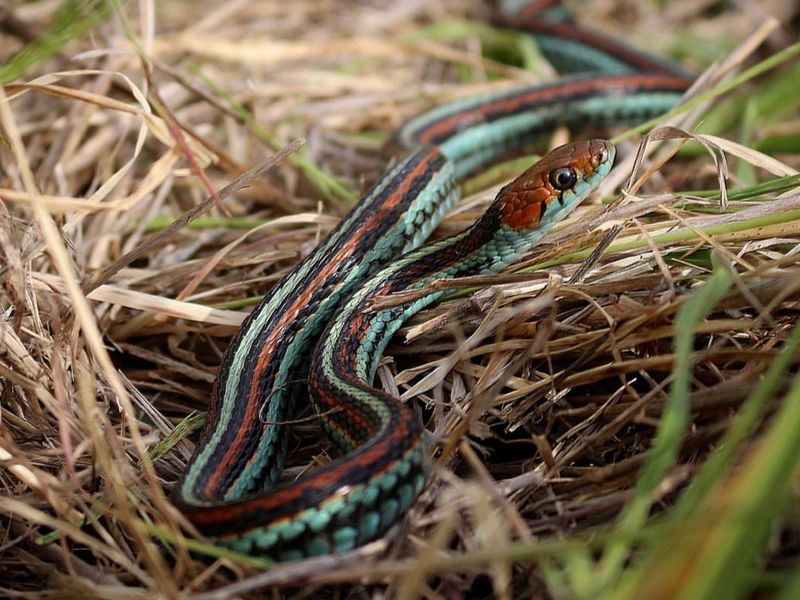
California’s mild spring and fall temperatures create ideal conditions for garter snake activity, making these seasons prime time for sightings.
During spring, snakes emerge from winter dormancy and begin actively hunting to replenish energy reserves.
They’re also searching for mates, which increases their movement and visibility throughout your garden.
Fall brings another surge of activity as snakes prepare for the cooler months ahead, eating as much as possible to build fat stores.
The moderate temperatures during these seasons allow snakes to remain active for longer periods without the extreme heat of summer or cold of winter.
Summer’s scorching temperatures often drive snakes into deeper shade or underground retreats, reducing the likelihood of encounters.
Winter brings dormancy in cooler regions, though California’s mild winters may keep some snakes sporadically active.
If you’re planning major garden projects, scheduling them for summer or winter might mean fewer snake interactions.
Conversely, spring and fall are excellent times to observe these fascinating creatures and appreciate their role in your garden’s ecosystem.
Being aware of seasonal patterns helps you stay alert during peak times while also allowing you to relax a bit during off-peak months.
This knowledge empowers you to garden confidently year-round while respecting the natural rhythms of the wildlife sharing your space.
Removing Shelter Encourages Them To Move On
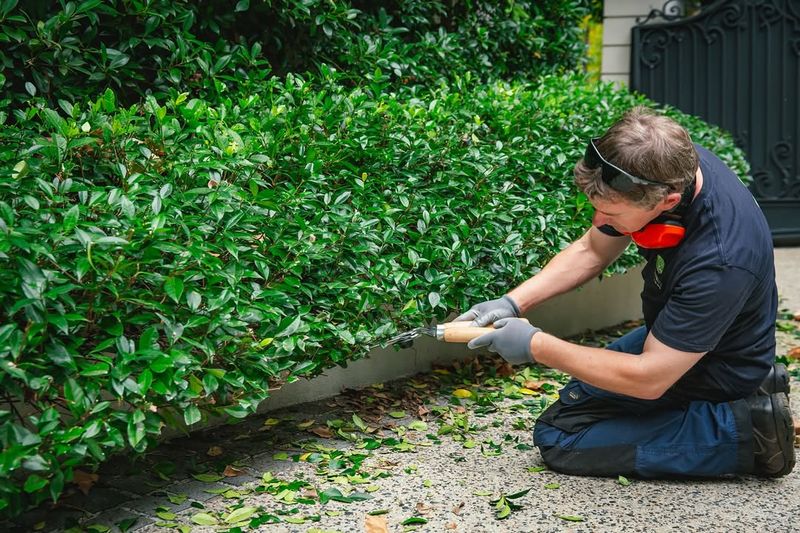
If you prefer to minimize garter snake presence in specific areas, habitat modification is the most effective and humane approach.
Clearing away piles of leaves, branches, boards, and other debris eliminates the sheltered spaces snakes find most appealing.
Thinning dense plantings and trimming back overgrown ground covers reduces hiding opportunities and makes the area less attractive.
Removing rock piles, unused pots, and stacked materials also helps, as these objects create the dark, protected spaces snakes seek.
Keeping your garden tidy and organized naturally discourages long-term snake residence.
However, it’s important to remember that snakes are mobile and will simply move to more suitable locations nearby.
Complete elimination is neither possible nor desirable, as these reptiles provide valuable pest control services.
Focus your efforts on areas where you spend the most time, like patios, play spaces, and main pathways.
Allowing wilder sections to remain undisturbed gives snakes alternative habitat while keeping your high-use zones clear.
Regular maintenance is key—snakes will return if conditions become favorable again.
Establishing a routine of debris removal and plant management helps maintain your preferred balance.
This approach respects both your comfort and the ecological role of garter snakes, creating a garden environment where everyone can thrive.
With thoughtful management, you can enjoy a beautiful, functional garden while coexisting peacefully with these helpful reptiles.