Why Wild Turkeys Are Showing Up In Pennsylvania Gardens This Season
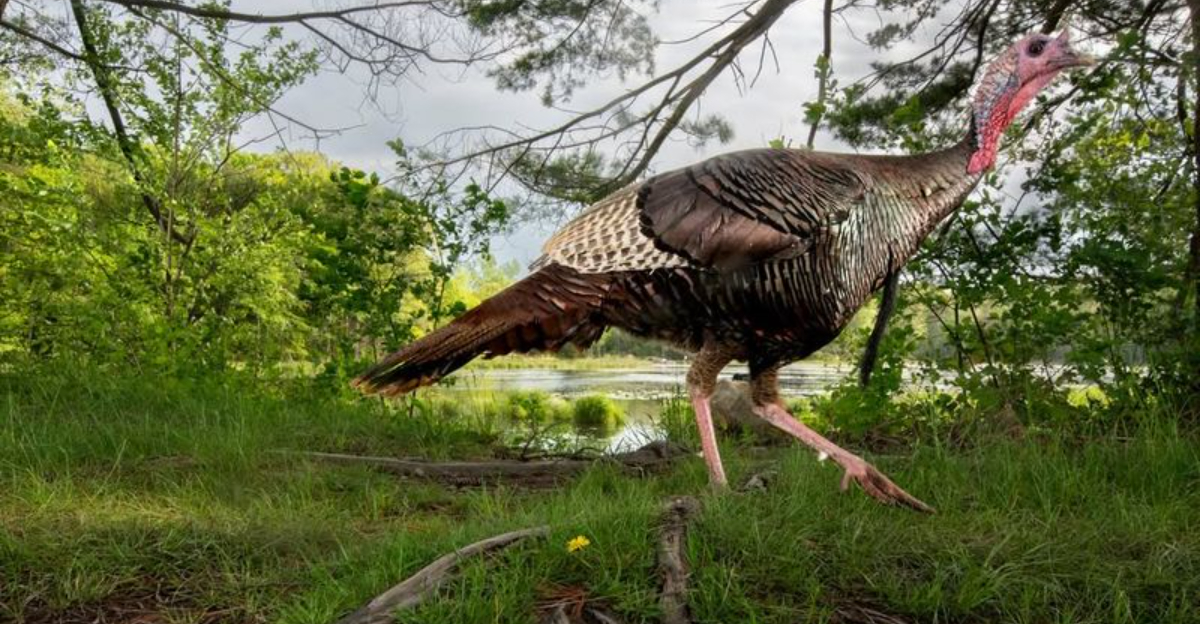
Wild turkeys are increasingly visible in Pennsylvania gardens as suburban development overlaps with their natural habitat.
Gardens offer abundant food sources such as seeds, insects, and tender plant growth, making them attractive for foraging.
Lawns and open beds also resemble the fields turkeys naturally prefer.
Seasonal factors like breeding activity and flock movements increase visibility in spring and fall.
Additionally, reduced hunting pressure in residential areas allows turkeys to feel safer near homes.
While their size can be intimidating, wild turkeys are generally cautious and avoid direct confrontation.
Problems usually arise from unintentional feeding or repeated visits.
Understanding why turkeys enter gardens helps homeowners take preventive measures when necessary while respecting state wildlife protections.
Awareness encourages coexistence and reduces conflict as wildlife adapts to changing landscapes.
Gardens Provide Easy Access To Food
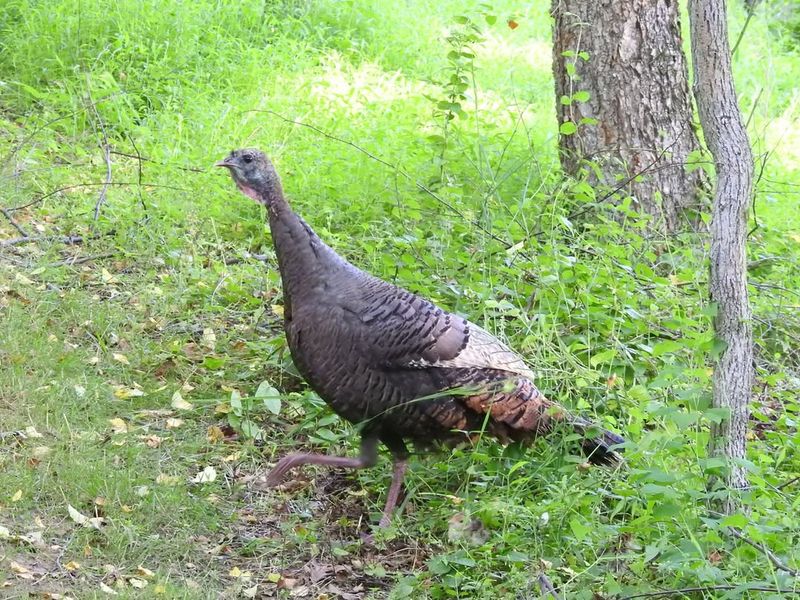
Pennsylvania gardens are like all-you-can-eat buffets for wild turkeys looking for their next meal.
Seeds scattered across flower beds, ripe berries hanging from bushes, and insects crawling through mulch create an irresistible combination that draws these birds right into residential areas.
Plant shoots and tender greens sprouting in vegetable patches add even more appeal to the menu.
Turkeys are opportunistic feeders, meaning they take advantage of whatever food sources are easiest to find.
Your carefully tended garden offers reliable nutrition without the effort required to forage in dense forests or compete with other wildlife in natural settings.
The variety of edible options in a typical yard means turkeys can meet their dietary needs in one convenient location.
During spring and summer, gardens become especially attractive as plants mature and insect populations explode.
Turkeys will spend hours methodically working through garden beds, scratching at soil and pecking at anything edible.
This behavior might frustrate gardeners, but it reflects the birds’ natural instinct to exploit abundant resources.
Homeowners who grow fruits, vegetables, or maintain diverse landscaping unintentionally create perfect turkey habitat.
The concentration of food in small spaces makes gardens far more efficient foraging grounds than wild areas where meals are spread out over larger territories.
Suburban Areas Reduce Hunting Pressure
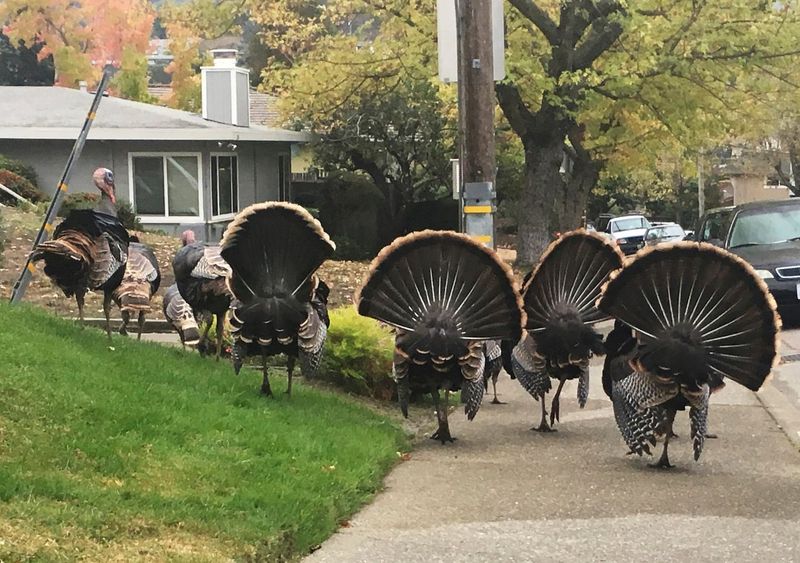
Safety ranks high on a turkey’s priority list, and suburban neighborhoods offer protection that rural landscapes cannot match.
Hunting regulations typically prohibit firearm discharge within residential zones, creating safe havens where turkeys can roam without fear of predators carrying weapons.
This legal protection transforms backyards into refuge zones that smart birds quickly learn to recognize and utilize.
Pennsylvania’s hunting seasons push turkeys to seek shelter in areas where human activity actually provides security rather than danger.
While rural properties might seem more natural, they expose turkeys to hunters during open seasons.
Suburban environments flip this equation, making human presence a protective barrier rather than a threat.
Turkeys possess excellent memories and spatial awareness, allowing them to distinguish between dangerous and safe territories.
Once a flock discovers that neighborhoods offer sanctuary, they pass this knowledge through their social groups.
Younger birds learn from experienced adults which areas provide the best combination of food and security.
Your Pennsylvania Garden Changes Every Week. Your Plan Should Too.
Gardening in Pennsylvania changes quickly throughout the season. Every Friday you’ll receive a simple weekly plan showing exactly what to plant, prune, fertilize, harvest, and protect so you never miss the right timing.
The reduced hunting pressure in residential zones has contributed to growing turkey populations in suburban Pennsylvania.
Birds that might have avoided human contact in previous generations now actively seek out these protected spaces.
This behavioral shift reflects wildlife adaptation to changing landscapes and the unintended consequences of zoning laws that separate hunting grounds from living spaces.
Mild Winters Increase Turkey Survival Rates
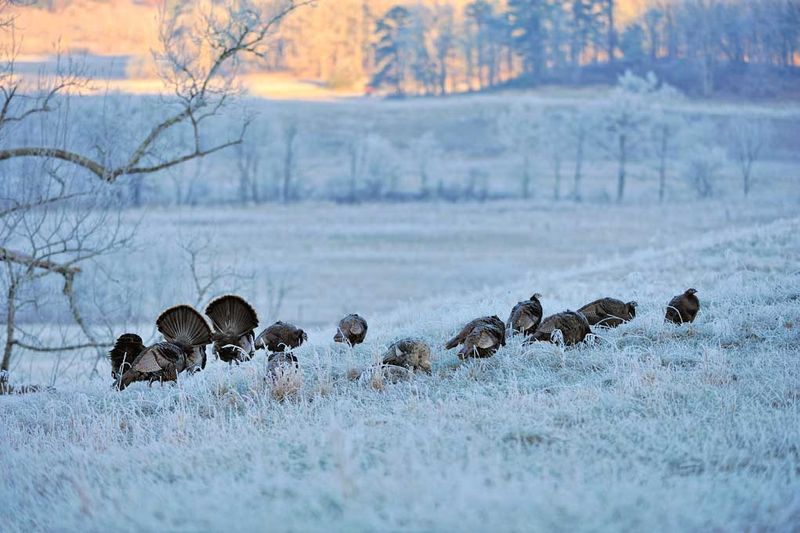
Weather patterns have shifted in recent years, bringing milder winters to Pennsylvania that help more turkeys survive through traditionally harsh months.
When temperatures stay moderate and snowfall remains light, turkeys conserve energy and maintain better body condition throughout the cold season.
This improved survival means larger populations emerge when spring arrives, leading to more birds exploring gardens and yards.
Harsh winters historically reduced turkey numbers through exposure, starvation, and increased vulnerability to predators.
Milder conditions remove these natural population controls, allowing more birds to reach breeding age and contribute to expanding flocks.
The seasonal transition from winter to spring now brings higher turkey densities into residential areas as survivors begin searching for food and mates.
Climate patterns that moderate winter severity also affect food availability throughout the year.
Extended growing seasons mean more plant material remains accessible longer, and insect populations rebound more quickly.
Turkeys entering spring in better physical condition exhibit bolder behavior and wider ranging movements as they seek optimal breeding territories.
The combination of higher survival rates and increased boldness creates a perfect storm for garden encounters.
Homeowners notice more turkeys simply because more turkeys exist in the local ecosystem.
This demographic shift reflects broader environmental changes that favor turkey populations across Pennsylvania and similar regions experiencing warming trends.
Lawns And Gardens Mimic Natural Foraging Spaces
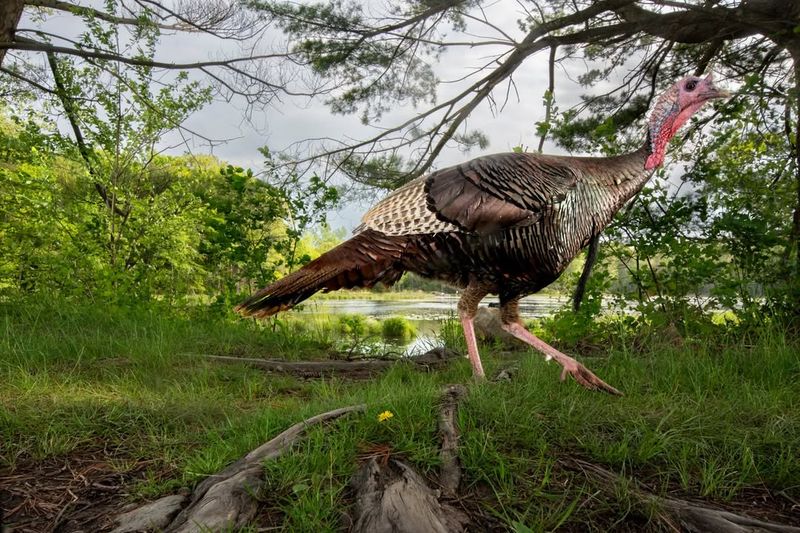
Open lawns bordered by shrubs and trees recreate the edge habitat that turkeys naturally prefer in wild settings.
These transitional zones between forest and field provide the perfect combination of visibility for spotting danger and nearby cover for quick escapes.
Your backyard essentially replicates the meadows and clearings where turkeys have evolved to feed for thousands of years.
Wild turkeys originally inhabited landscapes with mixed habitats where forests opened into grasslands and clearings.
Modern landscaping practices unintentionally mirror these preferred environments, with mowed grass serving as open feeding grounds and ornamental plantings offering shelter.
The similarity between designed yards and natural turkey habitat makes residential properties feel comfortable and familiar to these birds.
Turkeys use open ground for foraging because it allows them to see approaching threats while their heads are down searching for food.
Gardens with clear sightlines provide this security advantage while concentrating food resources in convenient locations.
The arrangement of most yards, with open centers and vegetated borders, matches the habitat structure turkeys actively seek.
Homeowners who maintain traditional lawn-and-garden layouts unknowingly create ideal turkey territory.
The birds perceive these spaces as natural extensions of their preferred habitat rather than human-dominated environments.
This comfortable familiarity encourages turkeys to linger longer and return more frequently, establishing gardens as regular stops on their daily foraging routes throughout Pennsylvania neighborhoods.
Bird Feeders Attract Turkeys Unintentionally
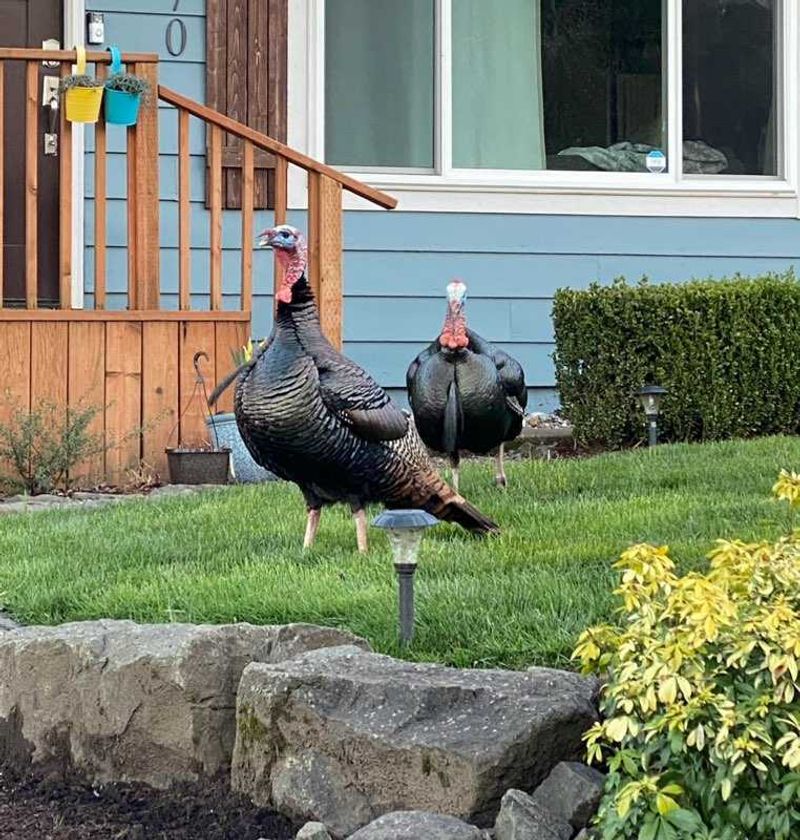
That bird feeder you hung to attract cardinals and chickadees is sending an open invitation to every turkey within hearing distance.
Seeds spilled beneath feeders accumulate on the ground, creating a concentrated food source that turkeys can easily access.
Sunflower seeds, cracked corn, and mixed birdseed all appeal to turkey appetites, drawing them directly into your yard.
Turkeys are primarily ground feeders, perfectly positioned to take advantage of the waste smaller birds scatter while eating at elevated feeders.
What seems like a minor mess to homeowners represents a significant food bonanza for turkeys, especially during seasons when natural food sources are scarce.
Once turkeys discover a reliable feeding station, they incorporate it into their daily routines and visit regularly.
The problem compounds when multiple neighbors maintain bird feeders in close proximity.
Turkeys learn to circuit through neighborhoods, visiting each feeding station in turn to maximize their intake.
This pattern brings them into contact with gardens, landscaping, and other yard features they might otherwise overlook.
Many homeowners remain unaware that their bird-feeding hobby contributes to turkey visitation.
The connection between scattered seed and turkey presence is not always obvious until someone observes the birds methodically cleaning up beneath feeders.
Reducing spillage or temporarily removing feeders can decrease turkey traffic, but the birds’ excellent memories mean they will return periodically to check whether the food source has been restored.
Gardens Offer Shelter Near Tree Lines
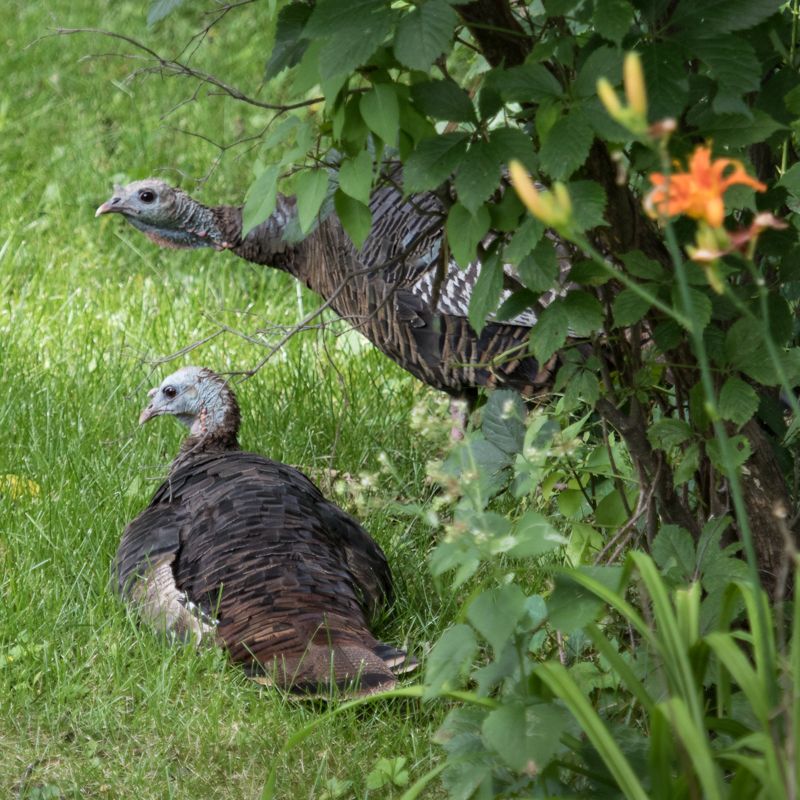
Security matters immensely to turkeys, and gardens positioned near wooded edges provide the perfect combination of food access and escape routes.
Birds can venture into open yards to feed while maintaining close proximity to trees where they can roost or flee if threatened.
This strategic positioning allows turkeys to exploit garden resources while minimizing risk, making edge properties especially attractive.
Turkeys roost in trees at night to avoid ground predators, so properties offering both feeding grounds and suitable roosting trees become prime real estate.
Gardens located within a short walk of forest cover allow turkeys to feed during the day and retreat to safety as evening approaches.
The convenience of having all their needs met in one location encourages turkeys to establish territories that include residential yards.
Tree lines also provide travel corridors that turkeys use to move between feeding areas.
Gardens along these natural highways experience more turkey traffic as birds pass through on their way to other destinations.
The combination of pathway and destination makes edge properties especially prone to regular turkey visits.
Homeowners living near wooded areas should expect more frequent turkey encounters than those in fully developed neighborhoods.
The proximity to natural habitat creates a blurred boundary where wild and residential spaces overlap.
Turkeys take full advantage of this overlap, treating edge gardens as extensions of their woodland territories rather than separate human domains.
Breeding Season Increases Movement And Visibility
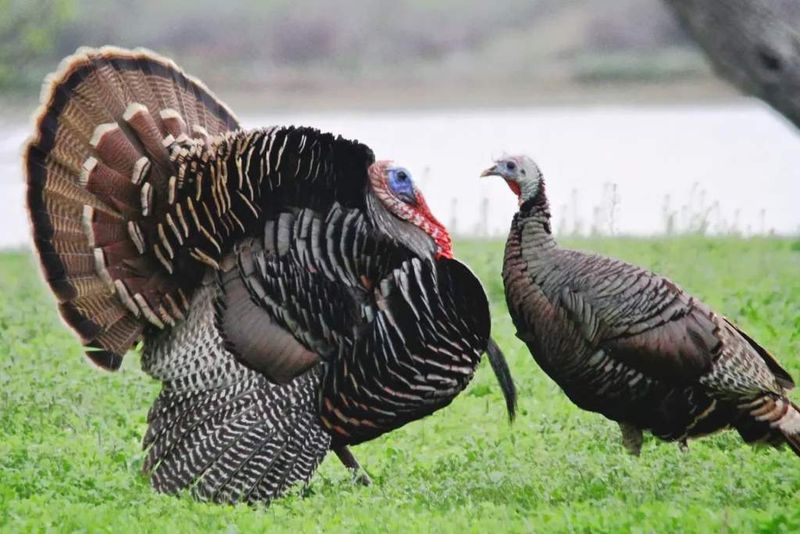
Spring breeding season transforms normally cautious turkeys into bold explorers willing to venture into unfamiliar territories.
Male turkeys, called toms, expand their ranging patterns dramatically as they search for females and compete with rivals.
This increased movement brings turkeys into gardens they might normally avoid, creating surprise encounters for homeowners who have never seen these birds before.
Courtship behavior makes turkeys more visible and less wary of human presence during breeding months.
Displaying toms focus intensely on attracting females, sometimes strutting across lawns and driveways with little regard for nearby people.
The biological imperative to reproduce temporarily overrides their usual caution, leading to seemingly fearless behavior in residential areas.
Female turkeys also range more widely during breeding season as they search for suitable nesting sites.
Gardens with dense shrubs, ornamental grasses, or undisturbed corners may attract hens looking for protected spots to lay eggs.
Once a female establishes a nest near a garden, she will frequent the area throughout incubation and while raising her young.
The timing of breeding season coincides with spring garden preparation, increasing the likelihood of human-turkey encounters.
Homeowners working in their yards during March through May are more likely to spot turkeys than during other months.
This seasonal overlap creates the impression that turkey populations have suddenly exploded, when in reality the birds are simply more active and visible during their reproductive cycle.
Insects Are Abundant In Landscaped Soil
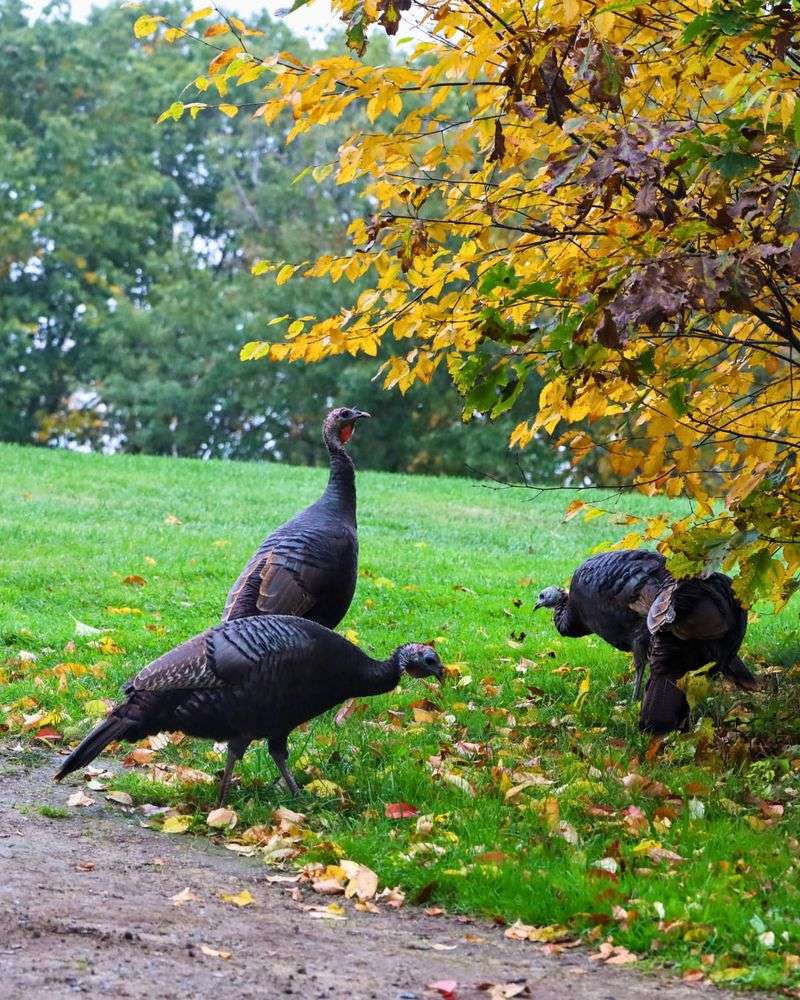
Mulched garden beds and well-watered landscaping create perfect breeding grounds for insects that turkeys eagerly consume for protein.
Beetles, grubs, earthworms, and countless other invertebrates thrive in the moist, nutrient-rich soil that gardeners carefully maintain.
Turkeys recognize these areas as premium hunting grounds and will spend considerable time methodically searching through mulch and topsoil.
Protein requirements increase during breeding season and while raising young, making insect-rich gardens especially attractive during spring and summer.
A single turkey can consume hundreds of insects in a feeding session, and landscaped beds offer concentrated populations that make hunting efficient.
The birds use their strong feet to scratch through mulch layers, exposing hidden insects that would be difficult to find in natural settings.
Gardens treated with organic practices tend to support even larger insect populations, ironically making them more attractive to turkeys.
Homeowners who avoid pesticides unintentionally create ideal turkey habitat by maintaining robust insect communities.
The birds benefit from this abundance while gardeners may struggle with the damage turkeys cause while excavating their carefully arranged mulch.
Watering schedules that keep soil moist further enhance insect populations and turkey appeal.
Irrigation brings earthworms to the surface and maintains conditions favorable for various beetle larvae and other invertebrates.
Turkeys quickly learn which gardens offer the best insect hunting and return regularly to exploit these reliable protein sources throughout Pennsylvania’s growing season.
Low Human Activity During Certain Hours
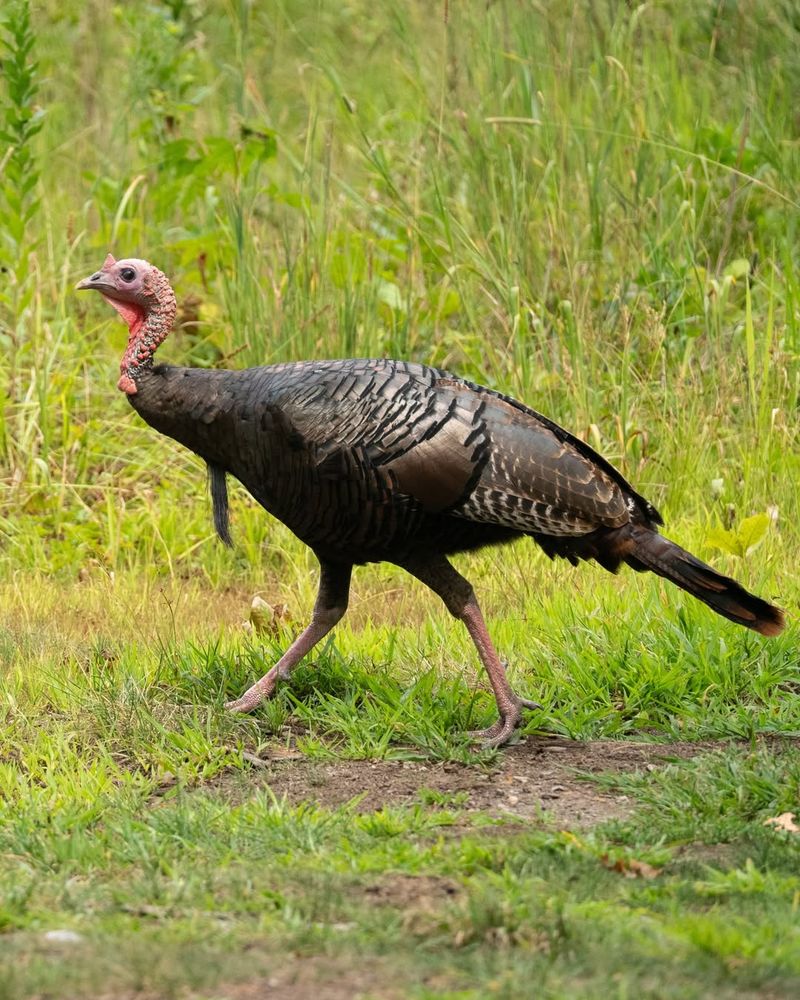
Early morning and evening hours offer turkeys quiet windows when most people remain indoors, allowing cautious exploration of otherwise busy yards.
Turkeys learn neighborhood schedules remarkably well, timing their garden visits to coincide with periods of minimal human disturbance.
Dawn and dusk provide optimal foraging conditions with reduced foot traffic, car movement, and outdoor activities that might spook these wary birds.
Many homeowners never realize turkeys visit their properties because the birds arrive and depart during hours when humans are typically inside.
Morning coffee and evening dinner routines keep people away from windows during peak turkey activity times.
Only those who happen to glance outside at the right moment witness the regular visits that turkeys make to their gardens.
Weekday patterns differ from weekends, with turkeys adjusting their behavior based on observed human activity levels.
Properties that remain quiet during work hours receive more daytime turkey traffic than those with home-based workers or retirees who spend time outdoors.
This adaptive behavior demonstrates the birds’ intelligence and ability to minimize risk while maximizing feeding opportunities.
Remote work trends have altered some turkey patterns as more people remain home throughout the day.
Birds that previously enjoyed undisturbed access to certain gardens have had to adjust their schedules or seek alternative feeding locations.
However, most turkeys successfully adapt to changing human patterns, finding new timing windows that allow them to continue exploiting garden resources across Pennsylvania neighborhoods.
Habitat Loss Pushes Turkeys Into Residential Spaces
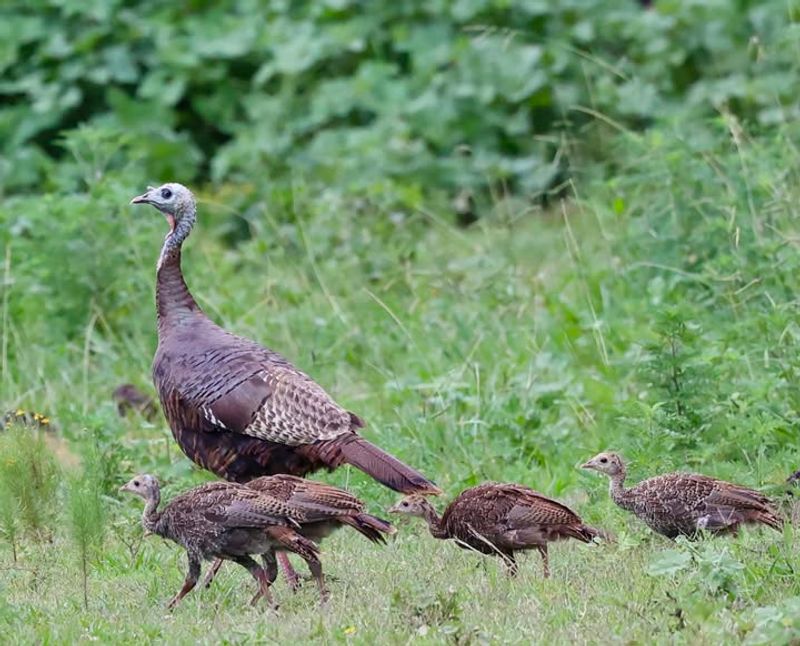
Development across Pennsylvania continues to convert forests and fields into housing subdivisions, shopping centers, and commercial properties.
This ongoing habitat loss forces wildlife, including turkeys, to adapt by incorporating residential areas into their territories.
Birds that once thrived in purely wild settings now must navigate landscapes dominated by human structures and activities.
As natural spaces shrink, remaining turkey populations concentrate in smaller areas with higher densities.
This crowding pushes some birds to explore alternative habitats, including suburban gardens that previous generations of turkeys might have avoided.
The pressure to find adequate food, water, and shelter drives innovation in turkey behavior and habitat use.
Interestingly, some turkey populations thrive in suburban environments once they adapt to human presence.
Gardens and landscaped areas can actually provide more concentrated food resources than natural habitats, and reduced predator populations in residential zones improve survival rates.
What begins as forced adaptation sometimes results in turkeys preferring suburban territories over traditional wild spaces.
The trend toward larger lot sizes and conservation-minded landscaping in some Pennsylvania developments creates hybrid habitats that blend natural and residential features.
These properties offer the best of both worlds from a turkey perspective, combining human-provided resources with naturalistic cover and space.
As development patterns evolve, turkey-human interactions will likely continue increasing, making understanding and coexistence increasingly important for Pennsylvania residents.