Japanese Inspired Garden Design Is Becoming Popular In Washington
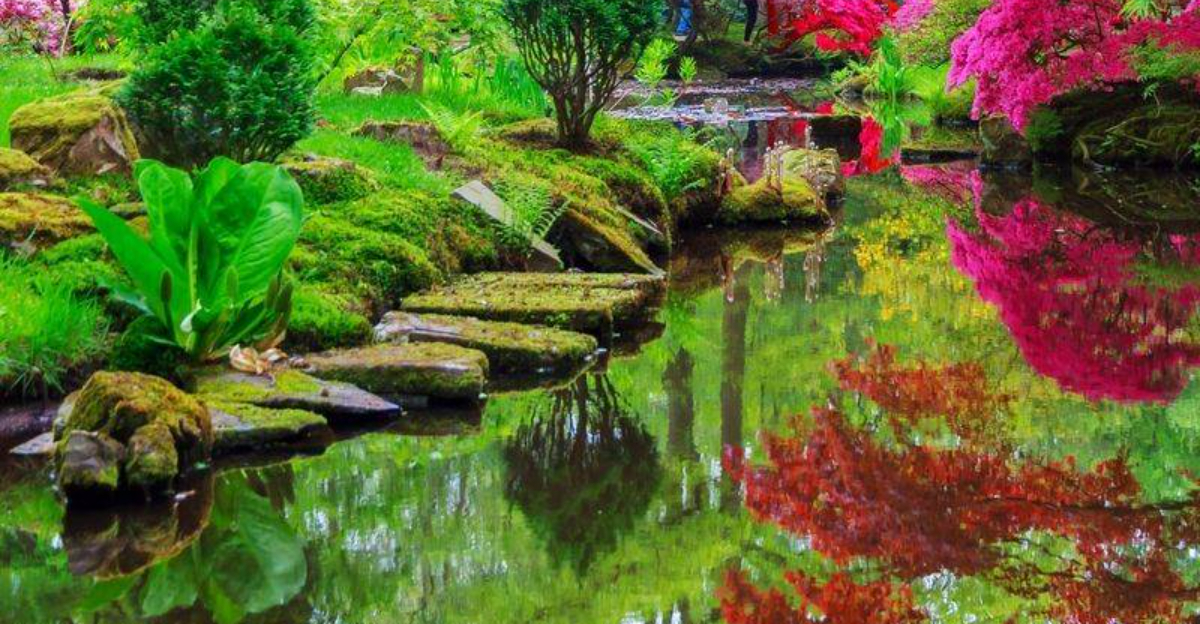
Washington’s climate aligns naturally with the principles of Japanese inspired garden design.
Frequent rain, mild temperatures, and shade support mosses, evergreen plants, and layered textures.
Homeowners increasingly seek low maintenance landscapes that emphasize calm, balance, and year-round interest.
Japanese inspired gardens focus on natural materials like stone, gravel, and wood, which blend seamlessly with the Pacific Northwest environment.
These designs also adapt well to small yards and urban spaces, making them practical as well as beautiful.
Growing cultural appreciation and exposure through travel and media further drive interest.
Understanding why this design style is rising helps homeowners create outdoor spaces that feel peaceful and connected to nature.
Washington’s Climate Supports Moss And Evergreen Plantings
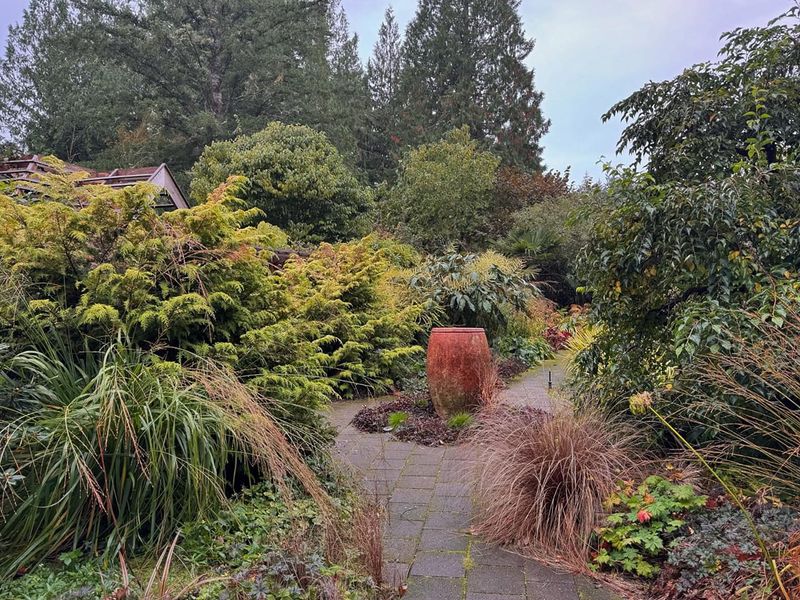
Moss thrives in Washington’s damp climate, creating the soft green carpets that define authentic Japanese garden aesthetics.
While gardeners in drier states struggle to keep moss alive, Washington residents enjoy natural conditions that encourage it to spread across stones, pathways, and shaded corners without much effort.
The state’s frequent rain and mild temperatures create an ideal environment where moss varieties flourish alongside ferns and other moisture-loving plants.
Evergreen trees and shrubs form the backbone of Japanese garden design, providing structure that looks beautiful throughout all seasons.
Washington’s native evergreens like Douglas fir and western red cedar blend seamlessly with traditional Japanese choices such as pine and bamboo.
These plants maintain their rich green color even during winter months when deciduous trees lose their leaves.
Homeowners appreciate how little maintenance these gardens require compared to lawns that need constant mowing and fertilizing.
The combination of moss and evergreens creates layers of texture and depth that change subtly with shifting light and weather.
Morning fog settles beautifully among the plants, enhancing the mysterious, peaceful quality that Japanese gardens are known for.
This natural compatibility between Washington’s environment and Japanese garden plants makes the design style feel less like an imported concept and more like a natural expression of the region’s character.
Low Maintenance Design Appeals To Modern Homeowners
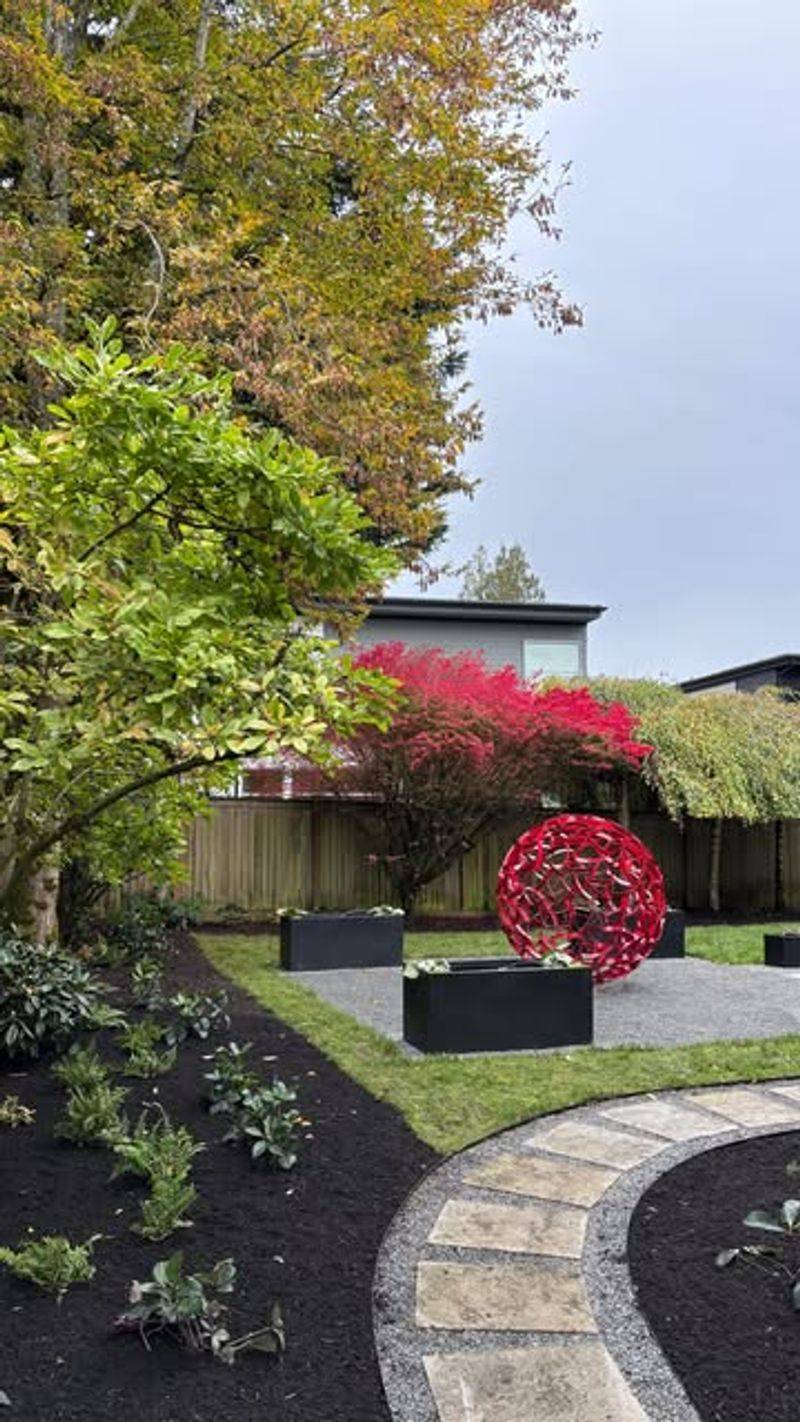
Busy professionals and families are choosing Japanese gardens because they require far less upkeep than traditional American landscapes.
Instead of spending weekends mowing grass and pulling weeds from flower beds, homeowners can enjoy their outdoor spaces with minimal intervention.
Japanese design principles emphasize simplicity and restraint, which translates to fewer plants that need constant attention.
Strategic placement of rocks, gravel, and carefully selected evergreens creates visual interest without demanding weekly pruning or seasonal replanting.
Many Japanese garden plants grow slowly and maintain their shape naturally, reducing the need for frequent trimming.
Ground covers like moss suppress weeds while adding beauty, eliminating the need for chemical treatments or endless weeding sessions.
Gravel paths stay clean and defined without edging or resurfacing, and stone elements never need replacement or repair.
This practical approach suits Washington homeowners who want attractive yards but lack time for intensive gardening.
The philosophy of doing more with less resonates with people seeking balance between work, family, and personal time.
Your Washington Garden Changes Every Week. Your Plan Should Too.
Gardening in Washington changes quickly throughout the season. Every Friday you’ll receive a simple weekly plan showing exactly what to plant, prune, fertilize, harvest, and protect so you never miss the right timing.
Rather than viewing their yards as projects requiring constant effort, homeowners can treat them as restful spaces that largely care for themselves.
This shift in perspective transforms outdoor areas from sources of stress into places of genuine relaxation and enjoyment.
Natural Materials Blend Well With Northwest Landscapes
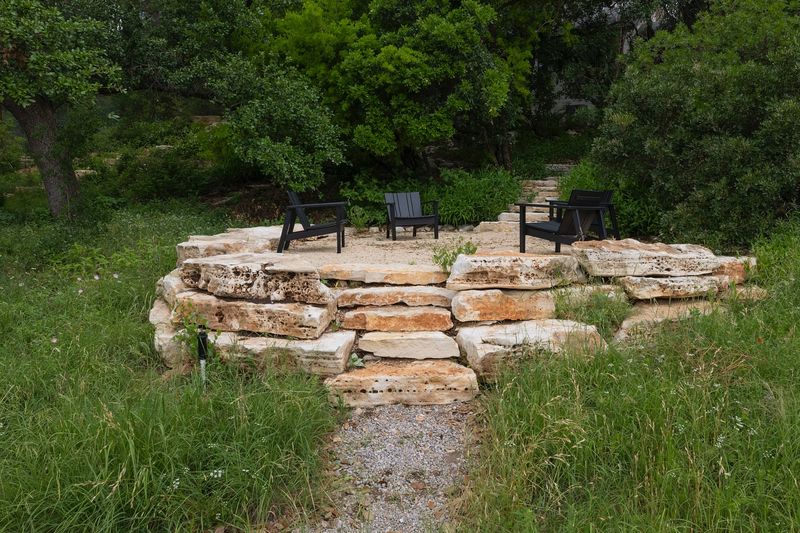
Stone, wood, and gravel—the essential materials of Japanese garden design—look completely at home in Washington’s rugged, natural settings.
River rocks found throughout the state echo the smooth stones used in traditional Japanese gardens, creating visual harmony between cultivated spaces and wild surroundings.
Weathered wood fences and gates complement the cedar and fir forests that define much of Washington’s landscape.
These organic materials age gracefully, developing patinas and textures that enhance their beauty over time rather than requiring replacement.
Unlike plastic or synthetic elements that look out of place and deteriorate quickly, natural materials improve with age and weather.
Gravel paths made from local stone blend seamlessly with Washington’s geological character while providing excellent drainage during rainy seasons.
Boulders and larger stones can be sourced regionally, reducing costs and environmental impact while ensuring they match the local aesthetic.
Wood structures like pergolas, bridges, and benches use materials that Washington residents understand and appreciate, connecting garden design to regional building traditions.
The emphasis on natural, unprocessed materials aligns with the Pacific Northwest’s environmental values and appreciation for authentic, honest design.
Homeowners find that Japanese gardens feel like natural extensions of Washington’s forests and mountains rather than artificial constructions imposed on the landscape.
This seamless integration makes the gardens feel timeless and rooted in place.
Evergreen Structure Provides Year Round Beauty

Gray Washington winters can make traditional gardens look bare and lifeless, but Japanese gardens maintain their appeal throughout every season.
Evergreen plants provide constant structure and color, ensuring yards remain attractive even during the darkest, rainiest months.
Carefully pruned pines, shaped azaleas, and architectural bamboo create visual interest that doesn’t disappear when temperatures drop.
This year-round beauty matters especially in Washington, where residents spend significant time indoors looking out at their yards during long winter months.
A thoughtfully designed Japanese garden offers something pleasant to view from kitchen windows and living rooms regardless of the season.
Snow occasionally dusts evergreen branches, creating stunning scenes that highlight the garden’s sculptural qualities.
Frost outlines leaf edges and emphasizes the textures of bark and stone in ways that summer growth often hides.
Spring brings subtle changes as new growth emerges on established plants rather than dramatic transformations that leave gardens looking completely different.
This consistency provides a sense of stability and permanence that many homeowners find comforting.
Summer showcases the lush greens at their deepest and richest, while autumn adds occasional splashes of color from carefully placed maples or other deciduous accents.
The garden’s fundamental character remains recognizable throughout the year, creating a reliable source of beauty that doesn’t require seasonal reinvention or extensive replanting.
Homeowners Seek Calming Outdoor Spaces
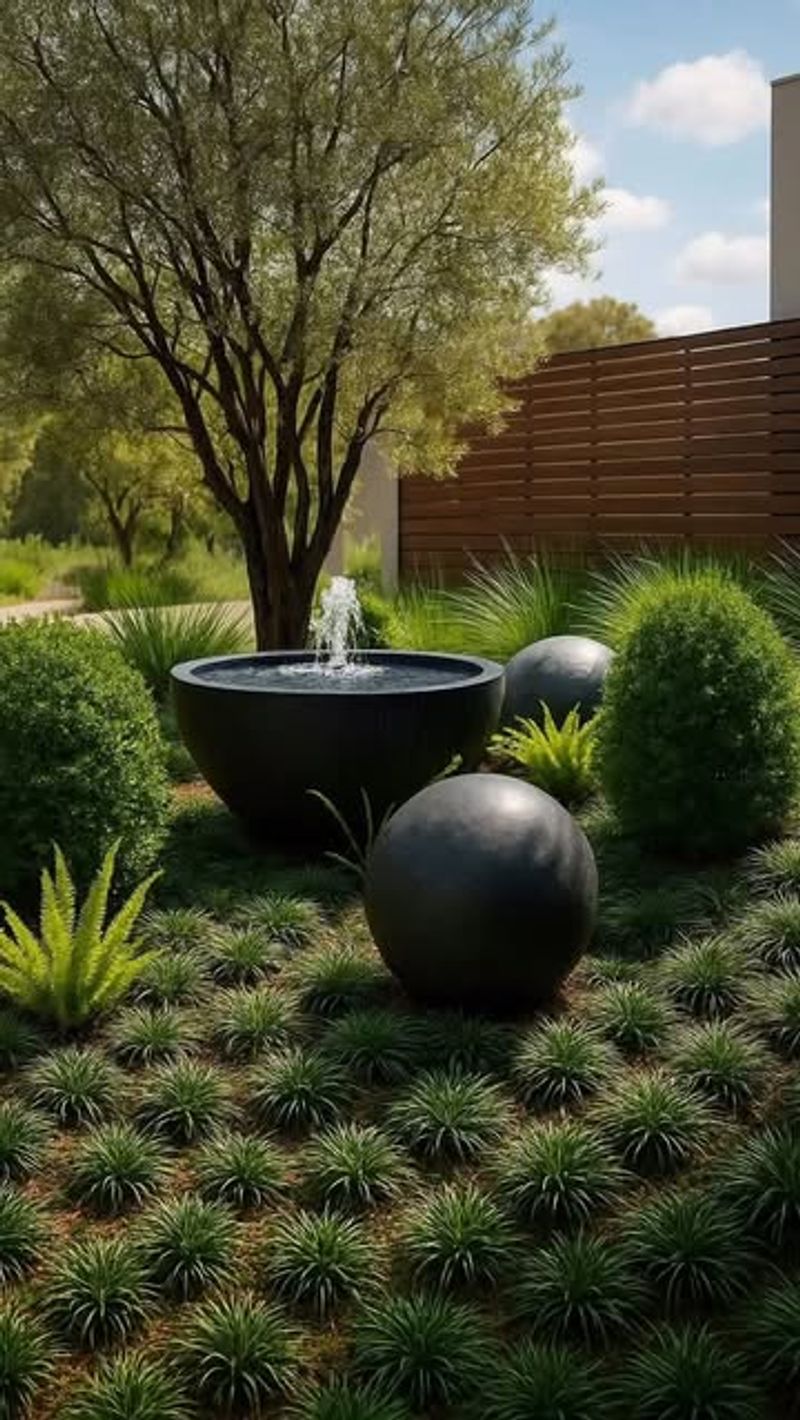
Modern life brings constant noise, notifications, and demands that leave people craving quiet places to restore their mental energy.
Japanese garden design specifically aims to create tranquil environments that encourage reflection and reduce stress.
The careful balance of elements—plants, stones, water, and empty space—produces a sense of harmony that helps visitors feel more centered and peaceful.
Washington homeowners are transforming their yards into personal sanctuaries where they can escape from work pressures and information overload.
Simple water features provide soothing sounds that mask traffic noise and neighborhood activity.
Winding paths invite slow, mindful walking that contrasts sharply with the rushed pace of daily routines.
Seating areas positioned to frame particular views encourage people to pause, sit, and simply observe their surroundings without feeling the need to constantly do something productive.
The minimalist aesthetic eliminates visual clutter that can feel overwhelming, replacing it with clean lines and intentional arrangements.
This simplicity extends the calming effect, making the garden feel like a complete break from cluttered homes and busy streets.
Many homeowners report that spending even fifteen minutes in their Japanese-inspired gardens significantly improves their mood and reduces anxiety.
The gardens function as outdoor therapy spaces that support mental health without requiring appointments or special equipment, just quiet presence and natural beauty.
Shade Tolerant Plants Suit Common Yard Conditions
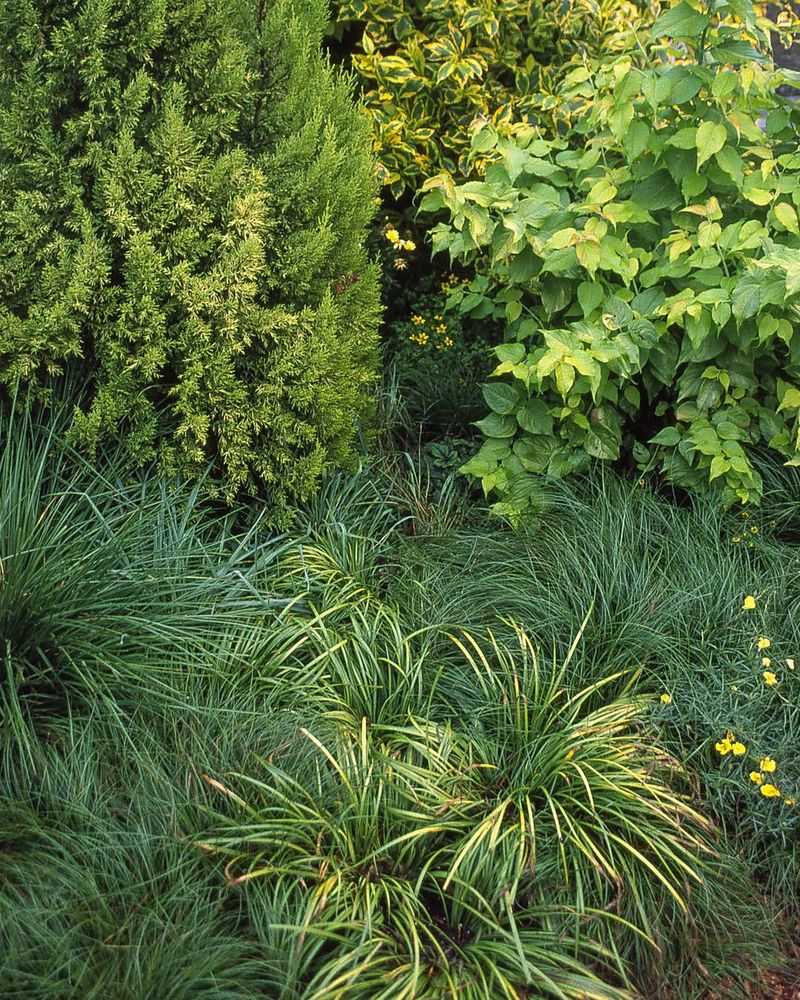
Many Washington yards sit beneath mature trees that cast deep shade, making it challenging to grow sun-loving plants and traditional lawns.
Japanese garden design celebrates shade rather than fighting against it, featuring plants that actually prefer filtered light and cooler conditions.
Ferns, hostas, and certain bamboo varieties thrive in shadows that would leave roses and petunias struggling.
Homeowners no longer need to remove trees or constantly battle with grass that won’t grow under branches.
Instead, they can work with existing conditions to create beautiful spaces that feel natural and appropriate for their properties.
Shade gardens often feel cooler and more comfortable during summer months, providing pleasant outdoor areas even on warm days.
The filtered light creates subtle, changing patterns throughout the day as sun moves through leaves and branches overhead.
Many shade-tolerant plants require less water than sun-loving varieties, making them practical choices for conservation-minded gardeners.
Their leaves tend to be larger and more dramatic, creating bold textures that add visual interest to shaded areas.
Japanese design principles embrace the qualities of shade—mystery, coolness, and quiet—rather than viewing it as a problem to solve.
This perspective shift helps homeowners appreciate rather than resent the trees that make their properties feel established and mature, integrating them into garden designs that enhance rather than compete with existing features.
Drought Conscious Planting Aligns With Conservation Efforts

Water conservation has become increasingly important in Washington, especially during summer months when rainfall decreases and reservoirs shrink.
Japanese garden design naturally supports water-saving goals through thoughtful plant selection and strategic use of gravel and stone.
Many traditional Japanese plants evolved in environments with seasonal dry periods, making them naturally adapted to survive with less frequent watering.
Gravel areas and stone arrangements reduce the overall planted area, decreasing irrigation needs while adding visual interest.
When water features are included, they typically recirculate rather than consuming fresh water continuously.
Native Washington plants that share characteristics with Japanese species can be substituted, creating authentic-looking gardens that require even less supplemental watering.
Mulching with organic materials or gravel helps soil retain moisture, reducing how often homeowners need to water.
The emphasis on evergreens rather than thirsty annuals means plants establish deep root systems that access moisture more efficiently.
Grouping plants with similar water needs allows for targeted irrigation rather than wasteful blanket watering.
This approach aligns perfectly with Washington’s growing environmental awareness and desire to reduce water consumption.
Homeowners appreciate that they can create beautiful outdoor spaces without guilt about wasting precious resources.
Japanese gardens prove that conservation and beauty aren’t opposing goals but can work together to produce landscapes that are both responsible and visually stunning.
Small Spaces Benefit From Intentional Design
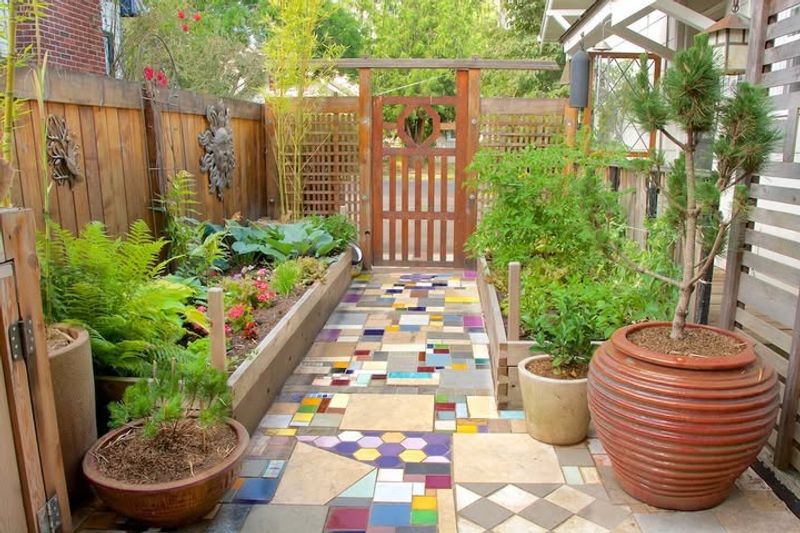
Urban Washington properties often feature small yards that feel cramped when filled with typical lawn furniture and random plantings.
Japanese garden principles excel at making limited spaces feel larger and more purposeful through careful planning and intentional choices.
Every element serves a specific purpose, eliminating the clutter that makes small areas feel even more confined.
Vertical elements like bamboo screens and trained evergreens draw the eye upward, creating a sense of height that expands the perceived space.
Winding paths make yards feel larger by preventing visitors from seeing the entire garden at once.
Strategic placement of focal points—a beautiful stone, a small tree, a water basin—gives the eye places to rest and creates multiple zones within a compact area.
Mirrors, when used subtly, can reflect light and greenery to make spaces feel more open.
The minimalist approach prevents small gardens from feeling overcrowded or chaotic, using fewer plants arranged more thoughtfully rather than cramming in everything possible.
Layering plants at different heights creates depth and complexity without requiring extensive square footage.
Many Washington homeowners discover that their tiny yards become their favorite spaces after applying Japanese design principles.
The gardens feel like hidden retreats rather than awkward leftover spaces, proving that size matters far less than thoughtful design and intentional use of every square foot available.
Cultural Appreciation Has Increased Interest

Growing exposure to Japanese culture through travel, media, and local cultural institutions has sparked genuine interest in traditional garden design.
Washington residents who visit Japan return inspired by the gardens they experienced, wanting to recreate elements of that beauty at home.
Popular shows, books, and social media accounts dedicated to Japanese aesthetics introduce design principles to people who might never travel internationally.
Local Japanese gardens like the one in Seattle’s Washington Park Arboretum serve as educational resources where people learn about design philosophy and plant choices.
Cultural festivals and garden tours provide hands-on exposure that transforms abstract interest into concrete understanding.
This appreciation goes beyond superficial copying, encouraging homeowners to understand the meanings and intentions behind design choices.
Many people discover that Japanese garden philosophy resonates with their own values around simplicity, mindfulness, and connection to nature.
The popularity of minimalism in interior design naturally extends outdoors, where Japanese gardens offer the same clean, uncluttered aesthetic.
Books and workshops taught by knowledgeable designers help enthusiasts avoid common mistakes and create authentic-feeling spaces.
Washington’s diverse population includes many people with direct connections to Japanese culture who share knowledge and traditions with interested neighbors.
This cultural exchange enriches communities while spreading appreciation for design approaches that differ from typical American landscaping, creating yards that reflect broader perspectives and deeper engagement with gardening as an art form.
Local Designers Offer Region Adapted Layouts

Skilled landscape designers throughout Washington now specialize in creating Japanese-inspired gardens specifically adapted to regional conditions.
These professionals understand both traditional Japanese design principles and the unique challenges of Washington’s climate, soil, and available plants.
Rather than copying gardens designed for Japan’s environment, they modify approaches to work with Pacific Northwest realities.
Designers know which native Washington plants can substitute for traditional Japanese species, creating authentic-looking gardens that thrive without excessive maintenance.
They understand local building codes, HOA restrictions, and practical considerations that homeowners might overlook.
Professional expertise helps avoid costly mistakes like choosing plants that won’t survive Washington winters or creating drainage problems that damage property.
Designers can source materials locally, reducing costs and environmental impact while ensuring elements match regional character.
Many offer maintenance plans that help homeowners care for their gardens properly, teaching pruning techniques and seasonal tasks.
This professional support makes Japanese garden design accessible to people without extensive horticultural knowledge or experience.
The growing number of qualified designers indicates strong demand and helps establish Japanese-inspired gardens as a mainstream choice rather than an exotic oddity.
Homeowners gain confidence knowing that experts understand how to create gardens that honor Japanese traditions while functioning beautifully in Washington’s specific environment, bridging cultural inspiration with practical regional adaptation.