An Invasive Vine Is Reappearing In Tennessee Neighborhoods — Here’s What To Watch For
Kudzu is making a comeback in Tennessee neighborhoods, and residents need to stay alert.
This fast-growing vine can cover entire buildings, trees, and power lines in just weeks, causing serious problems for homeowners and local ecosystems.
Originally brought from Japan to control soil erosion, kudzu now threatens native plants and property across the state.
Knowing what to look for can help you protect your yard and community from this aggressive invader.
Rapid Growth That Covers Everything In Sight
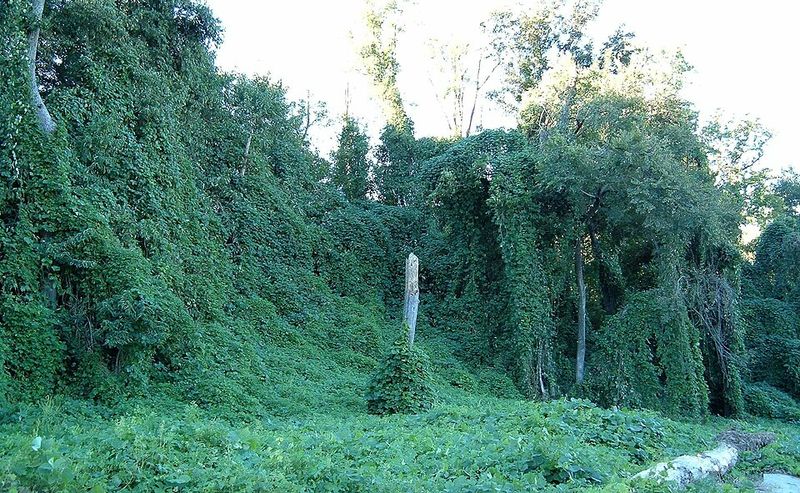
Kudzu earns its nickname as the vine that ate the South because it grows at an astonishing rate of up to one foot per day during peak summer months.
This aggressive growth pattern allows the vine to quickly blanket trees, shrubs, buildings, and anything else in its path.
Tennessee homeowners often wake up to find their fences, mailboxes, or even cars partially covered if they park near infested areas.
The vine sends out runners that root wherever they touch soil, creating new growth points that spread outward in all directions.
Once established, kudzu forms dense mats that block sunlight from reaching plants underneath, essentially smothering native vegetation.
Property values can decline when kudzu takes over yards and structures, making homes look abandoned or poorly maintained.
Catching kudzu early, before it establishes a massive root system, makes removal much easier and less expensive.
Regular yard inspections in Tennessee communities can help identify new kudzu shoots before they become unmanageable problems.
The sheer speed of kudzu growth means even a weekend away can result in noticeable spread across your property.
Vigilance is your best defense against this relentless invader.
Large Three-Lobed Leaves That Look Distinctive

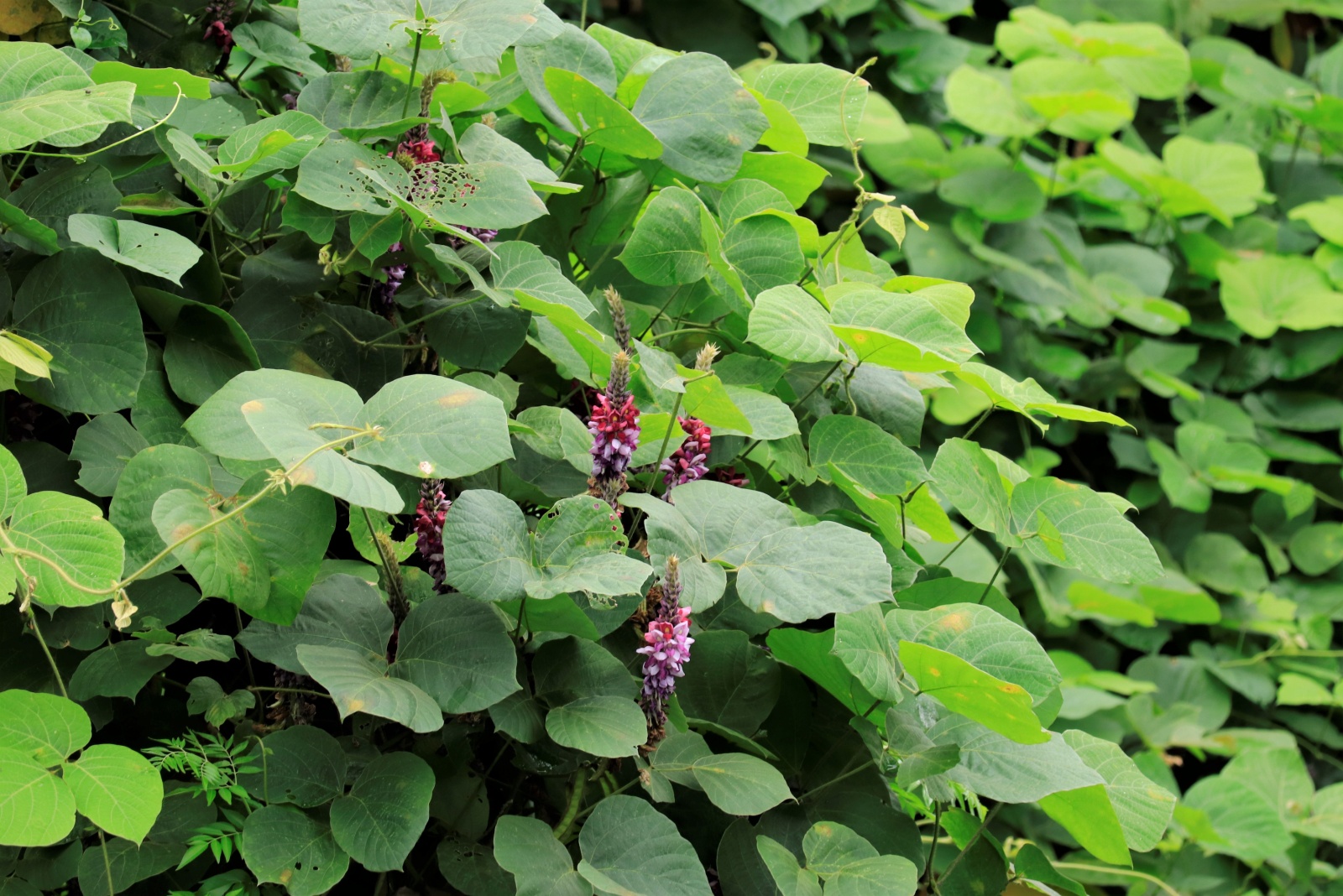
Identifying kudzu starts with recognizing its signature leaf pattern, which features three broad leaflets arranged on a single stem.
Each leaflet can grow between three and four inches across, creating a lush, tropical appearance that might seem attractive at first glance.
The leaves have a slightly fuzzy texture on the underside, while the top surface appears smooth and deep green during growing season.
Unlike many native Tennessee plants, kudzu leaves remain large and vibrant throughout summer, standing out against smaller native foliage.
The three-lobed pattern is consistent across the plant, making identification relatively straightforward once you know what to look for.
Young kudzu leaves emerge lighter green and gradually darken as they mature, but always maintain that distinctive three-part structure.
During autumn, the leaves turn yellow before dropping, but the vines themselves remain attached and ready to regrow in spring.
Learning to spot these leaves early helps Tennessee residents take action before the vine establishes deep roots.
Many invasive plant guides feature kudzu leaves prominently because correct identification is the first step toward effective control.
Take photos of suspicious vines and compare them to reference images to confirm identification before starting removal efforts.
Purple Fragrant Flowers Appearing In Late Summer
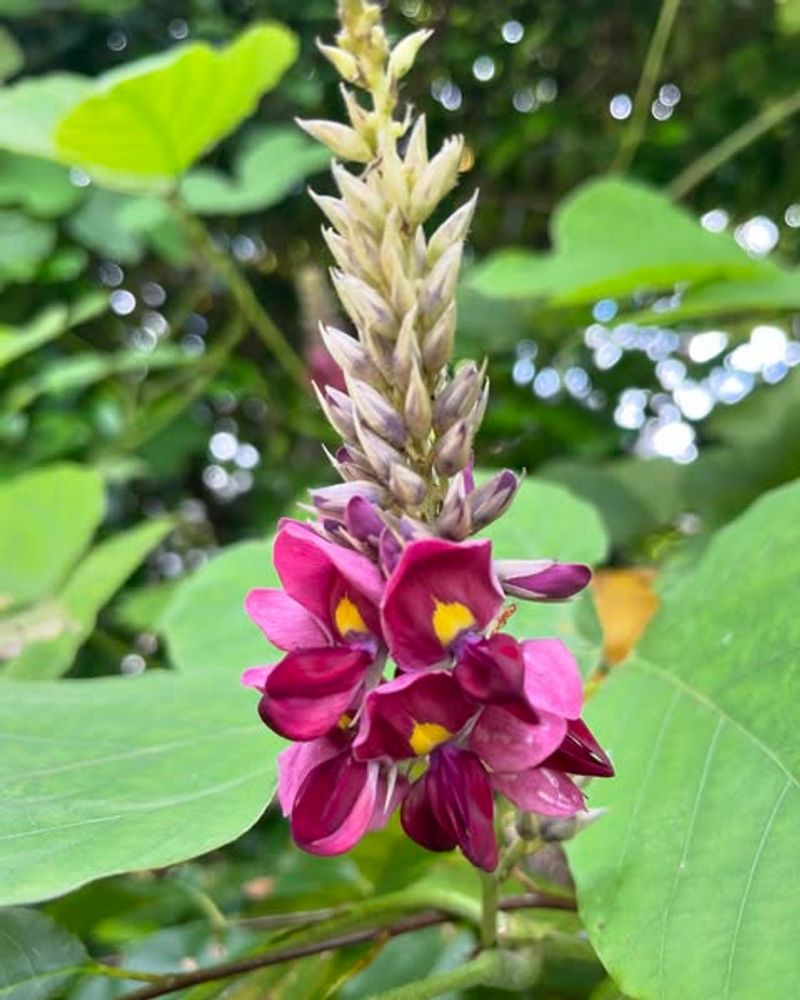
Come late summer, kudzu produces clusters of purple flowers that resemble wisteria or grape blossoms, releasing a sweet, grape-like fragrance.
These blooms appear in long racemes, typically six to eight inches in length, hanging from the vine in attractive displays.
Your Tennessee Garden Changes Every Week. Your Plan Should Too.
Gardening in Tennessee changes quickly throughout the season. Every Friday you’ll receive a simple weekly plan showing exactly what to plant, prune, fertilize, harvest, and protect so you never miss the right timing.
The pleasant scent can be misleading, as it attracts pollinators and helps the plant spread through seed production.
Tennessee residents often notice the flowers first because their purple color contrasts sharply with the dense green foliage.
While the blooms might seem pretty, they signal that the kudzu has reached maturity and is actively working to expand its territory.
Each flower cluster can produce multiple seed pods, though kudzu spreads more effectively through its underground root system.
The flowering period typically runs from August through September across Tennessee, depending on local weather conditions.
Some people mistakenly believe these flowers belong to a desirable ornamental plant, allowing kudzu to establish before realizing the mistake.
If you spot these purple blooms on a fast-growing vine with three-lobed leaves, you have confirmed kudzu presence.
Removing flowering kudzu before it sets seed helps prevent additional spread through your neighborhood.
Thick Woody Vines That Climb Vertically
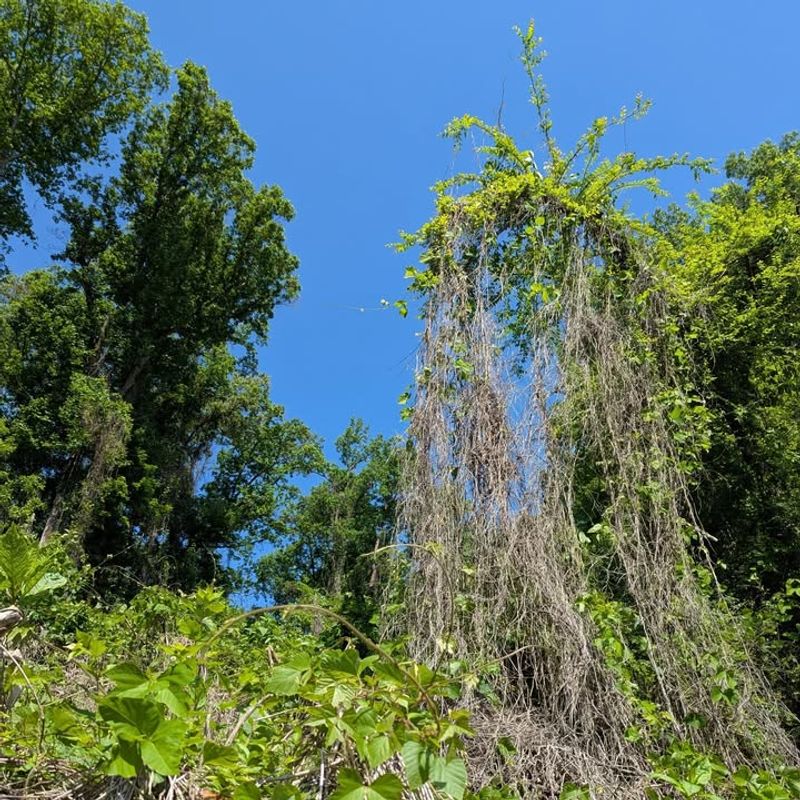
Mature kudzu develops thick, woody stems that can reach several inches in diameter, resembling sturdy ropes wrapped around trees and structures.
These woody vines possess surprising strength, capable of pulling down power lines, breaking tree limbs, and damaging building facades.
The stems grow in a twisting, spiraling pattern as they climb, anchoring themselves firmly to whatever support they find.
In Tennessee neighborhoods, utility companies report increasing problems with kudzu vines weighing down electrical and telephone lines.
The woody growth develops over multiple seasons, with vines becoming progressively thicker and more difficult to remove each year.
Cutting through mature kudzu stems requires heavy-duty pruning tools or even chainsaws for the largest specimens.
These thick vines can girdle trees, restricting nutrient flow and eventually causing structural damage or toppling during storms.
The woody portions remain even after leaves drop in winter, creating an unsightly tangle that persists year-round.
Property owners should address kudzu before stems reach woody maturity, as younger vines are far easier to manage.
The presence of thick, rope-like vines indicates a well-established infestation requiring professional intervention or intensive removal efforts.
Underground Tubers Storing Energy For Regrowth
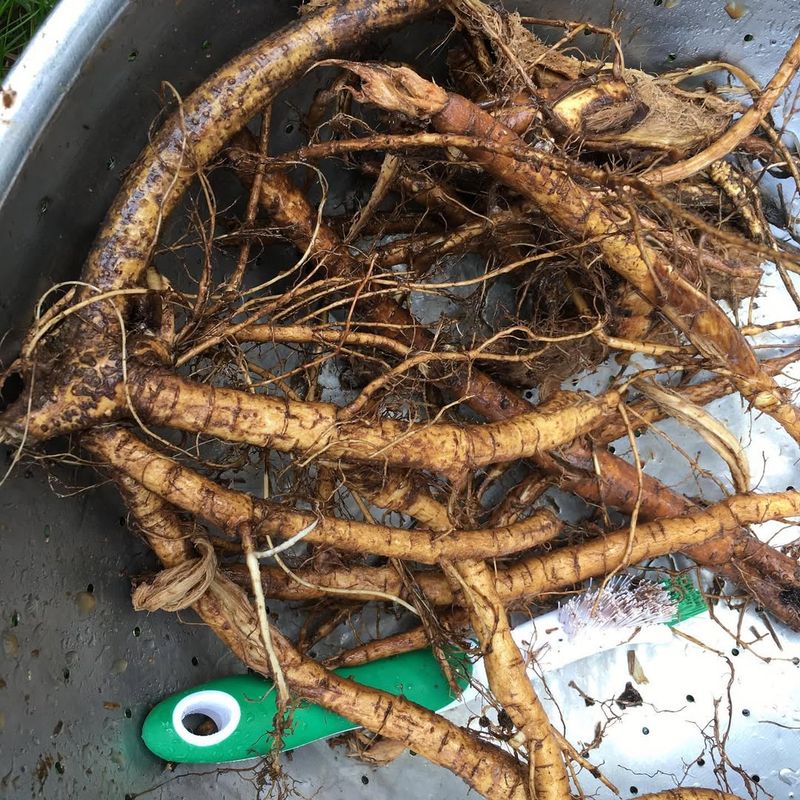
Beneath the surface, kudzu develops massive tuberous roots that can weigh hundreds of pounds and extend deep into Tennessee soil.
These tubers store enormous amounts of carbohydrates, allowing the plant to survive harsh winters and bounce back from cutting or herbicide treatments.
A single mature kudzu plant can develop a root system covering several acres, with tubers scattered throughout.
The storage capacity of these tubers explains why simply cutting back visible vines rarely solves kudzu problems.
Even after removing all above-ground growth, the tubers can send up new shoots within weeks, restarting the invasion.
Some kudzu tubers reach depths of twelve feet or more, making complete physical removal nearly impossible without heavy equipment.
Effective control requires either exhausting the tubers through repeated cutting or using systemic herbicides that travel through the plant to roots.
Tennessee agricultural extension services recommend targeting kudzu during active growth when herbicides most effectively reach tuber reserves.
Understanding the role of tubers helps explain why kudzu proves so difficult to eliminate once established.
Patience and persistence are essential when fighting kudzu, as destroying the tuber system takes multiple seasons of consistent effort.
Hairy Stems And Leaf Stalks With Fuzzy Texture
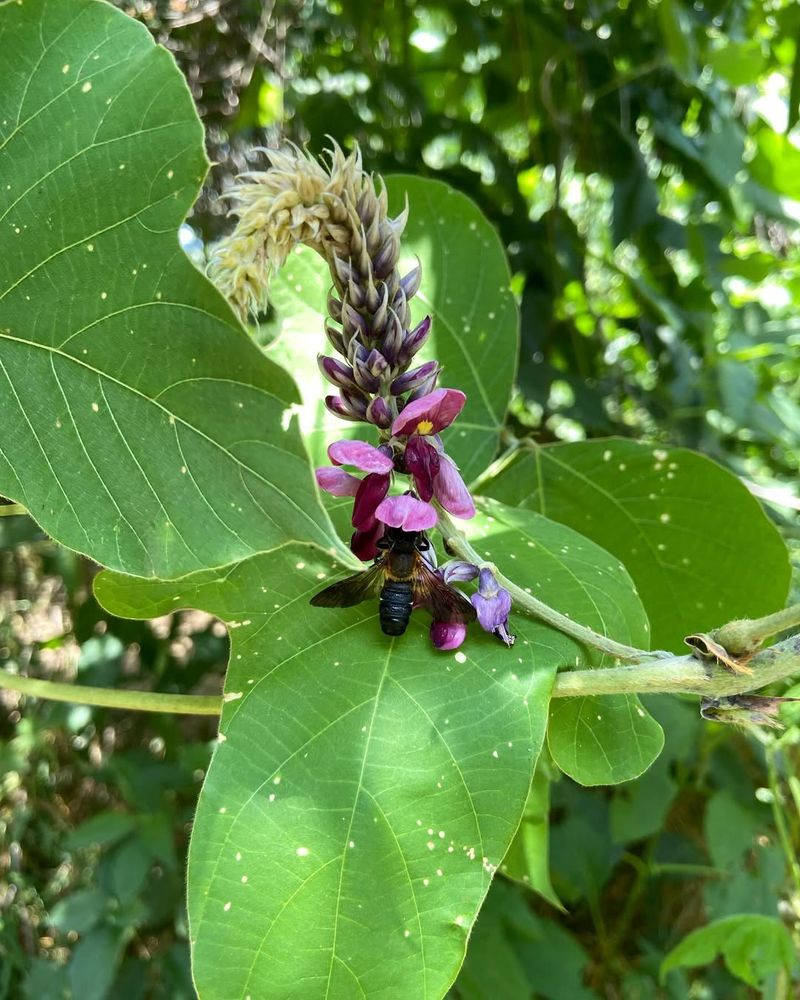
Running your hand along kudzu stems reveals a distinctly fuzzy or hairy texture that helps distinguish it from similar-looking vines.
Both the main stems and the petioles, or leaf stalks, are covered in fine, short hairs that give them a soft feel.
This hairiness is particularly noticeable on younger growth, though mature woody stems may develop smoother bark over time.
Tennessee gardeners can use this tactile characteristic as a confirmation tool when identifying suspected kudzu in their yards.
The fuzzy texture serves the plant by helping trap moisture and potentially deterring some browsing insects.
When examining vines for identification, look for this hairiness in combination with the three-lobed leaves and rapid growth pattern.
The hairs are not irritating to human skin, unlike poison ivy or some other problematic plants, making safe handling possible.
Young kudzu shoots emerging from soil often appear quite fuzzy, almost silvery in certain light conditions.
This characteristic remains consistent across all kudzu specimens, making it a reliable identification marker.
Teaching children to recognize the fuzzy stems helps entire families stay alert for kudzu encroachment in Tennessee communities.
Smothering Effect On Native Tennessee Plants

Kudzu’s most devastating impact comes from its ability to completely cover and smother native plants, blocking essential sunlight.
Trees, shrubs, and ground-cover plants cannot photosynthesize when buried under kudzu’s dense leaf canopy.
Tennessee forests near infested areas show declining biodiversity as native species disappear beneath the invasive vine.
The weight of kudzu vines can also physically damage or topple trees, especially during ice storms or high winds.
Entire forest edges can transition from diverse native ecosystems to kudzu monocultures within just a few growing seasons.
Wildlife that depends on native Tennessee plants for food and shelter suffers when kudzu replaces natural vegetation.
Homeowners may notice formerly thriving shrubs or garden plants declining rapidly once kudzu reaches their property.
The vine shows no preference, covering valuable ornamentals, fruit trees, and vegetable gardens with equal enthusiasm.
Protecting native plant communities requires vigilant monitoring and immediate action when kudzu appears.
Community efforts to remove kudzu from natural areas help preserve Tennessee’s ecological heritage for future generations.
Preference For Sunny Disturbed Areas And Edges

While kudzu can grow almost anywhere, it particularly thrives in sunny, disturbed areas like roadsides, abandoned lots, and forest edges.
Tennessee highways and rural roads often show heavy kudzu infestations along embankments where sunlight is abundant.
The vine exploits areas where natural vegetation has been disrupted by construction, clearing, or other human activities.
Full sunlight allows kudzu to maximize its photosynthesis, fueling the rapid growth that makes it so problematic.
Residential properties adjacent to vacant lots or undeveloped land face higher risk of kudzu encroachment.
The edges where maintained lawns meet wild areas create ideal conditions for kudzu to establish and spread.
Property owners should pay special attention to fence lines, property boundaries, and areas bordering woods or fields.
Regular mowing and vegetation management in these transition zones can help prevent kudzu from gaining a foothold.
Once established in a sunny spot, kudzu can then spread into shadier areas, though growth slows somewhat.
Community-wide efforts to manage kudzu along public rights-of-way reduce the source populations threatening private properties throughout Tennessee.
Seed Pods Developing After Fall Flowering
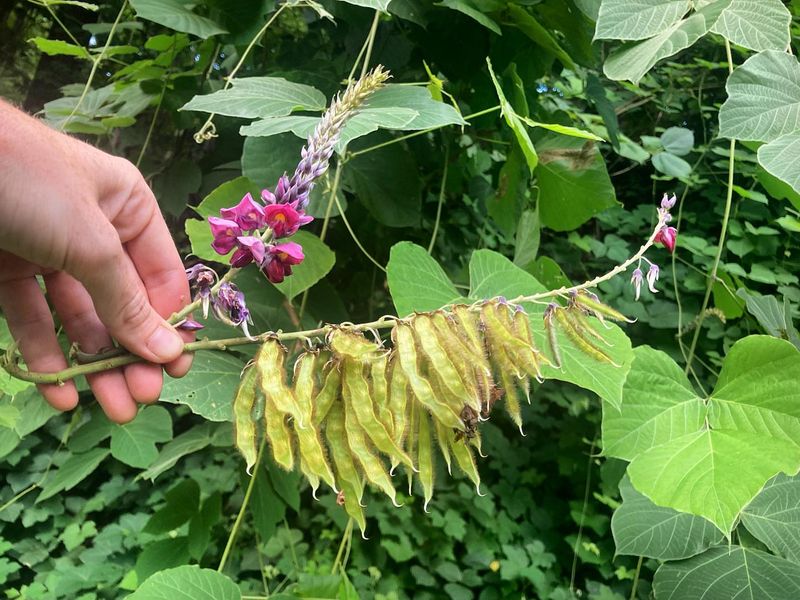
Following the late summer bloom period, kudzu produces flat, brown seed pods covered in fuzzy hairs, each containing several hard seeds.
These pods resemble those of other legume family members, as kudzu is actually related to beans and peas.
The seeds inside are quite hard and can remain viable in Tennessee soil for several years, waiting for favorable conditions.
Fortunately, kudzu spreads primarily through vegetative growth rather than seeds, as germination rates are relatively low.
However, seed production still contributes to the plant’s spread, especially when pods are transported by water or animals.
Birds and small mammals may eat the seeds, dispersing them to new locations through their droppings.
Removing flowering kudzu before pods mature helps reduce potential seed spread in your neighborhood.
The pods typically ripen in October and November across Tennessee, then dry and split open to release seeds.
While controlling vegetative spread remains the priority, eliminating seed production provides an additional layer of prevention.
Monitoring your property during fall for these distinctive seed pods helps gauge the extent of kudzu establishment and reproduction.
Control Methods And Removal Strategies
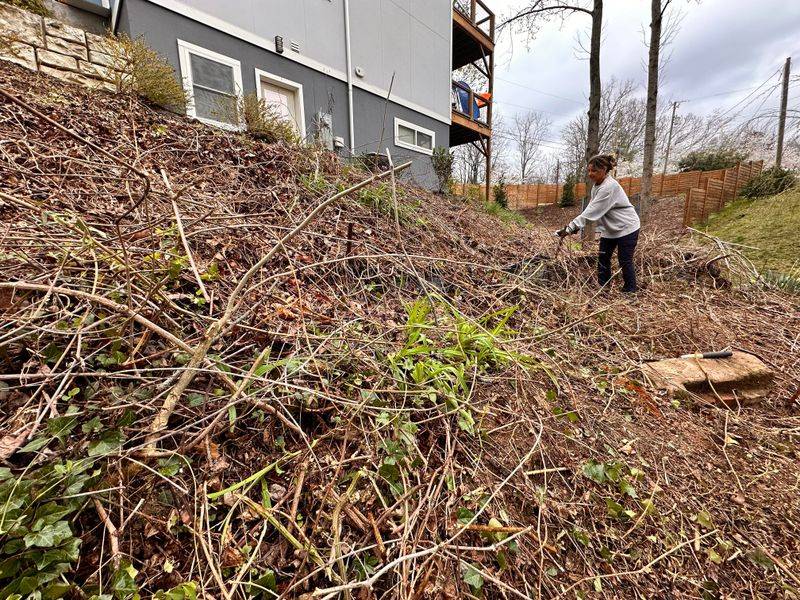
Successfully controlling kudzu in Tennessee requires a multi-year commitment using a combination of physical removal and chemical treatment.
Cutting vines repeatedly throughout the growing season exhausts root reserves, though this method alone may take five or more years.
Systemic herbicides containing triclopyr or glyphosate prove most effective when applied to cut stems or actively growing foliage.
Late summer through early fall represents the optimal treatment window, as the plant transports herbicide to roots for winter storage.
Covering kudzu patches with heavy tarps or landscape fabric can starve the plant of sunlight, though this requires at least one full year.
Grazing animals, particularly goats, enjoy eating kudzu and can help manage small infestations through repeated browsing.
Tennessee agricultural extension offices offer detailed guidance on herbicide selection, application rates, and safety precautions.
Professional removal services may be necessary for large infestations or situations where vines threaten structures or utilities.
Whatever method you choose, consistency and patience are essential, as kudzu will regrow from any surviving root fragments.
Working with neighbors to control kudzu across property lines increases success rates and prevents reinfestation from adjacent areas.