Why Lewis Ginter Botanical Garden Draws Plant Lovers To Virginia Each Winter

Winter can feel like a quiet time for gardening, but Lewis Ginter Botanical Garden in Richmond, Virginia proves that the cold season brings its own kind of magic.
Located at 1800 Lakeside Ave, Henrico, VA 23228, United States, this renowned destination draws plant enthusiasts from across the region to its stunning 50-acre grounds each winter.
Visitors discover beauty that many outdoor spaces simply cannot offer during the colder months, from glowing light displays to warm tropical conservatories that feel worlds away from winter weather.
Whether you’re seeking gardening inspiration or simply a peaceful escape from winter’s chill, Lewis Ginter offers experiences that make the season feel anything but dormant.
Large Scale Holiday Light Displays Transform The Garden

Every year, Lewis Ginter Botanical Garden becomes home to one of the most breathtaking light shows on the East Coast, attracting visitors who want to see plants and pathways in an entirely new way.
More than half a million twinkling lights wrap around trees, outline garden beds, and illuminate architectural features throughout the 50-acre property.
This seasonal transformation turns familiar daytime landscapes into enchanting evening wonderlands that feel both festive and magical.
The light displays don’t just cover the garden randomly.
Designers carefully place each strand to highlight the natural beauty of the plants and structures, creating scenes that blend horticulture with artistry.
Visitors walk beneath glowing archways, past sparkling fountains, and through tunnels of light that make winter evenings feel warm and inviting despite the cold temperatures outside.
Families, couples, and photography enthusiasts all find reasons to visit during this special season.
The displays typically run from late November through early January, giving people plenty of opportunities to experience the magic multiple times.
Many guests return year after year because the designers refresh sections of the display, ensuring there’s always something new to discover alongside beloved favorites.
For plant lovers, the light displays offer a unique perspective on garden design.
Seeing how illumination can enhance plant structure, bark texture, and evergreen foliage inspires ideas for home landscapes.
The combination of natural beauty and creative lighting demonstrates how gardens can remain engaging and beautiful even during the darkest months of the year.
Heated Conservatory Offers A Tropical Winter Escape

Stepping into the conservatory at Lewis Ginter feels like traveling to a completely different climate zone, which is exactly what makes it such a treasure during Virginia’s coldest months.
The moment you walk through the doors, warm humid air wraps around you, and suddenly you’re surrounded by lush tropical plants, vibrant flowers, and the soothing sound of water features.
This heated glass structure maintains comfortable temperatures year-round, creating a living sanctuary that contrasts beautifully with the winter landscape outside.
The conservatory houses an impressive collection of tropical and subtropical plants that would never survive outdoors in Virginia’s winter climate.
Palms stretch toward the glass ceiling, orchids bloom in stunning arrays of colors, and exotic foliage plants create layers of green textures throughout the space.
Visitors often spend extended periods here, not just because of the warmth, but because the diversity of plant life offers endless opportunities for observation and learning.
Your Virginia Garden Changes Every Week. Your Plan Should Too.
Gardening in Virginia changes quickly throughout the season. Every Friday you’ll receive a simple weekly plan showing exactly what to plant, prune, fertilize, harvest, and protect so you never miss the right timing.
Garden enthusiasts find particular value in studying how these tropical plants are arranged and cared for.
The conservatory demonstrates principles of tropical garden design, including layering, color combinations, and how to create visual interest with foliage alone.
Many visitors take mental notes or photographs to inspire their own indoor plant collections at home.
Beyond the plants themselves, the conservatory provides a genuine mood boost during winter’s darker days.
Research shows that spending time around greenery improves mental well-being, and this warm, plant-filled environment offers that benefit when outdoor gardens lie dormant.
It’s a reminder that gardening passion doesn’t need to hibernate just because temperatures have dropped outside.
Winter Blooms Create Rare Seasonal Beauty
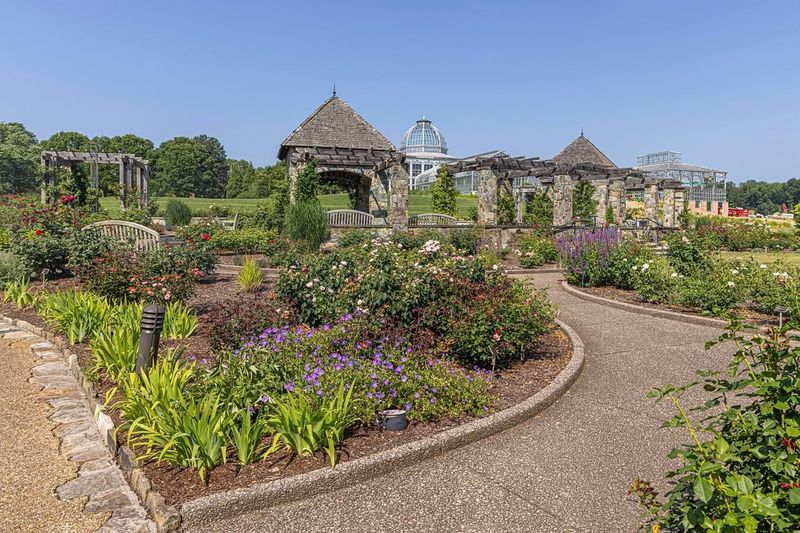
Most people assume winter means no flowers, but Lewis Ginter Botanical Garden challenges that misconception with spectacular displays of plants that actually prefer blooming during the cooler months.
Hellebores, often called Christmas roses, push up their elegant nodding flowers in shades of white, pink, purple, and green right through snow and ice.
Camellias burst into bloom with rose-like flowers that seem impossibly delicate yet withstand freezing temperatures with remarkable resilience.
The garden’s horticulture team carefully selects and positions winter-blooming plants throughout the property, creating pockets of color that surprise and delight visitors.
Winter jasmine drapes golden flowers over walls and slopes, while witch hazel sends out fragrant ribbon-like petals in shades of yellow and orange.
These plants prove that winter gardens can offer just as much visual interest as their spring and summer counterparts, just in more subtle and unexpected ways.
For home gardeners, seeing these winter bloomers in action provides invaluable inspiration and practical knowledge.
Many visitors discover plants they never knew existed or learn that varieties they thought were delicate can actually handle cold weather beautifully.
The garden’s labeling system helps people identify specific cultivars, making it easier to find these same plants for their own yards.
Winter annuals like pansies and ornamental kale also play important roles in the garden’s cold-season displays.
These plants maintain their color and structure even when temperatures dip below freezing, offering reliable beauty throughout the entire season.
Seeing them used in professional garden designs helps visitors understand how to create their own winter container gardens and landscape beds that won’t look bare and brown until spring arrives.
Educational Exhibits Focus On Winter Gardening

Lewis Ginter doesn’t just showcase winter beauty—the garden actively teaches visitors how to create and maintain their own cold-season landscapes through specialized programs and exhibits.
Workshops cover topics like winter pruning techniques, cold frame construction, and selecting plants that provide four-season interest.
These educational opportunities give plant lovers practical skills they can immediately apply to their own properties, making winter visits both inspiring and useful.
The garden’s educators understand that many people feel uncertain about gardening during winter months.
Classes address common concerns like protecting tender plants from frost, understanding dormancy periods, and knowing when to fertilize or hold back.
Participants leave with confidence that they can keep their gardening passion alive even when outdoor conditions seem challenging.
Demonstration gardens throughout the property show winter gardening principles in action rather than just theory.
Visitors see examples of proper mulching techniques, observe how different evergreens provide structure, and learn which ornamental grasses look best when left standing through winter.
These visual lessons stick with people far better than reading about concepts in books or online articles.
Special exhibits during winter months often highlight topics like seed starting for spring, forcing bulbs indoors, and creating winter container arrangements.
The garden provides handouts and resources that visitors can take home, ensuring they remember what they learned long after their visit ends.
Many regular visitors plan their winter trips around specific workshops or lectures that match their current gardening questions or projects.
This educational focus transforms Lewis Ginter from simply a beautiful place to visit into a genuine learning resource.
Plant enthusiasts appreciate that they’re not just looking at pretty displays but gaining knowledge that will improve their own gardening success throughout the year.
Glasshouse Gardens Remain Vibrant Year Round
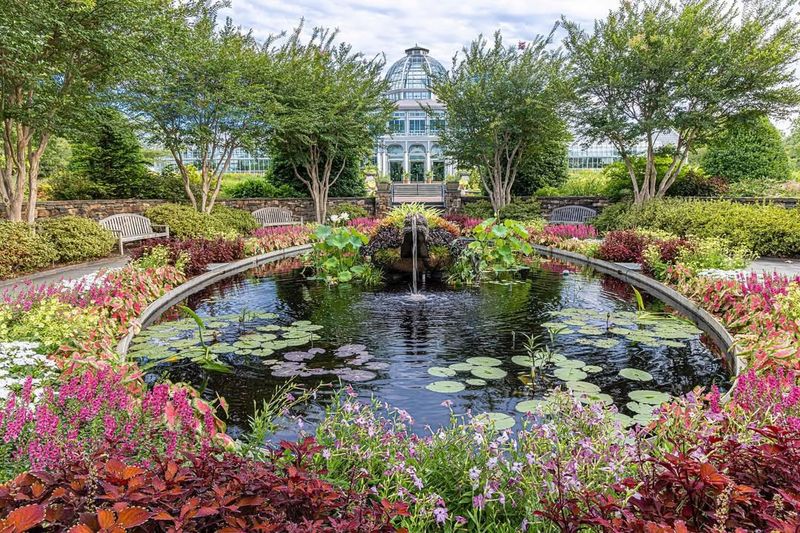
While outdoor gardens cycle through seasons, the glasshouse collections at Lewis Ginter maintain constant vibrancy regardless of what’s happening outside.
These climate-controlled environments house specialized plant collections that require specific temperature and humidity conditions, creating miniature ecosystems under glass.
From desert succulents to rainforest ferns, these displays offer plant diversity that Virginia’s natural climate could never support outdoors.
The orchid collection alone draws enthusiasts from across the region, with specimens blooming throughout the year in a rotating display of colors and forms.
Rare varieties share space with more common types, giving visitors exposure to the incredible diversity within this single plant family.
Seeing orchids thriving in a controlled environment helps home gardeners understand the care requirements these plants need to flourish.
Tropical fruit plants, unusual foliage specimens, and plants with fascinating adaptations fill other sections of the glasshouse areas.
Banana plants unfurl massive leaves, carnivorous plants display their insect-catching mechanisms, and air plants demonstrate how some species don’t even need soil to grow.
These collections spark curiosity and often inspire visitors to try growing something new and different in their own homes.
During winter, when outdoor gardens sleep, these glasshouse spaces become even more valuable to plant lovers seeking their gardening fix.
The contrast between the dormant landscape outside and the lush growth inside makes the experience feel even more special and appreciated.
Photographers particularly love capturing this juxtaposition, with frost on the outside of the glass and tropical blooms just inches away on the other side.
The consistent care and professional maintenance of these collections also provides learning opportunities.
Observing how staff manage watering, fertilizing, and pest control in these controlled environments gives visitors insights they can adapt for their own indoor plant collections at home.
Fewer Crowds Allow A Peaceful Experience
Spring and summer bring peak visitation to most gardens, but Lewis Ginter’s winter season offers something increasingly rare—space to explore without feeling rushed or crowded.
Serious plant enthusiasts often prefer winter visits precisely because they can spend as much time as they want examining individual specimens, reading labels, and taking photographs without crowds blocking their view.
This quieter atmosphere transforms the garden into a contemplative space perfect for deeper observation and reflection.
Photographers particularly appreciate winter’s reduced crowds, as they can set up tripods and wait for perfect shots without worrying about people walking through their frames.
The combination of interesting winter light, dramatic plant structures, and empty pathways creates opportunities for images that capture the garden’s beauty in ways that busy season photos cannot.
Many professional and amateur photographers specifically schedule winter visits for this reason alone.
The peaceful environment also benefits people who find large crowds stressful or overwhelming.
Families with young children can explore at their own pace, couples can enjoy romantic walks without feeling rushed, and solo visitors can find genuine solitude in nature.
This accessibility makes the garden more welcoming to people who might avoid it during busier seasons.
Garden staff members have more availability during winter months to answer questions and share their expertise with visitors.
Without the constant demands of peak season, they can engage in longer conversations about specific plants, gardening challenges, or design ideas.
This personal interaction adds tremendous value to winter visits, turning them into informal consulting sessions with knowledgeable professionals.
For plant lovers who visit gardens primarily to study and learn rather than just casually stroll, winter’s quieter atmosphere at Lewis Ginter provides ideal conditions.
The ability to pause, observe, sketch, or photograph without interruption makes these visits more productive and satisfying for serious gardening enthusiasts.
Seasonal Plant Displays Inspire Home Gardeners

Lewis Ginter’s winter displays serve as living inspiration boards for home gardeners planning their own cold-season landscapes.
The garden’s design team creates container arrangements, border plantings, and focal points that demonstrate how to maintain visual interest when most plants have gone dormant.
Visitors often photograph these displays from multiple angles, essentially creating personal reference libraries they can consult when designing their own winter gardens.
Container gardens at the entrance and throughout the property show how to combine winter-hardy plants for maximum impact.
Ornamental cabbages, trailing evergreens, colorful twigs, and early-blooming bulbs work together in compositions that look intentional and attractive rather than thrown together.
Seeing these professional combinations helps home gardeners understand proportion, color harmony, and texture contrast in ways that written descriptions never quite capture.
The garden also demonstrates how to create winter interest using non-flowering elements like evergreen foliage, interesting bark, and structural plants.
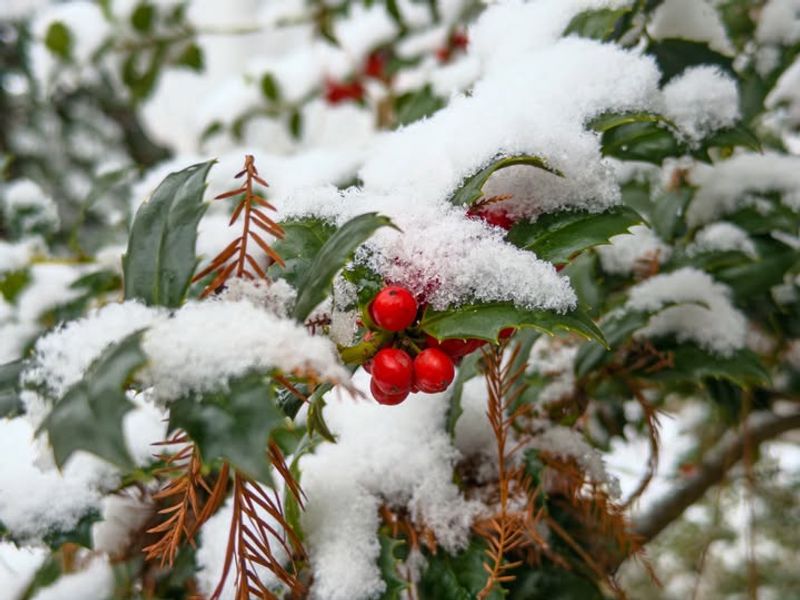
Hollies heavy with red berries, ornamental grasses catching frost, and trees with peeling bark all prove that flowers aren’t necessary for a garden to feel alive and engaging.
These lessons prove particularly valuable for gardeners in cold climates who need their landscapes to function through long winters.
Many visitors time their trips to coincide with early spring planning season, using winter visits to gather ideas before shopping for their own plants.
Seeing what’s actually thriving in the garden helps them make informed decisions about what to purchase for their own properties.
This practical application of inspiration makes winter visits to Lewis Ginter genuinely useful rather than just aesthetically pleasing.
The garden’s labeling system supports this inspiration-gathering by clearly identifying plants used in displays.
Visitors can note specific cultivar names, understand mature sizes, and learn about care requirements right there in the garden, making it easier to replicate successful combinations at home.
Scenic Landscape Design Shines Without Foliage Clutter
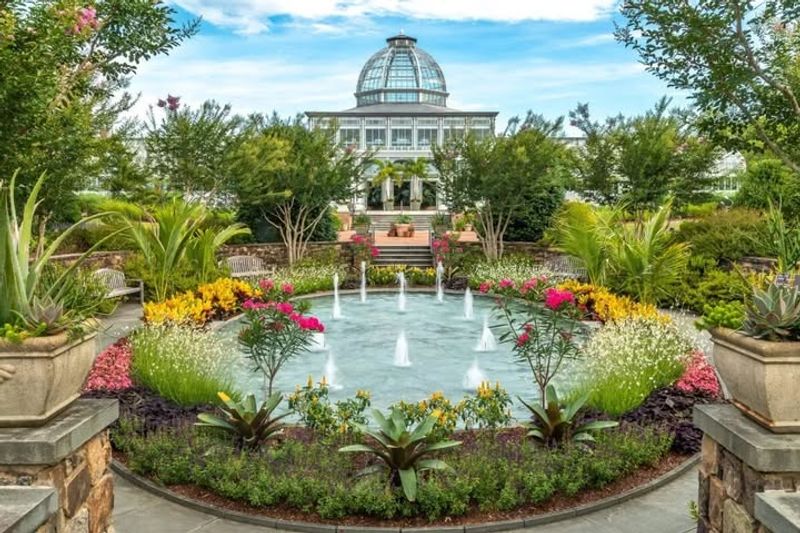
Something remarkable happens when deciduous trees lose their leaves—the underlying structure and design of a landscape suddenly becomes visible in ways that summer’s lush growth completely obscures.
At Lewis Ginter, winter reveals the careful thought behind every pathway curve, the strategic placement of focal points, and the architectural qualities of trees and shrubs that create the garden’s framework.
Plant enthusiasts who understand garden design principles find winter visits particularly rewarding because they can study these structural elements without distraction.
The bones of the garden become teaching tools during winter months.
Visitors see how evergreen plants provide year-round structure, how hardscape elements like walls and pergolas create definition, and how the garden maintains beauty even without flowers and foliage.
These observations help home gardeners understand that successful landscape design depends on strong structure first, with seasonal color as an enhancement rather than the foundation.
Tree forms stand out dramatically against winter skies, showcasing branching patterns that summer leaves completely hide.
The elegant architecture of mature oaks, the weeping form of cherries, and the sculptural qualities of Japanese maples all become apparent.
Many visitors develop new appreciation for trees as design elements rather than just shade providers after seeing them in their winter state.
Garden paths and circulation patterns also become more obvious without dense plantings obscuring sightlines.
Visitors can observe how paths lead the eye toward focal points, create a sense of discovery through curves and turns, and connect different garden areas into a cohesive whole.
These design lessons prove invaluable for anyone planning or redesigning their own garden spaces.
Winter’s clarity helps gardeners understand that successful landscapes need to work across all seasons, not just during peak bloom times.
Lewis Ginter demonstrates this principle beautifully, showing that thoughtful design creates gardens that remain engaging and beautiful throughout the entire year.