The Meaning Behind Chipmunks Storing Food In Your Pennsylvania Yard
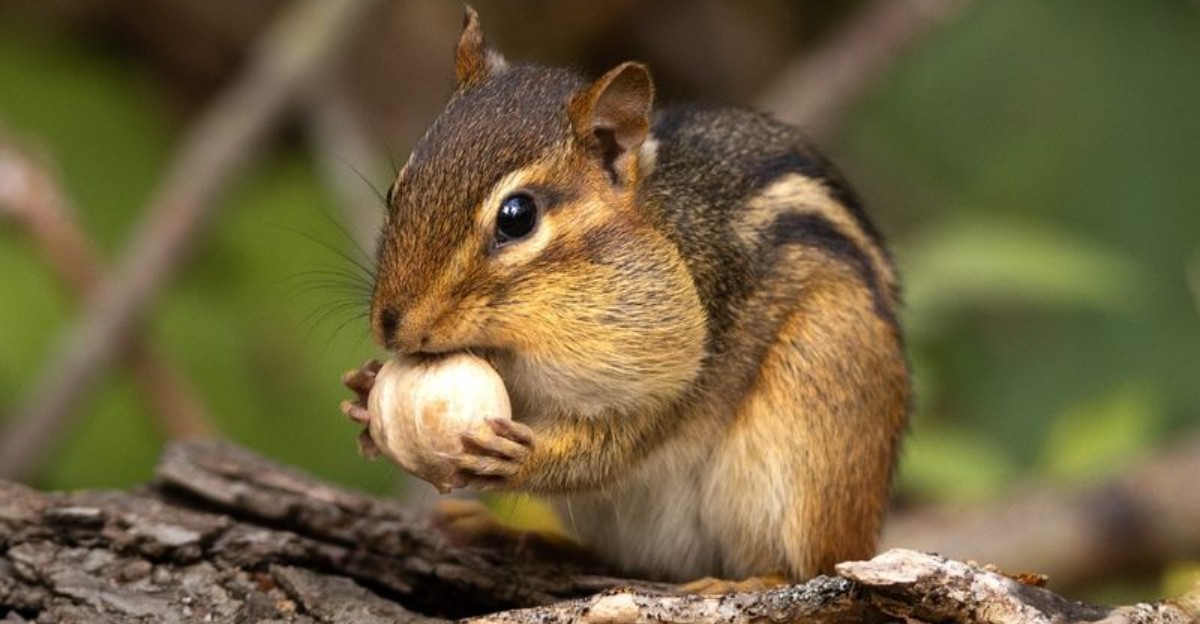
Seeing chipmunks dart across a Pennsylvania yard with bulging cheeks can feel like watching tiny grocery runners hard at work.
One minute they’re scurrying along fences, the next they vanish under a deck or into a stone wall like they’re late for an appointment.
When these little animals start stashing food, it’s not just busy behavior for show.
Chipmunks store food with purpose.
Nuts, seeds, and berries get tucked away in hidden spots to prepare for colder days ahead.
Pennsylvania’s shifting seasons push them to act early, especially when weather patterns start to change.
Longer mornings of activity often signal that instincts have kicked into high gear.
Homeowners sometimes worry that this behavior means trouble is on the way.
Holes in garden beds or visits to bird feeders can raise eyebrows fast.
While the sight might be surprising, food storage is part of the natural rhythm that plays out every year.
Understanding what this behavior means helps put things into perspective.
It shows how wildlife adjusts to seasonal cues and available resources.
Spotting chipmunks at work often reflects a healthy environment where food sources are steady and nature is staying one step ahead of the coming season, right in plain sight.
1. Preparing For Pennsylvania’s Cold Winters
Chipmunks don’t hibernate like bears do, but they do spend most of winter underground in a state called torpor.
During torpor, their body temperature drops and they sleep for days at a time, waking periodically to eat from their stored food supply.
This survival strategy requires them to gather massive amounts of food before the ground freezes and snow covers everything.
Pennsylvania winters can be harsh, with temperatures often dropping below freezing from December through March.
Chipmunks instinctively know they need to stock up while food is still available.
They begin their collection efforts in late summer, working tirelessly through fall to gather enough provisions.
A single chipmunk can store several pounds of food in its underground burrow system.
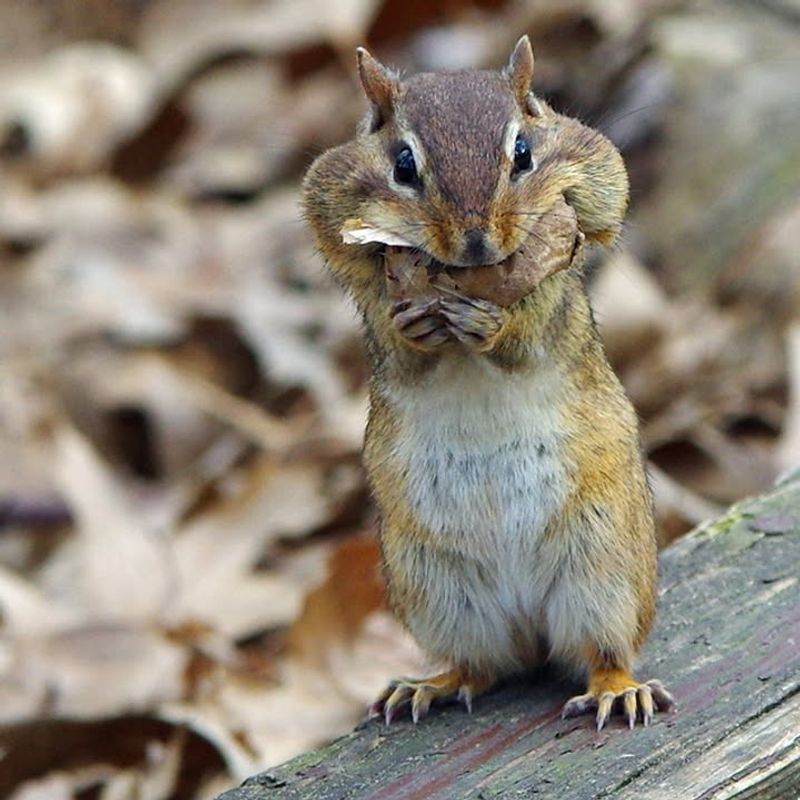
Their cheek pouches can expand to three times the size of their head, allowing them to transport large quantities efficiently.
They make dozens of trips each day, moving seeds, nuts, berries, and other edibles to their storage chambers.
Pennsylvania’s oak, hickory, and beech trees provide excellent food sources for these busy creatures.
Acorns are particularly prized because they’re nutritious and store well underground without spoiling.
Chipmunks also collect maple seeds, sunflower seeds from bird feeders, and even small mushrooms.
This food-storing behavior is deeply programmed into their biology.
Even young chipmunks born in spring instinctively begin hoarding food as autumn approaches.
It’s a remarkable example of how animals adapt to seasonal changes in their environment.
2. Creating Underground Pantries With Multiple Rooms
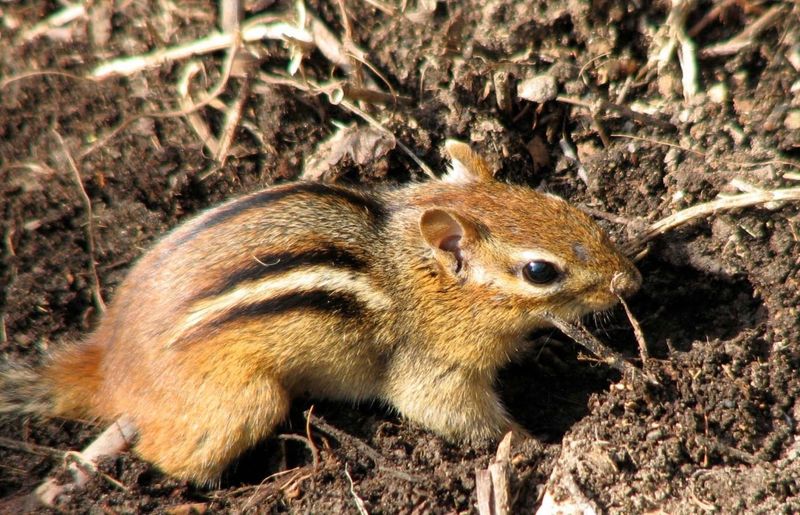
Beneath your Pennsylvania lawn lies an intricate network of tunnels and chambers that would impress any architect.
Chipmunks are master excavators, creating elaborate underground homes that can extend three feet deep and stretch over thirty feet in length.
These burrow systems include separate rooms designated for different purposes, with dedicated food storage chambers being the most important.
Your Pennsylvania Garden Changes Every Week. Your Plan Should Too.
Gardening in Pennsylvania changes quickly throughout the season. Every Friday you’ll receive a simple weekly plan showing exactly what to plant, prune, fertilize, harvest, and protect so you never miss the right timing.
The main entrance tunnel typically angles downward and may have multiple exits for quick escapes from predators.
Inside, chipmunks construct specialized pantry rooms where they organize their food collection.
Some homeowners are surprised to learn that chipmunks actually sort their food by type, keeping nuts separate from seeds and berries in different chambers.
These storage rooms maintain relatively stable temperatures and humidity levels year-round, which helps prevent food from molding or rotting.
The underground environment in Pennsylvania soil provides natural refrigeration that keeps provisions fresh throughout winter.
Chipmunks occasionally check and rearrange their stores, removing any items that have begun to spoil.
A typical burrow includes a nesting chamber lined with leaves and grass where the chipmunk sleeps, a bathroom area kept away from living and food spaces, and several emergency exits disguised by leaves or hidden under rocks.
The complexity of these systems shows remarkable planning and engineering skills.
When you see a chipmunk disappearing into a small hole in your yard, it’s likely heading to one of these storage chambers to deposit another load of food.
The effort they put into building and maintaining these underground pantries ensures their survival through Pennsylvania’s toughest winter months.
3. Taking Advantage Of Your Garden’s Abundance
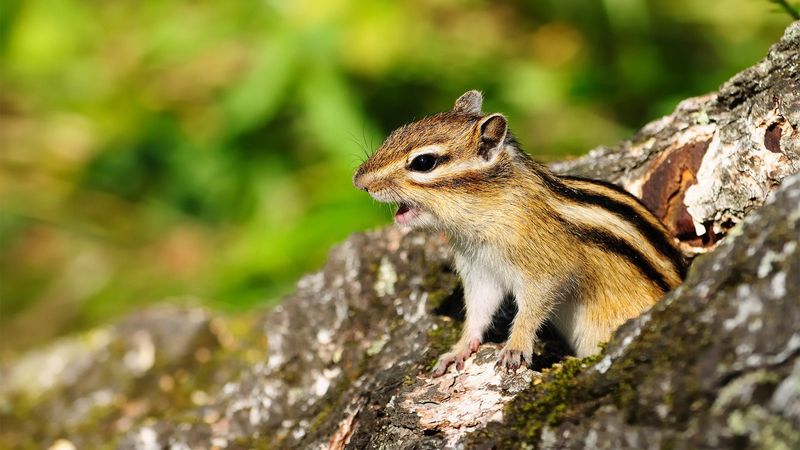
Your carefully tended Pennsylvania garden represents a buffet of delicious options for opportunistic chipmunks.
While they primarily rely on natural food sources, these clever animals quickly learn that human gardens offer easy pickings.
Tomatoes, strawberries, bulbs, and various seeds all attract their attention, especially when wild food becomes scarce.
Gardens provide concentrated food sources that save chipmunks considerable time and energy.
Instead of searching through the woods for scattered acorns, they can visit your vegetable patch and find multiple food items in one convenient location.
This efficiency means they can fill their storage chambers faster and with less risk from predators.
Chipmunks particularly love bulbs planted in fall gardens throughout Pennsylvania.
Tulip and crocus bulbs are high in nutrients and store exceptionally well underground.
Many frustrated gardeners discover their spring bulbs have disappeared, only to realize chipmunks harvested them for winter provisions.
Bird feeders represent another major attraction in Pennsylvania yards.
Seeds that fall to the ground become easy targets for foraging chipmunks.
Sunflower seeds, in particular, are nutritional powerhouses that chipmunks eagerly collect.
A single bird feeder can supply a chipmunk with significant portions of its winter food supply.
While having chipmunks visit your garden can be frustrating, it’s also a sign of a healthy ecosystem.
These animals are simply following their instincts to survive.
Understanding their behavior helps homeowners find balance between protecting gardens and appreciating wildlife.
Simple measures like wire mesh around bulbs or elevated bird feeders can reduce conflicts while still allowing chipmunks to thrive in your Pennsylvania yard.
4. Competing With Other Wildlife For Resources
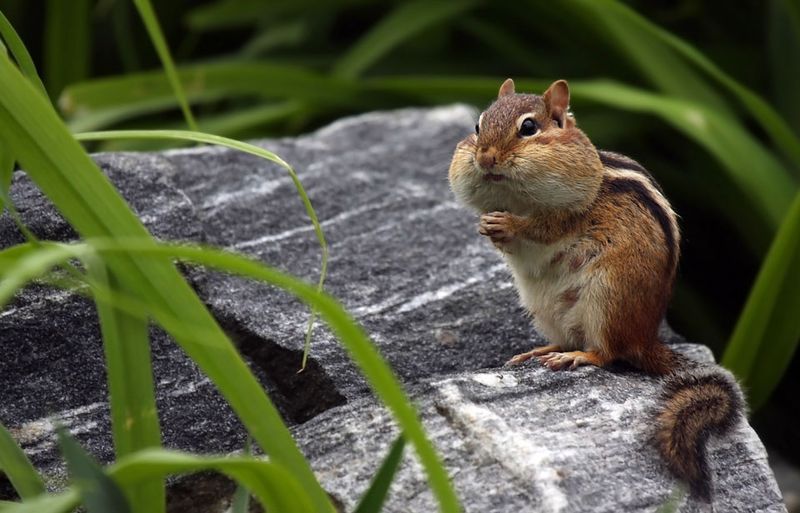
Life for a chipmunk in Pennsylvania involves constant competition with other animals who want the same food sources.
Squirrels, mice, voles, and even birds all compete for nuts, seeds, and berries during the critical gathering season.
This competition drives chipmunks to work harder and store more food than they might actually need.
Gray squirrels are the chipmunk’s biggest rivals in Pennsylvania yards.
Both species love acorns, hickory nuts, and beechnuts, and they often clash over prime foraging spots.
Squirrels have the advantage of size and can access food in trees more easily, but chipmunks are faster and can quickly stuff their cheek pouches before retreating to safety.
This competitive pressure actually benefits homeowners in some ways.
Chipmunks help control insect populations and disperse seeds throughout the yard while competing for resources.
They eat grubs, beetles, and other garden pests, providing natural pest control services.
Their foraging activities also help aerate soil and spread plant seeds to new locations.
Interestingly, chipmunks sometimes steal from each other’s food caches.
If one chipmunk discovers another’s storage chamber, it may relocate those provisions to its own burrow.
This behavior creates an arms race of sorts, where chipmunks must constantly guard their territories and hidden food supplies.
The presence of multiple chipmunks in a Pennsylvania yard doesn’t necessarily mean they’re working together.
Each chipmunk maintains its own territory and food stores, defending them vigorously against intruders.
During peak gathering season in September and October, you might witness territorial disputes as chipmunks chase each other away from productive feeding areas.
This competitive behavior ensures that only the most industrious and resourceful chipmunks successfully prepare for winter.
5. Responding To Seasonal Food Availability Changes
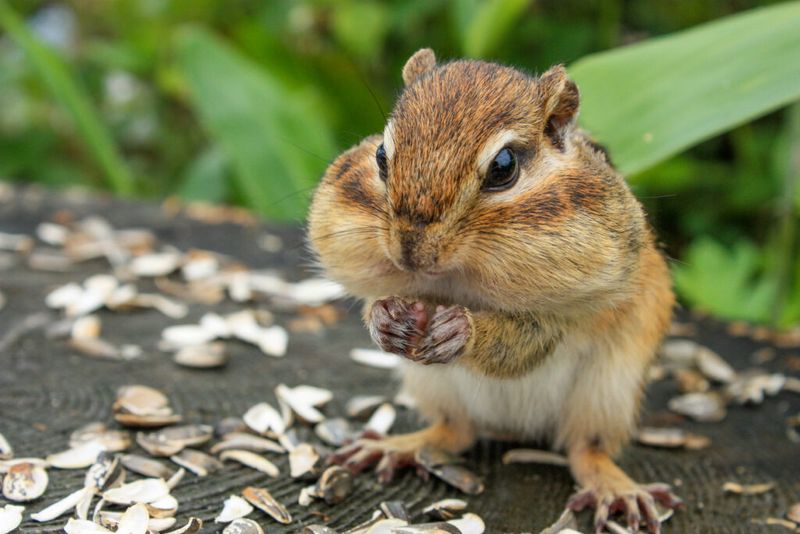
Pennsylvania’s changing seasons create a natural rhythm that chipmunks have adapted to over thousands of years.
Spring brings fresh shoots and early insects, summer offers berries and seeds, while autumn provides the nuts and grains they need for winter storage.
Chipmunks adjust their behavior throughout the year based on what food is currently available.
During spring and early summer, chipmunks focus more on eating than storing.
They need to regain weight lost during winter and fuel their active breeding season.
Female chipmunks raising young require extra nutrition, so they consume most of what they find rather than hoarding it.
As summer progresses into late August, something shifts in chipmunk behavior.
Days growing shorter trigger hormonal changes that activate their hoarding instinct.
Suddenly, the same chipmunk that was casually snacking begins frantically collecting and storing every seed and nut it encounters.
This behavioral switch is fascinating to observe in Pennsylvania yards.
Autumn represents peak storage season across Pennsylvania.
Oak trees drop acorns, hickories release nuts, and gardens produce final harvests.
Chipmunks work almost nonstop during this period, sometimes spending twelve hours daily gathering provisions.
Their urgency increases as temperatures drop and the first frost approaches.
By late November, most chipmunks have retreated underground with their food supplies secure.
They’ve timed their efforts perfectly to match Pennsylvania’s climate patterns.
This seasonal awareness demonstrates sophisticated biological programming that helps these small animals survive in an environment with dramatic seasonal changes.
Understanding this natural cycle helps explain why chipmunk activity in your yard varies so much throughout the year.
6. Protecting Food Stores From Theft And Spoilage
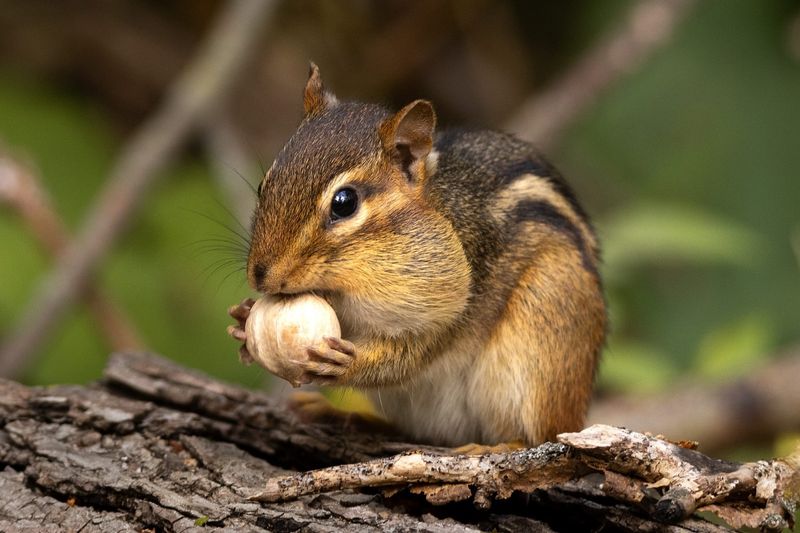
Gathering food is only half the challenge for Pennsylvania chipmunks.
Protecting those hard-earned provisions from thieves and spoilage requires constant vigilance and smart strategies.
Chipmunks have developed several techniques to safeguard their winter supplies against various threats.
One major concern is theft by other animals.
Mice, voles, and even other chipmunks will raid food stores if given the opportunity.
To prevent this, chipmunks construct their storage chambers deep underground with narrow entrance tunnels that larger animals cannot access.
They also create false tunnels and dummy chambers to confuse potential thieves.
Chipmunks regularly inspect their food caches, removing items that show signs of mold or decay.
This maintenance behavior prevents spoilage from spreading throughout their entire food supply.
In Pennsylvania’s humid climate, this vigilance is especially important because moisture can quickly ruin stored provisions.
The location of storage chambers within the burrow system is strategic.
Chipmunks place them in areas with good drainage and air circulation to minimize moisture problems.
They avoid storing food near sleeping chambers to prevent attracting predators or pests.
Some chipmunks even coat certain foods with soil bacteria that have natural antifungal properties.
Temperature regulation is another protective measure.
The consistent cool temperatures found several feet underground in Pennsylvania soil help preserve food naturally.
This underground environment mimics a root cellar, keeping provisions fresh for months.
Chipmunks instinctively choose burrow locations in well-drained soil that maintains optimal storage conditions.
Perhaps most impressively, chipmunks seem to remember where they’ve stored different types of food.
Research suggests they have excellent spatial memory and can recall the locations of various caches.
This mental mapping helps them efficiently access specific foods when needed throughout winter.
7. Ensuring Survival Of Future Generations
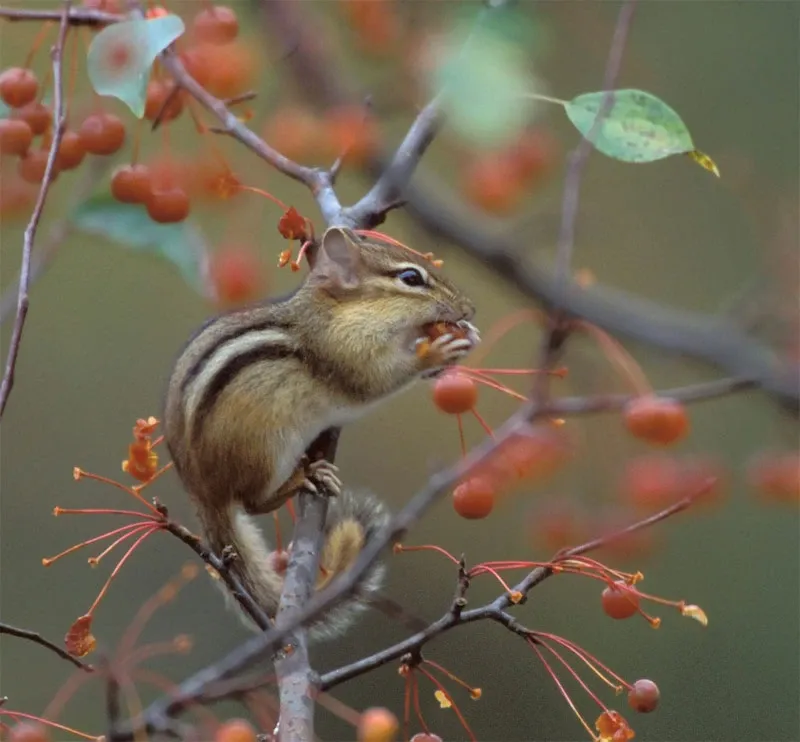
Food storage behavior in chipmunks serves purposes beyond individual survival.
Young chipmunks born in spring must learn these essential skills before their first winter arrives.
Adult chipmunks in Pennsylvania yards are often teaching the next generation crucial survival techniques through their example.
Baby chipmunks emerge from burrows in early summer, tiny and inexperienced.
They spend several weeks watching their mother forage and store food, learning by observation which items are valuable and where to hide them.
This educational period is critical because young chipmunks must establish their own territories and food supplies before winter.
By late summer, juvenile chipmunks strike out on their own, searching for unoccupied territories in Pennsylvania neighborhoods.
They must quickly excavate their own burrow systems and begin gathering provisions.
Young chipmunks often work even more frantically than adults because they’re starting from nothing and have less time to prepare.
The instinct to store food is partly genetic but also requires learned refinement.
Young chipmunks sometimes make mistakes, storing inappropriate items or choosing poor burrow locations.
Those that learn quickly and adapt have better chances of surviving their first winter.
This natural selection process ensures that successful food-storing strategies are passed down through generations.
Pennsylvania’s chipmunk populations remain stable partly because of this effective knowledge transfer.
Each generation builds upon the survival wisdom of previous ones, adapting to local conditions and available resources.
When you see chipmunks busily storing food in your yard, you’re witnessing an ancient survival strategy that has ensured these charming animals thrive alongside humans.
Their industrious nature and planning abilities make them remarkable examples of wildlife adaptation in residential environments.