10 Winter Home-Exterior Mistakes Michigan Homeowners Should Avoid This Year
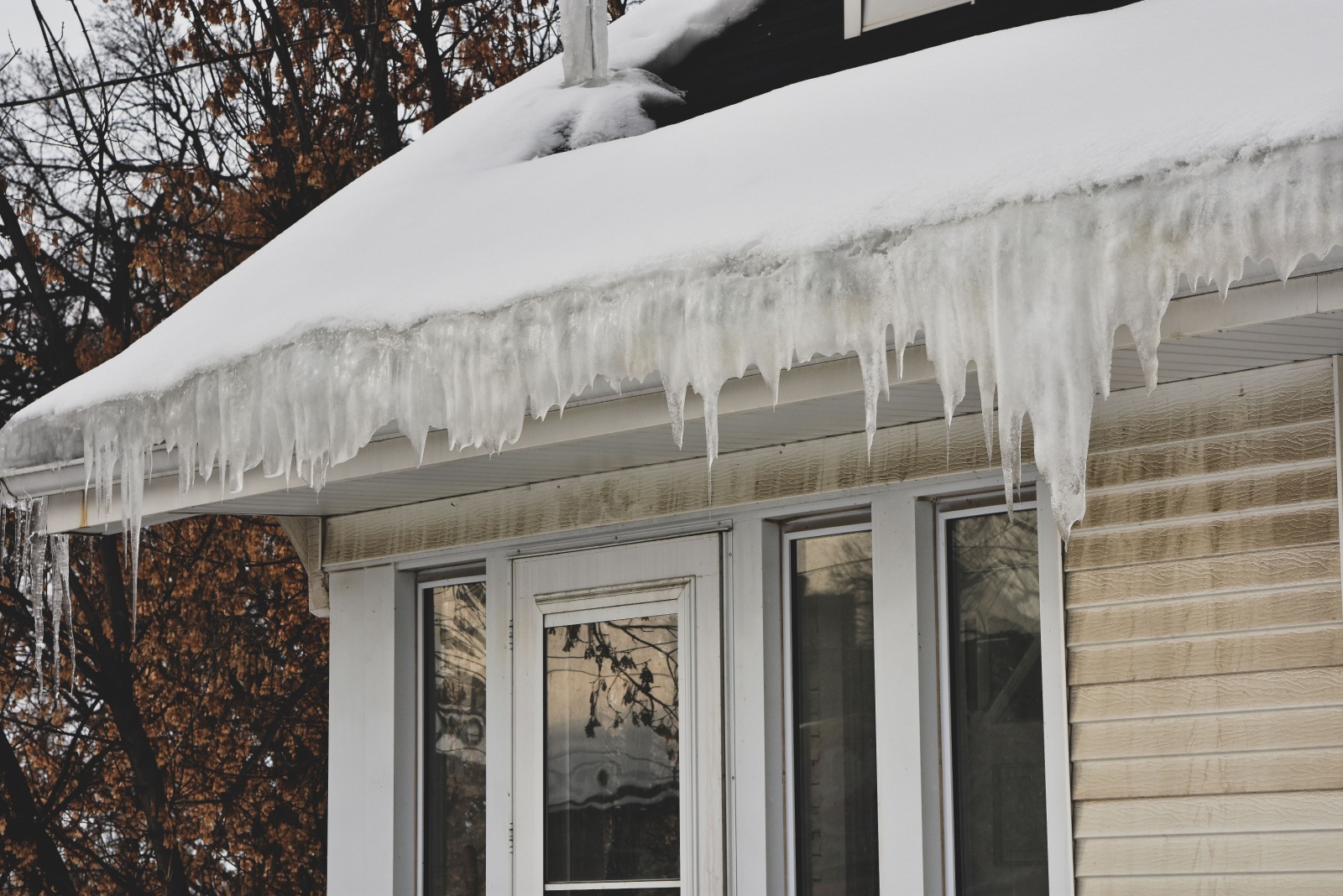
Winter in Michigan doesn’t just arrive—it hits.
Freezing rain, heavy snow, and surprise thaws can turn a small home-maintenance slip into a costly mid-January disaster.
Yet every year, homeowners unknowingly make the same exterior mistakes that invite leaks, ice dams, foundation trouble, and sky-high heating bills.
Before the temperatures plunge, here are the top cold-weather missteps Michiganders should avoid if they want to protect their homes—and their wallets—through another long, unforgiving winter.
1. Neglecting Gutter Cleaning Before The First Snow
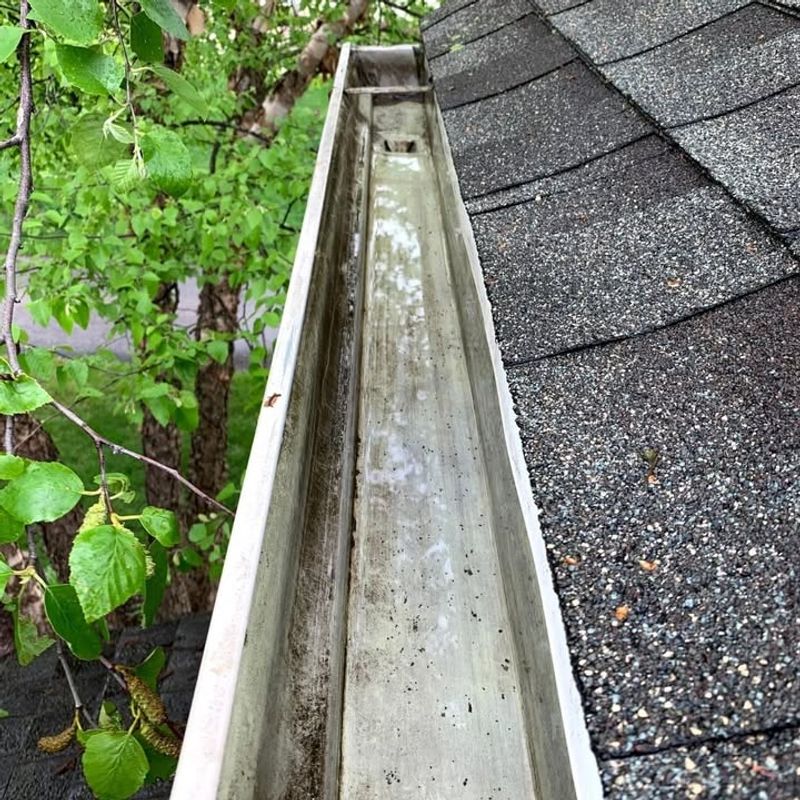
Leaves, twigs, and debris pile up in gutters throughout fall, and many Michigan homeowners forget to clear them before winter arrives.
When snow melts on your roof, the water needs somewhere to go, and clogged gutters force it to overflow.
This overflow can freeze along your roofline, creating ice dams that push water under shingles and into your attic.
Water damage inside walls and ceilings becomes a real problem, leading to mold growth and expensive repairs.
Cleaning gutters might seem like a chore, but it takes just a few hours and prevents thousands of dollars in damage.
If you can’t safely reach your gutters, hire a professional to do the job before the first snowfall.
Make sure downspouts direct water at least six feet away from your foundation to prevent basement flooding.
Michigan’s freeze-thaw cycles make this task especially important compared to milder climates.
Check gutters again mid-winter if you notice icicles forming along the edges.
A little prevention now saves major headaches later when temperatures drop below freezing for weeks at a time.
2. Forgetting To Disconnect And Drain Outdoor Hoses
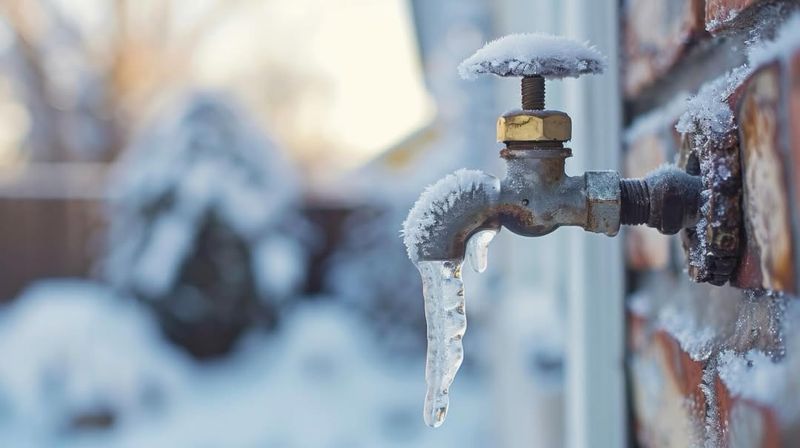
Leaving hoses attached to outdoor faucets seems harmless, but water trapped inside can freeze and expand.
When water freezes in the hose or faucet, it creates pressure that can crack pipes inside your walls.
A burst pipe might not show up until spring when temperatures rise and water starts gushing into your basement or crawl space.
Disconnecting hoses takes less than five minutes per faucet and prevents a plumbing disaster.
After removing the hose, drain any remaining water from the faucet by opening the valve briefly.
Consider installing frost-free faucets or insulated faucet covers for extra protection during Michigan’s coldest months.
Store hoses in a garage or shed where they won’t freeze and crack.
If you have an irrigation system, make sure a professional blows out the lines before winter.
Many Michigan homeowners learn this lesson the hard way after discovering water damage in spring.
Taking this simple step now means you won’t be calling an emergency plumber when temperatures hit single digits.
3. Skipping Roof Inspections After Heavy Snowfall
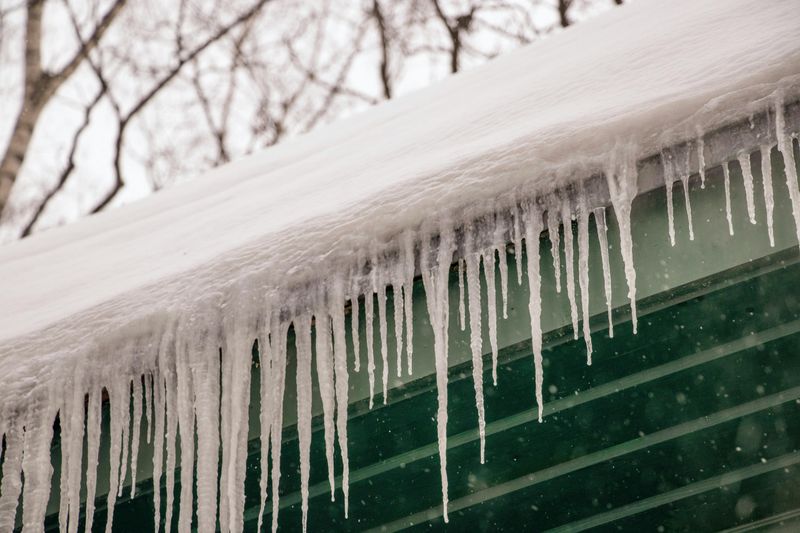
Snow looks pretty on your roof, but it weighs more than you might think.
Wet, heavy snow can weigh up to 20 pounds per cubic foot, putting serious stress on your roof structure.
Michigan homes experience multiple snowstorms each winter, and snow accumulates quickly without regular removal.
Sagging rooflines, creaking sounds, or cracks in interior walls signal that your roof might be overloaded.
Your Michigan Garden Changes Every Week. Your Plan Should Too.
Gardening in Michigan changes quickly throughout the season. Every Friday you’ll receive a simple weekly plan showing exactly what to plant, prune, fertilize, harvest, and protect so you never miss the right timing.
Checking your roof after major storms helps you spot problems before they become dangerous.
Use binoculars to inspect from the ground rather than climbing up in icy conditions.
Look for uneven snow distribution, which might indicate weak spots or structural issues.
If you see signs of stress, call a professional to safely remove excess snow.
Flat or low-slope roofs are especially vulnerable to snow accumulation and need more frequent monitoring.
Ignoring these warning signs can lead to roof collapse, which endangers your family and costs tens of thousands to repair.
4. Allowing Ice Dams To Form Without Intervention
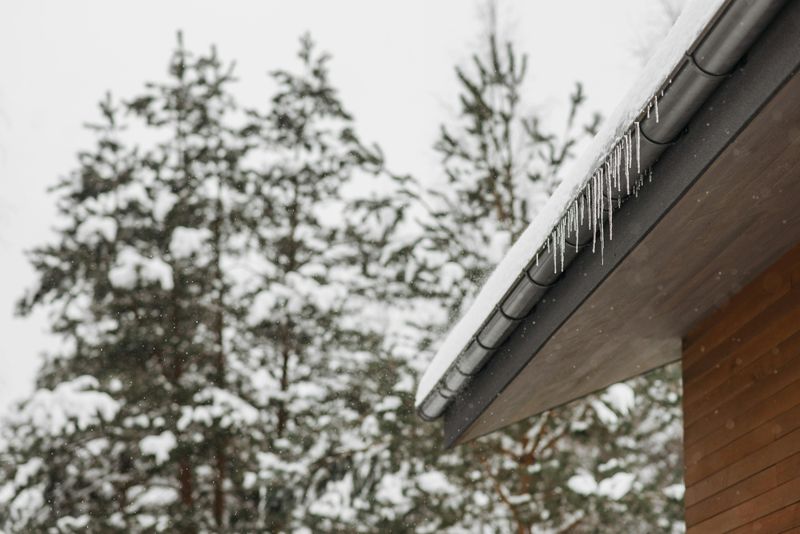
Ice dams form when heat escapes through your roof, melting snow that refreezes at the colder eaves.
This creates a barrier that traps water behind it, forcing moisture under shingles and into your home.
Michigan’s fluctuating winter temperatures create perfect conditions for ice dam formation.
Water stains on ceilings, peeling paint, or damp insulation are signs that ice dams have caused interior damage.
Improving attic insulation and ventilation prevents heat loss that triggers ice dam formation.
Seal air leaks around chimneys, vents, and light fixtures to keep warm air inside your living spaces.
Installing heating cables along roof edges provides a temporary solution but doesn’t address the root cause.
Never chip away ice dams with tools, as you’ll likely damage shingles and make the problem worse.
A roof rake helps you safely remove snow from the ground, reducing the material available to form dams.
Addressing insulation issues now protects your Michigan home for many winters to come and lowers heating bills too.
5. Leaving Foundation Vents Open During Freezing Weather
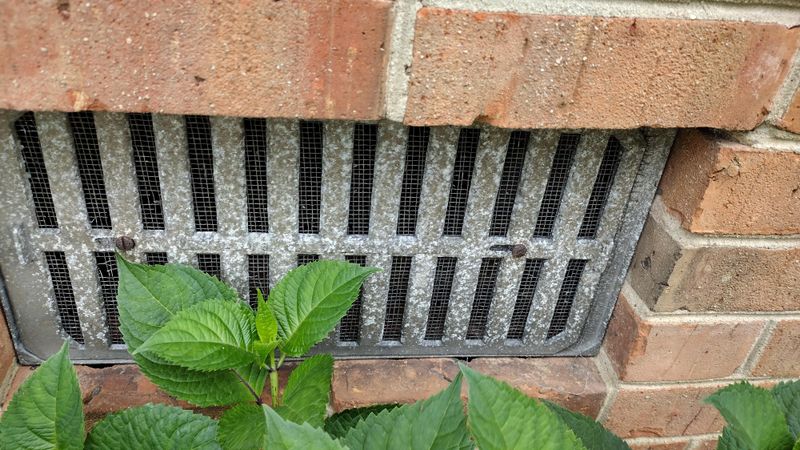
Crawl space vents help with moisture control during warm months, but they need different treatment in winter.
Cold air flowing through open vents can freeze pipes in your crawl space and make floors uncomfortably cold.
Michigan winters drop well below freezing for extended periods, making this a serious concern.
Closing foundation vents or installing insulated covers keeps cold air out and reduces heating costs.
Some experts recommend sealing vents year-round and conditioning crawl spaces like the rest of your home.
Check with a local contractor about the best approach for your specific foundation type and climate zone.
Frozen pipes in crawl spaces are common in Michigan and can burst without warning.
Insulating pipes and ductwork in crawl spaces provides additional protection against extreme cold.
Monitor humidity levels if you close vents completely, as too much moisture can cause different problems.
A simple vent cover costs just a few dollars but prevents expensive pipe repairs and uncomfortable drafts all winter long.
6. Ignoring Cracks In Exterior Walls And Foundation
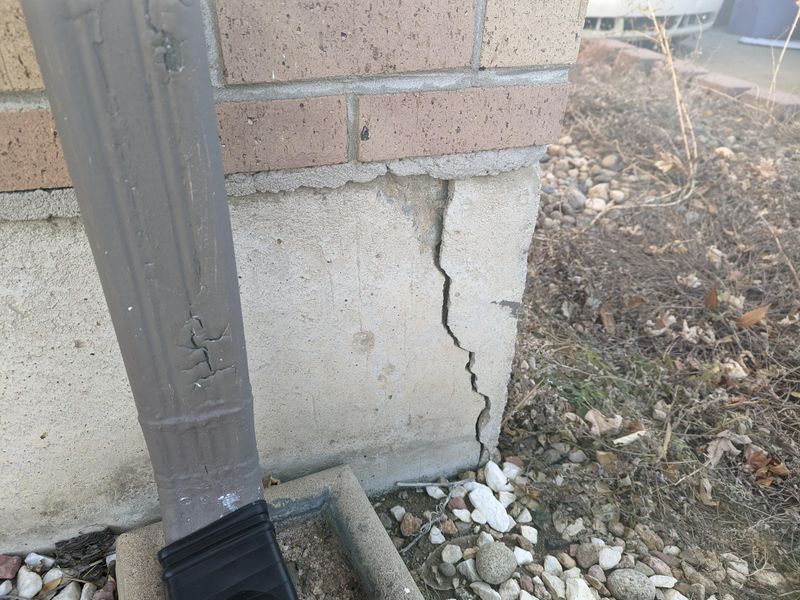
Small cracks in siding, brick, or foundation might seem minor, but Michigan’s freeze-thaw cycles make them grow rapidly.
Water seeps into tiny openings during the day when temperatures rise above freezing.
At night, that water freezes and expands, widening cracks and causing structural damage.
What starts as a hairline crack in fall can become a serious problem by spring.
Sealing cracks with appropriate caulk or filler before winter prevents water infiltration and further damage.
Different materials require different repair approaches, so choose products designed for exterior use in cold climates.
Foundation cracks larger than a quarter-inch should be evaluated by a professional.
Water entering through foundation cracks can flood basements and compromise your home’s structural integrity.
Michigan homeowners often underestimate how quickly winter weather worsens existing damage.
Walking around your home’s perimeter in late fall helps you identify problem areas before snow covers everything and temperatures plummet for months.
7. Failing To Trim Trees And Branches Near The House
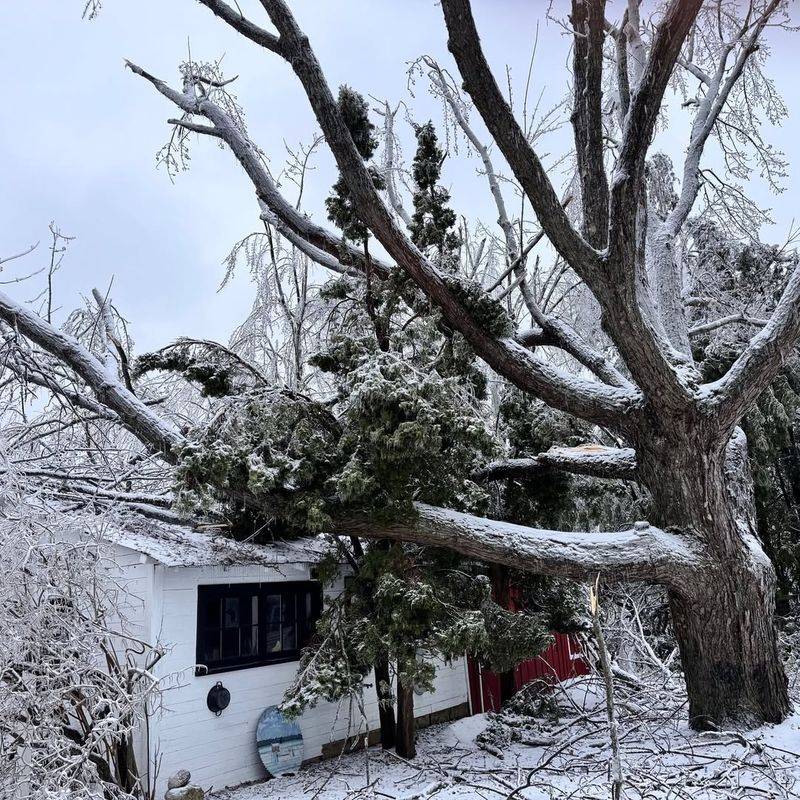
Trees look beautiful year-round, but winter storms add weight to branches that can snap without warning.
Heavy snow and ice accumulation turn ordinary branches into projectiles that can damage roofs, windows, and siding.
Michigan experiences ice storms that coat everything in heavy layers, making even healthy branches vulnerable.
Branches touching your house provide highways for pests seeking warm shelter inside your walls.
Trimming trees in late fall removes hazards before winter weather makes the job dangerous and expensive.
Focus on branches within ten feet of your home, especially those overhanging the roof.
Diseased branches pose the greatest risk and should be removed first.
Hire a professional arborist if branches are large, high up, or near power lines.
Storm damage from falling branches often isn’t covered by insurance if neglect can be proven.
Taking time to trim trees in autumn protects your Michigan home and gives you peace of mind during winter storms that regularly sweep through the region.
8. Not Checking Window And Door Seals For Air Leaks
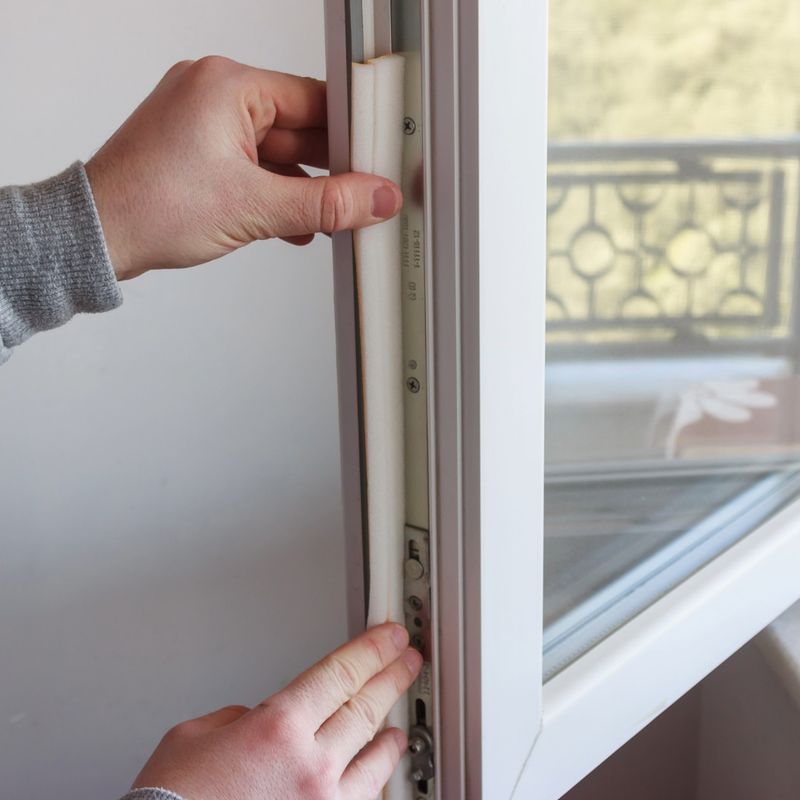
Air leaks around windows and doors waste energy and make your heating system work overtime.
Michigan’s harsh winters mean even small gaps let in significant cold air and drive up utility bills.
Hold a candle or incense stick near window and door edges on a windy day to detect drafts.
Weatherstripping and caulk are inexpensive fixes that dramatically improve comfort and efficiency.
Replace worn weatherstripping around doors, paying special attention to the bottom threshold.
Caulk gaps between window frames and siding on the exterior to prevent water and air infiltration.
Interior storm windows or plastic film kits add an extra layer of insulation for older windows.
Curtains and blinds help too, but they’re no substitute for proper sealing.
Energy audits from utility companies often identify problem areas you might miss on your own.
Sealing leaks before winter arrives keeps your Michigan home comfortable and reduces heating costs by up to 20 percent throughout the coldest months of the year.
9. Using The Wrong Type Of Ice Melt On Walkways
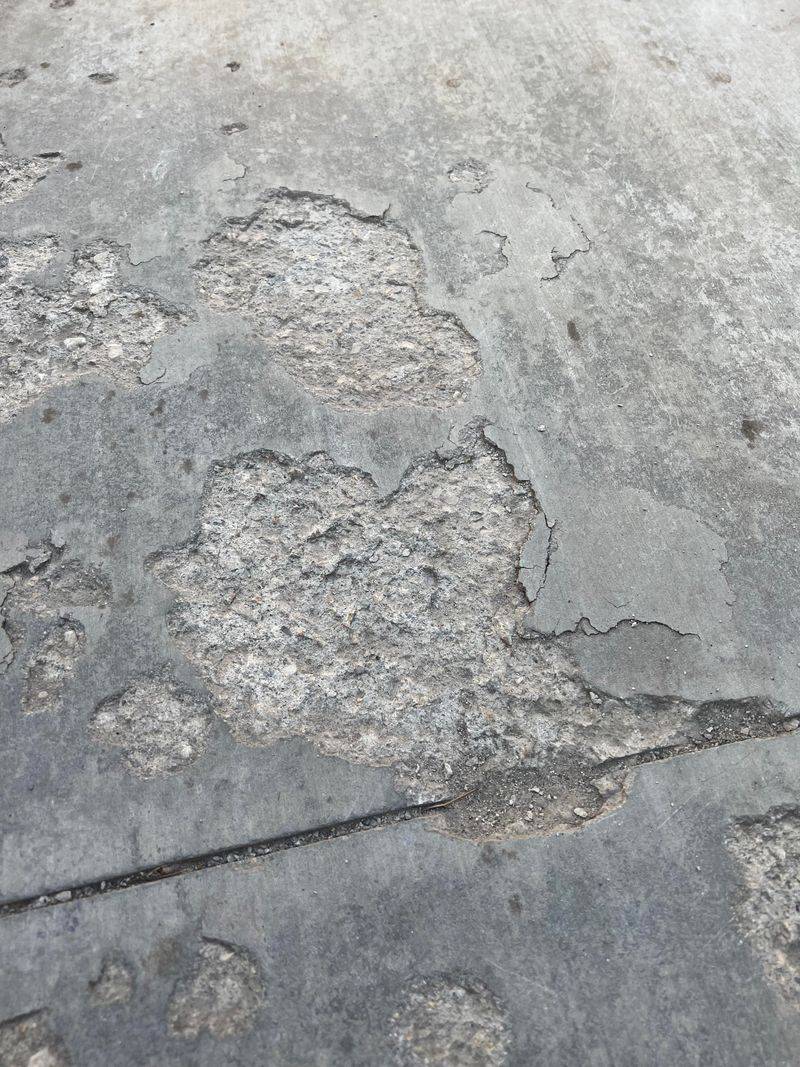
Rock salt is cheap and effective at melting ice, but it damages concrete, plants, and pet paws.
Michigan homeowners spread tons of ice melt each winter without considering the long-term consequences.
Sodium chloride (rock salt) causes concrete to crack and spall, especially on newer driveways and sidewalks.
Salt also runs off into gardens and lawns, harming plants that will struggle to grow in spring.
Pets suffer from chemical burns on their paw pads when they walk on heavily salted surfaces.
Calcium chloride works at lower temperatures than rock salt and causes less concrete damage.
Magnesium chloride is gentler on plants and pets while still providing good ice melting performance.
Sand or kitty litter provides traction without chemicals, though it doesn’t melt ice.
Apply ice melt products sparingly and sweep up excess after ice melts to minimize damage.
Choosing the right product for your Michigan home protects your investment and keeps everyone safe without causing unnecessary harm to surfaces, landscaping, or furry family members.
10. Postponing Siding And Paint Repairs Until Spring
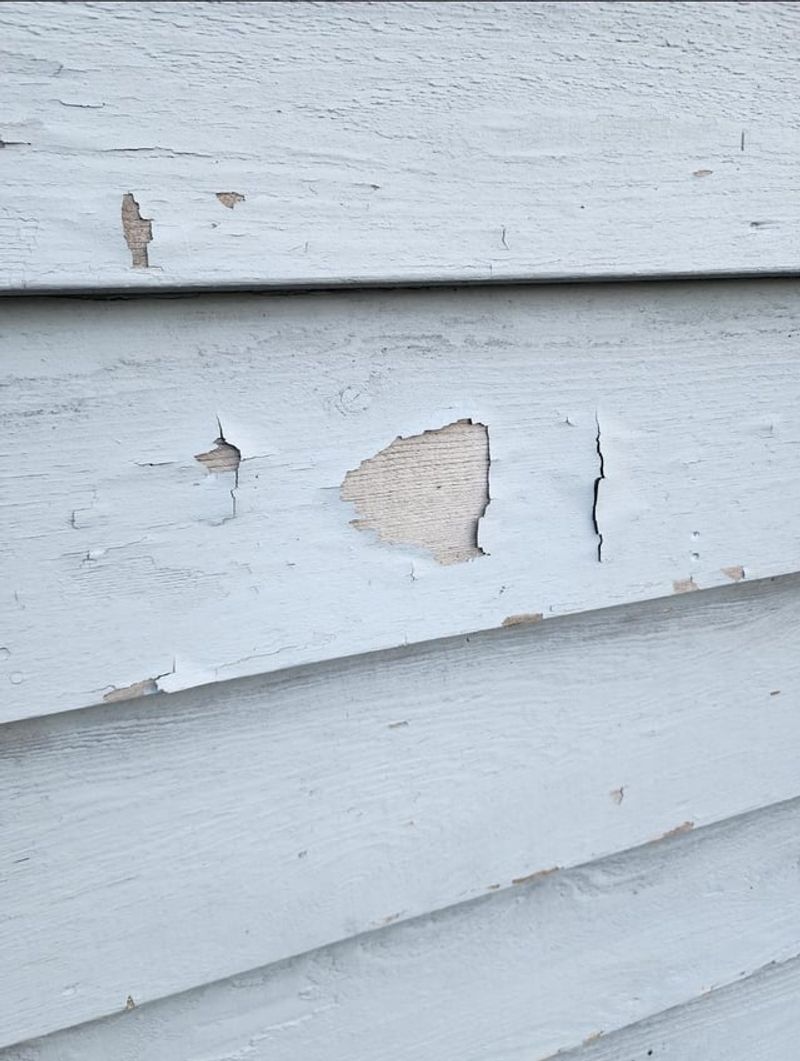
Peeling paint and damaged siding create openings for moisture to penetrate your home’s exterior.
Michigan winters are wet, with snow melting and refreezing against walls throughout the season.
Water infiltration leads to rot, mold, and insulation damage that multiplies repair costs.
Small repairs in fall prevent major reconstruction projects in spring.
Even if you can’t paint in cold weather, temporary sealing with caulk or patches protects vulnerable areas.
Wood siding is especially susceptible to moisture damage during freeze-thaw cycles.
Vinyl siding can crack in extreme cold if it’s already loose or improperly installed.
Inspect your home’s exterior on a mild fall day and address any obvious damage immediately.
Taking photos helps you track problem areas and plan for permanent repairs when weather permits.
Michigan homeowners who wait until spring often discover that minor issues have become expensive disasters requiring extensive work instead of simple fixes that could have been completed months earlier.