What It Means When Frogs Show Up In Louisiana Gardens After Rain
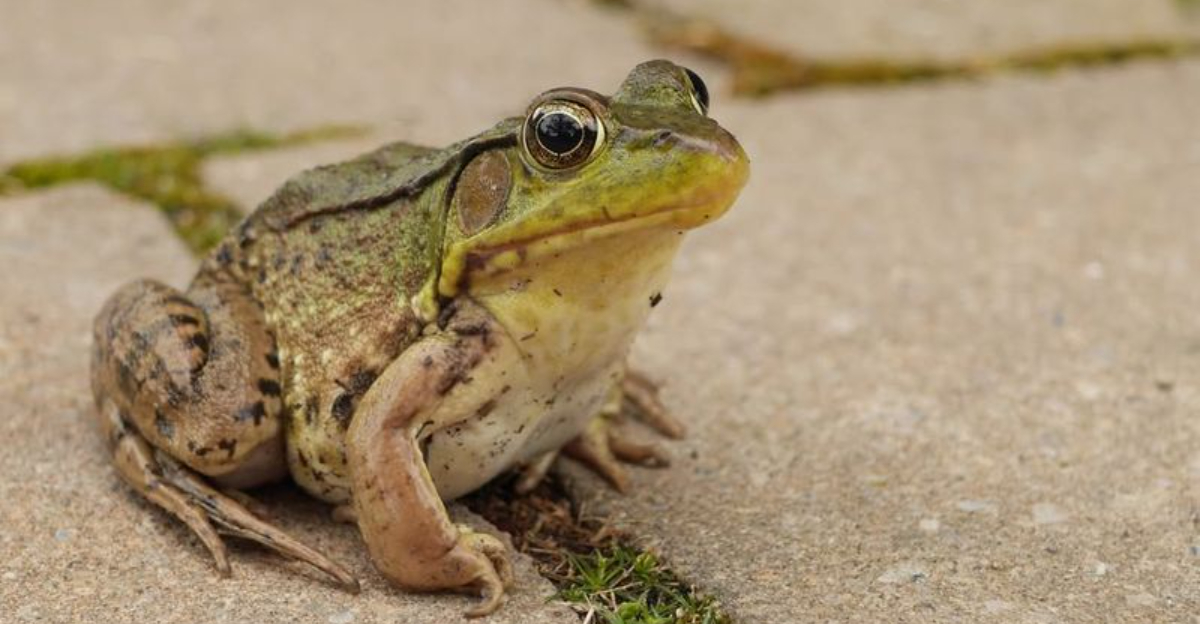
Rain in Louisiana has a way of waking up the landscape, and nothing shows that more clearly than frogs appearing as if summoned from thin air.
One moment the yard is quiet, the next it’s alive with croaks, hops, and tiny silhouettes perched along flower beds.
Their sudden arrival after a storm can feel like nature calling roll.
Frogs respond quickly to fresh rainfall because it transforms the ground into prime real estate.
Moist soil, temporary puddles, and cooler air give them the perfect conditions to move, feed, and call out to others.
Louisiana’s warm, humid climate only adds fuel to the fire, turning gardens into comfortable stopovers when the skies open up.
Some homeowners take their presence as a sign of trouble, while others see an unexpected blessing.
Frogs can eat pests faster than many sprays can, and their appearance often hints at a healthy, balanced yard.
Their calls may sound loud, but they are part of a rhythm that has played across the state for generations.
Understanding what draws frogs in helps make sense of their post-rain parade.
Their arrival says plenty about soil, moisture, and the natural pulse of a Louisiana garden after a good soak.
1. Your Garden Has A Healthy Ecosystem
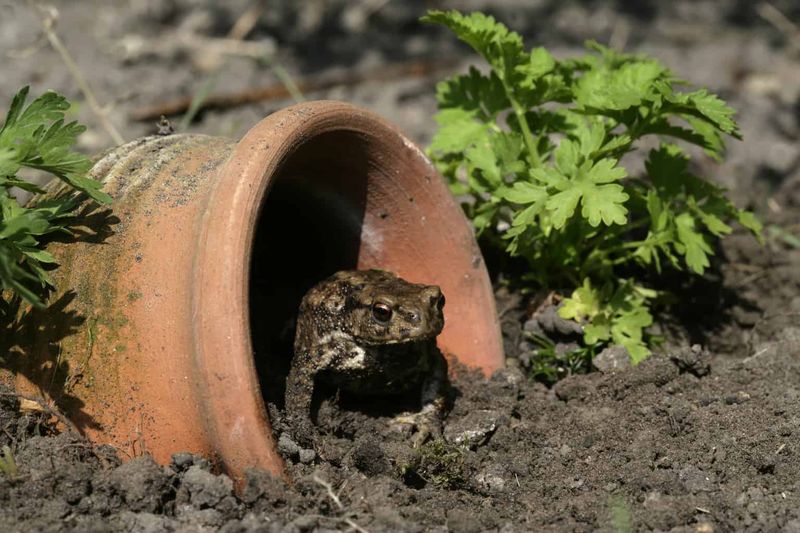
Frogs appearing in your Louisiana garden after a rainstorm is actually fantastic news for your yard’s overall health.
These amphibians are super picky about where they hang out, and they only stick around places where the environment supports their needs.
When you see them hopping around your flower beds or hiding under your shrubs, it means your garden has achieved a nice balance of moisture, shelter, and food sources that frogs need to survive.
Louisiana’s humid climate creates perfect conditions for frogs, but they still won’t visit just any yard.
Your garden needs to have insects for them to eat, places to hide from predators, and the right moisture levels.
If frogs are showing up regularly, you’ve created a mini wildlife sanctuary right in your backyard.
This is something to be proud of because it shows you’re not overusing harsh chemicals that would drive these sensitive creatures away.
Think of frogs as nature’s stamp of approval for your gardening practices.
They breathe through their skin, which makes them incredibly sensitive to pollution and toxins in the environment.
If your yard can support frog populations, it means the air and soil quality are good enough for these delicate animals.
This also suggests that your garden is producing enough insects to feed the frogs, which indicates a thriving food chain.
Many Louisiana gardeners work hard to create spaces that welcome wildlife, and having frogs visit after rain proves you’re doing something right.
2. Natural Pest Control Is At Work
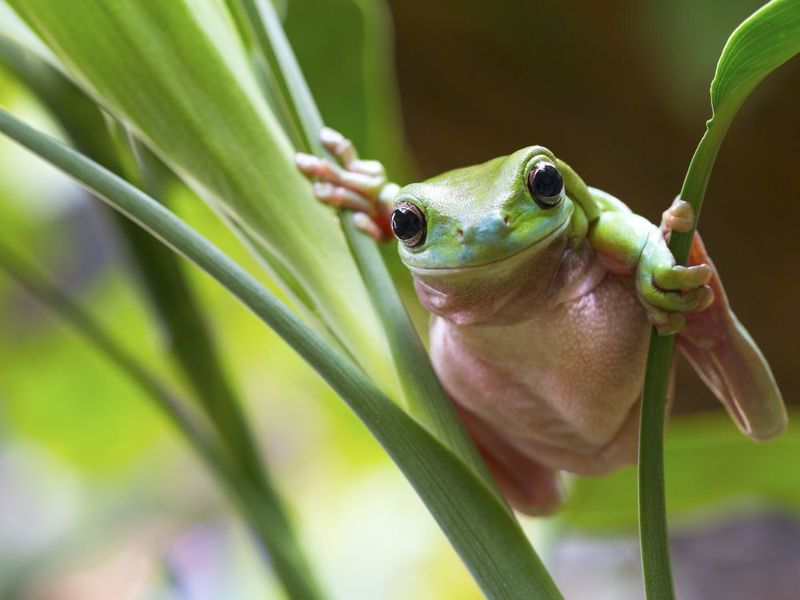
Every single frog that visits your Louisiana garden is like having a free pest control service working around the clock.
These hungry amphibians have massive appetites for the exact bugs that gardeners hate most.
Mosquitoes, gnats, flies, beetles, and even slugs are all on the menu for your croaking visitors.
Your Louisiana Garden Changes Every Week. Your Plan Should Too.
Gardening in Louisiana changes quickly throughout the season. Every Friday you’ll receive a simple weekly plan showing exactly what to plant, prune, fertilize, harvest, and protect so you never miss the right timing.
A single frog can eat hundreds of insects in just one night, making them incredibly valuable allies in keeping your plants healthy and your outdoor time more enjoyable.
After rain, insect populations explode in Louisiana because of all the standing water and increased humidity.
Mosquitoes lay their eggs in puddles, and other bugs become more active in the damp conditions.
Frogs know this pattern and show up right when the buffet is most plentiful.
By munching on these pests, frogs help protect your vegetables, flowers, and ornamental plants from damage.
They’re especially good at controlling mosquito populations, which is a huge benefit during Louisiana’s warm, muggy months when these biting insects can make being outside miserable.
The best part about frog-based pest control is that it’s completely natural and doesn’t cost you a penny.
Unlike chemical pesticides that can harm beneficial insects like bees and butterflies, frogs target problem insects without disrupting the helpful ones.
They hunt mostly at night when many garden pests are most active, working while you sleep.
If you’re trying to grow a vegetable garden or maintain beautiful flower beds in Louisiana, having frogs around means you can use fewer pesticides and still keep pest populations under control.
3. Moisture Levels Are Just Right
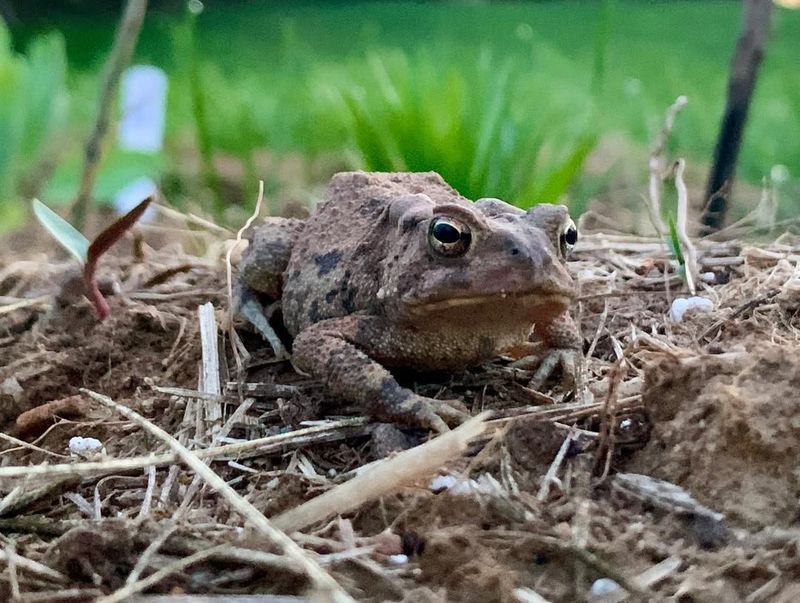
Frogs are basically living moisture meters for your Louisiana garden.
When they show up after rain, they’re telling you that the water levels in your yard have hit the sweet spot.
Amphibians need moist environments to survive because their skin must stay damp for them to breathe properly.
If your garden is too dry, frogs will avoid it completely, but if it’s holding moisture well after a rain, they’ll come out to enjoy the conditions.
Louisiana’s clay-heavy soil can sometimes create drainage problems, but if frogs are appearing, it means your yard is managing water pretty well.
The soil is holding enough moisture to keep things damp without becoming a swamp.
This balance is actually ideal for most garden plants too.
When your soil retains the right amount of water, plant roots can access what they need without sitting in soggy conditions that cause root rot.
Frogs are sensitive to these moisture levels and will only inhabit areas where the dampness is perfect for their needs.
Watching where frogs gather in your garden can actually teach you about your yard’s drainage patterns.
You might notice they prefer certain spots over others, which can show you where water collects or where the soil stays damper longer.
This information is gold for gardeners trying to figure out the best places to plant moisture-loving flowers or vegetables.
In Louisiana’s hot summers, areas that hold moisture well are precious real estate for both plants and wildlife.
If frogs are choosing your garden as their post-rain hangout, you’ve got good water retention happening.
4. Your Yard Provides Shelter And Safety
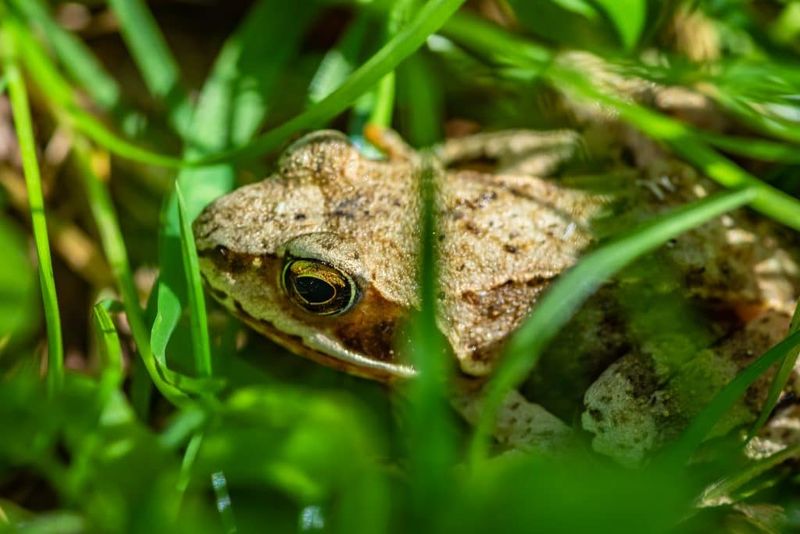
Finding frogs in your Louisiana garden means you’ve created spaces where these small creatures feel protected from danger.
Frogs are prey animals that constantly need to worry about birds, snakes, raccoons, and even neighborhood cats.
When they choose to visit your yard, it signals that you have plenty of hiding spots where they can stay safe.
Thick ground cover, leaf litter, stacked stones, logs, and dense plantings all provide the shelter frogs desperately need.
Many Louisiana gardeners keep their yards super tidy, raking up every leaf and clearing away any debris.
While this might look neat, it actually removes the hiding places frogs depend on.
If frogs are showing up at your place, you’ve probably left some natural elements in place.
Maybe you have a pile of rocks in the corner, some mulch under your bushes, or you let leaves collect in certain areas.
These seemingly messy spots are actually wildlife hotels that make your garden attractive to frogs and other beneficial creatures.
Shade is another important factor that brings frogs to Louisiana gardens after rain.
Our state’s intense sun can quickly dry out a frog’s sensitive skin, so they look for shaded areas where they can stay cool and moist.
If you have trees, large shrubs, or covered areas in your garden, frogs will use these as refuge zones.
The combination of moisture from recent rain and shady protection makes your yard irresistible to these amphibians.
By maintaining diverse landscaping with different heights and textures, you’re accidentally building the perfect frog habitat.
5. Breeding Season Is Happening
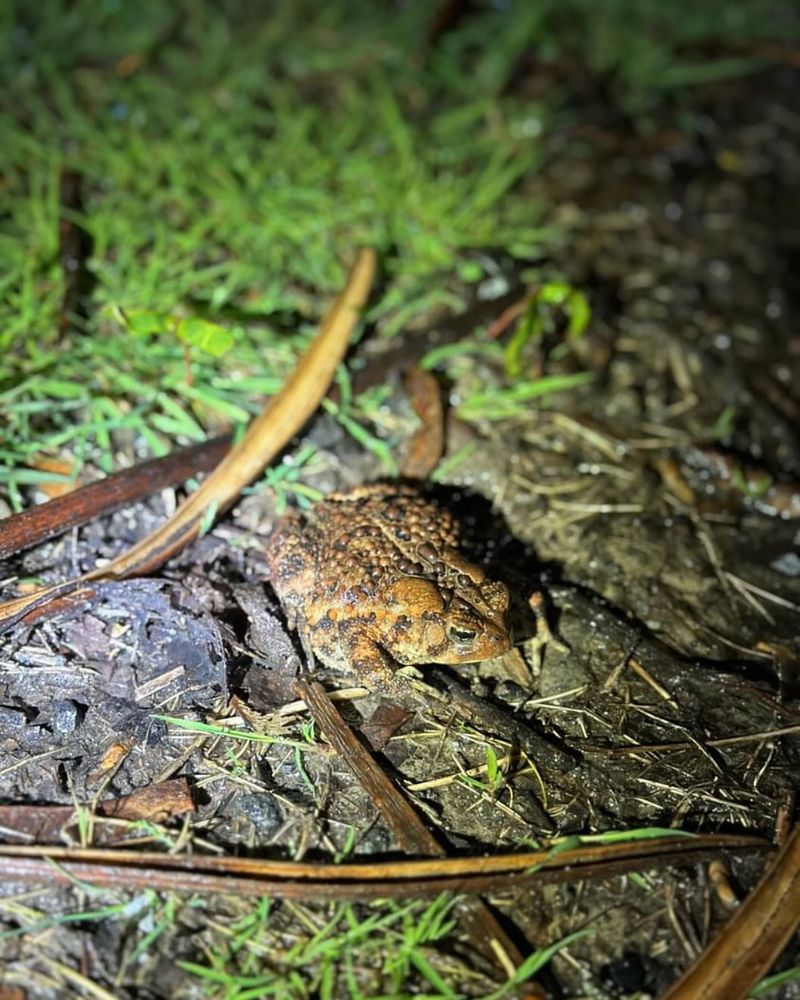
Did you know that rain triggers breeding behavior in Louisiana frogs?
When you hear that loud chorus of croaking after a storm, you’re actually listening to male frogs calling for mates.
Spring and early summer rains in Louisiana create perfect conditions for frog reproduction, and your garden might be serving as a breeding ground.
The males make all that noise to attract females, and the louder and more persistent they are, the better their chances of finding a partner.
Frogs need water to lay their eggs, but they don’t necessarily need a pond or stream.
Temporary puddles, low spots that collect rainwater, birdbaths, or even water that gathers in plant saucers can work for some species.
Louisiana has several frog species that specialize in using temporary water sources for breeding.
These clever amphibians take advantage of rain-filled areas that predators like fish can’t access.
If your garden has places where water pools after storms, frogs might be using your yard as a nursery for the next generation.
The timing of frog appearances can tell you about their breeding cycles.
In Louisiana, different species breed at different times throughout the warmer months.
Spring peepers and chorus frogs start calling as early as February, while green tree frogs and bullfrogs might not get going until May or June.
If you’re seeing and hearing lots of frog activity after rain during these months, breeding is likely the reason.
This is actually a compliment to your garden because frogs are very particular about where they’ll lay eggs, choosing only locations they consider safe and resource-rich.
6. Chemical Use In Your Area Is Low
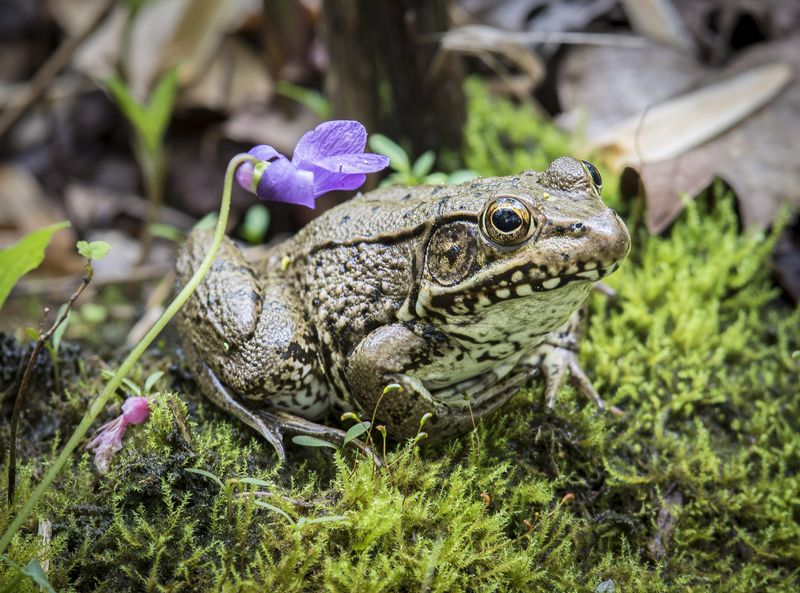
Frogs showing up regularly in your Louisiana garden is a strong indicator that you and your neighbors aren’t overusing harsh chemicals.
These amphibians are like canaries in a coal mine when it comes to environmental toxins.
Because they absorb substances through their permeable skin and spend time both in water and on land, they’re exposed to pollutants from multiple sources.
If frogs are thriving in your area, it means the local environment is relatively clean and healthy.
Pesticides, herbicides, and chemical fertilizers can be devastating to frog populations.
Even products that seem safe for use around the garden can harm these sensitive creatures.
When you see frogs in your yard after rain in Louisiana, it suggests that toxic runoff isn’t a major problem in your neighborhood.
This is beneficial for everyone, not just the frogs.
Lower chemical use means healthier soil, cleaner water in nearby streams and bayous, and a safer environment for pets and children who play outside.
Your frog visitors might also be encouraging you to continue eco-friendly gardening practices.
If you’ve been avoiding harsh chemicals and using organic methods instead, the presence of frogs confirms you’re on the right track.
Louisiana’s warm climate means we can garden almost year-round, which sometimes tempts people to rely heavily on chemical solutions for weeds and pests.
But seeing frogs hop around your flower beds is proof that natural methods work.
Their presence rewards your efforts to garden in harmony with nature rather than against it, creating a space where wildlife and plants can flourish together.
7. Connection To Louisiana’s Wetland Heritage
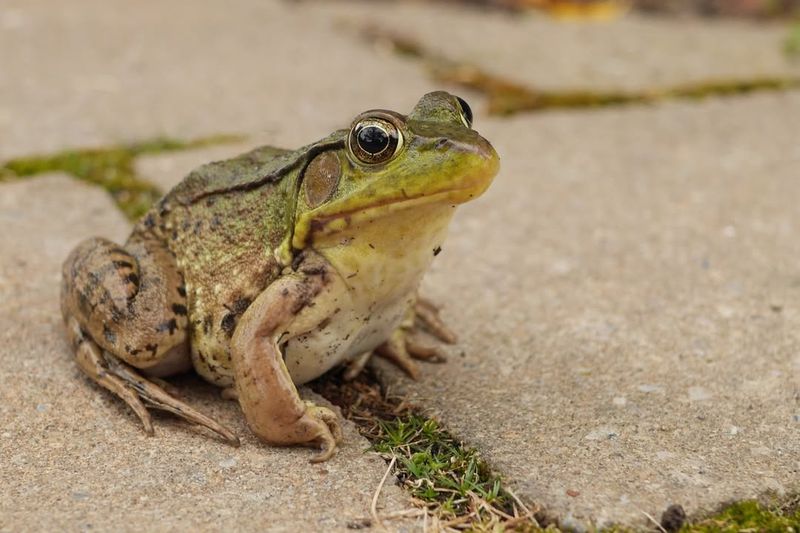
When frogs visit your Louisiana garden after rain, you’re witnessing a connection to our state’s incredible wetland heritage.
Louisiana is famous for having some of the most extensive wetland systems in North America, from the Mississippi River Delta to countless bayous, swamps, and marshes.
Frogs are a vital part of these ecosystems, and when they show up in suburban and urban gardens, they’re extending that wetland web right into our backyards.
It’s a reminder that even small gardens can play a role in supporting the wildlife that makes Louisiana special.
Our state is home to more than thirty frog and toad species, many of which have adapted to live alongside humans.
The green tree frog, Louisiana’s state amphibian, is a common garden visitor that represents this connection beautifully.
These bright green climbers with their distinctive ribbiting calls are perfectly suited to Louisiana’s climate and can thrive in gardens that mimic their natural wetland habitat.
When you provide even small amounts of moisture, shelter, and food, you’re helping maintain the ecological connections that have existed in Louisiana for thousands of years.
Having frogs in your garden also connects you to the seasonal rhythms that define life in Louisiana.
The arrival of frogs after spring rains signals the transition from cooler to warmer weather.
Their nighttime choruses are as much a part of Louisiana summers as humidity and afternoon thunderstorms.
By welcoming these creatures into your outdoor space, you’re participating in the natural cycles that make our state unique.
It’s a small but meaningful way to honor Louisiana’s wetland legacy and ensure that future generations can also enjoy the sight and sound of frogs after a good rain.