How Mississippi Gardeners Protect Beds From Armadillo Damage
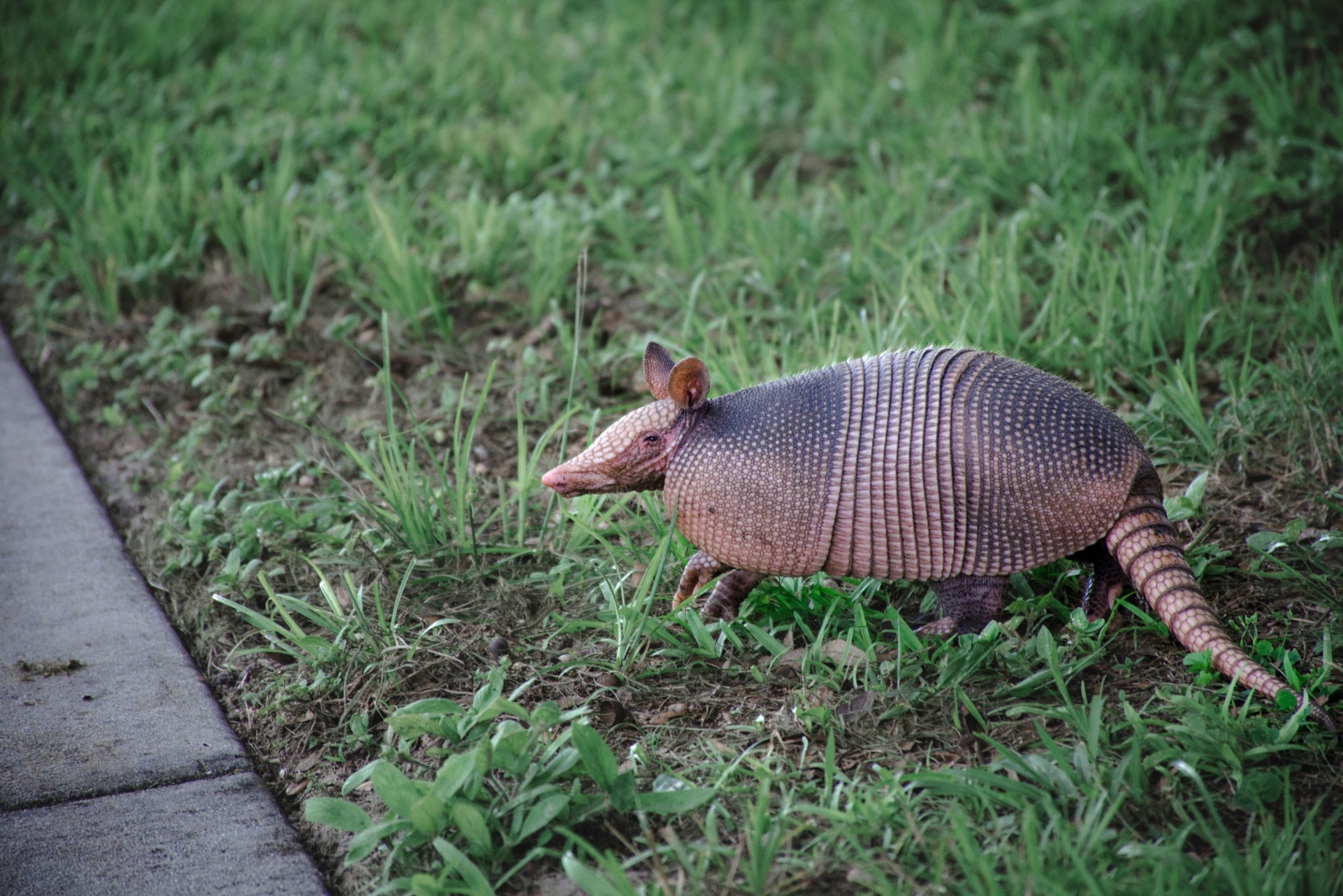
Armadillos might look harmless as they waddle through your yard, but these armored critters can wreak havoc on garden beds across Mississippi.
Their powerful claws dig deep into soil searching for grubs, insects, and roots, leaving behind torn-up plants and destroyed landscaping.
Mississippi gardeners face this challenge regularly, especially during warmer months when armadillos are most active and hungry.
Protecting your precious garden beds requires smart strategies that work with Mississippi’s climate and these persistent animals’ habits.
The good news is that several proven methods can help you defend your plants without harsh measures.
From physical barriers to natural deterrents, gardeners throughout the state have discovered effective ways to keep their beds safe.
Installing Buried Wire Mesh Around Garden Perimeters
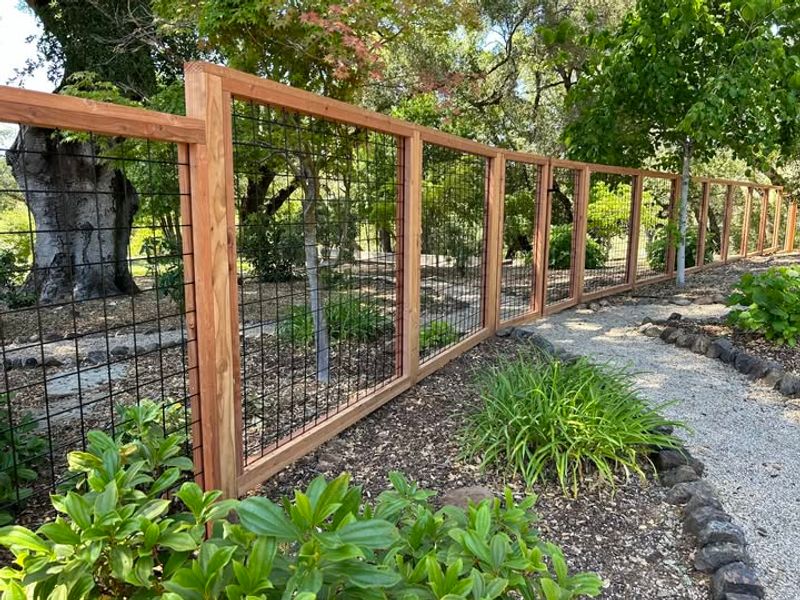
Physical barriers work wonders when armadillos come sniffing around your garden beds looking for their next meal.
Wire mesh with half-inch openings creates an impenetrable wall that stops these diggers in their tracks.
Mississippi gardeners bury the mesh at least twelve inches deep because armadillos are notorious burrowers who can tunnel underneath shallow barriers.
The mesh should also extend about six inches above ground level to prevent them from simply walking over it.
Galvanized steel mesh lasts longest in Mississippi’s humid climate, resisting rust and deterioration through multiple growing seasons.
Bend the bottom portion outward at a ninety-degree angle underground to create an L-shape that really frustrates their digging efforts.
This installation takes some initial effort and investment, but it provides long-term protection that pays off year after year.
Many gardeners combine this method with other deterrents for maximum effectiveness.
The mesh remains invisible once plants grow in, so your garden still looks beautiful while staying completely protected.
Hardware stores throughout Mississippi carry the right materials, and installation becomes easier with practice.
Creating Raised Garden Beds With Solid Sides
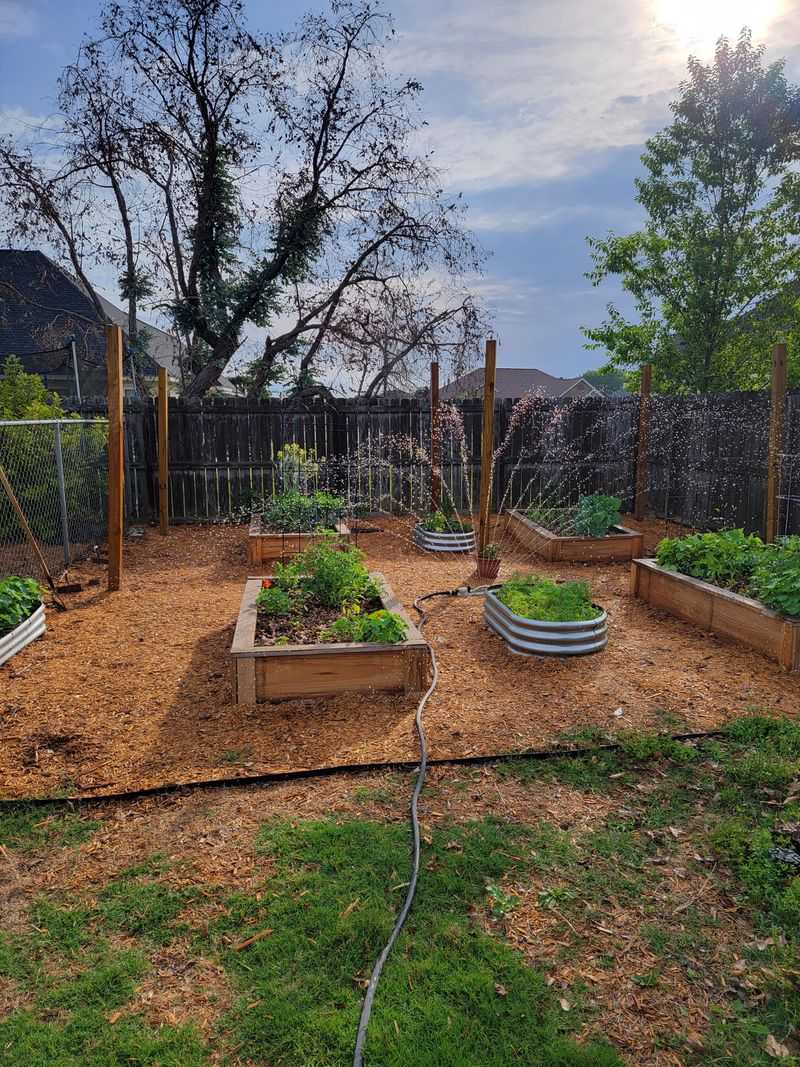
Elevation changes everything when it comes to keeping armadillos away from your prized vegetables and flowers.
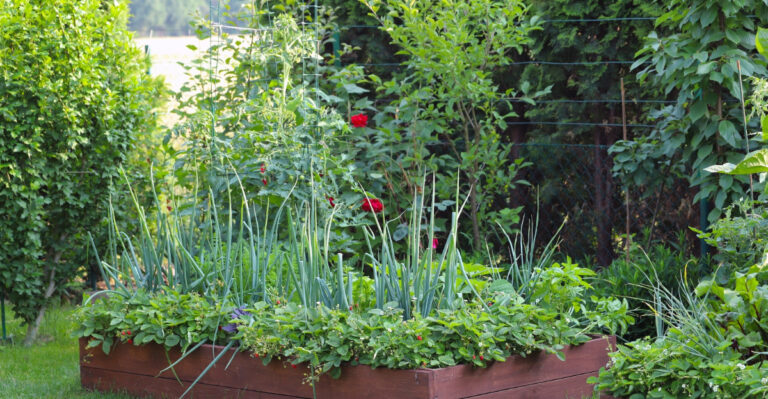
Raised beds with solid wooden or metal sides at least eighteen inches tall present a challenging obstacle for these ground-dwelling creatures.
Cedar and cypress wood work particularly well in Mississippi because they naturally resist rot in our steamy summers and wet winters.
The height alone discourages armadillos, who prefer easy access to food rather than climbing vertical surfaces.
Adding a wire mesh bottom to raised beds provides double protection against both armadillos digging up and burrowing in from below.
These elevated structures also improve drainage, which benefits plants during Mississippi’s heavy rainfall periods.
Gardeners can fill raised beds with premium soil mixes that promote healthier plant growth while creating an armadillo-free zone.
The initial construction requires some carpentry skills and materials, but the results last for many seasons.
Raised beds also make gardening easier on your back and knees, offering multiple benefits beyond pest protection.
Local garden centers across Mississippi stock raised bed kits that simplify the building process considerably.
Applying Cayenne Pepper and Garlic Spray Deterrents
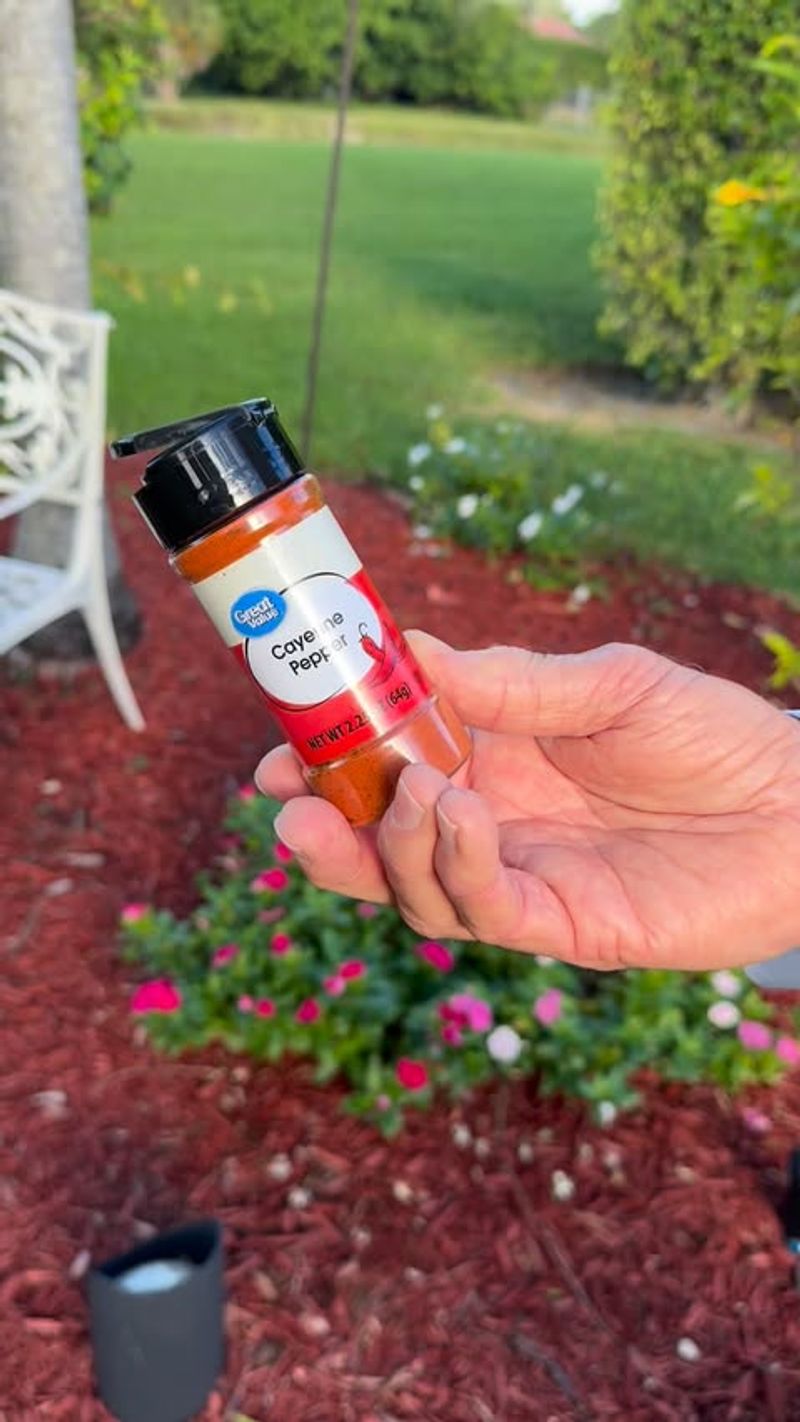
Natural repellents offer a chemical-free approach that many Mississippi gardeners swear by for keeping armadillos at bay.
Your Mississippi Garden Changes Every Week. Your Plan Should Too.
Gardening in Mississippi changes quickly throughout the season. Every Friday you’ll receive a simple weekly plan showing exactly what to plant, prune, fertilize, harvest, and protect so you never miss the right timing.
A homemade spray combining cayenne pepper, crushed garlic, and water creates an unpleasant sensory experience that armadillos absolutely hate.
Their sensitive noses detect these strong scents from a distance, encouraging them to search for food elsewhere.
Mix two tablespoons of cayenne pepper and four crushed garlic cloves with a quart of water, then let it steep overnight.
Strain the mixture and add a few drops of dish soap to help it stick to plants and soil surfaces.
Spray this solution around garden bed perimeters and directly on the soil every few days, especially after rain washes it away.
Mississippi’s frequent summer thunderstorms mean you’ll need to reapply regularly for consistent protection.
This method works best when combined with other deterrents rather than relying on it alone.
The ingredients cost very little and are probably already in your kitchen pantry right now.
Some gardeners add hot sauce or black pepper for extra potency that really sends armadillos packing.
Installing Motion-Activated Sprinkler Systems
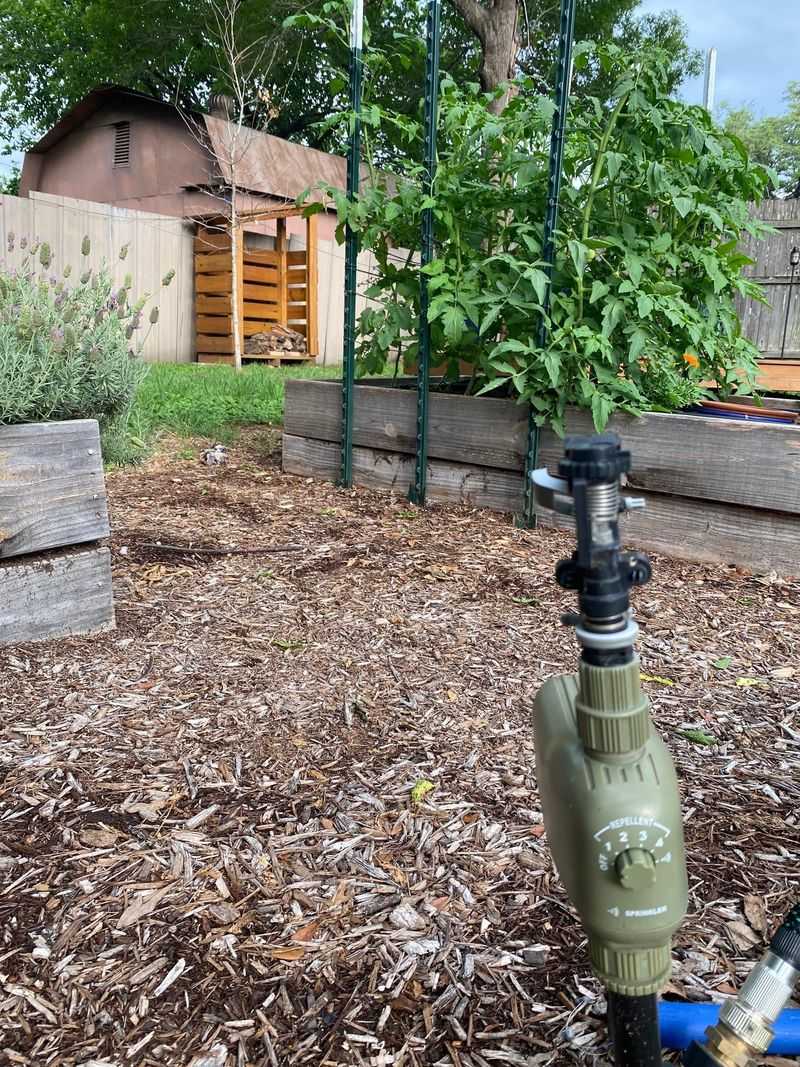
Sudden water blasts startle armadillos and teach them to avoid your garden through harmless but effective conditioning.
Motion-activated sprinklers detect movement with infrared sensors and immediately spray water in the intruder’s direction.
Armadillos dislike unexpected surprises, and a face full of water sends them scurrying back to wherever they came from.
These devices work day and night, providing constant vigilance when you’re asleep or away from home.
Mississippi gardeners appreciate that sprinklers also water their plants while protecting them, serving dual purposes efficiently.
Most models run on batteries and connect to standard garden hoses, making installation straightforward without requiring electrical work.
Position sprinklers to cover garden bed entrances and pathways where armadillos typically travel through your yard.
The initial investment costs more than some other methods, but the long-term convenience and effectiveness justify the expense.
Adjust sensitivity settings to avoid triggering the sprinkler when neighborhood cats or small birds pass by.
Many Mississippi gardeners report success within just a few nights as armadillos learn to associate your garden with unpleasant wet surprises.
Removing Food Sources Like Grubs and Insects
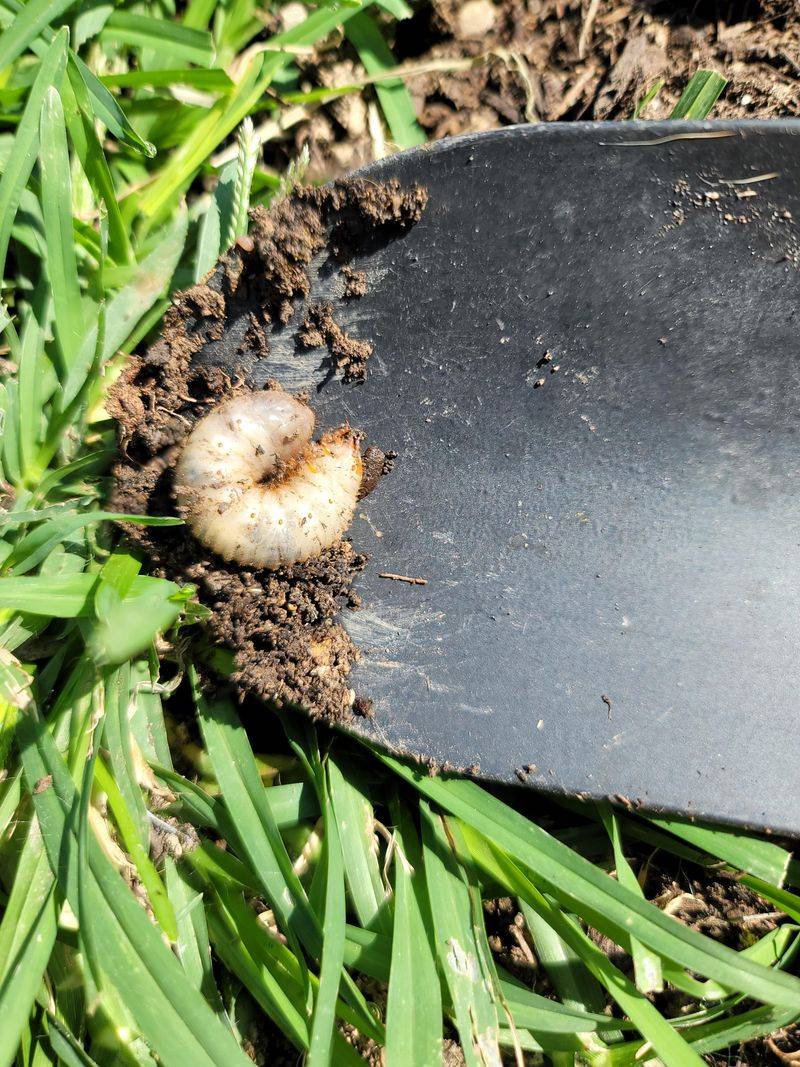
Armadillos don’t actually want your plants; they’re after the tasty insects and grubs living in your garden soil.
Eliminating these food sources removes the main reason armadillos visit your property in the first place.
Beneficial nematodes applied to soil naturally reduce grub populations without harsh chemicals that harm earthworms and other helpful organisms.
These microscopic helpers seek out and control beetle larvae, which constitute a major part of armadillo diets throughout Mississippi.
Apply nematodes during cooler morning or evening hours when soil temperatures stay moderate and moisture levels are adequate.
Milky spore powder offers another organic option that specifically targets Japanese beetle grubs over several years.
Reducing insect populations takes patience because results don’t appear overnight like with physical barriers.
However, this method addresses the root cause rather than just treating symptoms of armadillo visits.
Mississippi’s warm climate supports large insect populations, so consistent management throughout the growing season works best.
Healthy soil with balanced ecosystems naturally supports fewer pest insects, making your garden less attractive to hungry armadillos searching for easy meals.
Placing Heavy Mulch and Rock Barriers
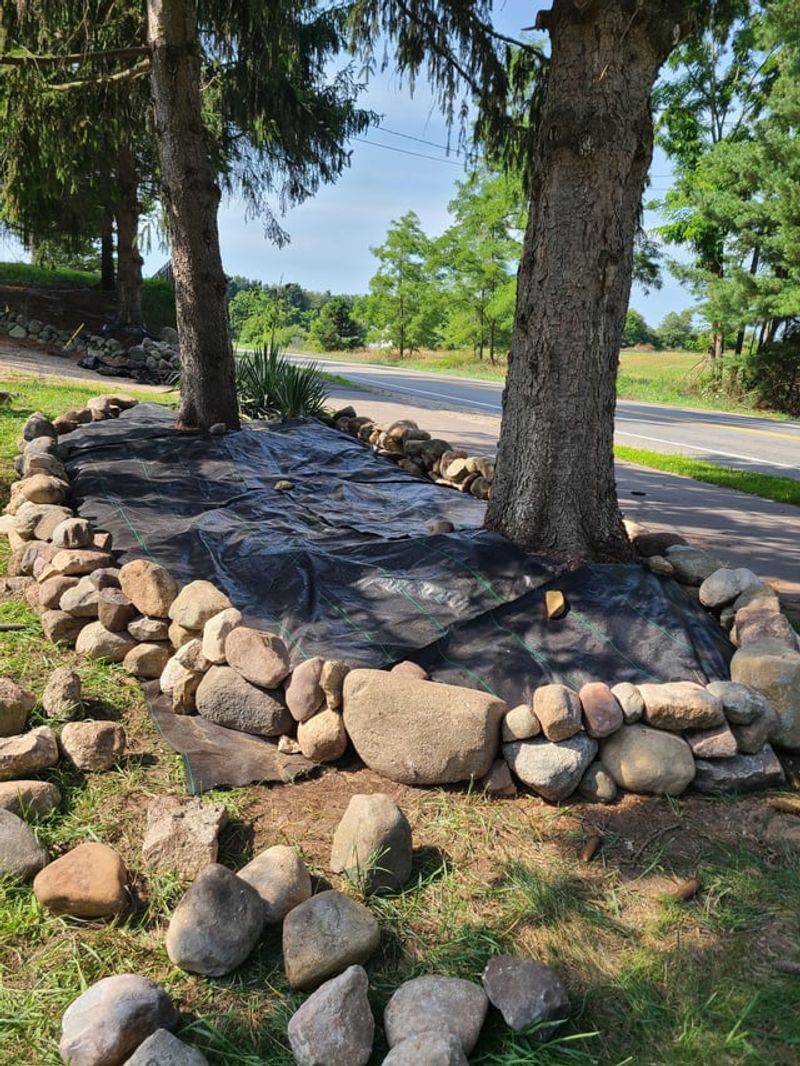
Dense ground coverings make digging difficult and frustrating for armadillos who prefer soft, easily penetrable soil.
A thick layer of hardwood mulch at least four inches deep creates resistance that discourages their excavation efforts.
Mississippi gardeners often add decorative river rocks or larger stones around bed edges for additional protection and attractive landscaping.
Pine bark nuggets work particularly well because their size and weight create an unstable surface that armadillos find uncomfortable.
The mulch also benefits your plants by retaining moisture during hot Mississippi summers and suppressing weed growth naturally.
Refresh mulch layers seasonally as they decompose and settle, maintaining adequate depth for continued armadillo deterrence.
Combine rock borders with mulch interiors for a layered defense that looks intentional and professionally designed.
Larger decorative stones around perimeters act like a moat that armadillos must cross before reaching your plants.
This method requires regular maintenance but offers flexibility to adjust and improve as you observe armadillo behavior patterns.
Many garden supply stores across Mississippi offer bulk mulch delivery, making it economical to cover large areas effectively.
Using Solar-Powered Ultrasonic Repellent Devices
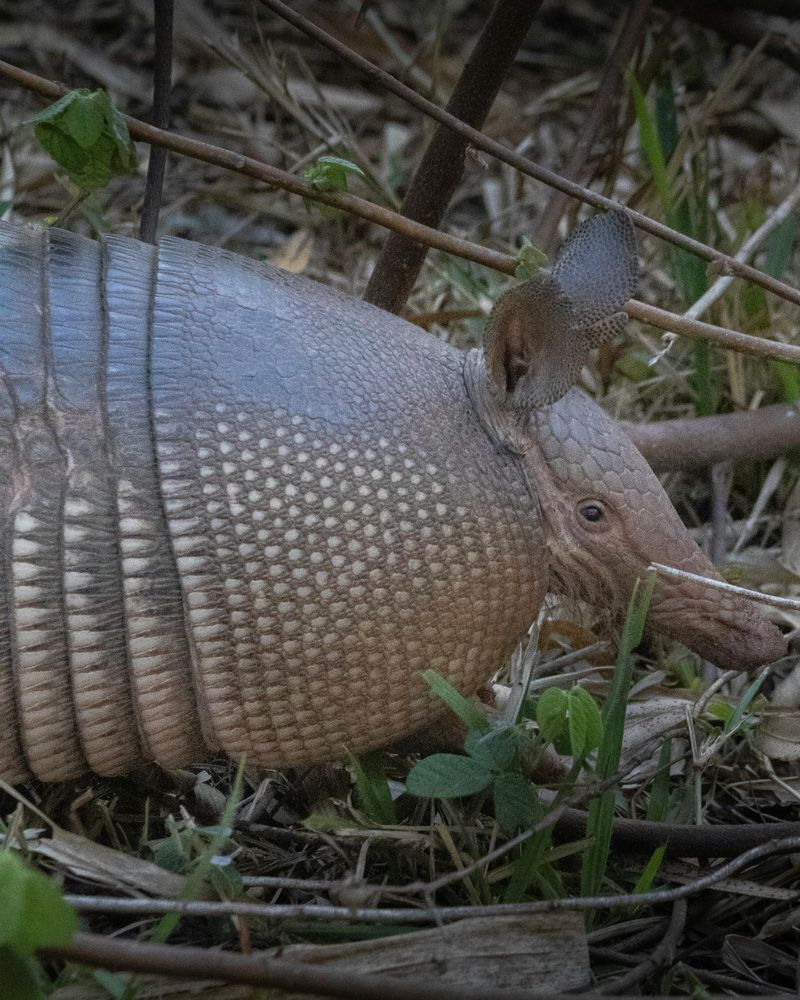
High-frequency sound waves that humans can’t hear create an uncomfortable environment that drives armadillos away from protected areas.
Solar-powered devices eliminate the need for battery changes or electrical outlets, making them perfect for Mississippi gardens where sunshine is abundant.
These repellents emit varying frequencies that prevent armadillos from becoming accustomed to a single sound pattern.
Place multiple units around garden bed perimeters, spacing them according to manufacturer recommendations for maximum coverage.
The technology works continuously day and night, providing constant protection without requiring any effort after initial installation.
Mississippi’s sunny climate keeps solar panels charged even during partially cloudy days throughout most of the year.
Some gardeners report mixed results, so combining ultrasonic devices with other methods typically yields better outcomes.
Waterproof models withstand our frequent rainstorms and high humidity without malfunctioning or requiring special maintenance.
Position stakes firmly in the ground where they won’t interfere with garden maintenance or plant growth.
These devices also deter other unwanted visitors like rabbits and squirrels, offering broader protection for your entire garden space.
Establishing Exclusion Fencing With Angled Tops
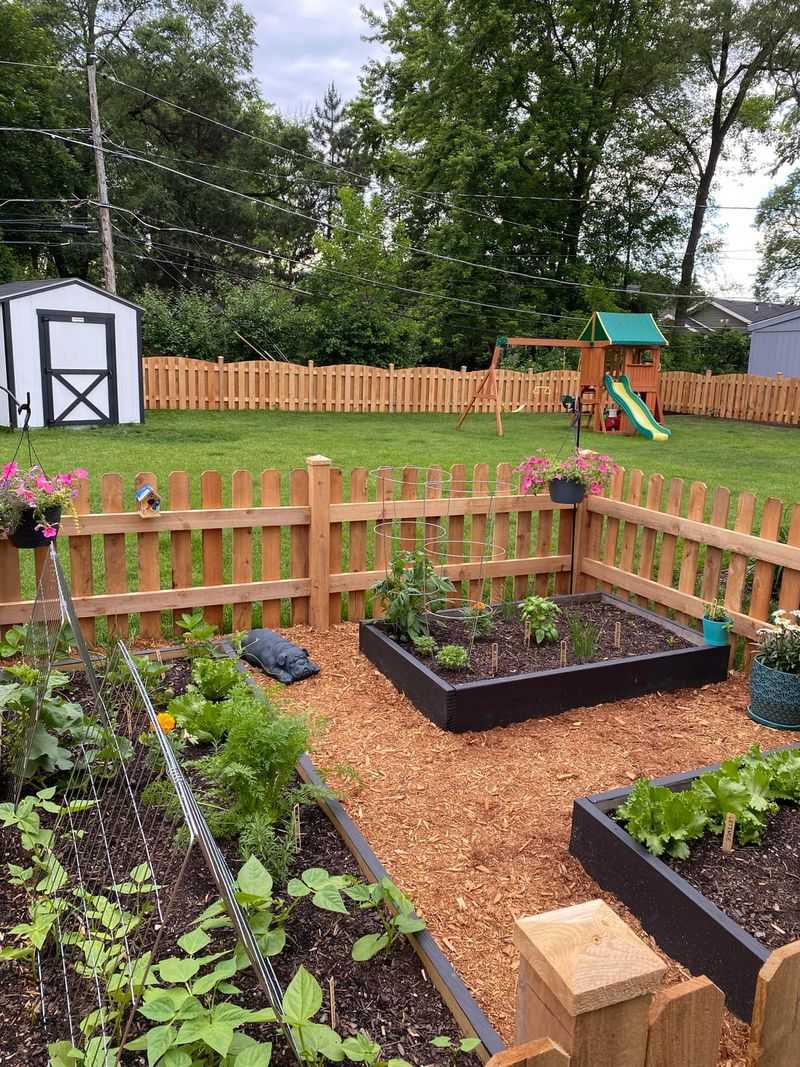
Specialized fencing designed specifically for burrowing animals provides comprehensive protection for entire garden areas.
The fence should stand at least two feet above ground with an additional twelve inches buried below to prevent tunneling underneath.
Angle the top foot of fencing outward at forty-five degrees, creating an overhang that armadillos cannot climb over or grip.
Chain-link or welded wire fencing with small openings works best because armadillos can’t squeeze through or push past it.
Mississippi gardeners often paint metal fencing with rust-resistant coating to extend its lifespan in our humid environment.
Secure the bottom edge with landscape staples or bury it in a trench filled with gravel for extra stability.
Check fencing regularly for damage or gaps where persistent armadillos might find weak spots to exploit.
Gates should fit tightly without gaps at the bottom where these clever creatures could slip through.
This comprehensive approach costs more upfront but provides reliable, long-lasting protection that requires minimal ongoing maintenance.
Many Mississippi gardeners consider exclusion fencing the gold standard when serious armadillo problems demand a permanent solution.