New York Families Are Finding Clever Ways To Garden Together
Gardening together has become one of those sweet little moments that New York families use to unwind after busy days and reconnect in the simplest way.
It feels exciting to watch kids get curious about plants while everyone laughs, experiments, and turns tiny spaces into something colorful and full of life.
Every shared project brings them a little closer, and there’s something really heartwarming about seeing a whole family gathered around a pot of soil with big smiles.
1. Rooftop Container Gardens
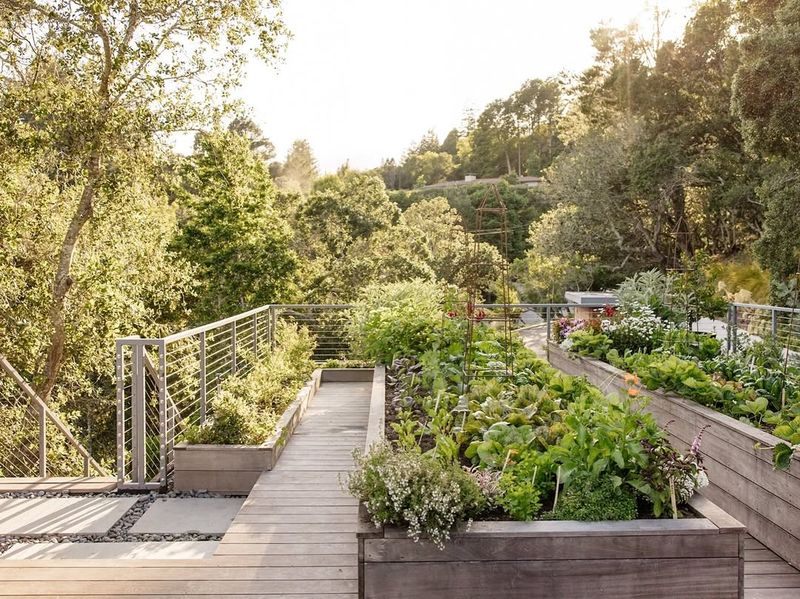
Container gardening transforms unused rooftop spaces into thriving green oases where families can grow vegetables, herbs, and flowers without needing traditional yards.
Many New York City apartments offer rooftop access that becomes perfect spots for lightweight pots filled with tomatoes, peppers, and fresh basil.
Parents and children work side by side selecting containers, filling them with soil, and choosing which seeds to plant together.
The elevated location provides excellent sunlight while keeping plants away from ground-level pests that might otherwise damage delicate seedlings.
Kids love the responsibility of watering their assigned containers each morning before school and checking for new growth daily.
Families across the state discover that even small spaces yield impressive harvests when containers are arranged strategically and cared for consistently.
Weekend mornings become special bonding time as everyone gathers on the roof to tend plants and enjoy breakfast surrounded by greenery.
This approach teaches children that gardening does not require acres of land, just creativity and dedication to nurturing living things.
2. Window Box Herb Gardens
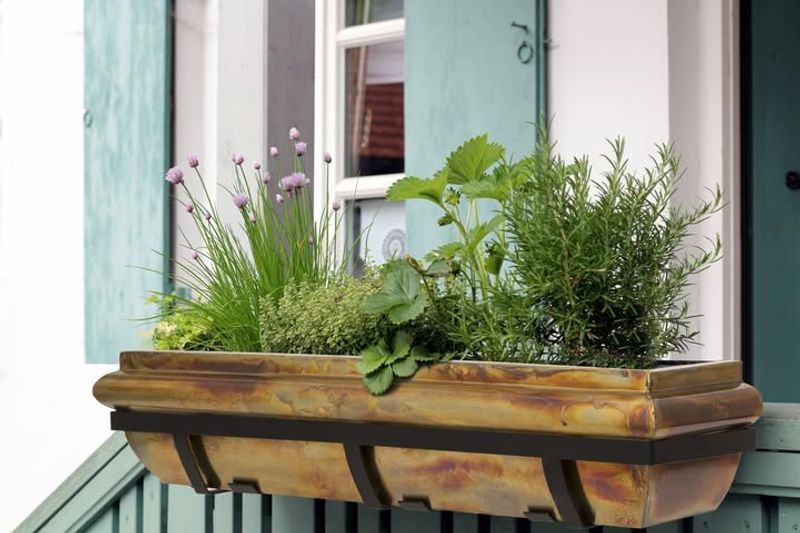
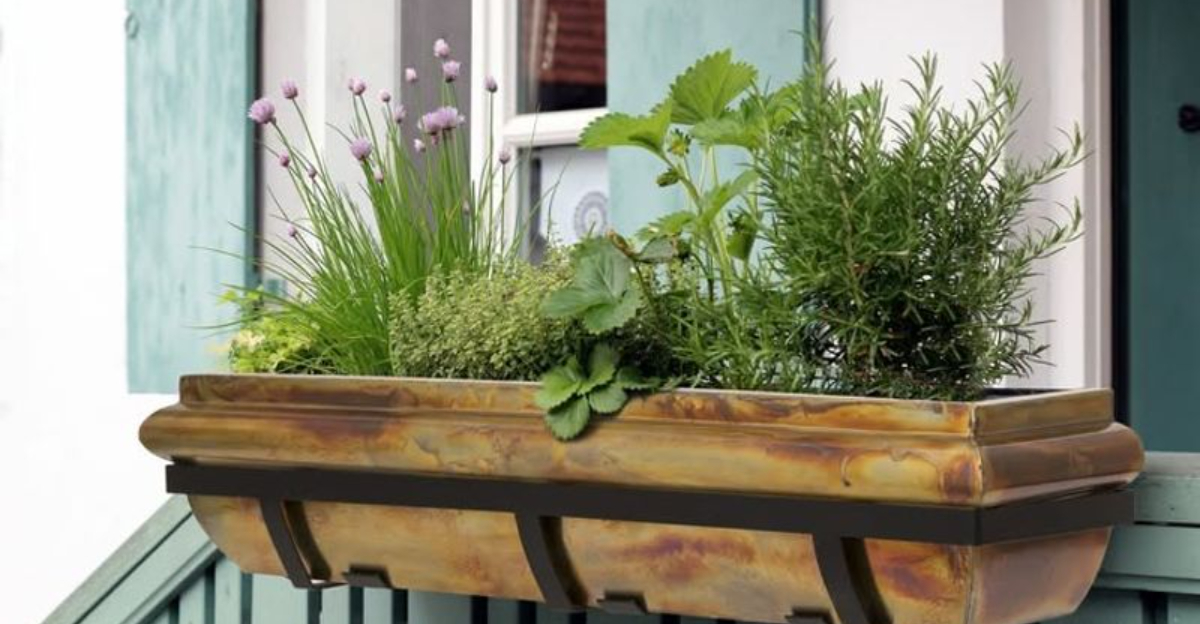
Window boxes bring gardening directly to apartment dwellers who might think they lack space for growing anything edible or beautiful outside their homes.
Installing sturdy boxes beneath kitchen or living room windows creates miniature gardens perfect for culinary herbs like rosemary, thyme, mint, and oregano.
Children in New York apartments get excited about snipping fresh herbs for family dinners, connecting their gardening efforts directly to meals everyone enjoys.
The convenience of reaching outside to grab ingredients makes cooking more interactive and teaches kids how food production works on small scales.
Families often assign each child a specific herb to monitor and maintain throughout the growing season, building individual responsibility and pride.
Watching seeds sprout into fragrant plants just inches from indoor living spaces creates daily reminders of nature’s cycles and growth patterns.
Many families report that kids who helped grow herbs become more adventurous eaters, willing to try dishes flavored with their homegrown produce.
This method works beautifully across the state in both urban high-rises and suburban homes seeking accessible gardening options for all ages.
3. Community Garden Plot Sharing
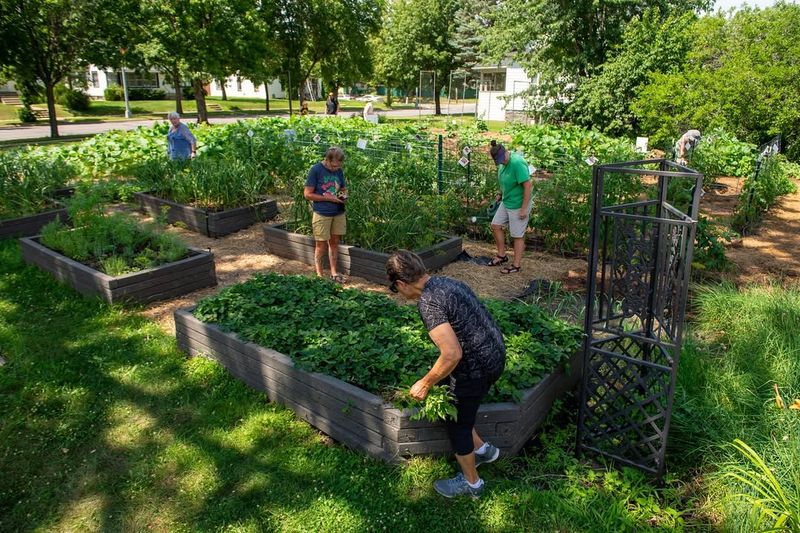
Sharing a community garden plot allows families to access larger growing spaces while connecting with neighbors who share similar interests in sustainable living.
New York offers hundreds of community gardens where families can apply for plots, creating outdoor classrooms where children learn about plant biology firsthand.
Working alongside other gardening families exposes kids to different growing techniques, plant varieties, and cultural gardening traditions from diverse community members.
Your New York Garden Changes Every Week. Your Plan Should Too.
Gardening in New York changes quickly throughout the season. Every Friday you’ll receive a simple weekly plan showing exactly what to plant, prune, fertilize, harvest, and protect so you never miss the right timing.
The social aspect transforms gardening from solitary activity into neighborhood events where families exchange seeds, advice, and harvest bounty throughout seasons.
Children develop friendships with other young gardeners while adults build supportive networks that extend beyond the garden gates into lasting relationships.
Many plots become multigenerational projects where grandparents share wisdom, parents provide organization, and children contribute energy and curiosity to shared efforts.
Families across the state report that community gardens teach cooperation, patience, and appreciation for hard work in ways classroom lessons cannot replicate.
The shared responsibility model also reduces pressure on any single family to maintain everything perfectly, making gardening more enjoyable and sustainable.
4. Vertical Garden Walls
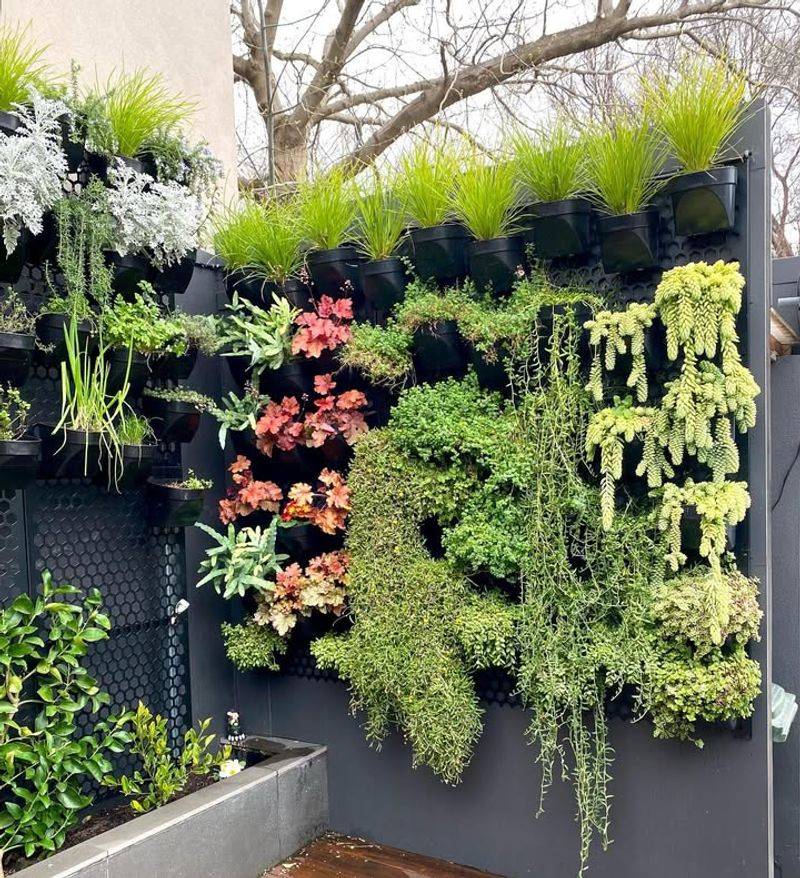
Vertical gardening maximizes limited square footage by growing plants upward on walls, fences, or specially designed frames that hold multiple planting pockets securely.
Families in cramped New York apartments discover that vertical systems can produce surprising amounts of lettuce, strawberries, and flowers in spaces previously considered unusable.
Installing these structures becomes a fun weekend project where everyone contributes ideas about plant placement and helps secure the framework properly.
Children enjoy the puzzle-like challenge of fitting different plants into various pockets while considering each plant’s sunlight and water requirements carefully.
The visual impact of living walls also beautifies balconies and patios, creating lush green backdrops that improve outdoor living spaces dramatically.
Maintenance becomes easier when plants are positioned at eye level rather than requiring bending or kneeling to tend ground-level gardens.
Families across the state appreciate how vertical gardens keep produce clean and away from soil-borne diseases that sometimes affect traditional horizontal plantings.
This innovative approach proves that thinking creatively about space utilization opens gardening possibilities for even the most space-challenged urban dwellers.
5. Indoor Hydroponic Systems

Hydroponic gardening eliminates soil entirely, growing plants in nutrient-rich water solutions that can function year-round inside apartments regardless of outdoor weather conditions.
Many New York families invest in compact hydroponic units that fit on kitchen counters or in spare rooms, providing fresh greens even during harsh winters.
Children become fascinated watching roots grow through clear containers while learning about plant nutrition and how different minerals support healthy development.
The technology aspect appeals to older kids interested in science, turning gardening into experiments with pH levels, nutrient concentrations, and growth rates.
Families often start with simple lettuce and herbs before advancing to tomatoes or peppers as everyone gains confidence with the systems.
The mess-free nature of hydroponics makes it particularly appealing to parents worried about soil spills in living spaces or on carpeted floors.
Across the state, families report that indoor systems eliminate excuses about weather or seasons, making gardening a consistent year-round family activity.
Harvesting fresh salad ingredients in January feels almost magical and teaches children that modern techniques can overcome traditional agricultural limitations effectively.
6. Balcony Raised Bed Gardens
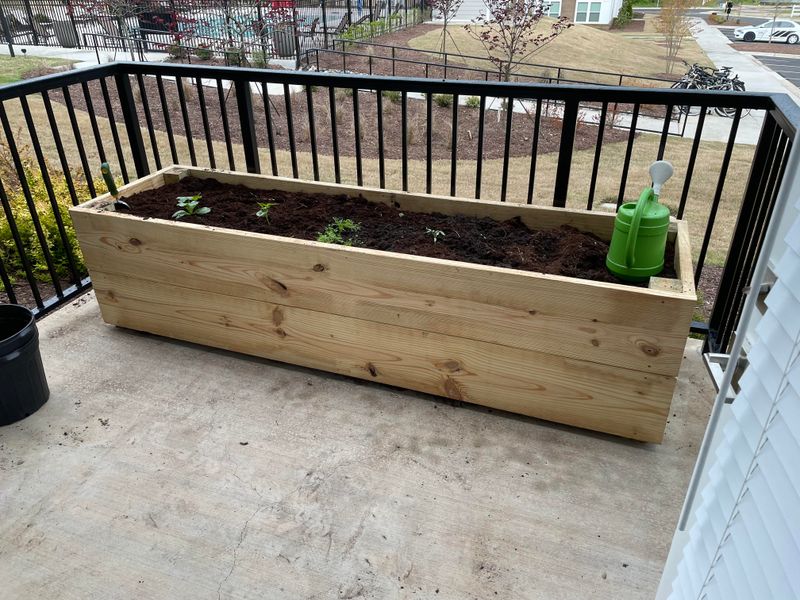
Raised beds bring traditional gardening benefits to balcony spaces, offering better soil control, improved drainage, and comfortable working heights for all family members.
New York families with balconies construct or purchase lightweight raised beds specifically designed to distribute weight safely across balcony structures without overloading them.
Building the beds together becomes a memorable family project involving measuring, assembling, and filling containers with quality soil mixtures everyone helps select.
Children take ownership of specific sections within the bed, creating personal mini-gardens while contributing to the family’s overall harvest goals.
The defined borders help kids understand spatial planning and how much room different vegetables need to grow properly without crowding neighbors.
Families appreciate that raised beds warm up faster in spring, extending the growing season and allowing earlier planting than ground-level gardens.
The elevated height also reduces strain on backs and knees, making gardening comfortable for grandparents who join in family planting sessions.
Across the state, balcony raised beds prove that apartment living does not mean sacrificing the joy of growing substantial vegetable gardens.
7. Guerrilla Gardening Adventures

Guerrilla gardening involves beautifying neglected public spaces with flowers and plants, turning eyesores into community assets through spontaneous volunteer beautification efforts.
Adventurous New York families scout their neighborhoods for forgotten tree pits, bare sidewalk strips, or abandoned lots that could benefit from flowering plants.
Planning these missions together teaches children about civic responsibility and how individual actions can improve communities for everyone who lives there.
Kids get excited about the slightly rebellious nature of planting without official permission while learning that improving public spaces benefits entire neighborhoods.
Families typically choose hardy, low-maintenance plants like marigolds, zinnias, or native wildflowers that will thrive despite inconsistent care from passersby.
The surprise element delights children who return days later to see their planted areas blooming and perhaps inspiring neighbors to contribute care.
Many families across the state report that guerrilla gardening projects spark conversations with neighbors, building community connections through shared appreciation for beautification efforts.
This approach teaches that gardening extends beyond personal benefit to encompass community stewardship and environmental improvement for collective enjoyment.
8. School Garden Volunteering
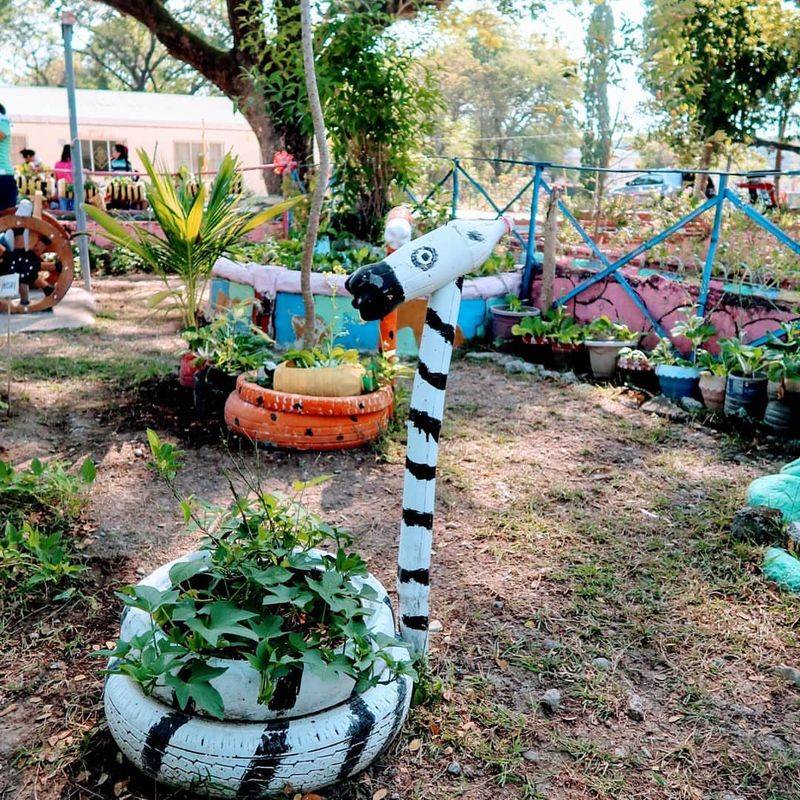
Many schools across New York maintain educational gardens where families can volunteer together, extending classroom lessons into hands-on outdoor learning experiences everyone shares.
Parents and children work side by side during weekend volunteer sessions, preparing beds, planting seedlings, and maintaining gardens that serve entire student populations.
These collaborative efforts strengthen school communities while giving families structured gardening opportunities without requiring personal space or equipment investments at home.
Children feel proud contributing to gardens their classmates will also enjoy, learning that collective efforts produce results beyond individual capabilities.
Volunteering together also gives parents insight into what children are learning academically about plants, ecosystems, and environmental science in their classrooms.
Schools often coordinate harvest events where families gather to collect produce, prepare meals together, or donate fresh vegetables to local food pantries.
Families throughout the state discover that school garden volunteering combines quality family time with community service and educational reinforcement seamlessly.
The multigenerational aspect enriches the experience as grandparents sometimes join, sharing traditional growing knowledge that bridges generations and cultural backgrounds beautifully.
9. Seed Starting Stations
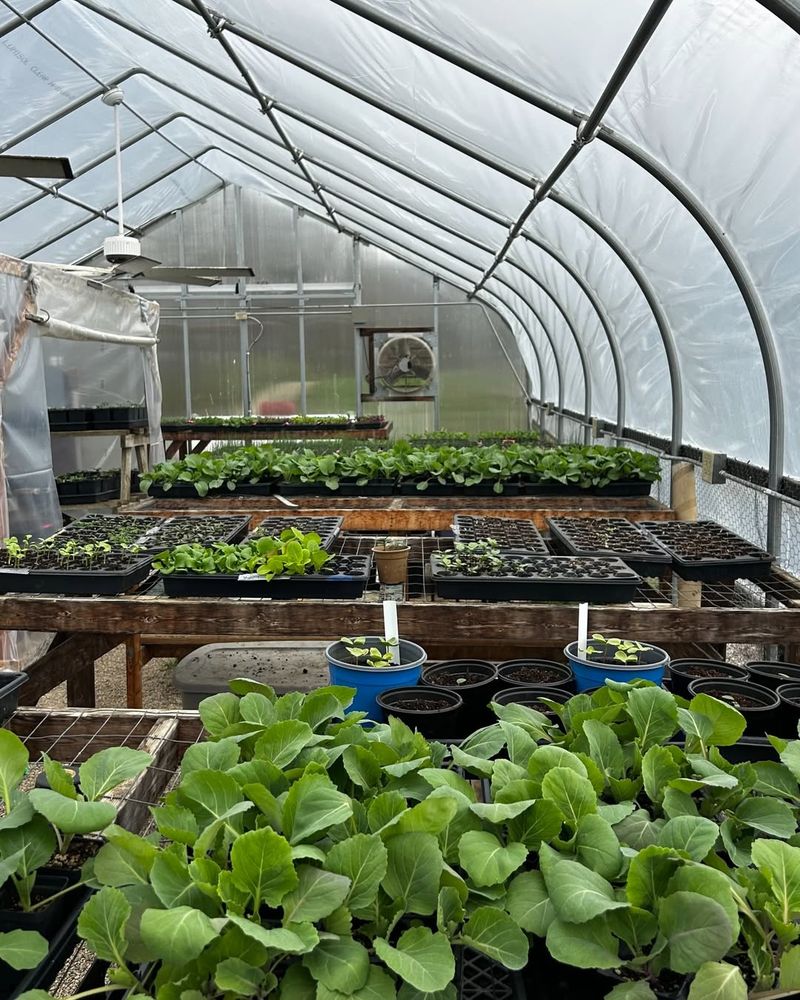
Starting seeds indoors during late winter gives families a head start on growing season while providing educational activities during months when outdoor gardening remains impossible.
New York families set up sunny windowsills or use grow lights to create dedicated seed-starting stations where children monitor germination and early growth daily.
The process teaches patience as kids learn that growth takes time and consistent care rather than happening instantly like digital entertainment.
Labeling trays and tracking which seeds sprout first turns seed starting into gentle competitions that engage children while teaching record-keeping skills.
Families often start more plants than needed, giving children opportunities to gift seedlings to neighbors, teachers, or elderly community members as acts of kindness.
The transition from indoor seedlings to outdoor gardens becomes an exciting milestone that children anticipate and celebrate when weather finally permits transplanting.
Across the state, families report that seed starting creates early spring rituals that mark seasonal changes and build anticipation for warmer months.
This activity requires minimal space and investment while delivering maximum educational value and family bonding during otherwise dreary winter weeks.
10. Edible Landscape Projects

Edible landscaping replaces purely ornamental plants with attractive food-producing alternatives like berry bushes, fruit trees, and decorative vegetables that serve dual purposes beautifully.
Families in suburban New York areas redesign front and back yards to include productive plants that look appealing while yielding harvests everyone enjoys.
Children participate in selecting which edibles to incorporate, researching growth requirements, and planning layouts that balance aesthetics with practical food production goals.
Blueberry bushes provide spring flowers, summer fruit, and fall foliage while grapevines create natural privacy screens that produce delicious harvests annually.
Colorful rainbow chard and ornamental kale add visual interest to flower beds while supplying nutritious greens for family meals throughout seasons.
Neighbors often express curiosity about edible landscaping, creating opportunities for families to share knowledge and perhaps inspire broader community adoption of sustainable practices.
Families across the state appreciate that edible landscapes reduce lawn maintenance while increasing food security and teaching children about permaculture principles naturally.
This approach demonstrates that beauty and function need not compete, instead complementing each other when thoughtful planning guides landscape design decisions effectively.