How Delaware Residents Turn Leftover Wood Into Charming Garden Art
Delaware gardeners are having a little fun turning leftover wood into charming pieces of garden art that make their yards feel more personal and creative.
It starts with small scraps that usually get tossed aside, yet people suddenly see shapes, textures, and simple ideas that can turn into something surprisingly delightful.
There’s a cozy satisfaction in watching a forgotten board become a sign, a planter, or a tiny feature that adds character to a corner you never noticed before.
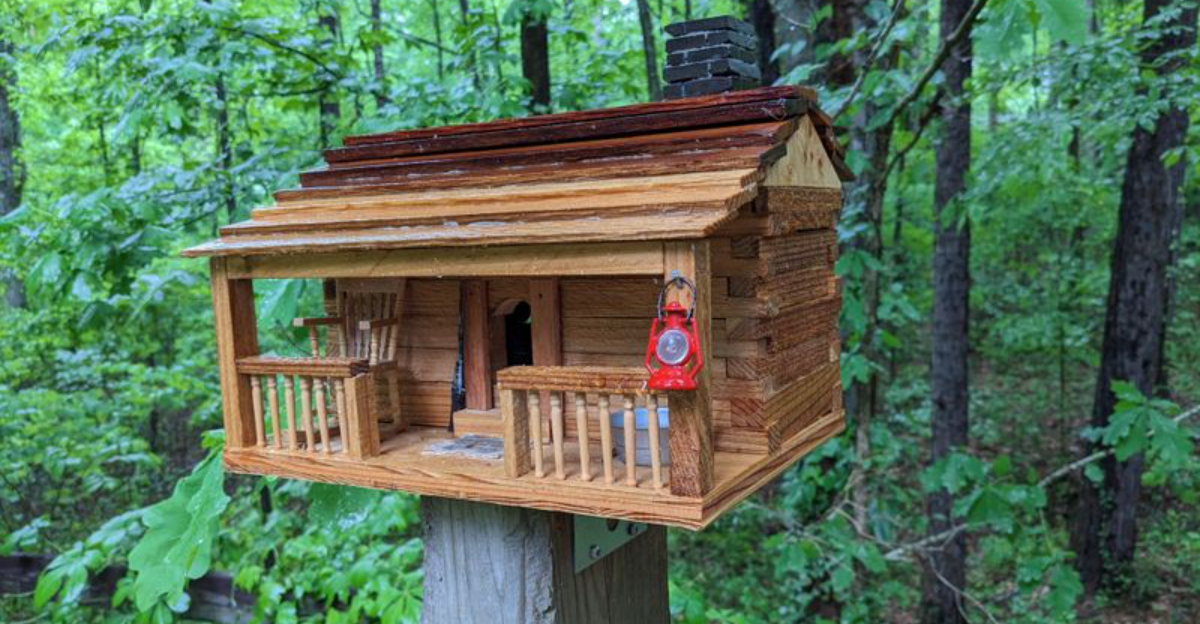
1. Rustic Wooden Birdhouses
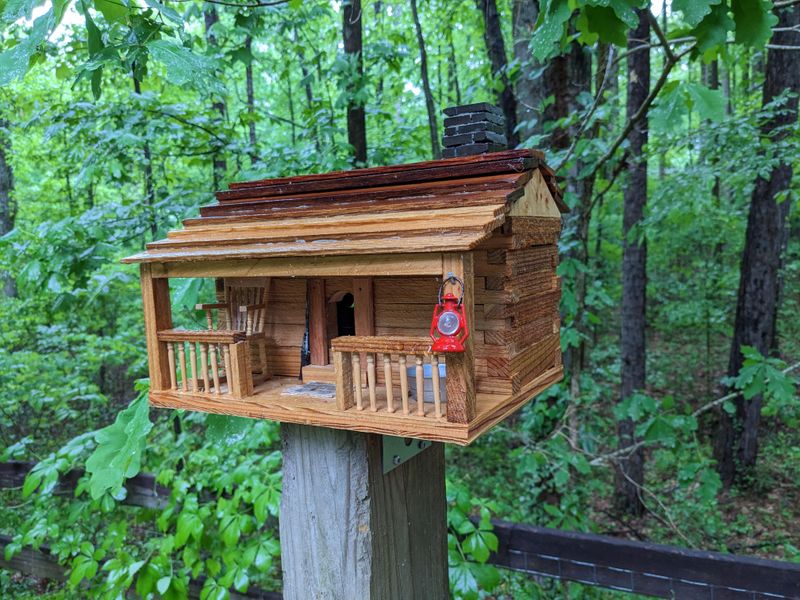
Old fence boards and weathered planks make perfect materials for creating cozy homes where feathered friends can nest safely throughout spring and summer.
Many Delaware gardeners enjoy watching birds raise families right in their yards, and handmade wooden birdhouses provide ideal shelters for various species.
Simple designs work best for beginners, requiring only basic cuts, a drill for entrance holes, and some nails to hold pieces together securely.
Paint or stain adds personality, though natural wood develops beautiful silver-gray patina over time that blends perfectly with outdoor garden environments everywhere.
Mounting birdhouses on poles or hanging them from tree branches keeps predators away while giving birds safe places to call home.
Delaware residents often create multiple birdhouses in different sizes to attract wrens, chickadees, bluebirds, and other delightful backyard visitors seeking shelter.
Kids love helping with these projects, learning carpentry skills while contributing to wildlife conservation efforts right in their own neighborhoods and communities.
Leftover wood scraps become valuable resources instead of trash, proving that creativity transforms ordinary materials into functional art pieces everyone enjoys.
2. Garden Pathway Markers
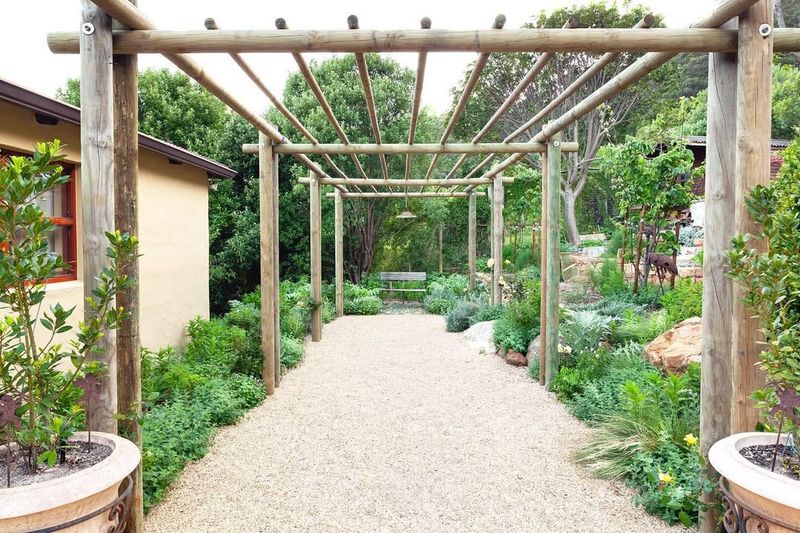
Wooden stakes and signs guide visitors through garden spaces while identifying different plant varieties growing in beds and containers throughout the yard.
Painting plant names on wooden markers adds organization to vegetable gardens, helping Delaware families remember what they planted in each specific location.
Scrap lumber cuts easily into various shapes—arrows, rectangles, or whimsical designs—that add visual interest while serving practical purposes for garden navigation.
Weatherproof paints or outdoor sealants protect wooden markers from rain and sun, ensuring they last multiple growing seasons without fading or rotting.
Creative gardeners in Delaware sometimes burn letters into wood using pyrography tools, creating permanent labels with rustic charm that never wash away.
Pathway markers also prevent people from accidentally stepping on delicate seedlings or trampling freshly planted areas that need protection during early growth.
Children enjoy decorating their own markers for plants they helped grow, taking ownership of garden sections and learning responsibility through hands-on participation.
Transforming leftover wood into functional garden signs costs nothing but time, yet adds professional organization to spaces that might otherwise look cluttered.
3. Decorative Planter Boxes
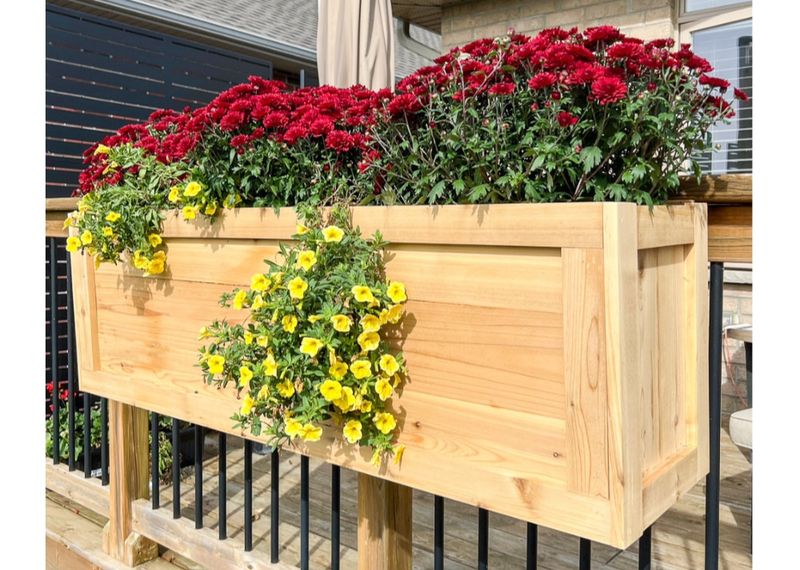
Constructing raised planter boxes from salvaged wood creates elevated growing spaces perfect for vegetables, flowers, and herbs that thrive in contained environments.
Delaware gardeners appreciate how wooden planters improve drainage while keeping soil warmer than ground-level beds, extending growing seasons for temperature-sensitive plants.
Building boxes requires measuring, cutting boards to size, and assembling corners with screws or nails—skills that even novice woodworkers can master.
Your Delaware Garden Changes Every Week. Your Plan Should Too.
Gardening in Delaware changes quickly throughout the season. Every Friday you’ll receive a simple weekly plan showing exactly what to plant, prune, fertilize, harvest, and protect so you never miss the right timing.
Lining wooden planters with landscape fabric prevents soil from washing through gaps while protecting wood from constant moisture that causes premature decay.
Various sizes accommodate different plant types, from shallow boxes for lettuce and herbs to deeper containers for tomatoes and root vegetables.
Staining or painting planter exteriors adds decorative flair that complements home architecture and existing garden color schemes beautifully throughout every season.
Mobility becomes possible when adding wheels or handles to planter boxes, allowing Delaware residents to move heavy containers as sunlight patterns change.
Leftover wood pieces that seemed useless suddenly become valuable building materials for projects that boost garden productivity and aesthetic appeal simultaneously.
4. Whimsical Garden Scarecrows

Wooden scarecrows bring personality to garden spaces while potentially deterring birds from snacking on ripening tomatoes, berries, and other tempting garden treats.
Creating scarecrow frames from lumber scraps involves cutting body shapes, attaching arms with hinges or screws, and adding decorative clothing for character.
Delaware families often make scarecrow-building an autumn tradition, designing unique characters that reflect seasonal themes or personal interests and creative expressions.
Painting faces on wooden heads gives each scarecrow distinct personality, from friendly smiles to silly expressions that make visitors laugh and children smile.
Dressing scarecrows in old shirts, overalls, and hats completes the look while providing opportunities to repurpose clothing items no longer needed indoors.
Positioning scarecrows near vulnerable crops may help protect harvests, though their main value lies in adding cheerful focal points to garden landscapes.
Weatherproofing wooden components with sealant extends scarecrow lifespan, allowing the same beloved figure to return year after year as a familiar friend.
Leftover wood transforms into garden guardians that cost almost nothing to create yet provide endless entertainment and decorative value throughout growing seasons.
5. Charming Fairy Garden Houses
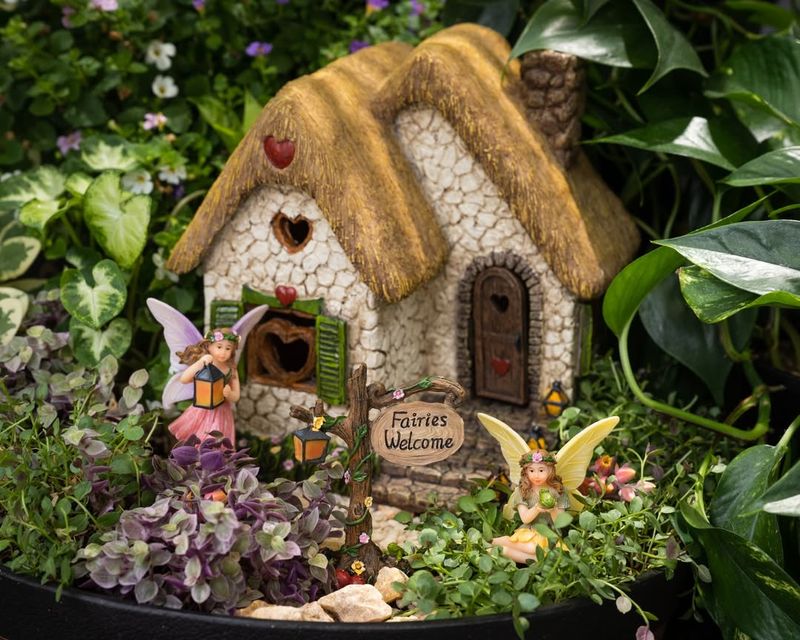
Tiny wooden structures spark imagination in children and adults alike, creating magical miniature worlds hidden among flowers, ferns, and garden greenery.
Building fairy houses from wood scraps requires precision cutting small pieces, gluing components together, and adding whimsical details like pebble pathways or twig fences.
Delaware gardeners often establish entire fairy villages with multiple houses, bridges, and accessories that tell stories and encourage creative play among young visitors.
Natural materials like moss, acorns, and bark enhance fairy house authenticity, blending handmade structures seamlessly into surrounding garden environments for realistic effects.
Waterproof glue and outdoor sealants protect delicate wooden fairy houses from weather damage, ensuring they survive rain showers and summer humidity successfully.
Positioning fairy houses near ground-level plantings creates enchanting discoveries for guests exploring gardens, adding surprise elements that delight people of all ages.
Families enjoy collaborating on fairy house projects during weekends, with each member contributing ideas and handiwork to shared creative endeavors together.
Scrap wood pieces too small for other projects find perfect purpose in fairy house construction, proving that even tiniest fragments have value.
6. Vertical Garden Trellises

Climbing plants need sturdy support structures, and wooden trellises made from leftover lumber provide perfect frameworks for beans, cucumbers, and flowering vines.
Vertical growing maximizes limited garden space, particularly important for Delaware residents with smaller yards who want to grow more food and flowers.
Constructing trellises involves creating lattice patterns or simple grid designs that give vines plenty of attachment points as they climb upward.
Weathered wood develops character over time, and many gardeners prefer the natural aged appearance rather than applying stains or paint finishes.
Positioning trellises strategically creates privacy screens, blocks unsightly views, or defines different garden zones while supporting productive plant growth simultaneously throughout seasons.
Strong construction ensures trellises withstand wind and the weight of heavy vine crops loaded with vegetables ready for harvest during peak production.
Delaware gardeners appreciate how vertical growing improves air circulation around plants, reducing disease problems while making harvesting easier on backs and knees.
Leftover wood boards and branches that might otherwise become firewood instead become functional garden structures that serve practical purposes for years ahead.
7. Garden Bench Seating

Comfortable seating areas invite people to linger in gardens, enjoying peaceful moments surrounded by flowers, butterflies, and the sounds of nature.
Building simple benches from salvaged wood requires basic carpentry skills, creating sturdy seats where Delaware families gather for conversations and quiet reflection.
Bench designs range from minimalist two-board styles to elaborate creations with backs, armrests, and decorative carvings that showcase woodworking talents and creativity.
Positioning benches near favorite garden views or under shade trees creates perfect spots for morning coffee, evening relaxation, or reading favorite books.
Treating wooden benches with weatherproof sealants protects against moisture damage while preserving natural wood grain patterns that add rustic beauty to settings.
Adding cushions or pillows increases comfort levels, transforming basic wooden benches into cozy outdoor living spaces that rival indoor furniture in appeal.
Delaware residents often build multiple benches throughout gardens, creating resting points along pathways where visitors can pause and appreciate surrounding plant displays.
Leftover lumber finds new life as functional furniture that costs far less than store-bought alternatives while offering customization options matching personal preferences.
8. Decorative Garden Fencing
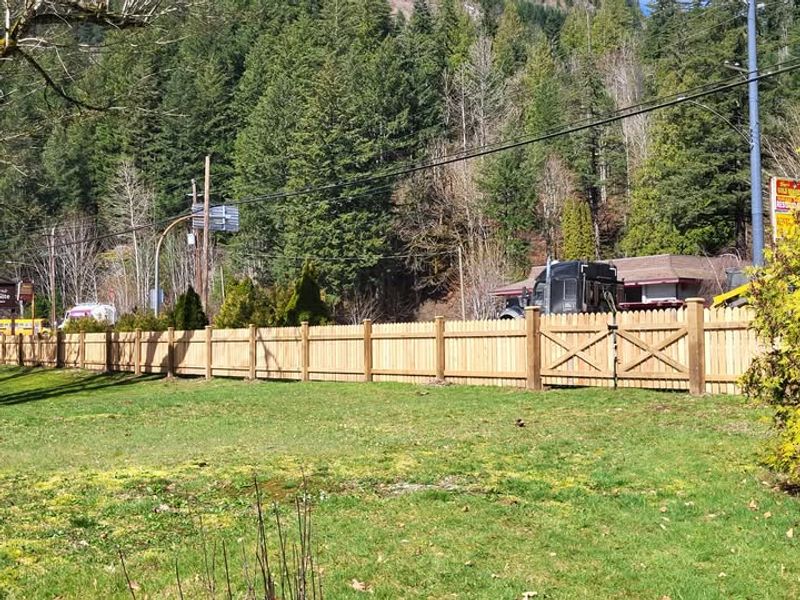
Low wooden fences define garden borders, protect plants from pets, and add decorative elements that enhance overall landscape design with minimal expense.
Picket fences built from scrap wood create classic cottage garden aesthetics that Delaware homeowners love for their timeless appeal and traditional charm.
Construction involves cutting uniform pickets, attaching them to horizontal rails, and setting posts securely in ground to create stable, long-lasting boundaries.
Painting fences white, bright colors, or natural wood tones allows customization matching house exteriors and existing garden color palettes perfectly every time.
Decorative fencing also prevents children and dogs from trampling delicate flowers while allowing visibility so everyone can still admire beautiful blooms inside.
Creative designs incorporate varied picket heights, curved top edges, or cutout patterns that transform simple fences into artistic statements reflecting personal style.
Delaware gardeners appreciate how wooden fencing adds structure to informal plantings, creating organized appearances without requiring extensive landscaping knowledge or professional help.
Leftover fence boards and damaged pallets become attractive garden borders that define spaces while using materials that would otherwise occupy landfill space unnecessarily.
9. Hanging Plant Shelves
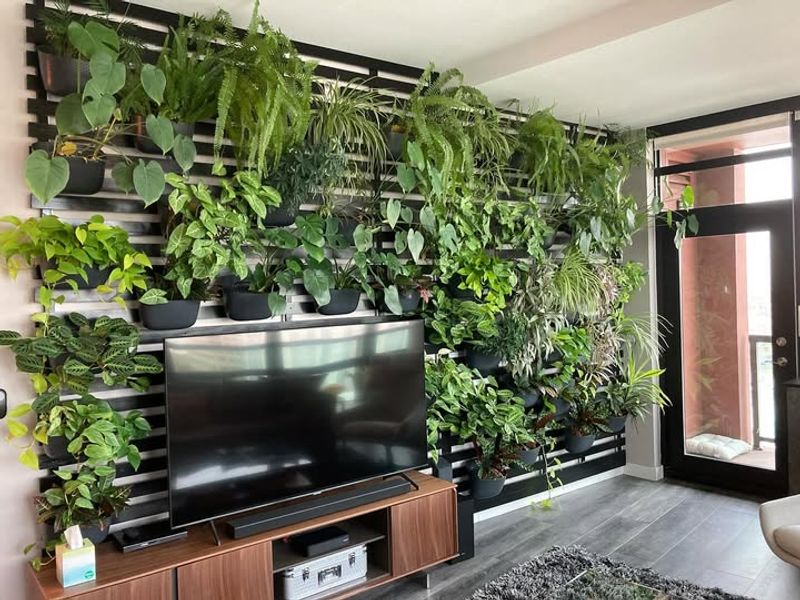
Wall-mounted wooden shelves create vertical display spaces for potted plants, garden tools, and decorative items that add dimension to flat outdoor surfaces.
Building shelves from leftover wood involves cutting boards to desired lengths, adding support brackets, and securing them firmly to walls or fences.
Delaware residents with limited ground space particularly value vertical gardening solutions that maximize growing areas without requiring additional yard square footage.
Multiple shelf levels allow arranging plants by height, sunlight needs, or color coordination, creating visually appealing displays that draw attention and admiration.
Treating wooden shelves with waterproof sealants prevents warping and rot from constant exposure to watering routines and unpredictable weather conditions throughout seasons.
Decorative brackets, carved edges, or painted finishes transform functional shelves into artistic features that complement overall garden design themes and color schemes.
Hanging shelves near outdoor seating areas keeps herbs conveniently accessible for cooking while adding living decoration to spaces where families gather regularly.
Scrap wood pieces become practical storage and display solutions that organize gardens while showcasing favorite plants in attractive arrangements everyone can appreciate daily.
10. Garden Tool Organizers
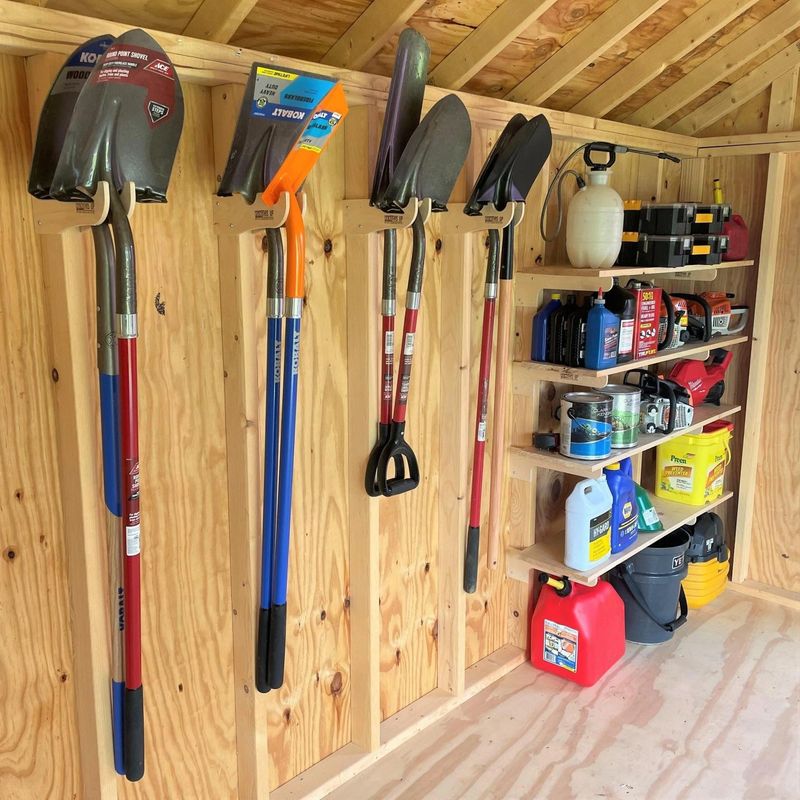
Keeping garden tools organized prevents loss, reduces clutter, and protects expensive equipment from weather damage that shortens useful lifespans significantly over time.
Wooden tool racks built from salvaged lumber provide designated storage spots where shovels, rakes, and hoes hang neatly instead of leaning haphazardly everywhere.
Construction requires mounting a wooden backboard to walls or fences, then adding hooks, pegs, or notched holders customized for specific tool shapes.
Delaware gardeners appreciate how organized tool storage makes finding needed implements quick and easy, eliminating frustrating searches during busy planting or harvesting.
Painting or staining wooden organizers adds decorative appeal to utilitarian structures, transforming storage solutions into attractive features rather than eyesores nobody wants.
Adding small shelves or bins to organizers creates spaces for gloves, seed packets, and small hand tools that otherwise disappear into cluttered sheds.
Proper tool storage extends equipment life by keeping metal parts dry and preventing wooden handles from rotting in damp ground or grass.
Leftover wood becomes practical organization systems that cost nothing but effort while bringing order to chaotic garden sheds and outdoor storage areas.