How Wisconsin Gardeners Grow Their Own Micro-Forests
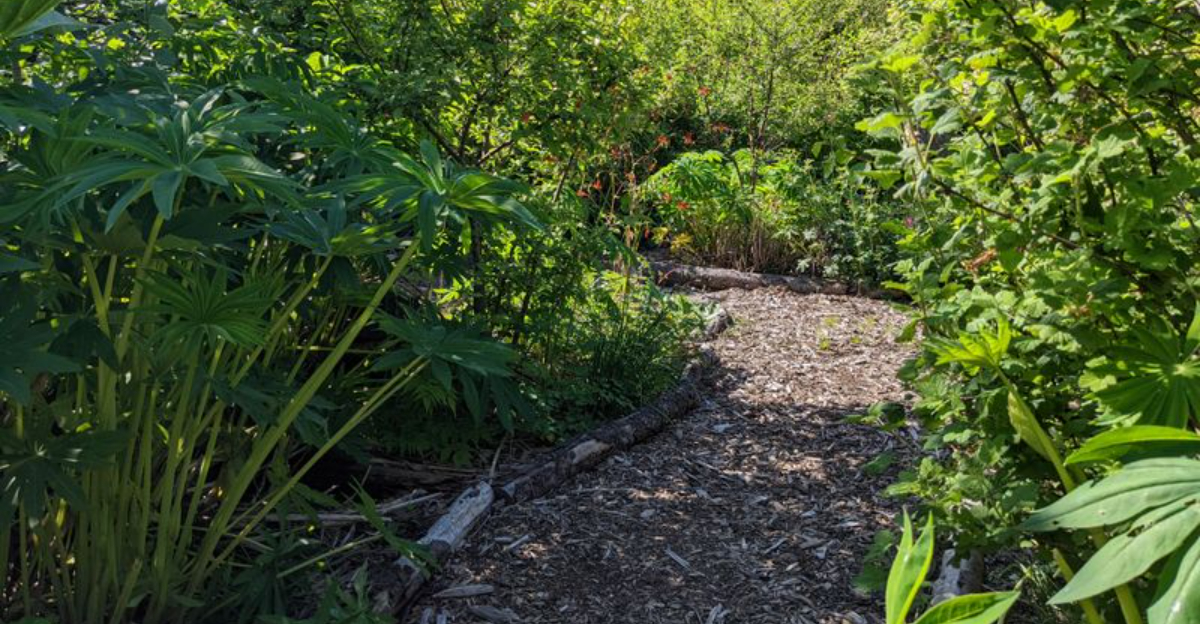
Wisconsin gardeners are growing their own micro-forests by turning small patches of land into layered green spaces that feel peaceful and full of life.
Many enjoy choosing a mix of shrubs, young trees, and groundcovers because the combination creates depth without demanding a huge yard or complicated planning.
People keep embracing this approach once they see how quickly a tiny corner can begin to resemble a miniature woodland with shade, texture, and a cozy sense of escape.
1. Choose Native Wisconsin Trees
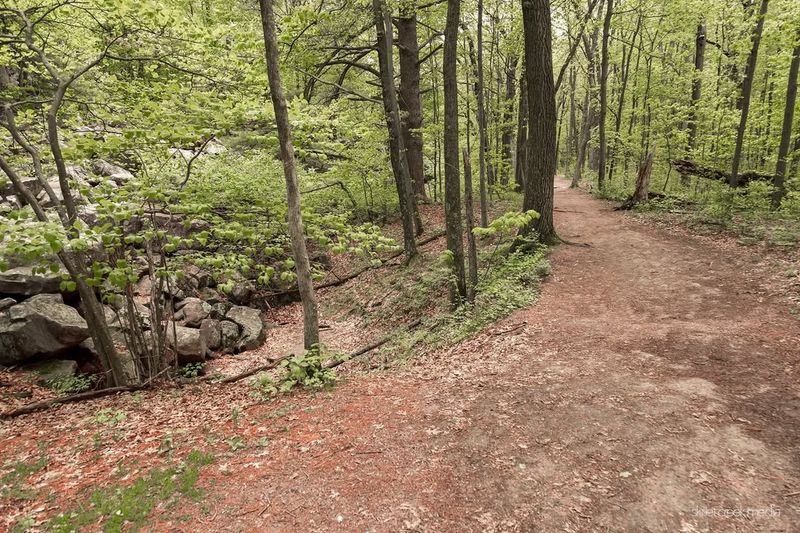
Selecting trees that naturally grow in Wisconsin creates a stronger foundation for your micro-forest because these species already adapt well to local conditions.
Oak trees provide excellent shade and support countless insects that birds rely on, making them essential for any small woodland ecosystem here.
Maple trees offer brilliant fall colors while their roots help prevent soil erosion, which becomes especially important during Wisconsin’s heavy spring rain seasons.
Birch trees grow quickly and their white bark adds visual interest throughout winter when most other plants look bare and dormant outside.
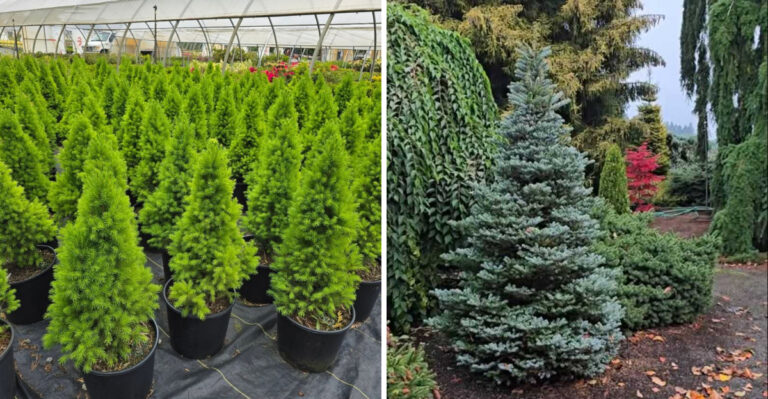
Pine and spruce trees stay green all year, providing shelter for wildlife even during the coldest months when animals need protection most desperately.
Native trees require less water and fertilizer than exotic species, saving you time and money while supporting local ecosystems more effectively overall.
Mixing different native species creates biodiversity that strengthens your entire micro-forest against pests, diseases, and harsh weather conditions Wisconsin often experiences annually.
2. Use the Miyawaki Method
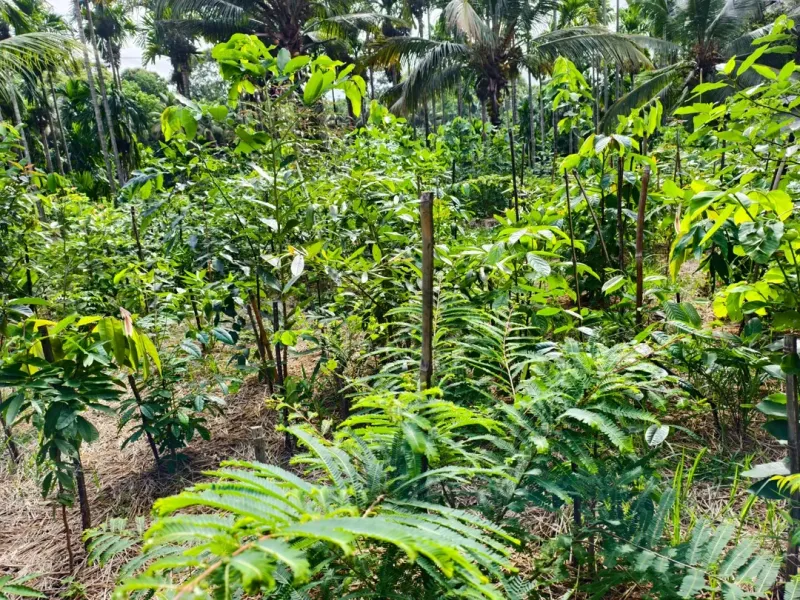
Japanese botanist Akira Miyawaki developed a revolutionary technique that helps forests grow ten times faster by planting trees extremely close together in small areas.
This method mimics how natural forests develop, with trees competing for sunlight and resources, which actually makes them grow taller and stronger quickly.
Wisconsin gardeners plant saplings just three feet apart instead of the usual spacing, creating a dense canopy that blocks weeds and retains moisture better.
The close spacing encourages trees to shoot upward rather than spreading wide, allowing more species to fit into your available yard space effectively.
Within just three years, your micro-forest becomes self-sustaining and requires almost no maintenance, unlike traditional gardens that need constant attention and care.
Miyawaki forests develop thirty times more biodiversity than conventional tree plantings, attracting birds, butterflies, and beneficial insects to your Wisconsin property year-round successfully.
This approach works wonderfully even in small urban yards, transforming spaces as tiny as a parking spot into thriving woodland ecosystems remarkably.
3. Prepare Soil with Organic Matter
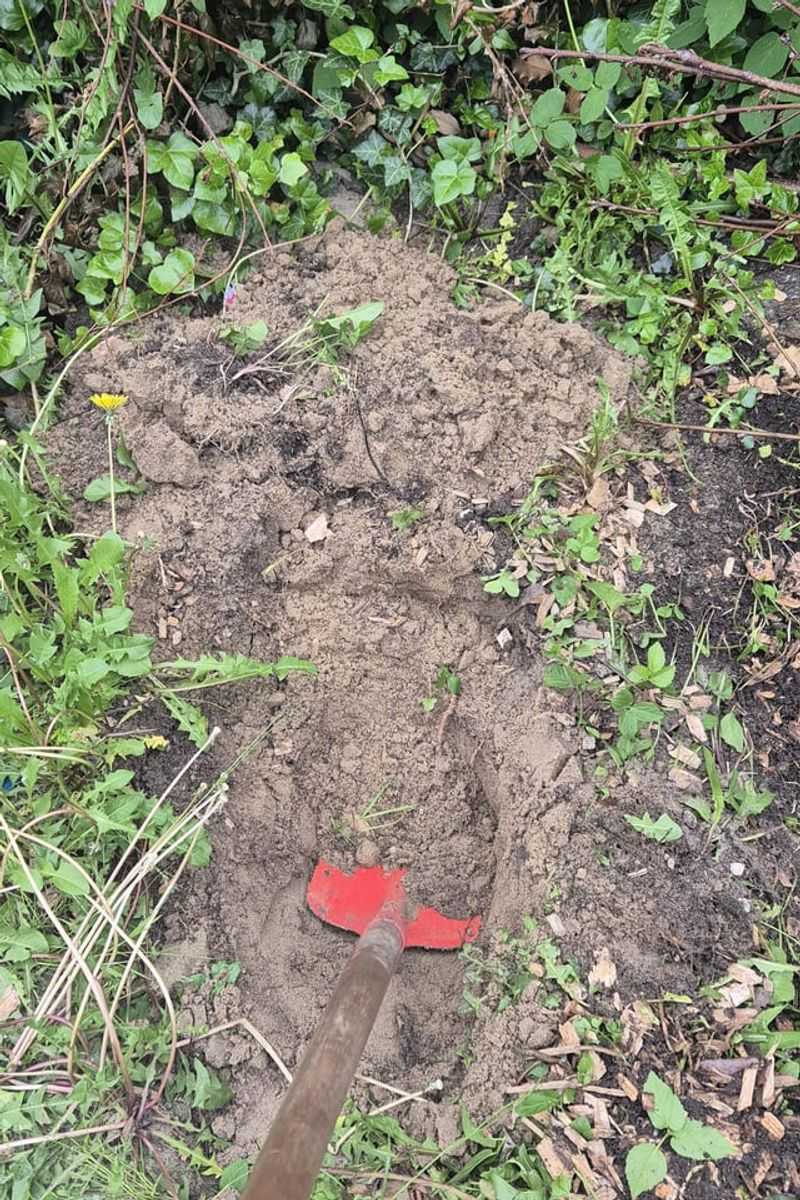
Building healthy soil forms the absolute foundation of successful micro-forest growth, so Wisconsin gardeners spend considerable time enriching their planting areas with compost.
Adding aged manure, leaf mold, and kitchen scraps creates nutrient-rich soil that helps young trees establish strong root systems during their critical first year.
Organic matter improves soil structure by increasing its ability to hold water while also allowing excess moisture to drain away during heavy rains.
Wisconsin’s clay-heavy soils especially benefit from organic amendments that break up compacted earth and allow tree roots to penetrate deeper underground more easily.
Your Wisconsin Garden Changes Every Week. Your Plan Should Too.
Gardening in Wisconsin changes quickly throughout the season. Every Friday you’ll receive a simple weekly plan showing exactly what to plant, prune, fertilize, harvest, and protect so you never miss the right timing.
Mixing in materials like shredded bark and wood chips feeds beneficial microorganisms that break down nutrients, making them available for tree roots to absorb.
Testing your soil’s pH level helps determine what amendments to add, since most native Wisconsin trees prefer slightly acidic conditions for optimal growth.
Preparing soil properly before planting saves years of struggle later, giving your micro-forest the best possible start toward becoming a thriving ecosystem quickly.
4. Layer Different Tree Heights
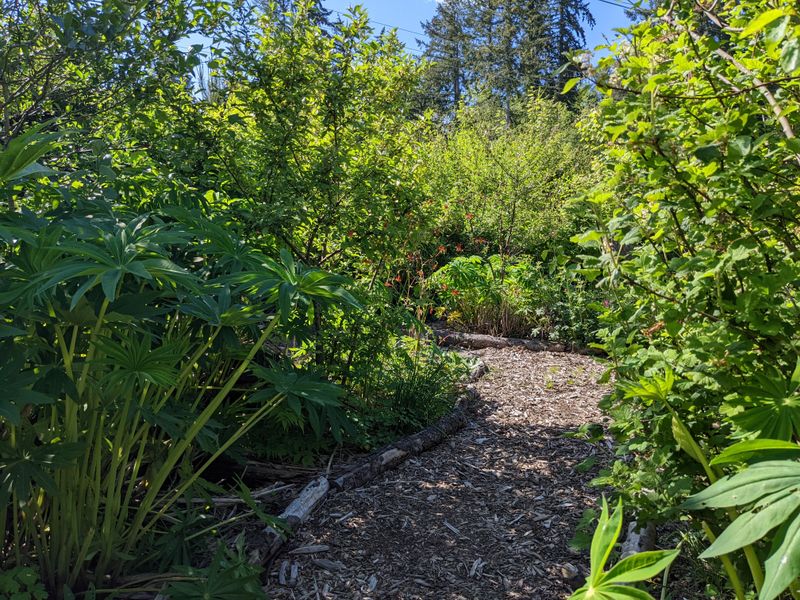
Natural forests contain multiple layers of vegetation, and recreating this structure in your Wisconsin micro-forest maximizes biodiversity and creates more wildlife habitat opportunities.
Tall canopy trees like oaks and maples form the uppermost layer, providing shade and shelter while their branches create highways for squirrels and birds.
Understory trees such as dogwoods and serviceberries grow beneath the canopy, producing flowers and berries that feed pollinators and songbirds throughout the seasons.
Shrub layers fill the middle spaces with plants like elderberry and viburnum, offering dense cover where rabbits and ground-nesting birds find safety.
Ground covers including ferns and wildflowers carpet the forest floor, preventing erosion while providing food and habitat for insects and small mammals alike.
Creating these distinct layers in your Wisconsin yard mimics natural woodland ecosystems, making your micro-forest more resilient and self-sustaining over many decades ahead.
Each layer supports different species, so diversifying heights dramatically increases the number of creatures that will visit and inhabit your tiny forest regularly.
5. Mulch Heavily Around Trees
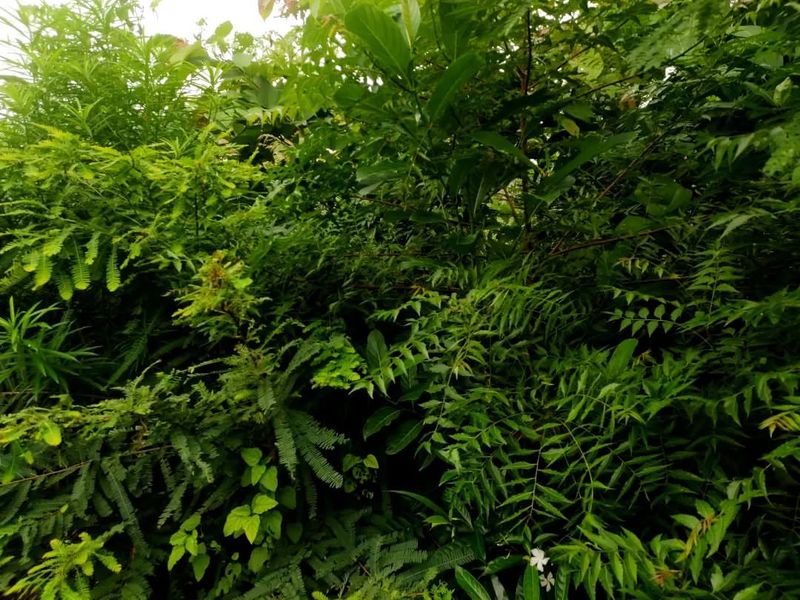
Applying a generous layer of mulch around your micro-forest trees conserves moisture, suppresses weeds, and gradually enriches soil as organic material breaks down naturally.
Wisconsin gardeners use wood chips, shredded bark, or leaves to create a three-to-four-inch blanket that protects tree roots from temperature extremes year-round.
Mulch keeps soil cooler during hot summers and warmer during freezing winters, helping young trees survive Wisconsin’s dramatic temperature swings more successfully overall.
As mulch decomposes, it feeds beneficial fungi and bacteria that form partnerships with tree roots, improving nutrient absorption and overall tree health significantly.
Keeping mulch pulled back a few inches from tree trunks prevents moisture buildup that can cause rot and discourages rodents from nesting there.
Replenishing mulch annually maintains its protective benefits, though established micro-forests eventually create their own natural mulch layer from falling leaves and branches.
Proper mulching reduces watering needs by up to fifty percent, saving Wisconsin gardeners time and resources while helping trees establish faster in their first years.
6. Plant During Spring or Fall
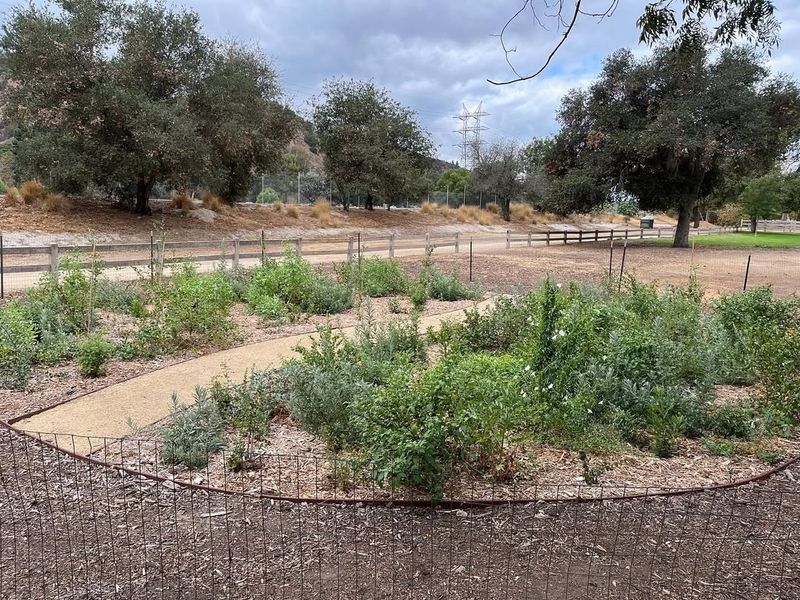
Timing your planting correctly gives micro-forest trees the best chance to establish strong roots before facing Wisconsin’s harsh summer heat or brutal winter cold.
Spring planting allows trees to develop root systems during mild weather before summer arrives, giving them strength to handle hot, dry conditions more effectively.
Fall planting takes advantage of cooler temperatures and increased rainfall, letting trees focus energy on root growth rather than producing leaves and flowers.
Wisconsin gardeners avoid planting during summer because young trees struggle with heat stress and require constant watering to survive those challenging months successfully.
Winter planting proves nearly impossible since frozen ground prevents digging, and trees enter dormancy, making root establishment extremely difficult or completely impossible altogether.
Choosing overcast or drizzly days for planting reduces transplant shock because trees lose less moisture through their leaves during cooler, humid weather conditions.
Proper timing combined with good soil preparation gives your micro-forest the strongest possible start, ensuring trees thrive and grow rapidly for years ahead.
7. Water Regularly the First Year
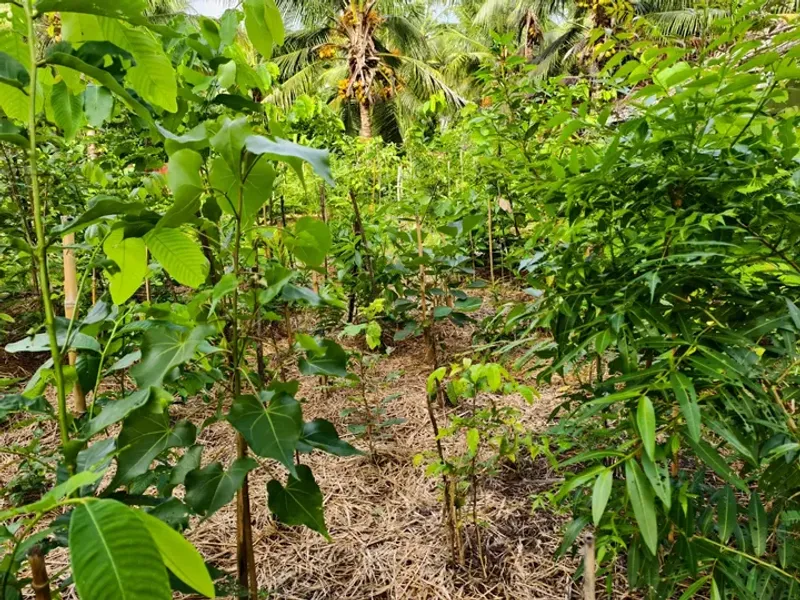
Newly planted trees need consistent moisture during their first growing season because their root systems haven’t spread far enough to access water deep underground.
Wisconsin gardeners water deeply once or twice weekly rather than sprinkling lightly every day, encouraging roots to grow downward toward moisture instead of staying shallow.
Providing about one inch of water per week through rainfall or irrigation helps young trees establish strong root systems that will support them throughout their lives.
Checking soil moisture by sticking your finger two inches deep tells you whether watering is necessary, preventing both drought stress and overwatering problems effectively.
During Wisconsin’s hot, dry summer periods, increasing watering frequency helps young trees cope with heat stress that can slow growth or damage tender foliage.
Installing soaker hoses or drip irrigation systems saves time and delivers water directly to root zones, reducing waste and ensuring consistent moisture levels throughout.
After the first year, most established micro-forest trees require little supplemental watering except during severe droughts, becoming largely self-sufficient and low-maintenance permanently.
8. Protect from Deer and Rabbits

Wildlife browsing poses a serious threat to young micro-forests, with deer and rabbits eating tender bark and shoots that trees need for healthy growth.
Installing wire mesh fencing around individual trees or your entire planting area protects saplings from hungry animals that find young bark especially tasty and appealing.
Tree guards made from plastic or wire mesh wrap around trunks, preventing deer from rubbing antlers against bark, which can seriously damage or girdle trees.
Wisconsin gardeners often use six-foot-tall fencing because deer can jump lower barriers easily, making shorter protection methods largely ineffective against these persistent browsers.
Applying organic deer repellents containing ingredients like garlic, pepper, or predator urine provides additional protection, though these products require frequent reapplication after rain events.
Rabbits typically damage trees during winter when other food sources disappear, so protecting trunks with hardware cloth prevents them from gnawing vulnerable bark.
Removing protection after three to five years allows trees to grow freely once their bark thickens enough to resist browsing damage naturally and effectively.
9. Add Wildflowers and Groundcovers
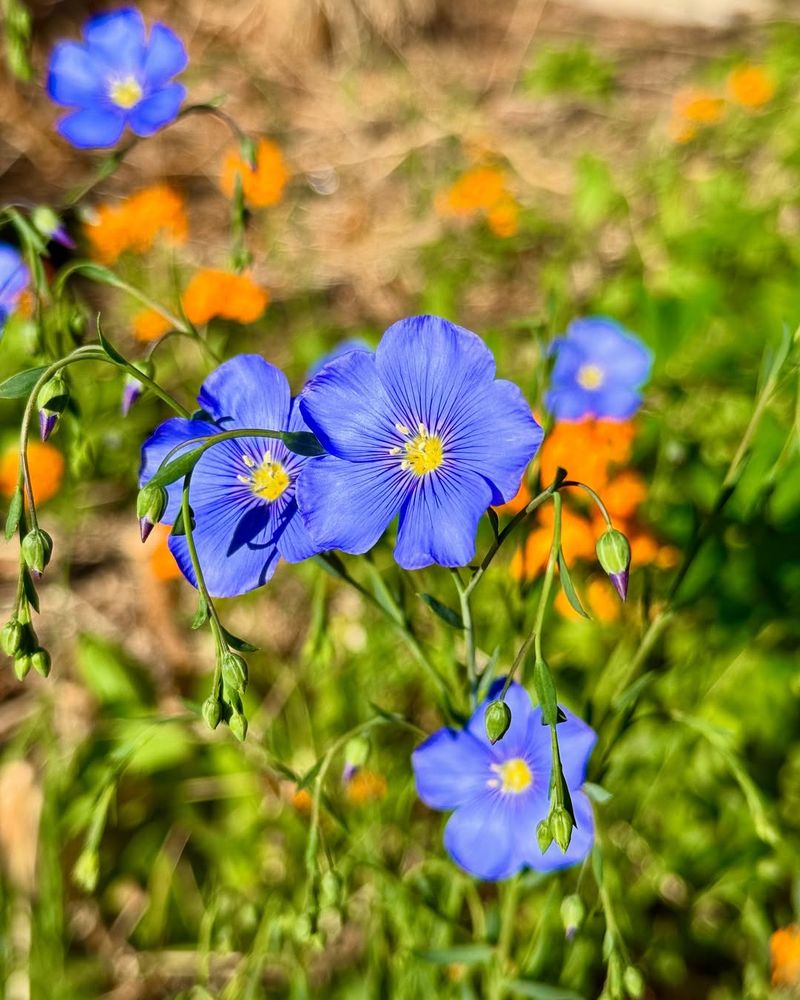
Planting native wildflowers and groundcovers beneath your trees creates a complete ecosystem that supports pollinators, prevents erosion, and adds beautiful seasonal color throughout.
Species like wild ginger, bloodroot, and trillium thrive in shaded conditions under tree canopies, providing food for insects and covering bare soil effectively.
Wisconsin’s native plants require minimal care once established because they evolved alongside local weather patterns, pests, and soil conditions over thousands of years.
Groundcovers outcompete invasive weeds by filling empty spaces quickly, reducing maintenance time while creating a more natural-looking forest floor appearance year-round successfully.
Flowering plants attract butterflies, bees, and other beneficial insects that pollinate your garden and serve as food for birds raising their young families nearby.
Choosing plants with different blooming times ensures something flowers from early spring through late fall, providing continuous resources for wildlife visiting your micro-forest.
These understory plants also contribute organic matter as they shed leaves, gradually building richer soil that benefits your entire Wisconsin forest ecosystem permanently.
10. Monitor and Remove Invasive Species
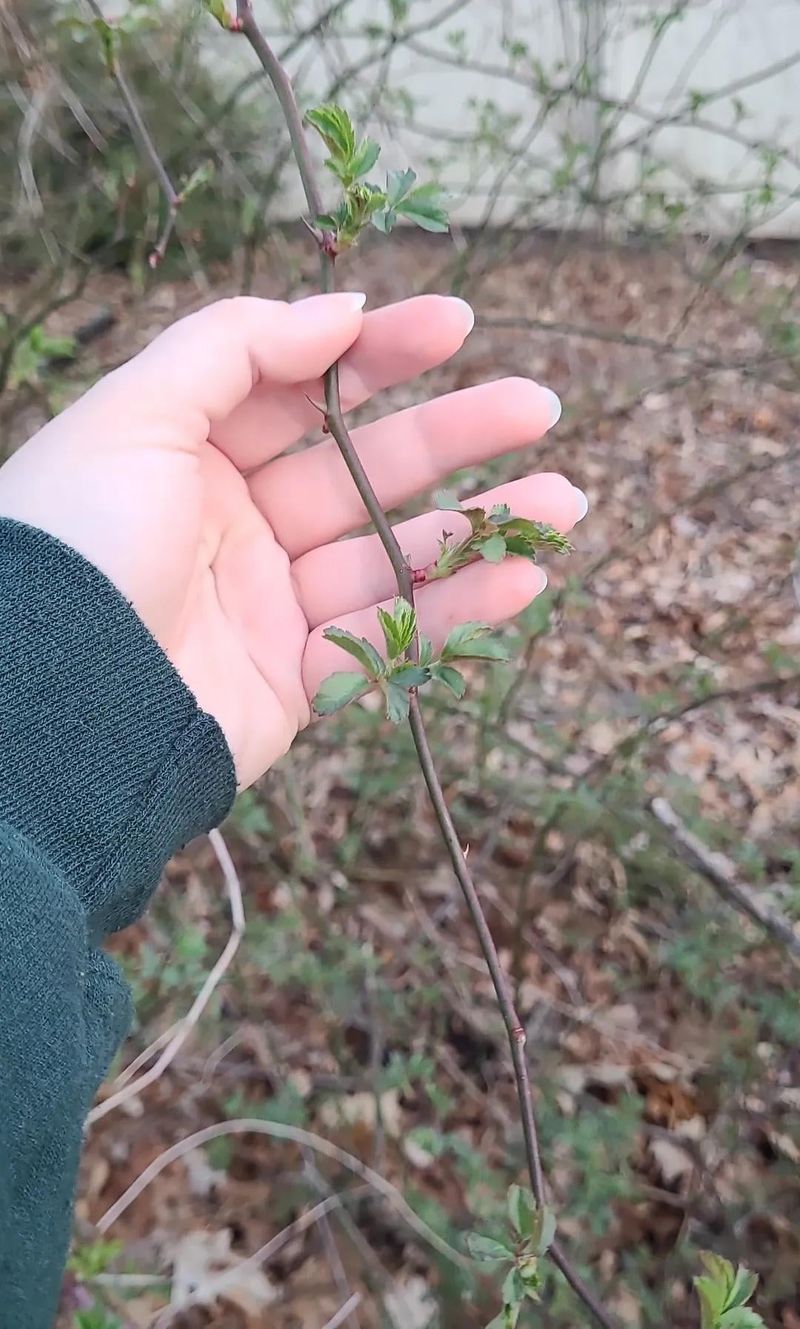
Invasive plants like buckthorn, honeysuckle, and garlic mustard aggressively spread through Wisconsin forests, crowding out native species and reducing biodiversity dramatically over time.
Regular monitoring helps you spot invasive plants early when they’re easier to remove, preventing them from establishing deep roots or producing thousands of seeds.
Pulling invasive plants by hand works best for small infestations, though you must remove entire root systems to prevent regrowth from fragments left behind.
Wisconsin gardeners often find that removing invasives requires persistent effort over several years because seeds can remain dormant in soil for decades before sprouting.
Replacing removed invasive plants with native species fills empty spaces quickly, preventing invasives from recolonizing areas you’ve worked hard to clear and restore.
Learning to identify common invasive species in your area helps you act quickly before these aggressive plants spread throughout your entire micro-forest ecosystem.
Maintaining vigilance protects your investment of time and resources, ensuring your Wisconsin micro-forest develops into the diverse, thriving woodland habitat you envisioned originally.