How New Jersey Homeowners Build Small Christmas Scenes With Indoor Plants
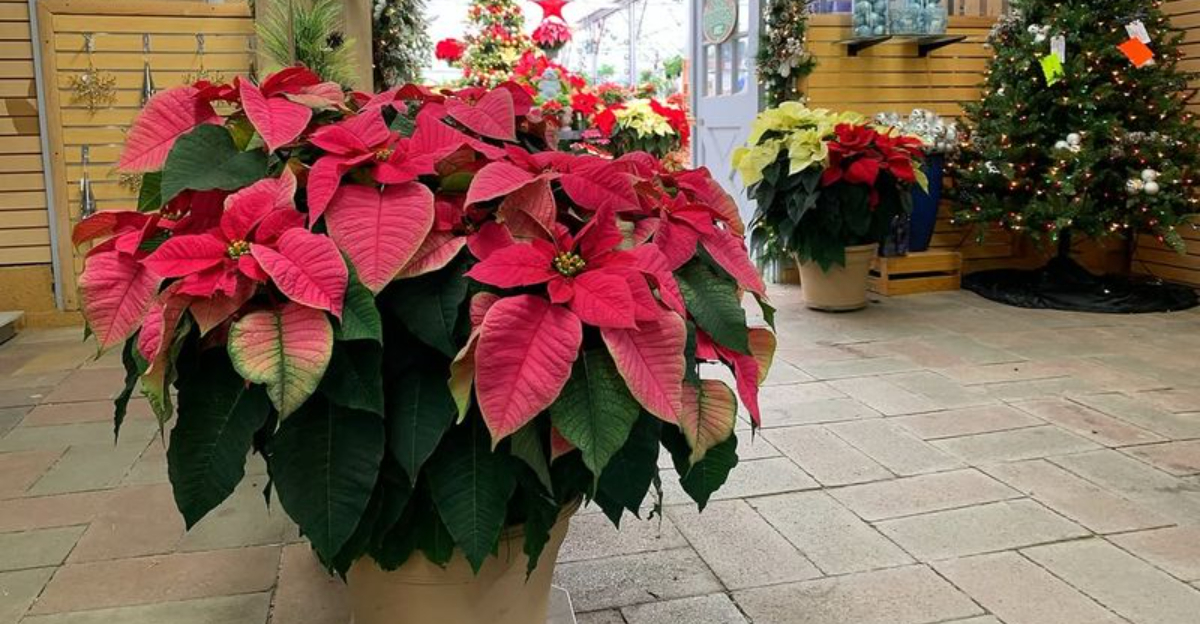
New Jersey homeowners are building small Christmas scenes with indoor plants to bring a festive spark into cozy corners around the house.
People are pairing miniature evergreens, bright poinsettias, and soft trailing greens to create playful displays that feel cheerful without requiring much space.
A room gains a sweet holiday charm once these little setups come together, turning everyday spots into joyful moments during the season.
1. Norfolk Island Pine
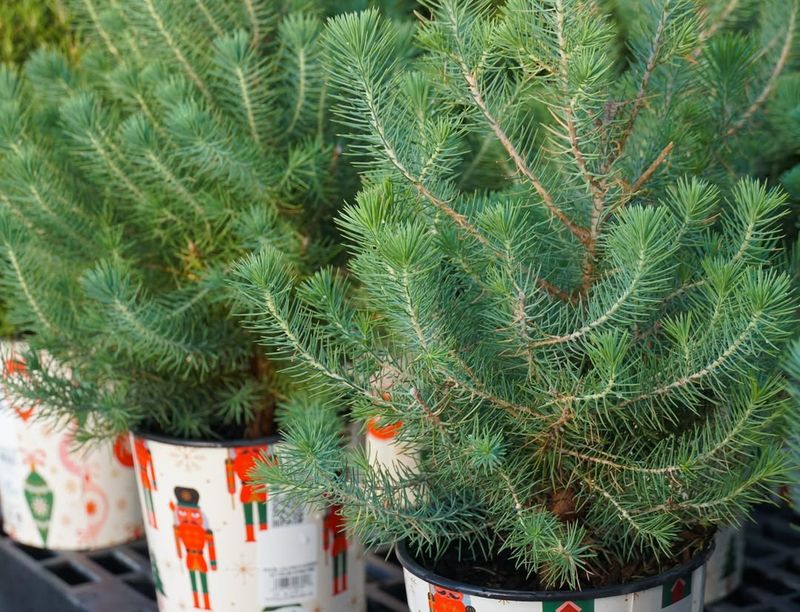
Norfolk Island Pine looks just like a miniature Christmas tree, making it the top choice for homeowners across New Jersey who want authentic holiday charm.
Its soft, feathery branches grow in perfect symmetrical tiers that naturally resemble a classic evergreen tree you might find in a forest.
Decorating this plant is simple and fun because the branches are strong enough to hold lightweight ornaments, tiny garland, and even small LED lights.
Many families in the Garden State place these on side tables or mantels, creating focal points that draw everyone’s attention during holiday gatherings.
This plant prefers bright, indirect sunlight and needs watering when the soil feels dry to the touch, making care relatively straightforward for busy households.
Unlike real Christmas trees that shed needles everywhere, Norfolk Island Pines stay green and tidy throughout the entire winter season and beyond it.
After the holidays end, you can remove the decorations and enjoy this beautiful evergreen as a year-round houseplant that continues growing taller each year.
New Jersey homeowners appreciate how this versatile plant brings both festive cheer and lasting natural beauty into their living spaces without any waste.
2. Poinsettia
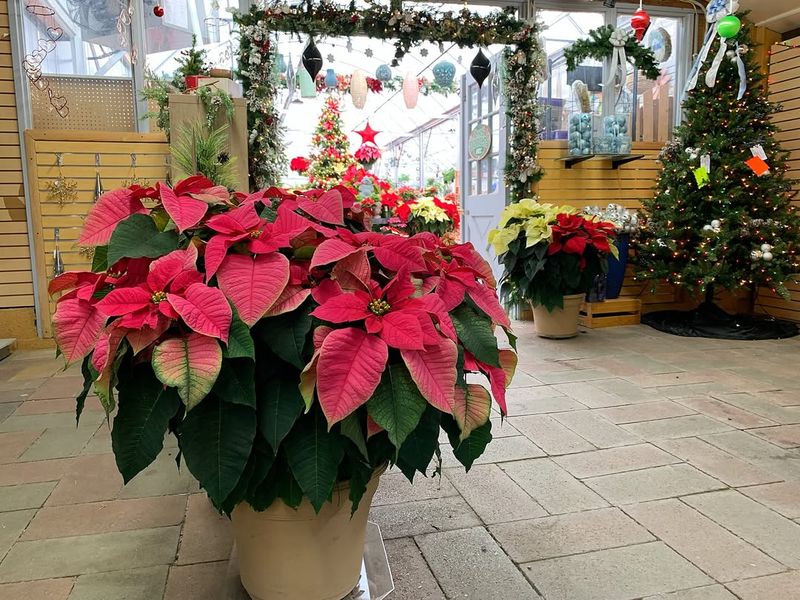
Poinsettias are practically synonymous with Christmas, and their brilliant red leaves instantly transform any corner of your home into a festive celebration space.
Garden State families often cluster several poinsettias together in different sizes to create stunning layered displays that catch the eye from across the room.
These plants come in traditional red, but you can also find them in white, pink, cream, and even speckled varieties for more creative arrangements.
Placing a poinsettia next to miniature Santa figurines, tiny reindeer, or small wrapped gift boxes creates a classic holiday vignette that never goes out of style.
Contrary to popular myths, poinsettias are not highly toxic, though it is still wise to keep them away from curious pets who might nibble.
New Jersey winters can be harsh, so keep these tropical plants away from cold drafts and maintain room temperatures between sixty-five and seventy degrees Fahrenheit.
Water them when the soil surface feels dry, but avoid letting the pot sit in standing water, which causes root problems and wilting leaves.
With proper care, your poinsettia will stay vibrant and colorful throughout December and January, spreading holiday cheer for weeks on end in your home.
3. Christmas Cactus
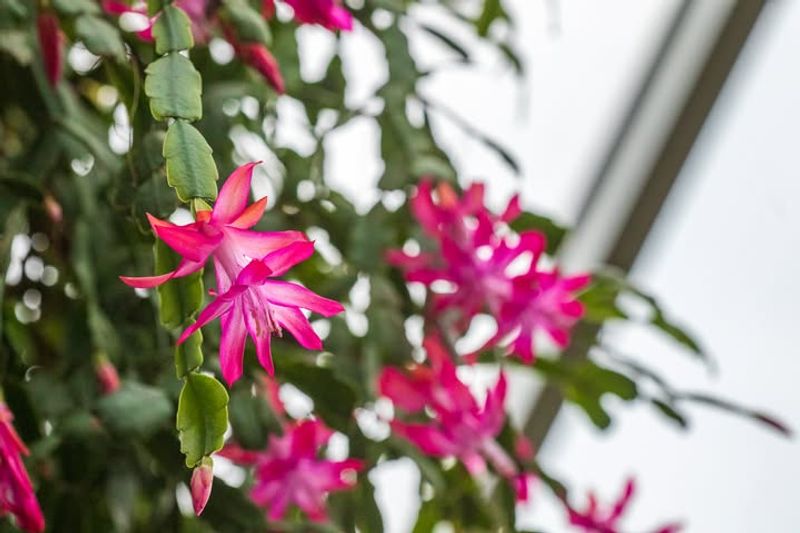
Christmas cactus earns its name by blooming right around the holiday season, producing tubular flowers in shades of pink, red, white, or purple that dangle gracefully.
Unlike desert cacti with sharp spines, this plant has flat, segmented leaves that are smooth and safe to handle, making it perfect for family homes.
Your New Jersey Garden Changes Every Week. Your Plan Should Too.
Gardening in New Jersey changes quickly throughout the season. Every Friday you’ll receive a simple weekly plan showing exactly what to plant, prune, fertilize, harvest, and protect so you never miss the right timing.
Homeowners in New Jersey love using Christmas cactus in their displays because the cascading blooms add vertical interest and movement to tabletop arrangements.
Pair it with small ceramic angels, miniature snow globes, or frosted pinecones to build a charming winter scene that feels both elegant and whimsical.
This plant thrives in bright, indirect light and prefers slightly cooler temperatures during the fall, which actually triggers its spectacular flowering in December.
Water it when the top inch of soil feels dry, and be sure to provide good drainage to prevent soggy roots that damage the plant.
After the holiday season, Christmas cactus continues to thrive as a beautiful houseplant that can bloom again next year with proper care and attention.
Garden State residents appreciate how this low-maintenance plant offers reliable beauty and becomes a treasured part of their annual holiday traditions over many years.
4. Rosemary Topiary
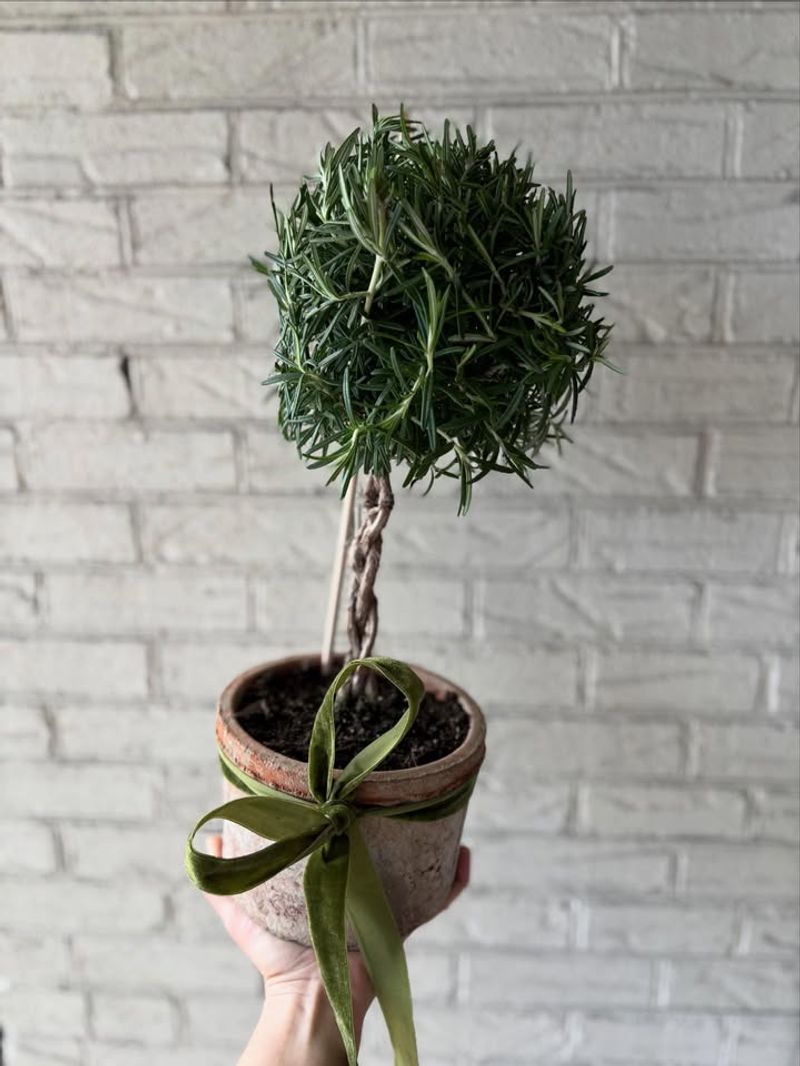
Rosemary topiaries shaped like miniature trees bring a delightful herbal fragrance to your holiday displays while doubling as a useful kitchen ingredient for cooking.
Many New Jersey homeowners trim rosemary into cone shapes that mimic traditional Christmas trees, then add tiny bows, beads, or ribbons for festive flair.
Running your fingers along the needle-like leaves releases a fresh, piney scent that fills your home with natural aromatherapy during the busy holiday season.
Position your rosemary topiary in a sunny window where it receives at least six hours of direct light daily to keep it healthy and thriving.
These plants prefer well-draining soil and should be watered when the top layer feels dry, but avoid overwatering, which leads to root rot issues.
Snip fresh sprigs to use in your holiday recipes, from roasted potatoes to lamb dishes, making this plant both decorative and deliciously practical.
Garden State cooks especially love having fresh herbs available during winter months when outdoor gardens are buried under snow and ice for weeks.
After Christmas, continue caring for your rosemary topiary as a year-round plant that provides culinary benefits and lovely greenery in your kitchen space.
5. Ivy
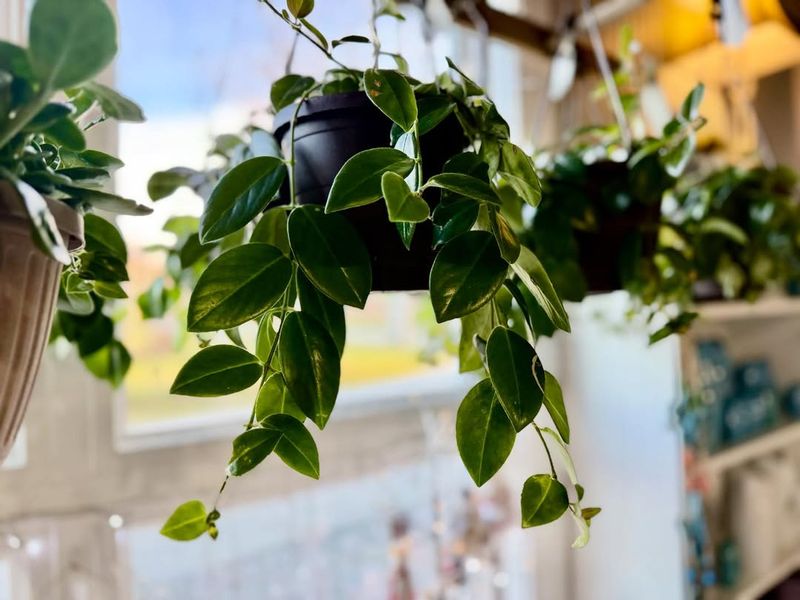
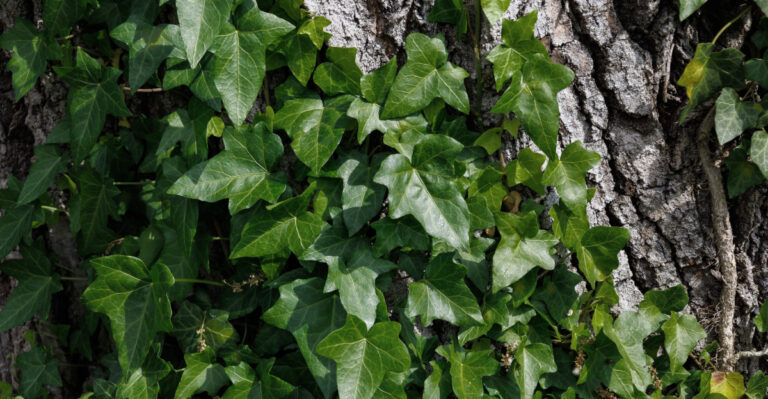
Ivy vines with their trailing growth habit work wonderfully for creating lush, flowing backdrops in small Christmas scenes that need a touch of natural elegance.
Garden State homeowners drape ivy around miniature village displays, nativity sets, or model train layouts to simulate forests, hillsides, or decorative garland swags.
The heart-shaped leaves come in solid green or variegated patterns with white or yellow edges, offering visual variety for your creative holiday arrangements.
Ivy grows quickly and tolerates lower light conditions better than many other plants, making it ideal for rooms without large windows or bright sunshine.
Keep the soil consistently moist but not waterlogged, and mist the leaves occasionally during New Jersey winters when indoor heating dries out the air.
This plant climbs or trails naturally, so you can train it around small trellises, wire frames, or even tiny fences in your holiday displays.
Some people weave battery-operated fairy lights through the vines to create a magical, twinkling effect that looks stunning when the room lights dim.
Ivy remains green and beautiful all year long, so you can repurpose it in different displays or simply enjoy it as attractive greenery between holidays.
6. Amaryllis
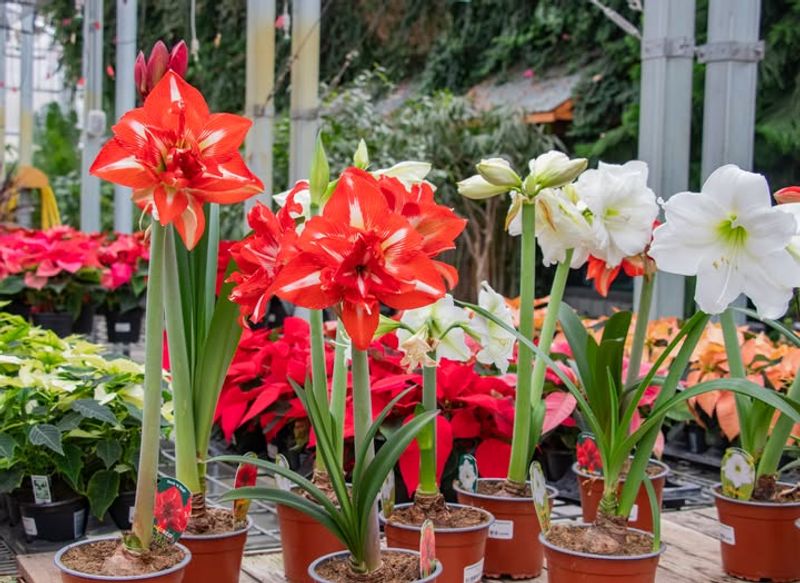
Amaryllis produces dramatic, trumpet-shaped flowers on tall stalks that tower above other plants, creating stunning vertical focal points in your holiday displays across New Jersey.
Bulbs planted in November typically bloom right around Christmas, offering perfect timing for homeowners who want fresh flowers during the coldest, darkest winter days.
Colors range from classic red and white to salmon, pink, striped, and even deep burgundy, giving you endless options for matching your decorating scheme.
Positioning an amaryllis next to candles, ribbon-wrapped boxes, or clusters of ornaments creates a sophisticated centerpiece that impresses guests at holiday dinners and parties.
These bulbs need bright light and regular watering once growth begins, with the soil staying evenly moist but never soggy or sitting in water.
Garden State residents love watching the rapid growth, as amaryllis stalks can shoot up several inches per day once they start, providing daily excitement.
After blooming, the flowers last for weeks, giving you prolonged enjoyment and beauty throughout the entire holiday season without needing constant replacement or maintenance.
Save the bulbs after flowering, and with proper care, they can be encouraged to bloom again next year, becoming a cherished tradition.
7. Cyclamen
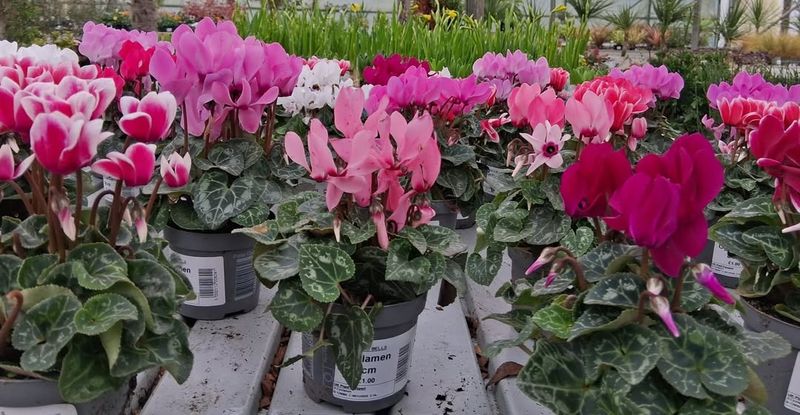
Cyclamen flowers look like tiny butterflies hovering above heart-shaped leaves, bringing delicate beauty and charm to any small Christmas display in your home.
New Jersey homeowners appreciate how cyclamen blooms throughout winter, providing continuous color during months when outdoor gardens are frozen and completely dormant under snow.
Flowers come in shades of red, pink, white, and purple, often with darker markings or bicolor patterns that add visual interest to your arrangements.
These compact plants fit perfectly on windowsills, side tables, or as part of larger displays featuring candles, evergreen sprigs, and holiday figurines.
Cyclamen prefers cooler room temperatures between sixty and sixty-five degrees Fahrenheit, making it ideal for less-heated rooms or sunrooms in the Garden State.
Water from below by placing the pot in a saucer of water for about fifteen minutes, then drain thoroughly to avoid crown rot.
Avoid getting water on the leaves or center of the plant, as moisture trapped there can cause fungal problems that damage the foliage.
With proper care, cyclamen continues blooming for months, offering long-lasting beauty that extends well beyond the Christmas season into early spring days ahead.
8. Paperwhite Narcissus
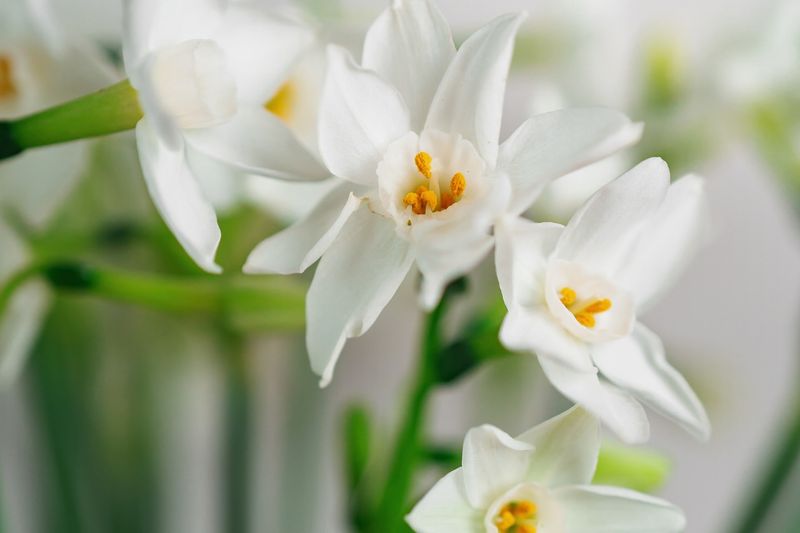
Paperwhite narcissus bulbs are incredibly easy to grow indoors, requiring no soil at all, just water and pebbles in a shallow dish.
Garden State families start bulbs in early December, and within three weeks, fragrant white flowers appear, filling rooms with a sweet, fresh scent.
Clusters of star-shaped blooms on slender green stems create an elegant, minimalist look that complements both traditional and modern Christmas decorating styles beautifully.
Arrange paperwhites in groups of three or five bulbs for maximum visual impact, and place them near your other holiday decorations for cohesive displays.
These bulbs need bright light and cool temperatures to prevent the stems from growing too tall and flopping over, which can look messy.
New Jersey homeowners often place paperwhites on dining tables, bathroom counters, or bedroom nightstands, spreading holiday cheer throughout every room in the house.
After blooming, paperwhite bulbs are typically discarded because they rarely bloom well a second time, but their low cost makes this perfectly acceptable.
Starting new bulbs every few weeks ensures you have fresh blooms appearing continuously throughout the entire holiday season, keeping your home fragrant and festive.
9. Holly Fern
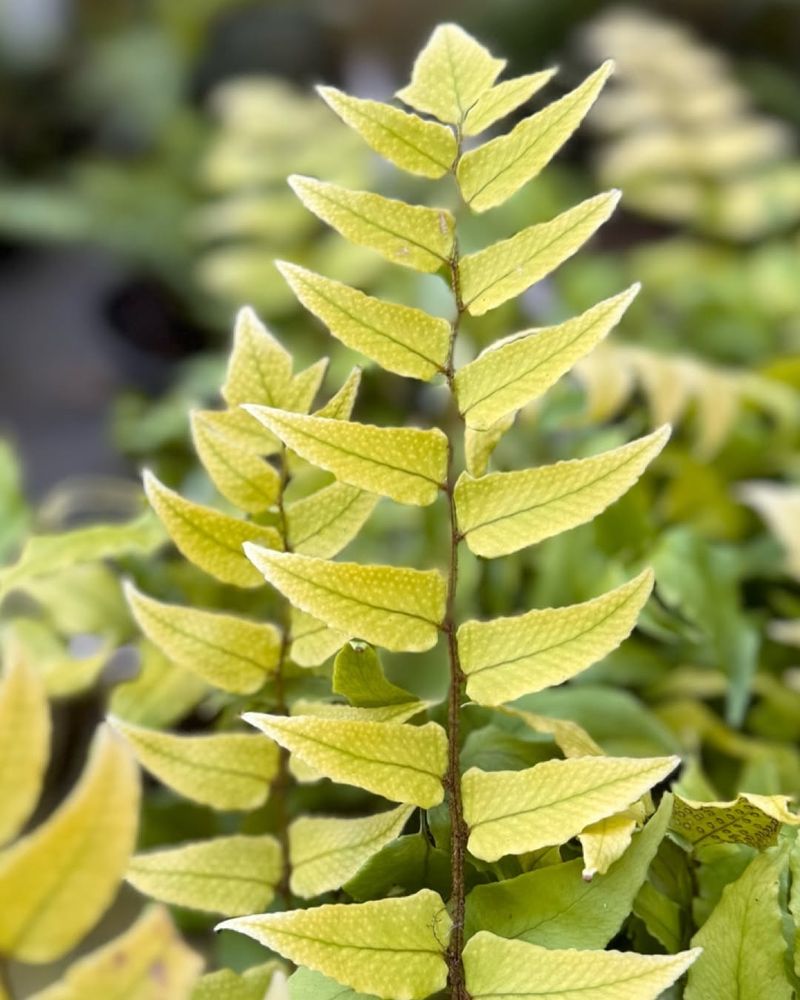
Holly fern gets its name from the glossy, dark green fronds that resemble holly leaves, making it a natural choice for Christmas decorating themes.
Unlike true holly with sharp, prickly edges, holly fern has soft foliage that is safe to handle and position around delicate ornaments or figurines.
New Jersey homeowners use holly fern as a lush, textured base for building miniature Christmas scenes featuring woodland animals, Santa figures, or tiny sleighs.
The compact growth habit keeps this plant manageable for small spaces like apartment windowsills, office desks, or narrow shelves in cozy living rooms.
Holly fern thrives in medium to low light conditions and prefers consistently moist soil, making it easier to care for than many other houseplants.
Garden State residents appreciate how this plant tolerates the dry indoor air caused by heating systems that run constantly during cold winter months.
Mist the fronds occasionally to increase humidity and keep the leaves looking fresh, vibrant, and healthy throughout the entire holiday season and beyond.
After Christmas, holly fern continues to provide year-round greenery that requires minimal maintenance while adding natural beauty to any room in your home.
10. White Azalea
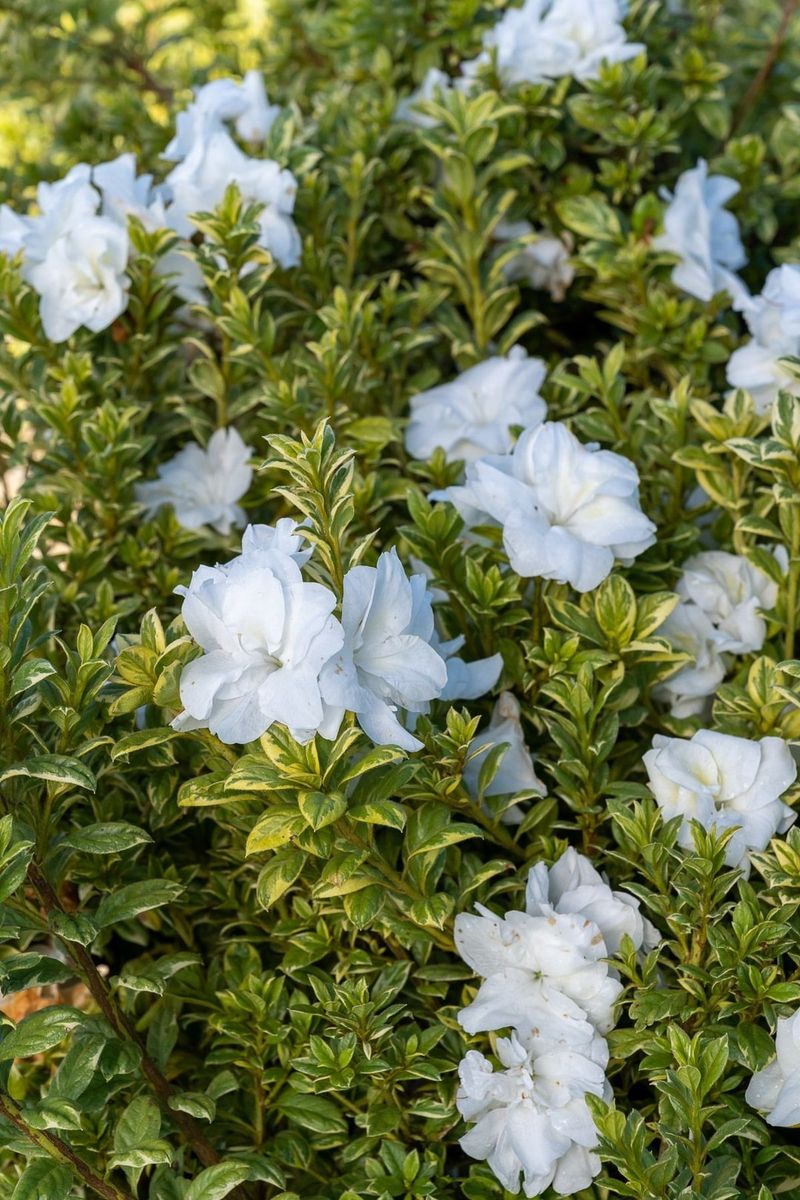
White azaleas burst into bloom during winter months, producing clusters of pristine flowers that evoke images of fresh snow and winter wonderlands across New Jersey.
Florists often sell potted azaleas during the holiday season specifically because their showy blooms create instant impact in any Christmas display or centerpiece arrangement.
Pairing white azaleas with gold or silver accents, crystal ornaments, or metallic ribbon creates a sophisticated, elegant look perfect for formal holiday entertaining.
Garden State homeowners place azaleas on mantels, dining tables, or entryway consoles where guests can admire the abundant blooms as soon as they arrive.
These plants prefer bright, indirect light and cool room temperatures, ideally between sixty and sixty-five degrees Fahrenheit, to prolong flowering and prevent bud drop.
Keep the soil consistently moist by watering regularly, as azaleas are sensitive to both drought and overwatering, which can cause leaves to yellow or drop.
After the flowers fade, you can plant outdoor-hardy varieties in your garden come spring, where they may bloom again in subsequent years.
Azaleas offer the best of both worlds: stunning holiday beauty indoors during winter and potential long-term enjoyment as landscape plants once warmer weather returns.