Gardeners Across Virginia Are Finding Unexpected Winter Blooms — Botanists Explain Why
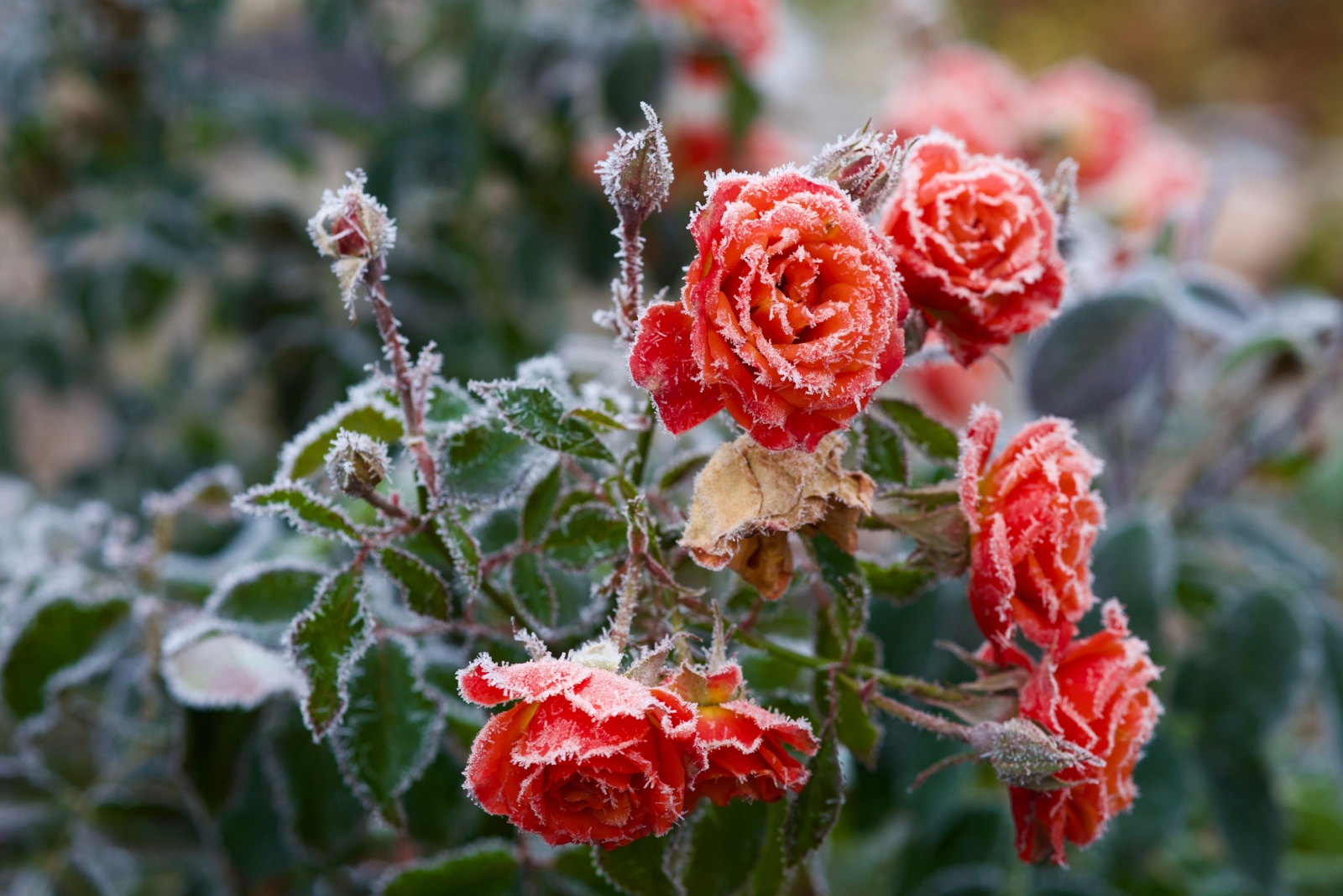
Gardeners across Virginia have been stepping outside to check on their winter landscapes and discovering something remarkable: flowers blooming in the middle of the coldest months.
These unexpected bursts of color have sparked curiosity and excitement throughout neighborhoods, with many wondering if their eyes are playing tricks on them.
Botanists and plant experts have been fielding questions from confused homeowners who thought their gardens were supposed to be dormant until spring.
The reasons behind these winter blooms are fascinating and reveal how climate patterns, plant biology, and environmental shifts all work together in surprising ways.
Warmer Temperatures Confuse Plant Internal Clocks
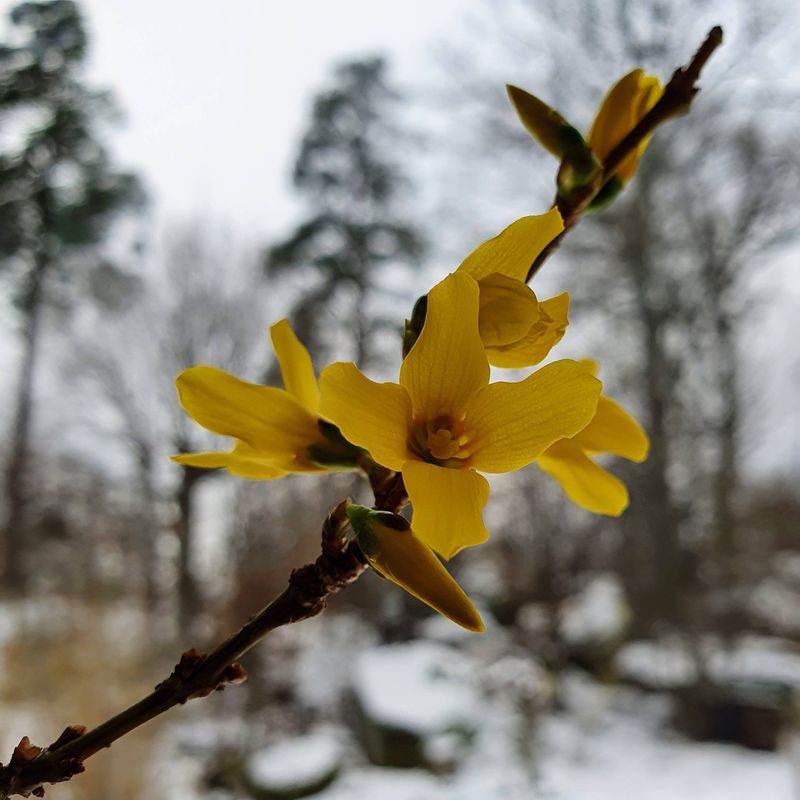
Unseasonably warm weather has been tricking plants into thinking spring has arrived early.
Many flowering species rely on temperature cues to determine when to produce blooms, and recent winters in Virginia have included stretches of mild days that mimic springtime conditions.
Plants like forsythia, cherry trees, and even some bulbs respond to these warm spells by breaking dormancy and pushing out flowers.
The confusion happens because plants measure accumulated warmth over time, and when winter days reach certain thresholds, their biological timers get reset.
Botanists explain that this phenomenon is becoming more common as climate patterns shift and temperature fluctuations become more extreme.
Gardeners throughout Virginia have reported seeing daffodils poking through snow and azaleas blooming in January.
While these early flowers are beautiful, they can be vulnerable if harsh cold returns suddenly.
Experts recommend monitoring weather forecasts and covering sensitive blooms with cloth if freezing temperatures are predicted.
Understanding how temperature affects plant cycles helps gardeners make better decisions about what to plant and when to expect flowers.
The relationship between warmth and blooming is complex, involving hormones and cellular changes that scientists are still studying.
Native Species Adapted For Cold Weather Flowering

Some plants are naturally designed to bloom during winter months, and Virginia gardeners are rediscovering these hardy natives.
Witch hazel is one spectacular example, producing fragrant yellow or orange ribbon-like flowers even when temperatures hover near freezing.
This shrub has evolved to take advantage of reduced competition for pollinators during the quiet winter season.
Winter jasmine is another tough performer, covering bare stems with cheerful yellow blooms from December through March.
These plants have special adaptations that protect their flowers from frost, including waxy coatings and the ability to produce natural antifreeze compounds.
Hellebores, sometimes called Christmas roses or Lenten roses, push through frozen ground to display elegant cup-shaped flowers in shades of white, pink, and purple.
Botanists point out that these species have always bloomed in winter, but many gardeners simply never noticed them before.
The recent attention to winter blooms has sparked renewed interest in landscaping with cold-season plants.
Adding these varieties to your garden provides color when everything else looks bare and brown.
They also support early-emerging pollinators like bees that venture out on warmer winter days.
Climate Shifts Extend Growing Seasons Statewide
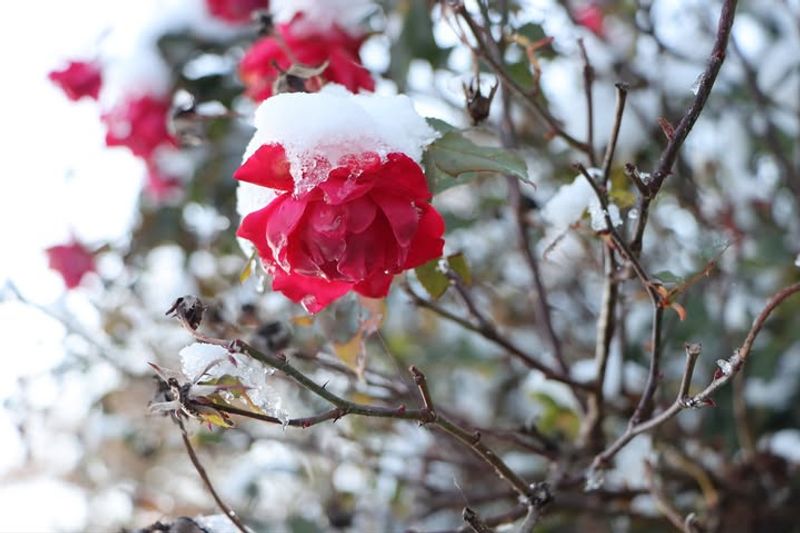
Virginia has been experiencing longer growing seasons as climate patterns gradually change across the region.
Fall now lingers later into what used to be winter, and spring arrives noticeably earlier than it did decades ago.
Your Virginia Garden Changes Every Week. Your Plan Should Too.
Gardening in Virginia changes quickly throughout the season. Every Friday you’ll receive a simple weekly plan showing exactly what to plant, prune, fertilize, harvest, and protect so you never miss the right timing.
This extended window of moderate temperatures allows some plants to continue blooming well past their traditional seasons.
Roses, which typically finish flowering in late autumn, have been spotted with fresh blooms in December and even January.
Botanists note that the first frost dates are arriving later each year, giving plants extra weeks of active growth.
Similarly, the last spring frost is happening earlier, which means the dormant period is shrinking from both ends.
This shift affects everything from vegetable gardens to ornamental landscapes throughout Virginia.
Gardeners are learning to adjust their planting schedules and expectations accordingly.
Some are experimenting with crops and flowers that were once considered too tender for the region.
The changes also mean that traditional gardening calendars and advice may need updating to reflect current conditions.
While longer growing seasons offer opportunities, they also bring challenges like increased pest activity and water needs.
Confused Bulbs Emerge During Warm January Spells
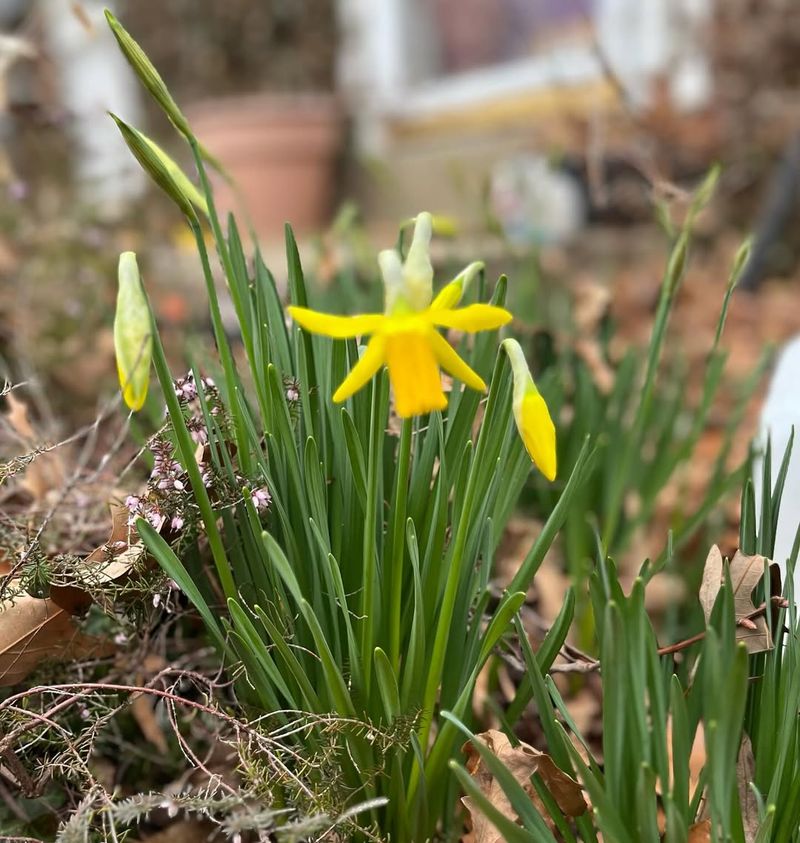
Bulb flowers like crocuses, snowdrops, and daffodils have been popping up during unseasonably warm stretches in January and February.
These plants store energy underground and use temperature as their primary signal for when to emerge and bloom.
When soil temperatures rise above certain thresholds, even temporarily, bulbs can be fooled into starting their growth cycle.
Virginia gardeners have shared photos of daffodils blooming alongside winter pansies, creating unusual but lovely combinations.
Snowdrops, which are supposed to bloom in late winter, have been appearing as early as mid-January in some areas.
The problem occurs when these early bloomers get caught by returning cold weather, which can damage delicate flowers and stems.
Botanists explain that once a bulb commits to blooming, it uses up stored energy that was meant to fuel the entire flowering process.
If frost strikes, the plant may not have enough reserves to try again.
Gardeners can protect early-emerging bulbs by applying mulch around them when cold is forecast.
Another strategy is choosing bulb varieties that bloom later in the season and are less likely to be tricked by warm spells.
Urban Heat Islands Create Microclimates For Blooming
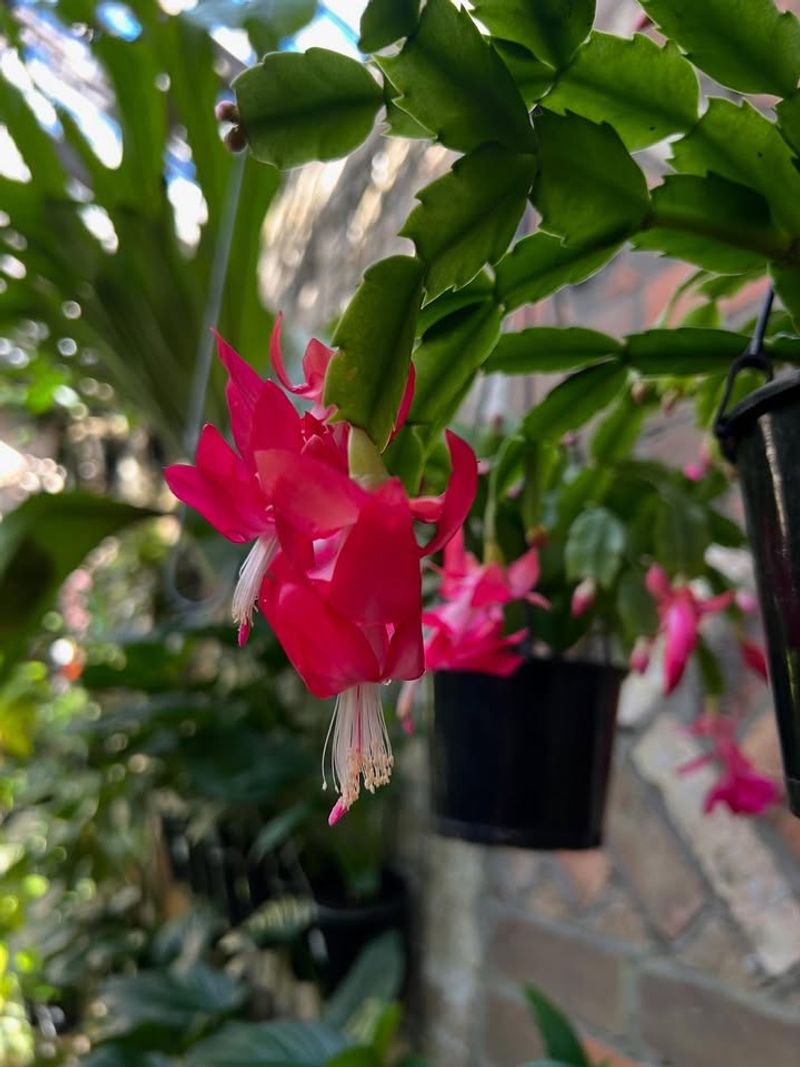
Cities and suburban areas in Virginia generate extra warmth that creates unique microclimates where plants behave differently than in rural areas.
Concrete, asphalt, and buildings absorb heat during the day and release it slowly at night, keeping temperatures several degrees warmer than surrounding countryside.
This urban heat island effect can trick plants into blooming earlier or continuing to flower longer than they would in cooler locations.
Gardeners in places like Richmond, Arlington, and Virginia Beach have noticed their plants blooming weeks ahead of friends who live in more rural settings.
The warmth from buildings, cars, and pavement accumulates over time, creating conditions that mimic a slightly different climate zone.
Botanists point out that a garden next to a brick wall or near a paved driveway will experience different temperatures than one in an open field.
These microclimates can be advantages for gardeners who want to push the boundaries of what grows in their area.
However, they can also lead to confusion when plants bloom at unexpected times.
Understanding your specific microclimate helps you predict plant behavior more accurately.
You can even use these warm spots strategically to grow more tender plants or enjoy earlier flowers.
Stressed Plants Attempt Emergency Flowering Cycles
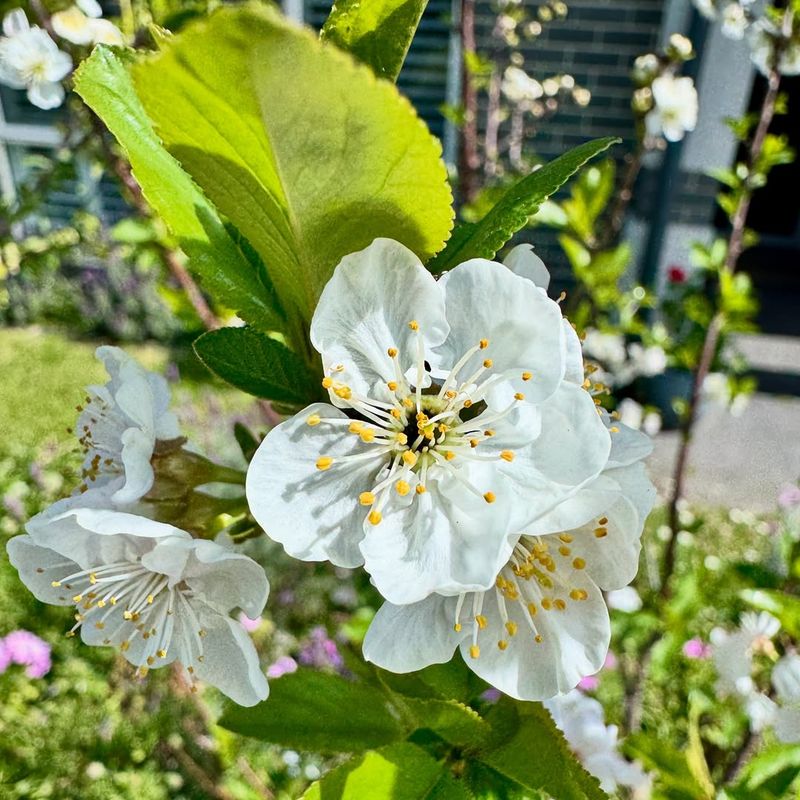
Sometimes plants bloom at odd times because they are experiencing stress and responding with survival mechanisms.
When a plant senses environmental pressure, whether from drought, temperature swings, or other factors, it may rush to produce flowers and seeds as a last-ditch reproductive effort.
This emergency flowering can happen outside the normal season, catching gardeners by surprise.
Botanists explain that plants have evolved to prioritize reproduction when conditions threaten their survival.
Virginia has experienced periods of unusual weather patterns, including dry spells followed by sudden warmth, which can trigger this response.
Trees and shrubs that normally bloom in spring might push out a few flowers in winter if they perceive danger.
While these blooms are interesting to observe, they often indicate that the plant is struggling.
Gardeners should check soil moisture, look for pest damage, and ensure plants are getting proper nutrition.
Mulching around the root zone helps moderate soil temperature and moisture, reducing stress.
Proper watering during dry winter periods is also important, even though plants are not actively growing.
Healthy, well-maintained plants are less likely to engage in stress-induced flowering and will bloom more reliably during their proper season.
Horticultural Varieties Bred For Extended Bloom Times
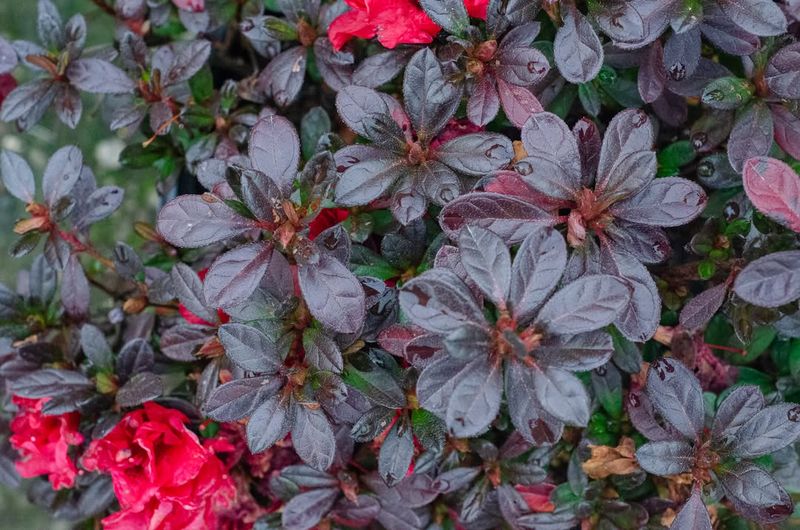
Modern plant breeding has produced many varieties specifically designed to flower for longer periods or at unusual times.
These cultivated plants, called cultivars, have been selected and bred for traits like extended bloom seasons, repeat flowering, or cold tolerance.
Many gardeners plant these improved varieties without realizing they behave differently from traditional species.
Reblooming azaleas, for example, can produce flowers in both spring and fall, and sometimes even during warm winter periods.
Certain rose varieties have been bred to bloom continuously from spring through fall and may keep going into winter if temperatures stay mild.
Botanists note that these plants have been genetically selected to ignore some of the natural signals that limit flowering seasons.
While this creates longer-lasting garden color, it also means these plants may bloom at times that seem strange or unexpected.
Virginia gardeners who choose modern cultivars should research their specific varieties to understand their blooming patterns.
Reading plant tags and catalog descriptions carefully helps set proper expectations.
These specially bred plants can be wonderful additions to the garden, providing color during traditionally quiet months and surprising visitors with their unusual timing.