Why Minnesota Gardeners Are Embracing No-Till Practices
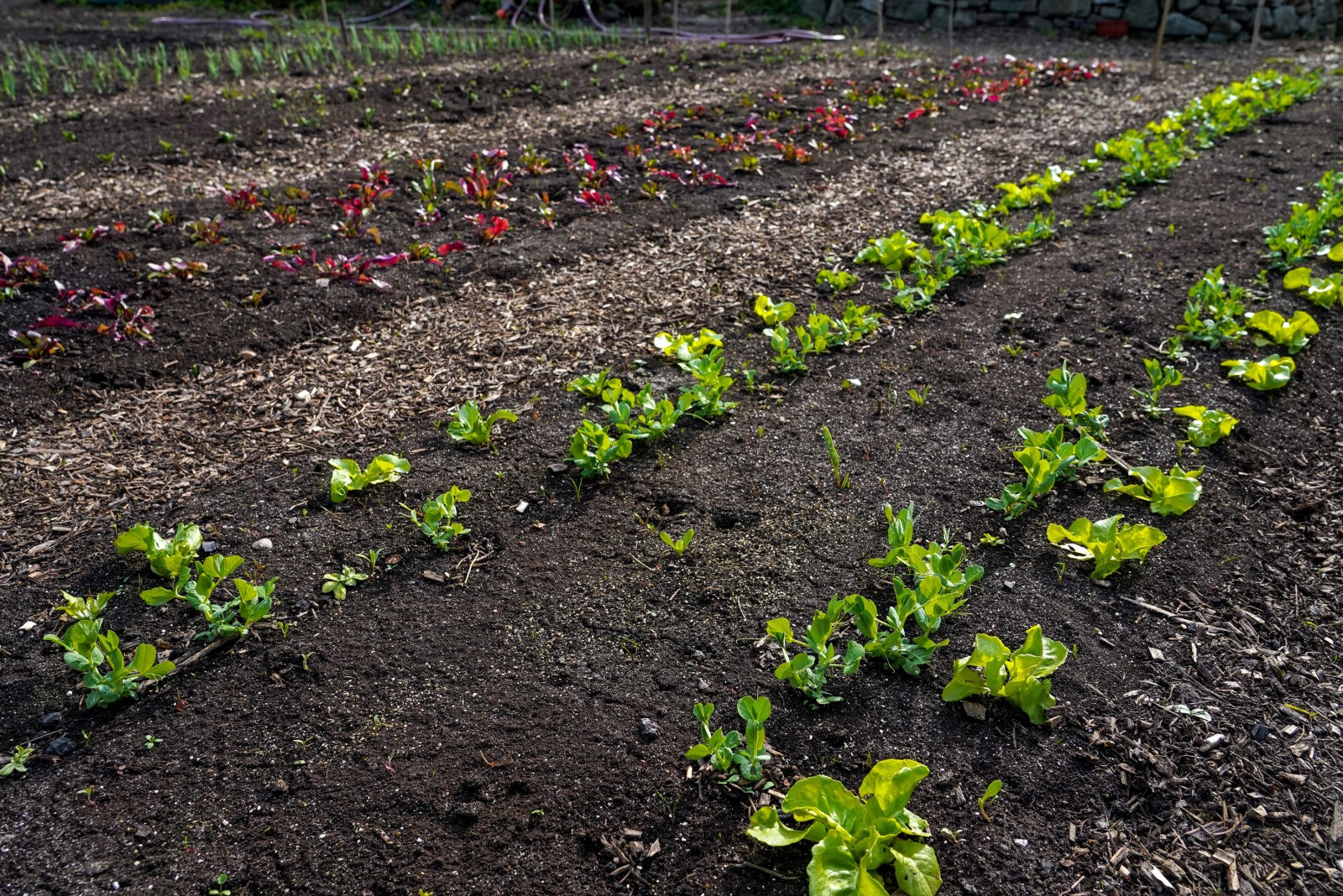
Gardeners across Minnesota are discovering a smarter way to grow their vegetables, flowers, and herbs without turning over their soil every spring.
No-till gardening keeps the ground structure intact, which helps plants thrive while saving time and effort.
This method builds healthier soil, supports helpful organisms, and reduces the backbreaking work that traditional tilling requires.
More Minnesota gardeners are making the switch and seeing incredible results in their yards and gardens.
Soil Structure Stays Strong and Healthy
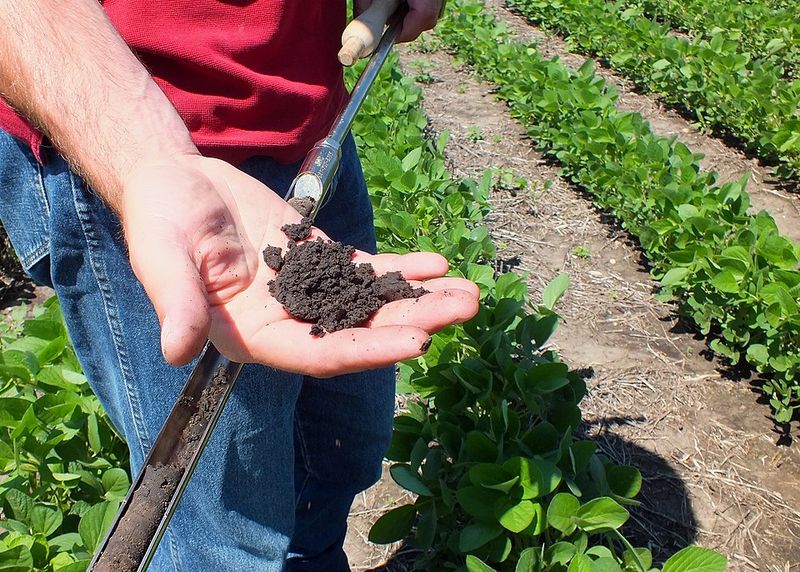
Traditional tilling breaks apart the natural layers that form in healthy garden soil over time.
When you avoid disturbing these layers, the soil maintains its structure and becomes more resilient.
Minnesota gardeners who practice no-till methods notice their soil holds together better during heavy spring rains.
Strong soil structure means water can drain properly while still holding enough moisture for plant roots.
The tiny spaces between soil particles create pathways for air to reach plant roots, which is essential for growth.
Without tilling, these pathways remain open and functional season after season.
Roots can grow deeper and stronger when the soil structure supports them.
In Minnesota, where weather can swing from wet to dry quickly, stable soil structure helps gardens adapt.
Plants experience less stress when their roots have consistent access to water and nutrients.
Gardeners spend less time fixing problems like compaction or poor drainage.
The soil becomes a stable foundation that supports plant health year after year.
No-till practices preserve what nature builds naturally underground.
Your garden becomes more productive with less intervention over time.
Healthy soil structure is the foundation of successful gardening in Minnesota.
Beneficial Organisms Thrive Underground

Earthworms, fungi, and countless microscopic creatures work hard beneath the surface of your garden.
These organisms create natural tunnels, break down organic matter, and make nutrients available to plants.
Tilling disrupts their homes and can harm or displace these helpful workers.
Minnesota gardeners who skip the tiller give these creatures a stable environment where they can multiply.
Earthworms are especially valuable because they aerate soil and leave behind nutrient-rich castings.
Beneficial fungi form networks that connect plant roots and help them absorb water and minerals.
When you protect these underground communities, your garden essentially takes care of itself.
The organisms do much of the work that gardeners used to do manually and healthy microbial activity improves soil fertility naturally without chemical fertilizers.
In Minnesota, where the growing season is shorter, every advantage helps plants grow faster and stronger.
No-till gardening creates a living ecosystem beneath your feet.
This ecosystem becomes more productive and diverse with each passing year.
Your garden becomes a thriving habitat for beneficial life.
Supporting these organisms means supporting your plants in the most natural way possible.
Water Retention Improves Dramatically
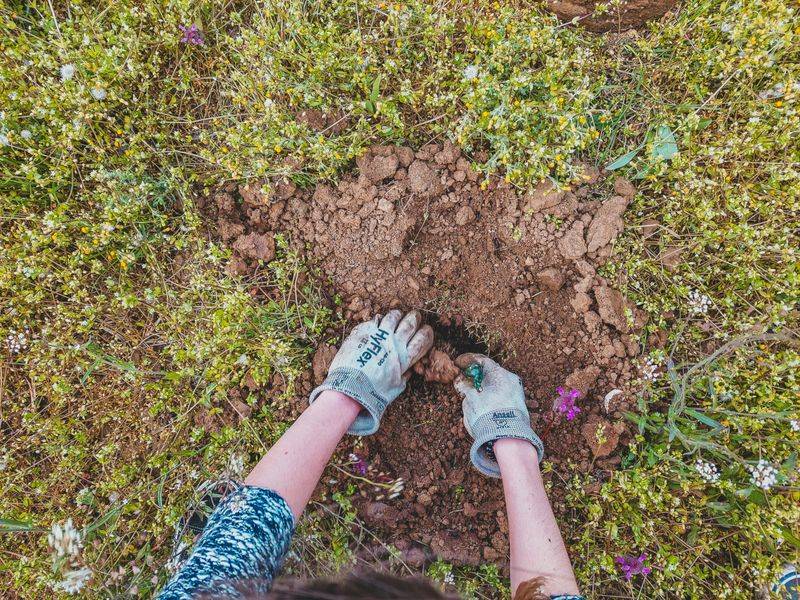
Tilled soil often dries out quickly because the structure that holds moisture gets broken apart.
No-till gardens in Minnesota maintain better water retention throughout the growing season.
The intact soil structure acts like a sponge, holding water where plant roots can access it.
Your Minnesota Garden Changes Every Week. Your Plan Should Too.
Gardening in Minnesota changes quickly throughout the season. Every Friday you’ll receive a simple weekly plan showing exactly what to plant, prune, fertilize, harvest, and protect so you never miss the right timing.
During hot summer weeks, this extra moisture can make the difference between thriving plants and stressed ones.
Minnesota summers can bring periods of drought, and water retention becomes crucial and gardeners who practice no-till methods report watering less frequently than their neighbors.
The organic matter that accumulates on the surface also helps trap moisture in the soil.
Mulch layers and decomposing plant material create a protective blanket over the ground.
This blanket reduces evaporation and keeps the soil cooler during heat waves.
Plants experience less water stress, which means they grow more consistently.
You save time and money on watering when your soil naturally holds moisture better.
No-till practices work with nature to create a self-regulating moisture system.
Your garden becomes more drought-resistant without any special equipment or products.
Better water retention means healthier plants and less work for Minnesota gardeners.
Carbon Storage Helps The Environment
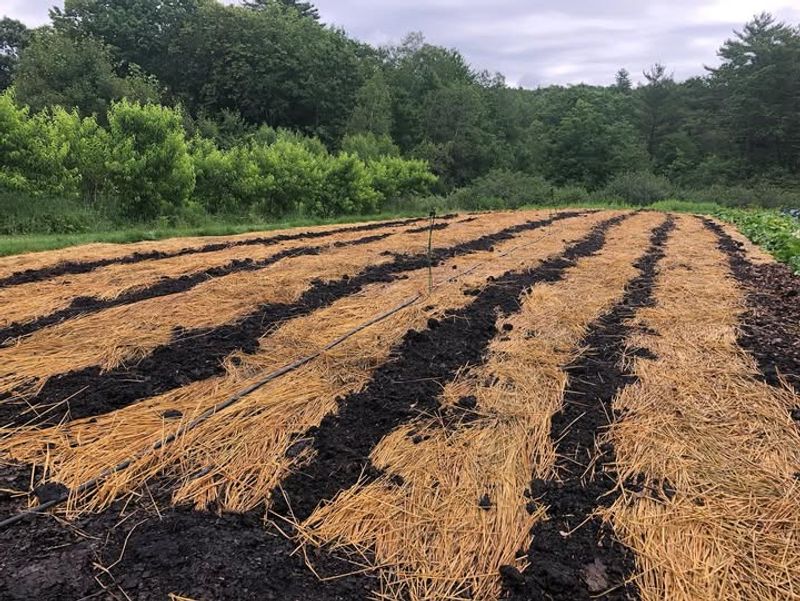
Soil naturally stores carbon when it remains undisturbed and builds organic matter over time.
Tilling releases stored carbon into the atmosphere, contributing to greenhouse gases.
Minnesota gardeners who embrace no-till practices help keep carbon locked in the ground.
Every garden that avoids tilling makes a small but meaningful contribution to fighting climate change.
Carbon-rich soil is also darker and more fertile, which benefits plant growth directly.
Plants pull carbon from the air through photosynthesis and store it in their roots and tissues and when these plants decompose on the soil surface, that carbon becomes part of the soil.
No-till methods allow this natural cycle to continue without interruption.
The more organic matter your soil contains, the more carbon it stores.
This creates a positive cycle where your garden becomes healthier while helping the planet.
Minnesota has a growing community of environmentally conscious gardeners.
No-till practices align perfectly with values of sustainability and conservation.
Your garden can be part of the solution to environmental challenges.
Storing carbon in your backyard benefits both your plants and the wider world.
Weed Pressure Decreases Over Time
Tilling brings buried weed seeds to the surface where they can sprout and cause problems.
Every time you disturb the soil, you create fresh opportunities for weeds to germinate.
No-till gardening in Minnesota keeps those seeds buried deep where they stay dormant.
After a few seasons of no-till practices, many gardeners notice significantly fewer weeds.
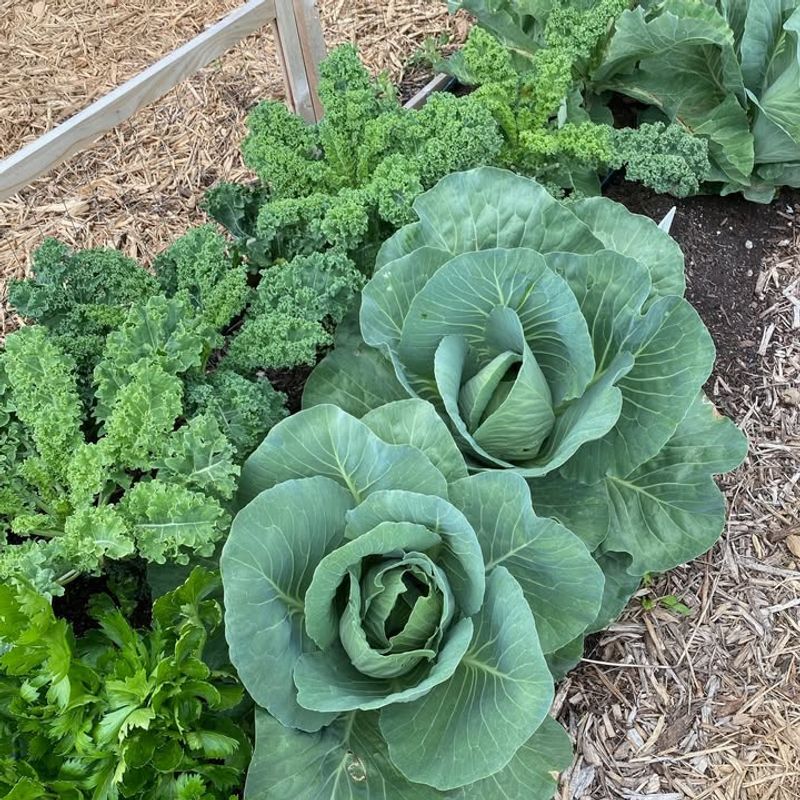
The thick layer of mulch that covers no-till gardens also blocks sunlight from reaching weed seeds.
Without light, most weed seeds cannot sprout and establish themselves.
Pulling the occasional weed from soft, undisturbed soil is much easier than battling constant invasions.
Minnesota gardeners save hours of weeding time throughout the growing season.
The energy you used to spend fighting weeds can go toward other gardening tasks or relaxation.
No-till gardens develop a natural balance where beneficial plants outcompete weeds.
Ground covers and densely planted beds leave little room for unwanted plants to establish.
Your garden becomes more manageable and less frustrating as weed pressure drops.
Less weeding means more time to enjoy the beauty and bounty of your garden.
No-till practices transform weed management from a constant battle into an occasional chore.
Physical Labor Drops Significantly
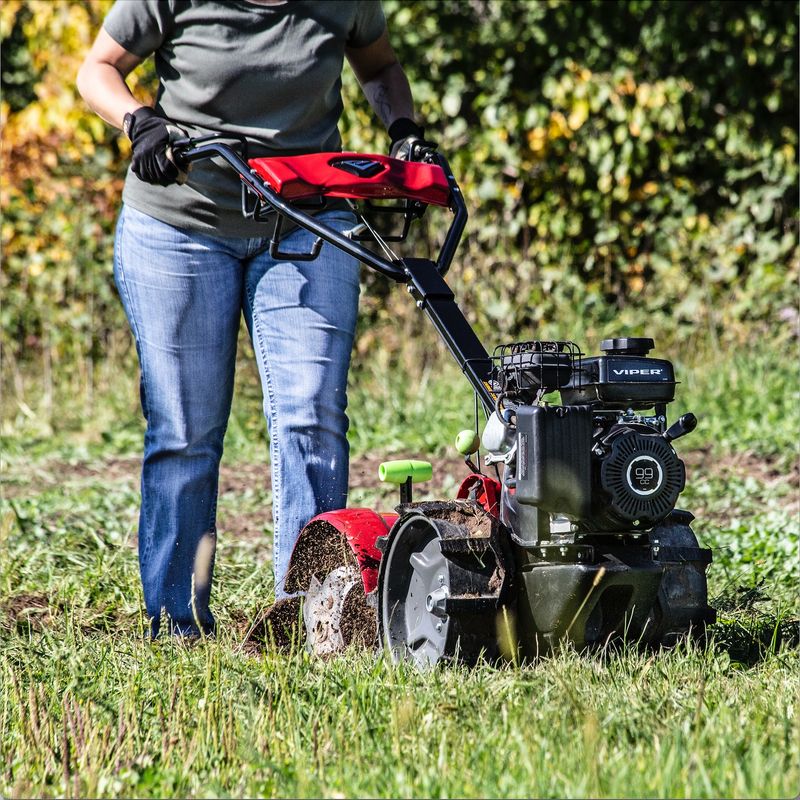
Tilling a garden is exhausting work that can strain your back, shoulders, and arms.
Renting or maintaining a tiller adds expense and hassle to your gardening routine.
Minnesota gardeners who switch to no-till methods eliminate one of the most physically demanding tasks.
Instead of breaking up compacted soil every spring, you simply add compost and mulch to the surface.
The organisms living in your soil do the heavy work of incorporating organic matter and this approach is especially valuable for older gardeners or those with physical limitations.
You can maintain a productive garden without the backbreaking labor of traditional methods.
More people can enjoy gardening when it does not require intense physical effort.
No-till practices make gardening accessible to a wider range of abilities and ages.
You spend less time recovering from sore muscles and more time enjoying your garden.
The reduced labor also means you can manage a larger garden area without exhaustion.
Minnesota gardeners appreciate having more energy for planting, harvesting, and other enjoyable tasks.
Your garden becomes a source of joy rather than a source of physical strain.
No-till gardening proves that working smarter beats working harder every time.
Nutrient Cycling Becomes More Efficient
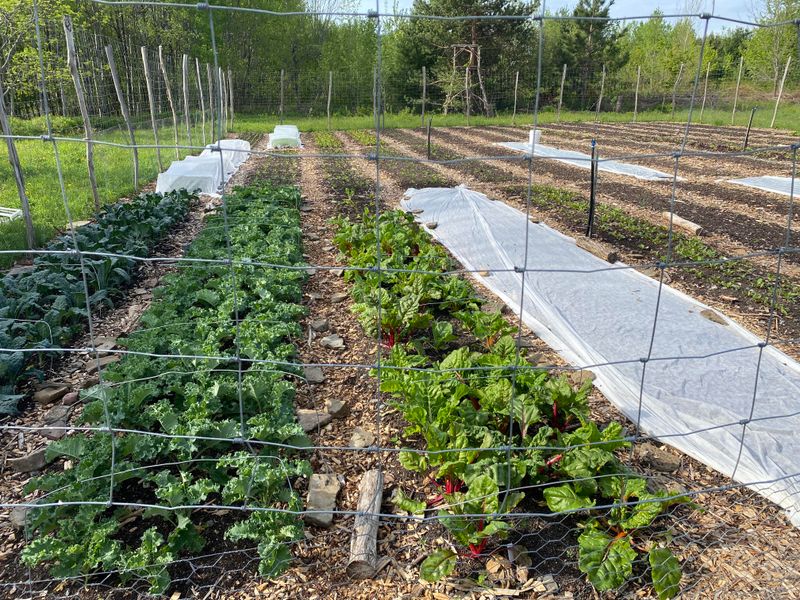
Plants need a steady supply of nutrients to grow strong and produce abundant harvests.
In no-till gardens, nutrients cycle naturally as organic matter decomposes on the soil surface.
Microorganisms break down leaves, stems, and other plant material into forms that plants can use and this natural process happens continuously when you avoid disrupting the soil.
Minnesota gardeners who practice no-till methods see their soil become darker and richer each year.
The nutrients stay near the surface where plant roots can easily access them.
Tilling can actually bury nutrients too deep or cause them to wash away with rain.
No-till practices keep nutrients cycling right where they benefit your plants most.
You need less fertilizer because the soil produces its own steady nutrient supply which means this saves money and reduces the risk of chemical runoff into Minnesota waterways.
Plants grown in nutrient-rich soil tend to be more flavorful and nutritious.
Your vegetables, herbs, and flowers reach their full potential when nutrients are readily available.
Natural nutrient cycling creates a self-sustaining system that improves over time.
Your garden becomes more productive with each season as the nutrient cycle strengthens.
Erosion Protection Keeps Soil In Place

Minnesota experiences heavy spring rains and occasional intense summer storms that can wash away exposed soil.
Tilled gardens are especially vulnerable to erosion because the loose soil has nothing holding it together.
No-till gardens maintain their structure and resist erosion much more effectively.
The plant roots and fungal networks create a living net that holds soil particles in place.
Mulch and organic matter on the surface also protect against the impact of heavy raindrops.
When rain hits bare, tilled soil, it can create channels that carry valuable topsoil away.
No-till practices prevent this loss and keep your garden soil where it belongs.
Minnesota gardeners with sloped yards find no-till methods especially beneficial and even gentle slopes can experience erosion during heavy rains if the soil is disturbed.
Protecting your soil means protecting the investment you have made in building fertility.
Every inch of topsoil that washes away takes years of organic matter and nutrients with it.
No-till gardening preserves your soil for future seasons and future generations.
Your garden remains productive and stable regardless of weather conditions.
Erosion protection is one of the most practical benefits of no-till gardening in Minnesota.
Cost Savings Add Up Quickly
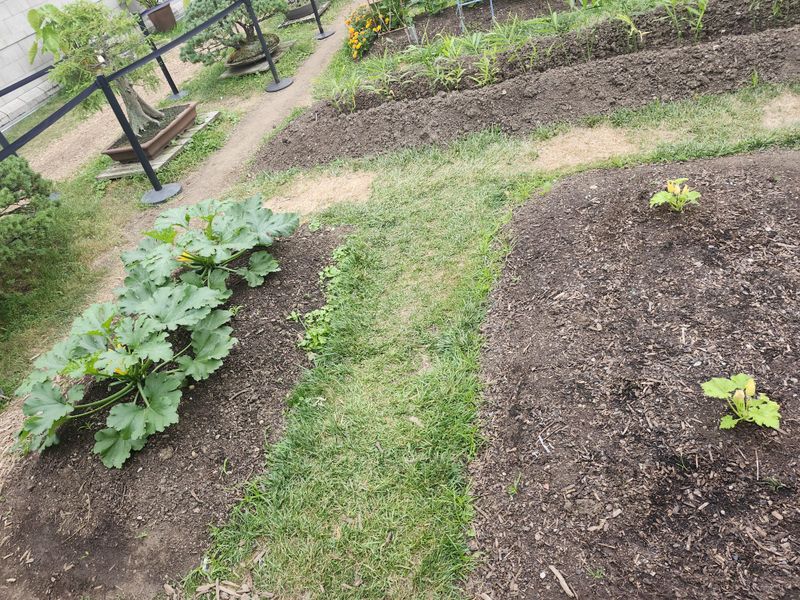
Tilling equipment costs money whether you rent it annually or purchase your own machine.
Fuel, maintenance, and storage add to the expense of keeping a tiller running.
Minnesota gardeners who switch to no-till methods eliminate these costs immediately.
You also spend less on fertilizers because your soil builds its own fertility naturally and water bills drop when your garden retains moisture more efficiently.
The mulch materials you need for no-till gardening often come free from yard waste or fall leaves.
Many communities offer free compost to residents, providing another source of organic matter.
Over several seasons, the savings from no-till practices can be substantial because you invest your money in seeds, plants, and other enjoyable aspects of gardening instead.
The reduced need for amendments and inputs means gardening becomes more affordable.
Minnesota families on tight budgets find no-till methods especially appealing.
You get better results while spending less money, which is a rare combination.
The financial benefits make no-till gardening accessible to more people.
Your garden becomes both more productive and more economical at the same time.