This Harmless Insect Is Being Mistaken For A Pest In New Jersey Yards
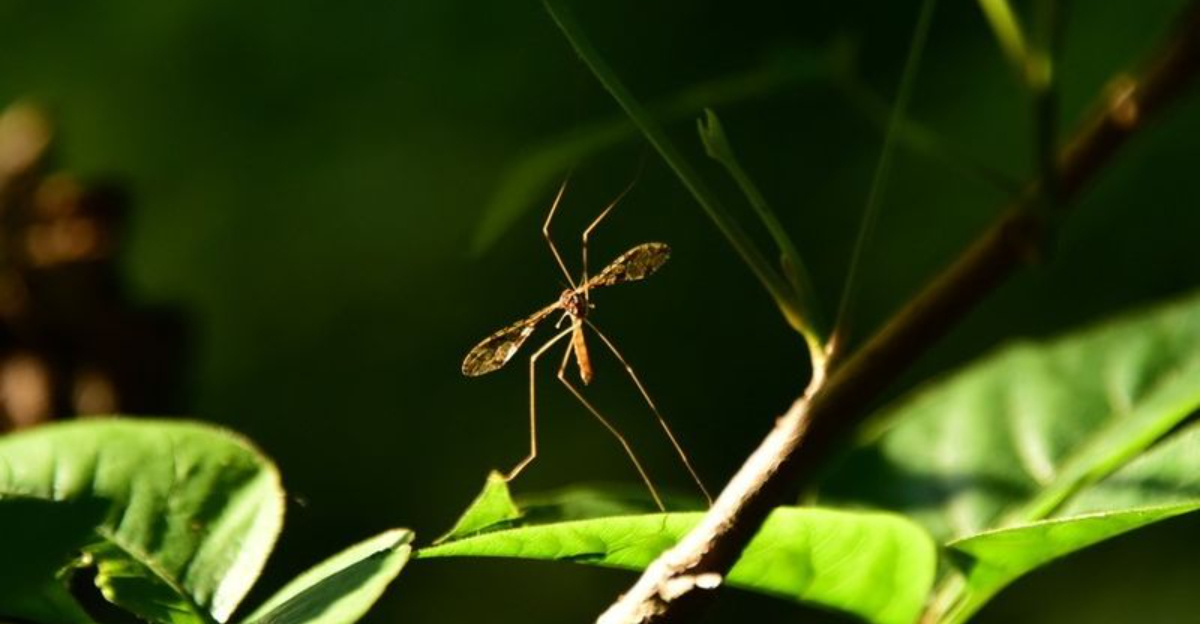
In many New Jersey yards, a tiny visitor is getting a bad rap.
Homeowners spot it crawling along garden beds or resting on leaves and assume trouble is brewing.
Before long, out come the sprays, traps, or shoes.
The problem is, this insect is more friend than foe.
It plays a quiet role in keeping gardens balanced, yet it keeps getting caught in the crossfire because it looks like something people think they should eliminate.
Fear, habit, and misinformation have a way of spreading faster than facts, especially when it comes to bugs.
Over time, this harmless insect has been lumped in with pests that actually damage plants or infest homes.
Learning how to tell the difference can save your garden from unnecessary harm.
Sometimes the best thing you can do for your yard is pause, take a closer look, and let nature do what it does best.
Not every bug crawling through your garden is out to cause problems.
The Giant Mosquito That Is Not A Mosquito
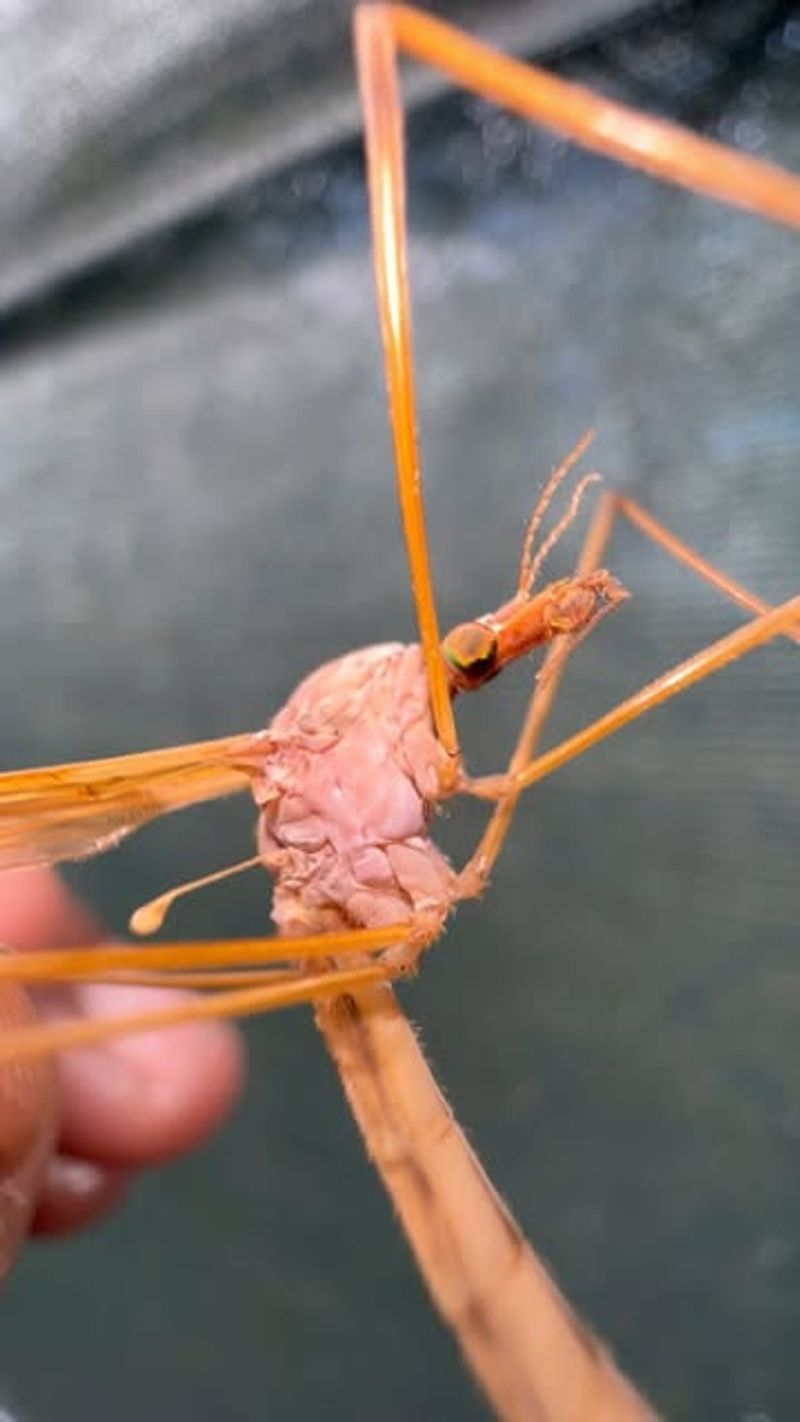
Crane flies are often called mosquito hawks or giant mosquitoes, but they have nothing in common with those pesky bloodsuckers.
Their long, spindly legs and delicate wings make them appear menacing at first glance, especially when they awkwardly flutter into your personal space.
However, their intimidating size is purely cosmetic and does not translate into any harmful behavior.
Unlike mosquitoes, crane flies lack the specialized mouthparts needed to pierce skin or feed on blood.
They do not carry diseases, spread infections, or cause itchy welts on your arms and legs.
In fact, most adult crane flies do not even eat during their brief time as winged insects.
Their sole purpose is reproduction, and they spend their short lives searching for mates rather than bothering humans.
So the next time you see one wobbling through your yard, remember that it is just trying to survive its few days of existence.
There is no reason to fear this gentle giant or mistake it for something dangerous.
Understanding the difference between crane flies and mosquitoes can help you appreciate the harmless nature of these misunderstood insects.
Why Crane Flies Show Up In New Jersey Yards
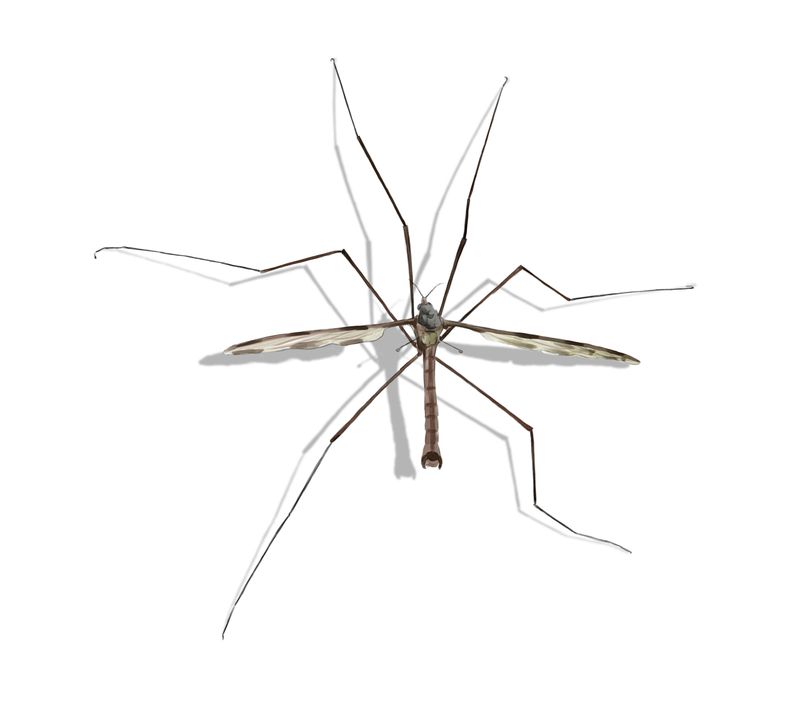
Crane flies appear in New Jersey yards during specific times of the year, typically in spring and fall when conditions are just right for their emergence.
These insects spend most of their lives as larvae living beneath the surface of your lawn in damp soil.
When the weather warms up and moisture levels are high, the larvae mature and transform into the gangly adults we recognize.
New Jersey’s climate provides the perfect environment for crane flies, especially after periods of rain or in areas with consistently moist soil.
Lawns that are watered frequently or have poor drainage tend to attract higher populations of these insects.
The adults emerge from the ground in large numbers, often creating the illusion of an infestation when they gather near outdoor lights or windows.
This sudden appearance can be startling, but it is simply part of their natural life cycle.
Your New Jersey Garden Changes Every Week. Your Plan Should Too.
Gardening in New Jersey changes quickly throughout the season. Every Friday you’ll receive a simple weekly plan showing exactly what to plant, prune, fertilize, harvest, and protect so you never miss the right timing.
Once they emerge, crane flies do not travel far from their birthplace.
They prefer to stay close to grassy areas where they can find mates and continue the cycle.
Understanding their seasonal patterns helps homeowners recognize that crane flies are temporary visitors rather than permanent pests invading their property.
The Common Lawn Insect People Eliminate By Mistake
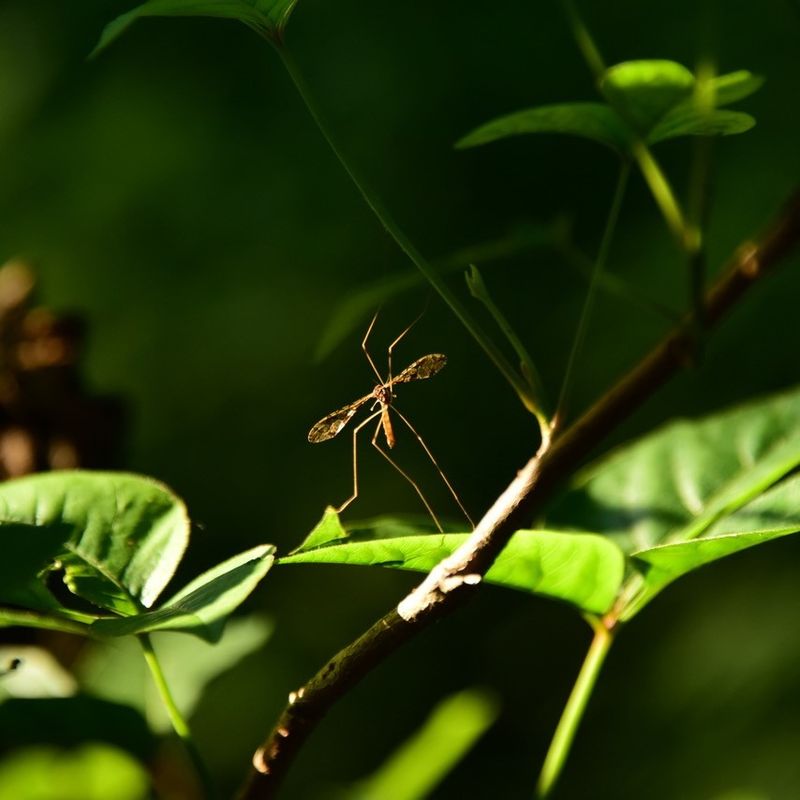
Many New Jersey residents react with fear when they spot a crane fly resting on their patio furniture or hovering near their garden plants.
The immediate instinct for most people is to grab a rolled-up newspaper or swat the insect away, assuming it poses some kind of threat.
This knee-jerk reaction stems from the crane fly’s unfortunate resemblance to mosquitoes and other biting insects.
However, eliminating crane flies is entirely unnecessary and removes a beneficial creature from your yard’s ecosystem.
These insects serve as an important food source for birds, spiders, and other predators that help maintain balance in your garden.
When you remove crane flies from your property, you are essentially taking away meals from the wildlife that depends on them.
Birds especially appreciate these large, slow-moving insects as easy snacks for themselves and their young.
Additionally, crane flies do not damage plants, spread disease, or create any problems for homeowners.
Their presence is completely neutral, if not beneficial, to your outdoor space.
Instead of reaching for a swatter, consider simply leaving crane flies alone or gently guiding them back outside if they wander indoors.
Educating yourself about harmless insects helps prevent unnecessary reactions that disrupt natural ecosystems.
How To Tell A Crane Fly From A Mosquito
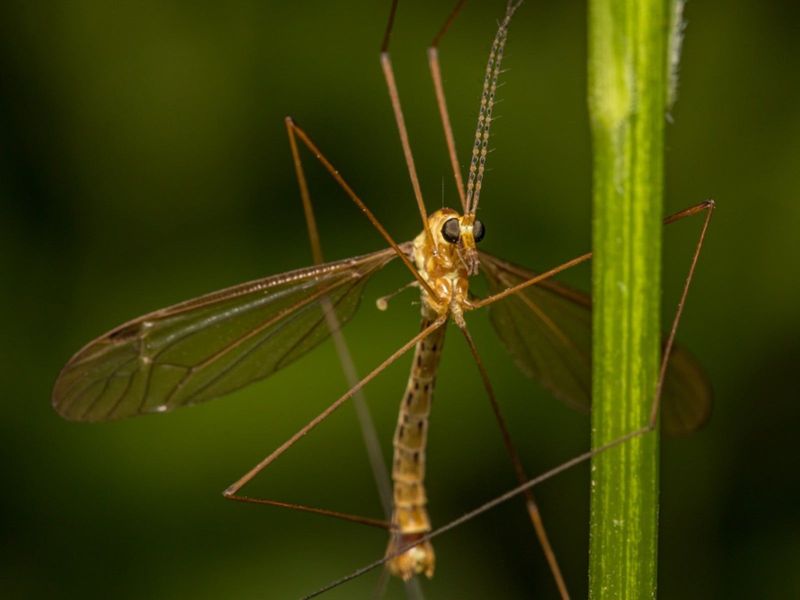
Distinguishing between a crane fly and a mosquito is easier than you might think once you know what to look for.
Crane flies are significantly larger than mosquitoes, often measuring up to two inches long with legs that seem comically long for their body size.
Mosquitoes, on the other hand, are much smaller and more compact in appearance.
Another key difference lies in their flight patterns.
Crane flies are notoriously clumsy fliers, bouncing and wobbling through the air as if they have no control over their direction.
Mosquitoes fly with much more precision and agility, darting quickly from place to place.
If you look closely at their faces, you will notice that mosquitoes have long, needle-like mouthparts designed for piercing and sucking.
Crane flies lack these mouthparts entirely and have soft, non-functional mouths that cannot bite or feed.
Their legs also break off easily when handled, which is a defense mechanism that allows them to escape predators.
Mosquitoes have more robust bodies and legs that stay attached.
By observing these physical and behavioral differences, you can quickly identify which insect you are dealing with and respond appropriately.
Knowing these distinctions helps reduce unnecessary fear and promotes coexistence with harmless insects.
Crane Flies Cannot Bite People Or Pets
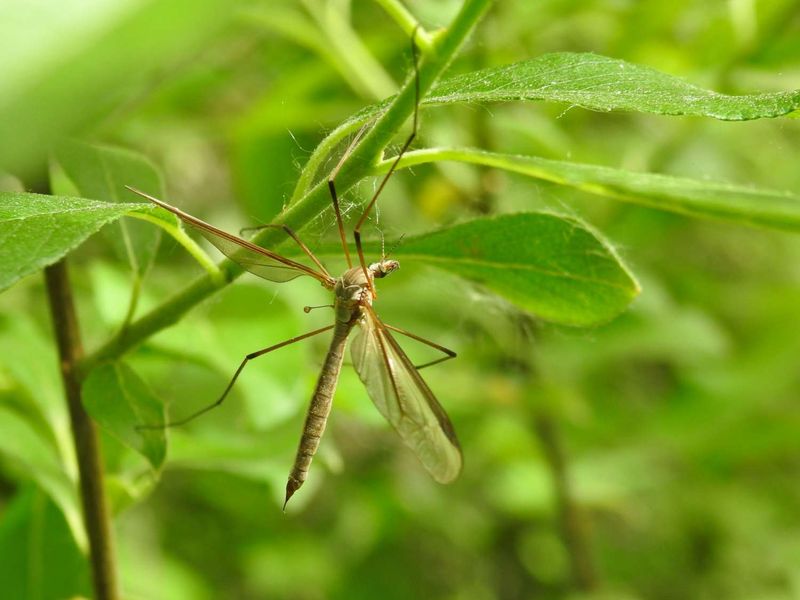
One of the most important facts about crane flies is that they are physically incapable of biting people or pets.
Their mouths are not designed for feeding, let alone piercing skin or drawing blood.
Adult crane flies either do not eat at all or sip small amounts of nectar from flowers, depending on the species.
This means they pose absolutely no threat to humans, dogs, cats, or any other animals in your household.
You can safely handle a crane fly without worrying about being bitten or stung, though their delicate bodies make them easy to accidentally harm.
Many people fear crane flies because of their size and resemblance to mosquitoes, but this fear is entirely unfounded.
Unlike mosquitoes, which actively seek out blood meals, crane flies have no interest in landing on your skin or bothering you in any way.
They are far more concerned with finding a mate and completing their life cycle than interacting with humans.
Even if a crane fly lands on you, it is simply resting or trying to navigate its clumsy flight path.
There is no venom, no stinger, and no biting mechanism to worry about.
Understanding this fact helps reduce unnecessary anxiety and allows you to coexist peacefully with these harmless insects in your yard.
Why Crane Flies End Up Inside Homes
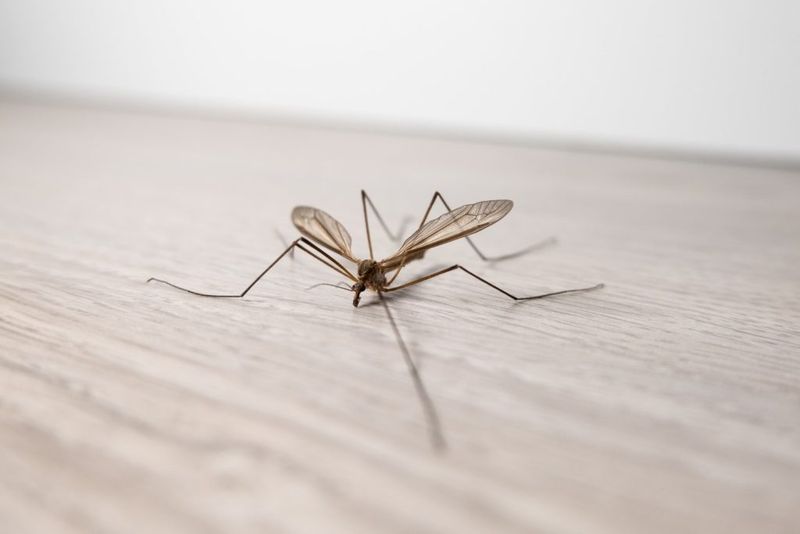
Crane flies often find their way inside homes, much to the surprise and dismay of homeowners who do not understand why they are there.
These insects are strongly attracted to light sources, especially bright outdoor lights near doors and windows.
During their active periods in spring and fall, crane flies emerge from lawns at dusk and immediately begin seeking out illuminated areas.
Porch lights, garage lights, and even the glow from indoor lamps can draw them in from across your yard.
Once they gather near these light sources, they often accidentally wander through open doors or gaps around windows.
Their clumsy flight patterns make it difficult for them to navigate away from obstacles, so they end up trapped inside your home.
Crane flies do not intentionally invade homes looking for food or shelter.
They simply follow the light and lose their way.
Once indoors, they typically flutter around aimlessly, bumping into walls and ceilings until they eventually find an exit or expire naturally.
To prevent crane flies from entering your home, consider turning off unnecessary outdoor lights during peak emergence times or switching to yellow bug lights that are less attractive to insects.
Keeping doors and windows closed or screened also helps keep these harmless visitors outside where they belong.
The Short Lifespan Of A Crane Fly Explained
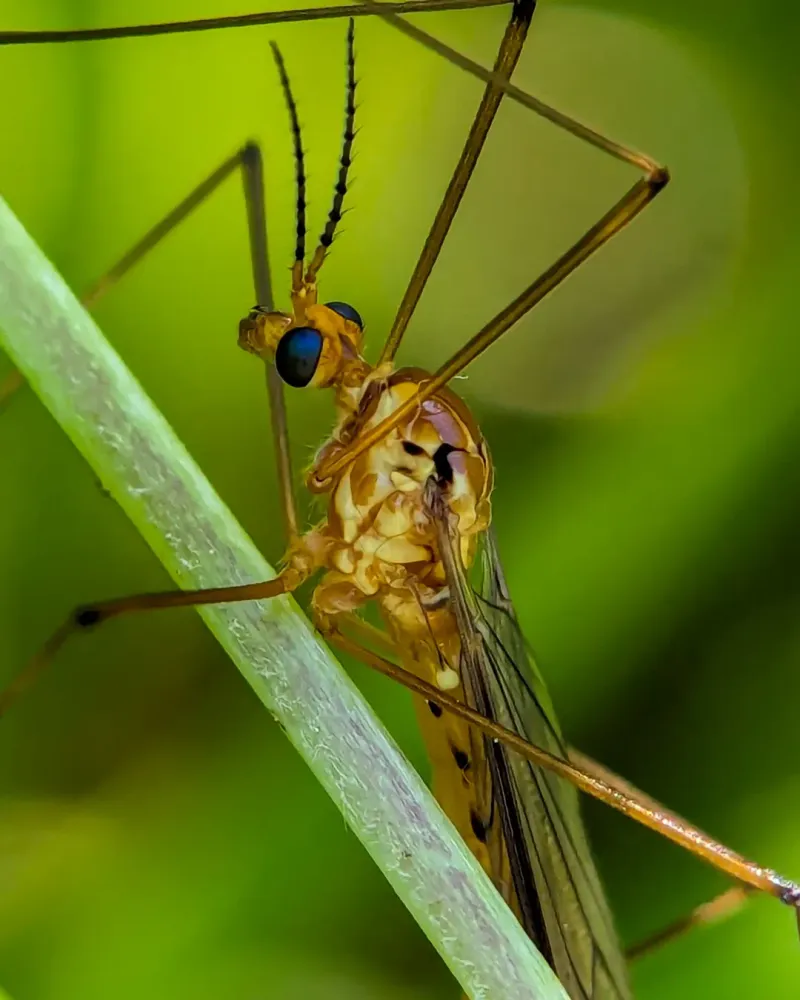
Adult crane flies live remarkably short lives, typically surviving only a few days to a week at most.
This brief existence is focused entirely on reproduction, as they emerge from the soil with the sole purpose of mating and laying eggs.
During this time, most crane fly species do not eat at all, relying on energy reserves stored during their larval stage.
Their lack of feeding means they do not damage plants, crops, or gardens, making them completely harmless to your landscaping efforts.
Once mating is complete, female crane flies lay their eggs in moist soil, and then their life cycle comes to a natural end.
The eggs hatch into larvae that spend months or even up to a year developing underground before emerging as adults.
This extended larval period contrasts sharply with the fleeting adult stage, highlighting how most of a crane fly’s life is spent hidden from view.
Understanding this short lifespan puts their presence in perspective.
If you spot crane flies in your yard, they will not be around for long, and there is no need to take action against them.
Their temporary appearance is simply nature taking its course, and they will disappear on their own within days.
Patience and understanding go a long way in coexisting with these ephemeral insects.
Do Crane Flies Damage Grass Or Plants
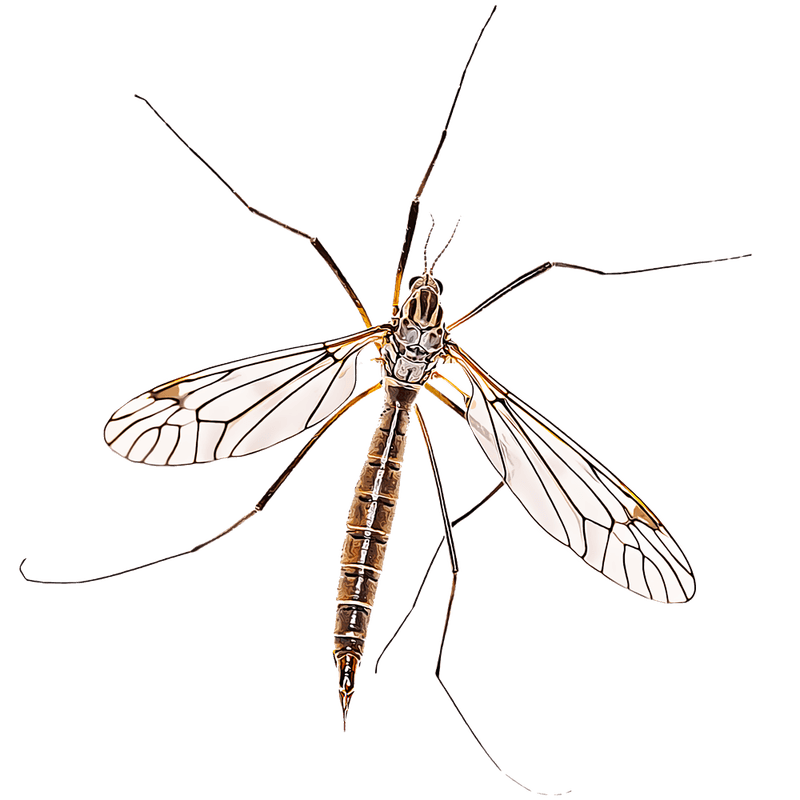
Adult crane flies do not damage grass, plants, or any part of your garden, despite their intimidating appearance.
Their mouths are either non-functional or designed only for sipping nectar, which means they cannot chew, bite, or consume plant material.
This makes them completely harmless to your lawn and landscaping efforts.
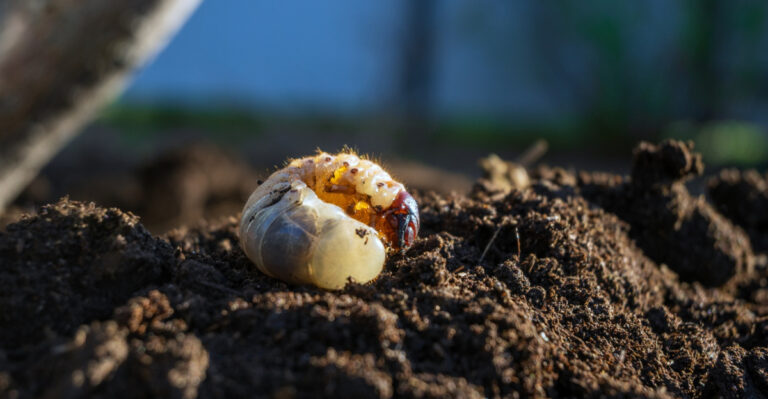
However, there is some confusion about crane fly larvae, which are sometimes called leatherjackets.
These larvae live in the soil and feed on organic matter, including grass roots in some cases.
In most situations, their presence is not noticeable and does not cause significant damage to healthy lawns.
Only in cases of severe infestation or stressed grass conditions might you see brown patches or thinning areas.
Even then, the larvae are simply part of the natural decomposition process and play a role in breaking down organic material in the soil.
The adult crane flies you see flying around your yard have no impact on plant health whatsoever.
They are not feeding, nesting, or causing any harm to your carefully maintained garden beds or lawn.
If you notice damaged grass in your yard, it is more likely due to other factors like disease, drought, or different pests rather than crane flies.
Blaming these harmless insects for lawn problems is a common misconception that deserves correction.
What Actually Causes Crane Fly Population Spikes
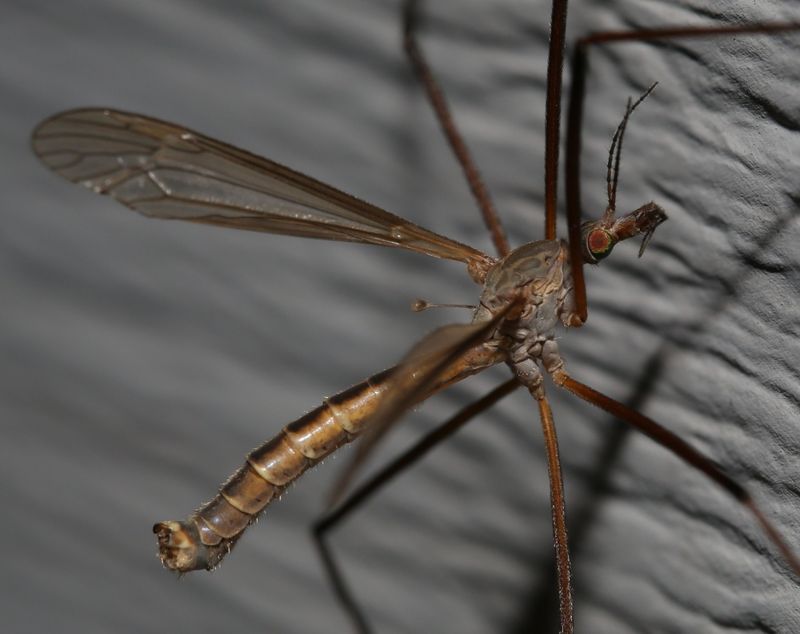
Crane fly populations tend to spike dramatically after periods of heavy rain or in areas with consistently moist soil conditions.
This happens because their larvae thrive in damp environments where they can easily burrow through the soil and feed on decaying organic matter.
When New Jersey experiences a particularly wet spring or fall, the conditions become ideal for crane fly larvae to develop and mature.
As a result, homeowners may suddenly notice dozens or even hundreds of adult crane flies emerging from their lawns all at once.
This can be alarming, but it is simply a natural response to favorable environmental conditions.
Lawns with poor drainage, low-lying areas that collect water, or properties near ponds and streams are especially prone to higher crane fly populations.
Overwatering your lawn can also contribute to increased numbers by creating the moist conditions these insects prefer.
However, these population spikes are temporary and will decline once the adults complete their brief life cycle.
The presence of many crane flies is not a sign of an infestation or a problem that requires intervention.
It is merely nature responding to environmental factors.
If you want to reduce crane fly numbers in the future, improving lawn drainage and avoiding excessive watering can help create less favorable conditions for their larvae.
Why Removing Crane Flies Does More Harm Than Good
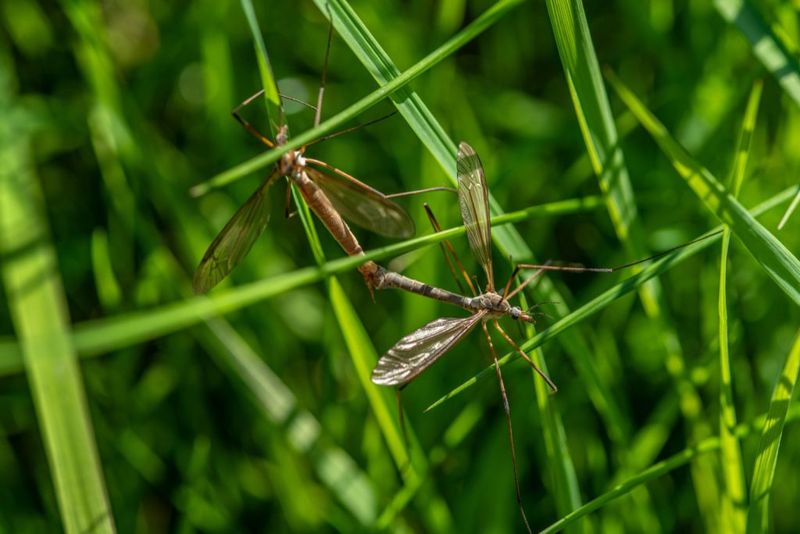
Removing crane flies from your yard disrupts the natural balance of your local ecosystem in ways you might not realize.
These insects serve as an important food source for many birds, including robins, sparrows, and wrens, which rely on them to feed themselves and their young.
Spiders, frogs, and other predators also depend on crane flies as part of their diet.
When you eliminate these harmless insects, you are essentially removing a link in the food chain that supports other wildlife.
This can have ripple effects throughout your garden ecosystem, potentially leading to imbalances that affect other beneficial creatures.
Additionally, crane fly larvae help break down organic matter in the soil, contributing to nutrient cycling and soil health.
While they may occasionally feed on grass roots, their overall impact is minimal and often beneficial.
Taking action against crane flies is unnecessary and counterproductive, especially since they pose no threat to humans, pets, or plants.
Instead of viewing them as pests, consider them as part of the natural environment that supports a healthy and diverse yard.
Allowing crane flies to complete their life cycle undisturbed benefits the birds and other wildlife that make your garden a vibrant and lively place.
Embracing these harmless insects reflects a more sustainable and environmentally conscious approach to yard management.