8 Toxic Trees Ohio Homeowners Should Avoid Planting In Their Yards
Ohio yards often look like picture-perfect snapshots with blooming flowers, neat lawns, and shade from tall trees.
Still, not every tree belongs in that backyard paradise.
Some species carry hidden problems that can turn a beautiful space into a costly headache.
A tree may look strong as an oak, yet its roots might tear through pipes or its branches may drop trouble like nobody’s business.
Others invite pests, create toxic debris, or grow with a mind of their own, leaving homeowners to pick up the pieces.
Knowledge makes all the difference.
A smart choice today keeps a yard thriving for years, and skipping the wrong trees saves time, money, and plenty of frustration.
When you know which species bring more harm than good, you stop issues before they sprout.
Ohio’s climate supports many healthy, dependable trees, but it also tempts homeowners with options that can poison soil, threaten pets, or spark long-term maintenance battles.
A yard should offer peace of mind, not a thorn in your side.
By spotting risky trees early, every homeowner can build a landscape that stands the test of time and stays as welcoming as a summer breeze.
1. Black Walnut Tree
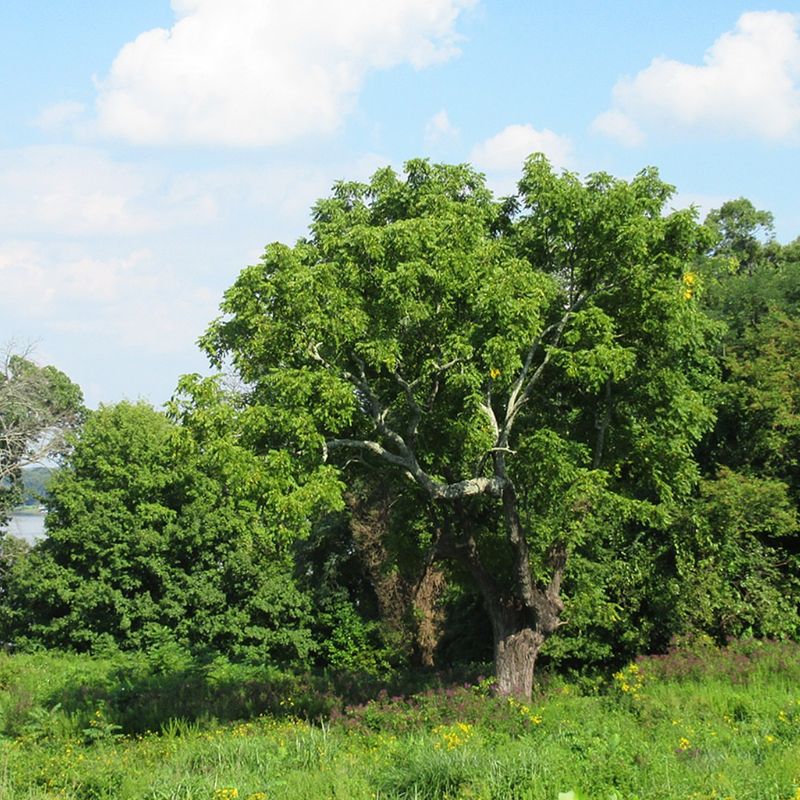
Black walnut trees grow throughout Ohio and produce tasty nuts that many people enjoy, but these impressive trees come with hidden dangers that make them poor choices for family yards.
The roots, leaves, and hulls contain a chemical called juglone that can poison other plants growing nearby and cause skin irritation in sensitive individuals.
Children who handle the green hulls often develop dark stains on their hands along with itchy rashes that take days to fade.
Beyond the juglone concerns, the nuts themselves present choking hazards for small children, and pets who eat the hulls or moldy nuts can experience serious stomach problems and tremors.
The large, heavy nuts falling from mature trees can also cause painful injuries when they drop from heights of 50 feet or more.
Ohio homeowners with young families should consider these risks carefully before planting this species.
Many vegetables, flowers, and shrubs cannot survive near black walnuts because the juglone seeps into the soil and prevents their roots from functioning properly.
Tomatoes, peppers, azaleas, and rhododendrons are especially vulnerable to this chemical warfare happening underground.
Your landscaping options become extremely limited when you choose to plant a black walnut.
While these trees do provide excellent shade and beautiful fall color across Ohio neighborhoods, the combination of skin irritation risks, pet dangers, and gardening limitations makes them problematic for most residential properties.
Safer shade tree alternatives exist that won’t cause these ongoing headaches for Ohio families trying to enjoy their outdoor spaces.
2. Yew Tree
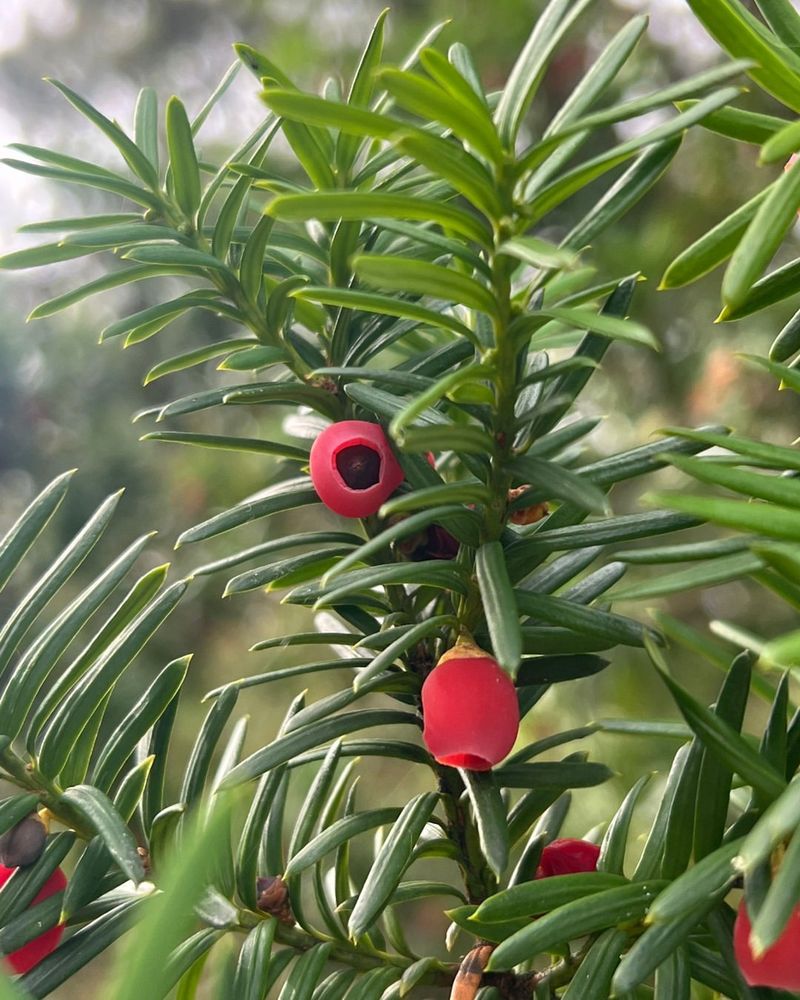
Yew trees rank among the most dangerous plants you could possibly add to your Ohio landscape, yet they remain surprisingly popular in residential areas because of their attractive evergreen foliage and easy maintenance.
Every part of this tree except the fleshy red covering around the seeds contains taxine, a powerful toxin that affects the heart and can cause serious health emergencies.
Your Ohio Garden Changes Every Week. Your Plan Should Too.
Gardening in Ohio changes quickly throughout the season. Every Friday you’ll receive a simple weekly plan showing exactly what to plant, prune, fertilize, harvest, and protect so you never miss the right timing.
Even small amounts of yew needles or seeds can create problems within hours of ingestion.
Children often find the bright red berries irresistible, mistaking them for edible treats during outdoor play.
The sweet-tasting red flesh surrounding the seed is actually safe, but the seed inside is extremely toxic, and young children cannot be expected to separate the two parts safely.
Pets, especially horses and dogs, have experienced severe reactions after nibbling on yew branches or fallen clippings.
Ohio landscapers frequently use yews as foundation plantings and hedges because they tolerate shade well and can be shaped easily through pruning.
However, this common placement right next to homes puts them within easy reach of curious toddlers and family pets.
The evergreen nature of yews means the danger persists year-round, unlike deciduous trees that lose their leaves in winter.
Interestingly, yew wood has been valued throughout history for making bows and other tools, but this traditional use doesn’t make the living tree any safer for modern Ohio yards.
Several equally attractive evergreen alternatives offer the same landscaping benefits without turning your property into a potential hazard zone for everyone who visits or lives there.
3. Horse Chestnut Tree
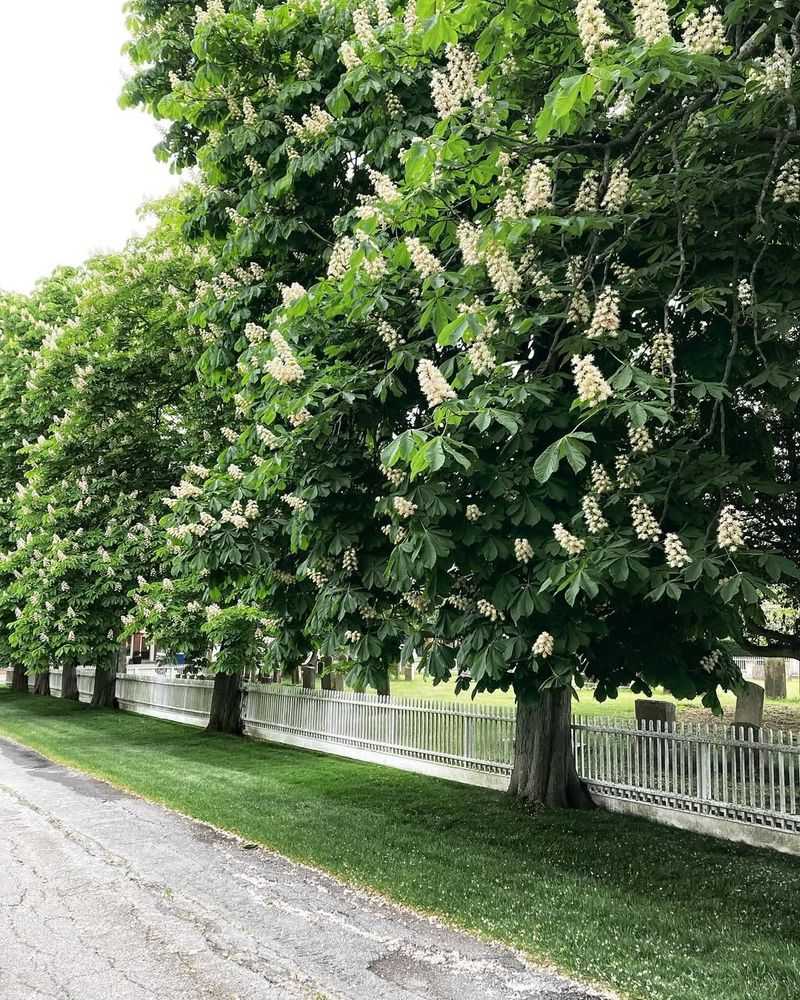
Horse chestnut trees create stunning displays with their white flower spikes each spring, making them tempting additions to Ohio landscapes where they grow quite successfully.
The shiny brown seeds, often called conkers, look remarkably similar to edible chestnuts, which creates a dangerous confusion that has led to many accidental poisonings over the years.
These attractive seeds contain glycosides that cause stomach upset, muscle twitching, and other concerning symptoms when eaten.
Young children collecting the smooth, appealing seeds during fall nature walks might not understand the difference between horse chestnuts and the safe eating chestnuts sold in stores.
The spiky green husks that protect the seeds can also cause painful pricks to bare hands and feet.
Ohio parents need to supervise outdoor play carefully when these trees grow nearby, which adds unnecessary stress to family activities.
Pets sometimes chew on the fallen seeds out of curiosity or boredom, leading to drooling, vomiting, and coordination problems that require veterinary attention.
The leaves and bark also contain toxic compounds, though they’re less likely to be consumed than the eye-catching seeds.
Even the flowers can cause mild reactions in some individuals who handle them during pruning or cleanup.
Despite their beauty and the fun British tradition of playing conkers, horse chestnut trees simply present too many risks for Ohio homeowners with children or animals.
The constant monitoring required to prevent accidental ingestion of seeds makes these trees more trouble than they’re worth.
Consider planting true chestnut varieties or other flowering trees that provide similar visual appeal without the safety concerns that come with horse chestnuts growing in residential Ohio properties.
4. Black Locust Tree
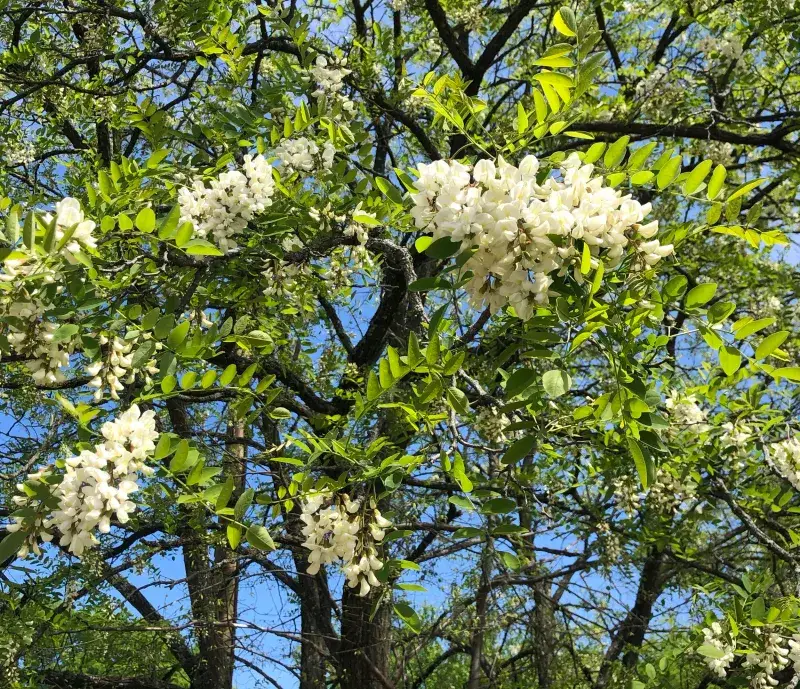
Black locust trees grow aggressively throughout Ohio, spreading through root suckers that pop up across lawns and gardens where they’re not wanted.
The bark, leaves, and seeds all contain toxic compounds called robin and robitin that can cause serious digestive problems and weakness when consumed.
What makes this tree particularly troublesome is the combination of toxic parts and vicious thorns that can puncture skin and cause painful infections.
The fragrant white flowers that appear in late spring smell wonderful and attract pollinators, but they can also attract children who want to pick them or taste their sweet nectar.
While the flowers themselves are less toxic than other parts of the tree, teaching kids which parts are safe becomes confusing and risky.
The seed pods that develop later look similar to edible bean pods, creating another dangerous resemblance that could lead to accidental poisoning.
Ohio homeowners often struggle to control black locust trees once they’re established because the aggressive root system sends up new shoots constantly, even after the main tree is removed.
Each new sprout comes equipped with sharp thorns that can injure children playing in the yard or adults doing lawn maintenance.
These thorns aren’t just painful; they can introduce bacteria deep into puncture wounds.
The wood of black locust is incredibly durable and rot-resistant, which explains why some people value these trees for fence posts and outdoor projects.
However, this single benefit doesn’t outweigh the multiple problems these trees create in Ohio residential settings.
The invasive growth habit, toxic plant parts, and dangerous thorns make black locust trees poor choices for any yard where safety and easy maintenance matter to homeowners and their families.
5. English Yew Tree
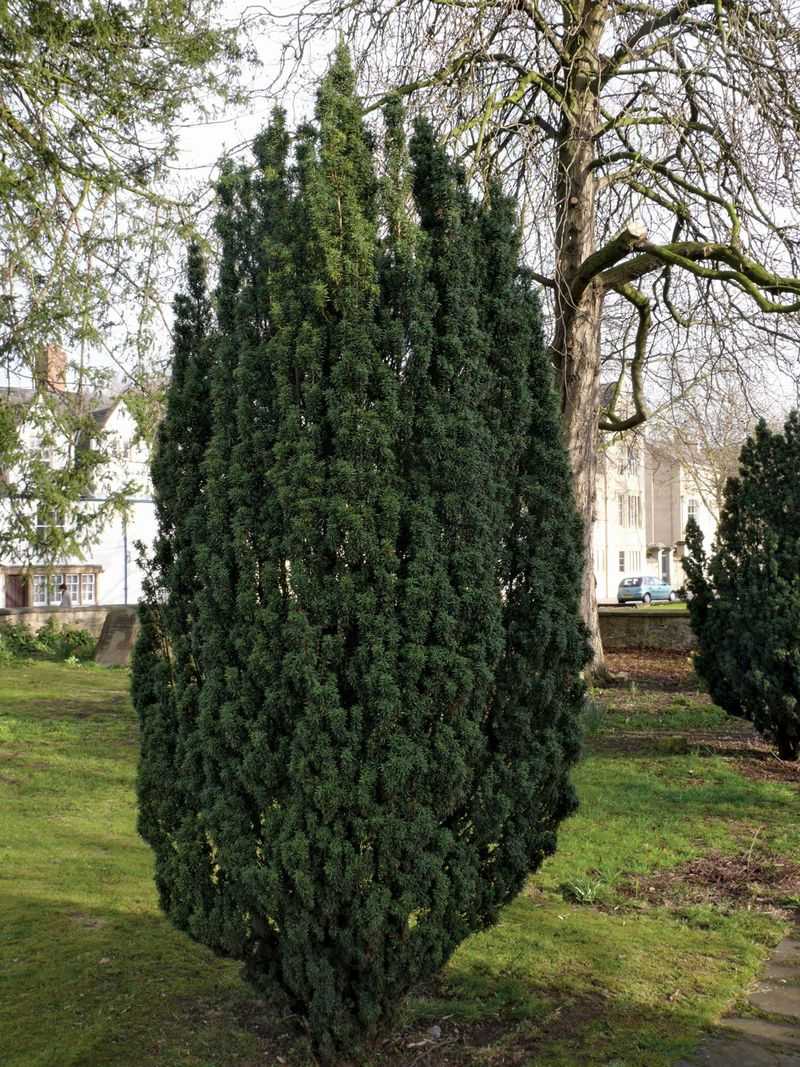
English yew trees have graced formal gardens and historic estates for centuries, bringing an air of elegance to landscapes across Ohio where they adapt well to local growing conditions.
Garden designers love these trees for their ability to be shaped into precise hedges and topiaries that maintain their form year-round.
Unfortunately, this old-world charm comes with serious modern safety concerns that Ohio families cannot afford to ignore.
Every single part of the English yew contains dangerous alkaloids, with the exception of the bright red aril surrounding each seed.
The seeds themselves rank among the most toxic parts, and just a few can cause serious health problems.
What makes English yews especially risky is how common they are in Ohio landscapes, often planted near entryways and patios where people spend the most time.
The slow growth rate of English yews means that pruning clippings accumulate gradually, but these trimmings remain dangerous even after they’ve dried out completely.
Ohio homeowners who compost their yard waste or leave clippings on the ground create ongoing hazards for pets and wildlife.
Dried yew needles mixed into mulch or compost can poison animals who investigate these areas.
Historically, English yews were planted in churchyards throughout Europe, partly because their toxic nature kept grazing animals away from sacred grounds.
This tradition doesn’t translate well to modern Ohio suburbs where children play freely and pets roam backyards.
The evergreen foliage means exposure risks exist during all four seasons rather than just during growing months when deciduous trees pose threats.
Several non-toxic evergreen alternatives can provide the same formal appearance without transforming your Ohio property into a constant source of worry and potential emergency situations.
6. Chinaberry Tree
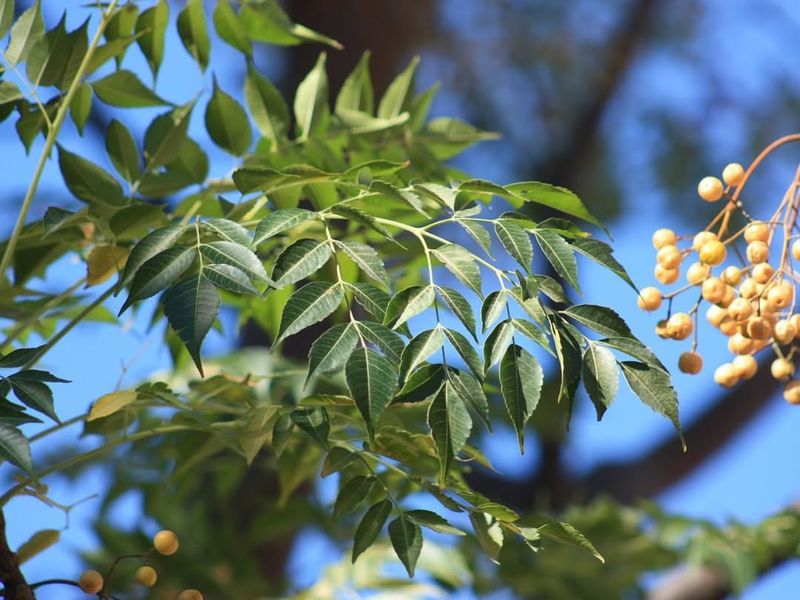
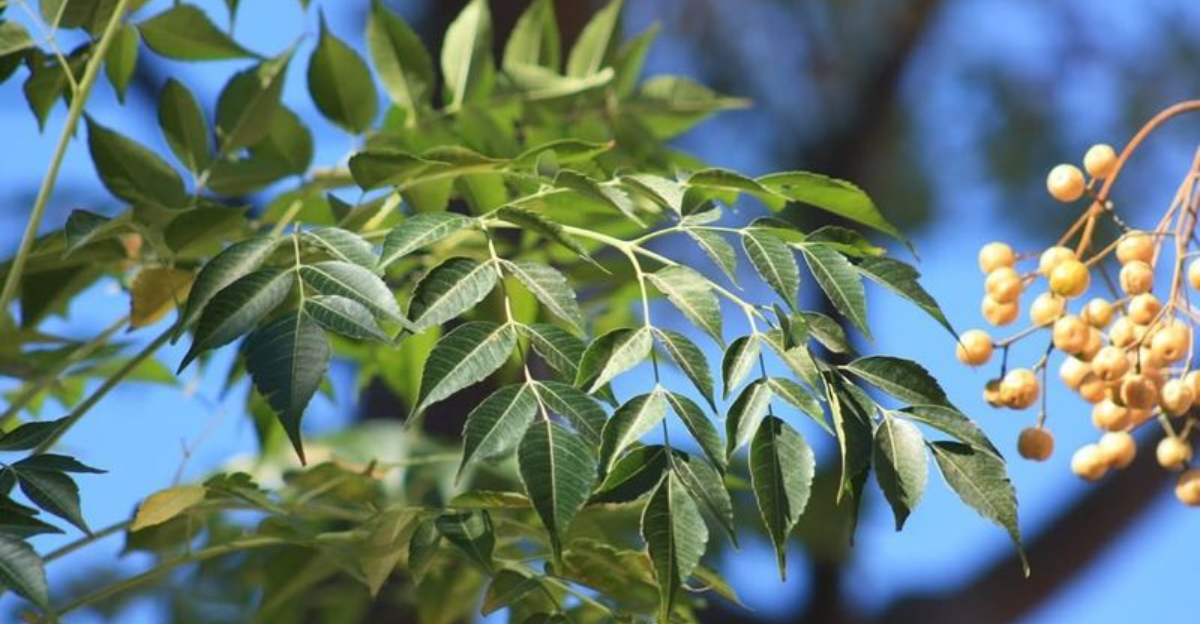
Chinaberry trees sometimes appear in southern Ohio landscapes, brought north by homeowners who appreciate their fast growth and beautiful purple flower clusters that bloom in early summer.
The yellow berries that follow these flowers stay on the tree well into winter, providing visual interest when most other trees look bare and dull.
However, these attractive berries contain toxins that affect the nervous system and digestive tract, making them extremely dangerous for children and pets.
Birds sometimes eat chinaberry fruits and spread the seeds around neighborhoods, which has led to these trees becoming invasive problems in some Ohio areas.
The berries can remain toxic even after they’ve shriveled and fallen to the ground, creating hazards that persist for months.
Children playing outside might pick up these marble-sized fruits without understanding the risks they pose.
Pets who consume chinaberry berries often show symptoms within hours, including drooling, loss of appetite, and coordination problems that can progress to more serious conditions.
The leaves and bark also contain toxic compounds, though they’re less appealing to curious mouths than the abundant berries.
Ohio homeowners should be aware that even small quantities of any part of this tree can cause problems.
Some people mistakenly believe that chinaberry trees offer natural pest control because the compounds in their leaves repel certain insects.
While this might be true, the risks to human and animal health far outweigh any pest management benefits.
The invasive tendencies of chinaberries in Ohio also mean you’re potentially creating problems for neighbors and natural areas beyond your own property.
Native Ohio trees offer better choices that support local ecosystems without introducing toxins and invasive species that cause ongoing problems throughout communities and natural spaces.
7. Kentucky Coffee Tree
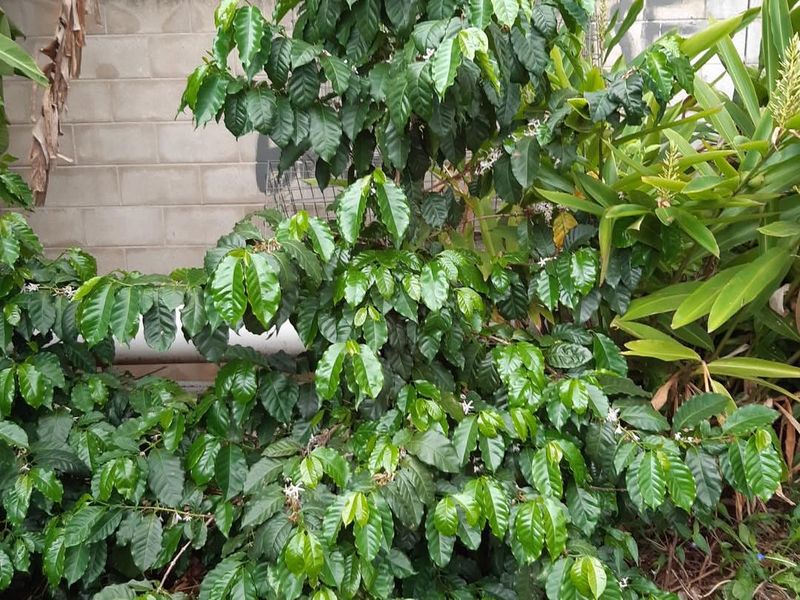
Kentucky coffee trees grow naturally in Ohio and throughout the Midwest, earning their unusual name from early settlers who roasted the seeds as a coffee substitute during shortages.
These impressive trees can reach heights of 75 feet and provide excellent shade with their large, tropical-looking leaves that create a distinctive texture in the landscape.
What many Ohio homeowners don’t realize is that the raw seeds and pods contain toxic compounds that must be processed extensively before they become safe for consumption.
The large, leathery pods that develop in fall look interesting and unusual, which often attracts children’s attention during outdoor exploration and play.
Each pod contains several large seeds embedded in a sticky, sweet pulp that might tempt curious kids to taste.
While roasting destroys the toxins, eating raw seeds or pod pulp can cause stomach upset and other unpleasant symptoms that send families to urgent care.
Livestock and pets generally avoid Kentucky coffee tree pods because of their bitter taste, but desperate or curious animals sometimes consume them anyway, especially during winter when other food sources become scarce.
The pods are large and heavy, creating slip hazards on sidewalks and patios where they accumulate throughout fall and winter months.
Ohio homeowners often complain about the difficult cleanup these trees require.
Native plant enthusiasts sometimes recommend Kentucky coffee trees because they’re indigenous to Ohio and support local wildlife in various ways.
However, the toxic seed concerns and messy pod cleanup make them questionable choices for residential properties with children.
The tree’s redeeming qualities include beautiful bark texture and the fact that it’s one of the last trees to leaf out in spring, which some people appreciate.
Weigh these benefits carefully against the potential risks before adding a Kentucky coffee tree to your Ohio landscape.
8. Buckeye Tree
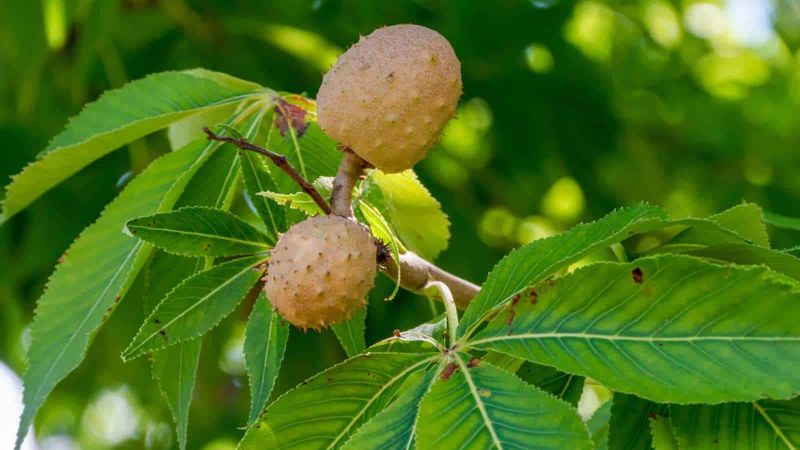
Buckeye trees hold special significance for Ohio residents as the state tree, with the Ohio State University even adopting the buckeye as its symbol and mascot.
These native trees produce distinctive nuts with shiny brown shells and lighter tan patches that supposedly resemble a deer’s eye, which explains their common name.
Despite their cultural importance throughout Ohio, buckeye trees contain glycosides in their nuts, bark, and leaves that can cause serious problems when consumed.
Many Ohioans carry buckeye nuts as good luck charms or collect them as souvenirs during fall walks, which normalizes their presence and might make children less cautious around them.
The nuts are large enough to present choking hazards for small children, and the toxic compounds inside can cause symptoms ranging from stomach upset to more concerning reactions.
Pets who chew on fallen buckeyes may experience drooling, weakness, and coordination difficulties.
Several buckeye species grow in Ohio, including the Ohio buckeye, yellow buckeye, and bottlebrush buckeye, and all of them contain varying levels of these toxic compounds.
The beautiful spring flowers attract hummingbirds and other pollinators, providing ecological benefits that make some people overlook the safety concerns.
The palmately compound leaves turn brilliant yellow-orange in fall, adding to the tree’s ornamental appeal across Ohio landscapes.
Native Americans and early settlers knew how to process buckeye nuts through extensive leaching to remove toxins, but modern families shouldn’t attempt these complicated procedures.
The cultural connection many Ohio residents feel toward buckeye trees is understandable and meaningful, but this doesn’t change the fact that they pose real risks in yards where children and pets spend time.
Consider appreciating buckeyes in parks and natural areas rather than planting them where your family lives and plays every single day.